
CNC Machining 1045 Carbon Steel for Precision Parts
Move from drawing review to inspected 1045 steel parts through DFM-led process planning for custom components, tooling, and die work.
Representative 1045 Steel Component and Tooling Work


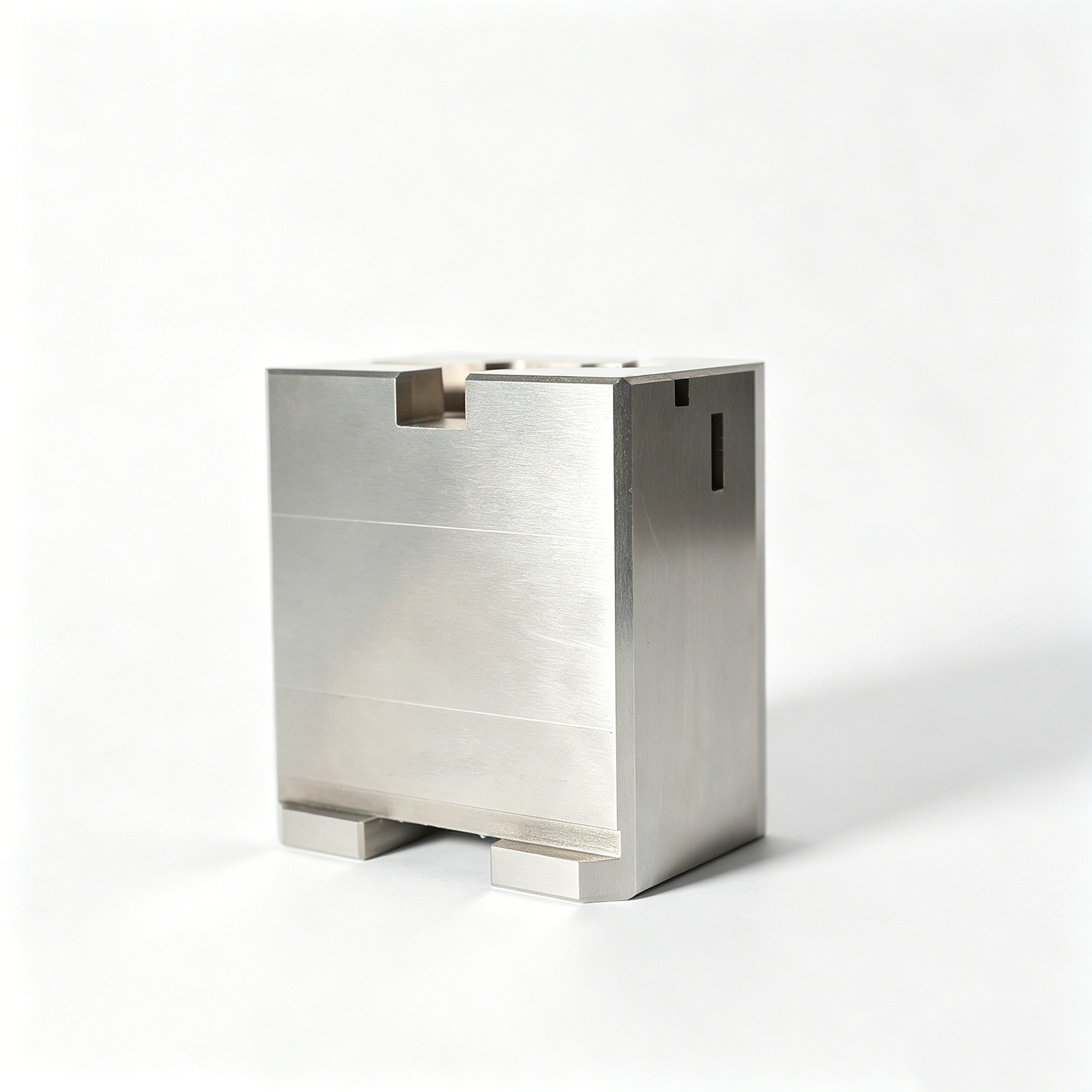





CNC Machining 1045 Carbon Steel Requires a Disciplined Process Route
SUUXIANG reviews the drawing, critical features, material condition, and inspection requirements before committing to a manufacturing route.
DFM Before Quotation
Review machining access, datums, tolerances, and material condition early so the quotation reflects a workable 1045 steel process route.
Critical Dimensions Planned
Identify fit surfaces, hole positions, concentric features, and tolerance stacks to prioritize setups, finishing operations, and appropriate inspection methods.
Heat Treatment Allowance
Plan roughing, heat-treatment sequence, and finish allowance when dimensional stability or hardness requirements affect final machining and grinding decisions.
EDM and Grinding Strategy
Evaluate electrode access, wire paths, corner requirements, and grinding stock when conventional cutting cannot reliably produce specified geometry.
Inspection Matched to Drawings
Align measurement methods and reporting needs with critical dimensions, datum references, surface requirements, and the agreed inspection plan.
Revision-Controlled Execution
Keep drawing revisions, manufacturing decisions, and delivery information visible to reduce ambiguity between engineering, quality, and production teams.
Drawing-Driven Precision Manufacturing
Configurable process and component families for engineering teams managing critical dimensions, production risk, and inspection requirements.
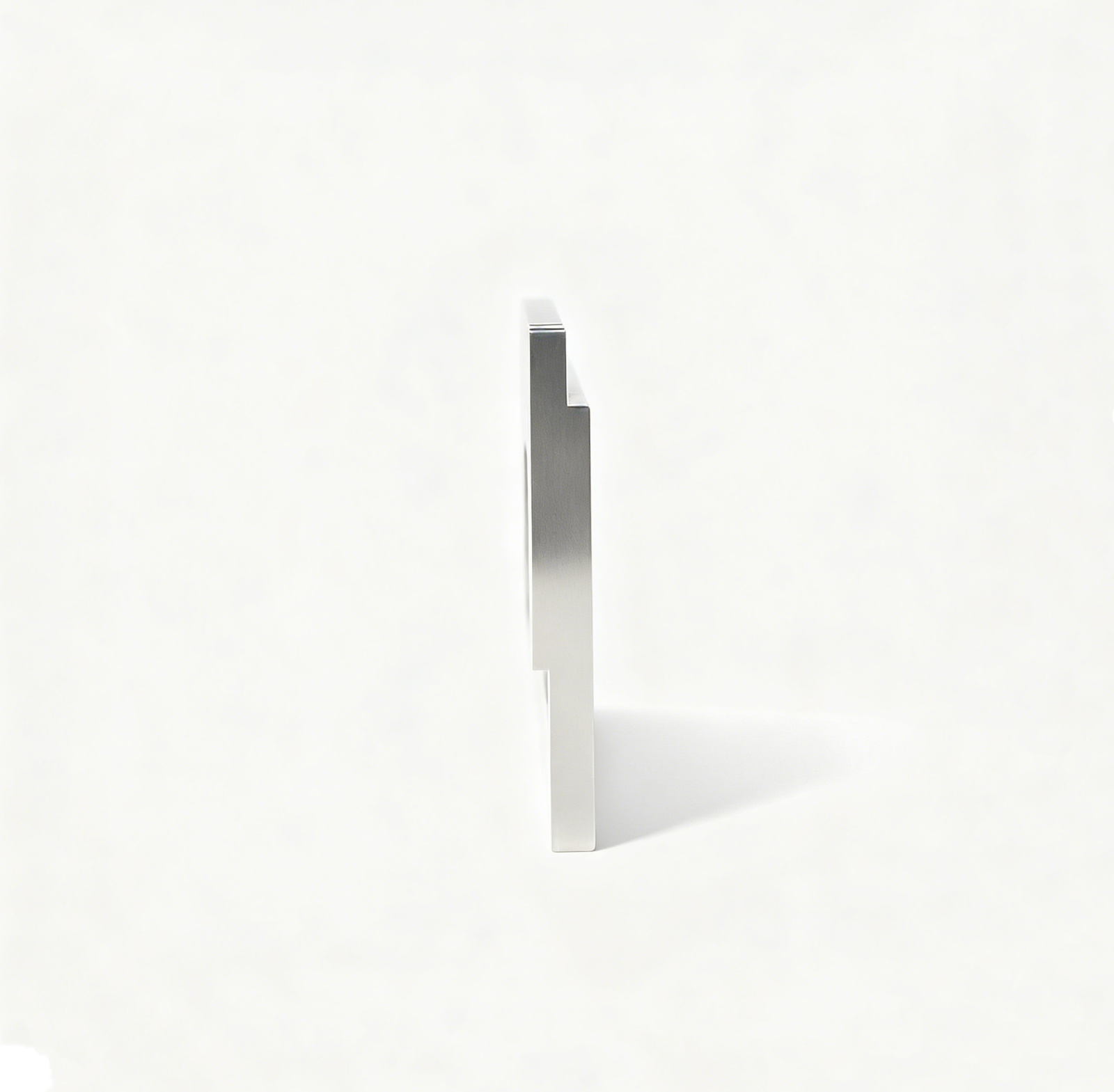
CNC Machining Services
Precision CNC machining services for drawing-based parts requiring a defined process route, critical-dimension review, material confirmation, and inspection planning before production commitments are made.
Upload a Drawing
CNC Milling
Custom CNC milling services for prismatic parts, plates, housings, inserts, and complex features. Reviews address datum selection, tool access, machining allowances, surface requirements, and dimensions that require documented inspection.
Upload a Drawing
CNC Turning
Precision CNC turning services for shafts, pins, sleeves, bushings, and rotational features. Requirements are evaluated around concentricity, runout, thread details, material condition, mating interfaces, and inspection method.
Upload a Drawing
5-Axis Machining
5-axis CNC machining supports parts with compound angles, contoured surfaces, and features that benefit from fewer setups. Process planning considers access, workholding, datum transfer, tool reach, and critical-feature inspection.
Upload a Drawing
Swiss & Micro Machining
Swiss machining and micro machining support small, slender, or detailed turned components where handling, concentricity, burr control, and feature access require disciplined process planning and inspection criteria.
Upload a Drawing
Wire EDM & Sinker EDM Services
Wire EDM and sinker EDM services address hardened materials, narrow slots, internal corners, fine details, and geometries beyond conventional cutter access. Electrode strategy, wire path, recast considerations, and finishing requirements are reviewed.
Upload a Drawing
Precision Grinding
Precision surface and profile grinding supports controlled flatness, parallelism, profile accuracy, and final stock removal. Grinding allowance, heat-treatment sequence, datum condition, and measurement approach should be defined before release.
Upload a Drawing
Mold Core & Cavity Inserts
Precision mold core and cavity inserts are produced from drawings and models with attention to shutoff geometry, cooling interfaces, material condition, EDM requirements, grinding stock, and critical molding surfaces.
Upload a Drawing
Ejector & Ejection Components
Ejector pins, sleeves, and ejection components are configured for the mold’s movement, fit, and wear conditions. Buyers should provide material, heat treatment, diameter tolerances, surface needs, and mating-component context.
Upload a Drawing
Core Pins, Guide & Locating Components
Core pins, guide pins, and locating components are manufactured around functional alignment and repeatable assembly. Drawing review focuses on fits, datum relationships, straightness, concentricity, hardness requirements, and inspection priorities.
Upload a Drawing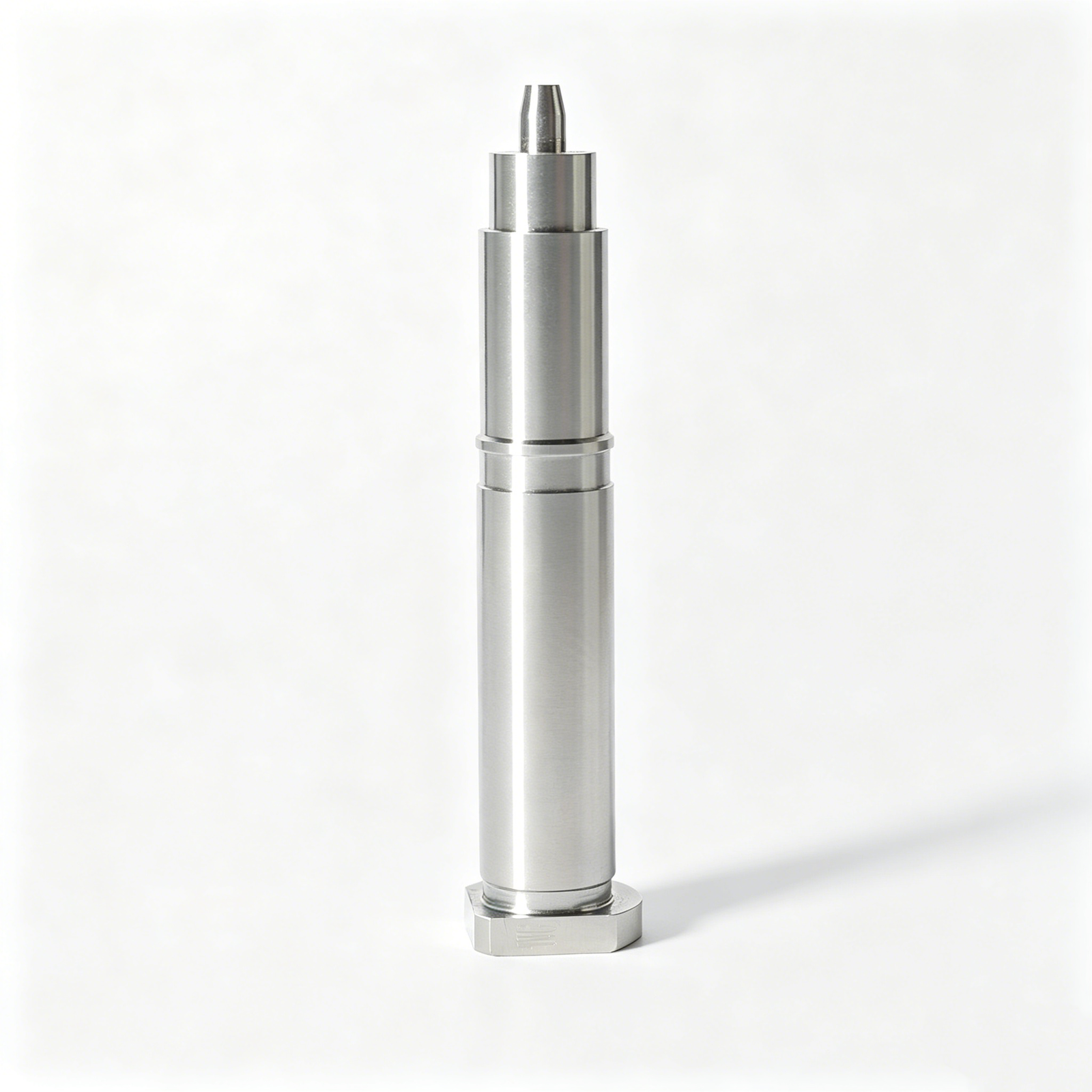
Slides, Lifters, Gates & Mold Accessories
Mold slides, lifters, gates, and accessories are planned as configurable components rather than assumed catalog items. Geometry, travel interfaces, wear surfaces, molding function, and assembly datums guide the process route.
Upload a Drawing
Connector Mold Components
Precision connector mold components support fine-pitch, multi-cavity, and interface-sensitive tooling. Reviews consider small features, insert relationships, EDM access, grinding requirements, material condition, and inspection of critical locations.
Upload a Drawing
Stamping Die Components
Precision stamping die components are produced for drawing-driven die assemblies, including punches, inserts, guides, and forming elements. Material, heat treatment, profile accuracy, clearance relationships, and finishing requirements determine the route.
Upload a Drawing
Injection Mold Components, MIM, CIM & Overmolding Tooling
Injection, MIM, CIM, and overmolding tooling components are supported where requirements fit verified production scope. Provide molding context, materials, shrinkage assumptions, parting and shutoff details, and critical cavity or core dimensions.
Upload a Drawing
Machining Materials
CNC machining materials are selected against the drawing, application, machining route, and downstream treatment requirements. Confirm the specified grade, material condition, traceability needs, and any substitute approval process before production.
Upload a Drawing
Surface Finishes & Heat Treatment
Surface finishing and heat treatment requirements must be tied to function, material, dimensional risk, and inspection needs. Define coating or finish type, hardness range, treatment sequence, masking needs, and acceptable post-process variation.
Upload a Drawing
Quality, Metrology & Documentation
Precision inspection, metrology, and quality documentation are planned around the order’s critical features. Define dimensions to report, datum references, sampling expectations, measurement methods, revision status, and required traceability documents.
Upload a Drawing
Prototyping & Low-Volume Production
Rapid prototyping and low-volume manufacturing support design validation, fixture development, bridge quantities, and controlled revisions. A complete RFQ should state quantity, drawing revision, material, quality priorities, target date, and inspection requirements.
Upload a DrawingCNC Machining 1045 Carbon Steel and Drawing-Reviewed Alternatives

1045 Carbon Steel
A medium-carbon option for shafts, pins, locating features and load-bearing mechanical parts. CNC machining 1045 carbon steel requires review of stock condition, critical dimensions, heat-treatment sequence and finishing allowance where hardness or wear performance matters.

1018 Carbon Steel
A lower-carbon choice for general brackets, fixtures and lower-stress machined components where forming or weld-related requirements may influence selection. Confirm the required material standard, stock form, surface condition and dimensional priorities with the drawing package.

4140 Alloy Steel
A chromium-molybdenum alloy often considered for higher-strength mechanical components, pins and tooling-related applications. Material condition, specified hardness, machining allowance and final inspection method should be aligned before selecting the process route.

Stainless Steel Grades
Stainless steel may suit parts needing corrosion resistance, such as fixtures, connector-related components or equipment interfaces. Grade selection, passivation expectations, surface finish, machining access and mating-material conditions require drawing-based review before quotation.

Tool Steel Grades
Tool steels can be considered for mold inserts, die components and wear-critical tooling features. The drawing review should define grade, heat-treatment condition, EDM or grinding needs, datum strategy and inspection requirements before machining is planned.
CNC Machining 1045 Carbon Steel: Machining, EDM and Grinding Processes

CNC Milling
Milling creates prismatic features, pockets, faces and hole patterns in 1045 carbon steel. Fixture design, cutter access and datum selection are reviewed to support stable machining and inspection of critical dimensions.

CNC Turning
Turning supports shafts, sleeves, stepped diameters, threads and concentric features. The process route considers stock condition, workholding, runout control and any later heat treatment or grinding needed for functional diameters.

Wire EDM
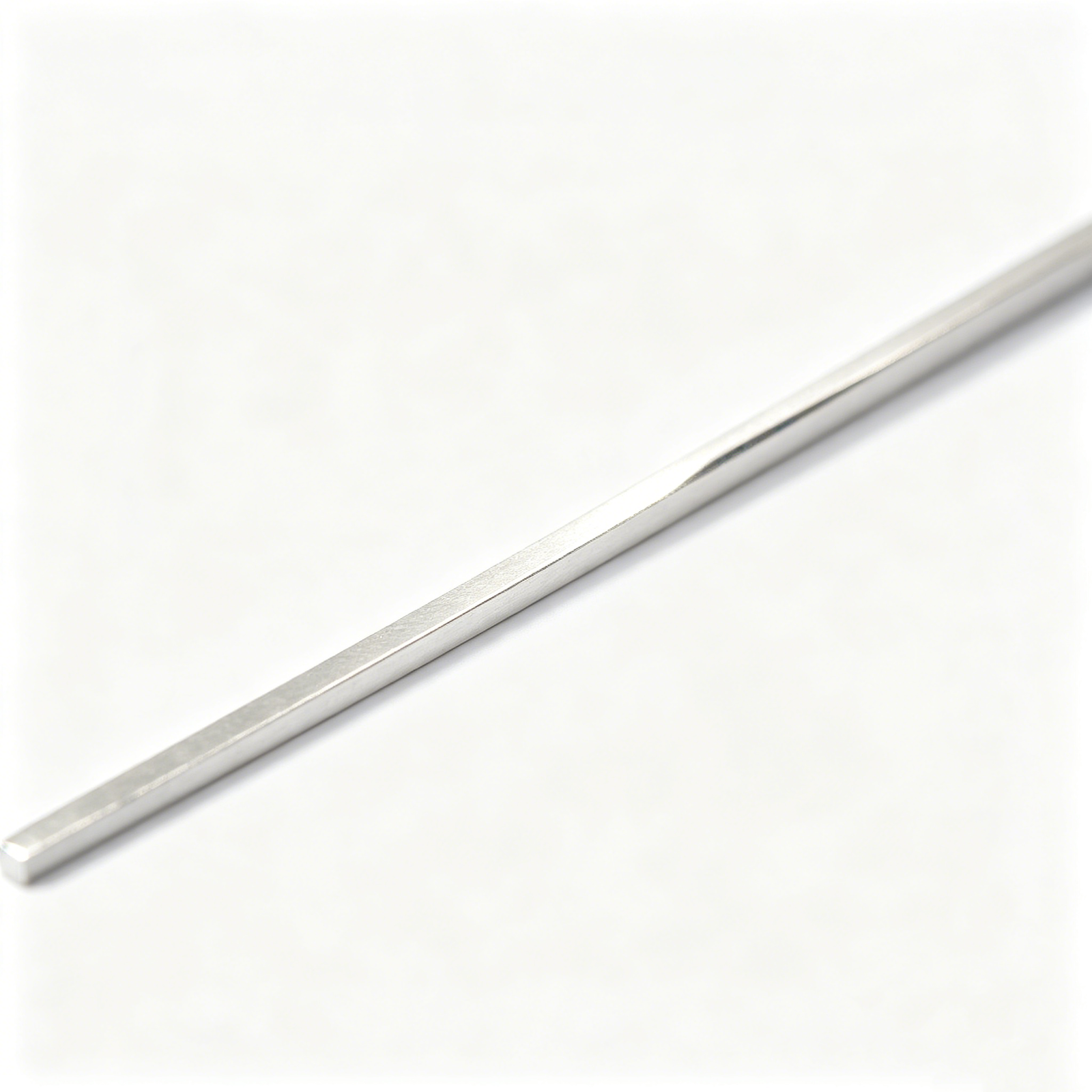
Wire EDM is considered for precise profiles, narrow slots, internal contours and hardened-condition features where a mechanical cutting path is unsuitable. Wire path, start-hole access and datum references guide the programmed approach.

Sinker EDM
Sinker EDM forms deep cavities, sharp internal details and inaccessible geometry through an electrode-based process. Electrode strategy, finishing allowance and surface expectations are aligned with subsequent fitting, polishing or inspection steps.
Precision Grinding
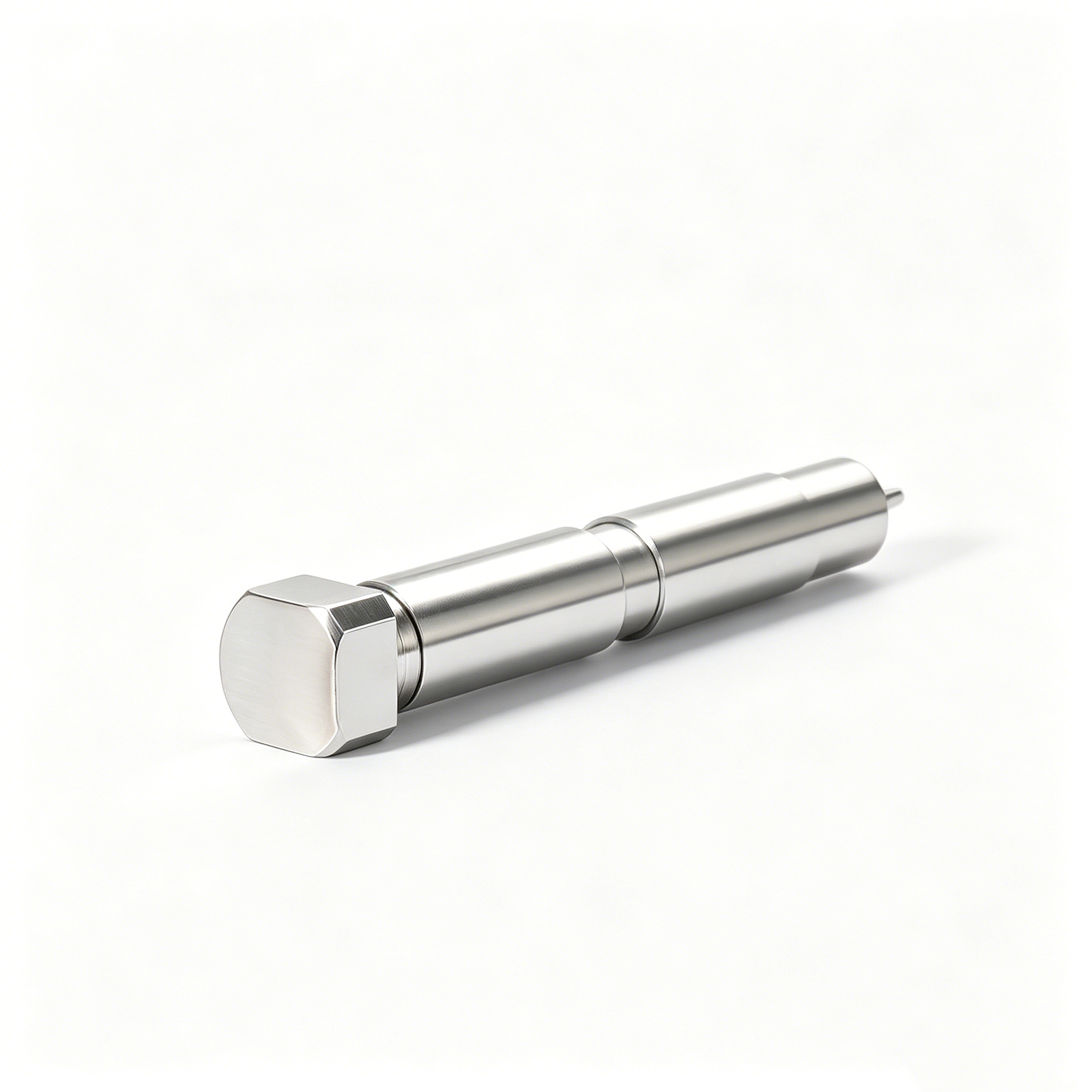
Precision grinding finishes selected faces, outside diameters and functional surfaces after machining or heat-treatment stages. Grinding stock, datum control, surface requirements and measurement method are defined before final-size processing.
CNC Machining 1045 Carbon Steel: Supported Tooling Features

Guide Elements
Guide pins, bushings and locating features can be manufactured to drawing-defined fits and datum requirements. Their mating relationship, lubrication needs, hardness condition and grinding allowance should be reviewed with the complete assembly context.

Ejection Parts
Ejector pins, sleeves and related ejection components require attention to clearance, surface condition and alignment with the mold stack. Provide critical diameters, stroke context and any heat-treatment or finishing requirements for review.

Gate Features
Gate inserts and feeding features are configurable around the specified mold design, material flow requirements and service conditions. Define the relevant geometry, mating surfaces, surface finish and revision-controlled interface dimensions in the RFQ.
Slides and Lifters
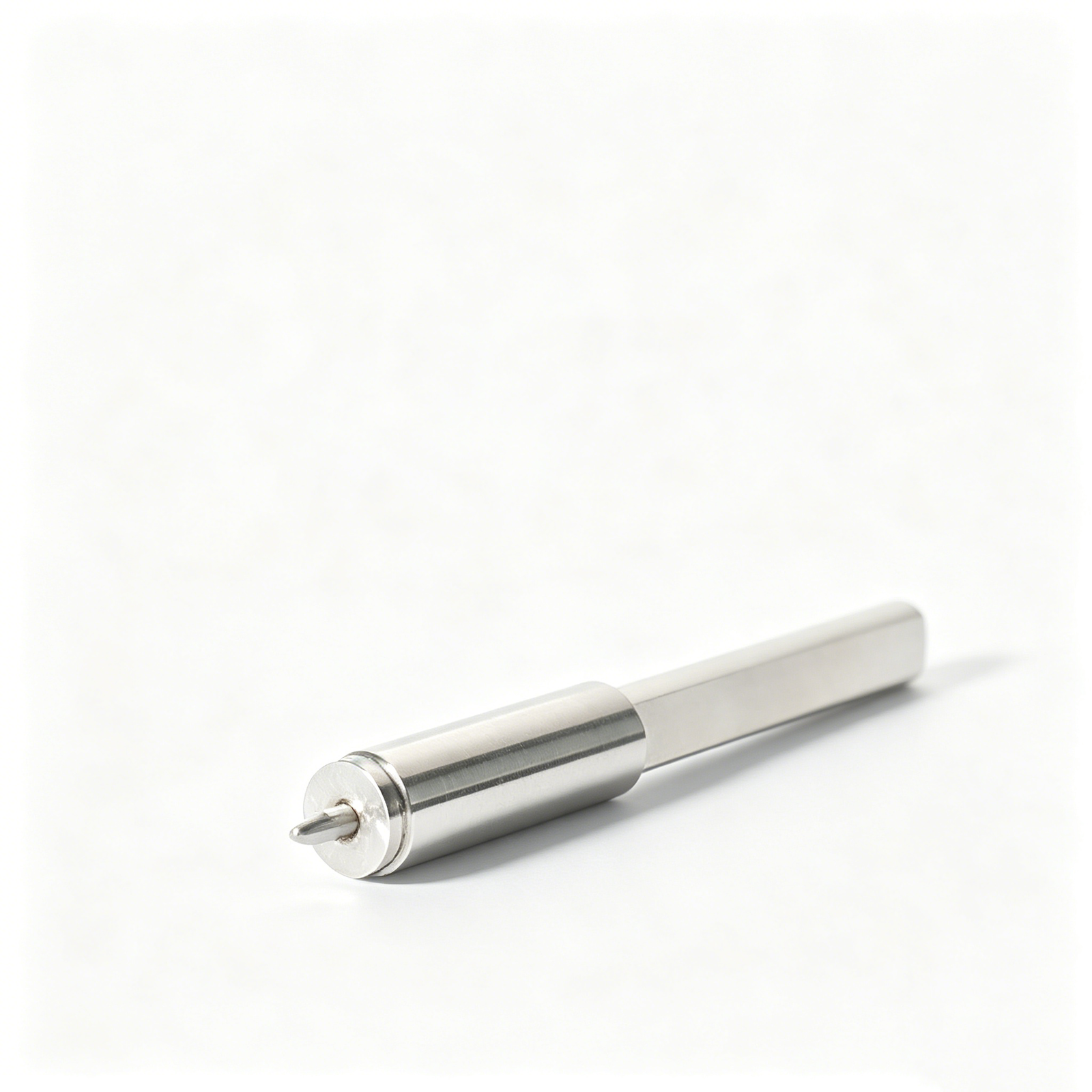
Slides, lifters and associated wear interfaces may combine CNC machining, EDM and grinding depending on geometry and fit requirements. Assembly motion, datum strategy, contact surfaces and required inspection points should accompany the drawing.

Locating Hardware
Custom locating blocks, stops, keys and alignment hardware support repeatable mold or fixture assembly when dimensions are controlled from clear datums. Material condition, load direction, mating parts and tolerance stack should be identified early.
About SUUXIANG Precision Manufacturing
SUUXIANG is the sole public-facing brand of Dongguan SuuXiang Precision Mold Co., Ltd., established in 2010 in Chang’an Town, Dongguan, Guangdong, China. Founded and legally represented by XiaoCheng Huang, we help global engineering, sourcing, and quality teams convert drawings and specifications into inspected custom machined parts with a clear, controlled manufacturing route.
Our work integrates CNC milling and turning, multi-axis machining, EDM, precision grinding, fitting and inspection. For cnc machining 1045 carbon steel, the review can address material condition, critical dimensions, datum strategy, heat-treatment sequence, machining allowance and the inspection evidence needed before production commitments are made.
What differentiates SUUXIANG is disciplined project communication: DFM review precedes quotation, process choices remain connected to drawing requirements, and revision, inspection and delivery information stay visible throughout the project. We support drawing-based precision parts, mold components, connector tooling and die components within verified production scope.

CNC Machining 1045 Carbon Steel: Core Capabilities
Drawing and DFM Review
Each CNC machining 1045 carbon steel project begins with the drawing, model, material condition, quantity, and quality requirements. SUUXIANG reviews critical dimensions, datums, surface expectations, tool access, and tolerance risks before a process route or production commitment is defined.
- Identify critical-to-quality dimensions and datum relationships
- Review wall geometry, tool reach, holes, threads, and machining access
- Confirm material, heat-treatment, surface, and delivery requirements
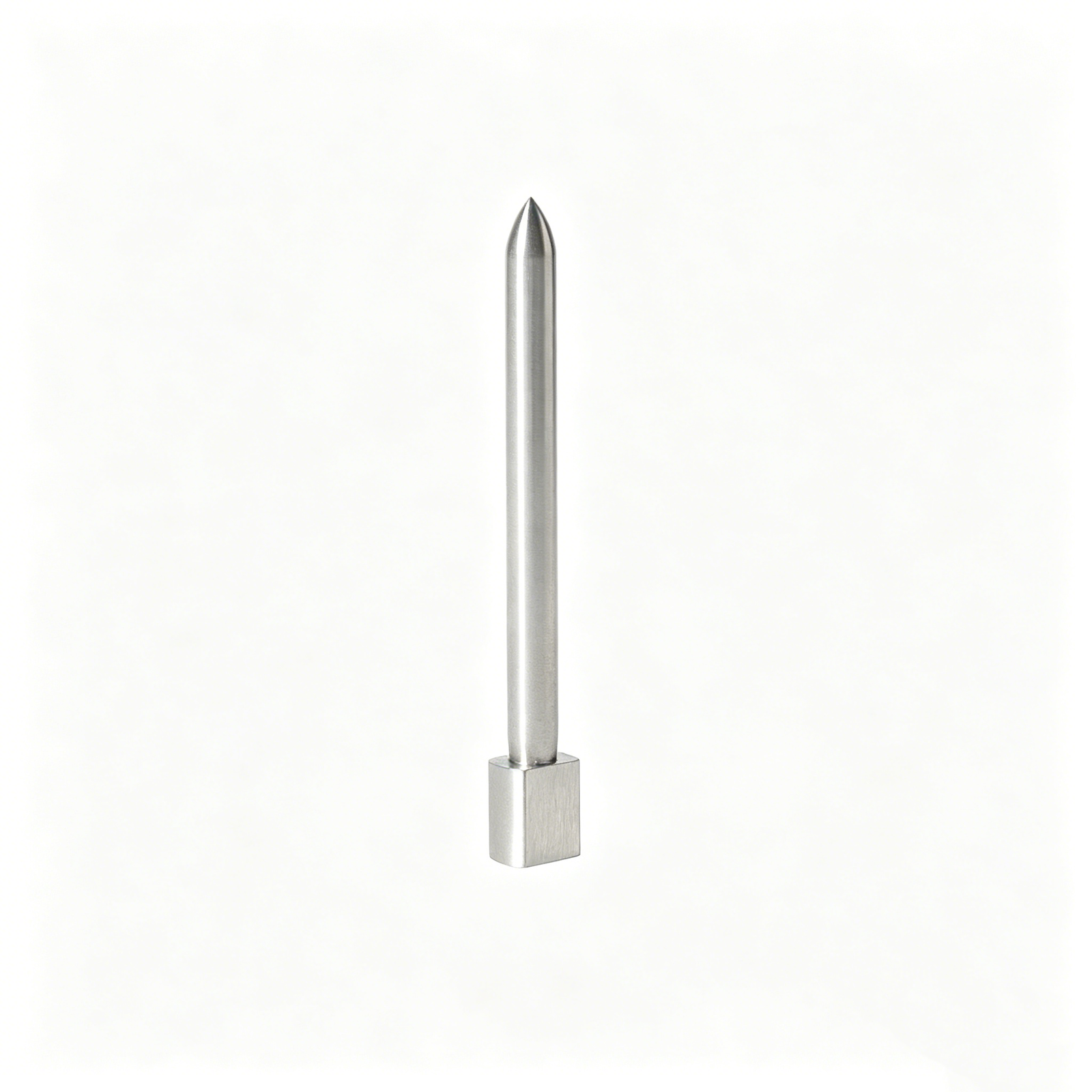
CNC and EDM Planning
1045 steel parts may require more than milling or turning. SUUXIANG plans the appropriate sequence across CNC machining, wire EDM, sinker EDM, and supporting operations when geometry, internal corners, profile detail, or access constraints make a single process unsuitable.
- Match milling or turning strategy to part geometry
- Assess wire-EDM and electrode needs for inaccessible features
- Plan operations around required datums and finishing access
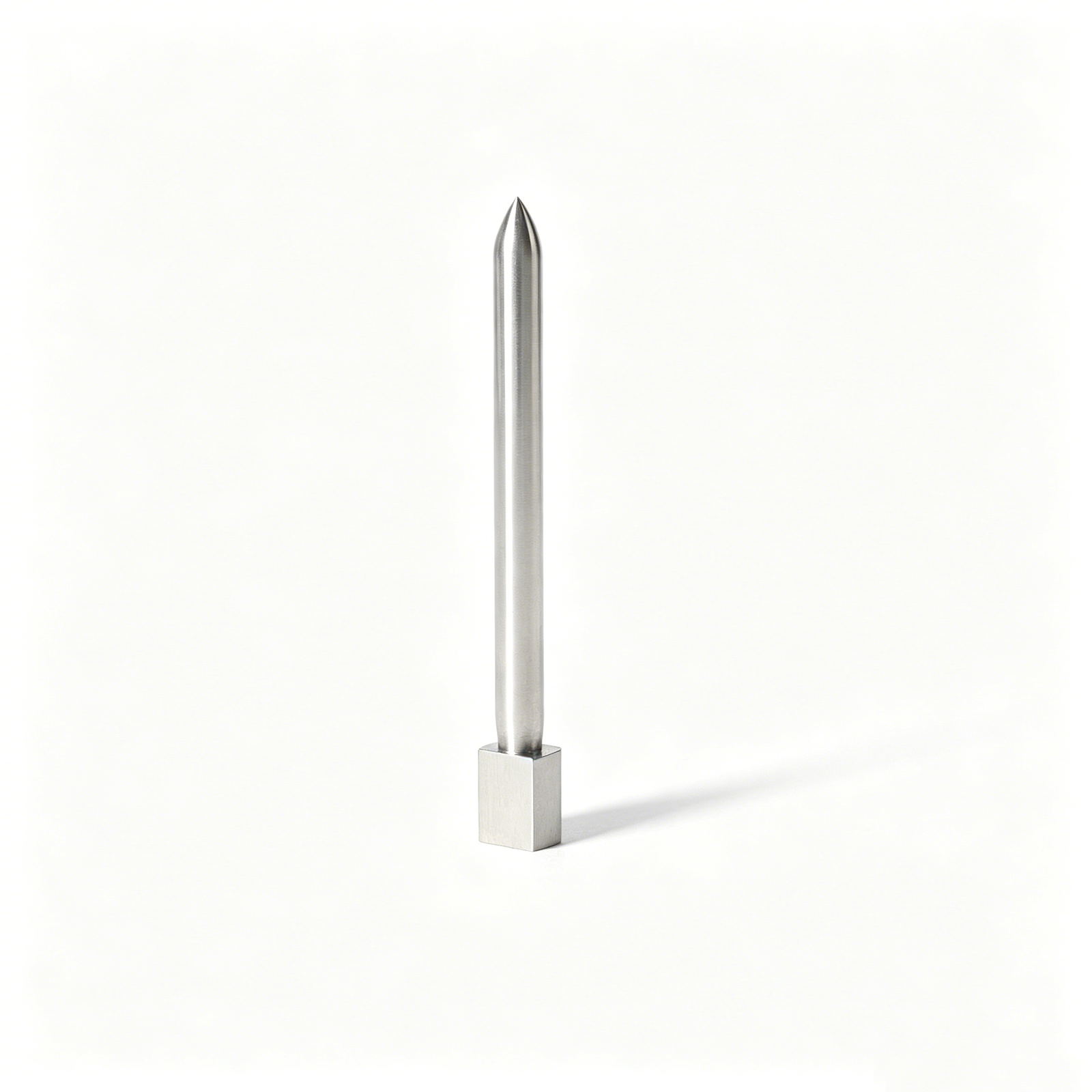
Grinding and Fitting Strategy
For precision interfaces, the route must account for grinding stock, heat-treatment sequence, and final-fit requirements. SUUXIANG evaluates where finishing should occur after prior operations so critical surfaces, fits, flatness, concentricity, or mating relationships can be addressed through the verified project plan.
- Reserve machining allowance for planned finishing steps
- Review critical fits and mating-component context
- Coordinate grinding and fitting within the defined process route

Inspection and Revision Control
CNC machining 1045 carbon steel production is coordinated against the agreed drawing revision and inspection expectations. SUUXIANG aligns inspection methods and final documentation with the order, keeping dimensional priorities, revision information, and delivery coordination visible throughout the drawing-driven workflow.
- Define inspection priorities before production begins
- Maintain visibility of approved drawing revisions
- Match final documentation to the verified inspection plan

CNC Machining 1045 Carbon Steel: Drawing-Based Workflow Comparison
Compare a disciplined drawing-review workflow with a typical generic supplier approach before releasing 1045 steel parts to production.
← Swipe left or right to view →
CNC Machining 1045 Carbon Steel: From Drawing to Delivery
Each route is planned around the drawing, material condition, critical dimensions, required secondary processes, inspection scope, and delivery requirements.
Review Drawing and DFM
SUUXIANG reviews drawings, models, material condition, datums, critical dimensions, surface requirements, quantity, and delivery needs before confirming a practical production route.
Plan Material and Operations
The team aligns stock selection, machining allowance, heat-treatment sequence, tool access, and any required milling, turning, EDM, or grinding operations with order requirements.
Machine Critical Features
CNC milling, turning, multi-axis machining, or micro machining are applied as appropriate, with process choices guided by geometry, datum strategy, and feature accessibility.
Finish EDM and Grinding
Where specified, wire EDM, sinker EDM, precision grinding, and fitting address detailed profiles, hardened features, functional surfaces, and final dimensional control.
Inspect Pack and Coordinate
Inspection follows the agreed plan, with order-matched documentation, protective packing, revision visibility, and shipping coordination completed according to verified project requirements.
Start CNC Machining 1045 Carbon Steel
A drawing-led workflow for aligning material condition, critical dimensions, process planning, inspection expectations, and delivery requirements before production begins.
Submit Your Drawing Package
Share 2D drawings, 3D models when available, 1045 material and heat-treatment requirements, quantity, critical dimensions, surface needs, inspection expectations, application context, and target delivery date.
Review DFM and Quotation
Work with SUUXIANG to clarify datum strategy, machining access, tolerance stack, grinding allowance, EDM needs, revision status, and the proposed manufacturing route before quotation approval.
Approve the Production Plan
Confirm the agreed drawing revision, material condition, critical-to-quality features, inspection method, sample or first-piece requirements, documentation scope, and delivery coordination plan for CNC machining 1045 carbon steel.
Coordinate Build and Delivery
SUUXIANG manages the applicable CNC machining, EDM, grinding, fitting, and inspection sequence, keeping revision and project information visible through final documentation and shipment coordination.
Customer References Published Only with Approval
CNC Machining 1045 Carbon Steel: Approved Project Feedback
Customer testimonial pending written approval. SUUXIANG will publish only verified project outcomes, including the applicable drawing revision, inspection scope, delivery context, and customer-authorized performance results.
Case example pending approval. Any future CNC machining 1045 carbon steel feedback will identify only customer-approved details, such as component type, critical dimensions, process route, and documented inspection outcome.
Customer feedback pending verification. SUUXIANG does not publish unverified names, ratings, quantities, tolerances, lead times, or production results; approved references will be added when supporting evidence is available.
CNC Machining 1045 Carbon Steel FAQ
Practical answers for engineering, quality, and procurement teams preparing a drawing-based 1045 steel component inquiry.
What is the minimum order quantity for cnc machining 1045 carbon steel?
What files do I need to request cnc machining 1045 carbon steel?
Can you quote cnc machining 1045 carbon steel when the drawing has tight tolerances?
Should 1045 steel be heat treated before or after machining?
How long do samples and production orders take?
Can I receive inspection reports with 1045 steel machined parts?
How are shipping, packaging, and payment terms handled?
How does SUUXIANG protect drawings and manage revisions?
Complete Buyer’s Guide to cnc machining 1045 carbon steel
Use this decision framework to specify 1045 steel parts, compare material conditions and finishing routes, qualify capable CNC suppliers, control cost and risk, and avoid tolerance, heat-treatment, corrosion, and inspection mistakes before release.
1. What Is cnc machining 1045 carbon steel?
AISI/SAE 1045 is a medium-carbon steel, commonly specified at about 0.45% carbon, machined from a buyer-approved drawing into milled, turned, drilled, or ground components. The delivered part should be defined by the drawing’s material callout, datums, critical dimensions, surface requirements, and inspection plan—not by a generic material label. Source: https://rapidaxis.com/materials/1045-carbon-steel
1045 provides a practical middle ground between low-carbon steel and higher-alloy grades: useful strength and wear resistance with generally workable machining and material cost. Typical drawing-based applications include shafts, pins, sleeves, gear blanks, fixtures, mold components, and connector-tooling parts where moderate mechanical loading matters. Source: https://daxincnc.com/resources/cnc-machining-1045-steel
4140 or another alloy may be the better selection when through-hardening response or higher-load performance is central to the application. Stainless steel or a defined protective finish deserves review when sustained corrosion exposure is a requirement, because 1045 is not inherently corrosion resistant. Source: https://daxincnc.com/resources/cnc-machining-1045-steel
2. Evolution of cnc machining 1045 carbon steel
1045 entered general mechanical use because its nominal 0.45% carbon class offered a practical step up from low-carbon steels for shafts, pins, fixtures, and wear-bearing components without specifying a heavily alloyed grade. For sourcing, that legacy means the drawing must define stock condition, required properties, and any heat-treatment state—not merely the grade name.
CNC milling and turning made the same material suitable for repeatable profiles, bores, threads, shoulders, and multi-face features that would otherwise demand multiple dedicated setups. A buyer should still identify functional datums, critical dimensions, tool access, and the measurement method, since repeatable motion does not eliminate fixturing or tolerance-stack risk.
Modern programs coordinate rough machining, heat treatment, finish machining or grinding, probing, and final inspection as one controlled route. Names such as C45, C45E, S45C, and China 45 steel are often discussed as equivalents, but confirm the governing material standard, chemistry limits, delivery condition, and required test evidence before release.
3. Types of cnc machining 1045 carbon steel
1045 carbon steel parts should be grouped by geometry and finishing sequence before quotation. Each route changes fixturing, datum control, machining allowance, and the drawing information needed for a credible DFM review.
CNC Turning
1045 shafts, pins, sleeves, and flanges suit turning when features share a rotational axis. Call out runout, concentricity, bearing-seat finish, and datum faces; chucking distortion and stock straightness can drive results.
CNC Milling
1045 plates, blocks, brackets, and mold details suit milling for pockets, faces, and compound profiles. Specify datum order, internal-corner radii, tool access, and flatness where mating surfaces govern function.
Mill-Turn Features
1045 parts with turned diameters plus cross-holes, flats, or milled keyways can justify mill-turn. Identify the controlling datum between rotational and prismatic features so transfer error is evaluated before production.
Drilling And Tapping
1045 threaded holes require thread size, class, depth, entry condition, and blind-hole bottom clearance. Call out positional tolerance from functional datums, especially for mounting patterns and mating connector tooling.
Finish Grinding
1045 heat-treated journals, pins, and wear faces may need finish grinding after distortion-prone thermal processing. State final hardness condition, grind stock, surface finish, and inspection method on the drawing.
Production Stage
Prototype quantities prioritize accessible tooling and rapid drawing feedback; bridge lots test process stability and inspection plans. Repeat production needs controlled workholding, revision discipline, and agreed critical-dimension reporting.
4. 1045 Stock Conditions and Material Equivalents
1045 stock condition affects the allowance, stress-control route, and inspection risk before cnc machining 1045 carbon steel begins. Specify the product form and delivery condition on the drawing or RFQ.
| Material | Decision Use | Key Trade-Off |
|---|---|---|
| 1045 | General shafts, pins, mold components | Balanced cost and strength; limited corrosion resistance |
| 1018 | Welded or lower-strength parts | Easier machining; lower strength and wear basis |
| 4140 | Higher-load or hardenability needs | Higher alloy cost; treatment route needs control |
| Corrosion-resistant stainless | Wet or corrosive service | Corrosion benefit; grade and machinability vary |
Choose Stock Condition
Hot-rolled 1045 commonly carries mill scale and needs more cleanup allowance; it can be economical when critical surfaces are fully machined.
Cold-drawn bar is typically cleaner and straighter, but drawing stress can move thin features after uneven removal. Normalized stock offers a more uniform starting condition, while annealed stock favors easier cutting; forged blanks need sufficient stock for scale and shape variation.
Verify Equivalent Names
C45, C45E, S45C, and Chinese ’45 steel’ are frequently encountered designations, not automatic material substitutions.
Each RFQ should require a material certificate, governing specification, product form, delivery condition, chemistry, and required mechanical properties. Match those records to the drawing before release.
5. Heat Treatment and Finish Options
1045 parts should be specified by required hardness, distortion risk, and final datum tolerance. Heat treatment and protective finish must be selected together because both can change dimensions and inspection access.
| Route | Typical Purpose | Buyer Control |
|---|---|---|
| As-machined | General mechanical parts | Surface and tolerance |
| Normalize | Uniform starting condition | Post-treatment stock |
| Quench and temper | Higher bulk strength | Hardness and distortion |
| Induction harden | Localized wear resistance | Depth and masked areas |
Select The Heat Route
As-machined 1045 suits parts needing moderate strength without a hardness requirement. Normalizing can establish a more uniform condition before finish machining.
Quench-and-temper treatment raises strength through the section, while induction hardening targets selected wear surfaces. Required hardness, effective depth, and permitted distortion belong on the drawing or RFQ.
Plan Grinding Stock
0.10–0.30 mm grinding stock per surface is a common planning range, subject to geometry and heat-treatment distortion. Rough machining should preserve datum references and leave accessible stock.
The controlled sequence is rough machining, heat treatment, finish machining or grinding, then inspection. Final reports should identify the revision, inspection method, hardness requirement, and actual critical dimensions.
Specify Surface Protection
Black oxide and phosphate provide limited corrosion protection and typically have low dimensional effect. Plating, paint, and other coatings require thickness limits on threads, fits, sealing faces, and electrical contacts.
1045 steel is not inherently corrosion resistant, so environment and handling period determine whether protection is necessary. The RFQ should state finish type, coverage areas, masking, thickness, appearance, and corrosion-test requirement.
6. Construction Quality in 1045 Machined Parts
Functional quality in cnc machining 1045 carbon steel begins with a drawing that defines how the part is located, measured, and accepted. SUUXIANG should review critical features before selecting the machining, EDM, or grinding route.
Datums And Geometric Control
Primary, secondary, and tertiary datums should reflect the assembly’s locating surfaces, not merely convenient stock faces. Position, perpendicularity, and profile controls need a stated inspection reference.
A drawing-review question: Which datum scheme governs every critical bore, mounting face, and functional axis? Another: Is runout required at a bearing or mating diameter?
Bores Threads And Edges
Bores require size, depth, tolerance, surface requirement, and datum relation; threads require designation, class, depth, and gauging method. Blind features also need realistic tool clearance and bottom geometry.
An edge-break note should define where burr-free handling or assembly is critical. A drawing-review question: Can the specified chamfer avoid removing a functional sharp edge?
Access And Inspection Planning
Deep holes, thin walls, interrupted cuts, and long 1045 chips can affect tool deflection, chip evacuation, and finish consistency. Restricted access may require a different setup or process sequence.
Inspection planning should link each critical characteristic to an instrument, datum setup, and report requirement. A drawing-review question: Which dimensions require CMM, bore gauging, thread gauging, hardness verification, or runout measurement?
7. Choosing a cnc machining 1045 carbon steel Manufacturer
For 1045 parts, qualify the manufacturer against the actual geometry, tolerance risk, and controlled finishing route—not a generic machine list. Ask how drawing review becomes documented production and inspection decisions.
Match Equipment To Geometry
For shafts, pins, and turned profiles, confirm turning or Swiss capability; for pockets and prismatic features, confirm milling access. For hardened or fine-feature work, clarify EDM, grinding, and fixturing routes before quotation.
Verify Material And Process Control
For each lot, request material identity, applicable certificates, heat-treatment requirements, finishing specifications, and traceability through shipment. For heat-treated dimensions, require the supplier to define machining allowance, final-process sequence, and acceptance evidence.
Request Launch And Quality Evidence
For an RFQ, provide 2D drawings, 3D files, annual volume, critical characteristics, inspection plan, certificates required, and explicit acceptance criteria. Require first-article results, in-process checks, metrology method, revision communication, protective packing, and written change control.
8. Common Buyer Mistakes With 1045 Steel
1045 sourcing failures usually originate in incomplete drawing inputs, not the grade name alone. For cnc machining 1045 carbon steel, the RFQ must define the material state, process sequence, acceptance criteria, and revision-controlled evidence.
Grade And Stock Condition
1045, C45E, and S45C should not be treated as automatically interchangeable. The consequence is mismatched chemistry, delivery condition, or documentation; state the required standard, allowable substitute rule, stock form, and annealed, normalized, cold-drawn, or hot-rolled condition.
Heat Treatment Sequence
1045 parts can change dimension during heat treatment. The consequence is failed final-size features; specify rough-machining allowance, heat-treatment route, post-treatment finishing operations, and which dimensions apply before and after treatment.
Finish And Corrosion Requirements
1045 is not inherently corrosion resistant. The consequence is rust, ambiguous appearance, or assembly damage; call out coating or oil protection, surface-finish limits, edge-break size or deburring standard, and protected surfaces.
Datums, Tolerances, And Quote Scope
0.01 mm tolerances without functional datums can force costly inspection without improving fit. Define datum references, critical dimensions, measurement method, required report, secondary operations, and packaging so quotations compare the same scope.
9. Launching a 1045 CNC Part Program
1045 CNC programs should begin with a controlled technical baseline, not a quotation alone. For cnc machining 1045 carbon steel, gate each release against documented application, quality, and delivery requirements.
Define The Technical Baseline
Stage 1: Provide the controlled 2D drawing, 3D model, application loads, mating interfaces, annual forecast, and required quantity. Identify the specified 1045 stock condition, material evidence, heat-treatment route, critical datums, tolerances, surfaces, and corrosion-protection requirement.
Prove The Process
Stage 2: Complete DFM before prototype release, confirming tool access, clamping, machining allowance, and post-heat-treatment finishing strategy. Prototype and first-article records should link measured critical dimensions to the approved drawing revision and inspection method.
Control Production Changes
Stage 3: Validate the first article with the buyer, then use a pilot build to confirm process flow, packaging, labeling, and logistics. Controlled production requires approved revision changes, lot identification, inspection records, forecast updates, and written disposition of any deviation.
10. cnc machining 1045 carbon steel Pricing and Cost
3 cost layers determine a defensible quote: raw-stock form and yield, programmed machining time, and secondary operations. Tight tolerances, difficult tool access, certification, heat treatment, grinding, finishing, and inspection can each change the route.
2 comparable RFQs should state the same revision, quantity, Incoterm, inspection-report scope, and delivery destination. Reduce total landed cost through DFM: use available stock sizes, relax noncritical tolerances, combine setups where datum control permits, and consolidate qualified operations.
| Quantity tier | Primary unit-cost driver | Quotation considerations |
|---|---|---|
| 1–5 prototypes | Programming, fixturing, stock minimums | Confirm stock form, machining access, inspection plan, and expedited freight separately. |
| 6–25 bridge parts | Setup amortization and cycle time | Compare material certification, heat-treatment sequence, grinding stock, and finish scope. |
| 26–100 low-volume production | Repeatability, fixture strategy, inspection sampling | Request revision control, packing method, delivery schedule, and destination freight. |
| 100+ repeat releases | Order consolidation and stable process route | Quote annual demand separately from release quantity; validate capacity and inspection requirements. |
Start Your CNC Machining 1045 Carbon Steel RFQ
Upload your 2D drawing, 3D model where available, material, quantity, critical dimensions, inspection needs and target delivery date for a reviewable quote.