
CNC Machining 420 Stainless Mold Steel Components
Submit your drawing for cnc machining 420 stainless mold steel components, with DFM review, critical-dimension planning, and inspection aligned to your RFQ.
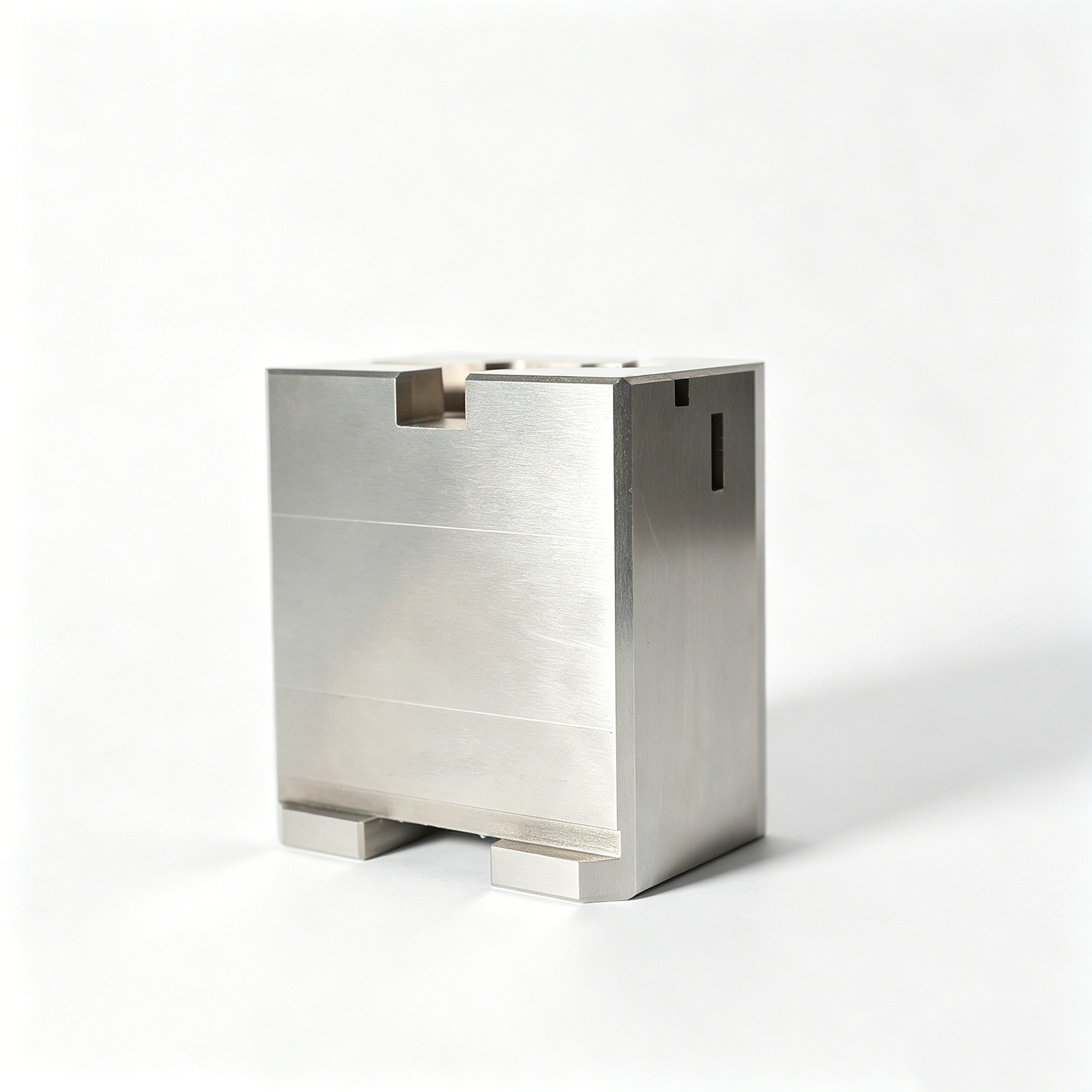
Representative 420 Stainless Mold-Steel Components




Related Component Families and Drawing-Based Quotations




CNC Machining 420 Stainless Mold Steel Advantages
A drawing-led route for critical mold components, from DFM review through inspection and controlled revision communication.
Drawing-Led DFM Review
Review critical dimensions, datums, tool access, heat-treatment sequence, and surface requirements before quotation or production commitments.
Coordinated Process Routes
Plan CNC machining, EDM, grinding, and fitting around geometry, hardness condition, machining allowance, and required functional surfaces.
Critical Dimension Planning
Identify CTQ features early and align datum strategy, operation sequence, and inspection methods with the drawing’s functional intent.
EDM and Grinding Strategy
Evaluate wire paths, electrode needs, recast-sensitive features, and grinding stock where conventional cutting access is limited.
Inspection Matched to Requirements
Define measurement priorities and reporting expectations before production, so final documentation follows the agreed inspection plan.
Revision Visibility
Keep drawing revisions, technical questions, inspection expectations, and delivery coordination visible throughout the manufacturing workflow.
Mold Component and Tooling Families
Drawing-driven manufacturing routes for 420 stainless mold-steel projects, from critical features and EDM details to inspection-ready components.

CNC Machining Services
Precision CNC machining services for drawing-based mold components and custom parts, with process planning that considers 420 stainless steel condition, critical dimensions, tool access, machining allowance, and inspection requirements before production commitments.
Upload a Drawing
CNC Milling
Custom CNC milling services for prismatic mold features, inserts, plates, pockets, and complex interfaces. Drawing review addresses datum selection, cutter reach, corner radii, clamping access, and remaining stock for EDM or grinding where required.
Upload a Drawing
CNC Turning
Precision CNC turning services for rotational components such as pins, sleeves, bushings, guide elements, and custom shafts. The process route is defined around concentric features, diameters, thread details, surface needs, and downstream heat treatment or grinding.
Upload a Drawing
5-Axis Machining
5-axis CNC machining supports multi-face geometry, angled features, and complex mold-component profiles where setup reduction can improve feature relationships. Feasibility depends on model access, clamping strategy, tool reach, tolerance priorities, and the approved inspection method.
Upload a Drawing
Swiss & Micro Machining
Swiss machining and micro machining support small, slender, and detail-intensive components, including miniature pins and connector-tooling features. Reviews focus on material condition, length-to-diameter ratio, critical diameters, burr control, surface requirements, and practical measurement methods.
Upload a Drawing
Wire EDM Services & Sinker EDM Services
Wire EDM and sinker EDM services address hardened-material features, sharp internal geometry, fine slots, deep ribs, and profiles beyond practical cutter access. Electrode strategy, wire path, flushing, recast-layer considerations, and finishing requirements are reviewed against the drawing.
Upload a Drawing
Precision Grinding
Precision surface and profile grinding is used to control flatness, parallelism, thickness, profiles, and critical mating surfaces. Grinding stock, heat-treatment sequence, datum transfer, wheel access, and inspection points should be defined before the process route is released.
Upload a Drawing
Mold Core & Cavity Inserts
Precision mold core and cavity inserts are made to the supplied geometry, material, heat-treatment, surface, and mating requirements. DFM review considers parting surfaces, shutoffs, cooling interfaces, EDM details, polishing allowance, and dimensional relationships to the mold base.
Upload a Drawing
Ejector & Ejection Components
Ejector pins, sleeves, and ejection components are configured from drawings rather than assumed stock specifications. Reviews address fit, straightness, bearing length, head geometry, surface condition, hardness requirements, and movement within the ejection system.
Upload a Drawing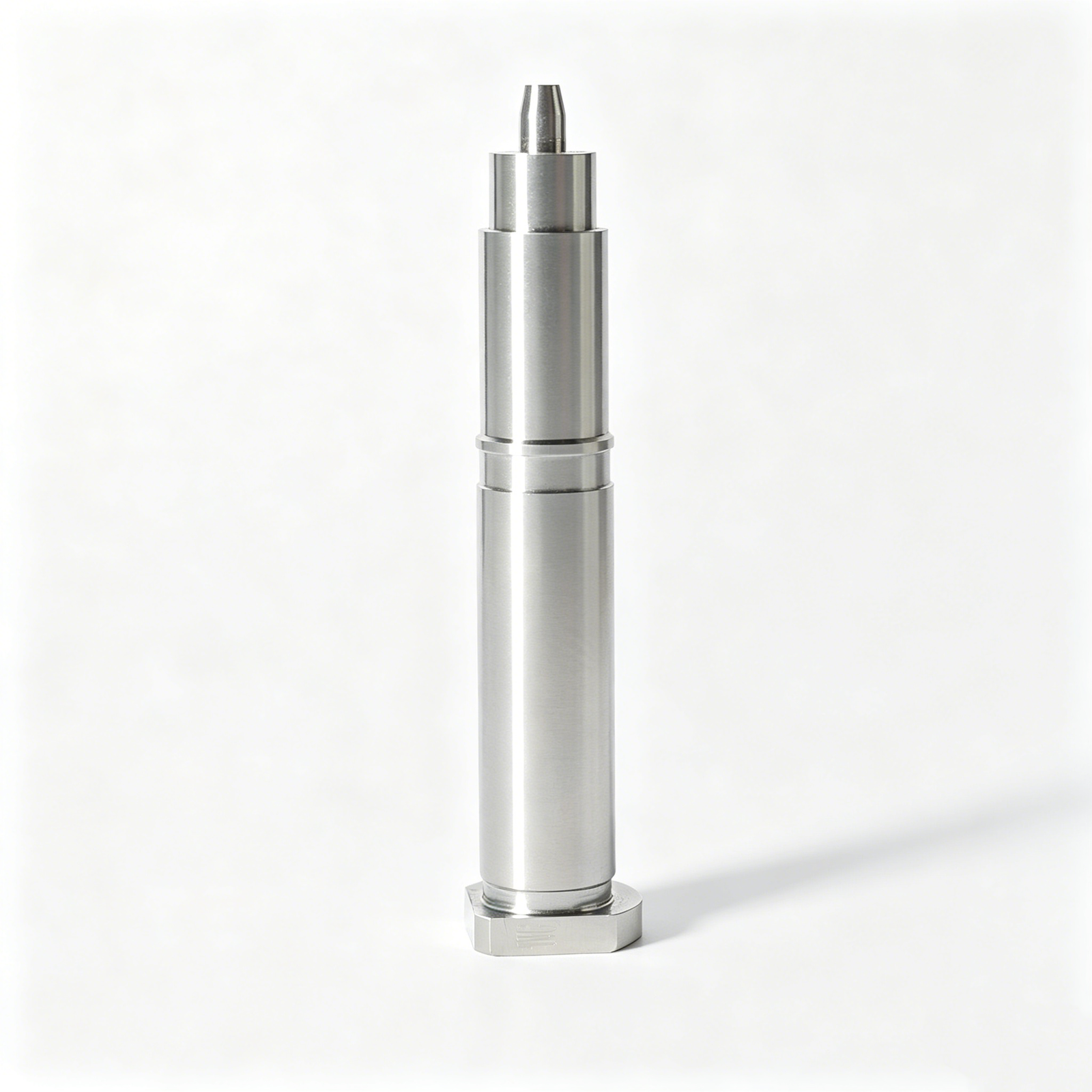
Core Pins, Guide & Locating Components
Core pins, guide pins, and locating components are manufactured around functional alignment and wear interfaces. Critical inputs include mating dimensions, tolerances, fit class, material and heat-treatment requirements, surface condition, and the datums used for inspection.
Upload a Drawing
Slides, Lifters, Gates & Mold Accessories
Mold slides, lifters, gates, and accessories require coordinated review of travel, shutoff geometry, mating interfaces, wear surfaces, and assembly clearances. Process planning may combine milling, EDM, grinding, fitting, and inspection according to the approved drawing package.
Upload a Drawing
Connector Mold Components
Precision connector mold components support the fine pitches, alignment features, cavities, cores, and small insert details common in connector tooling. Reviews emphasize datum strategy, electrode or wire access, burr-sensitive edges, material condition, and measurement feasibility.
Upload a Drawing
Stamping Die Components
Precision stamping die components include punches, dies, inserts, guide elements, and custom wear parts produced to customer drawings. Manufacturing planning considers cutting geometry, clearance relationships, material and heat treatment, grinding stock, EDM requirements, and inspection criteria.
Upload a Drawing
Injection Mold Components, MIM, CIM & Overmolding Tooling
Injection, MIM, CIM, and overmolding tooling components are supported when the required design and process route fall within verified production scope. Submit the drawing, material, application context, critical features, quantity, and quality expectations for a practical review.
Upload a Drawing
Machining Materials
CNC machining materials are selected from the customer’s specified grade and condition, including 420 stainless mold steel where applicable. Availability, heat-treatment sequence, corrosion needs, machinability, hardness target, and traceability requirements should be confirmed for each project.
Upload a Drawing
Surface Finishes & Heat Treatment
Surface finishing and heat treatment requirements are planned as part of the component route, not added as an afterthought. Define finish area, roughness or cosmetic needs, hardness target, masking, dimensional allowance, and post-treatment inspection expectations in the RFQ.
Upload a Drawing
Quality, Metrology & Documentation
Precision inspection, metrology, and quality documentation are matched to the approved drawing and inspection plan. Identify critical dimensions, datums, measurement method, reporting format, material evidence, revision level, and any traceability requirements before release.
Upload a Drawing
Prototyping & Low-Volume Production
Rapid prototyping and low-volume manufacturing support drawing-driven development, bridge quantities, replacement components, and controlled production runs. Provide the 2D drawing, 3D model when available, material, quantity, delivery target, and inspection needs for a feasible process review.
Upload a DrawingMaterial Options for CNC Machining 420 Stainless Mold Steel

420 Stainless Steel
A martensitic stainless option for mold components requiring a balance of polishability, wear resistance, and moderate corrosion resistance. Review the supplied grade, heat-treatment condition, critical surfaces, and inspection method before machining commitment.

410 Stainless Steel
A martensitic stainless steel considered where corrosion exposure, strength, and a specified hardened condition influence component selection. Drawing review should confirm mating conditions, finish requirements, machining allowance, and any post-machining heat-treatment sequence.

440C Stainless Steel
A higher-carbon martensitic stainless option evaluated for wear-focused inserts, pins, and precision components. Its requested condition, toughness needs, grinding stock, surface finish, and dimensional inspection plan should be defined before the process route is confirmed.

P20 Mold Steel
A pre-hardened mold steel commonly specified for mold bases, inserts, and production tooling components. SUUXIANG reviews hardness condition, machining access, required finish, critical datums, and whether EDM or grinding is needed for the drawing.

H13 Tool Steel
A hot-work tool steel evaluated for tooling components exposed to thermal cycling, load, or wear. Material condition, heat-treatment requirements, machining allowance, electrode strategy, and final dimensional verification should be aligned before production.
CNC Machining 420 Stainless Mold Steel: Process Routes

CNC Milling
CNC milling establishes cavities, pockets, cooling features, and datum surfaces. Tool access, remaining stock, and heat-treatment sequence are reviewed so subsequent EDM or grinding can protect critical geometry and surface requirements.

CNC Turning
CNC turning produces concentric shafts, pins, bushings, and rotational mold details from the specified material condition. Datum selection and runout requirements guide the machining route, with allowance retained where finishing is required.
Wire EDM
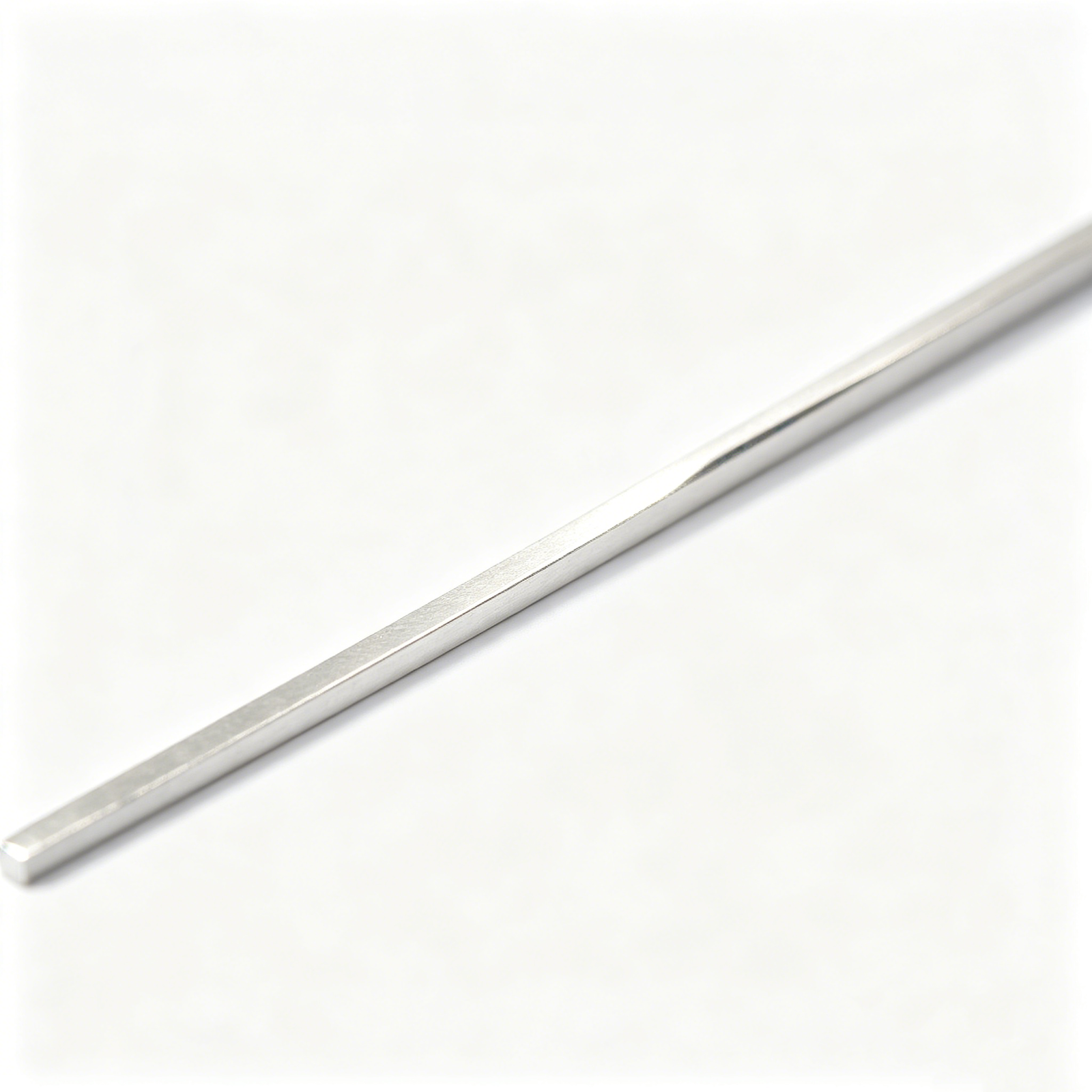
Wire EDM creates precise through profiles, narrow slots, sharp internal features, and hardened-steel contours where conventional cutter access is limited. The wire path, start holes, and finishing-pass requirement should be defined against drawing datums.

Sinker EDM
Sinker EDM forms deep cavities, ribs, blind details, and complex internal geometry using planned electrodes. Electrode strategy, spark allowance, corner conditions, and surface expectations are aligned before machining to support the intended mold function.
Precision Grinding
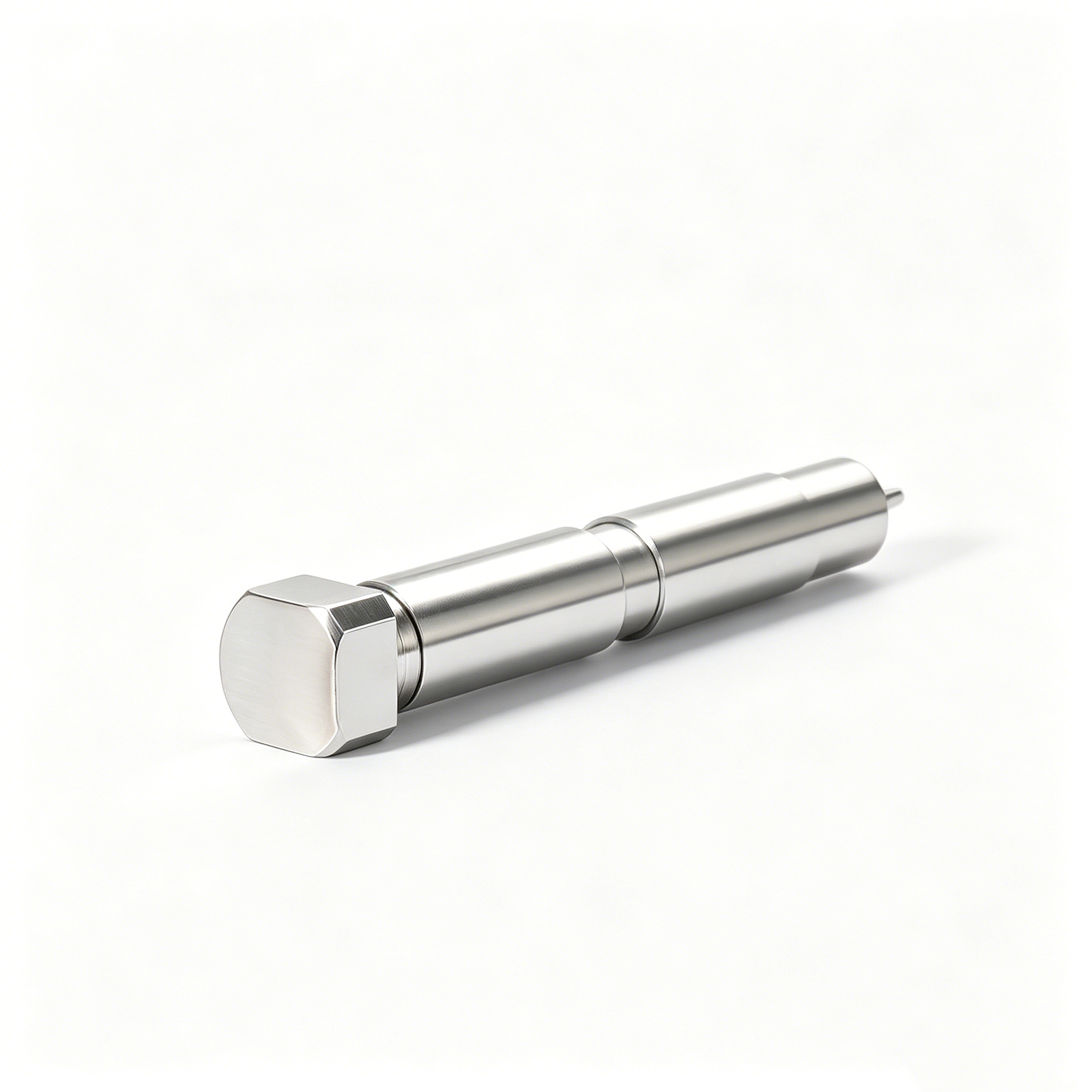
Precision grinding refines critical flats, diameters, and mating surfaces after the appropriate machining or heat-treatment stage. Grinding stock, datum references, and inspection method are agreed to control size, geometry, and surface condition.

Fitting Finishing
Fitting and finishing address functional interfaces, controlled edge treatment, and specified surface preparation for assembled mold components. The required result depends on the mating context, release needs, and documented inspection criteria rather than a generic finish.
CNC Machining 420 Stainless Mold Steel: Hardware and Identification Options

Fastener Interfaces
Threaded holes, counterbores, dowel interfaces, and mounting clearances can be machined to the drawing-defined standard. Share mating-part details and torque-sensitive requirements so access, engagement, and inspection criteria can be reviewed.

Spring Pockets
Pockets and retention features for compression springs can be incorporated into mold plates, slides, and ejector assemblies. Define spring reference, working travel, preload context, and pocket datum relationships for a practical machining review.
Guide Elements
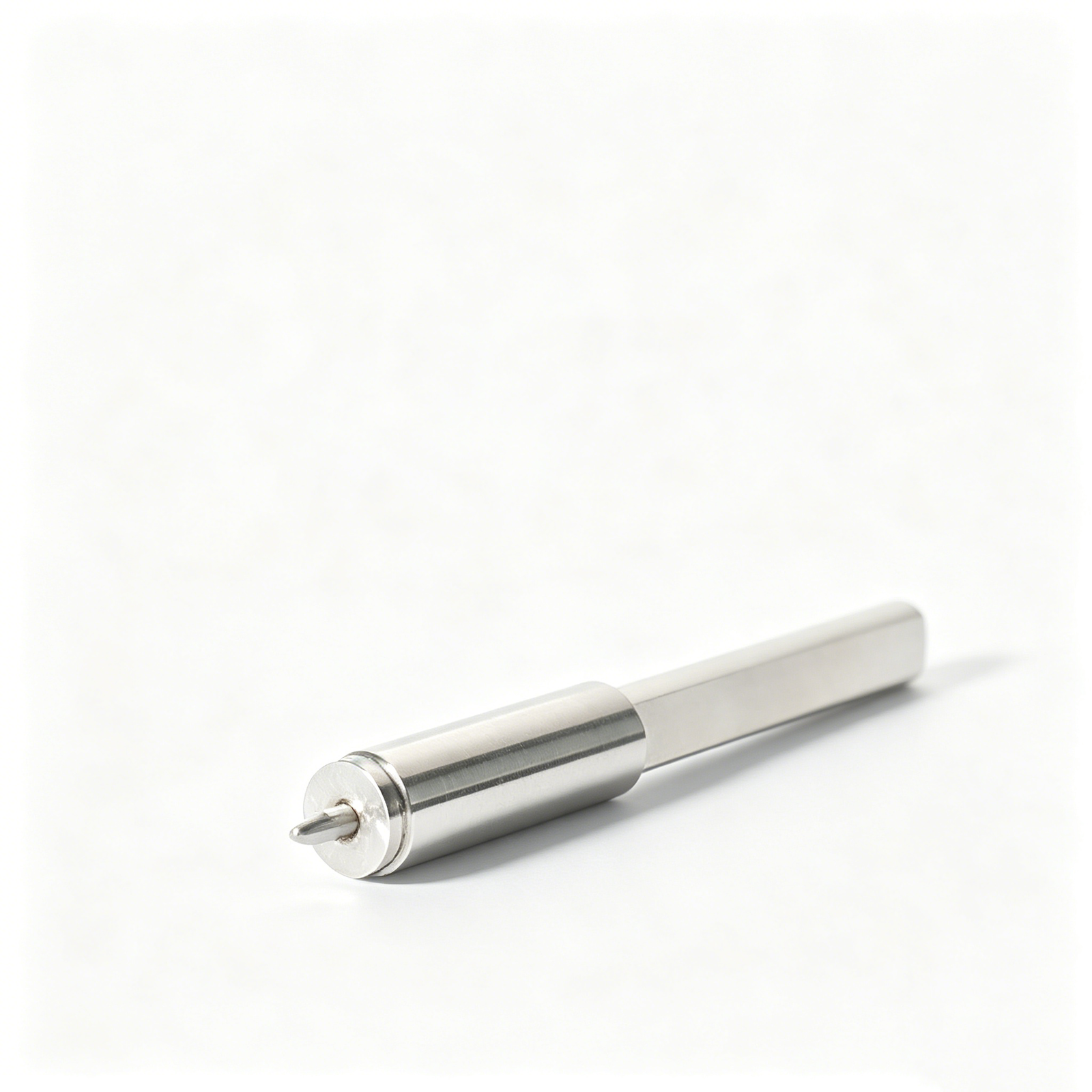
Guide-pin bores, bushing seats, locating features, and wear interfaces support controlled mold alignment. Provide fit class, hardness condition, mating-component information, and critical positional tolerances to plan machining, grinding, and inspection.

Part Markings
Drawing-specified laser marks, engraved identifiers, revision codes, and cavity references can help distinguish components during assembly and maintenance. Confirm character content, location, depth, orientation, and finish restrictions before production.

Traceability Labels
Labels or identification provisions can support project-specific packaging, inspection status, and receiving control. State the required format, attachment location, environmental exposure, and any documentation link needed for the delivered component set.
About SUUXIANG Precision Mold Manufacturing
SUUXIANG is the public-facing brand of Dongguan SuuXiang Precision Mold Co., Ltd., established in 2010 in Chang’an Town, Dongguan, Guangdong, China. We help international engineering, sourcing and quality teams turn controlled drawings and specifications into inspected custom CNC parts, precision mold components, connector tooling and stamping-die components.
For cnc machining 420 stainless mold steel projects, our planning brings CNC milling and turning, multi-axis machining, EDM, precision grinding, fitting and inspection into a process route suited to the drawing. Before quotation or production commitment, we review critical dimensions, datums, machining access, heat-treatment sequence, EDM requirements and inspection expectations.
What distinguishes SUUXIANG is disciplined engineering communication: DFM questions are raised early, revision information remains visible, and inspection documentation follows the agreed plan. Provide the 2D drawing, available 3D model, material condition, quantity, quality priorities and target date so the project team can assess manufacturability responsibly.
CNC Machining 420 Stainless Mold Steel: Process Planning in Depth
DFM Starts at the Datum
For cnc machining 420 stainless mold steel, SUUXIANG reviews drawing datums, critical dimensions, tolerance relationships, tool access, and heat-treatment sequence before production planning. This establishes a practical reference scheme for machining, EDM, grinding, and inspection rather than treating each operation as isolated work.
- Confirm functional datums and critical-to-quality features
- Review tolerance stack and measurement access
- Identify machining access and clamping risks
- Align revision status before quotation
CNC and EDM Route Planning
A robust route considers where milling or turning can establish geometry and where wire EDM, sinker EDM, or electrode work is more appropriate. SUUXIANG evaluates feature shape, internal corners, wire path, electrode strategy, stock condition, and downstream finishing requirements from the supplied drawing.
- Match process choice to feature geometry
- Plan wire paths and EDM access early
- Define electrode needs for difficult cavities
- Keep machining sequence visible to the project

Grinding Stock and Fitting
Precision mold components often require controlled stock before grinding and fitting. The drawing review should clarify surfaces that need final grinding, mating relationships, allowable material removal, and whether heat treatment changes the operation order. This helps protect critical geometry through the finishing route.
- Reserve suitable grinding allowance
- Identify final-fit and mating surfaces
- Consider distortion risk in process sequence
- Clarify surface priorities before release

Inspection With Revision Traceability
Inspection planning for cnc machining 420 stainless mold steel should follow the agreed critical dimensions, datums, surface requirements, and reporting needs. SUUXIANG keeps revision and delivery information visible so final documentation can be matched to the order and the verified inspection plan.
- Define inspection points from critical dimensions
- Match methods to datum and feature access
- Confirm reporting requirements with the RFQ
- Maintain revision control through delivery

CNC Machining 420 Stainless Mold Steel: Drawing-Led Review
Compare the buyer controls that shape material condition, process routing, inspection evidence, and revision visibility before production begins.
← Swipe left or right to view →
Our Controlled Production Workflow
Each project follows a documented path from RFQ review through inspection and delivery coordination, with critical requirements kept visible as production progresses.
Review RFQ and Drawings
We review drawings, models, material condition, quantity, datums, critical dimensions, surface requirements, inspection needs, and delivery targets before defining a quotation basis.
Plan Material and Process
The team confirms material requirements, heat-treatment sequence, machining allowances, tool access, EDM strategy, wire paths, grinding stock, and checkpoints appropriate to the component.
Machine Critical Features
CNC milling, turning, multi-axis machining, and EDM are sequenced around feature geometry, access constraints, datum control, and the required condition of 420 stainless mold steel.
Grind and Fit Components
Grinding and fitting address functional surfaces, mating relationships, and final allowances where required, while process decisions remain aligned with the approved drawing revision.
Inspect, Pack, Coordinate Delivery
Finished parts are inspected against the agreed plan, documented as required, protected for shipment, and coordinated with the customer’s order, revision, and delivery requirements.
How to Work With SUUXIANG
Compare the buyer controls to confirm during supplier evaluation: material condition, process routing, inspection evidence, and revision visibility before production begins.
Upload Your Drawing Package
Provide the 2D drawing and available 3D model, plus application context, mating-part information, annual or lot quantity, and target delivery date.
Define Material and Quality
Specify 420 stainless material condition, heat-treatment requirements, critical dimensions, datums, surface priorities, inspection method, reporting needs, and revision level for the cnc machining 420 stainless mold steel project.
Review DFM and Quotation
Confirm machining access, EDM or grinding needs, machining allowance, process sequence, quoted scope, inspection plan, and any open technical assumptions before release.
Approve Controlled Production
Release the agreed revision for coordinated CNC machining, EDM, grinding, fitting, and inspection, with delivery information and final documentation aligned to the verified order requirements.
CNC Machining 420 Stainless Mold Steel: Certification and Quality Documentation
CNC Machining 420 Stainless Mold Steel: Customer Project Feedback
The drawing review identified three datum and grinding-stock questions before release. With those points resolved in the revision, our team received inspection records aligned to the agreed critical dimensions for the first article review.
For a 24-piece insert order, SUUXIANG clarified the heat-treatment sequence and EDM access before quotation. That made it easier for procurement and quality to compare the process route, inspection plan, and delivery requirements internally.
Our mold team had four revision-controlled part files with different surface priorities. The project discussion separated the critical dimensions from general features, giving us a clearer basis to approve the machining and grinding plan before production.
FAQ: CNC Machining 420 Stainless Mold Steel RFQs
Practical answers for drawing-led sourcing, process planning and inspection requirements.
What is the MOQ for cnc machining 420 stainless mold steel parts?
What should I send for a cnc machining 420 stainless mold steel quotation?
Can SUUXIANG review my cnc machining 420 stainless mold steel drawing before quoting?
Can I order a sample before placing a larger order?
How should I plan lead time for 420 stainless mold components?
Can heat treatment be included in the process plan?
What inspection reports can be requested with an order?
How are payment, shipping and IP handled for drawing-based projects?
Buyer’s Guide to cnc machining 420 stainless mold steel
Use this decision framework to specify material condition, heat treatment, tolerances, and finishing, evaluate capable suppliers, control total cost, and avoid sourcing mistakes that compromise mold performance and delivery.
1. What Is cnc machining 420 stainless mold steel?
AISI 420 is a martensitic stainless-steel grade used for drawing-based CNC manufacture of mold inserts, cores, die details, fixtures, guide elements, and precision mechanisms. In this context, cnc machining 420 stainless mold steel means translating the approved 2D drawing, model, datums, and acceptance criteria into a controlled process route.
420 can be hardened by heat treatment, giving buyers a useful balance of wear resistance, polishability, and moderate corrosion resistance; its performance differs from austenitic stainless grades. Published material guidance identifies chromium at approximately 12–14% and carbon at 0.15–0.38% (https://www.machining-custom.com/blog/420-stainless-steel.html).
2010 is SUUXIANG’s founding year, but a grade name alone is not a component specification. The RFQ should state supplied material condition, target hardness or heat-treatment requirement, critical dimensions, surface requirement, datum scheme, machining and EDM access, grinding stock, and inspection evidence; those controls determine whether the finished part meets its intended service.
2. Why 420 Became a Mold-Steel Option
420 is a 400-series martensitic stainless grade whose carbon level allows hardening by quench-and-temper treatment. That made it a practical mold-steel option where wear resistance, polishable surfaces, and more corrosion awareness were needed than conventional non-stainless tool steels could provide. https://www.newayprecision.com/blogs/metal-injection-molding-materials-mim-420-stainless-steel
12–14% chromium is a commonly cited composition range for 420, but its corrosion resistance should not be equated with that of austenitic grades such as 304. Austenitic stainless is generally chosen for corrosion behavior and formability; 420 is selected when a hardenable martensitic structure better serves the tooling duty. https://www.machining-custom.com/blog/420-stainless-steel.html
3 controls now determine whether cnc machining 420 stainless mold steel delivers its intended value: stable CNC datum control before hardening, a defined heat-treatment sequence, and polishing planned around remaining stock and geometry. Inspection records should identify material condition, critical dimensions, surface requirements, measurement method, and drawing revision so the finished component is traceable to the agreed process route.
3. Types of cnc machining 420 stainless mold steel
420 stainless is commonly ordered in different supply conditions because the process route changes both cost and dimensional risk. For cnc machining 420 stainless mold steel, classify the part before setting tolerances or inspection points.
| Category | Typical Route | Primary Risk | RFQ Must State |
|---|---|---|---|
| Cavity insert | Annealed, harden, finish | Heat-treatment movement | Polish area and final datums |
| Core pin or sleeve | Hardened grind or EDM | Fit variation | Mating bore and clearance |
| Wear component | Pre-hardened finish work | Edge degradation | Hardness and contact load |
| Corrosion-exposed element | Condition by application | Unsuitable material selection | Medium and surface requirement |
Annealed Machining Route
Annealed stock suits roughing, deep milling, drilling, and complex cavity work before hardening. The drawing must identify finish stock, heat-treatment condition, and dimensions to be held after heat treatment.
Hardened Finish Work
Hardened or pre-hardened parts suit final grinding, EDM details, and controlled finish machining. The RFQ should identify hardness, datum scheme, allowable EDM recast treatment, and which dimensions are final-state requirements.
Functional Mold Components
Inserts and cavities prioritize polished surfaces and shutoff geometry; pins, sleeves, slides, and wear parts prioritize fit and replacement control. Corrosion-exposed machine elements require the operating medium and surface condition to be stated.
4. Material Conditions for 420 Mold Components
420 is not a complete purchase specification. For cnc machining 420 stainless mold steel, define the grade designation, mill chemical certificate, source form, delivery condition, heat-treatment route, target hardness, and service corrosion exposure before quoting.
| Material | Hardness Potential | Corrosion | Decision Trade-Off |
|---|---|---|---|
| 410 | Lower | Moderate | Tougher, easier machining |
| 420 | High | Moderate | Balanced mold choice |
| 440C | Very high | Moderate | Wear versus machinability |
| 304 | Low | High | Not hardenable |
| P20 | Moderate | Low | Machinable tool steel |
Specify The Starting Condition
AISI 420, 1.2083, and supplier-specific 420 variants are not interchangeable without a chemical and condition review. Request the applicable designation, heat number, and certificate.
Bar suits pins and round features; plate suits inserts and cavities. State annealed or prehardened supply, machining allowance, and whether hardening follows rough machining.
Set Hardness And Environment
48–52 HRC is a common decision range for wear-focused 420 components, but the drawing must define the required range and test method. Quench-and-temper instructions should identify the responsible party.
Chlorides, humid cooling circuits, resin additives, and idle storage change the corrosion decision. Specify the actual exposure rather than assuming stainless behavior is sufficient.
Compare Candidate Grades
410 favors easier machining and toughness over 420’s attainable hardness. 440C can favor higher wear resistance but usually increases machining and toughness trade-offs.
304 favors corrosion resistance but is not a hardenable mold-steel substitute. P20 is a practical tool-steel alternative when polish, machining, and moderate hardness matter more than corrosion resistance.
5. Finishing cnc machining 420 stainless mold steel
420 mold steel finishing must be specified by function and zone, not by a general ‘polish’ note. For cnc machining 420 stainless mold steel, the handoff route determines both final geometry and inspection method.
| Route | Primary Function | Buyer Specification |
|---|---|---|
| Grinding | Flatness and size | Stock, Ra, datum |
| Lapping or polishing | Seal, release, cosmetic | Zone, finish target, defects |
| Texture preparation | Uniform appearance | Pre-texture condition, masked zones |
| Laser marking | Traceability | Content, location, depth limit |
| Protective packaging | Surface preservation | Individual wrap, corrosion protection |
Define Functional Surface Zones
Drawing zones should separate cosmetic faces from sealing lands, release surfaces, and mating interfaces. State the datum, permitted edge break, roughness parameter, measurement direction, and any witness-mark exclusion area.
Choose The Finishing Route
Milled and EDM surfaces need planned stock when grinding, lapping, or polishing controls the final dimension. Texture preparation requires a uniform pre-texture condition; specify which faces may retain EDM or milling marks.
Verify Treatment And Protection
Post-finish inspection should record the specified surface zones, critical dimensions, burr condition, and marking location. Passivation, when required, needs an agreed method and acceptance evidence; package polished surfaces against contact damage and moisture.
6. Quality Elements in 420 Mold Components
Two datum schemes should be defined: machining datums for manufacture and functional datums for assembly. For cnc machining 420 stainless mold steel, relate every critical feature to a clear datum reference frame before tolerances are released.
Datums And Feature Relationships
Three linked controls—cavity/core alignment, concentricity, and flatness—should be measured from the drawing datums, not convenient shop surfaces. State allowable stack-up at the parting line and identify features that must be inspected in assembled position.
- Identify primary, secondary, and tertiary datums.
- Dimension cooling ports from functional references.
- Specify edge breaks where burrs affect fit.
- Define concentricity only where functional rotation requires it.
Heat Treatment And Distortion
Two inspection stages are advisable: record critical dimensions before heat treatment, then inspect final dimensions afterward. Leave controlled grinding stock where the approved process route requires correction, and request hardness records tied to the applicable part and lot.
- Record pre-heat-treatment baseline dimensions.
- Confirm post-treatment flatness and alignment.
- Retain heat-treatment and hardness evidence.
First Article Evidence
One first-article approval package should be agreed for critical components before repeat production. Request a CMM report for defined critical dimensions, material traceability, hardness results, revision identification, and an inspection-method note for inaccessible features.
- Mark reportable dimensions on the drawing.
- Set acceptance criteria before machining.
- Approve deviations in writing before shipment.
7. Choosing a 420 CNC Machining Manufacturer
420 projects should be sourced against the required material condition, not a generic stainless-steel capability list. For cnc machining 420 stainless mold steel, assess the complete route from rough machining through heat treatment, EDM, grinding, polishing, and final inspection.
| Evaluation Area | RFQ Evidence | Validation |
|---|---|---|
| Hardened-material experience | Comparable process route | Sample-part results |
| Quality control | Inspection plan | First-article report |
| Traceability | Material and revision records | Shipment documents |
Match The Process Route
Three route questions reveal fit: Can the supplier machine annealed stock, finish hardened features, and control grinding or EDM after heat treatment? Confirm milling, turning, wire EDM, sinker EDM, polishing, and heat-treatment coordination against the drawing.
- Name each critical feature and proposed process
- State material grade, condition, and hardness target
- Request tool-access and datum-risk feedback
Request Project Evidence
One representative sample part is more useful than a capability presentation. Ask for a project-specific inspection plan, first-article report format, material documentation, hardness evidence when specified, and revision-controlled traveler or equivalent traceability record.
- Critical-dimension measurement method
- Inspection frequency and reporting format
- Revision identification at shipment
Assess Communication And Capacity
Two named contacts should clarify technical questions and delivery status before release. Ask how DFM changes are approved, how capacity is scheduled, and which records accompany each lot; validate answers during a sample or first production order.
8. Common cnc machining 420 stainless mold steel Mistakes
420 sourcing errors usually begin before the first toolpath is released. A complete drawing and RFQ should make material state, acceptance criteria, process sequence, and quote scope unambiguous.
Specify Material And Hardness
420 must be identified by supplied condition: annealed, pre-hardened, or heat-treated. Omitting it can produce an unsuitable machining route; add material standard, target hardness, sampling location, and test method to the quality plan.
Plan For Heat Treatment
420 distortion after hardening can consume finish-machining stock or shift critical datums. Add heat-treatment sequence, distortion allowance, post-treatment grinding stock, and final inspection datums to the drawing.
Define Function And Scope
420 corrosion resistance is application-dependent, and an unspecified finish can leave the wrong surface condition. State exposure media, required finish or roughness, and any polishing standard.
0.01 mm tolerances on nonfunctional features increase cost without improving assembly. Mark critical dimensions and compare quotations only after aligning material, heat treatment, EDM, grinding, inspection reports, quantity, and delivery scope.
9. From DFM Review to Production Launch
One controlled release for cnc machining 420 stainless mold steel begins with the latest drawing, model, application context, and named revision owner. Freeze requirements before material is cut.
Controlled Input Package
Revision A should identify material condition, heat-treatment sequence, datums, critical features, surface requirements, and mating-part constraints.
Two controlled files—the 2D drawing and 3D model—should carry matching revision identifiers; discrepancies require written disposition.
DFM And Approval Gates
Gate 1 is the supplier’s DFM response: tool access, machining allowance, EDM or grinding route, inspection method, and risk items.
Gate 2 approves the quotation, inspection plan, delivery target, packaging protection, and any deviations before production starts.
First Article To Release
Article 1 should be inspected against the approved plan, then checked for fit and function with relevant mating components.
Pilot release follows documented acceptance; repeat production must use the approved revision, packaging specification, and change-control record.
10. Pricing cnc machining 420 stainless mold steel
1. Pricing starts with the drawing, not a catalog rate. For cnc machining 420 stainless mold steel, separate one-time programming, workholding, material preparation, and first-article review from recurring cycle time and inspection.
2. A hardened route adds tool wear, slower cutting, possible EDM or grinding, and post-treatment dimensional verification. 420’s heat-treatment response makes process sequence a cost driver: https://mantle3d.com/blogs/420-stainless-steel-for-injection-mold-tooling
3. Buyers can reduce total cost by limiting tight tolerances and finish requirements to functional surfaces, supplying a suitable blank, and grouping identical revisions. Do not relax datum-related, mating, sealing, or wear-critical requirements without a drawing review.
| Cost driver | Lower-cost pattern | Cost increases | Buyer action |
|---|---|---|---|
| Quantity | Repeat parts | Prototype setup raises unit cost; total cost rises with count | Consolidate approved quantities |
| Blank and geometry | Near-size, accessible blank | Extra stock, deep features, complex tool access | Specify blank form and access limits |
| Tolerance and finish | Functional limits only | Grinding, polishing, EDM, tighter inspection | Mark critical dimensions |
| Heat treatment, inspection, urgency | Planned sequence, standard report | Hardened machining, post-treatment checks, expedited scheduling | State condition, report, and date |
Start CNC Machining 420 Stainless Mold Steel Review
Upload your 2D drawing or 3D model with material, quantity, critical dimensions, inspection needs, and target delivery date for review.