
CNC Machining 420 Stainless Steel, Reviewed and Inspected
For cnc machining 420 stainless steel, SUUXIANG reviews DFM, critical dimensions, heat-treatment sequence, and inspection requirements before production.
Representative 420 Stainless Steel Component Examples


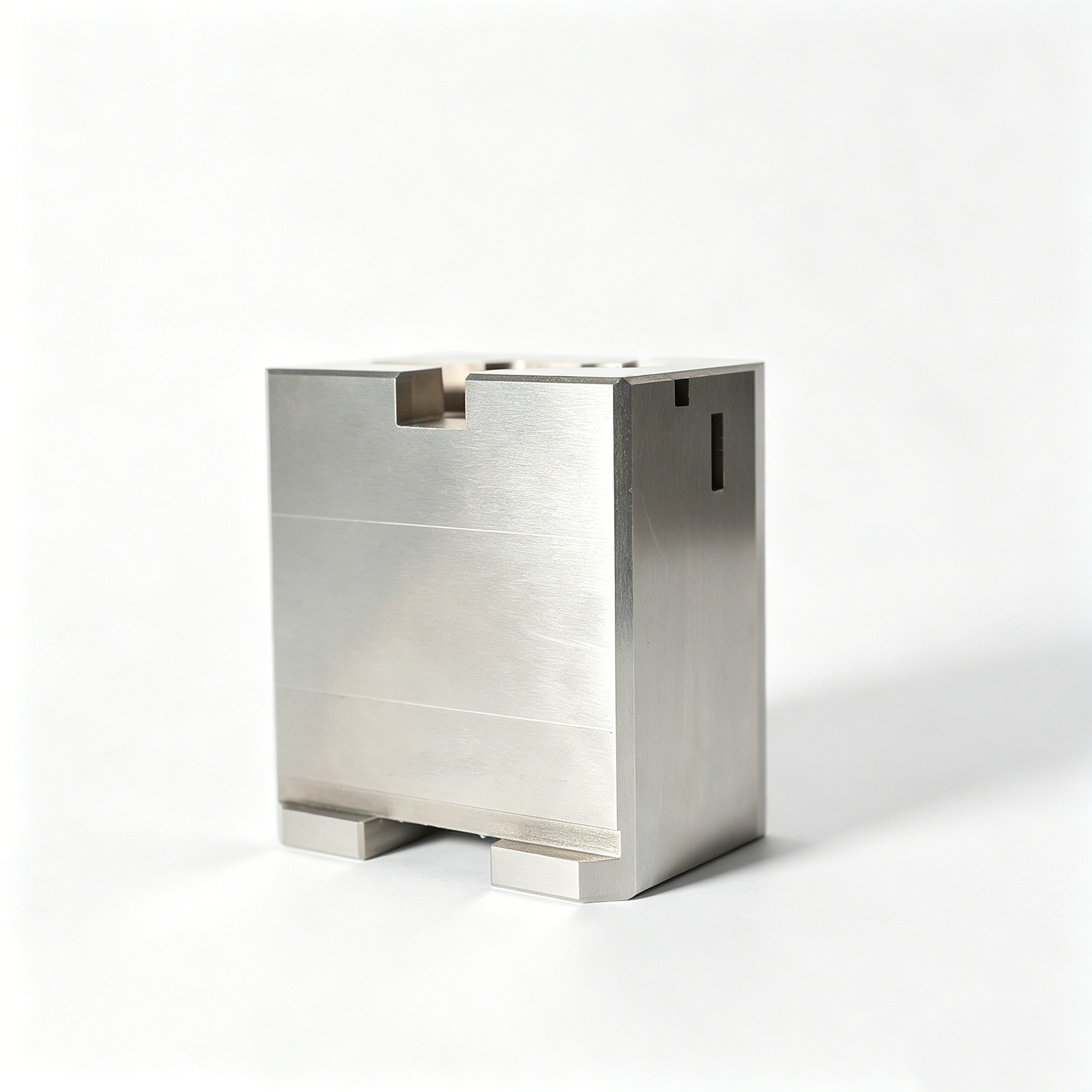


Related Drawing-Based Components and RFQ Review


Why CNC Machining 420 Stainless Steel Needs a Controlled Process Route
Plan material condition, finishing operations, and inspection evidence around the dimensions that determine function.
DFM Before Commitment
Drawing review identifies critical dimensions, datum relationships, tool access, surface requirements, and heat-treatment sequence before quotation or production planning begins.
Machining Route Coordination
CNC milling or turning is coordinated with EDM, grinding, and fitting where geometry, access, or finish requirements warrant additional processes.
Allowance Planning
Machining allowance and grinding stock are planned around final dimensions, reducing avoidable rework when hardened or wear-critical surfaces require finishing.
EDM Strategy Review
Electrode strategy and wire paths are assessed against internal features, sharp geometry, and datum requirements before downstream operations are released.
Inspection Around Function
Inspection planning focuses on critical-to-quality features, selected datums, surface priorities, and the reporting requirements defined in the order.
Revision Visibility
Controlled project coordination keeps drawing revisions, inspection expectations, and delivery information visible throughout cnc machining 420 stainless steel work.
CNC Machining for Tooling and Custom Parts
Drawing-driven process routes for precision mold components, connector tooling, stamping-die parts, and custom machined work, reviewed against critical dimensions and inspection requirements.

CNC Machining Services
Precision CNC machining services for drawing-based parts requiring coordinated milling, turning, EDM, grinding, fitting, and inspection. Drawing review identifies material requirements, datums, critical dimensions, surface priorities, and practical process routes before production commitments.
Upload a Drawing
CNC Milling
Custom CNC milling services for prismatic parts, mold plates, inserts, pockets, ribs, and complex features. Tool access, fixture strategy, machining allowance, corner conditions, and datum relationships should be reviewed against the drawing and application.
Upload a Drawing
CNC Turning
Precision CNC turning services for shafts, sleeves, bushings, pins, threaded features, and rotational components. The process route is evaluated around concentricity, runout, diameter tolerances, surface requirements, material condition, and any downstream grinding or EDM needs.
Upload a Drawing
5-Axis Machining
5-axis CNC machining supports components with multiple angled features, compound surfaces, and difficult-to-reach geometry. A drawing and model review helps determine orientation strategy, cutter access, clamping requirements, datum control, and whether multi-axis machining reduces setup-related variation.
Upload a Drawing
Swiss & Micro Machining
Swiss machining and micro machining support small-diameter, slender, and detailed components where handling, concentricity, feature scale, and inspection method matter. Feasibility depends on material, geometry, tolerances, finish requirements, quantity, and the verified process capability for the project.
Upload a Drawing
Wire & Sinker EDM
Wire EDM and sinker EDM services address hardened materials, narrow slots, internal corners, intricate profiles, and features inaccessible to conventional cutters. Electrode strategy, wire path, recast-layer considerations, finish requirements, and subsequent fitting or polishing should be defined early.
Upload a Drawing
Precision Grinding
Precision surface and profile grinding is used when flatness, parallelism, profile accuracy, surface condition, or controlled stock removal is critical. Grinding allowance, heat-treatment sequence, datum references, and inspection approach should align before machining begins.
Upload a Drawing
Mold Core & Cavity Inserts
Precision mold core and cavity inserts are manufactured from drawings and models with attention to parting surfaces, shutoffs, cooling interfaces, cavity geometry, material condition, EDM access, grinding stock, and critical mold-fit relationships.
Upload a Drawing
Ejector & Ejection Components
Ejector pins, sleeves, and ejection components require control of fit, straightness, diameter, surface condition, and mating relationships. Requirements for material, heat treatment, lubrication context, movement, and inspection should accompany the RFQ.
Upload a Drawing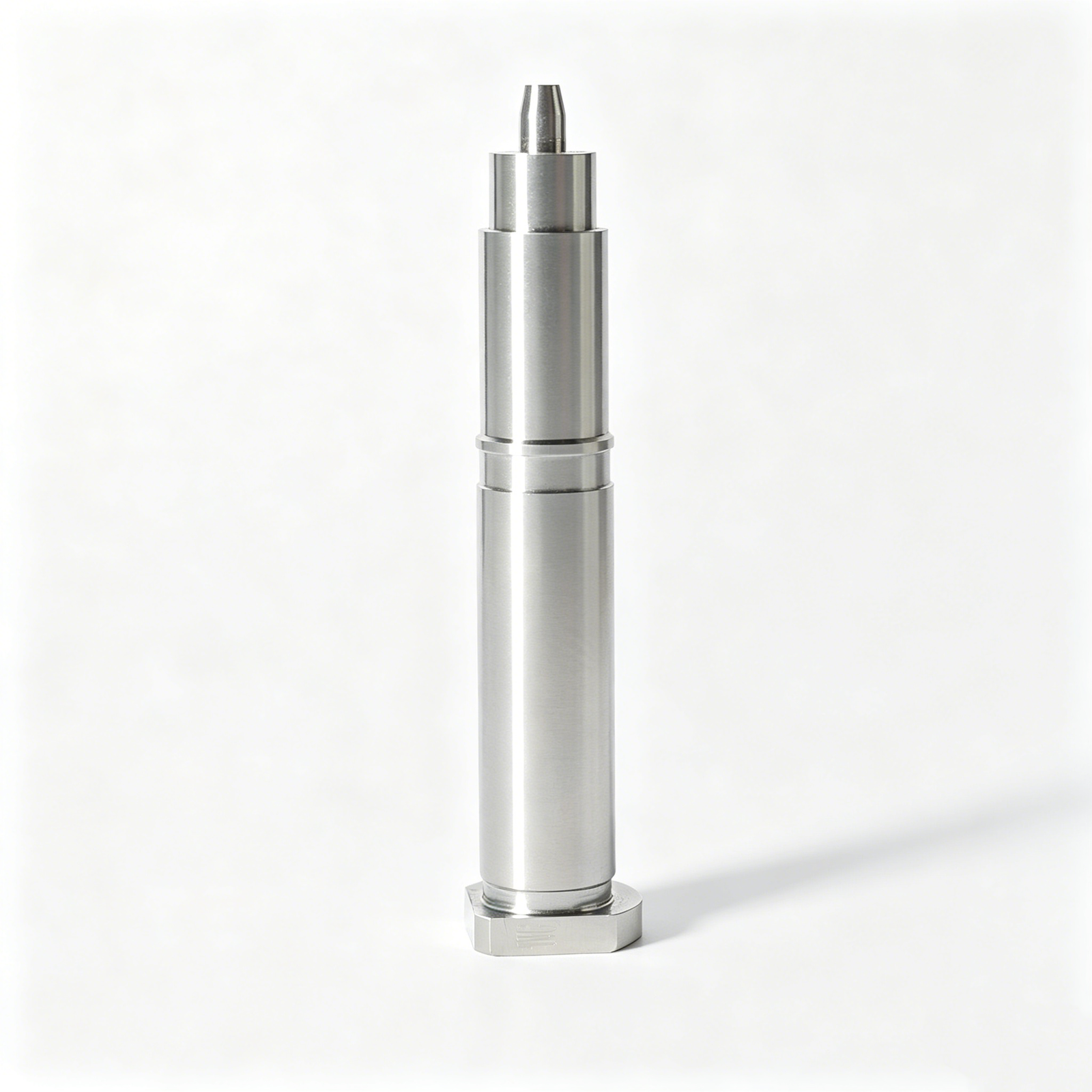
Core Pins, Guide & Locating Components
Core pins, guide pins, and locating components are evaluated around positional control, diameter fit, alignment function, wear conditions, and mating-part relationships. Drawings should identify critical datums, hardness requirements, surface needs, and assembly context.
Upload a Drawing
Slides, Lifters, Gates & Mold Accessories
Mold slides, lifters, gates, and accessories are produced as configurable drawing-based components rather than assumed standard stock. Reviews focus on travel interfaces, shutoffs, wear surfaces, parting conditions, material treatment, fitting requirements, and inspection criteria.
Upload a Drawing
Connector Mold Components
Precision connector mold components support fine-pitch and multi-feature tooling where alignment, pin geometry, surface condition, and repeatable mating relationships are important. The production plan should address critical dimensions, EDM or grinding requirements, material condition, and inspection evidence.
Upload a Drawing
Stamping Die Components
Precision stamping die components are reviewed for working edges, clearance relationships, material and heat-treatment requirements, surface condition, wear interfaces, and assembly datums. Manufacturing routes may combine milling, EDM, grinding, fitting, and documented inspection.
Upload a Drawing
Injection, MIM, CIM & Overmolding Tooling
Injection, MIM, CIM, and overmolding tooling components are assessed against the specific mold architecture and material flow requirements. Relevant inputs include cavity geometry, shutoffs, venting, gate details, inserts, heat treatment, molding application, and quality expectations.
Upload a Drawing
Machining Materials
CNC machining materials are selected from the drawing and application requirements, not from a presumed catalog. Submit the specified grade, condition, hardness, traceability needs, corrosion or wear exposure, and any compatibility requirements with mating components.
Upload a Drawing
Surface Finishes & Heat Treatment
Surface finishing and heat treatment are planned as part of the manufacturing sequence because they can affect size, hardness, distortion, surface condition, and final fit. Specify finish callouts, treatment requirements, masking needs, critical dimensions, and post-process inspection expectations.
Upload a Drawing
Quality, Metrology & Documentation
Precision inspection, metrology, and quality documentation are aligned to the order’s critical dimensions and agreed inspection plan. RFQs should identify measurement methods, reporting format, sampling needs, traceability requirements, revision status, and any customer-supplied acceptance criteria.
Upload a Drawing
Prototyping & Low-Volume Production
Rapid prototyping and low-volume manufacturing support drawing-based validation, tooling development, replacement parts, and controlled production quantities. Feasibility is reviewed against material, tolerance, surface, process route, inspection requirements, revision maturity, and target delivery date.
Upload a DrawingCNC Machining 420 Stainless Steel and Adjacent Material Options

420 Stainless Steel
A heat-treatable martensitic grade considered for wear-critical pins, inserts, cutting features and custom components. Review the required hardness, corrosion exposure, machining condition, grinding allowance and final inspection plan before confirming the process route.

410 Stainless Steel
A lower-carbon martensitic stainless option for components needing moderate corrosion resistance and strength. Compare its hardness target, post-treatment condition and dimensional stability with 420 when wear demand and manufacturing sequence are being defined.

440C Stainless Steel
A higher-carbon stainless option often evaluated where elevated hardness and wear resistance are central to the part function. Its material condition, heat treatment, tool access and grinding stock require drawing-led review before quotation.

17-4 PH Stainless
A precipitation-hardening stainless option considered when strength and corrosion performance influence the material decision. Confirm the specified condition, tolerance-critical features, surface requirements and inspection method against the part’s application and mating components.

Tool Steel Grades
Tool-steel grades may be reviewed for mold, die and wear components where hardness, toughness or thermal behavior drives the choice. Material designation, heat-treatment route, EDM strategy, grinding allowance and datum requirements should be supplied with the RFQ.
CNC Machining 420 Stainless Steel: Supported Processes

CNC Milling
CNC milling develops prismatic features, pockets, profiles and datum surfaces in 420 stainless steel. Tool access, stock condition and finishing allowance are reviewed to support stable cutting, controlled surfaces and repeatable critical geometry.

CNC Turning
CNC turning supports concentric diameters, bores, threads and rotational features for drawing-driven components. A defined datum and workholding strategy helps protect runout-sensitive relationships while preparing surfaces for later grinding when required.

Wire EDM
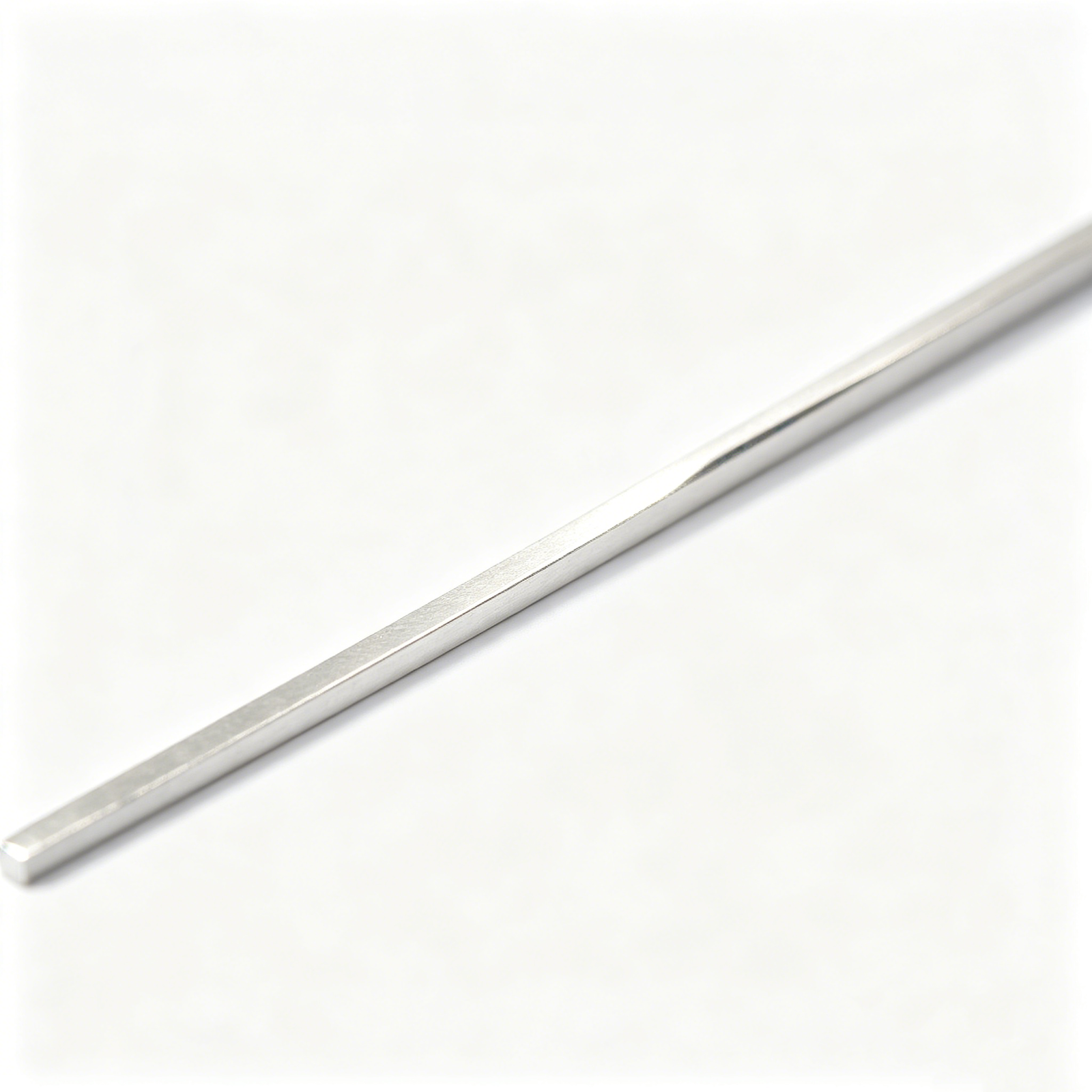
Wire EDM is considered for narrow slots, intricate through profiles, hard material conditions and features inaccessible to conventional cutters. Wire path, start-hole location, corner conditions and required finish are reviewed against the drawing.
Sinker EDM
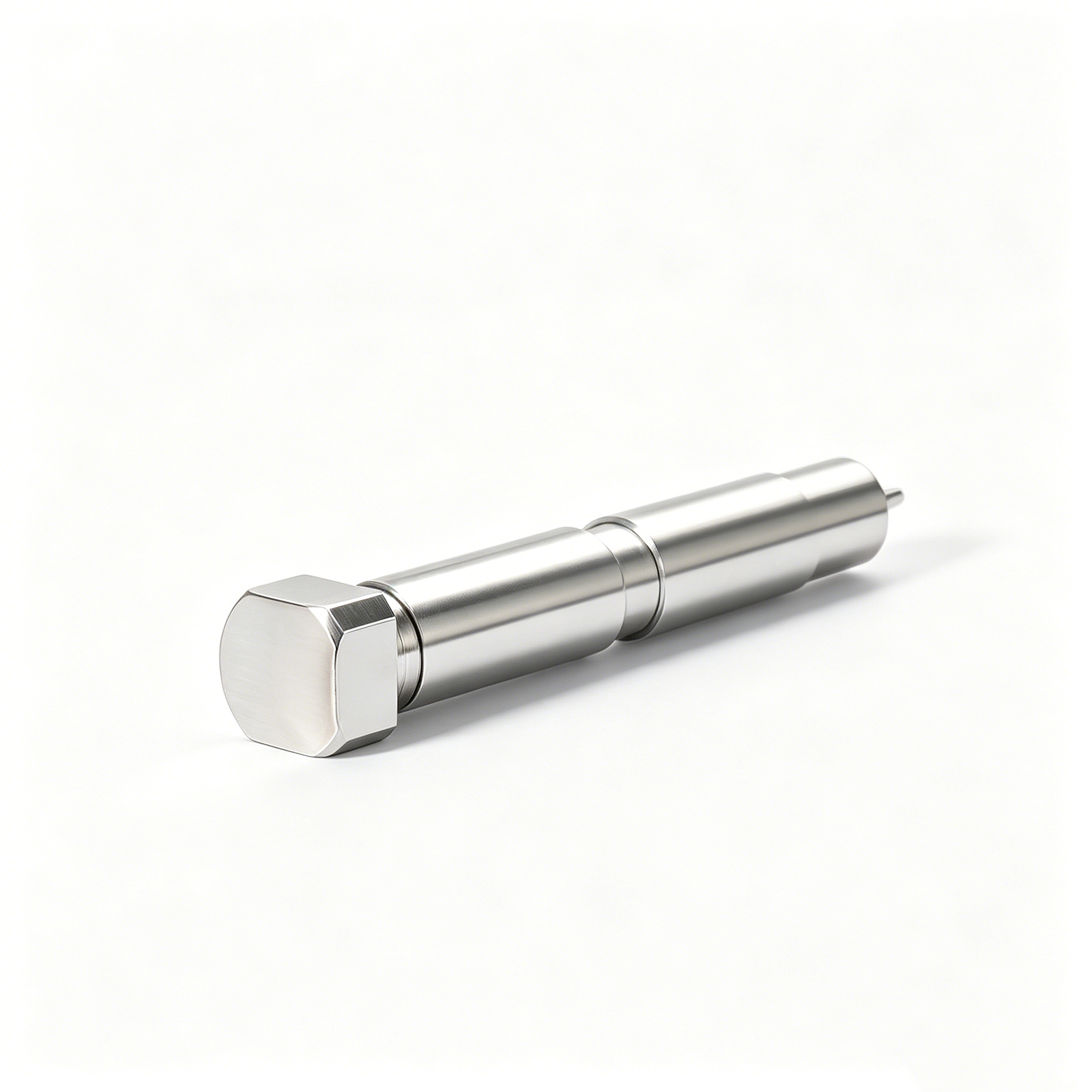
Sinker EDM forms deep cavities, sharp internal details and complex electrode-defined geometry when milling access is limited. Electrode strategy, spark allowance, surface requirements and subsequent fitting or polishing needs are planned before release.

Precision Grinding
Precision grinding refines datum faces, diameters and wear-critical surfaces after appropriate machining or heat-treatment stages. Grinding stock, form requirements and the inspection method are aligned to the part’s critical dimensions and surface priorities.
Tooling, Fixturing and Component Features

EDM Electrodes
Custom electrodes support inaccessible geometry, sharp internal features and controlled burn strategy. Electrode material, wear allowance and datum references should be defined from the drawing before EDM work is planned.

Machining Fixtures
Dedicated or modular fixtures help establish repeatable clamping, protect critical surfaces and maintain datum orientation through CNC operations. Fixturing needs depend on part geometry, batch quantity and the inspection plan.
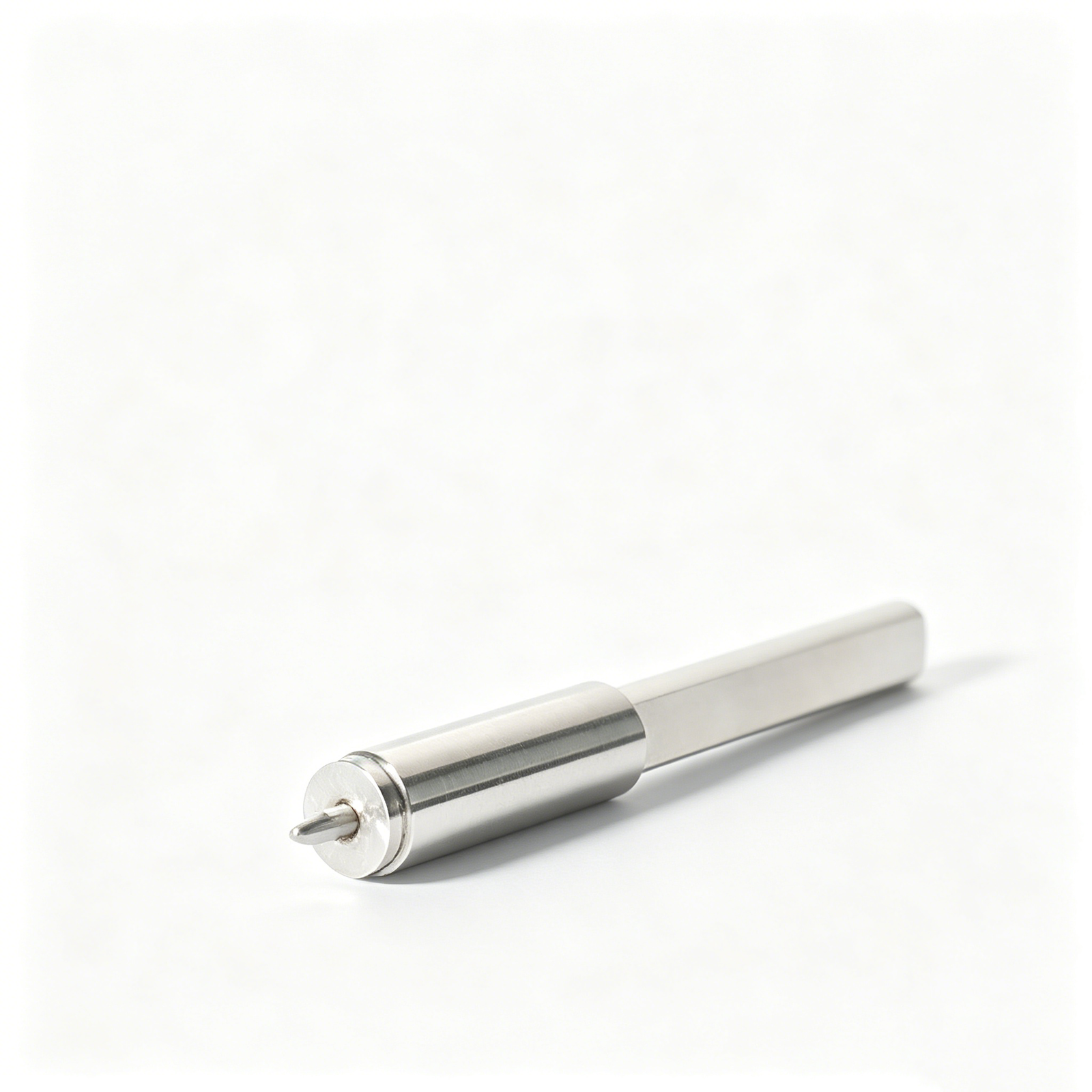
Guide Elements
Guide pins, bushings and locating elements can be produced as drawing-defined mold or tooling components. Fit requirements, mating conditions, surface finish and heat-treatment sequence require review before manufacture.

Precision Core Pins
Core pins support detailed mold features and may require CNC machining, grinding or EDM according to geometry. Diameter, runout, working length and mating relationships should be identified as critical dimensions.

Cavity Inserts
Replaceable cavity inserts allow localized features, wear areas or design revisions to be managed within a larger tool. SUUXIANG reviews datum transfer, interface fit, machining access and inspection points.
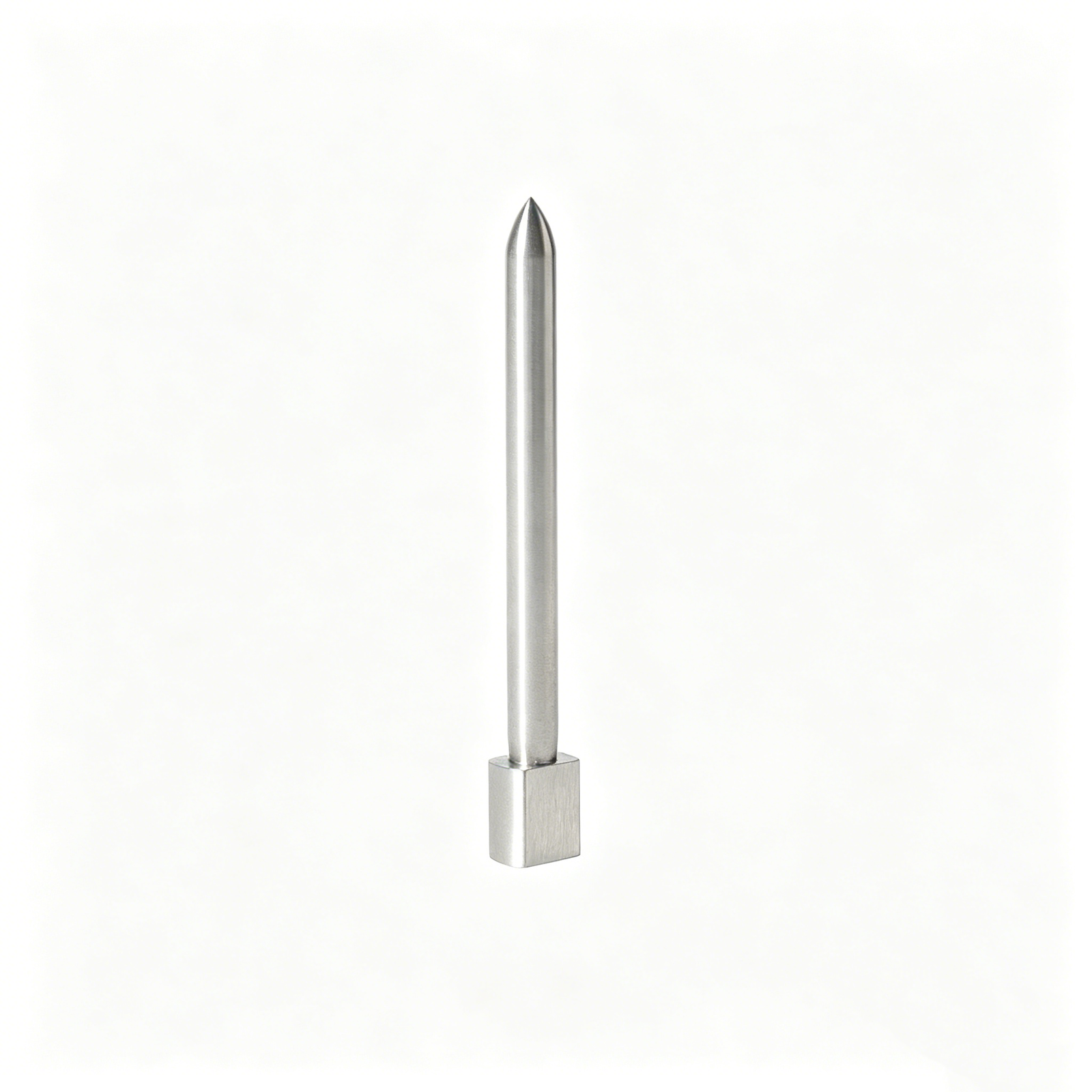
Traceability Labels
Part labels or identification marks can support revision recognition, lot separation and delivery coordination where the drawing or order requires them. Marking method and location should avoid functional surfaces and critical features.
About SUUXIANG
SUUXIANG is the sole public-facing brand of Dongguan SuuXiang Precision Mold Co., Ltd., established in 2010 in Chang’an Town, Dongguan, Guangdong, China. Founded by legal representative XiaoCheng Huang, the company helps international engineering, sourcing and quality teams turn drawings and specifications into inspected custom CNC parts, precision mold components, connector tooling and stamping-die components.
For cnc machining 420 stainless steel and other drawing-led work, our planning connects CNC milling and turning, multi-axis machining, EDM, precision grinding, fitting and inspection. The selected route depends on the part’s material condition, critical dimensions, datum strategy, tool access, surface requirements and heat-treatment sequence.
What distinguishes SUUXIANG is disciplined project communication before production commitments. We review DFM, tolerance stack, machining allowance, electrode or wire path requirements, inspection methods and revision status with the supplied drawing. This approach gives buyers a clearer basis for quotation, production coordination and final documentation.
CNC Machining 420 Stainless Steel: Control the Wear-Critical Route
Drawing and DFM Review
For cnc machining 420 stainless steel, SUUXIANG reviews the drawing, model, material condition, critical dimensions, datums, surface requirements, quantity, and application context before a process route or production commitment is discussed.
- Identify critical-to-quality dimensions and functional datums
- Check tool access, wall geometry, threads, and internal features
- Confirm material, heat-treatment sequence, and surface priorities
- Flag tolerances that require a defined inspection method

CNC and EDM Route Planning
Machining strategy should reflect geometry and condition, not a generic material label. SUUXIANG plans the practical combination of CNC milling or turning, multi-axis access, wire EDM, sinker EDM, and intermediate allowances required by the approved drawing.
- Separate machinable features from EDM-dependent details
- Review wire paths, start-hole access, and corner requirements
- Plan electrode strategy for cavities and inaccessible geometry
- Keep the route aligned with the controlled drawing revision

Grinding and Fitting Strategy
Where wear surfaces, mating relationships, or hardened-condition dimensions require it, grinding stock and fitting needs are considered within the route. The objective is to protect functional surfaces while maintaining a traceable path from machining allowance to final geometry.
- Define grinding allowance before preceding operations
- Relate mating features to the specified datum scheme
- Review surface requirements against the final process
- Clarify fitting scope and acceptance criteria before production

Inspection and Revision Control
A drawing-driven 420 stainless steel part requires an inspection plan that follows its functional risk. SUUXIANG aligns inspection methods, reporting expectations, and revision status with the order so final documentation can be checked against the approved requirements.
- Link critical dimensions to an agreed inspection method
- Record applicable drawing and model revisions
- Confirm reporting, traceability, and packaging needs
- Keep delivery coordination visible as requirements change

CNC Machining 420 Stainless Steel: A Drawing-Driven Comparison
Use this drawing-review checklist to assess the process controls needed before committing critical parts to production.
← Swipe left or right to view →
CNC Machining 420 Stainless Steel: Production Workflow
A controlled route from RFQ review through process planning, precision machining, inspection and delivery coordination.
Review Drawing and RFQ
We review drawings, models, material condition, quantity, critical dimensions, surface requirements, delivery target and inspection expectations before quoting or committing a route.
Plan Material and Process
The team confirms applicable material and heat-treatment requirements, datum strategy, machining access, allowances, and whether EDM or grinding is needed after CNC machining.
Machine Critical Part Features
CNC milling, turning, multi-axis work or micro machining are selected around feature geometry, tool access, tolerances and the agreed revision-controlled production plan.
Apply EDM and Grinding
Where required, wire EDM, sinker EDM and precision grinding address internal profiles, hardened features, fine geometry and final stock removal using planned reference datums.
Inspect, Pack and Coordinate
Inspection follows the agreed plan for critical characteristics; verified records, protective packing and delivery coordination are aligned with the order requirements and revision.
Work With SUUXIANG on CNC Machining 420 Stainless Steel
Align drawings, process risks, inspection expectations and delivery requirements before production begins.
Submit Your Drawing Package
Provide 2D drawings, 3D models when available, material and heat-treatment requirements, quantity, critical dimensions, surface priorities, inspection needs, application context and target delivery date.
Review DFM and Quotation
Align on datum strategy, machining access, tolerance stack, heat-treatment sequence, EDM or grinding needs, inspection method, revision status and the proposed manufacturing route before commitment.
Approve First-Article Expectations
Confirm sampling or first-article requirements, measurement records, acceptance criteria and documentation format so the inspection plan reflects the order’s critical-to-quality features.
Release Controlled Production
Proceed through the agreed machining, EDM, grinding, fitting and inspection sequence with visible revision control and delivery coordination matched to the verified production plan.
Quality Documentation for CNC Machining 420 Stainless Steel
Customer-Testimonial Publication Policy
Customer testimonials are published only after written customer approval and verification of the stated outcome.
Customer testimonials are published only after written customer approval and verification of the stated outcome.
Customer testimonials are published only after written customer approval and verification of the stated outcome.
CNC Machining 420 Stainless Steel FAQ
Practical RFQ, process-planning, inspection, and delivery questions for drawing-driven precision work.
What information should I send for cnc machining 420 stainless steel?
Is cnc machining 420 stainless steel suitable for prototypes and low-volume orders?
Can cnc machining 420 stainless steel be quoted without a minimum order quantity?
Should 420 stainless steel be machined before or after heat treatment?
When are EDM and grinding needed for 420 stainless steel parts?
How should I plan lead time for a 420 stainless steel precision part?
What inspection reports can be requested with the order?
How are shipping and IP protection handled for drawing-based CNC parts?
Complete Guide to cnc machining 420 stainless steel
Use this decision framework to specify heat treatment, tolerances, finishes, and inspection for 420 stainless parts, compare qualified suppliers, and avoid drawing, material-condition, and total-cost mistakes before production.
1. What Is cnc machining 420 stainless steel?
420 stainless steel is a martensitic, heat-treatable grade used when a component must gain hardness after its cutting operations. In cnc machining 420 stainless steel, material is normally milled or turned in its annealed condition, then quench-and-temper heat treated to establish the final property balance.
12% chromium is the commonly cited minimum level that gives 420 moderate corrosion resistance; its higher carbon content supports hardenability, wear resistance, and edge retention rather than 304- or 316-class corrosion performance (https://premsaindustries.com/en/resources/materials/stainless-steel-420). This route suits mold inserts, stamping-die wear parts, valve components, and precision tools, provided the drawing defines final hardness, critical datums, and post-treatment inspection needs.
2. How 420 Steel Became a Precision Material
12% chromium is the practical threshold that distinguishes the martensitic 420 family from plain carbon steels while retaining useful resistance to mild corrosion. Its higher carbon content made quench-and-temper hardening a deliberate route to wear resistance, shifting the material’s value from general stainless fabrication toward edges, pins, valve details, and tooling surfaces (https://www.ejbasler.com/materials/stainless-steel/420-stainless-steel).
420 is therefore specified today as a condition-controlled material, not simply as a bar-stock name. A drawing should identify the governing material standard or approved equivalent, incoming condition, final hardness range, corrosion environment, critical datums, and which dimensions apply before versus after heat treatment.
CNC production makes that history operational: machine soft or annealed stock where appropriate, reserve grinding stock on hardened functional faces, then inspect against the agreed final-state plan. For cnc machining 420 stainless steel, repeatability depends on locking the heat-treatment route, distortion allowance, fixturing logic, and revision-controlled inspection method before release.
3. Types of cnc machining 420 stainless steel
Part geometry determines the route for cnc machining 420 stainless steel. Identify the contact surface, datum chain, and post-heat-treatment features before choosing turning, milling, EDM, or grinding.
Turned Shafts And Pins
Cylindrical shafts and core pins concentrate risk at runout, shoulders, and small diameters. Rough and finish turn while annealed; harden afterward, then grind journals or sealing lands if distortion matters.
Mold Inserts And Cavities
Pocketed inserts and cavity blocks require milling access, datum protection, and clear corner-radius strategy. Machine most geometry before hardening; reserve wire EDM, sinker EDM, and grinding for inaccessible or critical hardened features.
Cutting And Wear Components
Blades, shears, and sliding wear elements prioritize edge geometry and contact life over simple size control. Cut primary form before hardening, then finish-grind edges and bearing faces after heat treatment.
Threads And Small Features
Threaded fittings need concentric threads, sealing faces, and controlled burr removal; machine threads before hardening where possible. Micro holes, slots, and sharp internal corners may require EDM after hardening because tool access and breakage risk dominate.
4. Materials for cnc machining 420 stainless steel
12% chromium is the SAE 420 baseline, supporting moderate corrosion resistance when polished or hardened (https://www.ejbasler.com/materials/stainless-steel/420-stainless-steel). Select the condition around wear, exposure, hardness, and machining sequence.
| Material option | Strength/wear | Corrosion trade-off | Best fit |
|---|---|---|---|
| Annealed 420 | Machinable before hardening | Moderate | Pins, inserts |
| Hardened 420 | High wear resistance | Moderate | Wear faces |
| 410 | Lower wear potential | Moderate | General martensitic parts |
| 304 or 316 | Not heat-hardened | Higher, especially 316 | Corrosion-led parts |
| Tool steel | High wear potential | Usually lower | Dry severe-wear tooling |
Specify Stock Evidence
Mill chemistry certificates should match the purchase order, heat number, and stock form. Annealed 420 bar suits turned pins; plate suits milled inserts.
Pre-qualified stock improves traceability only when the certificate, condition, and heat-treatment route remain linked to the part record.
Set The Final Condition
Hardened-and-tempered 420 is appropriate when contact wear or edge retention governs. Machine and leave grinding stock before the validated heat-treatment sequence.
Corrosive service requires exposure details; 420 is not a substitute for 316 in chloride-prone environments.
Compare Alternatives
410 can fit lower-wear martensitic parts; 304 and 316 prioritize corrosion resistance over heat-treated wear. Tool steel may fit severe wear where stainless corrosion performance is unnecessary.
5. Finishing cnc machining 420 stainless steel Parts
Finish selection should follow the functional surfaces and inspection plan, not appearance alone. For cnc machining 420 stainless steel, specify the condition after heat treatment and any final stock-removal operation.
| Option | Primary Effect | Buyer Definition |
|---|---|---|
| Deburring | Safer, consistent edges | Edge-break limit |
| Polishing | Lower roughness | Ra and direction |
| Grinding | Final geometry | Stock and datum |
| Passivation | Surface cleaning support | Method and masking |
| Laser marking | Traceability | Content and location |
| Heat treatment | Hardness and wear | Condition and final inspection |
Functional Surface Treatments
Deburring removes break edges and loose burrs; the drawing should state edge-break limits where sharpness, assembly clearance, or sealing matters.
Polishing can lower roughness and improve cleanability, while precision grinding restores size or flatness after heat treatment. Define the required Ra, allowable polishing direction, and masked surfaces.
Corrosion And Identification
Passivation may be appropriate after machining or finishing when the application and alloy condition support it. Specify the method, cleaning sequence, and whether cosmetic staining is acceptable.
Laser marking provides identification or revision traceability, not corrosion protection. Define mark content, location, contrast, depth limits, and surfaces that must remain unmarked.
Heat Treatment Sequence
Heat treatment can change dimensions, distortion risk, and surface condition. Leave grinding stock where final geometry must be recovered after hardening, and inspect critical features after the final operation.
420 parts should carry the specified hardness range, heat-treatment condition, and inspection-report requirement on the RFQ. Coordinate masking before any treatment that affects functional surfaces.
6. Critical Construction and Quality Controls
Two control plans are needed: one for soft machining and one for the post-heat-treatment condition. The drawing should identify functional datums, critical dimensions, surface requirements, and acceptance records before release.
Datums And Allowances
Three mutually related datums should locate features that mate, seal, guide, or index; dimensions without a datum scheme can pass inspection yet fail assembly.
Post-hardening dimensions require defined grinding stock or a stated distortion allowance. Thread position, wire-EDM access, and edge-break limits belong on the drawing or inspection plan.
Material And Hardness
One material certificate should be traceable to the incoming lot and linked to the part traveler. Specify the required material condition, heat-treatment route, and hardness range rather than a nominal hardness alone.
Hardness testing confirms a localized material-property result; it does not prove size, flatness, thread fit, surface integrity, or mating function.
Inspection Evidence
First-article approval should compare the initial finished part against the released revision before repetitive production proceeds. A CMM suits datum-related geometry; calibrated gauges verify threads, diameters, and functional fits.
Inspection records should state measured values, method, equipment status, sample quantity, revision, and disposition. Burrs and sharp edges need defined acceptance criteria, especially near sealing, sliding, or hand-contact features.
7. Choosing a 420 Stainless Machining Supplier
Supplier selection for cnc machining 420 stainless steel should begin with the drawing, not a capability list. Compare each candidate’s DFM response, process ownership and evidence plan against the part’s geometry and risk.
Review The DFM Response
First, ask for a written review identifying datums, thin sections, tool access, grinding stock and heat-treatment distortion risks. A useful response distinguishes drawing requirements from proposed assumptions.
- Which dimensions are critical to quality?
- Which features require EDM or grinding?
- What assumptions need drawing approval?
Verify Material And Process Control
Second, request material traceability from receipt through the agreed heat-treatment route. Confirm whether treatment is performed in-house or controlled externally, and how hardness, finish machining and documentation are sequenced.
- Can the material certificate match the order?
- Who controls the heat-treatment specification?
- When is final machining performed?
Set Approval And Change Rules
Third, define first-article approval, inspection records, communication cadence and revision identification before release. Procurement should require written notification before any material, process, inspection-method or subcontractor change.
- What sample evidence is supplied?
- How are revisions acknowledged?
- Who approves process changes?
8. Common Buyer Mistakes With 420 Stainless
420 is a heat-treatable martensitic grade, so a material name alone does not define a producible part. Most avoidable disputes begin before the first machining setup.
Define Material Condition
420 supplied annealed, pre-hardened, or heat-treated behaves differently in machining and inspection.
Omitting target hardness or heat-treatment sequence can produce wrong wear performance and distorted dimensions; state condition, hardness range, treatment responsibility, and post-treatment datums.
Plan For Hardening Movement
304 and 316 are austenitic grades; treating 420 as equivalent can misjudge corrosion, magnetic behavior, and hardening response.
Ignoring distortion leaves hardened features out of position; require roughing, stress relief where applicable, finish-machining or grinding allowance, and datum-based final inspection.
Match Scope And Evidence
Ra, burr limits, and edge-break size are not implied by a dimensional tolerance.
Missing them creates assembly damage or rejected cosmetics; put finish locations, edge condition, and measurement method on the drawing.
A generic inspection statement and lowest-price comparison conceal scope gaps; request CTQ results, traceability, revision reference, quantity, finishing, packaging, and delivery basis.
9. Launching a CNC 420 Stainless Program
A controlled cnc machining 420 stainless steel launch begins with application limits, not a quotation. Freeze the drawing revision, acceptance criteria, and decision owners before material is purchased or tooling is programmed.
Define Requirements
1. Submit 2D drawings, 3D CAD, datum scheme, critical dimensions, finish, and mating-part context. State environmental exposure and the required function of hardness, wear, and corrosion resistance.
2. Provide annual volume, prototype quantity, target delivery date, packaging method, and shipment destination. Identify required certificates, inspection reports, and revision-control contacts.
Review Process Route
3. Review DFM before release: confirm tool access, thin features, machining allowance, EDM needs, and grinding stock. Agree whether machining occurs before heat treatment and which dimensions require post-treatment finishing.
4. Specify the 420 material condition, target hardness range, heat-treatment responsibility, and surface-finish requirement. Record any environmental or cleaning exposure that could affect material and finish selection.
Validate And Release
5. Produce a prototype against the controlled revision, then perform first-article inspection against identified critical dimensions. Resolve deviations through documented corrective action before process validation.
6. Run a pilot lot using the agreed routing, inspection plan, packaging, and delivery cadence. Release controlled production only after the buyer accepts sample evidence and change-notification rules.
10. cnc machining 420 stainless steel Pricing
1-piece cnc machining 420 stainless steel orders are dominated by programming, fixturing, material procurement, and first-article inspection; complex pockets, thin walls, deep bores, and difficult tool access add cycle time.
2-stage routes—machine annealed stock, then heat treat and finish-grind—can add outside-process coordination, distortion allowance, grinding stock, and final verification. Bar, plate, or near-net stock selection also changes material yield and setup strategy.
3 quotation tiers clarify the economics, but no responsible supplier should publish a universal price for a drawing-based part. Submit the 2D drawing, model, quantity, hardness, finish, critical dimensions, and report requirements for a controlled quote.
| Quantity tier | Cost and lead-time influences | Buyer action |
|---|---|---|
| 1–5 prototypes | Setup and inspection dominate; special stock or heat treatment may extend lead time | Simplify access; identify CTQs and acceptable substitutes |
| 10–50 low volume | Setup is spread across parts; tolerance, grinding, finish, and reporting remain material | Use common stock sizes; group compatible revisions |
| 100+ repeat orders | Cycle time, yield, tool wear, and inspection sampling drive economics | Stabilize revision, forecast releases, and define lot documentation |
Start CNC Machining 420 Stainless Steel With Your Drawing
Include your 2D drawing, 3D model, material and heat-treatment requirements, quantity, inspection needs, and target delivery date for review.