
CNC Machining H13 Tool Steel for Drawing-Driven Tooling
Send your drawing for H13 tool steel CNC machining with DFM, process planning, and inspection aligned to critical dimensions.
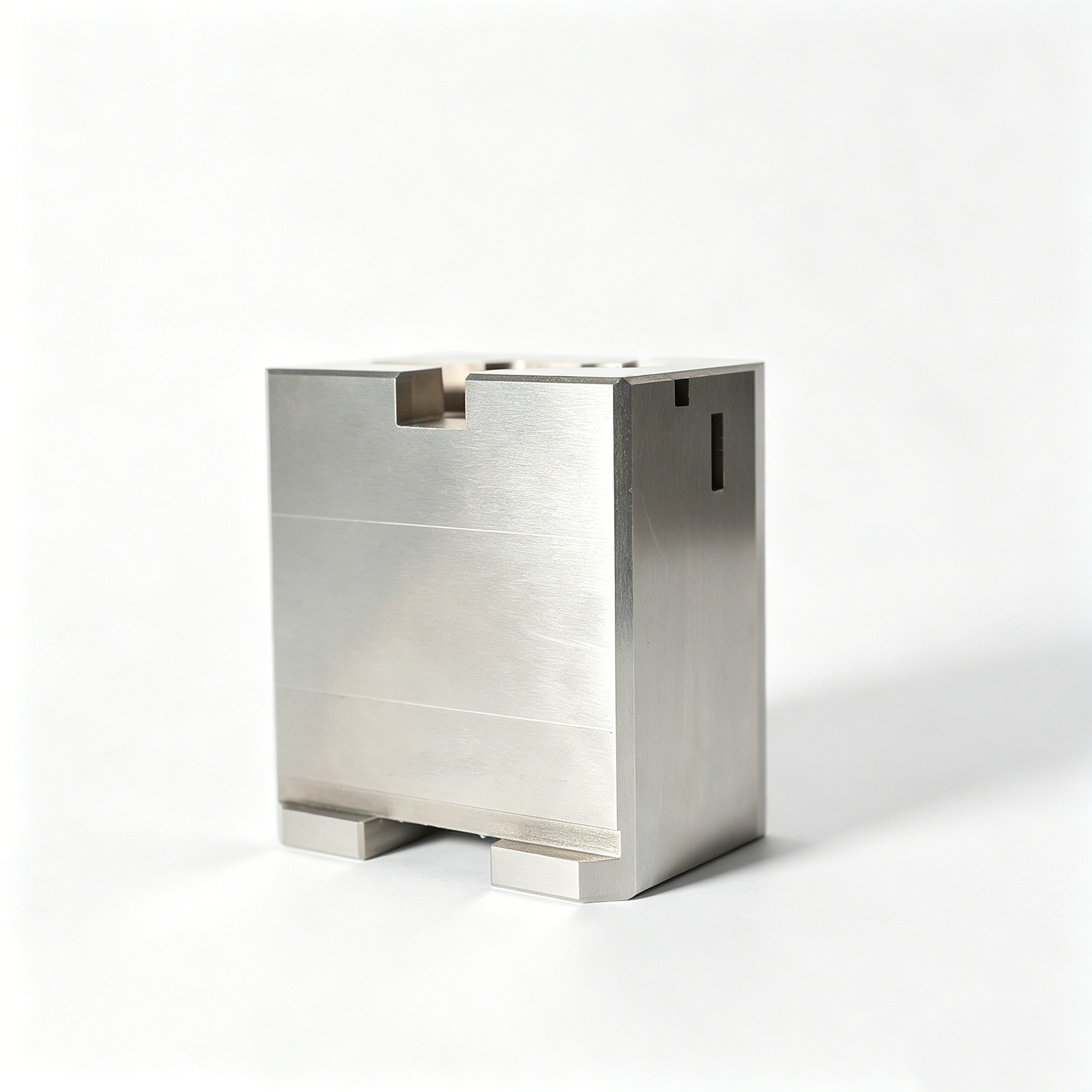
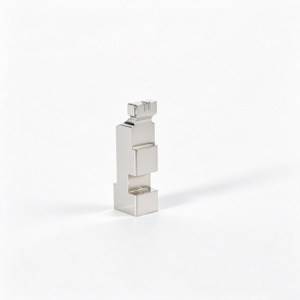
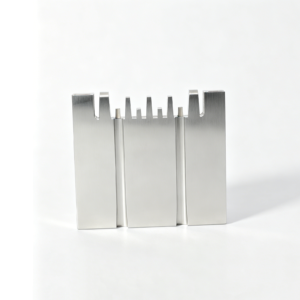
Representative H13 Tooling Components




Related Component Families and Quotation





Why CNC Machining H13 Tool Steel Needs a Disciplined Process Route
Align drawing review, machining sequence, EDM, grinding and inspection planning before production commitments are made.
Drawing-Led DFM Review
Review datums, critical dimensions, tool access and heat-treatment sequence before selecting a CNC machining route for H13 tooling.
EDM Strategy Alignment
Identify wire paths, electrode needs and inaccessible geometry early, so EDM operations support the intended form without avoidable rework.
Grinding Stock Control
Plan machining allowance and grinding stock around hardened surfaces, fit requirements and final dimensional priorities defined on the drawing.
Critical Dimensions First
Focus process decisions on tolerance stack, datum relationships and functional interfaces that affect assembly, molding performance or mating components.
Inspection Plan Visibility
Agree the inspection method, reporting needs and acceptance criteria before production, then align final documentation with the verified order requirements.
Revision-Controlled Coordination
Keep drawing revisions, process decisions and delivery information visible throughout the project to reduce ambiguity between engineering and sourcing teams.
CNC-Machined Tool Steel Components
Drawing-driven process routes for precision mold, connector, die, and custom components, reviewed against critical dimensions, material requirements, and inspection needs.

CNC Machining Services
Precision CNC machining services for drawing-based parts where geometry, datums, material condition, and critical dimensions require a defined process route. CNC milling, turning, EDM, grinding, fitting, and inspection are planned around the approved drawing and project requirements.
Upload a Drawing
CNC Milling
Custom CNC milling services support prismatic parts, mold inserts, plates, cavities, and custom features. Drawing review considers tool access, corner radii, datum locations, stock condition, machining allowances, surface requirements, and dimensions requiring inspection.
Upload a Drawing
CNC Turning
Precision CNC turning services are applied to rotational components such as pins, sleeves, bushings, shafts, and cylindrical locating features. Quotations should identify diameters, concentricity, runout, surface finish, material condition, heat treatment, and any downstream grinding or EDM requirements.
Upload a Drawing
5-Axis Machining
5-axis CNC machining supports multi-face geometry, compound angles, and features that benefit from fewer setups. Process planning evaluates tool reach, fixture access, datum transfer, collision risk, surface requirements, and whether EDM or grinding remains necessary for critical details.
Upload a Drawing
Swiss & Micro Machining
Swiss machining and micro machining support small, slender, and detail-intensive components where concentricity, feature access, and handling require attention. A drawing review should define critical diameters, length-to-diameter relationships, burr limits, material, inspection method, and quantity.
Upload a Drawing
Wire & Sinker EDM
Wire EDM and sinker EDM services support hardened-tool-steel profiles, narrow slots, sharp internal geometry, deep details, and features beyond conventional cutter access. Electrode strategy, wire path, start holes, recast-layer considerations, datum references, and finish requirements are reviewed before production.
Upload a Drawing
Precision Grinding
Precision surface and profile grinding supports controlled flatness, parallelism, thickness, profile geometry, and finished dimensions after machining or heat treatment. Grinding stock, material condition, datum strategy, surface requirements, and inspection points should be defined on the drawing.
Upload a Drawing
Mold Core Inserts & Cavity Inserts
Precision mold core and cavity inserts are manufactured from customer drawings for injection-molding tooling and related applications. Process planning considers steel selection, cooling or vent details, parting surfaces, EDM features, heat-treatment sequence, grinding allowance, fitting requirements, and critical inspection dimensions.
Upload a Drawing
Ejector & Ejection Components
Ejector pins, sleeves, and ejection components are produced to drawing-defined dimensions, materials, and surface requirements. Important review points include fit with mating bores, tip geometry, hardness requirements, straightness, concentricity, lubrication needs, and wear-sensitive interfaces.
Upload a Drawing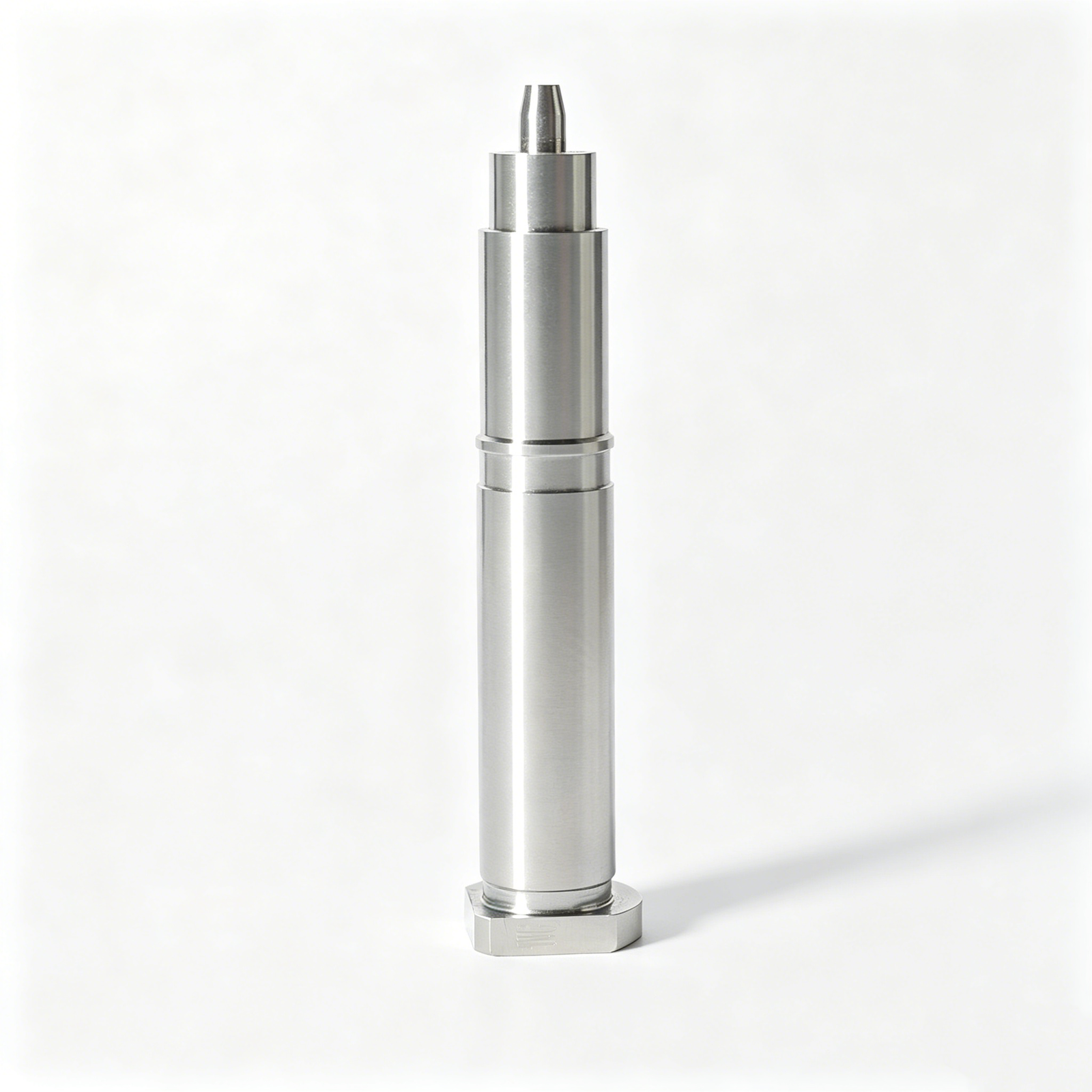
Core Pins, Guide & Locating Components
Core pins, guide pins, and locating components support repeatable alignment and part formation within molds and fixtures. Drawings should identify functional datums, fit class, mating-component context, wear surfaces, material and heat treatment, surface finish, and inspection priorities.
Upload a Drawing
Slides, Lifters, Gates & Mold Accessories
Mold slides, lifters, gates, and accessories are configurable tooling components manufactured against approved drawings. Review covers travel geometry, bearing and wear surfaces, clearances, parting-line relationships, gate detail, lubrication, heat treatment, fitting needs, and mating interfaces.
Upload a Drawing
Connector Mold Components
Precision connector mold components support fine-pitch, multi-cavity, and alignment-sensitive tooling. Manufacturing review focuses on pin geometry, cavity and core relationships, electrode access, wear zones, datum control, surface requirements, assembly fit, and inspection of critical connector-forming features.
Upload a Drawing
Stamping Die Components
Precision stamping die components include punches, dies, inserts, guide elements, and custom wear parts made to drawing requirements. Process planning addresses material grade, hardness, clearance relationships, cutting-edge condition, wire-EDM strategy, grinding stock, and dimensional verification.
Upload a Drawing
Injection, MIM, CIM & Overmolding Tooling
Injection, MIM, CIM, and overmolding tooling components are evaluated as drawing-based work within verified production scope. Reviews consider molding material behavior, shrinkage inputs supplied by the customer, gate and vent details, parting surfaces, insert interfaces, mold steel, and inspection requirements.
Upload a Drawing
Machining Materials
CNC machining materials are selected from the drawing and application requirements, including tool steels, stainless steels, aluminum alloys, copper alloys, engineering plastics, and other materials within verified scope. Material grade, condition, certification needs, and heat-treatment sequence should be stated in the RFQ.
Upload a Drawing
Surface Finishes & Heat Treatment
Surface finishing and heat treatment are specified according to functional requirements such as wear resistance, corrosion behavior, release, appearance, conductivity, or fit. Define finish type, target roughness where needed, masking or edge requirements, hardness expectations, and the intended sequence with machining and grinding.
Upload a Drawing
Quality, Metrology & Documentation
Precision inspection, metrology, and quality documentation are planned around the drawing’s critical dimensions and agreed acceptance criteria. RFQs should identify required reports, datum references, measurement methods, sampling expectations, material records, revision status, and traceability requirements before production.
Upload a Drawing
Prototyping & Low-Volume Production
Rapid prototyping and low-volume manufacturing support drawing-based validation, tooling development, and controlled production runs. Scope is reviewed against material, geometry, quantity, critical dimensions, process route, inspection expectations, and target delivery date before commitments are made.
Upload a DrawingCNC Machining H13 Tool Steel and Related Tooling Materials

H13 Tool Steel
A hot-work tooling choice for mold inserts, cores and die components exposed to repeated thermal cycling. Machining route, EDM allowance and final hardness should be confirmed against the drawing and heat-treatment specification.

H11 Tool Steel
Considered where hot-work toughness and thermal-fatigue performance influence tooling decisions. Review section thickness, heat-treatment condition, surface requirements and critical datums before confirming a machining and finishing route.

D2 Tool Steel
A cold-work option often evaluated for wear-focused punches, dies and forming components. Its heat-treatment sequence, grinding stock and mating-part tolerances require review before production planning or quotation.

S7 Tool Steel
A shock-resistant tool steel considered for impact-prone tooling components and die details. Material condition, operating loads, hardness target and dimensional stability after heat treatment should guide process selection.

420 Stainless Steel
A stainless tool-steel option considered when corrosion resistance matters for mold components or tooling environments. Confirm grade, hardness condition, polishing needs and inspection criteria with the drawing package before acceptance.
CNC Machining H13 Tool Steel: EDM and Grinding Processes

CNC Milling
CNC milling establishes profiles, pockets, cooling features, and datum surfaces in H13 components. Tool access, stock allowance, and heat-treatment sequence are reviewed to protect critical geometry for subsequent EDM or grinding.

CNC Turning
CNC turning produces concentric diameters, shoulders, threads, and rotational features for H13 pins, sleeves, and tooling components. Datum strategy and inspection points are defined around the functional interfaces shown on the drawing.
Wire EDM
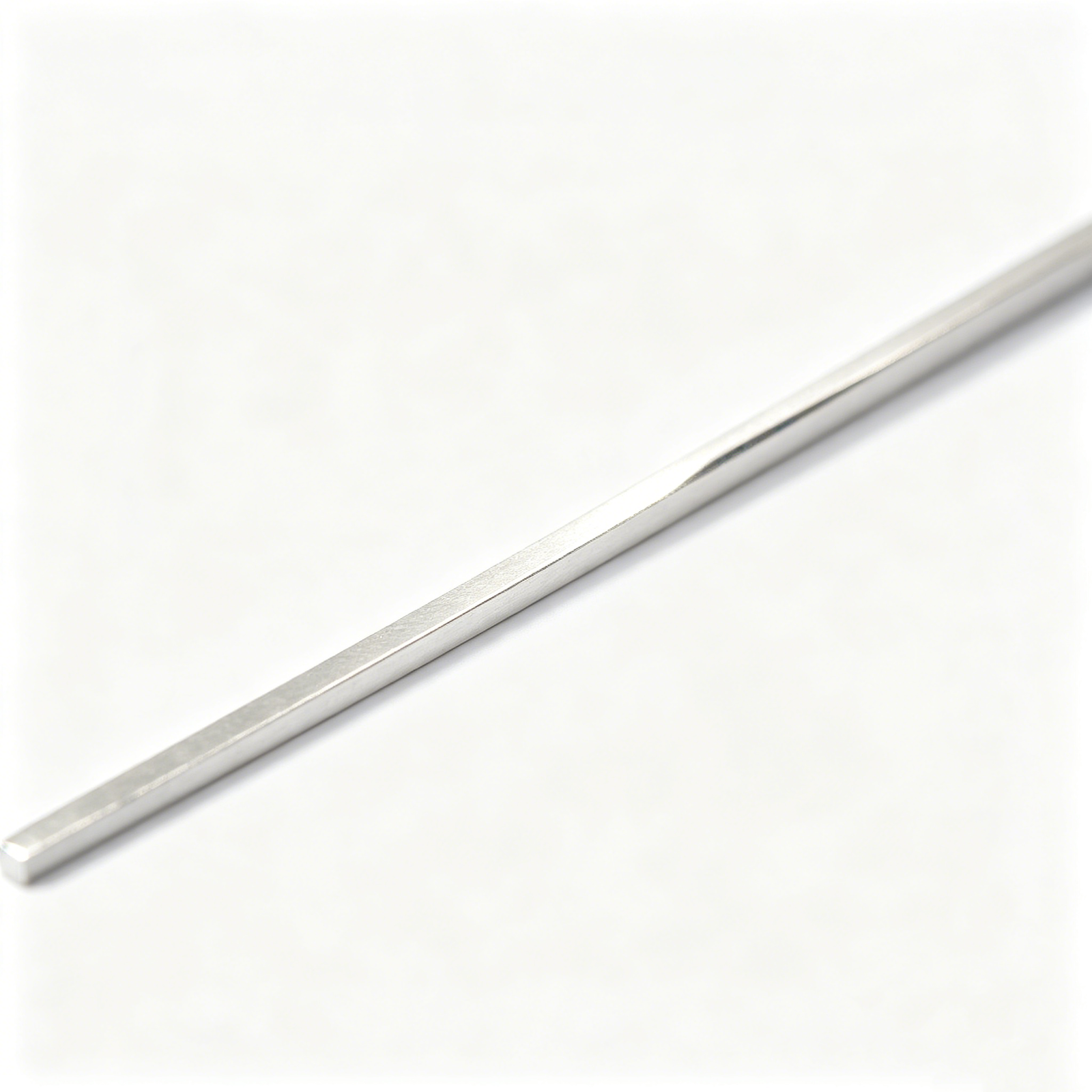
Wire EDM creates precise through-profiles, narrow slots, and intricate contours where conventional cutting access is limited. The wire path, start-hole location, finish allowance, and critical dimensions are assessed against the specified component function.

Sinker EDM
Sinker EDM forms deep cavities, sharp internal details, and complex mold geometry using planned electrodes. Electrode strategy, spark allowance, surface requirements, and downstream fitting needs are reviewed before the EDM route is confirmed.
Precision Grinding
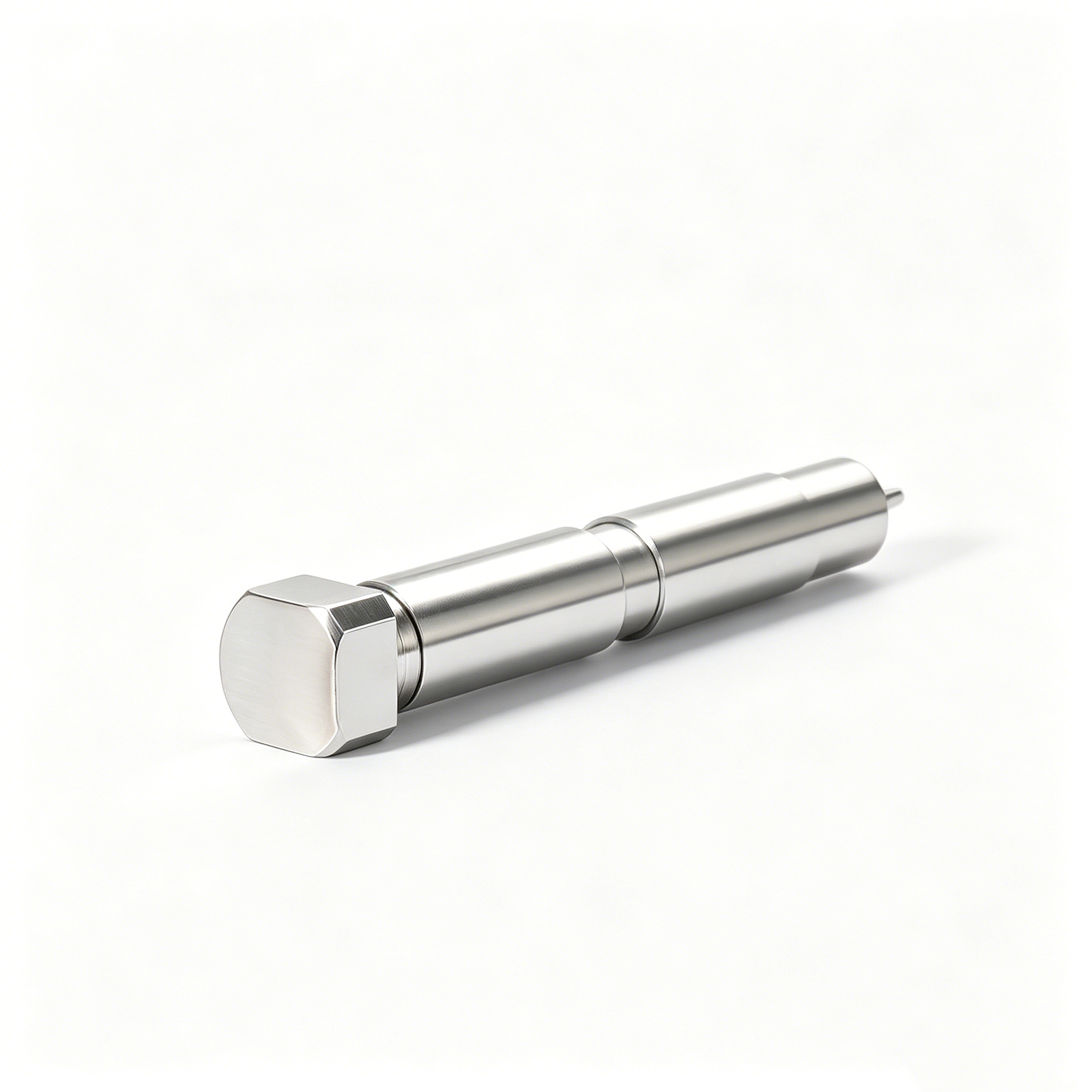
Precision grinding refines flatness, parallelism, external diameters, and controlled fits on H13 tooling parts. Grinding stock, datum references, surface finish, and measurement method are coordinated to support the approved inspection plan.

Fitting Inspection
Fitting and inspection verify interfaces between H13 components and their mating parts before release. The work follows the drawing’s critical dimensions, assembly relationships, revision status, and agreed reporting requirements for traceable delivery.
CNC Machining H13 Tool Steel: Tooling Accessories and Assembly Features

Guide Elements
Guide pins, bushings and related alignment elements can be machined or integrated where drawings define fit class, locating datum, material condition and mating-component requirements for mold or die assembly.

Ejector Parts
Ejector pins, sleeves, retainers and ejection details are evaluated against travel, clearance, bearing surfaces and critical interfaces, helping the process route account for grinding, EDM or fitting where required.
Locating Components
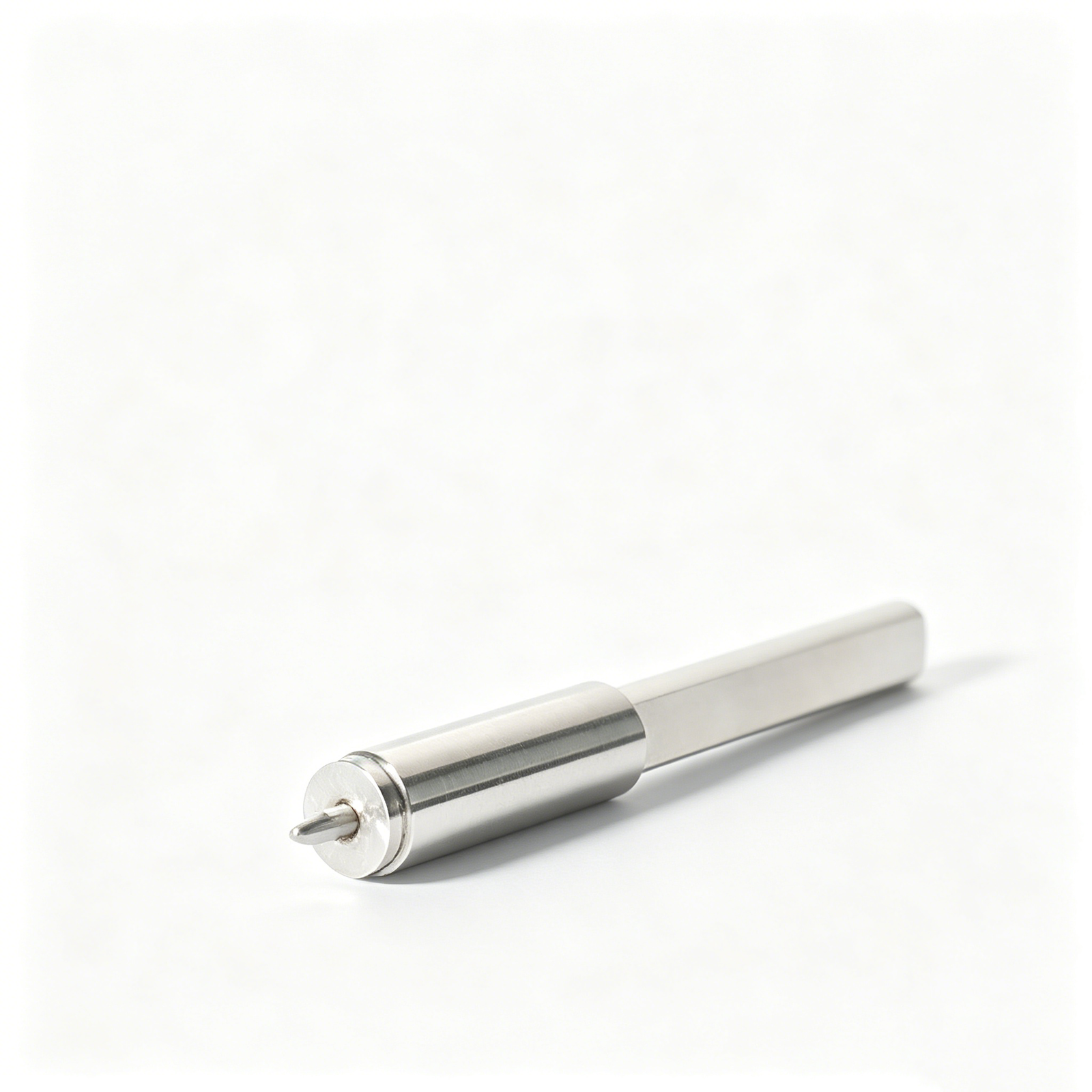
Dowel holes, keys, stops and locating blocks help establish repeatable assembly position. SUUXIANG reviews datum references, tolerance stack and service access before machining drawing-defined locating features.

Gate Features
Gate inserts, runner-related details and feed interfaces can be produced when geometry, material, surface condition and mating context are provided. Tool access and EDM electrode strategy are reviewed before production planning.

Part Markings
Drawing-specified identification marks, revision indicators and orientation references can support assembly and traceability. Provide marking location, method, legibility requirements and any restrictions on functional surfaces with the RFQ.
About SUUXIANG’s H13 Tool Steel Machining Workflow
SUUXIANG is the sole public-facing brand of Dongguan SuuXiang Precision Mold Co., Ltd., established in 2010 and based on the 2nd Floor of Sanhe Industrial Park, Chang’an Town, Dongguan, Guangdong, China. Founded by legal representative XiaoCheng Huang, the company helps international engineering and sourcing teams turn drawings, models, and specifications into inspected custom machined parts, precision mold components, connector tooling, and die components.
For CNC machining H13 tool steel, our approach begins before production. Drawing review and DFM discussions identify critical dimensions, datums, machining access, heat-treatment sequence, EDM requirements, grinding allowance and inspection expectations so the proposed process route reflects the part’s functional risks.
Our work combines CNC milling and turning, multi-axis machining, wire and sinker EDM, precision grinding, fitting and inspection under visible revision control. Rather than treating a quotation as a generic transaction, SUUXIANG coordinates the manufacturing evidence needed for drawing-based tooling components and low-volume custom production.
CNC Machining H13 Tool Steel: Deep-Dive Capabilities
DFM and Datum Review
Before committing to a route, SUUXIANG reviews the drawing’s critical dimensions, datum structure, tolerance stack, material condition, and tool access. This clarifies which CNC machining H13 tool steel features need special fixturing, EDM relief, or grinding control.
- Identify critical-to-quality dimensions and functional datums
- Review corner radii, tool reach, and internal-feature access
- Confirm material, heat-treatment, and surface requirements
- Flag drawing questions before quotation and production
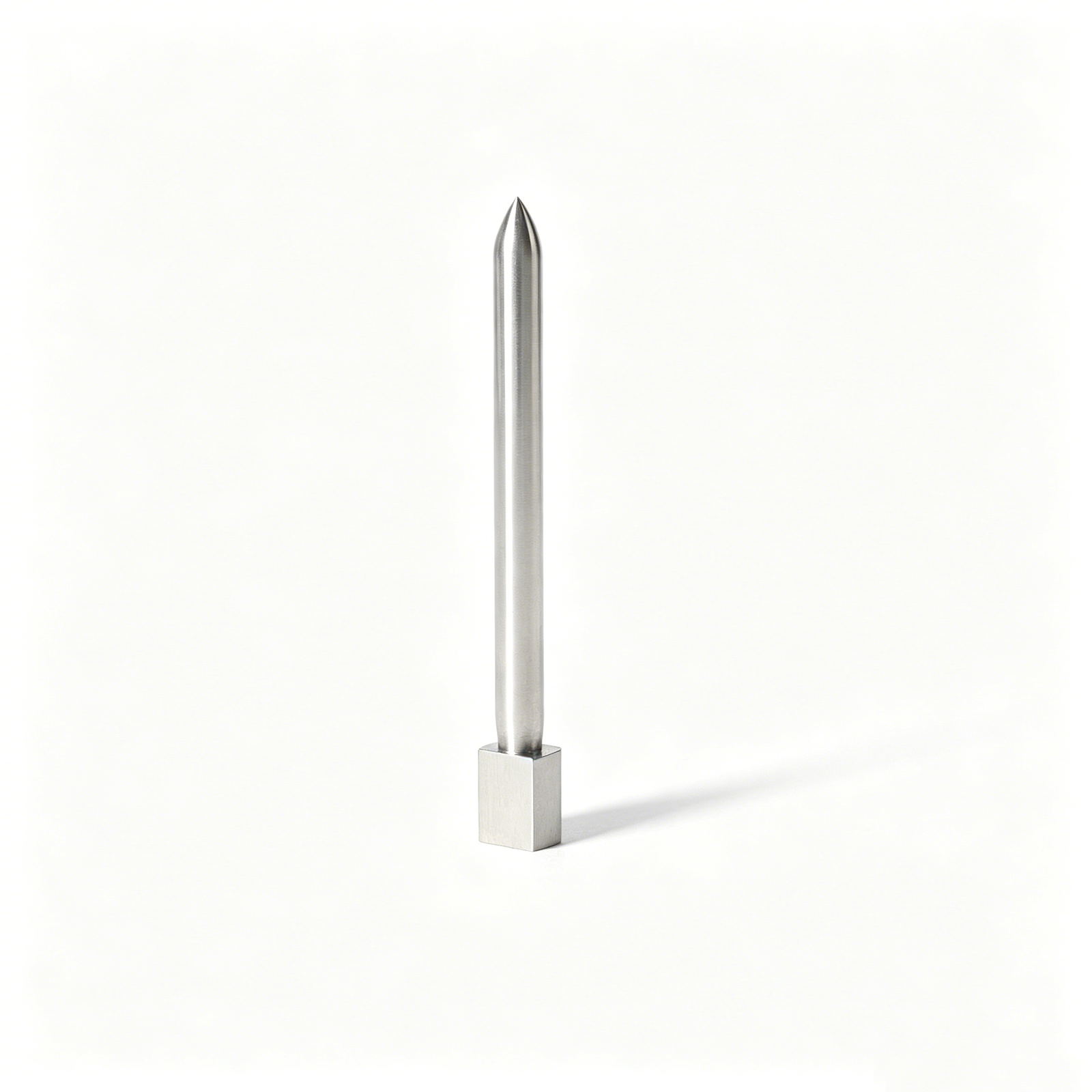
CNC-to-EDM Route Planning
Complex H13 tooling features may require a planned handoff between milling, wire EDM, and sinker EDM. SUUXIANG evaluates geometry, internal corners, electrode access, wire paths, and finish priorities so the selected route supports the drawing rather than forcing an unsuitable process.
- Assess CNC access before assigning EDM operations
- Plan wire paths for profiles and narrow internal details
- Review electrode strategy for enclosed or deep features
- Coordinate intermediate stock between operations

Grinding Allowance Strategy
Grinding is most effective when stock and heat-treatment sequence are considered early. For CNC machining H13 tool steel components with critical flatness, parallelism, or mating surfaces, SUUXIANG reviews grinding allowance, reference faces, clamping approach, and inspection points before final finishing.
- Define grinding stock on critical surfaces
- Protect datum relationships through process changes
- Consider distortion risk after heat treatment
- Align finish requirements with the inspection method

Inspection and Revision Records
Inspection planning should reflect the part’s functional priorities, not simply a generic final check. SUUXIANG aligns measurement methods and requested reporting with the drawing’s critical features, while keeping revision information and order-specific documentation visible through the project workflow.
- Match inspection points to critical drawing features
- Clarify required reports before production begins
- Maintain traceable drawing and revision references
- Review documentation requirements with the RFQ

Why Choose SUUXIANG for CNC Machining H13 Tool Steel Components
Compare a drawing-led manufacturing workflow with a typical quote-only supplier approach before releasing tooling components to production.
← Swipe left or right to view →
CNC Machining H13 Tool Steel: Production Workflow
Each project moves through drawing review, process planning, controlled manufacturing and order-specific inspection before shipment coordination.
Review Drawing and Requirements
We review the drawing, model, material condition, quantity, critical dimensions, datums, surface requirements, delivery target and inspection documentation needed before quotation.
Plan Material and Process
The team confirms H13 material and heat-treatment requirements, then plans machining allowance, tool access, EDM electrodes or wire paths, grinding stock and inspection approach.
Machine Critical Part Features
CNC milling, turning or multi-axis operations establish the component geometry while process controls focus on accessible critical features, reference datums and revision accuracy.
Apply EDM or Grinding
Where geometry or finish requires it, wire EDM, sinker EDM and precision grinding are sequenced around heat treatment, remaining stock and specified functional surfaces.
Inspect Against Approved Requirements
Inspection follows the order-specific plan, checking agreed dimensions, surfaces and documentation requirements while keeping results aligned with the current drawing revision.
Pack and Coordinate Shipment
After final review, parts are packed for the component condition and shipment is coordinated with the agreed delivery information, quantities and accompanying quality records.
Work With Our CNC Machining H13 Tool Steel Team
Share the technical inputs early so DFM, process planning, inspection, and delivery coordination can be aligned before production begins.
Send Your Technical Package
Upload the 2D drawing, 3D model when available, material condition, heat-treatment requirements, quantity, target date, and any mating-component or application context.
Review DFM and Quote
Confirm critical dimensions, datums, surface requirements, machining access, EDM or grinding needs, inspection expectations, revision status, and the proposed process route before quotation.
Approve Samples When Needed
For projects requiring validation, review agreed sample requirements, measurement evidence, and any fit or functional feedback before the production route is finalized.
Coordinate Production Requirements
Release the approved revision and align delivery, packaging, inspection reports, traceability needs, and change-control communication for CNC machining H13 tool steel components.
Customer Evidence Requires Approval Before Publication
Customer Outcomes in CNC Machining H13 Tool Steel
Approved customer testimonial required before publication. SUUXIANG will publish only customer-authorized outcomes supported by the applicable drawing revision, inspection documentation, and project record.
Approved customer testimonial required before publication. Relevant results must be confirmed against documented quality, delivery, and revision-control records before they are presented as a customer outcome.
Approved customer testimonial required before publication. Any quoted H13 tooling result should identify the verified project scope and measurable outcome without disclosing confidential customer information.
CNC Machining H13 Tool Steel FAQ
Practical answers for teams sourcing drawing-driven H13 tooling components, from material definition through inspection and delivery.
What should I include in an RFQ for cnc machining h13 tool steel?
Can you machine H13 before or after heat treatment?
What heat-treatment information is needed for cnc machining h13 tool steel?
When are EDM and precision grinding needed for H13 tooling parts?
How do you control critical dimensions in cnc machining h13 tool steel parts?
Can I request first-article samples or inspection reports?
How are drawings, revisions, shipping, and IP handled?
The Complete Buyer’s Guide to cnc machining h13 tool steel
Use this decision framework to specify H13 parts, evaluate machining and heat-treatment controls, compare qualified suppliers, and avoid costly errors in material condition, tolerances, finishing, inspection, lead time, and total landed cost.
1. What Is cnc machining h13 tool steel?
H13 is a chromium-molybdenum-vanadium hot-work tool steel machined into drawing-defined components through CNC milling, turning, drilling, and, where required, EDM and precision grinding. In this context, cnc machining h13 tool steel means controlling the route, datum features, stock allowance, and inspection requirements—not simply cutting a listed bar size.
Die-casting dies, extrusion tooling, mold inserts, and demanding fixtures commonly use H13 because the grade is selected for its balance of hot-strength, toughness, and thermal-fatigue resistance. Those material characteristics do not establish a supplier’s attainable tolerance, hardness-control method, machine access, or delivery capacity; each must be confirmed against the part drawing and current project evidence.
2 starting conditions drive the first RFQ decision: annealed H13 supports heavier machining before heat treatment, while pre-hardened H13 can shorten the route but changes tool wear, finishing allowance, and risk management. State the required material standard, starting hardness, final heat-treatment condition, critical dimensions, and whether distortion after heat treatment is acceptable.
2. H13 Tool Steel: History and Standards
AISI H13 is a chromium-molybdenum-vanadium hot-work tool-steel designation developed within the North American naming system. Its alloy design balances hot-strength retention, toughness and thermal-fatigue resistance for demanding tooling; a representative published composition lists about 0.35% carbon, 5% chromium, 1.5% molybdenum and 1% vanadium (https://harbinger.engineering/blog/commonly-machined-tool-steels).
1.2344 and X40CrMoV5-1 are commonly used European designations, while SKD61 is the familiar Japanese-market reference; suppliers may use these names as cross-references to H13 (https://www.dekmake.com/cnc-machining-metals/tool-steel/tool-steel-h13). Before cnc machining h13 tool steel, specify the governing standard, obtain the mill certificate, compare its chemistry range with the drawing requirement, and define the required delivery and heat-treatment condition. An alias alone does not establish equivalent chemistry, cleanliness, stock condition or final hardness.
3. Types of cnc machining h13 tool steel
H13 should be specified by delivery condition and stock geometry, not by grade name alone. Those choices determine rough-machining efficiency, heat-treatment movement, finish-process access, and the evidence required on the purchase order.
Annealed Stock
Annealed H13 is the usual choice when extensive milling, deep cavities, or EDM features precede heat treatment. Leave grinding stock on critical faces and define post-treatment inspection, because distortion can alter datum relationships.
Large mold inserts and complex cores justify this route when geometry must be created economically before hardening.
Pre-Hardened Stock
Pre-hardened H13 shortens the route by avoiding a buyer-controlled final hardening cycle. It suits moderate-duty components where the supplied hardness, machining allowance, and material certificate are accepted before machining.
Tight cavity geometry still needs a finishing plan; local stress relief or later thermal exposure can change dimensions.
Hardened Finish Machining
Hardened H13 requires carbide cutting, EDM, and grinding selected around feature access and surface requirements. It is justified for correction work, precision shutoffs, pins, and mating surfaces after heat treatment.
Small finishing allowances reduce cutting load, but do not eliminate the need to control recast layers and grinding burn.
ESR And Stock Forms
ESR or premium-cleanliness H13 should be called out only when the application specification or fatigue-risk assessment requires it. Plate favors inserts, round bar favors pins and cylindrical details, while saw-cut blocks reduce roughing for compact cores.
Each form needs traceable heat identification and sufficient machining stock to remove decarburized or handling-affected surfaces.
4. H13 Material Condition and Alternatives
H13 selection starts with supplied condition and the finished service environment. Confirm the heat-treatment route, target hardness, and machining sequence before releasing a cnc machining h13 tool steel drawing.
| Grade | Best-Fit Priority | Primary Caution |
|---|---|---|
| H13 | Hot work; thermal cycling | Not a corrosion-grade choice |
| A2 | Cold-work balance | Lower hot-work focus |
| D2 | High abrasion resistance | Reduced impact tolerance |
| S7 | Impact toughness | Evaluate wear requirement |
Condition Before Machining
Annealed H13 supports rough machining before stress relief, hardening, finish EDM, and grinding. Prehardened stock can shorten the route, but tool wear, grinding stock, and distortion control need review.
H13 is generally selected for hot-work service and thermal-fatigue resistance; verify the applicable material designation rather than relying on a trade name. Reference: https://www.dekmake.com/cnc-machining-metals/tool-steel/tool-steel-h13
Traceability And Alternatives
Each material lot should have an MTR identifying grade, heat or lot, chemistry, supplied condition, and any heat-treatment record. Match that record to the purchase order, drawing revision, and inspection plan.
A2 suits many cold-work tools needing balanced wear and toughness; D2 favors abrasion resistance, while S7 better addresses repeated impact. Temperature, thermal cycling, wear, toughness, corrosion exposure, and required service life should govern final selection.
5. Customization for cnc machining h13 tool steel
H13 customization begins with the released drawing, not a generic feature list. For cnc machining h13 tool steel, specify functional interfaces, material condition, and inspection-critical datums before selecting a process route.
| Callout | Drawing Decision | DFM Effect |
|---|---|---|
| Cooling channel | Diameter, path, plugs | Verify drill access and wall thickness |
| Tight tolerance | Datum and inspection method | May require grinding or EDM |
| Hardened finish | Final condition and stock | Restricts cutter access and removal |
Geometry And Mating Features
Two primary datums should locate bores, threads, shutoff faces, and mating features; coordinate dimensions from them rather than chaining dimensions.
H13 deep pockets require tool-access review, while thin walls need a stiffness check. Sharp internal corners require a stated radius or an EDM relief; neither should be implied.
Finish, EDM, And Identification
EDM features need machining stock and electrode or wire-path allowances called out before heat treatment. Grinding stock should remain on surfaces requiring final flatness, size, or surface finish.
Post-machining heat treatment or coatings require the drawing to identify sequence, masked areas, and final acceptance condition. Permanent engraving should state location, character height, and whether it is permitted on functional faces.
6. Quality Controls for cnc machining h13 tool steel
For cnc machining h13 tool steel, quality planning begins before stock is cut. The purchase order should connect each critical feature to a datum, functional interface, inspection method, and acceptance record.
Material And Certificate Linkage
100% of supplied stock should carry a unique heat or lot identifier linked to the material certificate and part traveler. Confirm the ordered grade, delivery condition, and traceability before machining begins.
Heat Treatment And Distortion
3 controls should be agreed before hardening: machining allowance, heat-treatment route, and post-treatment datum recovery. Specify hardness test locations and the drawing-approved acceptance range; avoid testing on sealing faces, thin sections, or functional edges.
Feature Inspection And Release
1 inspection plan should identify CMM measurement for datum-related profiles, positions, and critical interfaces where appropriate. Verify threads with the specified gauges, remove burrs without rolling edges, and review surface integrity on EDM and ground areas.
Final documentation should match the revision and include dimensional results, hardness evidence when required, material linkage, and any agreed deviation record.
7. How to Choose an H13 Manufacturer
A capable H13 supplier evaluates the drawing before promising a route. For cnc machining h13 tool steel, compare evidence, not general equipment lists or unqualified tolerance claims.
Verify Relevant Process Experience
Ask for comparable tool-steel parts, stating delivered material condition, hardness range, machining sequence, EDM use, and grinding strategy.
Request a DFM response that identifies datum conflicts, tool access, distortion risk, and inspection points before quotation.
- Comparable hardened-part evidence
- DFM with actionable exceptions
- Proposed CNC, EDM, grinding route
Trace Material And Heat Treatment
Require a material certificate tied to the purchase lot and a documented heat-treatment plan where applicable.
Confirm who controls preheat machining allowance, post-treatment grinding stock, hardness verification, and revision-specific records.
- Material grade and heat number
- Heat-treatment responsibility
- Hardness and traceability records
Assess Quotation And Delivery Controls
Review whether the quotation names critical dimensions, inspection method, first-article requirements, quantity, exclusions, and realistic lead-time dependencies.
Set a communication cadence across time zones and ask how capacity changes, drawing revisions, nonconformance, and final reports are controlled.
- First-article or sample plan
- Inspection-report format
- Revision and delivery communication
8. Common H13 Sourcing Mistakes
One material callout—H13—is insufficient for a manufacturable RFQ. State the governing standard, supplied condition, required hardness, heat-treatment route, and the dimensions that control function.
Define Material And Heat Treatment
H13 may arrive annealed, prehardened, or require heat treatment after roughing; each route changes machining, stock allowance, and risk. Specify the standard or equivalent grade, hardness range, and certification required.
Heat treatment can move dimensions. Identify critical features, reserve grinding stock where needed, and agree whether final sizing occurs before or after hardening.
Design For The Actual Process
Tight tolerances through heat treatment cannot be assumed to remain stable. Tie each critical tolerance to a datum and define surface finish, mating function, and inspection method.
Deep corners, narrow slots, and hidden internal features may need smaller tools, EDM, or redesign. Mark which geometry is CNC-machined, wire-EDM cut, or sinker-EDM formed; these routes have different access and finish implications.
Normalize Quote Comparisons
Two H13 quotes are not comparable when their scope differs. Match material evidence, heat treatment, EDM, grinding, finish, inspection report, quantity, revision, and delivery terms before selecting a supplier.
A lower line price can exclude the controls needed for the part’s application. Send the 2D drawing, 3D model, CTQ dimensions, and reporting expectations so assumptions are visible before release.
9. Steps to Launch an H13 Program
One controlled launch sequence converts H13 requirements into reviewable manufacturing decisions. For cnc machining h13 tool steel, freeze functional interfaces and critical risks before requesting a price.
Define The RFQ Package
At revision A, provide the released 2D drawing and native or neutral 3D model. Identify datums, critical dimensions, GD&T, surface requirements, material grade, hardness condition, quantity, forecast, and required delivery date.
- Inspection criteria and report format
- Packaging, preservation, and part-identification requirements
- Revision history and mating-component context
Complete Technical Review
Before prototype release, reconcile machining access, heat-treatment sequence, EDM or grinding allowances, and inspection methods with the supplier. Record every agreed deviation, open question, and drawing clarification against the controlled revision.
Approve And Control Production
At first article, compare measured results and material evidence against the approved inspection plan before authorizing production. After approval, control changes through a new revision, documented impact review, and confirmation of inventory, packaging, and delivery requirements.
10. cnc machining h13 tool steel Pricing
3 quote tiers make cnc machining h13 tool steel costs comparable: prototype, bridge quantity, and repeat production. A unit price should separate one-time programming, fixturing, electrodes, and first-article inspection from recurring machining and material costs.
5 cost-driver groups deserve review before comparing offers. H13 condition, blank size, feature complexity and cycle time affect the route; tight tolerances, post-hardening work, EDM, grinding, finishing, and report scope add controlled operations.
2 drawing packages reduce avoidable cost without weakening function. Provide 2D/3D files, revision, material and heat-treatment condition, critical datums, quantity, target date, and inspection requirements; identify where a tolerance, finish, or EDM feature is function-critical versus preferred.
| Quote factor | Indicative pricing effect | Buyer action |
|---|---|---|
| Prototype: 1–5 pieces | Setup dominates unit cost | Combine compatible parts or accept repeatable datum strategy |
| Bridge: 10–50 pieces | Setup amortizes; inspection remains material | Freeze revisions before machining |
| Repeat: 50+ pieces | Cycle time and material yield dominate | Review fixture, stock size, and batch inspection plan |
| Urgent lead time | Expedite capacity may increase cost | State the required delivery date at RFQ |
Start Your CNC Machining H13 Tool Steel Review
Upload your 2D drawing, 3D model, quantity, material, quality requirements, and target delivery date for an informed, drawing-based quotation.