
CNC Machining M42 High-Speed Steel for Precision Parts
Submit your drawing for CNC machining M42 high-speed steel with DFM review, process planning, and inspection requirements aligned before production.
Representative M42 Tooling and Precision Components


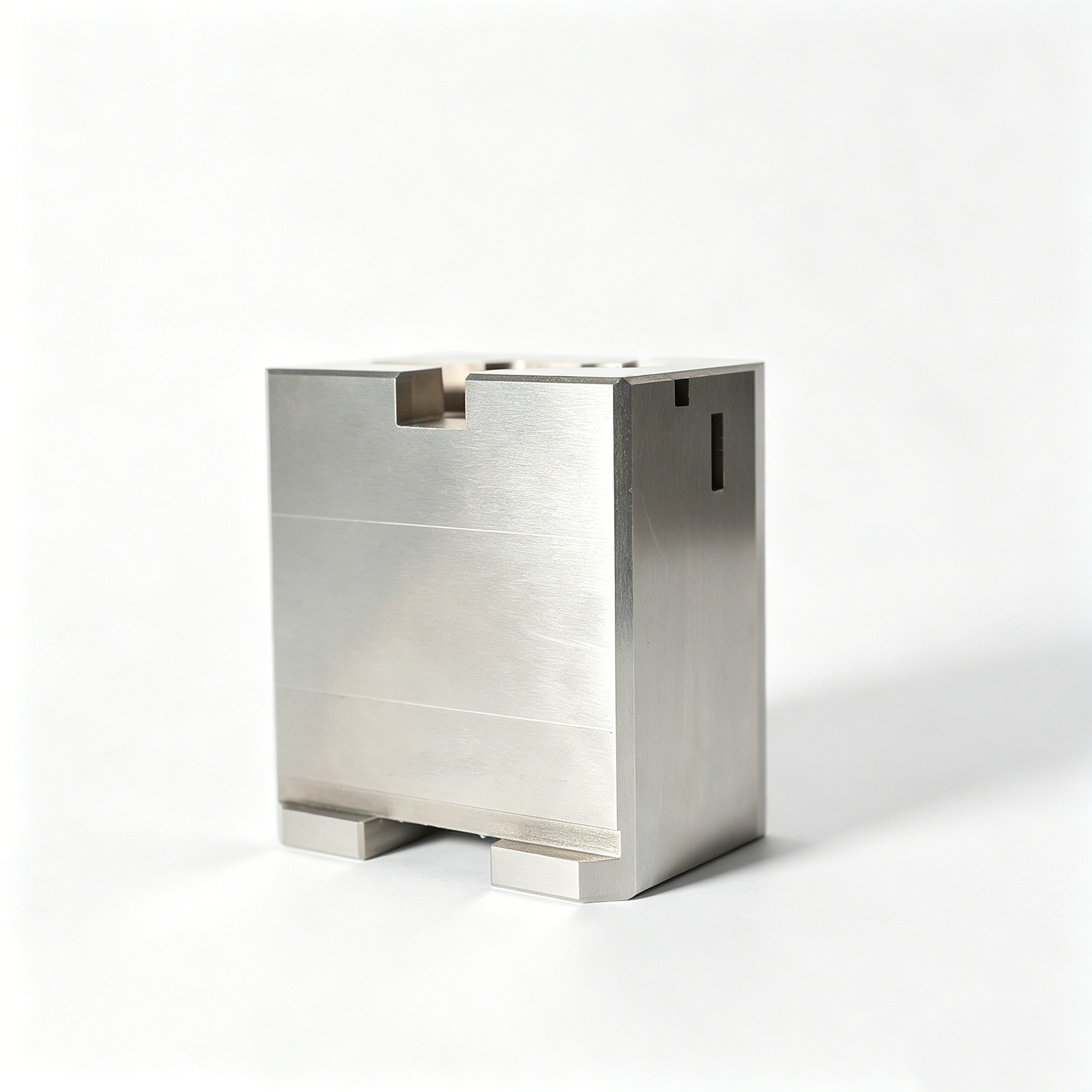


Related Configurable Components and RFQ Support


Why Engineers Choose SUUXIANG for CNC Machining M42 High-Speed Steel
Structured review and coordinated process planning keep critical requirements visible from RFQ through inspection.
DFM Before Quotation
Drawing review identifies critical dimensions, datum references, tool access, material condition, and manufacturability questions before production commitments are made.
Planned Process Routes
CNC machining, EDM, grinding, fitting, and heat-treatment sequence are considered together to protect functional geometry and realistic machining allowances.
EDM and Grinding Coordination
Electrode strategy, wire paths, grinding stock, and final surfaces are aligned with the drawing’s hard-to-reach or precision-critical features.
Inspection Built Into Planning
Inspection methods and reporting expectations are discussed around critical-to-quality dimensions, datums, surface requirements, and the agreed verification plan.
Revision Visibility
Controlled communication keeps drawing revisions, open manufacturing questions, inspection requirements, and delivery information visible throughout the project.
Traceable Project Communication
Teams receive focused discussions around materials, quantities, application context, quality priorities, and target dates needed for a responsible RFQ review.
M42 Precision Part and Tooling Families
Drawing-driven process routes for configurable components, from critical dimensions and material control through inspection and revision-managed delivery.

CNC Machining Services
Precision CNC machining services for drawing-based parts requiring a defined process route across milling, turning, EDM, grinding, fitting, and inspection. Reviews focus on critical dimensions, datum strategy, material requirements, access, quantity, and reporting needs before production is planned.
Upload a Drawing
CNC Milling
Custom CNC milling services for prismatic parts, plates, inserts, and features requiring controlled tool access. Drawing review addresses datums, tolerance relationships, corner radii, internal features, machining allowance, surface requirements, and whether secondary EDM or grinding is needed.
Upload a Drawing
CNC Turning
Precision CNC turning services for shafts, sleeves, pins, bushings, and rotational components. The process plan considers concentricity, runout, diameter tolerances, thread details, material condition, workholding, and any follow-on grinding, milling, or inspection requirements.
Upload a Drawing
5-Axis Machining
5-axis CNC machining supports complex geometry where multiple faces, angled features, or difficult tool approach make repeated setups a risk. Planning evaluates datum transfer, fixture strategy, cutter reach, collision clearance, surface requirements, and critical feature inspection.
Upload a Drawing
Swiss & Micro Machining
Swiss machining and micro machining support small-diameter, elongated, and detail-intensive parts where deflection and handling affect results. Engineering review considers stock size, feature sequence, concentricity, burr control, inspection access, material behavior, and realistic measurement methods.
Upload a Drawing
Wire & Sinker EDM
Wire EDM and sinker EDM services address hardened material, narrow slots, sharp internal geometry, deep features, and profiles beyond conventional cutter access. Electrode strategy, wire path, start holes, finish allowance, recast-layer expectations, and inspection requirements are reviewed from the drawing.
Upload a Drawing
Precision Grinding
Precision surface and profile grinding is applied when flatness, parallelism, profile control, or final stock removal require a controlled finish process. Grinding plans account for heat-treatment sequence, grinding stock, datum stability, wheel access, surface requirements, and metrology.
Upload a Drawing
Mold Core & Cavity Inserts
Precision mold core and cavity inserts are produced as configurable mold-component families from approved drawings and models. Process planning addresses steel grade, heat treatment, parting geometry, shutoffs, cooling interfaces, EDM needs, grinding allowance, fitting relationships, and critical inspection points.
Upload a Drawing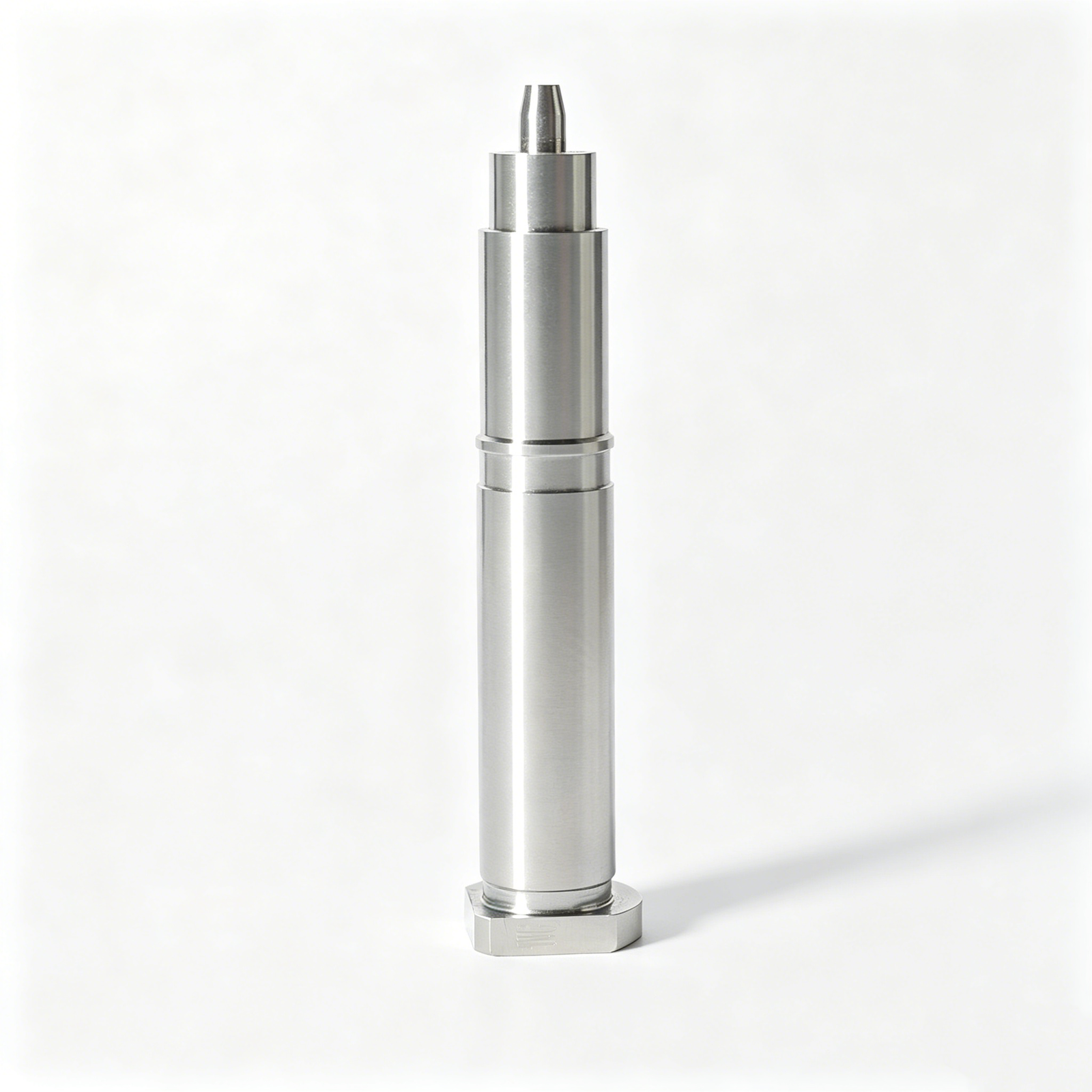
Ejector & Ejection Components
Ejector pins, sleeves, and ejection components are reviewed for fit, motion, wear exposure, and mating-part requirements. Drawings should define diameters, working lengths, head or shoulder geometry, surface condition, material and heat treatment, clearance, and inspection priorities.
Upload a Drawing
Core Pins, Guide & Locating Components
Core pins, guide pins, and locating components require controlled relationships with their mating features. Manufacturing review considers straightness, concentricity, locating datums, fit class, engagement length, hardness condition, surface finish, wear considerations, and inspection of functional dimensions.
Upload a Drawing
Slides, Lifters, Gates & Mold Accessories
Mold slides, lifters, gates, and accessories are planned around travel, shutoff conditions, mating interfaces, and assembly requirements. The drawing review identifies angled geometry, wear surfaces, toleranced fits, EDM features, heat-treatment sequence, fitting work, and verification points.
Upload a Drawing
Connector Mold Components
Precision connector mold components support tooling where pitch, alignment, fine features, and repeatable mating geometry influence connector quality. Review covers cavity or core geometry, insert relationships, micro-feature accessibility, material condition, EDM and grinding strategy, and inspection evidence.
Upload a Drawing
Stamping Die Components
Precision stamping die components are manufactured from drawings that define cutting, forming, guiding, and locating relationships. Process planning considers tool-steel condition, heat treatment, punch or die geometry, clearance-critical features, grinding stock, wire-EDM paths, fitting requirements, and dimensional verification.
Upload a Drawing
Injection, MIM, CIM & Overmolding Tooling
Injection, MIM, CIM, and overmolding tooling components are evaluated within verified production scope. Engineering discussions address molded-part geometry, shrinkage inputs supplied by the customer, inserts, gates, venting-related features, shutoffs, steel selection, surface needs, and inspection expectations.
Upload a Drawing
Machining Materials
CNC machining materials are selected against the drawing, application, and downstream process requirements rather than assumed from appearance. RFQs should identify material designation, condition, traceability needs, corrosion or wear exposure, heat-treatment requirements, and any approved substitution limits.
Upload a Drawing
Surface Finishes & Heat Treatment
Surface finishing and heat treatment are planned as part of the dimensional process route. Requirements should specify finish type, surface-area boundaries, roughness or appearance criteria, hardness targets, masking needs, post-treatment stock removal, corrosion expectations, and related inspection documentation.
Upload a Drawing
Quality, Metrology & Documentation
Precision inspection, metrology, and quality documentation are aligned with the drawing’s critical dimensions and agreed inspection plan. Requirements may include datum-based measurement, first-article evidence, dimensional reports, material or treatment records, revision identification, traceability, and packaging controls.
Upload a Drawing
Prototyping & Low-Volume Production
Rapid prototyping and low-volume manufacturing support drawing-based validation, bridge demand, and controlled early production. SUUXIANG reviews material, quantity, critical dimensions, finishing, inspection level, revision status, and delivery target to define a suitable process route before commitment.
Upload a DrawingMaterials Considered During Drawing Review

M42 High-Speed Steel
Specified for wear-focused tooling components where the drawing defines material condition and heat treatment. Review focuses on machining allowance, tool access, EDM strategy, grinding stock, and inspection after the relevant production stages.

Pre-Hardened Tool Steel
Considered when component geometry, delivery timing, and stable dimensions favor machining in a supplied hardened condition. The drawing review should identify critical datums, wire paths, finishing access, and whether local EDM or grinding is required.

Annealed Tool Steel
Often evaluated when complex milling, turning, or feature creation should occur before heat treatment. SUUXIANG reviews expected distortion risk, stock for finish grinding, datum transfer, and the inspection sequence needed after hardening.

Stainless Tool Steel
Relevant for mold and tooling components requiring material selection to account for the operating environment and specified surface condition. Material grade, heat-treatment status, corrosion considerations, and dimensional priorities require confirmation from the drawing package.

Copper Electrode Material
Used for EDM electrode planning where M42 geometry includes inaccessible features, sharp internal details, or cavities unsuitable for direct cutting. Electrode strategy, spark allowance, surface requirement, and subsequent fitting or inspection should be defined early.
CNC Machining M42 High-Speed Steel: Process Routes

CNC Milling
CNC milling establishes prismatic forms, pockets, reliefs, and accessible profiles in M42 components. Tool access, stock condition, and datum locations are reviewed early so critical surfaces retain appropriate machining allowance for later finishing.
CNC Turning
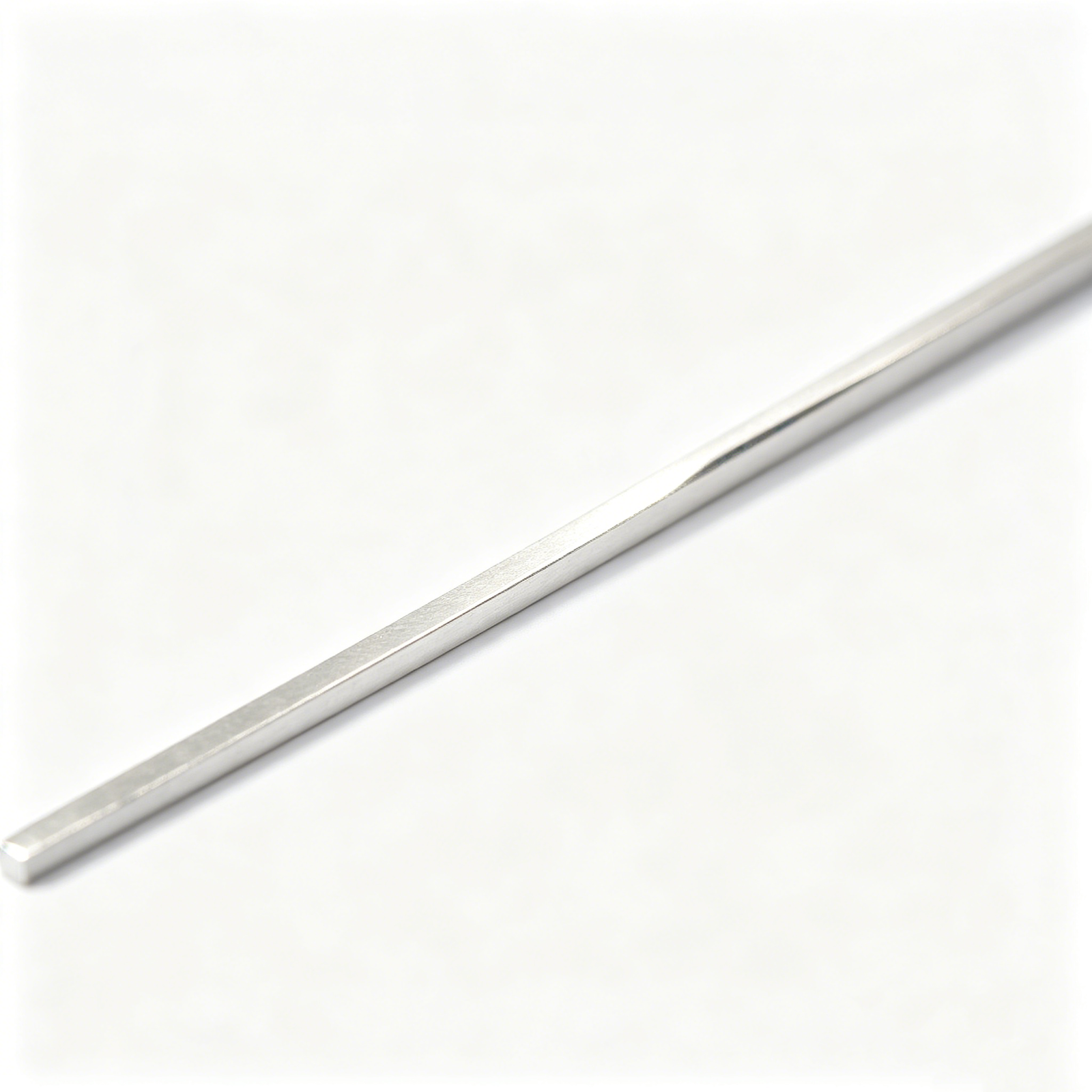
CNC turning produces concentric diameters, shoulders, bores, and threaded features where the part geometry supports rotational machining. The route is planned around workholding, runout control, and any subsequent grinding requirements for critical cylindrical surfaces.

Wire EDM
Wire EDM addresses narrow slots, sharp internal profiles, and hardened features that are difficult to reach by conventional cutting. The wire path, start-hole location, corner requirements, and datum relationship should be defined against the drawing’s critical dimensions.
Sinker EDM
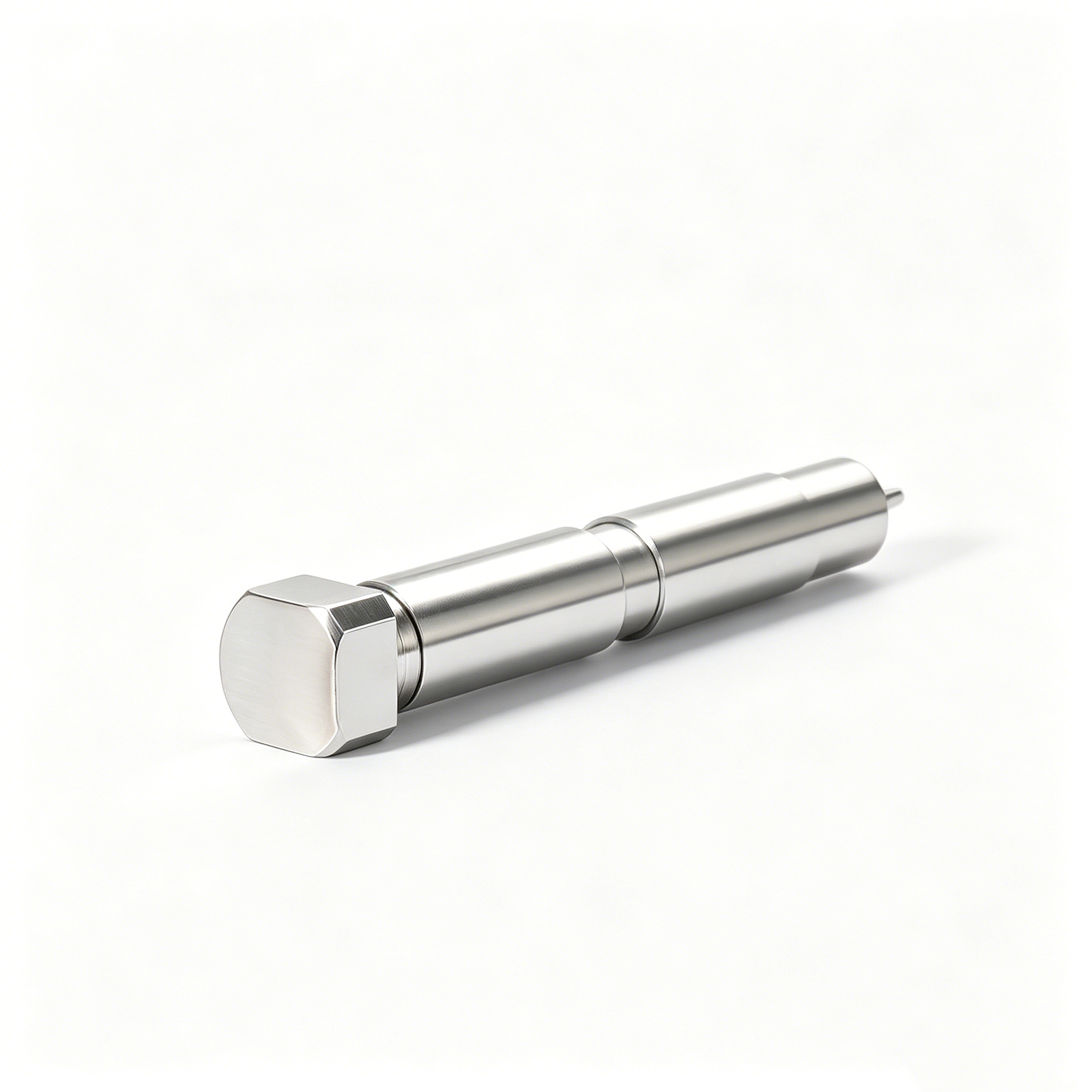
Sinker EDM forms deep cavities, fine details, and internal geometry where electrode access is more practical than milling. Electrode strategy, burn allowance, surface requirement, and finishing steps are coordinated before production to protect functional features.

Precision Grinding
Precision grinding finishes flats, diameters, and reference surfaces after the planned material and heat-treatment sequence. Grinding stock, datum strategy, and inspection method are aligned to control size, surface condition, and relationships between critical features.

Fitting Inspection
Fitting and inspection verify interfaces, movement, and drawing-defined dimensions before release. The required checks are matched to the agreed inspection plan, including critical dimensions, mating-component context, revision status, and any reporting requirements supplied with the RFQ.
Tooling Accessories and Component Features

Guide Locating Features
Guide pins, bushes, keys and locating faces can be reviewed for alignment, fit class, datum relationship and service access in M42 tooling assemblies.
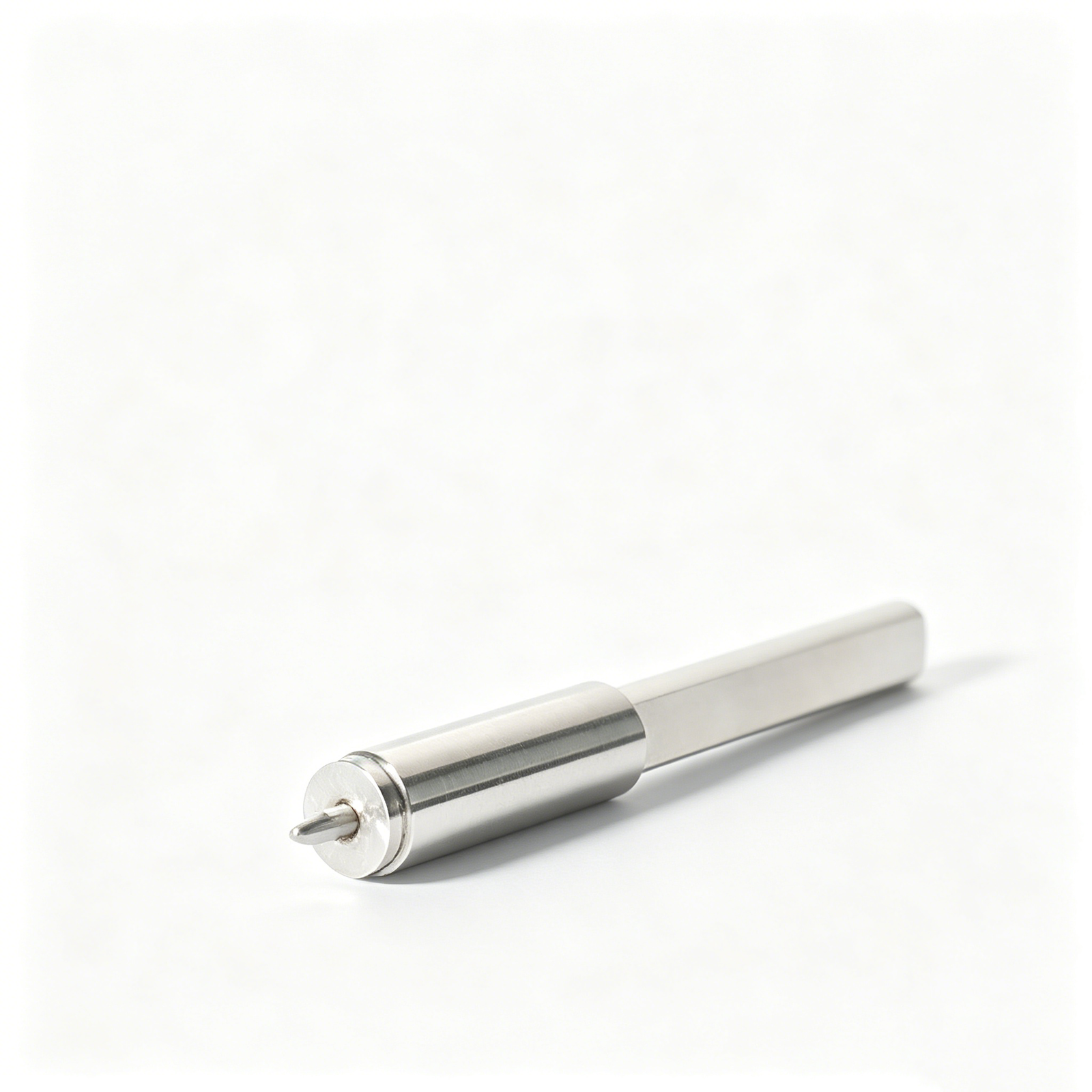
Ejector Components
Ejector pins, sleeves, return elements and related clearances are evaluated from drawings to confirm motion interfaces, grinding requirements and critical dimensional checks.

Slides and Lifters
Slides, lifters and wear interfaces may require coordinated machining, EDM and fitting strategies to protect travel geometry, contact surfaces and assembly relationships.

Gates and Inserts
Gate details, core inserts and cavity interfaces can be planned around tool access, electrode strategy, wire paths, surface requirements and controlled revision information.
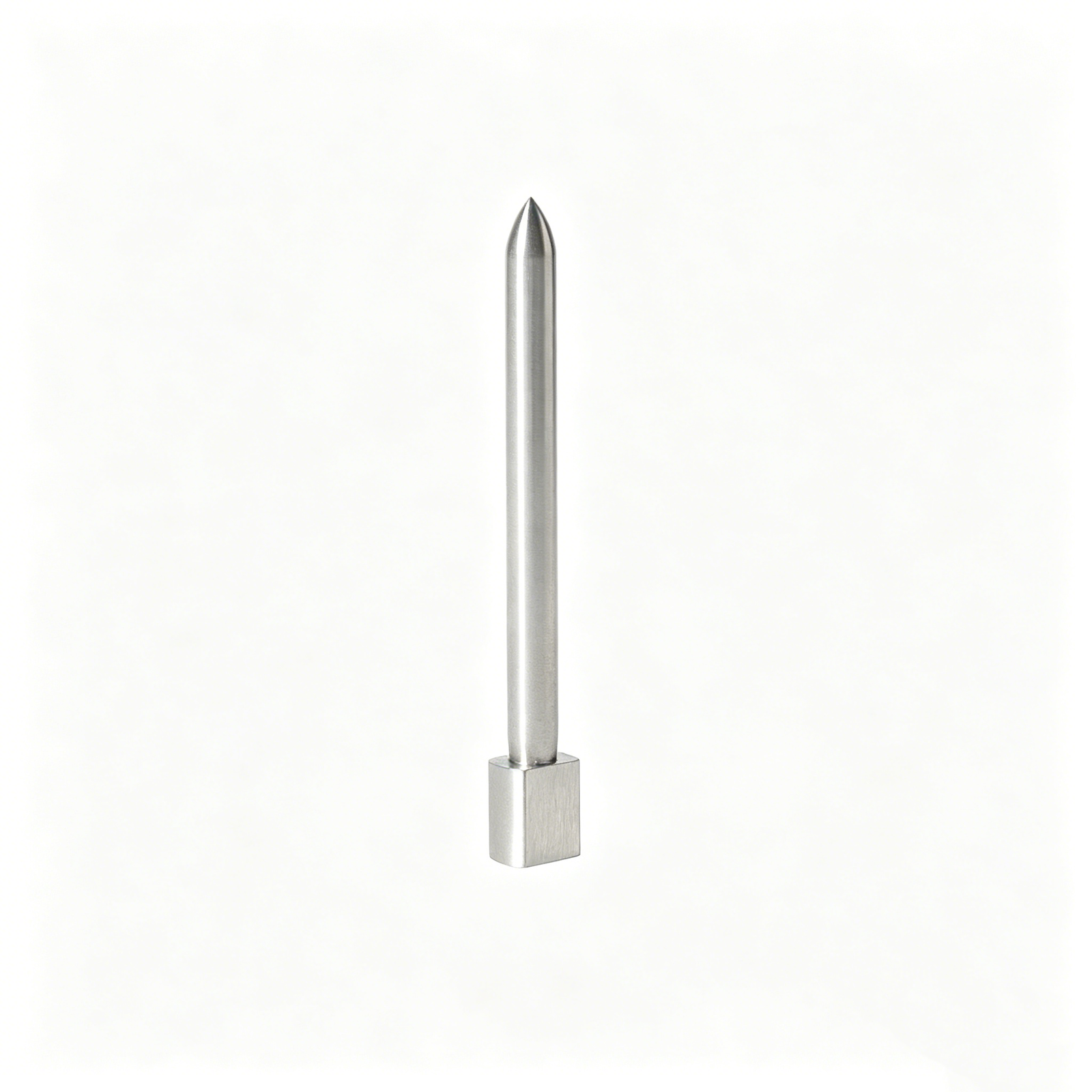
Part Identification Marks
Laser marking, engraved identifiers or traceability provisions can be considered where drawings define location, legibility, surface condition and any inspection-documentation linkage.
CNC Machining M42 High-Speed Steel at SUUXIANG
Established in 2010 in Chang’an Town, Dongguan, Guangdong, China, SUUXIANG is the sole international-facing public brand of Dongguan SuuXiang Precision Mold Co., Ltd. Founded by XiaoCheng Huang, the company helps engineering, sourcing, and quality teams convert drawings and specifications into inspected custom machined parts, precision mold components, connector tooling, and stamping-die components.
For cnc machining m42 high-speed steel and other drawing-driven requirements, our planning considers material condition, critical dimensions, datum strategy, machining access, EDM needs, grinding allowance, heat-treatment sequence, and inspection expectations before production commitments are made.
Our difference is a disciplined manufacturing workflow rather than a generic quotation process. CNC milling and turning, multi-axis machining, EDM, precision grinding, fitting, and inspection are coordinated around the approved drawing, revision status, and verified inspection plan. Upload your drawing with material, quantity, quality, and delivery requirements to begin a focused review.
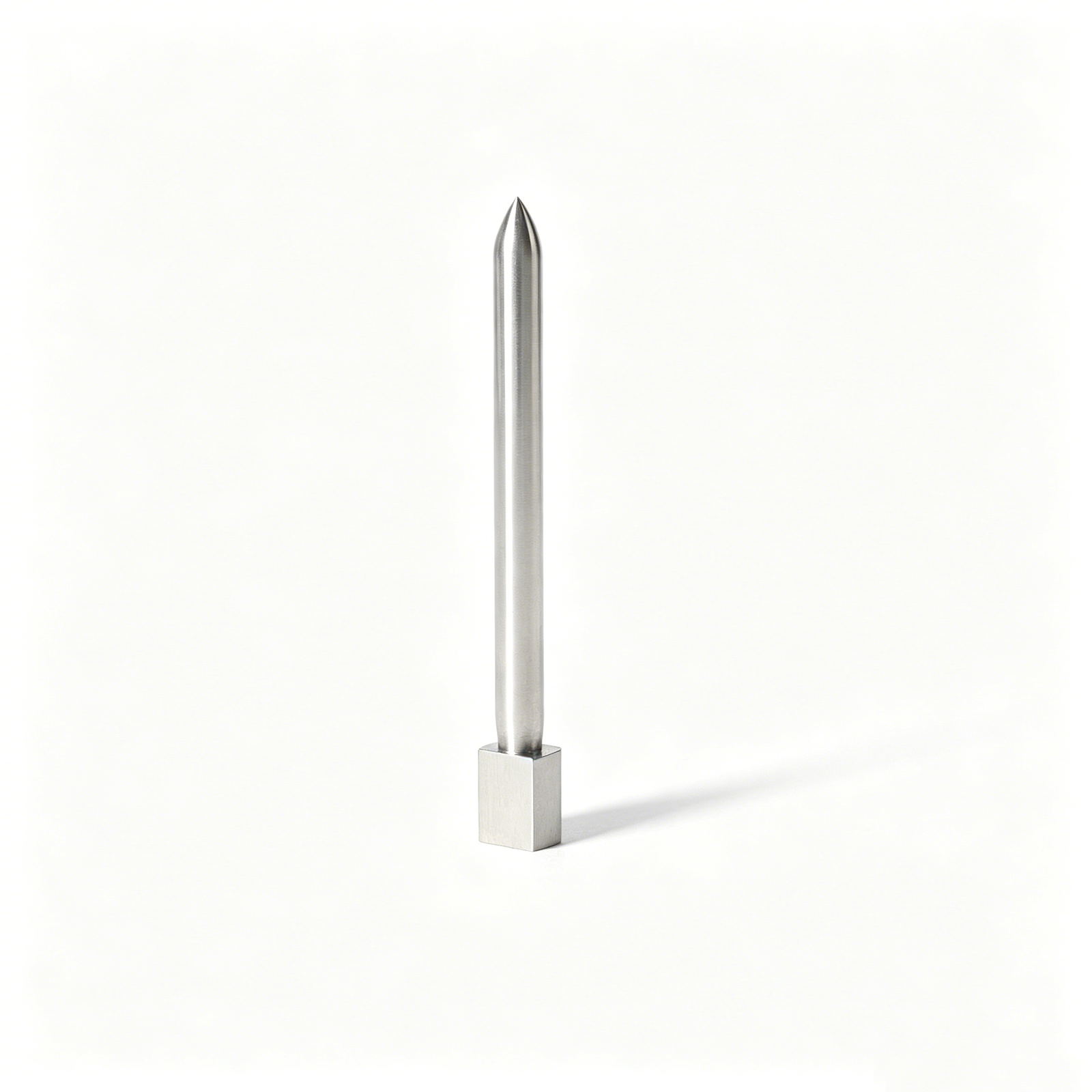
M42 High-Speed Steel CNC Machining: Critical Capability Review
DFM and Datum Review
Before quoting cnc machining m42 high-speed steel parts, SUUXIANG reviews the drawing, model, functional datums, critical dimensions, material condition, and surface requirements. The discussion identifies machining access, tolerance-stack risks, and process evidence needed before a production commitment is made.
- Confirm functional datums and critical-to-quality features
- Review wall sections, tool access, and clamping logic
- Align material, heat-treatment, and surface requirements
- Record open DFM questions before quotation
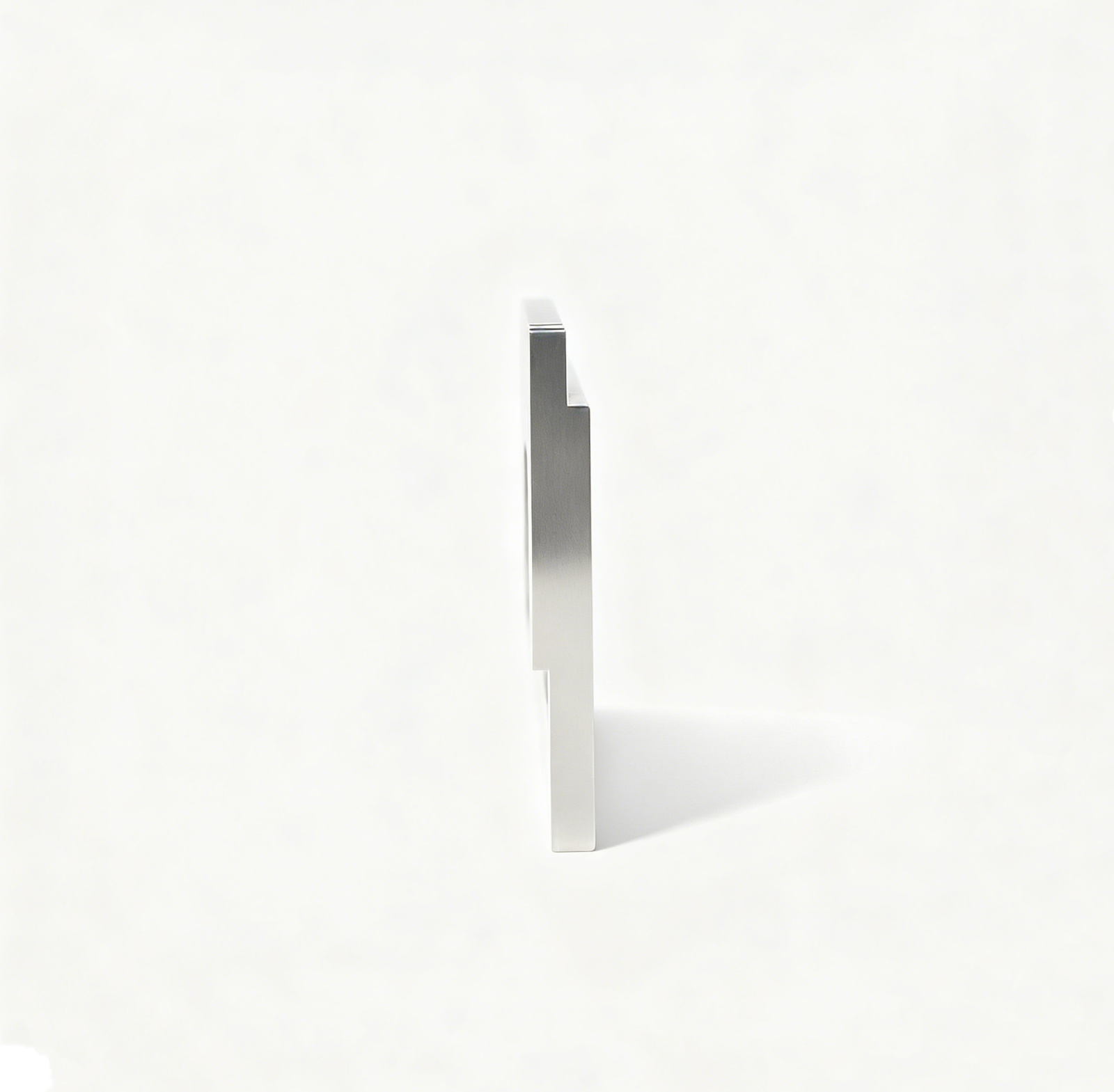
EDM Strategy for Complex Features
Where M42 geometry cannot be reached reliably by conventional cutting, SUUXIANG evaluates wire EDM or sinker EDM as part of the route. Electrode detail, wire path, flushing access, recast-layer considerations, and later finishing requirements must be resolved against the drawing.
- Assess wire access for slots, profiles, and internal corners
- Define electrode needs for inaccessible cavity features
- Plan EDM sequence around heat treatment and grinding
- Identify surfaces requiring finishing or inspection attention

Grinding Allowance Planning
M42 high-speed steel parts often require a controlled sequence between rough machining, heat treatment, EDM, and grinding. SUUXIANG reviews grinding stock, distortion risk, datum preservation, and final surface priorities so the route supports the dimensions that matter on the finished component.
- Reserve appropriate stock for final grinding operations
- Protect reference datums through intermediate processes
- Review heat-treatment sequence and distortion exposure
- Match final surfaces to practical inspection methods

Inspection and Revision Control
For drawing-driven M42 work, inspection planning starts with the features that determine fit, function, and interchangeability. SUUXIANG aligns measurement methods, reporting expectations, revision status, and delivery information with the order before final documentation is issued.
- Define inspection methods for critical dimensions
- Keep drawing revisions visible through production
- Clarify report and traceability requirements early
- Verify final documentation against the inspection plan

CNC Machining M42 High-Speed Steel With Disciplined Drawing Review
Compare SUUXIANG’s drawing-led planning approach with a typical generic quotation workflow.
← Swipe left or right to view →
CNC Machining M42 High-Speed Steel Workflow
Each route is planned around the approved drawing, material condition, critical dimensions and verified project requirements.
Review the RFQ Package
Submit the 2D drawing, model, material condition, quantity, delivery target and reporting needs so the review can identify application-specific manufacturing questions early.
Confirm DFM and Route
SUUXIANG reviews critical dimensions, datums, tolerance stack, tool access, heat-treatment sequence and inspection priorities, then confirms a route against verified project requirements.
Machine Controlled Stock
Approved work proceeds through planned CNC milling, turning or multi-axis operations, with setups and machining allowance managed according to the controlled drawing revision.
Apply EDM and Grinding
Wire EDM, sinker EDM and precision grinding are applied where the geometry, hardness condition, finish requirement and remaining stock make those processes appropriate.
Inspect Pack and Coordinate
Parts are inspected to the agreed plan, documented as required, protected for shipment and coordinated with the customer on delivery and revision traceability.
How to Start CNC Machining M42 High-Speed Steel Projects
A drawing-led process for aligning manufacturability, quality expectations, and delivery requirements before production begins.
Submit Your Drawing Package
Provide 2D drawings, 3D models when available, material condition, quantity, target date, critical dimensions, surface requirements, and inspection documentation needs for a complete review.
Review DFM and Quotation
Confirm datum strategy, machining access, heat-treatment sequence, EDM or grinding allowances, inspection approach, revision status, commercial scope, and any open risks before production commitments.
Approve Production Details
Approve the agreed drawing revision, sampling or first-article expectations, material requirements, critical dimensions, reporting plan, and delivery milestones so manufacturing proceeds against documented requirements.
Coordinate Inspection and Delivery
Review order-specific inspection results and documentation, resolve any final questions, and coordinate packing, shipment timing, and delivery updates with the assigned project communication path.
Certificates and Quality Documentation
Customer Outcomes From CNC Machining M42 High-Speed Steel Projects
Placeholder for a verified customer statement describing how drawing clarification resolved a specific manufacturability question before release. Include the confirmed number of revised dimensions, documents reviewed, or production iterations only after project records are approved for publication.
Placeholder for a verified customer statement explaining how inspection alignment supported acceptance of critical dimensions. Publish only the agreed inspection method, report scope, and confirmed measurement result; do not imply a tolerance or capability beyond the project record.
Placeholder for a verified customer statement about delivery coordination for a drawing-based M42 tooling component. Add the confirmed quantity, revision status, delivery milestone, and outcome after the customer authorizes use of the project information.
CNC Machining M42 High-Speed Steel FAQ
Practical guidance for submitting drawing-based M42 component requirements, reviewing process risks, and aligning inspection evidence before production.
What files should I send for cnc machining m42 high-speed steel?
Can you machine M42 after heat treatment?
What tolerances are realistic for cnc machining m42 high-speed steel parts?
Is there a minimum order quantity for custom M42 components?
Can I order a sample before production?
How long does cnc machining m42 high-speed steel take?
What inspection evidence can be included with an M42 order?
How are payment, shipping, and IP handled for drawing-based projects?
Complete Guide to cnc machining m42 high-speed steel
Use a DFM-led framework to specify M42 parts, evaluate capable suppliers, control heat-treatment and inspection risk, compare cost drivers, and avoid sourcing mistakes that compromise tool life, fit, or delivery.
1. What Is cnc machining m42 high-speed steel?
M42 is a cobalt high-speed steel, not a description of the cutting tool mounted in a CNC machine. In this guide, cnc machining m42 high-speed steel means producing the finished component from M42 stock—then coordinating machining, heat treatment, EDM, grinding, and inspection as the drawing requires.
8% cobalt is a nominal constituent in one published M42 chemistry, alongside molybdenum, chromium, tungsten, vanadium, and about 1.08% carbon; this combination supports high hardness, hot hardness, and wear resistance. That makes M42 relevant for wear-intensive cutting, forming, mold, stamping-die, and connector-tooling details where edge stability or contact wear matters.
2010 is SUUXIANG’s founding year; its drawing-led workflow evaluates M42 as a conditional material choice, not a blanket upgrade. The buyer’s core question is whether the application’s wear, heat, geometry, tolerance, and service-life requirements justify tighter process sequencing, difficult machining, potential EDM and grinding, and more deliberate inspection planning.
2. M42 High-Speed Steel: Evolution and Use Cases
M42, designated UNS T11342, is a cobalt-bearing high-speed steel built for high hardness, hot hardness, and wear resistance. Carpenter lists nominal 8% cobalt, 9.5% molybdenum, 3.75% chromium, 1.5% tungsten, and 1.15% vanadium; the alloy context is available at https://www.carpentertechnology.com/alloy-finder/m42.
Early 20th-century high-speed steels changed metal cutting by retaining useful edge hardness at temperatures that defeated earlier carbon tool steels. M42 developed that lineage toward demanding production cutting, where cobalt supports hot-hardness performance and the alloy system supports wear-resistant cutting edges.
Modern production tooling uses M42 where heat, abrasive wear, and edge retention matter: drills, taps, end mills, broaches, saws, and selected forming or trimming components. For cnc machining m42 high-speed steel parts, the drawing review should separate the material’s end-use advantage from the manufacturing route, including heat-treatment sequence, EDM needs, grinding stock, datums, and inspection criteria.
3. Types of cnc machining m42 high-speed steel Parts
M42 drawing packages should classify the working feature before process planning. Its cobalt high-speed-steel chemistry supports high hardness and hot hardness (https://www.carpentertechnology.com/alloy-finder/m42), while geometry and heat-treatment sequence determine the viable route.
Cutting-Tool Blanks
1 cutting edge faces intermittent heat and abrasion. Specify flute access, edge land, runout tolerance, and whether grinding follows heat treatment.
Punches And Dies
1 punch or die sees compressive contact and possible impact. Specify corner radii, clearance geometry, datum-controlled profiles, and distortion allowance before hardening.
Mold Wear Inserts
1 wear insert resists sliding, bearing, or gate erosion. Specify mating datums, shutoff geometry, surface finish, and final grinding stock after heat treatment.
Connector-Tooling Components
1 connector-tooling feature may combine fine pitches with repetitive contact. Specify pin geometry, positional tolerances, EDM access, and hardening sequence to protect alignment.
Prototype And Low-Volume Parts
1 prototype batch validates function before repeat production. Specify critical dimensions, material condition, inspection method, and revision level so machining and heat treatment remain traceable.
4. Material Conditions for cnc machining m42 high-speed steel
M42 may be purchased as bar, rounds, annealed stock, pre-machining blanks, or heat-treated components. The stated starting condition must be locked to the drawing before cnc machining m42 high-speed steel begins.
| Condition | Machining Route | Sourcing Risk | Typical Suitability |
|---|---|---|---|
| Annealed bar | Rough machine, heat treat, finish | Unverified heat certificate | Complex parts needing stock removal |
| Round stock | Turn or mill before heat treat | Diameter and straightness variation | Pins, punches, cylindrical features |
| Pre-machining blank | Finish machine, heat treat, grind | Insufficient allowance | Repeat geometries |
| Heat-treated component | EDM, grind, or hard finish | Distortion or undocumented hardness | Wear-critical finished parts |
Certification And Traceability
Each lot should carry a material certificate linked to the heat or lot number. Confirm chemistry, product form, supplier identity, and certificate scope before releasing material.
Starting Condition Controls Route
Annealed bar or round supports rough machining before heat treatment. Pre-machining blanks reduce initial stock removal, while hardened components require an EDM, grinding, or hard-machining plan.
Hardness And Distortion Planning
Target hardness changes allowance, datum strategy, and final-process selection. Heat treatment can move thin sections or asymmetric features, so leave grinding stock and define post-treatment inspection points.
5. Custom Features and Surface Requirements
One controlled CAD model and its matching 2D drawing should define every revision, datum, tolerance, and finish callout before quotation. For cnc machining m42 high-speed steel, feature access and the planned heat-treatment sequence must be reviewed together.
Drawing And Datum Control
Two identifiers—the drawing revision and model revision—should appear on the RFQ and purchase order. Define CTQ dimensions from functional datums; avoid applying one blanket tolerance to nonfunctional geometry.
- State units, general tolerances, and datum scheme
- Flag mating dimensions and measurement method
- List approved deviation process
Features Needing DFM Review
Three feature groups deserve early review: deep small holes, tight internal radii, and threads near shoulders. Confirm tool reach, minimum corner relief, thread engagement, and whether wire EDM or EDM is required after hardening.
- Blind-hole depth-to-diameter ratio
- Intersecting holes and thin walls
- Inaccessible internal corners
Finish, Marking, And Protection
Two finish stages should be separated on the drawing: machined or coating-ready surfaces, and post-heat-treatment grinding or EDM surfaces. Specify roughness direction, edge-break limits, identification location, corrosion protection, and compartmented packaging to prevent contact damage.
- Mask surfaces requiring coating adhesion
- Place marks outside functional faces
- Define packaging quantity and label data
6. Critical Quality Controls for M42 Components
For M42 components, quality evidence must follow the part from certified stock through final packing. Require the inspection plan to identify critical dimensions, datums, material condition, and reporting requirements before production begins.
Material And Datum Control
Each lot should retain its material certificate, heat or lot identifier, received condition, and part-level traceability link. The drawing review should define functional datums before machining, so setups and inspection reference the same scheme.
- Material certificate and lot identifier
- Received material condition
- Approved datum scheme
- Revision-controlled drawing
Heat Treatment And Finish
Heat-treatment records should state the specified cycle, supplier lot, and verified hardness result where required. Distortion after heat treatment can change grinding stock; grinding burn, aggressive EDM conditions, or unsuitable stress relief can increase crack risk, so acceptance criteria should be application-specific.
- Heat-treatment documentation
- Hardness verification method
- Post-treatment distortion check
- Surface-finish inspection criteria
Final Verification And Protection
Final reports should record measured critical dimensions, instruments or methods, inspection status, and applicable deviations. Packaging should separate finished faces, protect sharp edges and corrosion-sensitive surfaces, and preserve part identification through shipment.
- Dimensional inspection report
- Surface-finish result
- Nonconformance disposition
- Protective, identified packaging
7. How to Choose a cnc machining m42 high-speed steel Supplier
M42 contains nominal 8% cobalt in one published alloy specification, so supplier selection should start with evidence for cobalt-HSS and hardened-part process planning, not a generic milling list.
Verify Process Experience
Ask for comparable drawings or anonymized routings showing preheat machining, heat-treatment handoff, EDM or grinding allowances, and final inspection. Confirm how the supplier protects critical datums after hardening.
- Which M42 condition is machined?
- What operation establishes final dimensions?
- How are distortion risks reviewed?
Test DFM And Control
Request a written DFM response before release. It should identify tool access, minimum radii, wire paths, datum conflicts, stock allowances, and inspection methods rather than merely accept the model.
- Material certificate and lot linkage
- Heat-treatment specification and records
- CTQ measurement method and report
Approve And Manage Delivery
Use a first-article or sample-approval gate for new geometries. Require revision-controlled inspection results, clear nonconformance escalation, realistic capacity confirmation, and a named communication path for engineering changes.
- Who approves sample deviations?
- What documents ship with parts?
- How is capacity confirmed for the schedule?
8. Common M42 Sourcing Mistakes to Avoid
Two drawing packages labeled M42 can produce different parts when condition, heat treatment, and acceptance criteria are unstated. Resolve these items before SUUXIANG releases a process route for review.
Define The Material State
M42 is not a complete purchase specification. State the applicable material standard or mill certificate requirement, supplied condition, target hardness range, and heat-treatment responsibility; a trade name alone can leave the supplier selecting an unsuitable route.
Protect Functional Dimensions
0.01 mm tolerances should attach only to functional, datum-controlled features. Identify dimensions controlled after heat treatment, define machining or grinding allowance, and review distortion risk; assuming pre-heat-treatment dimensions remain unchanged can create an unusable fit.
Specify Edges And Evidence
0.1 mm edge-break limits, burr direction, and sharp-edge restrictions should be called out where assembly or operator safety matters. Approve first articles against a dimensioned inspection record tied to drawing revision, instruments, datums, and actual values—not appearance alone.
9. Launching a Drawing-Based M42 Program
One controlled launch sequence prevents an M42 order from becoming an undocumented machining trial. For cnc machining m42 high-speed steel, freeze functional requirements, acceptance criteria, and revision ownership before material is released.
Build The Release Package
First, provide the controlled 2D drawing, 3D model, quantity, application, and target date. Identify CTQ dimensions, datums, surface requirements, and mating interfaces.
One buyer-owned revision register should name the drawing revision and approval authority. Attach inspection-report format, packaging needs, and required material or heat-treatment traceability.
Approve DFM And Material
Before machining, review tool access, EDM features, grinding stock, heat-treatment sequence, and measurable tolerances. Resolve conflicts in writing through an approved DFM response.
For M42, confirm the specified material condition and documentation required for the order. Do not substitute stock, hardness condition, or process route without buyer approval.
Gate Prototype To Repeat Production
At prototype completion, compare the first article against the released drawing and agreed inspection plan. Record nonconformities, concessions, and the buyer’s disposition before the next lot.
For repeat orders, release only the approved revision, routing, and acceptance record. Any drawing, material, inspection, or delivery change needs documented impact review and authorization.
10. cnc machining m42 high-speed steel Pricing and Cost
1 RFQ should price the specified M42 material form, stock allowance, machining time, tolerances, heat-treatment route, grinding or EDM work, inspection, and expected scrap exposure—not a generic market rate. SUUXIANG should confirm each cost element against the current drawing and revision.
3 buyer-controlled inputs usually improve quote comparability: a released 2D drawing, available 3D model, and clear CTQ/inspection requirements. State annual or release quantity separately from prototype quantity, because setup and yield risk distribute differently across each order.
| Quantity tier | Principal cost drivers | Typical lead-time drivers | Buyer action to reduce cost |
|---|---|---|---|
| 1–5 prototypes | Material form, CNC setup, EDM/grinding, first-piece inspection, scrap risk | Material availability; heat-treatment and inspection routing | Allow practical stock; identify only true CTQs |
| 6–25 parts | Machining cycle time, tolerance zones, heat treatment, grinding stock | Fixture approach; batch scheduling; EDM electrodes | Use common datums and surface callouts |
| 26–100 parts | Order volume lowers setup allocation; inspection sampling still depends on risk | Repeatability review; material lot planning | Release stable revision and forecast quantity |
| 100+ parts | Cycle time, yield, material sourcing, control-plan scope | Capacity confirmation; heat-treatment batch size | Request a process and inspection-plan review before release |
CNC Machining M42 High-Speed Steel: Upload Your Drawing
Send 2D or 3D files with material, heat-treatment, quantity, critical dimensions, inspection needs, and target delivery date.