
CNC Machining Magnesium AZ31 for Precision Parts
Send your drawing for a DFM-led CNC machining AZ31 review, process planning, and inspection requirements aligned before production.
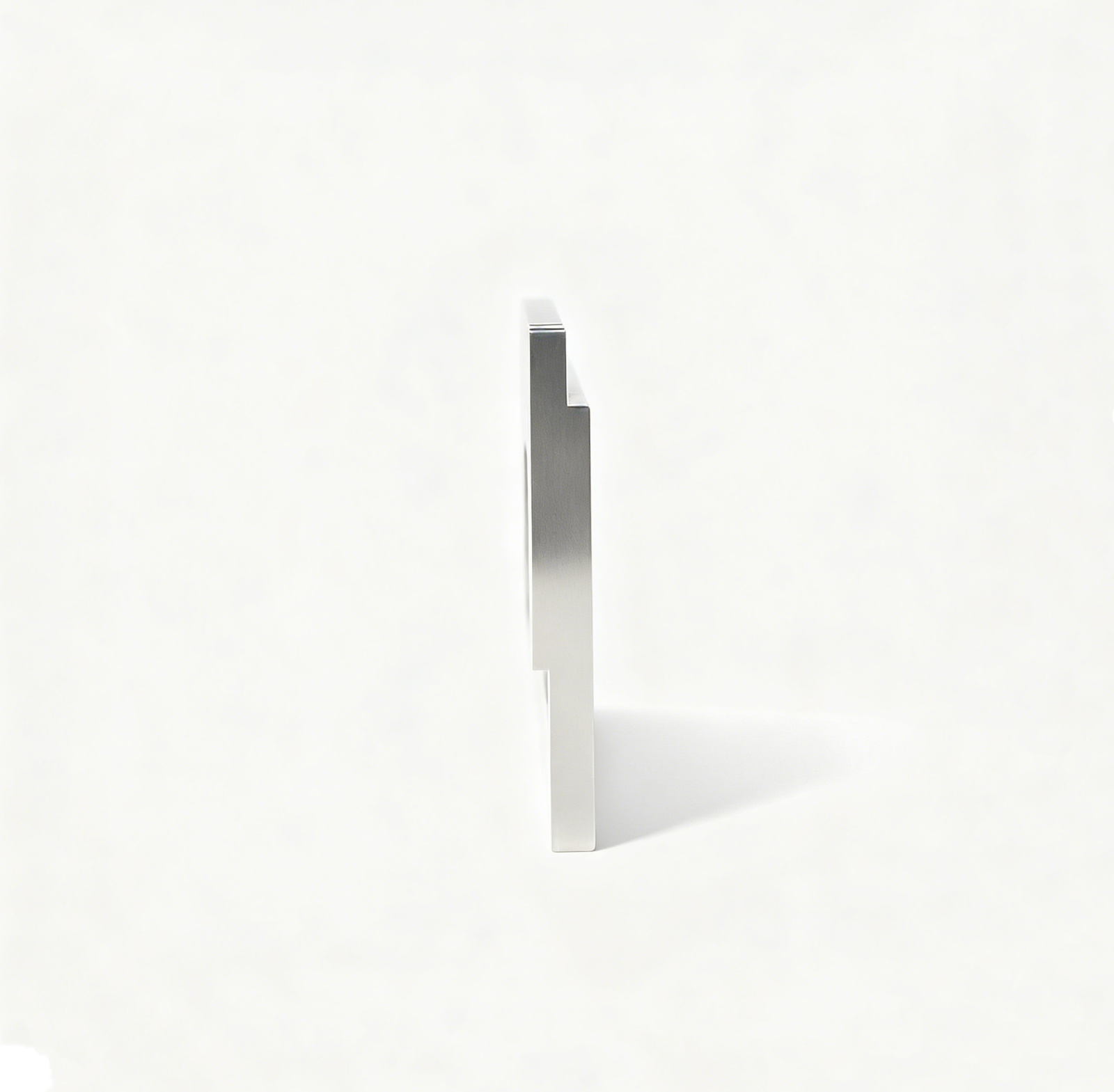
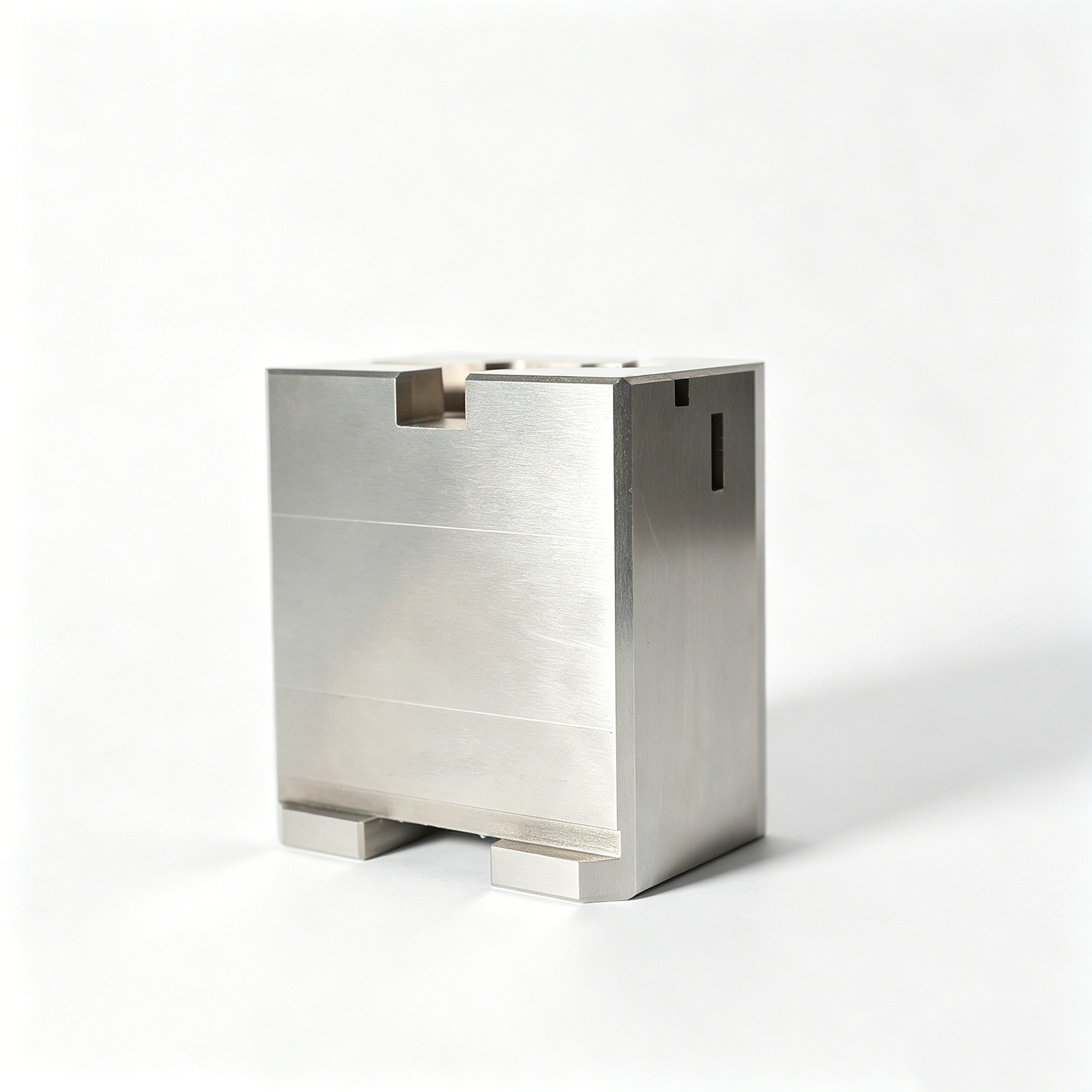
Representative Precision Components and Tooling



Related Product Catalogue and Quotation


Engineering Controls for CNC Machining Magnesium AZ31
Start with the dimensions, access constraints, inspection evidence, and revision details that determine a responsible production route.
DFM Before Commitment
Review geometry, datum scheme, wall conditions, and material requirements before quotation so machining risks and open decisions are visible early.
Critical Dimensions Mapped
Identify critical-to-quality features, tolerance relationships, and surface priorities to align the process route with functional drawing requirements.
Machining Access Checked
Assess tool reach, feature orientation, clamping surfaces, and unsupported areas before selecting milling, turning, EDM, or grinding operations.
Process Route Planned
Plan CNC machining magnesium AZ31 around sequencing, machining allowance, finishing requirements, and any confirmed downstream process needs.
Inspection Plan Aligned
Define measurement methods, report expectations, and inspection checkpoints against the drawing before production begins and documentation is finalized.
Revision Control Maintained
Keep drawing revisions, technical clarifications, and delivery information visible throughout coordination to reduce avoidable manufacturing ambiguity.
Precision Parts and Tooling Families
Drawing-driven process routes for custom parts, mold components, connector tooling, and die components—planned around critical dimensions, manufacturability, and inspection requirements.

CNC Machining Services
Precision CNC machining services for drawing-based custom parts, combining milling, turning, EDM, grinding, fitting, and inspection as the geometry, material, critical dimensions, and order requirements demand.
Upload a Drawing
CNC Milling
Custom CNC milling services for prismatic and contoured components where datum control, tool access, wall geometry, machining allowance, and surface requirements must be reviewed before the process route is confirmed.
Upload a Drawing
CNC Turning
Precision CNC turning services for rotational parts requiring controlled diameters, concentric features, threads, shoulders, or bore relationships. Drawings should identify critical datums, material condition, surface requirements, and inspection priorities.
Upload a Drawing
5-Axis Machining
5-axis CNC machining for complex surfaces and multi-face features where fewer setups can help manage positional relationships. Feasibility depends on tool reach, workholding, material condition, tolerances, and inspection access.
Upload a Drawing
Swiss & Micro Machining
Swiss machining and micro machining for compact, slender, or detail-intensive parts where feature stability, burr control, material behavior, and measurement method need early review against the drawing.
Upload a Drawing
Wire & Sinker EDM
Wire EDM and sinker EDM services for profiles, internal corners, hardened materials, deep features, and geometry beyond practical cutter access. Electrode strategy, wire path, finish expectations, and recast-layer considerations are reviewed by application.
Upload a Drawing
Precision Grinding
Precision surface and profile grinding for flatness, parallelism, profile accuracy, and controlled finishing stock. Grinding strategy must account for heat-treatment sequence, datum references, wheel access, and measurement requirements.
Upload a Drawing
Mold Core & Cavity Inserts
Precision mold core and cavity inserts manufactured from customer drawings and material specifications. Process planning considers shutoff geometry, cooling or feature access, heat treatment, EDM requirements, grinding allowance, fitting, and critical dimensions.
Upload a Drawing
Ejector & Ejection Components
Ejector pins, sleeves, and ejection components for mold mechanisms requiring clear dimensional relationships, material and hardness requirements, surface condition, and mating-part context. Inspection planning follows the order’s defined critical features.
Upload a Drawing
Core Pins, Guide & Locating Components
Core pins, guide pins, and locating components produced to drawing-defined geometry and fit requirements. Buyers should provide mating relationships, datum references, hardness or coating needs, and tolerance priorities for a suitable process route.
Upload a Drawing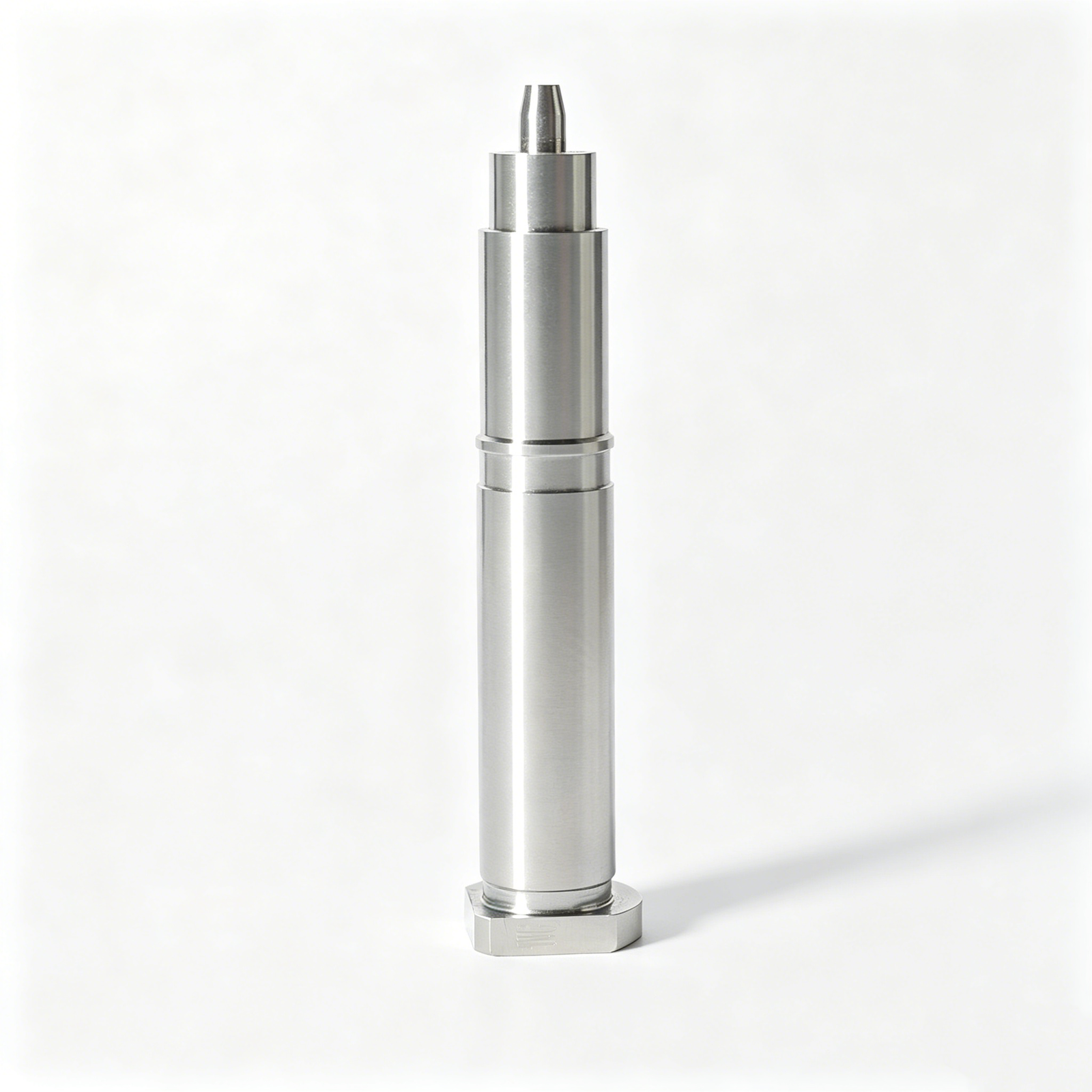
Slides, Lifters, Gates & Mold Accessories
Mold slides, lifters, gates, and accessories for tool assemblies where movement, shutoff, fit, and wear conditions affect manufacturability. Drawings should clarify assembly interfaces, materials, heat treatment, and critical functional dimensions.
Upload a Drawing
Connector Mold Components
Precision connector mold components for insert, terminal, cavity, and alignment features where small pitches and mating relationships require disciplined datum strategy, EDM or grinding planning, and inspection methods aligned to the drawing.
Upload a Drawing
Stamping Die Components
Precision stamping die components for forming, blanking, guiding, and locating applications. Process review addresses material, heat treatment, edge condition, mating interfaces, wear considerations, and tolerances that affect die performance.
Upload a Drawing
Injection, MIM, CIM & Overmolding Tooling
Tooling and component work associated with injection molding, MIM, CIM, and overmolding when within verified production scope. Review begins with geometry, molding context, material, surface, fit, and quality requirements.
Upload a Drawing
Machining Materials
CNC machining materials selected to the drawing and application requirements, including specified metals and engineering materials within verified scope. Material grade, condition, traceability needs, heat treatment, and application context should accompany the RFQ.
Upload a Drawing
Surface Finishes & Heat Treatment
Surface finishing and heat treatment coordinated to the drawing-defined function, appearance, wear, corrosion, or hardness requirement. Sequence matters: machining allowance, distortion risk, grinding stock, masking, and final inspection should be established early.
Upload a Drawing
Quality, Metrology & Documentation
Precision inspection, metrology, and quality documentation planned around drawing-critical dimensions and agreed reporting needs. Define datums, measurement methods, sampling expectations, revision status, material evidence, and records required before production.
Upload a Drawing
Prototyping & Low-Volume Production
Rapid prototyping and low-volume manufacturing for teams validating geometry, fit, process assumptions, or supply readiness. Submit current drawings, models, quantity, material, critical dimensions, inspection needs, and target delivery date for review.
Upload a DrawingMaterials Considered for CNC Machining Magnesium AZ31

AZ31 Magnesium
For lightweight drawing-based components, AZ31 requirements are reviewed with the specified temper, section geometry, corrosion needs, and critical dimensions. Tool access, chip-control planning, and inspection priorities should be defined before production.

Aluminum Alloys
Aluminum may be considered for mating parts, fixtures, or weight-sensitive alternatives where the drawing permits. Alloy grade, temper, galvanic-corrosion exposure, thread design, and datum relationships require review against the assembly requirements.

Stainless Steels
Stainless steel is often specified for corrosion-resistant mating hardware, locating features, or wear-sensitive parts. Grade, hardness condition, surface requirement, and tolerance stack should be assessed alongside the AZ31 component and its interface.

Tool Steels
Tool steels can be relevant for forming, stamping, mold, or fixture elements used with magnesium components. The drawing review should identify heat-treatment sequence, grinding stock, EDM requirements, and any critical fit or contact surfaces.

Engineering Plastics
Engineering plastics may appear as insulating, protective, or low-load mating components in an assembly. Resin grade, temperature exposure, dimensional stability, fastening method, and contact conditions should be supplied with the drawing package.
CNC Machining Magnesium AZ31 Process Routes

CNC Milling
CNC milling creates profiles, pockets, faces, holes, and datum features from the approved drawing. Tool access, clamping, wall geometry, and critical dimensions are reviewed before the machining route is confirmed.

Precision Turning
CNC turning supports concentric diameters, shoulders, threads, bores, and axial features where the component geometry suits rotational machining. Datum selection and inspection requirements guide setup planning for each drawing-based part.

EDM And Grinding
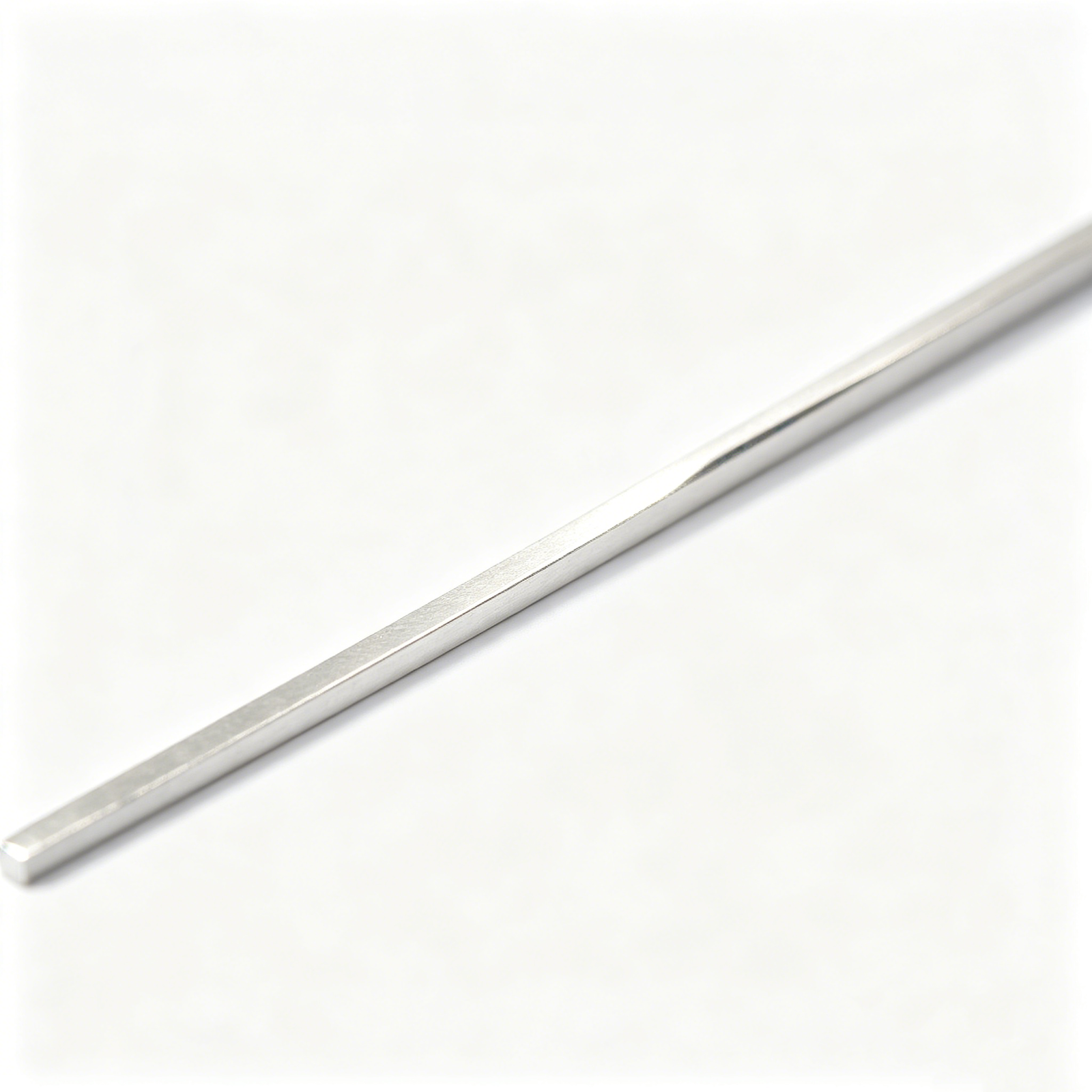
Wire or sinker EDM and precision grinding are considered when geometry, hardened interfaces, fine features, or surface requirements call for them. Electrode strategy, wire path, grinding stock, and downstream inspection are planned together.

Fitting And Inspection
Fitting and inspection verify critical interfaces, datums, functional relationships, and specified reporting needs before release. The inspection method and documentation are aligned with the order, revision level, and agreed quality plan.
CNC Machining Magnesium AZ31: Component Features and Applied Hardware
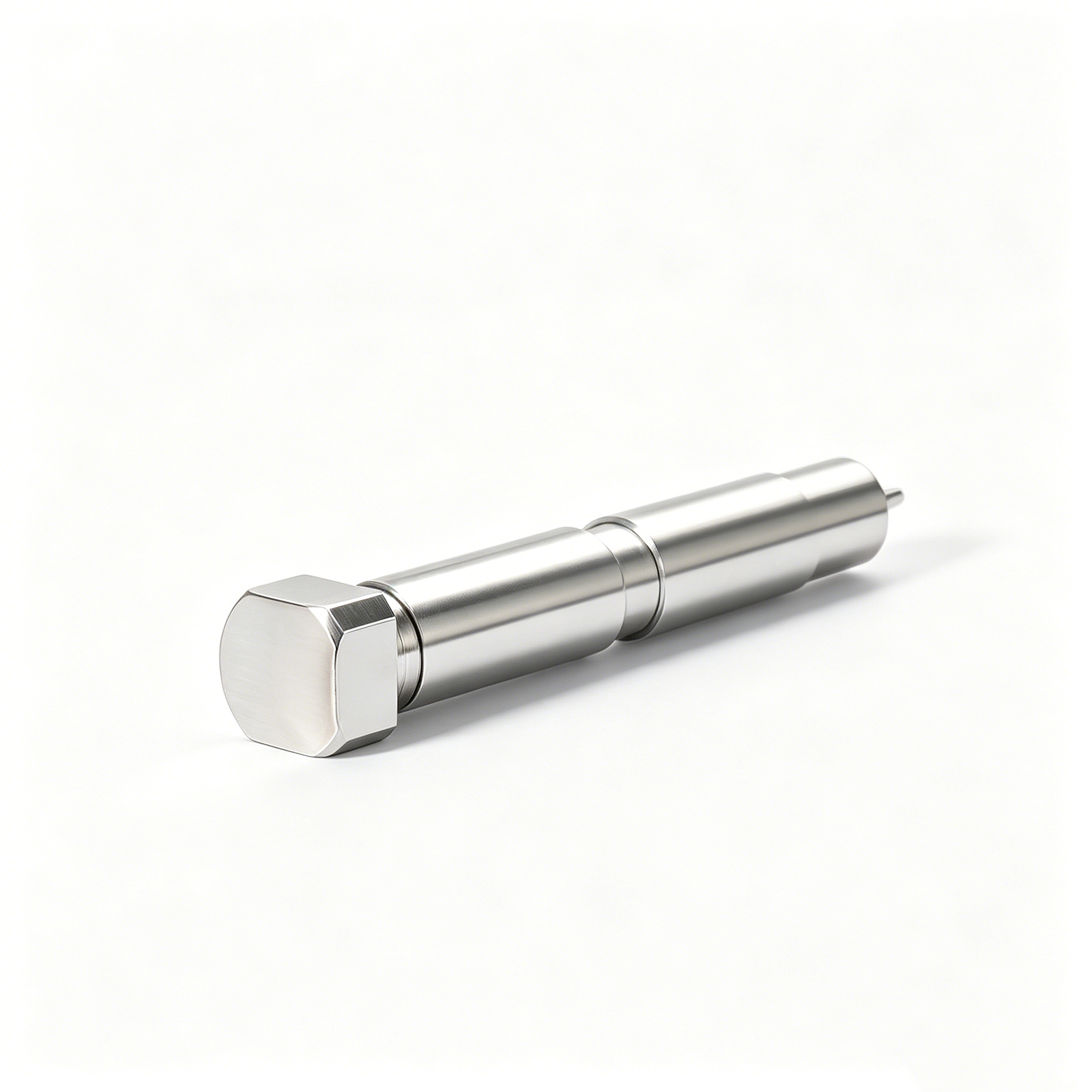
Threaded Inserts
Specify insert type, size, material, installation method, and pull-out or torque requirements. SUUXIANG reviews surrounding wall thickness, machining access, and the assembly sequence before committing to a CNC machining magnesium AZ31 process route.

Locating Features
Dowel holes, register diameters, keys, and mating faces establish repeatable assembly position. Identify functional datums and mating-part relationships so feature location, tolerance stack, and inspection method can be planned from the drawing.

Precision Pins
Fixed, removable, guide, and alignment pins may require controlled bores, fit class, retention method, and installation orientation. Provide pin material and mating requirements to support a practical machining and inspection review.

Identification Labels
Part markings, revision labels, serialized tags, and orientation marks should be defined by content, location, durability, and application environment. These requirements are checked alongside surface condition and handling needs during project review.
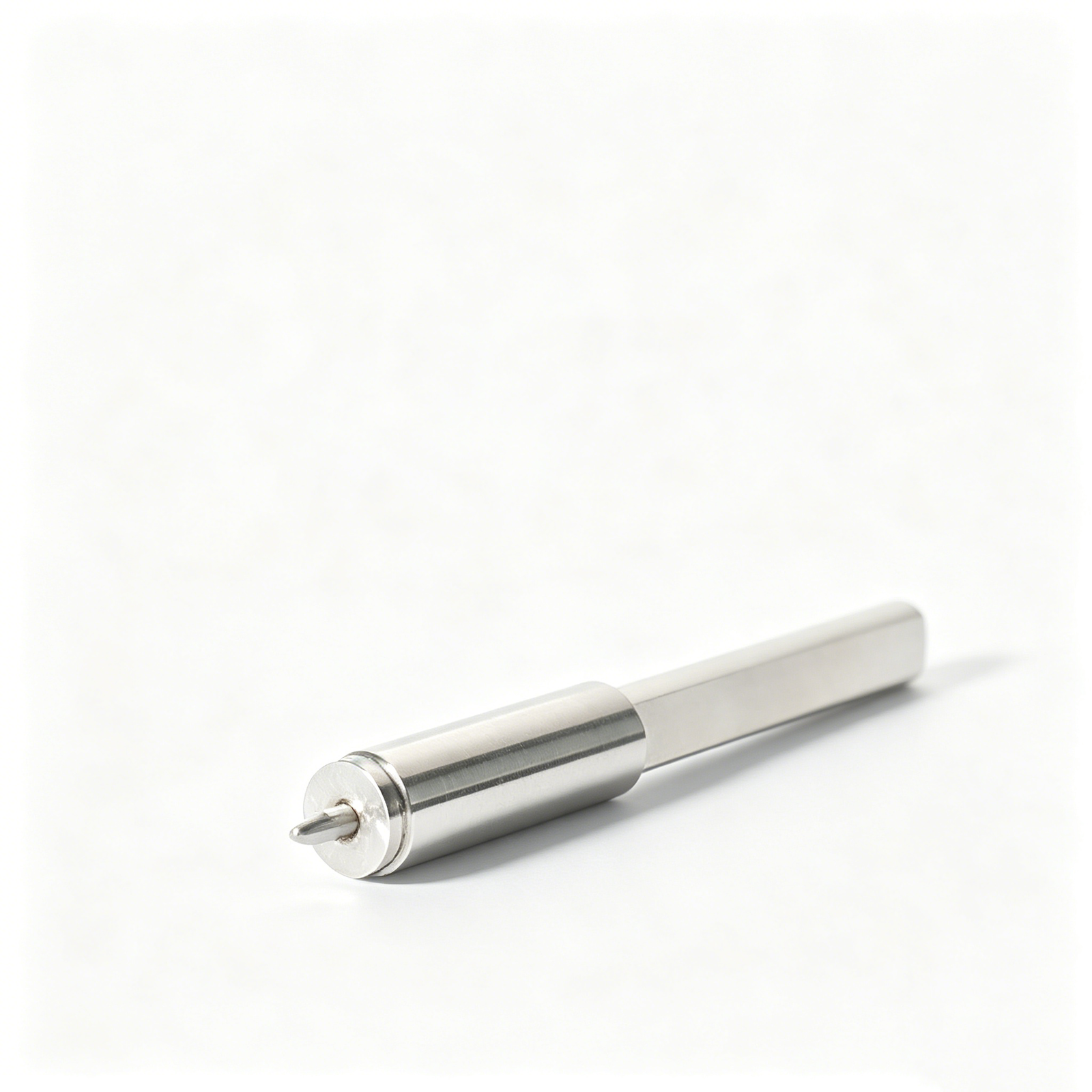
Protective Packing
Define packing quantity, separation needs, edge protection, moisture controls, labeling, and shipment handling constraints. Protective packing is considered with finished surfaces, critical dimensions, and delivery documentation to reduce avoidable transit damage.
About SUUXIANG’s CNC Machining Magnesium AZ31
SUUXIANG is the public-facing brand of Dongguan SuuXiang Precision Mold Co., Ltd., established in 2010 in Chang’an Town, Dongguan, Guangdong, China. Founded by and legally represented by XiaoCheng Huang, the company helps international engineering, sourcing, and quality teams convert controlled drawings and specifications into inspected custom parts, precision mold components, connector tooling, and die components.
For cnc machining magnesium az31 projects, work begins with the drawing, model, material condition, quantity, critical dimensions, surface priorities, and delivery requirements. Our team plans the appropriate combination of CNC milling or turning, multi-axis machining, EDM, grinding, fitting, inspection, and revision-controlled project coordination according to verified project needs.
What distinguishes SUUXIANG is a disciplined manufacturing discussion before commitments are made. We review datum strategy, tool access, machining allowance, electrode or wire path, heat-treatment sequence, and inspection method so the process route and final documentation align with the order’s verified requirements.

CNC Machining Magnesium AZ31: From DFM to Inspection Evidence
Drawing Review Before Release
For cnc machining magnesium az31, SUUXIANG reviews datums, critical dimensions, wall transitions, tool access, surface requirements, and revision status before quoting. This establishes a manufacturable route and identifies information that must be confirmed before production commitments are made.
- Identify critical-to-quality dimensions and datum relationships
- Review thin-wall, pocket, and feature-access risks
- Confirm material, quantity, surface, and delivery requirements
- Align revision-controlled drawings and 3D models

Machining and EDM Strategy
Process planning considers whether CNC milling, turning, wire EDM, or sinker EDM best supports the specified geometry. For AZ31 magnesium parts, the route should account for feature access, electrode or wire paths, chip-management controls, and the required finished surfaces.
- Match process selection to geometry and datum access
- Define EDM needs for inaccessible or fine features
- Review machining sequence around critical features
- Plan safe, controlled handling of machining chips
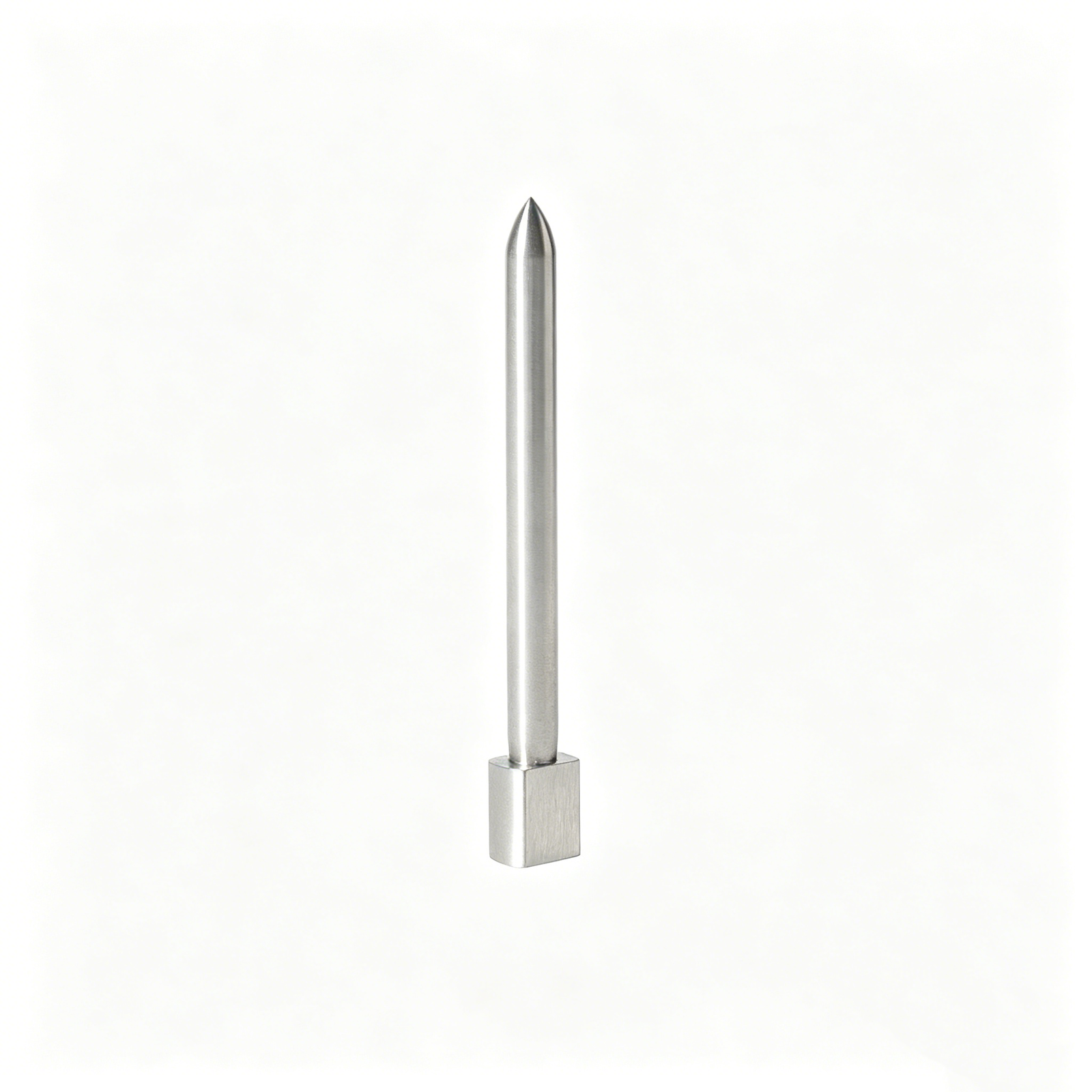
Grinding and Fitting Control
When a drawing calls for closely related faces, locating features, or mating conditions, grinding stock and fitting requirements must be planned early. SUUXIANG evaluates the sequence around machining, any required intermediate condition, grinding, and final assembly-related checks.
- Set machining allowance before precision grinding
- Protect datum relationships through each operation
- Review mating-component and locating-feature context
- Define fitting checks where functional contact matters
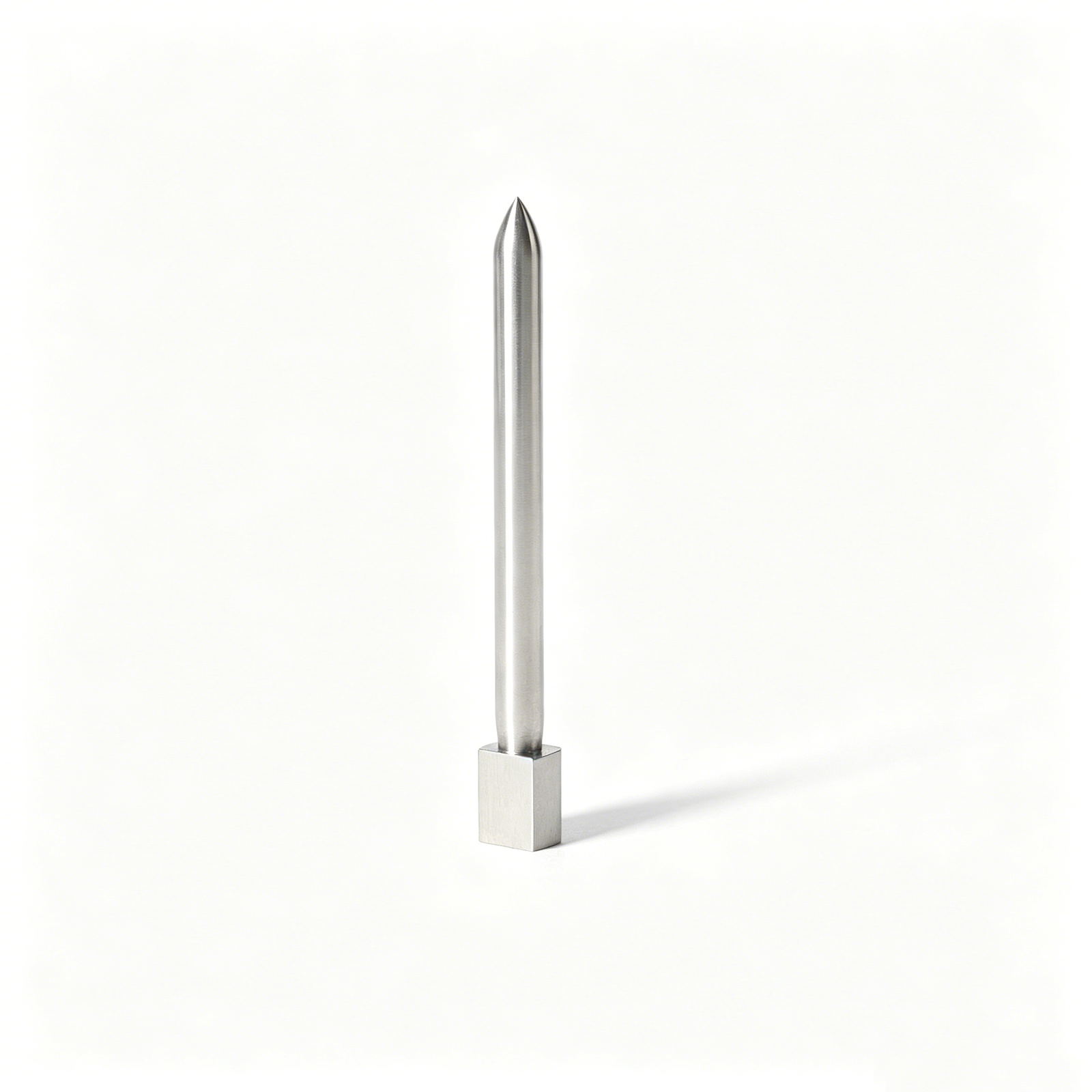
Inspection With Traceability
Inspection planning for cnc machining magnesium az31 begins with the drawing’s critical features and agreed reporting needs. Measurement methods, acceptance criteria, order documentation, and revision information should remain aligned so the delivered evidence matches the verified inspection plan.
- Link inspection points to critical drawing dimensions
- Agree measurement and reporting requirements in advance
- Maintain order and revision traceability
- Provide documentation consistent with the verified plan

Why Choose a Drawing-Led Manufacturing Partner
For cnc machining magnesium az31, compare the evidence exchanged before production—not only the quoted price.
← Swipe left or right to view →
CNC Machining Magnesium AZ31: Controlled Production Workflow
A drawing-led sequence that keeps material, critical dimensions, process choices and inspection expectations visible before shipment coordination.
Review RFQ Requirements
We review the drawing, model, AZ31 material callout, quantity, application context, delivery target, and requested documentation before determining whether the project fits the verified production scope.
Plan DFM and Controls
Critical dimensions, datums, surface requirements, tool access, machining allowances, clamping approach, and inspection methods are aligned so quotation and production assumptions remain traceable.
Machine Required Features
CNC milling, turning, multi-axis machining, and micro-machining are scheduled according to the approved route, with revision information and process priorities kept visible throughout production.
Apply Secondary Processes
Where drawing requirements call for them, EDM, precision grinding, fitting, or related finishing steps are planned around feature access, remaining stock, dimensional risk, and inspection needs.
Inspect Pack and Coordinate
Completed cnc machining magnesium az31 parts are checked against the agreed inspection plan, packed to protect critical features, and prepared with order-matched documentation for shipment coordination.
Start Your CNC Machining Magnesium AZ31 Project
Provide the drawing, quality requirements, and application context needed to align DFM, quotation, sampling, and controlled production.
Upload Your Drawing Package
Send the 2D drawing, available 3D model, revision level, quantity, and application context so SUUXIANG can begin a drawing-led manufacturing review.
Define Critical Requirements
Identify AZ31 material requirements, critical dimensions, datums, surface priorities, inspection documentation, heat-treatment needs, and requested delivery date before process planning.
Review DFM and Quotation
Confirm manufacturability feedback, machining access, tolerance strategy, inspection approach, commercial scope, and any sampling requirements before approving the proposed production route.
Approve Production Details
Release the agreed drawing revision and order requirements for controlled machining, inspection, revision visibility, and delivery coordination matched to the verified project plan.
CNC Machining Magnesium AZ31 Quality Documentation
CNC Machining Magnesium AZ31: Customer Project Feedback
Customer references are shared only with documented approval and an agreed disclosure scope.
SUUXIANG does not publish project feedback without written customer approval.
Customer-identifying project feedback is withheld until the project scope and disclosure are approved.
CNC Machining Magnesium AZ31 FAQ
Practical RFQ, quality, delivery, and project-control questions for drawing-based AZ31 magnesium components.
What information do you need to quote cnc machining magnesium az31 parts?
What is the MOQ for cnc machining magnesium az31 components?
How long does cnc machining magnesium az31 usually take?
Can I order an AZ31 prototype before placing a larger order?
What machining risks should be reviewed for AZ31 magnesium parts?
Can SUUXIANG provide inspection reports for AZ31 machined parts?
How are drawings, revisions, and IP handled during an RFQ?
What payment and shipping details should I provide before ordering?
Buyer’s Guide to CNC Machining Magnesium AZ31
Use this decision framework to assess AZ31 part fit, machining and finishing requirements, supplier controls, and cost drivers—while avoiding safety, drawing, tolerance, and qualification mistakes that can delay a production program.
1. What Is cnc machining magnesium az31?
AZ31 is a wrought magnesium alloy commonly identified by nominally about 3% aluminum and 1% zinc; CNC machining removes material from bar, plate, or other mill product to the released 2D drawing and 3D model. At roughly 1.7 g/cm³, it offers a strong mass-reduction case relative to many structural metals (https://www.matec-conferences.org/articles/matecconf/pdf/2018/03/matecconf_rimes2017_03006.pdf).
CNC machining magnesium az31 differs from die casting because it starts with wrought stock and creates features by cutting, not a casting die and molten-metal fill. It also differs from sheet forming, which favors bent or stamped geometry, and from AZ91, whose higher aluminum content changes corrosion, casting, and mechanical-property trade-offs.
3 practical advantages are low density, readily cut geometry, and fast drawing iteration for prototypes or low-volume precision parts. Buyers should still define wall thickness, datum scheme, tool access, chip-management controls, surface protection, mating interfaces, and inspection criteria; these factors govern whether an AZ31 design is practical for tooling, connector-related parts, fixtures, or lightweight precision components.
2. Evolution of cnc machining magnesium az31
1920s aerospace programs helped establish magnesium alloys as engineering materials where mass reduction justified tighter material and corrosion controls. Later automotive castings and portable electronics expanded demand for lighter housings and structural parts, while application-specific protection became part of the design decision.
AZ31—nominally magnesium with aluminum and zinc additions—became a widely studied wrought alloy because sheet, plate, bar, and machined-part requirements could be evaluated against practical forming and machining limits. Research on AZ31 milling has focused on cutting speed, feed, depth of cut, surface roughness, and surface integrity (https://www.matec-conferences.org/articles/matecconf/pdf/2018/03/matecconf_rimes2017_03006.pdf).
5-axis CNC, CAM simulation, dedicated chip control, and inspection planning shifted sourcing beyond a material callout. Present RFQs should identify the material form, datums, critical surfaces, corrosion-protection requirement, chip/fire-control expectations, and any aerospace, electronics, automotive, medical, or lightweight-product mating context.
3. Types of cnc machining magnesium az31 Parts
AZ31 part suitability follows geometry, stiffness, datum access, and inspection needs—not the alloy name alone. For cnc machining magnesium az31, classify the drawing before selecting a process route.
Milled Prismatic Parts
Three-axis milling suits plates, brackets, blocks, and manifolds with accessible planar faces. Confirm tool reach, internal-corner radii, and datum locations before release.
Turned Rotational Parts
Two-axis turning suits bushes, sleeves, rings, and stepped shafts with concentric features. Ask whether thin sections, cross-holes, or interrupted profiles require secondary milling.
Five-Axis Complex Parts
Five-axis machining suits compound angles, blended surfaces, and features requiring multiple tool orientations. Review fixture access and whether critical surfaces can retain stable datums.
Thin-Wall Housings
1 mm-class walls demand a stiffness review because machining forces and clamping can distort open pockets. Define wall thickness, local ribs, and inspection support points on the drawing.
Precision Mold Or Die Components
Two-process routes commonly combine milling with EDM or grinding for deep, sharp, or precision features. Confirm heat-treatment sequence, grinding stock, and mating-component datums.
Prototypes And Low Volumes
One-piece prototypes can validate geometry, assembly clearance, and finish expectations before a larger release. Provide the 2D drawing, 3D model, revision, quantity, and critical dimensions for process review.
4. AZ31 Material Forms and Alternatives
AZ31 conventionally identifies a magnesium alloy with roughly 3% aluminum and 1% zinc, balance magnesium. For cnc machining magnesium az31, the starting form governs stock allowance, grain direction, and purchasing lead time.
| Material | Corrosion Exposure | Formability | Weight | Machining Suitability |
|---|---|---|---|---|
| AZ31 | Needs finish strategy | Good | Very low | Good for machined parts |
| AZ91 | Needs finish strategy | Lower | Very low | Good where strength matters |
| Aluminum | Often easier to protect | Varies by grade | Higher | Widely available |
Read The Mill Certificate
EN 10204 3.1 or equivalent documentation should identify the exact alloy designation, product form, heat or lot, chemistry, and applicable temper. Confirm the drawing’s material callout against the certificate before releasing stock.
Choose Starting Stock
Billet supports larger milled envelopes; plate suits flat parts but requires attention to thickness and rolling direction. Bar is efficient for turned geometry, while sheet is primarily selected where formed features are required.
Select By Service Conditions
AZ91 generally favors higher strength needs, whereas AZ31 is the more formable magnesium choice; both need corrosion exposure assessed with the intended finish. Aluminum may offer easier availability and corrosion options, but carries a weight penalty.
5. Surface Finishes for cnc machining magnesium az31
Finish selection for cnc machining magnesium az31 starts with the corrosion environment, mating interfaces, and dimensional budget. Specify the required appearance and protected areas on the drawing before routing parts to a finishing source.
| Finish | Protection Role | Drawing Control |
|---|---|---|
| As-machined | None | Ra and edge break |
| Conversion | Thin pretreatment | Coverage and masking |
| Paint or powder | Barrier topcoat | Color and no-coat areas |
| Anodic or PEO | Process-dependent layer | Critical-dimension allowance |
As-Machined And Deburred
An as-machined surface retains tool marks and offers no added corrosion barrier. Define allowable burr condition, edge-break size, and any functional surfaces that must remain uncoated.
Chemical Conversion Coatings
Chemical conversion treatment provides a thin base for corrosion control and subsequent paint adhesion. Call out the approved process, coverage requirement, and whether threads, bores, or datum faces require masking.
Paint And Powder Coatings
Paint and powder coatings add visible coverage but can build on edges, holes, and sealing faces. State color standard, gloss, coating system, cure limits, and coating-free zones rather than specifying color alone.
Anodic Or PEO Routes
Anodic and plasma-electrolytic approaches require geometry and process compatibility review before release. Identify critical dimensions, cosmetic faces, adhesion testing, and permitted local finish variation in the drawing notes.
6. Quality Elements in AZ31 CNC Parts
A drawing for cnc machining magnesium az31 should control geometry from functional datums, not from cosmetic edges. Lightweight sections can deflect during clamping and machining, so tolerances, stock removal, inspection timing, and protective packaging must be planned together.
Datums And Geometry
Three mutually related datums should locate the part and its critical interfaces. Specify minimum wall areas, internal corner radii, thread class, and allowable burr direction; thin webs and sharp transitions deserve a distortion review before release.
- Identify mating faces and locating features
- Dimension critical features from functional datums
- State thread gaging and edge-break requirements
Inspection Plan
First-article inspection should verify datum setup, critical dimensions, hole position, thread function, flatness, and surface roughness. In-process checks are warranted for thin-wall geometry, features affected by multiple setups, and dimensions following stress-relieving or finishing operations.
- Link each CTQ to a method and frequency
- Define CMM, pin-gage, or thread-gage use
- Record drawing revision and material lot
Traceability And Protection
Each material lot should be traceable to the ordered AZ31 designation and accompanying documentation. Specify clean, dry separation between parts, protected threads and edges, and packaging that prevents rubbing, moisture exposure, and deformation in transit.
- Request material certificate requirements upfront
- Mark lots without damaging functional surfaces
- Approve packaging for delicate thin sections
7. Choosing a cnc machining magnesium az31 Supplier
For cnc machining magnesium az31, qualify the process route before comparing unit price. Request evidence tied to the drawing revision, material lot, critical dimensions, and planned delivery milestone.
Chip And Dust Controls
Ask for the written chip-collection, housekeeping, segregation, and emergency-response procedure for magnesium work. A credible supplier explains how chips, fines, coolant compatibility, ignition sources, and disposal are controlled—not merely that it is experienced.
- Ask which records apply to your part number.
- Request the machining-area risk assessment.
- Confirm whether thin-wall features change the control plan.
Material And Machine Evidence
Request the mill certificate and receiving traceability from AZ31 stock to finished parts. Ask which machine configuration, workholding, tool access, and operations are proposed for the drawing; accept capability claims only with project-specific confirmation.
- Material designation and condition
- Lot and heat identification
- Proposed process sequence
DFM Inspection And Communication
Require a drawing-review response that identifies datums, critical features, tolerances, and finish risks before release. Define the inspection method, report format, revision-control contact, finishing handoff, and approval points in the RFQ.
- First-article evidence requested
- Measuring method for each CTQ
- Revision and deviation workflow
8. Common AZ31 Sourcing Mistakes
AZ31 purchasing errors usually originate in incomplete application information, not cutting difficulty. Resolve exposure, interfaces, safety controls, and measurement intent before prototype approval or purchase-order release.
Review The Service Environment
AZ31 can corrode when moisture, salts, or incompatible fluids reach an unprotected surface. Define the operating environment, storage conditions, and approved coating system before release.
Control Interfaces And Coatings
Magnesium-to-steel or aluminum interfaces can create galvanic-corrosion risk when an electrolyte is present. Specify isolation, fastener treatment, coating coverage, masking, and coating verification on the drawing.
Dimension What Functions
Nonfunctional tight tolerances increase setup, inspection, and scrap without improving assembly performance. Identify functional datums, critical features, measurement points, and realistic tolerances in the 2D drawing.
Release A Complete Safety Package
Magnesium chips require a documented fire-risk and housekeeping plan appropriate to the process. Provide material grade, model, revision, quantity, finish, heat-treatment requirements, inspection needs, and mating-part context before quotation.
9. Launching an AZ31 CNC Part Program
One launch package should assign engineering, quality, and procurement owners before cnc machining magnesium az31 begins. Two early reviews—technical and commercial—prevent uncontrolled assumptions from reaching the shop floor.
Define Application Requirements
One application brief should identify load path, operating environment, mating parts, annual quantity, and delivery target. Two stakeholders—design engineering and quality—should mark CTQs, functional datums, and acceptance evidence.
Release Controlled Design Data
Two controlled files, a dimensioned drawing and native or neutral 3D model, should carry the same revision. One drawing package should state units, general tolerances, threads, surface requirements, and inspection points.
Close DFM And Commercial Gaps
One DFM response should confirm tool access, workholding, datum sequence, burr treatment, and inspection approach. Two teams—procurement and engineering—should resolve quotation assumptions on material form, finish, quantity, packaging, and lead time.
Approve Articles And Changes
One first-article plan should define sample quantity, report format, measured characteristics, and disposition authority before production. Two change controls—written revision release and supplier impact review—should precede any drawing, material, process, or finish change.
10. cnc machining magnesium az31 Pricing and Cost
1 RFQ should separate material from conversion cost: AZ31 stock form, buy-to-fly yield, setups, feature complexity, tolerance, finishing, inspection, packaging and volume all change the result. SUUXIANG should quote only after drawing review and the agreed inspection plan.
2 cost reductions usually come from consolidating setups, choosing available stock dimensions, relaxing noncritical tolerances and applying finish only where function requires it. Keep critical datums, mating features and reporting requirements unchanged; confirm any revision before release.
| Illustrative quantity tier | Cost pattern | Quote-dependent lead-time range | Buyer action |
|---|---|---|---|
| 1–5 prototypes | Programming, fixturing and inspection dominate unit cost | Confirmed after drawing, material, and capacity review | Provide 2D/3D files and critical dimensions |
| 10–50 pieces | Setup cost spreads across parts; material yield remains significant | Confirmed after drawing, material, and capacity review | Align stock size and batch requirements |
| 51–200 pieces | Repeatable routing can reduce unit cost; packaging and reports add cost | Confirmed after drawing, material, and capacity review | Freeze revision and inspection frequency |
| 200+ pieces | Volume may justify dedicated fixtures; complexity still drives cycle time | Quote after capacity review | Request a process and delivery plan |
Start Your CNC Machining Magnesium AZ31 Drawing Review
Upload your drawing and model with material, quantity, quality priorities, inspection needs, and target delivery date for a tailored quotation.