
AZ91 Magnesium CNC Machining, From Drawing Review to Inspection
SUUXIANG reviews critical dimensions, datum strategy, material condition, corrosion-protection needs, and inspection requirements before assessing an AZ91 magnesium machining RFQ.
Representative Precision Tooling Components


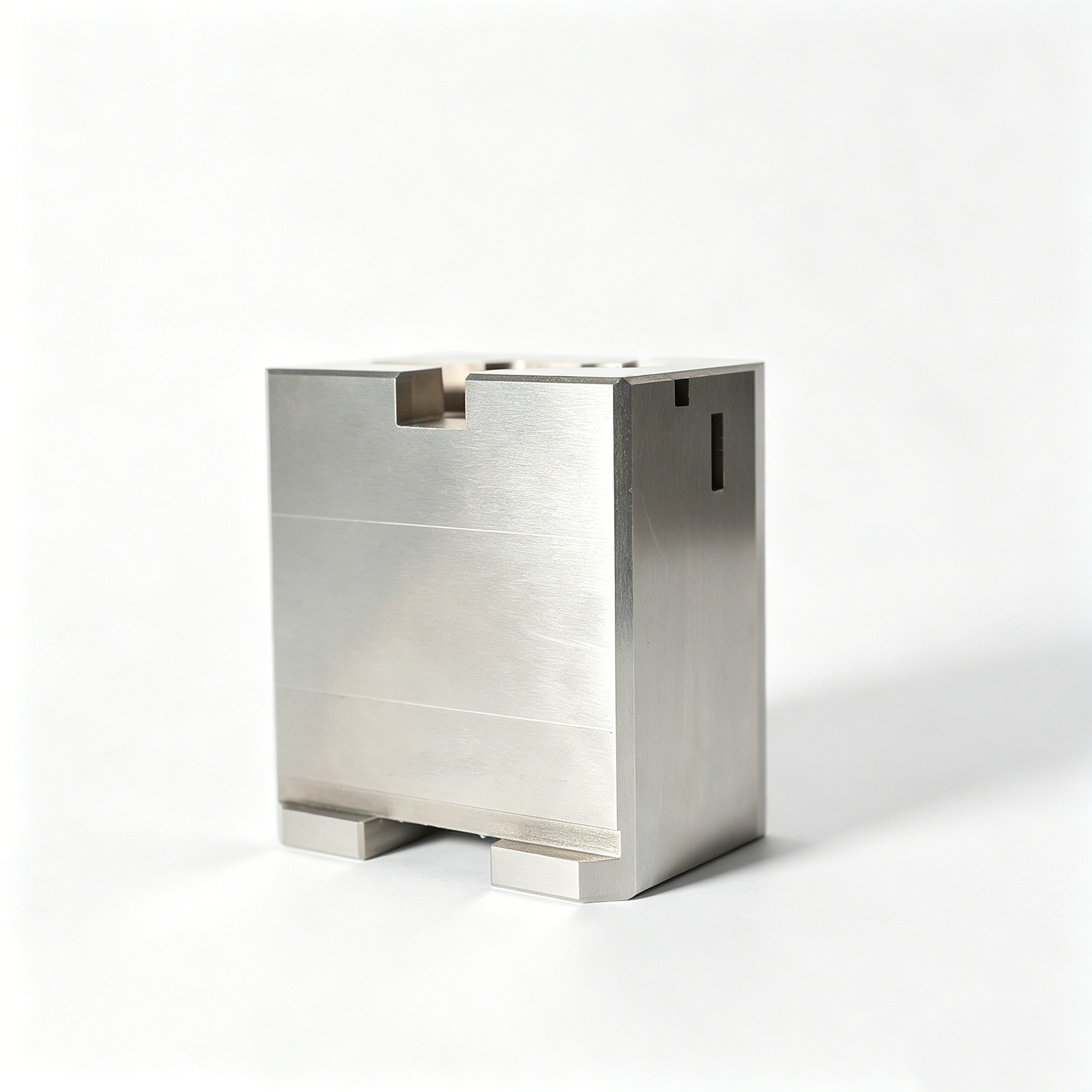


Related Configurable Component Families and RFQ Review




Why Choose SUUXIANG for AZ91 Magnesium CNC Machining
A disciplined review path aligns material, process access, critical dimensions, inspection needs, and revision status before production commitments.
Drawing-Led DFM Review
We review datums, critical dimensions, wall geometry, tool access, material requirements, and surface priorities before quoting CNC machining magnesium AZ91 parts.
Safe Process Planning
Magnesium work requires a defined machining approach. The proposed route is reviewed against part geometry, chip management, handling, and project requirements.
EDM and Grinding Coordination
Where features require EDM or grinding, planning addresses electrode strategy, wire paths, machining allowance, sequence, and dimensional handoff between operations.
Inspection Plan Alignment
Inspection expectations are discussed early, including critical characteristics, datum references, measurement methods, reporting needs, and documentation required for the order.
Visible Revision Control
Drawing revisions, clarified requirements, and delivery information remain visible throughout coordination, helping teams avoid production against superseded technical data.
Configurable CNC Parts and Tooling Families
Match critical features, material requirements, access constraints, and inspection needs to an appropriate process route before production commitment.

CNC Machining Services
Precision CNC machining services for drawing-based custom machined parts where feature relationships, datums, material condition, and inspection priorities must be reviewed before a process route is confirmed.
Upload a Drawing
CNC Milling
Custom CNC milling services for prismatic parts, plates, housings, and mold details. Tool access, wall rigidity, corner radii, clamping strategy, and critical dimensions are evaluated from the drawing.
Upload a Drawing
CNC Turning
Precision CNC turning services for shafts, sleeves, collars, threaded features, and rotational parts. Review concentricity, runout, datum selection, internal-feature access, and any secondary milling or grinding requirements.
Upload a Drawing
5-Axis Machining
5-axis CNC machining supports multi-face features, compound angles, and contoured geometry with fewer setups where practical. Fixture access, tool reach, surface requirements, and inspection datums should guide the machining strategy.
Upload a Drawing
Swiss & Micro Machining
Swiss machining and micro machining support small, slender, and detail-intensive components. Drawing review focuses on feature stability, material behavior, tool access, deburring expectations, critical diameters, and measurement method.
Upload a Drawing
Wire & Sinker EDM
Wire EDM and sinker EDM services address narrow slots, internal profiles, sharp geometry, hardened materials, and features with limited conventional-tool access. Electrode strategy, wire path, finish requirements, and recast-layer considerations require review.
Upload a Drawing
Precision Grinding
Precision surface and profile grinding is applied where flatness, parallelism, profile control, or surface condition are critical. Grinding stock, heat-treatment sequence, datum references, and inspection criteria should be defined in advance.
Upload a Drawing
Precision Mold Components: Core and Cavity Inserts
Precision mold core and cavity inserts are produced from customer drawings and models with machining, EDM, grinding, and fitting planned around shutoff geometry, cooling interfaces, material condition, and critical molding surfaces.
Upload a Drawing
Ejector & Ejection Components
Ejector pins, sleeves, and ejection components are reviewed for fit, guidance, wear conditions, stroke-related interfaces, and surface requirements. Dimensions should be tied to the mating mold assembly and defined datums.
Upload a Drawing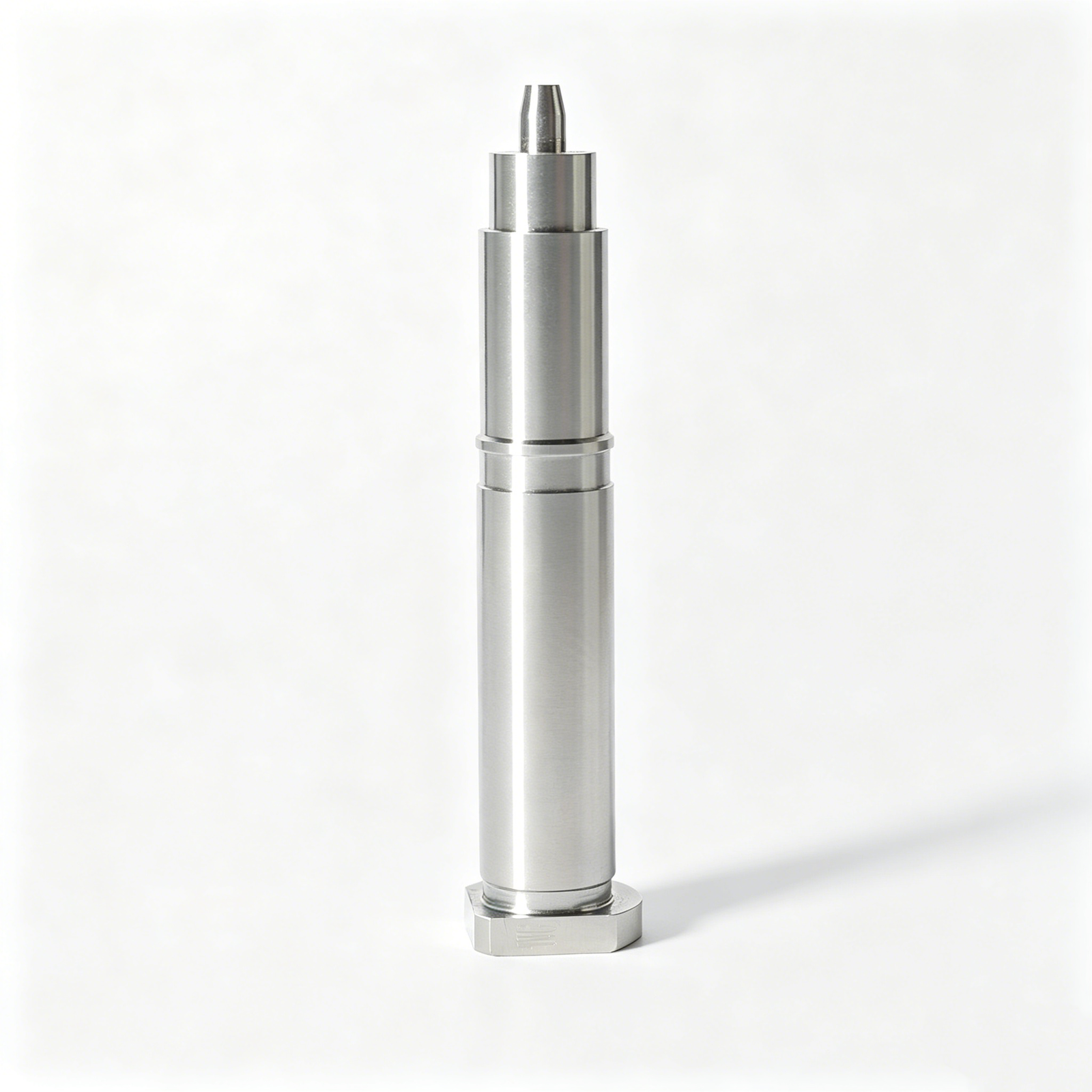
Core Pins, Guide & Locating Components
Core pins, guide pins, and locating components require attention to alignment, engagement length, hardness condition, fit class, and mating-part relationships. SUUXIANG plans machining and inspection from the approved drawing set.
Upload a Drawing
Slides, Lifters, Gates & Mold Accessories
Mold slides, lifters, gates, and accessories are configurable tooling families for moving, guiding, and feeding functions. Review travel geometry, interference risk, wear surfaces, shutoff areas, material, and fitting requirements.
Upload a Drawing
Connector Mold Components
Precision connector mold components support fine-pitch and high-feature-density tooling where pin geometry, alignment, wear, EDM access, and repeatable inspection influence the manufacturing route.
Upload a Drawing
Stamping Die Components
Precision stamping die components are produced for drawing-defined cutting, forming, guiding, and locating functions. Material, heat treatment, grinding stock, edge condition, and mating-die relationships need confirmation before production.
Upload a Drawing
Injection, MIM, CIM & Overmolding Tooling
Injection mold components for injection molding, MIM, CIM, and overmolding are evaluated within verified production scope. Parting lines, shutoffs, feed features, material behavior, insert interfaces, and molding-critical dimensions guide the process plan.
Upload a Drawing
Machining Materials
CNC machining materials are selected against the drawing, application, mechanical requirements, corrosion environment, heat-treatment condition, and availability. Material substitutions should not proceed without documented customer approval.
Upload a Drawing
Surface Finishes & Heat Treatment
Surface finishing and heat treatment are planned around functional surfaces, dimensional change, corrosion or wear needs, and post-treatment machining or grinding allowance. Required finish, hardness, and verification criteria should be specified.
Upload a Drawing
Quality, Metrology & Documentation
Precision inspection, metrology, and quality documentation are aligned to critical dimensions, datum scheme, sampling or reporting needs, and order requirements. Revision-controlled drawings and agreed inspection methods support traceable communication.
Upload a Drawing
Prototyping & Low-Volume Production
Rapid prototyping and low-volume manufacturing support controlled evaluation, tooling development, and limited production quantities. Submit drawings, models, material, quantity, critical features, inspection needs, and target delivery date for review.
Upload a DrawingMaterials for CNC Machining Magnesium AZ91 Projects

AZ91 Magnesium
A lightweight magnesium alloy option for weight-conscious housings, brackets, and machined castings. CNC machining magnesium AZ91 requires drawing review of stock condition, feature access, corrosion protection, and inspection priorities before process planning.

AZ31 Magnesium
A wrought magnesium option suited to lightweight machined forms where billet or plate stock is specified. Review wall geometry, bends or formed features, surface protection, and mating-material considerations with the drawing package.

6061 Aluminum
A practical aluminum choice for prototypes, fixtures, housings, and structural components where a familiar machined finish is needed. Material temper, anodizing requirement, datum scheme, and critical thread or bearing features should be defined.

P20 Tool Steel
A pre-hardened tool-steel option for mold components, inserts, and tooling details requiring controlled machining and finishing routes. Confirm hardness condition, grinding stock, EDM requirements, surface finish, and dimensional inspection plan before quotation.

304 Stainless Steel
A corrosion-resistant stainless option for precision components, fixtures, and application-specific hardware. Specify material condition, passivation or finish expectations, thin-wall geometry, and critical tolerances so tool access and inspection methods can be reviewed.
AZ91 Magnesium Machining: Process Routes Reviewed From Your Drawing

CNC Milling
Milling establishes profiles, pockets, faces, and accessible precision features in AZ91 workpieces. Tool access, datum setup, wall geometry, and chip-control requirements should be reviewed before committing to the machining route.

CNC Turning
Turning supports concentric diameters, bores, shoulders, and threaded or rotational features where the drawing suits a lathe-based setup. Datum relationships and workholding strategy are reviewed to protect critical geometry.
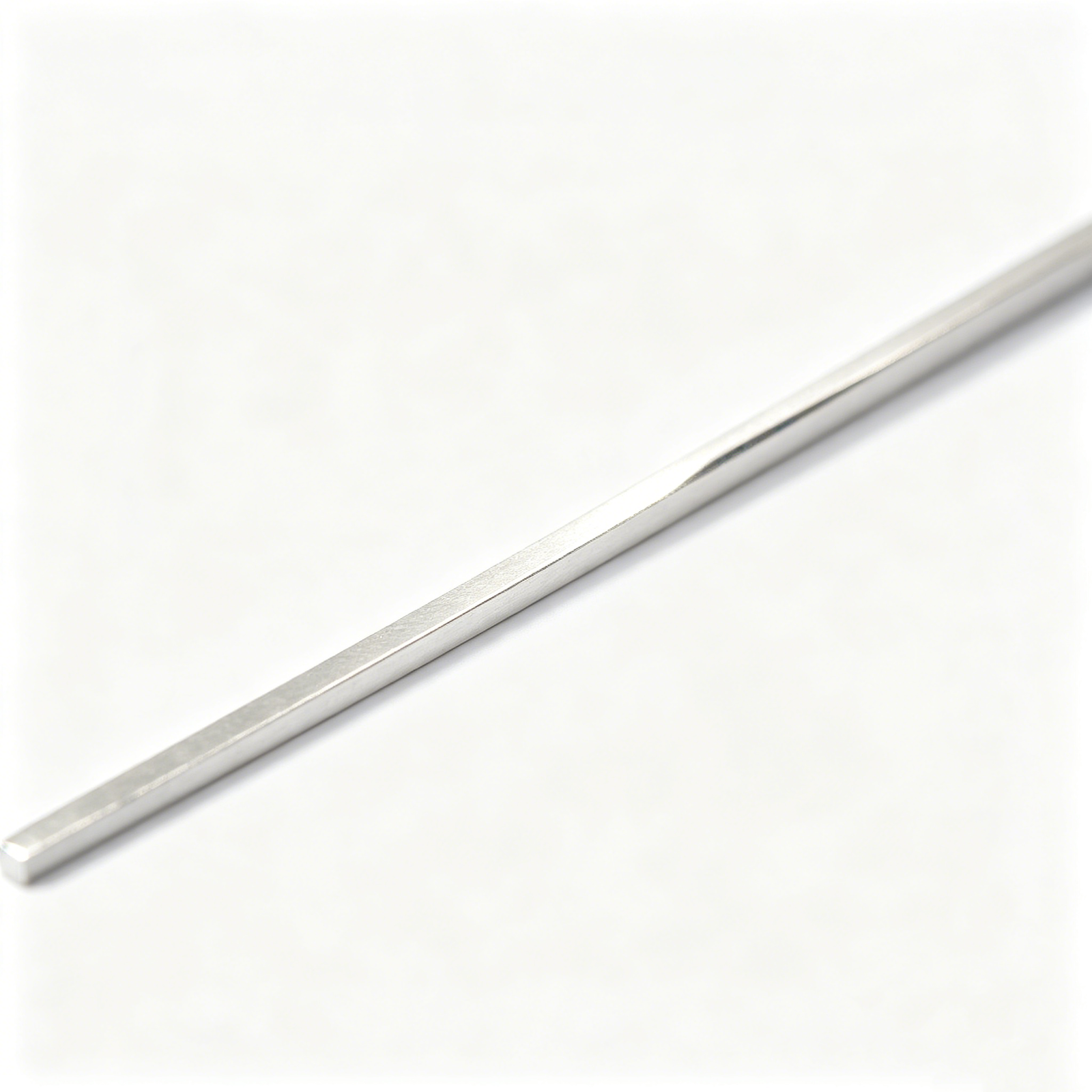
Wire EDM
Wire EDM can address fine profiles, narrow slots, and features with limited conventional tool access when the material condition and feature geometry support the process. The wire path, start-hole requirement, and finish expectations require review.

Sinker EDM
Sinker EDM is considered for recessed or complex cavity features that cannot be reached effectively by conventional cutting. Electrode design, spark allowance, surface requirement, and downstream finishing must be aligned with the drawing.
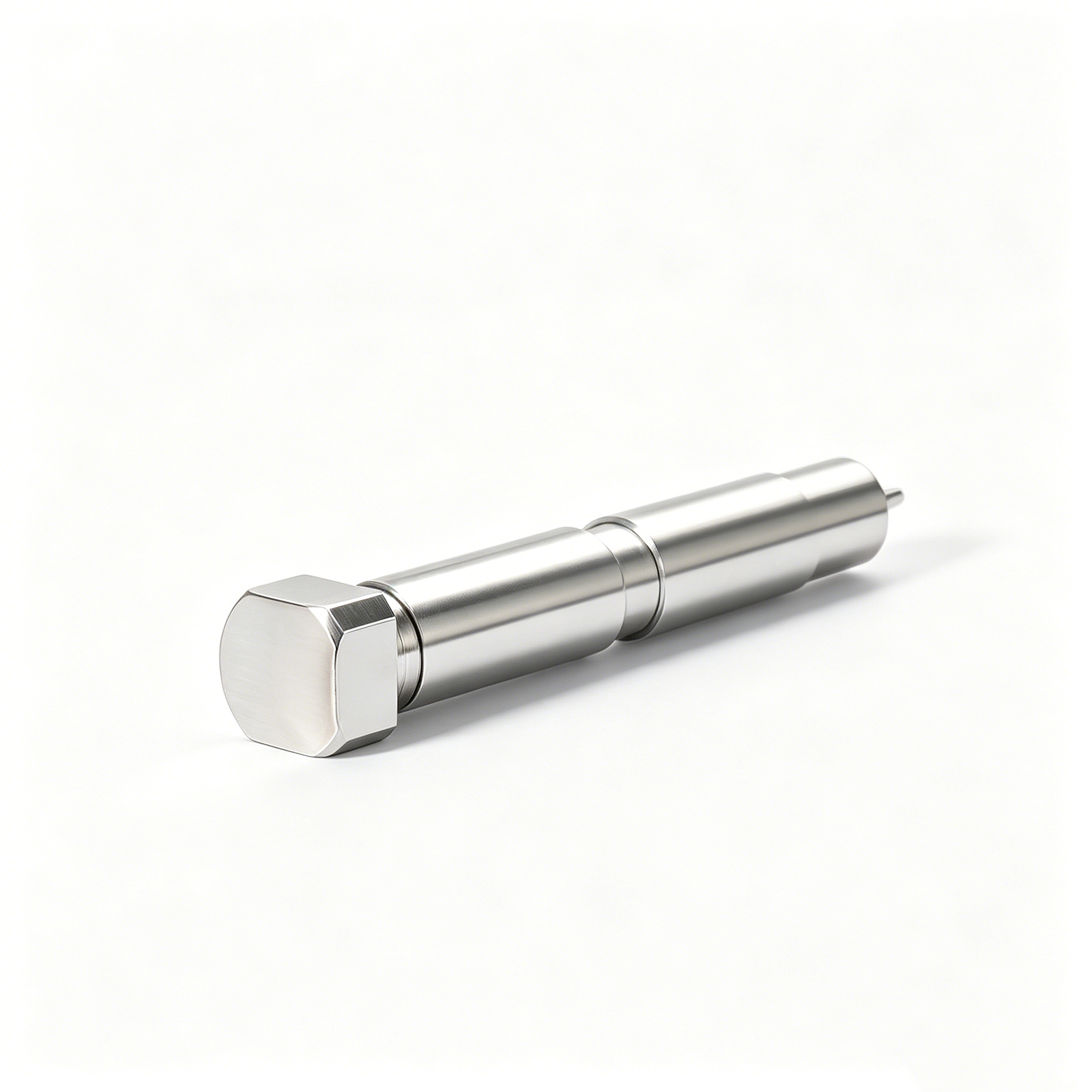
Precision Grinding
Grinding refines designated faces, diameters, or datum relationships after the required machining sequence. Grinding stock, material condition, and inspection method should be defined early so the final process supports the critical dimensions.

Fitting and Inspection
Fitting and inspection confirm functional relationships, critical dimensions, surface requirements, and revision-controlled documentation against the agreed plan. Provide mating-part context and reporting needs with the RFQ to establish appropriate checks.
AZ91 Magnesium Components: Features and Applied Hardware

Threaded Inserts
Helical, keyed, or press-fit insert requirements can be reviewed where repeated fastening or stronger thread engagement is needed. Define insert type, thread size, installed condition, pull-out expectations, and the related inspection method on the RFQ.

Precision Threads
Tapped, milled, or turned threads can be planned around tool access, engagement length, datum relationship, and gauge requirements. Identify thread standard, class, blind-hole depth, mating hardware, and any coating sequence before quotation.
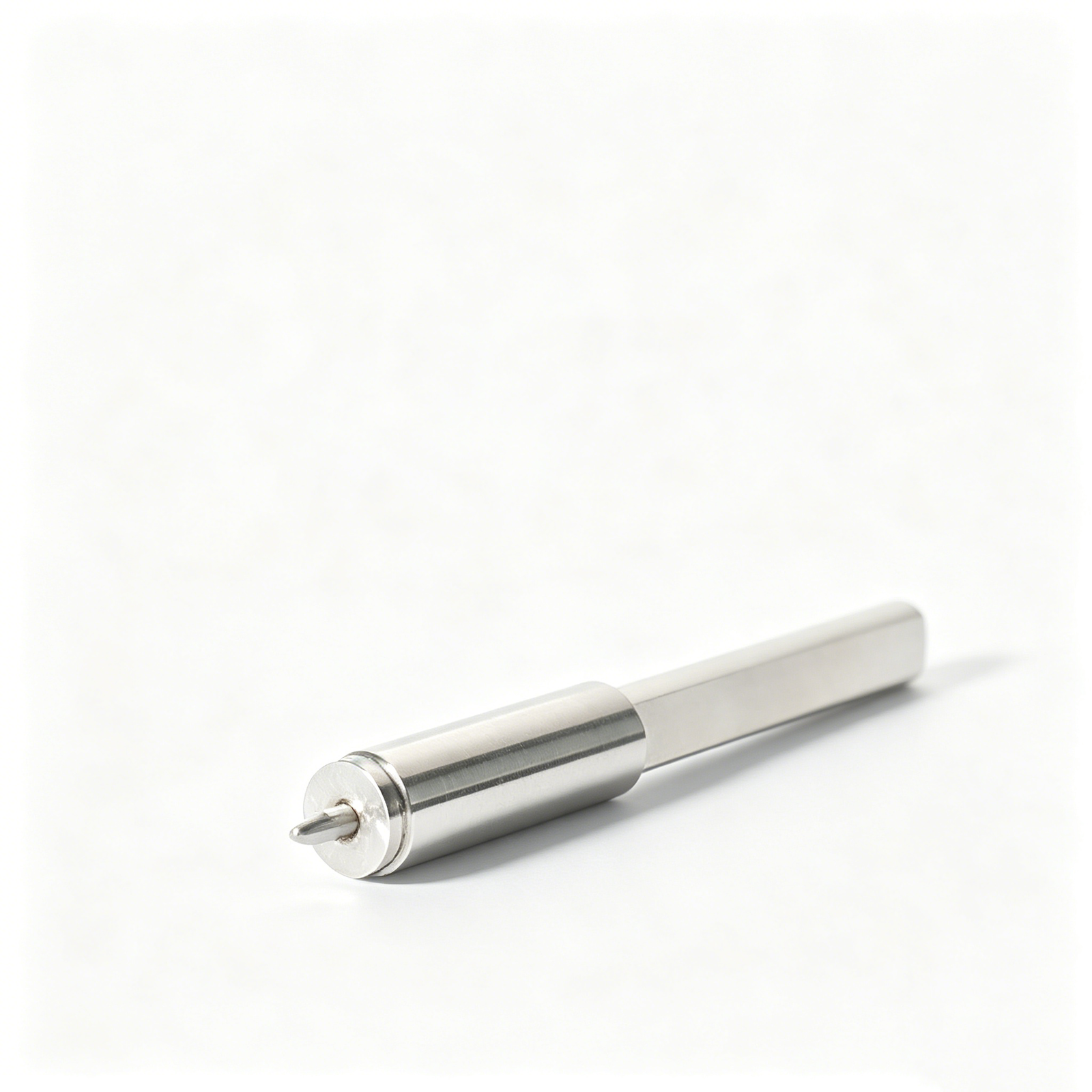
Locating Features
Dowel holes, shoulders, reference faces, and alignment bores establish repeatable part position in assemblies and fixtures. Provide the functional datum scheme, mating-component details, positional requirements, and inspection references so the process route can be assessed.

Guide Elements
Guide pins, bush interfaces, sliding features, and related bores can be specified for fixture, tooling, or component alignment. Review fit class, hardness or material interface, lubrication needs, wear exposure, and assembly order with the drawing.

Part Identification
Laser marking, serialized identification, revision marks, and orientation indicators can support traceability and controlled assembly. State marking content, location, character limits, cosmetic restrictions, and whether identification must remain legible after finishing or service.
CNC Machining Magnesium AZ91 at SUUXIANG
SUUXIANG is the sole public-facing brand of Dongguan SuuXiang Precision Mold Co., Ltd., established in 2010 in Chang’an Town, Dongguan, Guangdong, China. Founded by legal representative XiaoCheng Huang, the company helps international engineering, sourcing, and quality teams translate drawings, models, and specifications into inspected custom parts and precision tooling components.
Our practical workflow combines CNC milling and turning, multi-axis machining, EDM, precision grinding, fitting and inspection. For cnc machining magnesium az91 and other drawing-driven work, process planning begins with material requirements, critical dimensions, datums, tool access, surface needs and the inspection evidence required for the order.
What distinguishes SUUXIANG is disciplined coordination from DFM review through revision-controlled production and final inspection. Rather than treating a quotation as a generic transaction, we clarify machining allowances, EDM or grinding needs, heat-treatment sequence and reporting expectations before production commitments are made.
CNC Machining Magnesium AZ91: Process Planning That Holds Up
DFM Review Before Quotation
Each CNC machining magnesium AZ91 RFQ begins with the drawing, 3D model, material condition, quantity, and application context. SUUXIANG reviews critical dimensions, datum references, wall transitions, tool access, and surface requirements before a process route or production commitment is discussed.
- Identify critical-to-quality dimensions and functional datums
- Check tool reach, corner geometry, and practical workholding
- Clarify material, heat-treatment, surface, and delivery requirements
- Record revision status before quotation
Multi-Process Route Planning
Precision parts often need more than milling or turning alone. SUUXIANG plans the appropriate sequence across CNC machining, EDM, grinding, fitting, and inspection, considering where stock must remain, which surfaces establish location, and when each critical feature should be finished.
- Match machining methods to feature geometry and access
- Reserve machining allowance for subsequent grinding where required
- Plan wire-EDM paths and electrode strategy for inaccessible details
- Protect datums through each controlled operation

EDM and Grinding Decisions
When tight profiles, hardened features, fine corners, or controlled fits are involved, EDM and grinding strategy should be defined from the drawing rather than added late. The review addresses finish boundaries, grinding stock, mating conditions, and the inspection method needed to verify the finished feature.
- Define whether milling, EDM, grinding, or a combined route is appropriate
- Specify finish surfaces and transitions between process steps
- Review mating-component context for fits and locating features
- Align inspection points with functional dimensions

Inspection Records That Match
Inspection planning is tied to the order, drawing revision, and identified critical features. For CNC machining magnesium AZ91 and precision tooling work, SUUXIANG coordinates measurement expectations, reporting needs, and traceability details so the final documentation reflects the agreed inspection plan.
- Confirm required inspection reports before production
- Link records to drawing revision and part identification
- Select measurement methods appropriate to the specified feature
- Keep quality and delivery communication visible during the project

CNC Machining Magnesium AZ91: SUUXIANG vs. Typical Quotation-Led Sourcing
Compare the review and control points that should be aligned before production begins.
← Swipe left or right to view →
CNC Machining Magnesium AZ91: Drawing-to-Inspection Process
Each process route is reviewed against the drawing, material condition, critical dimensions, inspection requirements, and delivery needs before production is confirmed.
RFQ and Drawing Review
Submit drawings, models, material requirements, quantity, application context, delivery target, and inspection needs for an initial technical review.
DFM and Route Planning
SUUXIANG reviews datums, tolerance stack, tool access, machining allowance, surface requirements, and any required EDM or grinding sequence.
Material and Setup Confirmation
The agreed order route confirms AZ91 material condition, critical features, fixture approach, revision status, and applicable quality checkpoints.
CNC Machining and Finishing
CNC machining magnesium AZ91 proceeds through the confirmed operation plan, with EDM, grinding, fitting, or secondary work applied when required.
Inspection and Delivery Coordination
Finished parts are checked against the agreed inspection plan, then packed and coordinated for delivery with order documentation and revision traceability.
How to Work With SUUXIANG on CNC Machining Magnesium AZ91
Move from drawing review to controlled production with clear requirements, documented decisions, and inspection planning matched to the order.
Submit Your Requirements
Provide the 2D drawing, 3D model when available, AZ91 material requirement, quantity, critical dimensions, surface priorities, delivery target, and inspection documentation needs.
Review the Manufacturing Route
SUUXIANG reviews datum strategy, tolerance stack, tool access, machining allowance, finishing needs, inspection method, and any magnesium-specific handling considerations before quotation.
Confirm the Quotation
Review the proposed scope, revision status, process route, quality expectations, and delivery plan. Resolve open technical points before releasing the order for production.
Approve Samples When Needed
For applicable projects, evaluate agreed sample or first-piece evidence against critical dimensions, material requirements, and functional priorities before controlled production proceeds.
Track Production and Inspection
Production follows the approved drawing and process plan through machining, finishing where specified, inspection, and delivery coordination with revision and documentation requirements kept visible.
CNC Machining Magnesium AZ91: Certifications and Quality Documentation
AZ91 Magnesium Machining: Customer Feedback Pending Verification
Verified customer feedback will be added only after project approval, with the original outcome documented against the 2D drawing, 3D model, revision record, and agreed inspection evidence.
Approved case feedback will identify the specific delivery-coordination result, including the number of drawing revisions or shipment milestones, so procurement teams can assess how requirements were managed.
Future customer examples will state the inspected result in project-specific terms, such as the number of critical dimensions reviewed and the inspection documents supplied with the order.
CNC Machining Magnesium AZ91 FAQ
Practical answers for buyers preparing a drawing-led AZ91 magnesium machining inquiry.
What files should I send for AZ91 magnesium CNC machining?
Can SUUXIANG quote low-volume cnc machining magnesium az91 parts?
How do I request samples for cnc machining magnesium az91 before production?
What determines lead time for an AZ91 magnesium machining RFQ?
Do you review AZ91 material and finishing requirements before machining?
How are drawings and IP handled during an RFQ?
What inspection documents can I request with a magnesium machined part?
Can SUUXIANG arrange international shipping for AZ91 machined parts?
Complete Buyer’s Guide to cnc machining magnesium az91
Use this decision framework to assess AZ91 design suitability, DFM constraints, finishing and safety controls, supplier qualification evidence, and RFQ inputs—while avoiding corrosion, tolerance, casting-stock, and cost-planning mistakes.
1. What Is cnc machining magnesium az91?
AZ91 is a magnesium alloy designation commonly encountered as AZ91D in die-cast blanks and CNC machining discussions. CNC machining magnesium az91 means producing drawing-defined features—datums, bores, sealing faces, threads, and profiles—by controlled cutting, then verifying them against the specified inspection plan. AZ91 is considered where low component mass and readily cut material can support the application; published machining references also identify AZ91D as widely used for die casting and CNC work (https://www.fictiv.com/materials/magnesium).
Two production routes must be distinguished before quotation. Machining from billet removes material to create the complete geometry and may suit prototypes or low-volume parts; finish-machining a casting establishes critical interfaces and dimensions while retaining a near-net external form.
Four fit questions govern sourcing: corrosion exposure, mating materials, geometry, and production route. The drawing review should identify protected versus exposed surfaces, inaccessible tool features, casting datum condition, and the dimensions that require machining rather than relying on the as-cast condition.
2. AZ91’s Development and Manufacturing Context
AZ91D became a widely used magnesium die-casting grade because the AZ91 family suits high-volume, lightweight casting applications; it remains commonly associated with die casting and subsequent CNC machining (https://www.fictiv.com/materials/magnesium). That legacy means many current machining jobs begin with a cast blank rather than wrought billet.
AZ91 is therefore often post-machined to establish datums, sealing faces, bores, threads, and interfaces that the as-cast condition cannot reliably provide. The RFQ should state whether stock is a die casting, a machined casting, or solid material, since porosity, draft, parting lines, and remaining machining allowance affect tool access and inspection planning.
The drawing should identify the exact grade designation, such as AZ91D where required, plus the starting condition and any approved material standard. “AZ91” alone can leave the supplier to infer chemistry, supply form, casting route, and the evidence needed for material traceability.
3. Types of cnc machining magnesium az91
AZ91 work should be classified by starting form and feature access before quoting. The selected route sets datum control, fixturing risk, and the model detail required for DFM review.
Billet-Milled Components
3-axis billet milling suits plates, housings, pockets, and brackets. Specify stock form, datums, wall thicknesses, and inaccessible internal corners; deep thin walls may require redesign or another process.
Turned Parts
2-axis turning suits shafts, collars, threaded bosses, and concentric diameters. Provide section views, runout requirements, thread standards, and chucking surfaces; non-axisymmetric features require secondary milling.
Multi-Axis Prismatic Features
4- and 5-axis work suits angled holes, compound faces, and multi-sided parts. Supply a native 3D model, datum scheme, and critical-feature tolerances; tool reach and clamping can govern achievable relationships.
Post-Machined Die Castings
1 casting route suits housings needing machined bores, sealing faces, or threads. Send the casting drawing, machining datums, draft, and stock allowances; porosity-sensitive features may need a billet alternative.
Prototype And Low-Volume Runs
1 prototype quantity favors flexible fixturing and learning from inspection results. For repeat low volumes, provide forecast quantity, revision status, and inspection plan; dedicated fixtures or die casting may justify higher volumes.
4. AZ91 Material Forms and Alternatives
AZ91 must be purchased by form and condition, not alloy label alone. For cnc machining magnesium az91, the drawing should state whether the starting blank is cast, wrought, or supplier-defined.
| Material form | Sourcing use | Machining implication | Selection caution |
|---|---|---|---|
| Cast AZ91 | Near-net blank | Locate sound machining stock | Verify porosity and condition |
| Wrought AZ91 | Bar or plate, if available | Plan direction-sensitive features | Confirm form documentation |
| AZ31 or AZ61 | Alternative magnesium grades | Recheck process route | Do not substitute by name |
| Aluminum | Requirements comparison | Different tooling and finish plan | Assess weight and corrosion needs |
Cast Versus Wrought Stock
Cast AZ91 blanks suit parts retaining a casting envelope; porosity, skin removal, and datum stock need review before finish machining. Wrought AZ91 availability and condition must be confirmed, because properties and anisotropy vary with product form and processing.
Documentation And Environment
Each RFQ should request a material certificate, form and condition, heat or lot traceability, and any required chemistry or inspection evidence. Unprotected magnesium needs an environment review for moisture, salts, dissimilar-metal contact, and the specified protective system.
Alternative Selection
AZ31 or AZ61 may be considered when their available wrought form, fabrication route, or application requirements fit better. Aluminum is a requirements-level alternative when corrosion exposure, joining, stiffness, interface materials, and weight target outweigh magnesium-specific benefits.
5. cnc machining magnesium az91 Finishes
AZ91 needs a defined protective finish because appearance alone does not control corrosion risk. Specify the service environment, mating metals, cosmetic zones, and dimensional limits before selecting a process.
| Finish Route | Best Functional Use | Drawing Controls |
|---|---|---|
| Conversion coating | Pretreatment or low-profile protection | Mask threads; define coverage |
| Paint or powder | Appearance plus environmental barrier | Specify color, gloss, buildup |
| Qualified anodic-type treatment | Specified protective application | Confirm process, seal, dimensions |
Choose By Service Condition
Conversion coating provides a practical pretreatment and corrosion-control base for painted parts. Supplier-qualified anodic-type treatments may suit specified applications, but their process and sealing must be confirmed for the drawing.
Control Interfaces And Build
Threads, bearing faces, datum pads, and insert bores require masking or finish allowances. Call out coated versus bare dimensions, allowable buildup, and whether inserts are installed before or after finishing.
Steel fasteners against AZ91 require an interface strategy: compatible coating, isolation, sealant, or controlled assembly. Identify every dissimilar-metal contact exposed to moisture.
Prepare And Inspect
Paint and powder systems depend on cleaning, conversion preparation, cure control, and defined cosmetic acceptance zones. State color, gloss, coverage limits, and whether scratches, pits, or edge thinning are acceptable.
Packaging should keep parts dry, clean, and separated from abrasive or dissimilar-metal contact. Inspect coating coverage, masked features, adhesion method, cosmetic zones, and packaging condition against the agreed plan.
6. Quality Controls for AZ91 Parts
AZ91 drawings need measurable acceptance criteria before a supplier selects the machining route. Define functional interfaces, corrosion exposure, and inspection evidence with the RFQ.
Geometry And Tool Access
Wall transitions require generous blends and specified minimum corner radii; otherwise tool reach, local deflection, and finish can conflict. Identify inaccessible internal corners, minimum wall zones, thread size and required engagement on the drawing.
- Mark all critical edge-break limits.
- State whether threads carry structural load.
- Provide mating-part geometry for clearance review.
Datums And Critical Features
Three datum references should locate the part consistently through machining and inspection. Flag critical dimensions, geometric tolerances, measurement method, sampling plan, and first-article report requirements rather than applying unnecessary tight tolerances globally.
- Identify primary, secondary, and tertiary datums.
- Link each critical feature to its function.
- Request revision-controlled inspection records.
Safety And Surface Release
Magnesium chips and dust require a documented collection, housekeeping, and fire-response procedure appropriate to the process. Specify burr condition, finish acceptance criteria, packaging dryness, and isolation from dissimilar mating materials where galvanic exposure is possible.
- Confirm first-article finish verification.
- Request material and process traceability.
- Define protective separation at metal interfaces.
7. How to Qualify an AZ91 Manufacturer
Qualification for cnc machining magnesium az91 starts with records, not a capability page. Ask suppliers to connect material, process controls, inspection, finishing, and revision communication to your exact drawing.
Material And Fire Evidence
AZ91 source evidence should include the mill certificate, alloy designation, form, lot identification, and receiving traceability.
Magnesium-control evidence should show chip segregation, housekeeping, approved extinguishing media, operator procedures, and escalation steps—not a generic safety statement.
DFM And Process Route
A drawing review should identify datums, thin-wall or tool-access risks, workholding, machining sequence, and finish allowances before quotation.
Prototype buyers should ask what will change after first-article learning; mold-component buyers should ask about EDM and grinding interfaces.
Measurement And Finishing Control
Critical dimensions require a proposed inspection method, datum setup, sampling plan, and report format matched to the drawing.
Finishing control should identify the approved partner, pretreatment, masking, coating verification, packaging, and corrosion-risk handling.
FAI And Program Communication
A first article should link measured results, material lot, revision, deviations, photographs where useful, and disposition to the purchase order.
Low-volume repeat-part programs should ask how revision releases, batch traceability, delivery status, and nonconformance responses are communicated internationally.
8. Common AZ91 Sourcing Mistakes
AZ91 errors usually begin before machining: the RFQ leaves material condition, interfaces, or acceptance criteria open to interpretation. For cnc machining magnesium az91, make those decisions explicit before a supplier fixes the process route.
Treating Grades As Interchangeable
AZ91 is not a blanket substitute for AZ31, AZ61, or a specified AZ91D condition; chemistry and starting condition affect routing.
RFQ instruction: name the exact grade, applicable material standard, certificate need, and whether substitution requires written approval.
Leaving Stock Form Unspecified
Billet, plate, bar, and pre-cast blanks create different machining allowances, internal condition risks, and procurement paths.
RFQ instruction: state the stock form, minimum starting envelope, approved source restrictions, and whether cast-blank verification is required.
Underdefining Protection And Interfaces
Magnesium surfaces and steel, aluminum, or copper interfaces can create corrosion risk when moisture reaches a galvanic couple.
RFQ instruction: identify mating metals, service environment, coating system, masked areas, fastener isolation, and finish acceptance method.
Overconstraining The Drawing
Tight tolerances without functional datums can force extra setups, inspection ambiguity, scrap exposure, and longer lead time.
RFQ instruction: mark CTQ dimensions, datum precedence, profile requirements, measurement method, and acceptable noncritical tolerances.
Quoted machining alone does not prove chip-fire controls, coating scope, or inspection reporting. RFQ instruction: request each required control and deliverable as a line item.
9. Launching a cnc machining magnesium az91 RFQ
A complete RFQ reduces quotation ambiguity before any machining route is proposed. For cnc machining magnesium az91, program managers should align technical ownership, commercial assumptions, and the approval path first.
Confirm Functional Requirements
1 application statement should identify loads, interfaces, environment, and mating materials.
2 delivery assumptions should name quantity, target date, and prototype or production intent.
Control Drawings And Revisions
2 controlled files—a dimensioned PDF and native or neutral 3D model—should carry the same revision.
1 change log should identify superseded dimensions and the authorized approver.
Specify Material And Finish
1 material callout should state AZ91 form, required condition, and permitted substitution policy.
1 finish note should define corrosion protection, appearance limits, masking, and handling expectations.
Mark CTQs And Inspection
3 CTQ groups should be marked: functional fits, datum-linked geometry, and cosmetic surfaces.
1 inspection request should define methods, sampling, report format, and material traceability needed.
Approve DFM And Release
1 DFM response should address tool access, datums, tolerances, holding strategy, and inspection feasibility.
1 sample approval should precede production release; thereafter, control every drawing, process, or schedule change.
10. cnc machining magnesium az91 Pricing
1 part can carry most of the setup, programming, fixture, and first-article inspection cost; higher quantities spread those costs across more units. AZ91 billet versus a customer-supplied or sourced casting changes material availability, stock removal, datum recovery, and the risk allowance for porosity or distortion.
3-axis features typically quote differently from multi-face geometry requiring extra setups or 5-axis tool access. Tight positional tolerances, fine surface requirements, post-machining finishing, inspection reports, corrosion-conscious packaging, and expedited scheduling should be specified rather than assumed.
2 DFM changes often lower total cost: consolidate accessible features into fewer orientations and apply the tightest tolerance only to functional interfaces. Retaining necessary mating datums while increasing noncritical radii, tool clearance, or tolerance zones can reduce cycle time and inspection burden without changing function.
| Quantity tier | Primary cost drivers | Expected quoting inputs | Lead-time factors |
|---|---|---|---|
| 1–10 | Setups, fixture, programming | Drawing, model, AZ91 form, CTQs | Material confirmation, first article |
| 11–100 | Cycle time, inspection sampling | Quantity, finish, packaging | Capacity and external finishing |
| 100+ | Blank strategy, repeatability | Forecast, revision control, report plan | Material availability, urgency |
Start Your CNC Machining Magnesium AZ91 Review
Upload your 2D drawing, 3D model, material requirements, quantity, quality priorities, and target delivery date for a scoped RFQ.