
CNC Machining Nylon for Precision Parts
Send your drawing for CNC machining nylon with DFM review, critical-dimension planning, and inspection aligned to your project requirements.
Representative Components for Nylon Machining Review
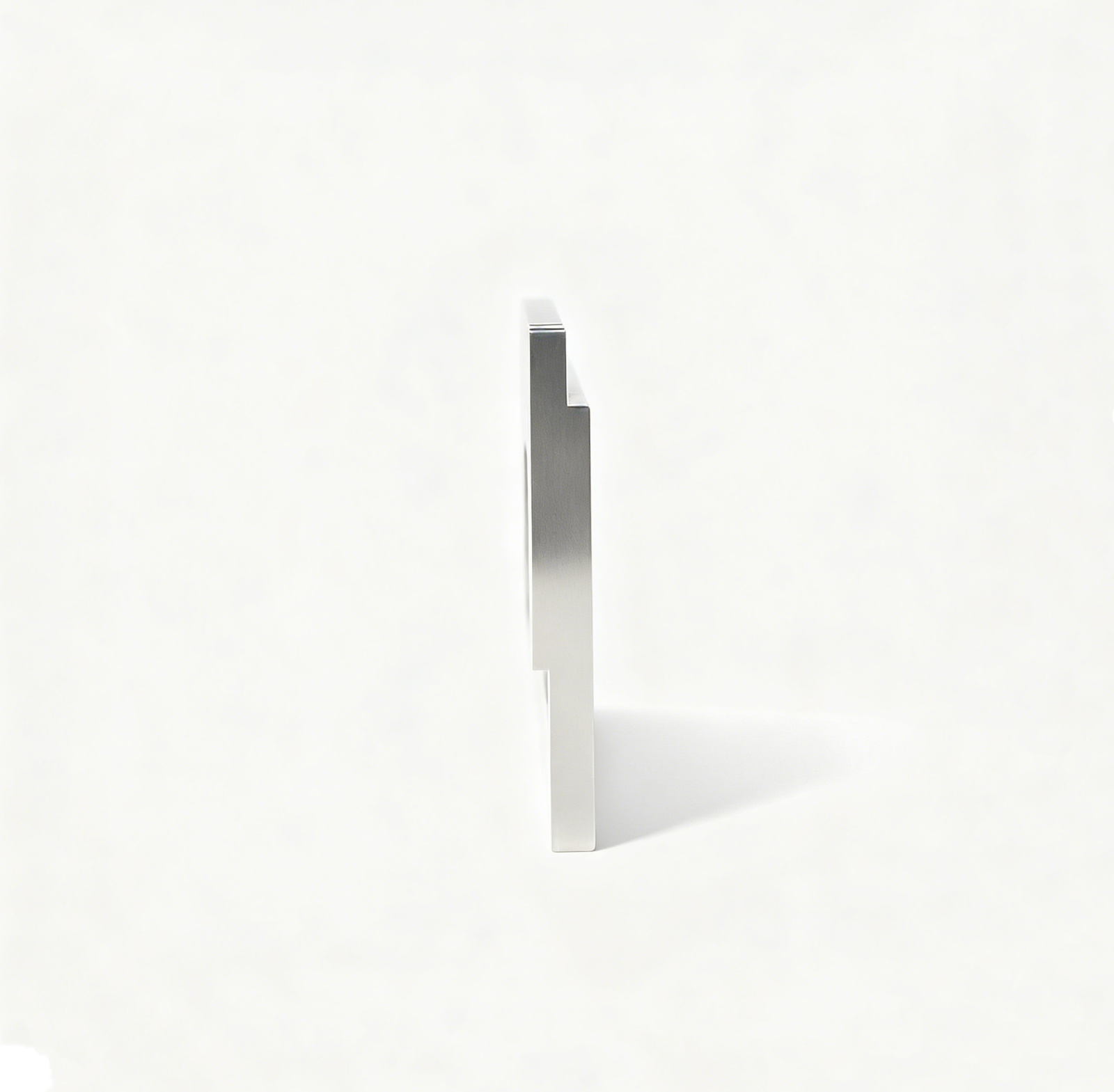


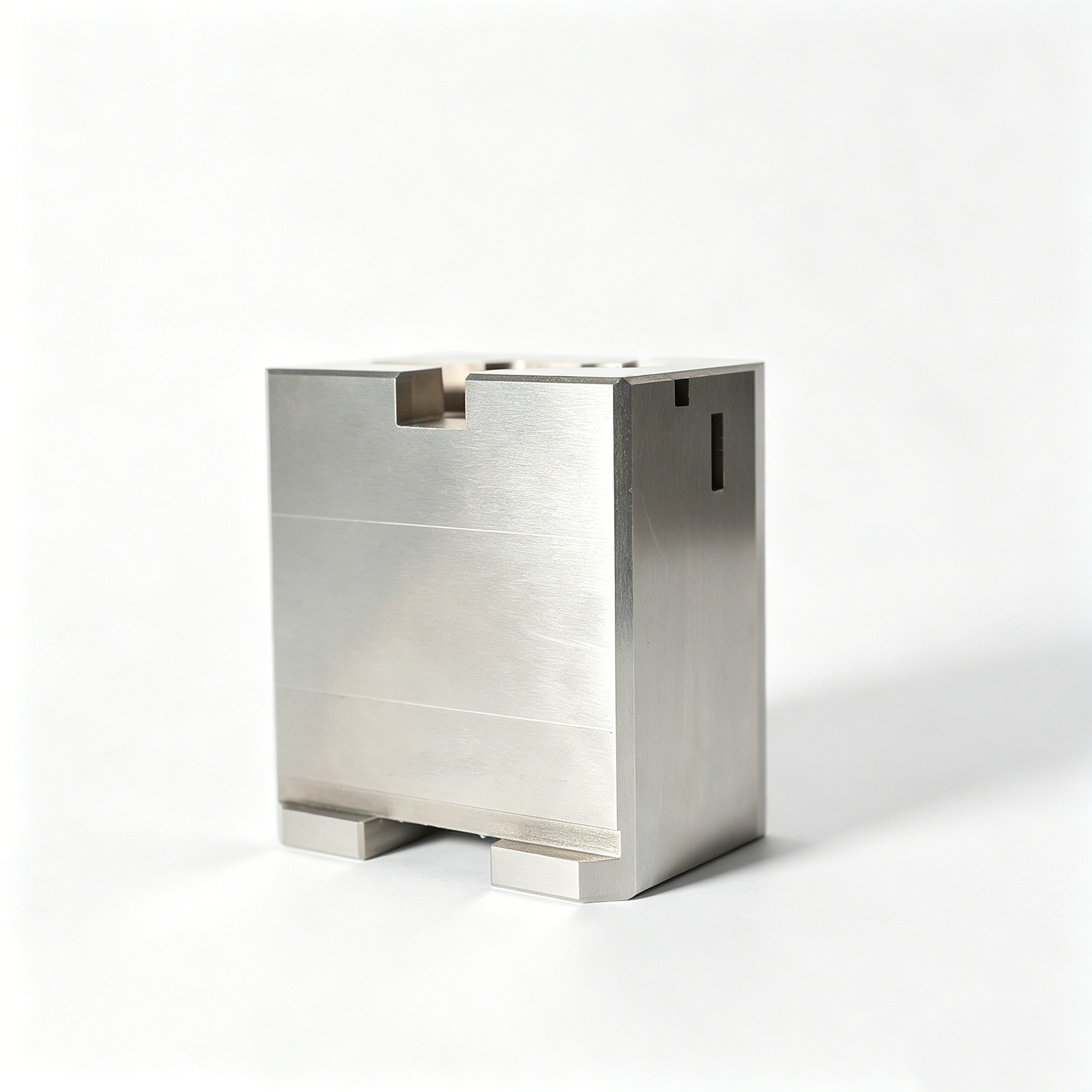

Related Components and Drawing-Based Quotations






Why Engineers Source CNC Machining Nylon Parts Through SUUXIANG
A controlled workflow for translating nylon part drawings into practical process decisions, documented inspection requirements, and visible revision coordination.
Drawing-Led DFM Review
Review critical dimensions, datum references, wall geometry, tool access, and surface priorities before quotation or production commitments are made.
Material Requirement Alignment
Confirm the specified nylon grade, application context, and material-related dimensional priorities so the process plan reflects the drawing intent.
Practical Process Planning
Plan milling, turning, multi-axis work, and appropriate secondary operations around feature access, workholding, machining sequence, and part stability.
EDM and Grinding Coordination
Evaluate whether EDM or precision grinding is relevant to associated tooling components, with allowance and sequence discussed before work begins.
Inspection Plan Visibility
Define critical-to-quality dimensions, inspection methods, reporting needs, and acceptance expectations against the approved drawing and order requirements.
Revision-Controlled Communication
Keep drawing revisions, technical clarifications, production status, and delivery information visible throughout drawing-based custom manufacturing coordination.
Configurable Precision Part Families
From drawing review through inspection, SUUXIANG plans appropriate CNC, EDM, grinding, fitting, and documentation workflows for custom components—not stock SKUs.

CNC Machining Services
Precision CNC machining services for drawing-based parts requiring defined materials, critical dimensions, surface requirements, and inspection expectations. Process planning is reviewed against tool access, datum strategy, machining sequence, quantity, and delivery requirements before production commitments are made.
Upload a Drawing
CNC Milling
Custom CNC milling services for prismatic and contoured components, including mold inserts, fixtures, and custom machined parts. Drawing review considers feature accessibility, workholding, machining allowance, corner conditions, datum references, and the dimensions that require planned verification.
Upload a Drawing
CNC Turning
Precision CNC turning services for rotational parts such as pins, sleeves, bushes, shafts, and locating features. Quotations should identify diameter tolerances, concentricity or runout requirements, thread details, material condition, surface finish, and any secondary milling, EDM, grinding, or inspection needs.
Upload a Drawing
5-Axis Machining
5-axis CNC machining supports complex surfaces, angled features, multi-sided access, and reduced re-clamping where the drawing justifies the route. Feasibility depends on geometry, tool reach, workholding, material condition, tolerance priorities, surface requirements, and inspection access.
Upload a Drawing
Swiss & Micro Machining
Swiss machining and micro machining address small, slender, or detail-intensive components where support, chip control, concentricity, and handling affect results. Submit drawings with critical dimensions, material, quantity, feature relationships, surface requirements, and any mating-component context for review.
Upload a Drawing
Wire & Sinker EDM
Wire EDM and sinker EDM services support hardened materials, narrow slots, internal profiles, sharp-corner requirements, and features with restricted conventional tool access. Route selection considers wire path or electrode strategy, flushing access, recast-layer considerations, finishing requirements, and downstream grinding or fitting.
Upload a Drawing
Precision Grinding
Precision surface and profile grinding is applied where flatness, parallelism, profile control, or fine finishing requires a controlled grinding route. Drawings should define datum relationships, grinding stock, heat-treatment sequence, surface requirements, and inspection methods for critical features.
Upload a Drawing
Mold Core & Cavity Inserts
Precision mold core and cavity inserts are manufactured as configurable tooling components from approved drawings and models. Review focuses on steel grade, heat treatment, cavity geometry, shutoff conditions, EDM access, cooling or venting features, grinding allowance, fitting interfaces, and critical inspection points.
Upload a Drawing
Ejector & Ejection Components
Ejector pins, sleeves, and ejection components are produced to drawing-defined diameters, lengths, fits, and working surfaces. Buyers should identify material and hardness requirements, guide relationships, lubrication or venting features, surface finish, wear concerns, and any matching mold-component dimensions.
Upload a Drawing
Core Pins, Guide & Locating Components
Core pins, guide pins, and locating components require clear control of datum relationships, diameters, fits, alignment, and mating conditions. SUUXIANG reviews material, heat treatment, grinding needs, retention features, tolerance stack, and inspection priorities before selecting the manufacturing route.
Upload a Drawing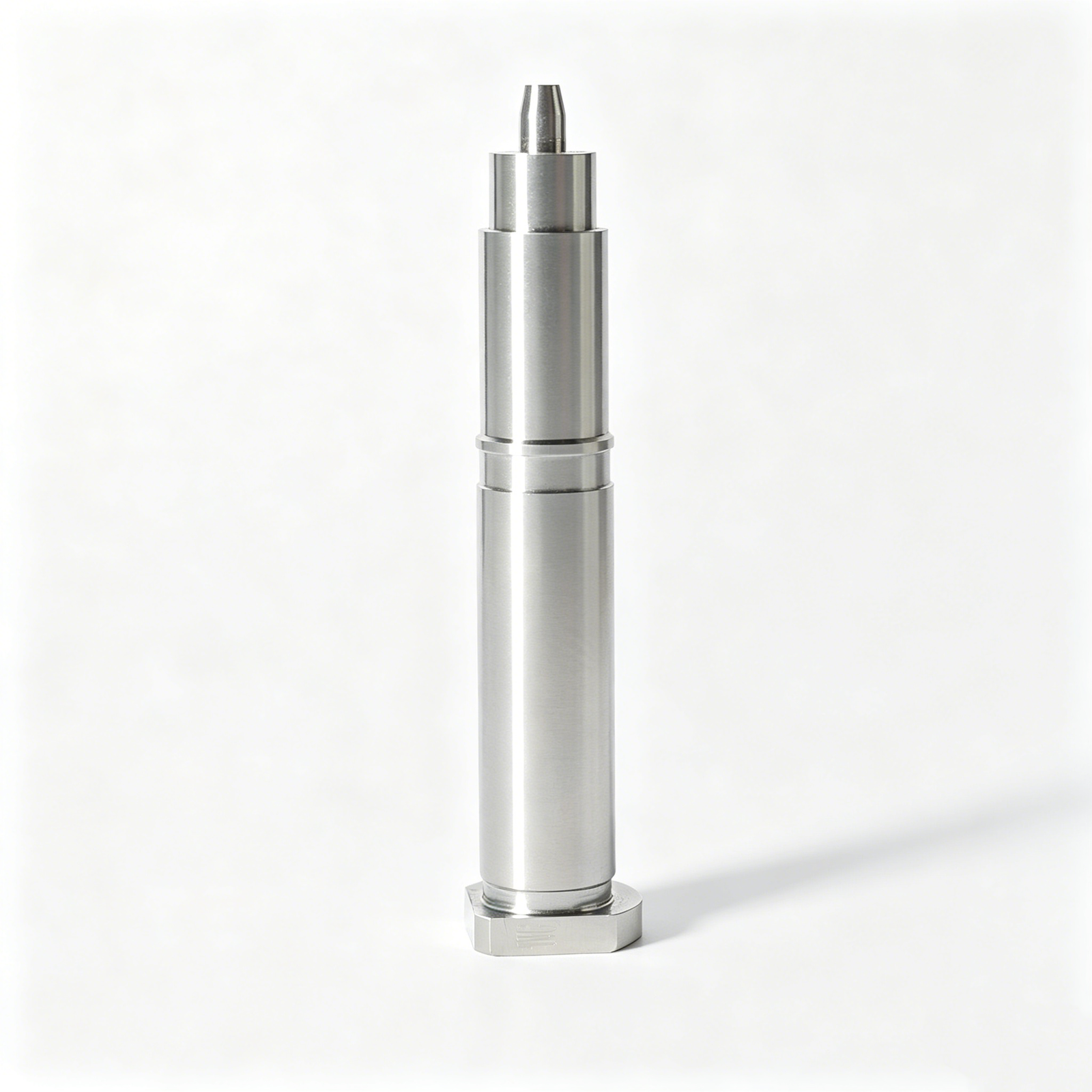
Slides, Lifters, Gates & Mold Accessories
Mold slides, lifters, gates, and accessories are custom tooling elements whose function depends on motion, shutoff, wear surfaces, interfaces, and assembly fit. Provide assembly context, drawing revisions, steel and treatment requirements, critical travel or angle details, and relevant mating dimensions.
Upload a Drawing
Connector Mold Components
Precision connector mold components support tooling features where pin geometry, pitch relationships, cavity detail, and repeatable alignment affect molded connector performance. Drawing review considers micro features, EDM and grinding strategy, material condition, mating interfaces, inspection references, and revision control.
Upload a Drawing
Stamping Die Components
Precision stamping die components are produced from drawings for applications involving forming, cutting, guiding, and alignment. Review should establish material and hardness requirements, clearance-sensitive features, working-edge geometry, grinding sequence, coating needs, mating relationships, and inspection criteria.
Upload a Drawing
Injection, MIM, CIM & Overmolding Tooling
Injection, MIM, CIM, and overmolding tooling work is evaluated within verified production scope. A useful package includes part and tooling drawings, material or feedstock context, shrinkage assumptions, cavity or insert requirements, interface conditions, critical dimensions, inspection needs, and intended production use.
Upload a Drawing
Machining Materials
CNC machining materials are selected against function, machinability, dimensional stability, wear, corrosion exposure, heat-treatment needs, and mating conditions. State the required grade or approved equivalent, material certification expectations, starting condition, and any restrictions affecting the process route.
Upload a Drawing
Surface Finishes & Heat Treatment
Surface finishing and heat treatment requirements must be specified by drawing, standard, or approved sample. SUUXIANG reviews finish callouts, roughness priorities, coating or treatment sequence, masking needs, dimensional change risk, hardness requirements, and inspection expectations before confirming the route.
Upload a Drawing
Quality, Metrology & Documentation
Precision inspection, metrology, and quality documentation are planned around drawing-defined critical dimensions, datums, tolerances, and reporting requirements. Confirm the required inspection method, sampling or reporting format, material or treatment evidence, traceability needs, revision status, and acceptance criteria with the RFQ.
Upload a Drawing
Prototyping & Low-Volume Production
Rapid prototyping and low-volume manufacturing support drawing-based evaluation, bridge quantities, and controlled repeat orders. Feasibility depends on geometry, material availability, process route, critical dimensions, finishing and treatment requirements, inspection scope, revision maturity, target quantity, and required delivery date.
Upload a DrawingCNC Machining Nylon Grades and Selection Considerations

Nylon 6
A versatile engineering nylon for general wear components, spacers, bushings, and low-friction guides. It machines cleanly with an appropriate strategy, but moisture conditioning and dimensional priorities should be reviewed for close-tolerance features.

Nylon 6/6
A stronger, more heat-resistant nylon option for loaded fixtures, insulating components, and mechanical parts. Its wear behavior suits many moving interfaces, while feature stability, stock condition, and moisture exposure require project-specific review.

Cast Nylon
A practical choice for larger wear pads, slide elements, rollers, and custom bearing-style parts. Cast nylon offers useful toughness and machinability; allow machining stock and evaluate section thickness, moisture behavior, and final dimensional requirements.

Glass-Filled Nylon
A stiffness-oriented material for structural brackets, housings, and components requiring reduced deformation under load. Glass reinforcement can affect tool wear, edge finish, and machining direction, so datum strategy and critical surfaces should be defined early.

Lubricated Nylon
Designed for sliding, guide, and wear applications where lower friction is important. Lubricated nylon can suit custom machine elements, but the selected grade, mating material, operating environment, and inspection criteria should be verified from the drawing.
CNC Machining Nylon: Process Routes and Inspection Planning

CNC Milling
CNC milling produces prismatic nylon features, pockets, slots, profiles, and mounting patterns. Tool access, workholding, wall geometry, and heat management are reviewed before machining to support clean edges and stable critical features.

CNC Turning
CNC turning is suited to nylon parts with concentric diameters, bores, shoulders, threads, and rotational profiles. The process plan considers chucking strategy, datum retention, chip control, and drawing-defined dimensional priorities across setups.

Drilling and Tapping
Drilling, reaming, and tapping establish drawing-defined holes and assembly interfaces. Hole location, depth, thread callouts, mating requirements, and accessible inspection methods should be confirmed during DFM review before production is scheduled.

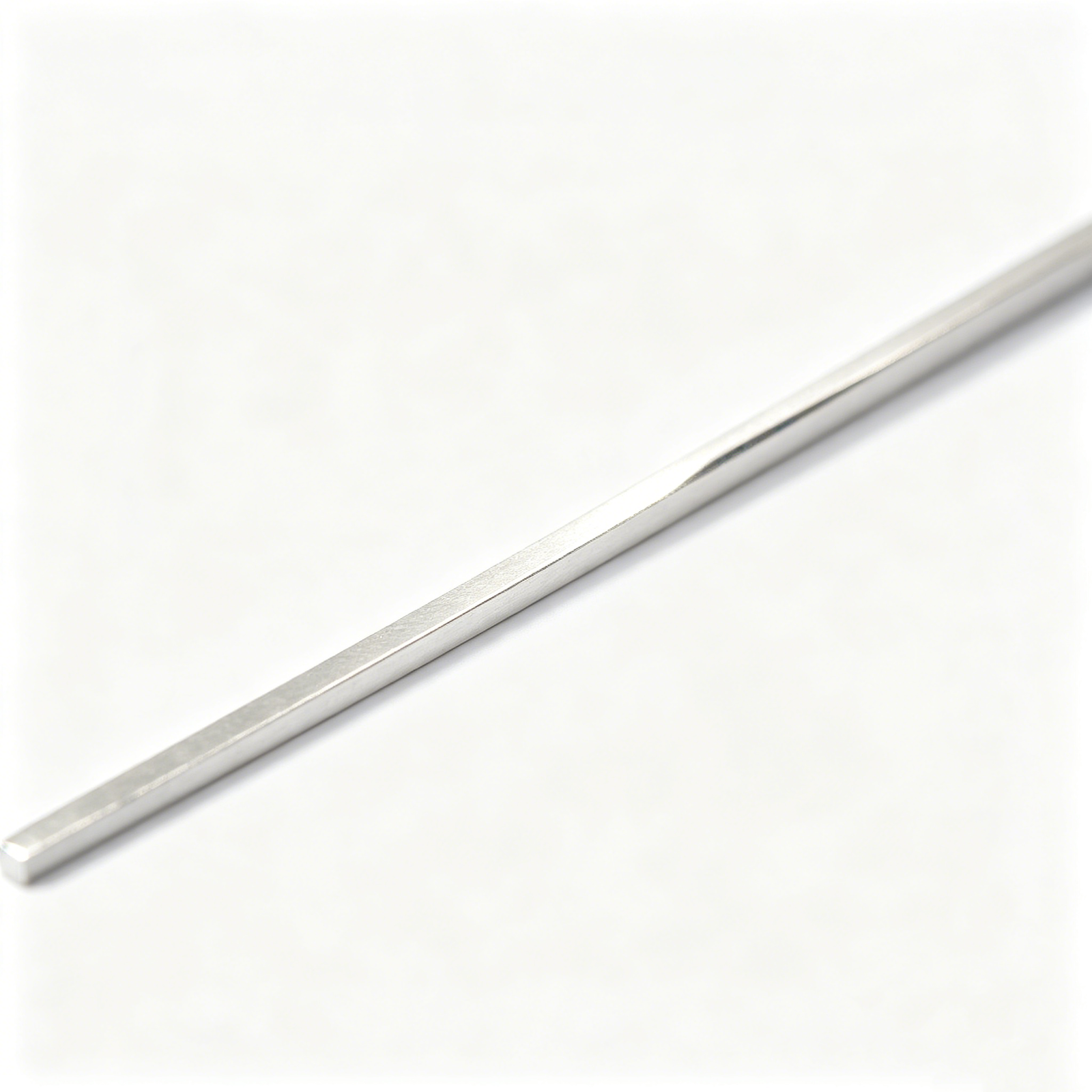
Precision Grinding
Where a nylon part’s application and geometry make it suitable, precision grinding can be evaluated for controlled surfaces after machining. Grinding stock, flatness priorities, heat sensitivity, and measurement conditions require project-specific review.

Inspection Planning
Inspection planning aligns critical dimensions, datums, surface callouts, and reporting needs with the production route. Submit the 2D drawing, available 3D model, material requirement, quantity, and quality expectations for a drawing-based review.
Related Tooling Components and Applied Features
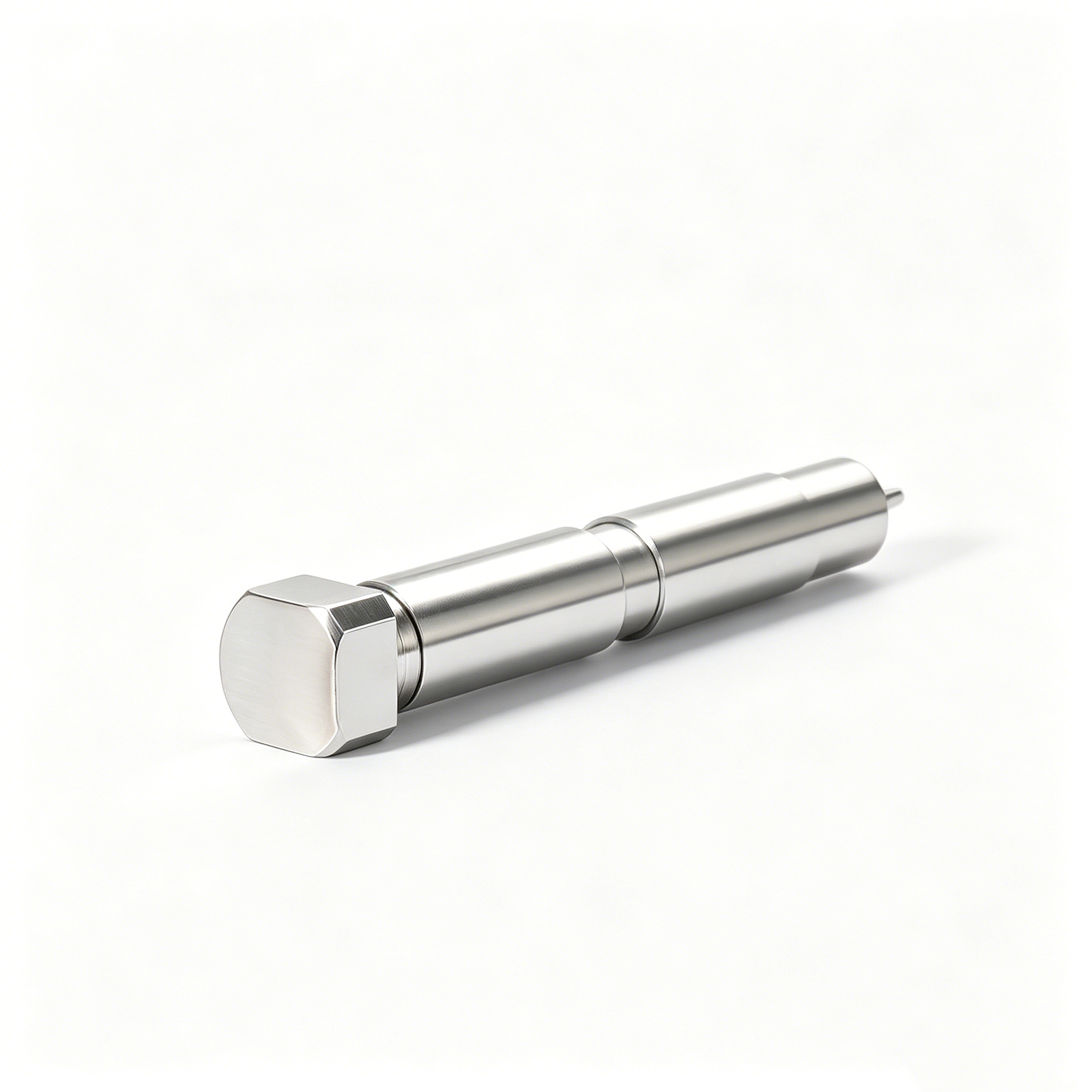
Threaded Inserts
Heat-set or press-fit insert requirements can be reviewed for thread engagement, boss geometry, assembly frequency, and the selected nylon grade before the machining route is confirmed.

Locating Features
Dowel holes, datum pads, pockets, and locating shoulders help establish repeatable assembly position. Their fit, datum relationship, and tolerance stack should be defined on the drawing.

Guide Elements
Guide pins, bushings, wear strips, and sliding interfaces can be supplied as related tooling components when the drawing identifies mating materials, clearance requirements, lubrication conditions, and service loads.

Identification Marks
Part numbers, revision marks, orientation symbols, and traceability labels can be applied where the drawing or order documentation defines the marking method, location, legibility, and durability requirement.
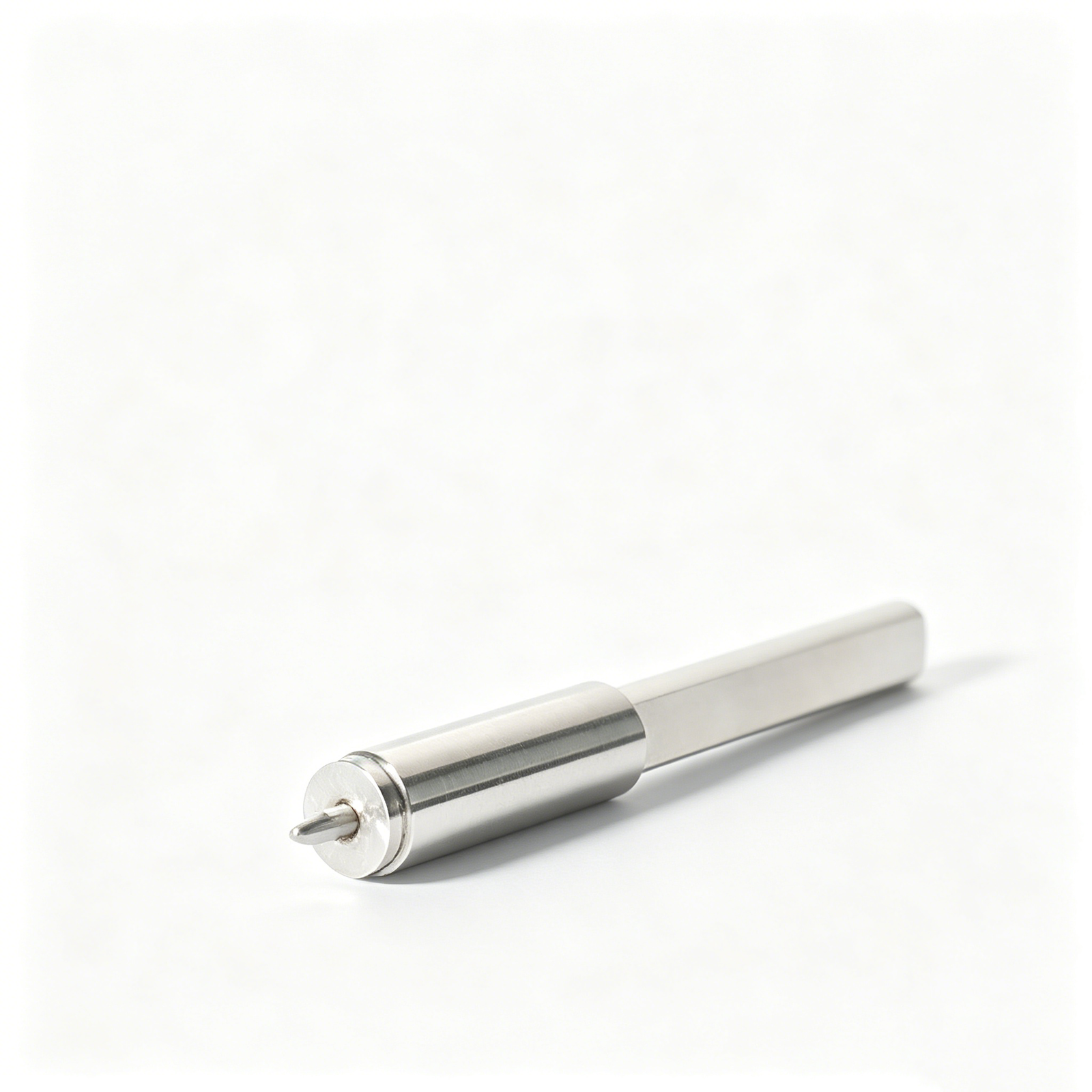
Mating Metal Components
Machined metal spacers, retainers, pins, or mounting elements may be coordinated with CNC machining nylon parts when material compatibility, assembly sequence, interfaces, and critical dimensions are reviewed together.
About SUUXIANG Precision Manufacturing
SUUXIANG is the international-facing brand of Dongguan SuuXiang Precision Mold Co., Ltd., established in 2010 in Chang’an Town, Dongguan, Guangdong, China. XiaoCheng Huang is the founder and legal representative. We help global engineering, sourcing, and quality teams turn drawings and specifications into inspected custom parts, precision mold components, connector tooling, and die components.
Our drawing-driven workflow combines CNC milling and turning, multi-axis machining, EDM, precision grinding, fitting, and inspection. For cnc machining nylon and related precision work, we begin with DFM, critical dimensions, datum strategy, material requirements, and the inspection expectations that should shape a responsible quotation.
What distinguishes SUUXIANG is disciplined project communication before production commitments. We review machining access, tolerance stack, surface requirements, process sequence, revision status, and documentation needs so the manufacturing route and final inspection plan reflect the actual order—not generic assumptions.

CNC Machining Nylon: From DFM to Inspection
Critical Dimensions Reviewed First
For cnc machining nylon, SUUXIANG reviews drawing callouts, functional datums, tolerance relationships, and surface priorities before quotation. The discussion identifies dimensions that govern fit, mating behavior, and inspection planning, so manufacturing assumptions are visible before production commitments are made.
- Confirm critical-to-quality dimensions and functional datums
- Review tolerance stack and mating-component context
- Clarify material, quantity, and surface requirements
- Record drawing revisions before process release

Process Route Matches Geometry
A nylon component may require more than a basic milling setup. SUUXIANG plans the applicable route across CNC milling or turning, multi-axis access, EDM, grinding, fitting, and inspection according to the drawing, geometry, material condition, and verified project requirements.
- Select milling, turning, or multi-axis access by feature geometry
- Assess whether EDM or grinding is relevant to the requirement
- Plan machining sequence around datum retention and handling
- Identify process questions before releasing the order
Tool Access Is Planned
Machining-access review helps expose avoidable risk in deep pockets, thin sections, internal corners, threaded features, and hard-to-reach surfaces. For cnc machining nylon parts, SUUXIANG uses the drawing review to discuss workable tool paths, feature accessibility, and design changes that may improve manufacturability.
- Review cutter reach and internal-corner conditions
- Flag thin-wall and workholding considerations
- Discuss practical access for drilled and threaded features
- Align feature priorities with the intended process route
Inspection Evidence Fits the Order
Inspection requirements should be defined alongside the part, not added after machining. SUUXIANG aligns the inspection method, critical dimensions, reporting expectations, and revision identification with the agreed order requirements, keeping documentation traceable to the drawing and project plan.
- Define critical dimensions for verification
- Align reporting needs before production
- Maintain revision visibility through the project
- Match final documentation to the inspection plan

CNC Machining Nylon With an Engineering-Led Workflow
Compare a drawing-review process with typical quote-only sourcing workflows.
← Swipe left or right to view →
CNC Machining Nylon: From RFQ to Delivery
A drawing-led workflow aligns material, critical dimensions, process routing, inspection evidence, and delivery coordination before production commitments are made.
RFQ and Drawing Review
Submit the 2D drawing, 3D model when available, quantity, application, quality requirements, and target date for an initial manufacturability discussion.
Confirm Material and Requirements
Review nylon grade, conditioning needs, critical dimensions, datums, surface requirements, mating context, inspection method, and any heat-treatment or documentation requirements.
Plan Process Route
SUUXIANG evaluates tool access, fixturing, machining allowance, and whether CNC machining, EDM, grinding, or fitting supports the approved part requirements.
Machine and Control Revisions
Production follows the confirmed drawing revision and process plan, with project communication focused on material traceability, critical features, and documented changes.
Inspect Pack and Coordinate
Finished parts are checked against the agreed inspection plan, packed to protect relevant features, and prepared with order-matched documentation and delivery coordination.
How to Work With SUUXIANG
A drawing-driven route for cnc machining nylon parts, from RFQ review through documented delivery.
Submit Complete Project Files
Send the 2D drawing, available 3D model, nylon grade, quantity, critical dimensions, surface requirements, inspection needs, application context, and target delivery date for review.
Review DFM and Quote
SUUXIANG reviews cnc machining nylon feasibility, datum strategy, tool access, tolerance priorities, and inspection expectations, then aligns the proposed process route and quotation with project requirements.
Approve Production Details
Confirm the quoted scope, revision level, material and heat-treatment requirements where applicable, sampling or production details, quality documentation, and delivery priorities before manufacturing begins.
Coordinate Documented Delivery
Receive coordinated delivery updates and documentation matched to the agreed inspection plan, with revision information kept visible throughout final inspection, packing, and shipment preparation.
CNC Machining Nylon: Verification Policy for Customer Evidence
CNC Machining Nylon Customer Feedback and Case Evidence
Approved, attributable customer feedback and project outcomes for CNC machining nylon will be published only after customer authorization and internal verification of the supporting production and inspection records.
CNC Machining Nylon FAQ for RFQ Preparation
Prepare the drawing, material, quality, and delivery details needed for a practical project review.
What is the MOQ for cnc machining nylon parts?
What files should I send for cnc machining nylon quotation?
Which nylon grade is suitable for cnc machining nylon parts?
Can I order a nylon sample before low-volume production?
How should I plan lead time for custom nylon machined parts?
Can cnc machining nylon parts include inspection reports?
How are shipping, payment, and IP handled for an RFQ?
The Complete Buyer’s Guide to cnc machining nylon
Use a practical decision framework to select nylon grades, define drawing requirements, compare supplier capabilities, control dimensional risk, and avoid sourcing mistakes in prototype through low-volume CNC programs.
1. What Is cnc machining nylon?
Nylon, also called polyamide, can be supplied as bar, plate, tube, or near-net stock and then cut by CNC milling, turning, drilling, and finishing operations to a controlled drawing. CNC machining nylon removes material rather than forming it in a dedicated mold, so dimensions, datums, holes, and mating features can be revised without remaking production tooling.
1 drawing can support a functional prototype, wear pad, fixture, gear, bushing, or low-volume custom component when its geometry is accessible to cutting tools. Buyers choose machined nylon when they need the actual engineering material, traceable drawing review, and design changes or small quantities that do not justify injection-mold tooling.
2 alternative routes answer different needs: injection molding becomes stronger economically when a validated design and sustained volume can absorb mold cost, while 3D printing suits fast concept evaluation and shapes that machining cannot reach. The core question is whether nylon’s wear, friction, moisture, temperature, load, and dimensional-stability behavior matches the application before selecting the process.
2. Evolution of Nylon Machining
1935 marked nylon’s introduction by DuPont as a synthetic polyamide, establishing a tougher, lower-friction alternative to many traditional fabricated materials. Early component work commonly relied on sawing, drilling, and manual finishing; its consistency depended heavily on operator practice. Source: https://www.sciencehistory.org/education/classroom-activities/role-playing-games/case-of-nylon
2-axis CNC turning and 3-axis milling made drawing-controlled nylon parts more repeatable by locating features from defined datums and using programmed tool paths. That shift matters when prototypes become bridge-production parts: the same controlled geometry can be reviewed, revised, and inspected across batches rather than recreated by hand.
Nylon 6, Nylon 66, cast nylon, and filled or wear-modified grades expanded material selection beyond a single general-purpose resin. For mold, connector, and industrial wear components, buyers should now specify the grade, conditioning expectation, critical dimensions, mating environment, and inspection requirements before choosing a CNC route. Material choice and moisture-related dimensional behavior remain design inputs, not post-quotation details. Source: https://www.ptsmake.com/ultimate-guide-to-nylon-cnc-machining-for-industrial-precision
3. Types of cnc machining nylon
CNC machining nylon should be selected by geometry before machine type. Drawings must identify functional datums, thin sections, tolerances, and any features requiring a second setup.
| Approach | Best Geometry | Drawing Focus |
|---|---|---|
| Milling | Prismatic parts | Datums and radii |
| Turning | Rotational parts | Concentricity and runout |
| Multi-axis | Angled complex features | Access and clamping |
| Combination route | Mixed features | Setup sequence |
CNC Milling
3-axis milling suits prismatic plates, pockets, profiles, and flats. Specify stock form, datum faces, corner radii, and tool-access limits.
CNC Turning
Turning suits bushes, spacers, rollers, and concentric bores. Define diameters, runout datum, wall thickness, and whether milling flats or cross-holes follow.
Drilling And Tapping
Drilling creates holes; tapping adds threads where nylon engagement is adequate. Call out thread standard, depth, countersink, and insert requirement when repeated assembly loads matter.
Multi-Axis Work
4- and 5-axis work reaches angled holes, compound contours, and features on multiple faces. Provide the 3D model and identify clamp-prohibited or cosmetic surfaces.
Secondary Operations
Secondary work can include deburring, reaming, inserts, marking, or controlled assembly. State edge-break limits, finish-sensitive faces, mating conditions, and inspection priorities.
4. Materials for cnc machining nylon
Nylon grade selection for cnc machining nylon starts with load, temperature, sliding contact, electrical function, and humidity exposure. Resin family and conditioning state can change dimensions after machining.
| Grade | Strength/Stiffness | Wear/Friction | Moisture/Machining |
|---|---|---|---|
| Nylon 6 | Balanced | Good wear | Absorbs; machines well |
| Nylon 6/6 | Higher strength | Good wear | Absorbs; machines well |
| Cast nylon | Good, thick sections | Excellent wear | Absorbs; economical large parts |
| Oil-filled nylon | Moderate | Low friction | Grade-dependent; machines well |
| Glass-filled nylon | High stiffness | Wear-resistant | Moisture-sensitive; abrasive machining |
| Moisture-stabilized nylon | Stable conditioned properties | Grade-dependent | Reduced variation; specify condition |
Base Resin Tradeoffs
Nylon 6 balances toughness, impact resistance, and cost for general wear parts. Nylon 6/6 raises strength and thermal resistance, but both absorb moisture.
Cast nylon suits thick sections and wear pads; internally lubricated grades reduce friction. State electrical-insulation needs before selecting fillers.
Filled And Stabilized Grades
Glass-filled nylon increases stiffness and dimensional stability but can reduce impact resistance and surface quality. It fits loaded structures where tool wear is acceptable.
Moisture-stabilized grades improve dimensional consistency after conditioning. Confirm the required service humidity and temperature rather than assuming dry-as-machined performance.
Drawing And RFQ Callouts
A complete callout names the resin grade, filler or lubricant, color, stock form, and conditioning state. Identify the revision-controlled material specification where available.
A functional RFQ states load, mating material, sliding speed, temperature range, humidity, electrical requirement, and critical dimensions. Request agreement on inspection condition for moisture-sensitive features.
5. Finishes and Custom Part Options
For cnc machining nylon, specify finish requirements against function, mating parts, and inspection needs. A drawing should distinguish cosmetic appearance from critical interfaces and acceptance criteria.
| Option | Define On Drawing | Functional Check |
|---|---|---|
| Threaded insert | Type, thread, location | Assembly torque or retention |
| Press fit | Mating part, interference | Alignment and retention |
| Engraving | Text, depth, position | Legibility after handling |
| Deburring | Edge break and exclusions | Burr and safety review |
Threads And Inserts
Threaded metal inserts are preferable where repeated assembly would wear a nylon thread. State insert type, installation method, thread class, pull-out requirement, and datum-based location.
Press fits need mating-material, interference, temperature, and moisture-condition information. Prototype the joint when retention, alignment, or cracking risk is critical.
Marking And Appearance
Engraved part numbers, revision codes, and orientation marks support traceability when depth, character height, and location are defined. Keep marks away from sealing faces, thin walls, and highly stressed features.
Color should be specified by resin grade or approved sample, not only a screen reference. Paint, plating, and highly cosmetic coating requests may have poor adhesion or unsuitable durability on nylon.
Edges, Assembly, And Records
Deburring requirements should identify allowable edge break, prohibited burr directions, and hand-contact areas. Machined nylon commonly retains tool marks; define acceptable texture or a comparator sample rather than requesting an undefined polished finish.
Inspection documentation should match the drawing’s critical dimensions, revision, lot identification, and agreed reporting plan.
6. Quality Controls for Nylon Parts
Nylon parts must be inspected in a defined moisture and temperature state; otherwise, a conforming reading can shift after shipment. For cnc machining nylon, quality begins with the datum plan and ends with traceable measurement conditions.
Condition Stock Before Machining
Nylon 6 and Nylon 66 stock should be identified by grade, lot, orientation, and conditioning state before machining. Record the agreed pre-machining and inspection condition when fit or position is critical.
- Mark extrusion or casting direction.
- Avoid mixing conditioned and dry stock.
- Retain material and revision traceability.
Control Cutting And Clamping
Sharp polished tools, positive cutting action, and controlled heat reduce smearing and local melt. Use minimum stable clamping force, support thin walls, and machine in stages to limit released-stress movement.
0.2 mm burrs can alter a snap, bore, or mating face; specify permissible edge break and inspect it after deburring.
Inspect Functional Features
Critical dimensions should reference functional datums, not freely distorted edges. Report bore size, center distance, flatness, and mating-feature position with the instrument, datum setup, inspection temperature, and part condition stated.
100% inspection is appropriate only where the drawing, risk review, or sampling plan requires it; compare results against the approved revision and acceptance criteria.
7. Choosing a Nylon Machining Supplier
Two pre-award reviews should test both engineering judgment and project control. A drawing-ready supplier should identify risks before accepting tolerance, material, or delivery commitments.
Engineering And Material Review
1) Ask for a drawing review covering datums, thin sections, tool access, fixture restraint, and tolerance feasibility.
Nylon grade must be named by specification; ask how stock identity, lot traceability, storage, and moisture condition are controlled.
- Confirm prototype and low-volume routing.
- Request planned machining and inspection methods.
- Ask which features need agreed acceptance criteria.
Inspection And Sample Approval
100% inspection is not automatically appropriate; require a feature-based plan tied to critical dimensions and functional datums.
First-article approval should define sample quantity, report format, deviation disposition, and the revision being approved.
- Identify gauges and fixture orientation.
- Agree measurement condition for nylon.
- Retain approved sample records.
Communication And Delivery Control
One controlled revision should govern the purchase order, model, drawing, inspection report, and packing list.
Two delivery risks deserve written answers: material availability and rework time after a nonconformance. Confirm packaging prevents distortion, contamination, and mixed revisions in transit.
- Name the technical change contact.
- Set response timing for discrepancies.
- Require shipment identification and document matching.
8. Common cnc machining nylon Mistakes
First-article failures in cnc machining nylon often begin before machining: the RFQ omits material condition, datums, or acceptance criteria. Resolve these items on the drawing before releasing material.
Specify Grade And Condition
Nylon 6, Nylon 66, and filled grades are not interchangeable by name alone. State grade, supplier-approved equivalent, color, moisture condition, and any conditioning requirement.
Humidity changes nylon behavior and measured dimensions. Define the inspection condition and when parts are measured after machining.
Use Plastic-Appropriate Tolerances
Metal-style tolerances can drive unnecessary scrap or conceal functional risk in nylon. Mark critical dimensions, functional limits, and datum references instead of applying one blanket tolerance.
Three datums should locate the part consistently when practical. Identify mating surfaces and gauge setup in the RFQ.
Design Features For Machining
Thin unsupported walls can deflect during cutting or in service. Provide minimum-wall intent, support constraints, and acceptable local reinforcement options.
Threaded holes and inserts need defined size, material, installation method, and pull-out or torque requirement. Show tool access and the thread engagement length.
Align Cost And Appearance
Prototype quantities do not automatically justify molded-part economics. Request a CNC route for revisions or low volumes, then separately evaluate molding at stable demand.
Cosmetic approval needs an explicit standard. Define visible faces, allowable tool marks, edge-break expectations, color variation, and sample or photo approval criteria.
9. Launching a cnc machining nylon Program
A controlled cnc machining nylon launch starts with the application, not a purchase order. Align the material condition, drawing revision, functional risks, and acceptance evidence before committing a prototype or production quantity.
Define The Engineering Package
Engineering should release the 2D drawing, 3D model, revision level, nylon grade, application temperature, mating conditions, and CTQ dimensions. Identify datums, geometric tolerances, surface requirements, moisture-conditioning expectations, and features vulnerable to distortion.
One RFQ should also state prototype quantity, expected repeat volumes, target date, and approved deviation process.
Review Before Quotation
SUUXIANG can review tool access, workholding, machining sequence, and inspection approach against the supplied package. Procurement should compare quotations on scope, revision control, included documentation, lead-time assumptions, and exceptions—not unit price alone.
Quality should define the measurement method and record required for each CTQ before order release.
Approve And Stabilize Production
First articles should be checked against the agreed drawing revision and inspection plan before production release. Engineering owns fit and function approval; quality owns acceptance disposition; procurement confirms the released quantity and delivery schedule.
Repeat orders should reference the approved revision, inspection requirements, previous nonconformities, and forecast changes. Feedback from assembly or field use should trigger a controlled drawing, material, or process review.
10. cnc machining nylon Pricing and Cost
1-piece prototype quotes are dominated by programming, workholding, material preparation, and first-article inspection rather than nylon resin cost. Grade, certified stock form, oversized blanks, tool access, and cycle time should be reviewed before comparing quotations.
100-piece orders can reduce setup cost per part, but tight tolerances, secondary drilling or threading, deburring, moisture-control handling, and expanded reports still raise cost. When annual volume is high and geometry is stable, evaluate molding economics against CNC machining nylon after confirming tooling cost, validation needs, and change risk.
| Quantity tier | Principal cost drivers | Lead-time drivers | Buyer action to reduce cost |
|---|---|---|---|
| 1–10 | Setup, stock size, complex toolpaths, inspection | Material availability; programming; first article | Provide 2D/3D files, datums, and realistic tolerances |
| 11–100 | Machining time, scrap risk, secondary operations | Fixture approach; batch inspection | Standardize features; combine compatible revisions |
| 101–1,000 | Cycle time, repeat setups, reporting level | Capacity scheduling; repeatability checks | Lock material grade and inspection plan before release |
| 1,000+ annual | CNC cycle cost versus tooling amortization | Mold design, qualification, production planning | Request a molding feasibility and total-cost comparison |
Start Your CNC Machining Nylon RFQ Today
Upload your drawing with material, quantity, critical dimensions, inspection needs, and target delivery date for a project-specific review.