
CNC Machining POM for Inspected Precision Parts
Send your drawing for CNC machining of POM parts, with DFM review, critical-dimension planning, and inspection requirements aligned before production.
Representative Custom Component Work




Related Drawing-Based Components and RFQ Support




Why Choose SUUXIANG for CNC Machining POM
A controlled workflow for translating POM part drawings into practical process routes, inspection requirements, and traceable production communication.
Drawing Review First
We review dimensions, datums, material requirements, and functional interfaces before quotation progresses toward a production-ready POM machining plan.
DFM-Led Process Planning
Machining access, wall geometry, tolerance priorities, and fixture strategy are assessed early to identify practical decisions before manufacturing commitments are made.
Coordinated Secondary Processes
Where a drawing requires complementary operations, SUUXIANG evaluates EDM, grinding, fitting, and finishing considerations within the applicable production route.
Inspection Plan Alignment
Critical dimensions, measurement methods, reporting expectations, and acceptance priorities are clarified against the drawing and order-specific quality requirements.
Visible Revision Control
Drawing revisions and specification changes remain visible during project coordination, helping teams avoid manufacturing against superseded information or assumptions.
Traceable Project Communication
Material, quantity, delivery targets, and inspection needs are organized around the inquiry so engineering and sourcing teams can make informed decisions.
Related Machining Capabilities and Component Families
Drawing-driven process routes for POM components where critical dimensions, stability, mating conditions, and inspection requirements define the work.

CNC Machining Services
Precision CNC machining services for custom POM parts are planned from the drawing, material grade, critical dimensions, and functional interfaces. Process selection considers workholding, tool access, burr control, dimensional stability, quantity, and the inspection evidence required with the order.
Upload a Drawing
CNC Milling
Custom CNC milling services support POM parts with flats, pockets, holes, slots, and complex machined features. Toolpaths and fixturing are reviewed for wall rigidity, clamping effects, feature access, edge condition, and datum-based inspection before production is committed.
Upload a Drawing
CNC Turning
Precision CNC turning services are suited to rotational POM components such as bushings, spacers, sleeves, and threaded or stepped profiles. Drawing review addresses concentric features, thin-wall behavior, runout references, surface requirements, and how dimensions will be measured.
Upload a Drawing
5-Axis Machining
5-axis CNC machining supports POM components requiring features on multiple faces or angled geometry that benefits from fewer setups. The route is evaluated around clamping access, tool orientation, feature stability, datum transfer, and the practical inspection method for critical surfaces.
Upload a Drawing
Swiss & Micro Machining
Swiss machining and micro machining address small POM parts with fine diameters, slender profiles, cross holes, and closely related features. Feasibility depends on stock condition, feature size, part rigidity, burr-control expectations, tolerances, and inspection access.
Upload a Drawing
Wire & Sinker EDM
Wire EDM and sinker EDM services apply to suitable conductive tooling or metal components, not POM itself. When such components are part of an assembly, electrode strategy, wire path, material condition, allowance, finish expectations, and inspection points are reviewed from the drawing.
Upload a Drawing
Precision Grinding
Precision grinding applies to suitable metal components and mating features, not POM itself. Where a POM part interfaces with ground components, define grinding stock, heat-treatment sequence, datum strategy, and final measurement requirements before release.
Upload a Drawing
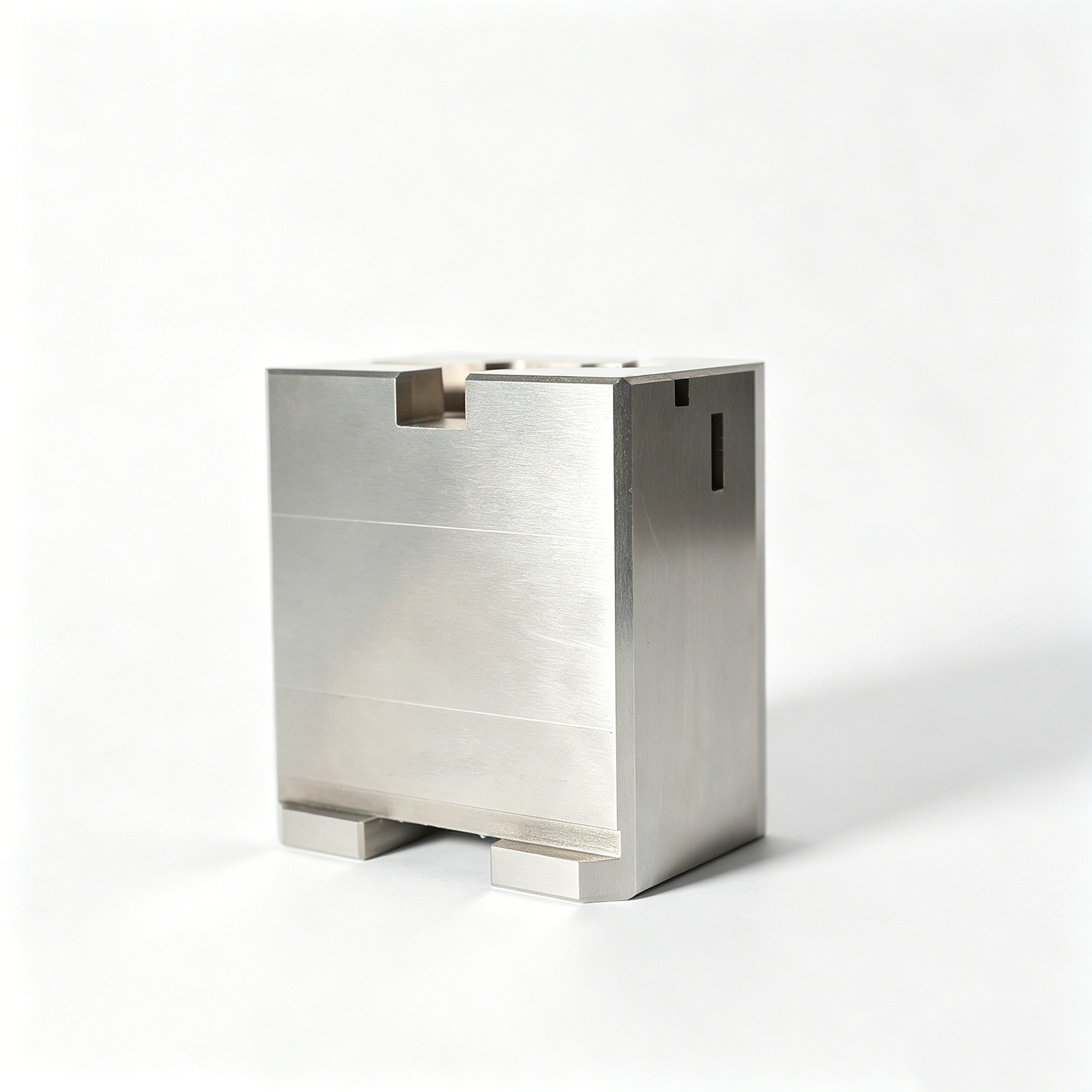
Mold Core & Cavity Inserts
Precision mold core and cavity inserts are manufactured from the approved geometry, material, heat-treatment, and surface requirements. The process plan coordinates machining, EDM where needed, grinding allowance, fitting interfaces, critical details, and inspection against the controlled revision.
Upload a Drawing
Ejector & Ejection Components
Ejector pins, sleeves, and ejection components are evaluated for diameter, straightness, sliding fit, working length, head geometry, and mating-hole requirements. Material and heat-treatment instructions, lubrication context, surface condition, and inspection criteria should accompany the RFQ.
Upload a Drawing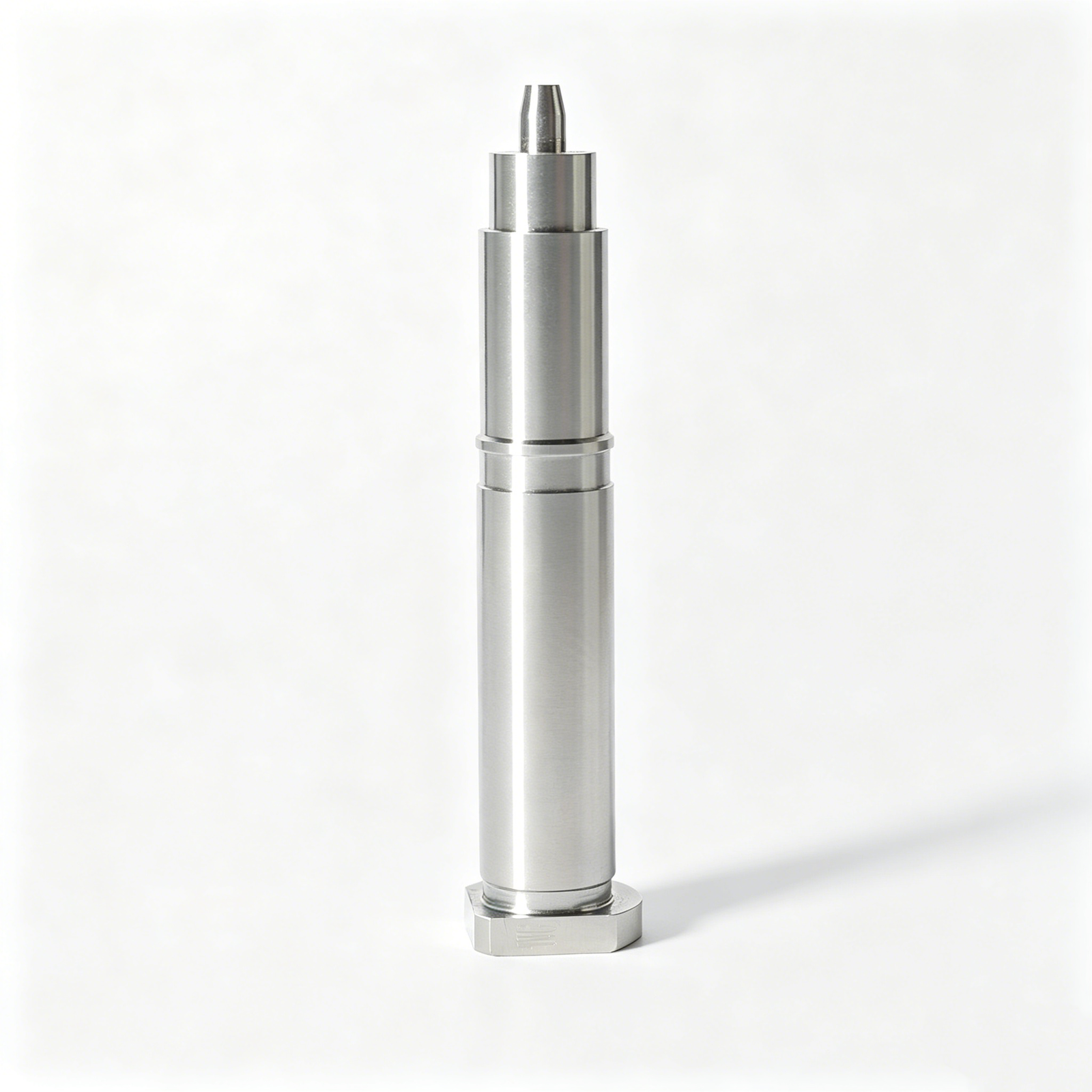
Core Pins, Guide & Locating Components
Core pins, guide pins, and locating components require controlled relationships between functional diameters, shoulders, engagement lengths, and datum references. SUUXIANG reviews fit class, wear considerations, machining and grinding sequence, mating-component context, and required inspection documentation.
Upload a Drawing
Slides, Lifters, Gates & Mold Accessories
Mold slides, lifters, gates, and accessories are produced as configurable components rather than assumed standard items. Drawings should clarify travel or shutoff relationships, sliding interfaces, material and treatment needs, machining access, critical profiles, and assembly or fitting expectations.
Upload a Drawing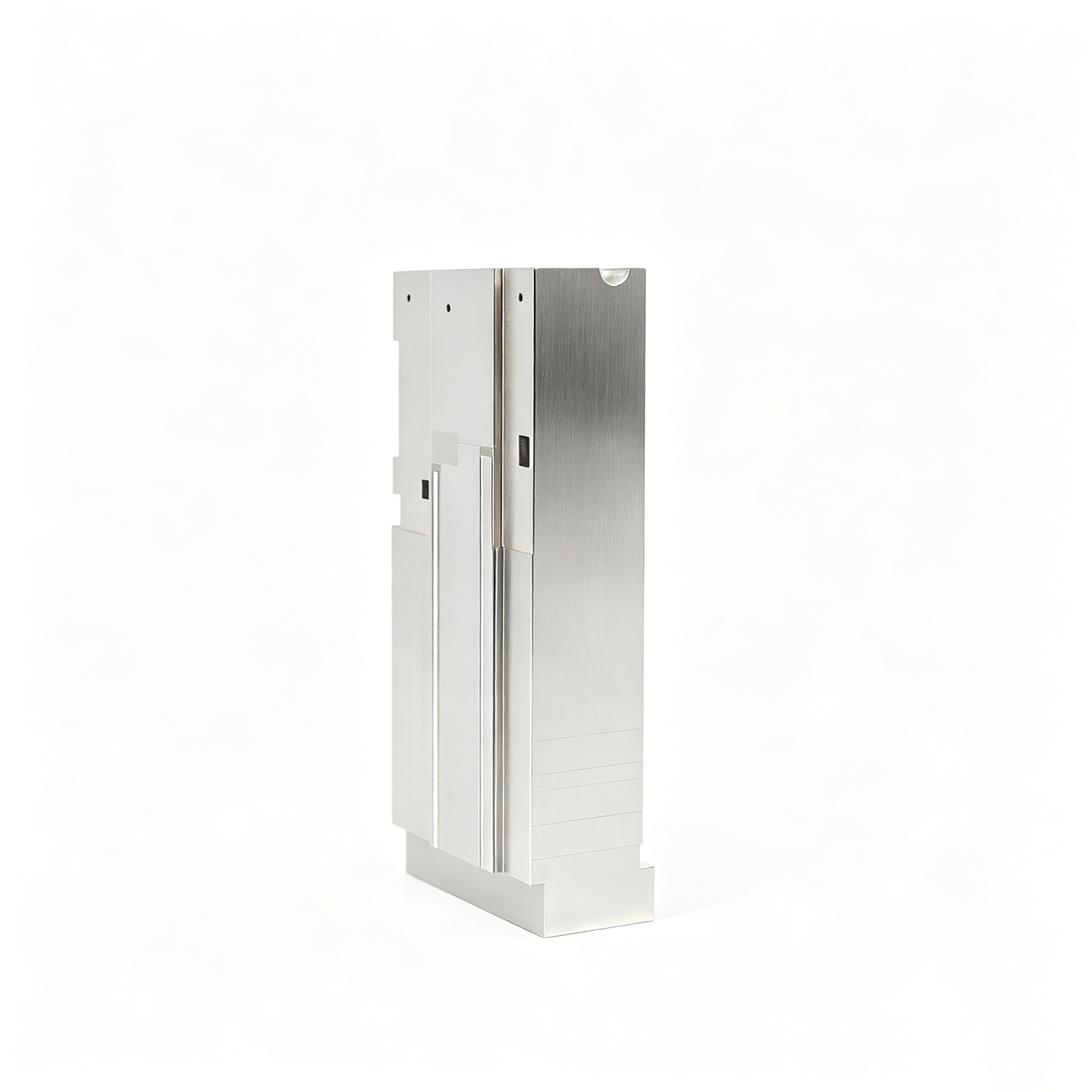
Connector Mold Components
Precision connector mold components support tooling features where pitch, alignment, fine details, insert interfaces, and repeated mating relationships matter. Manufacturing planning considers material condition, micro-feature access, EDM or grinding needs, critical dimensions, and inspection method.
Upload a Drawing
Stamping Die Components
Precision stamping die components are planned around drawing-defined profiles, working edges, material, heat treatment, clearance relationships, and surface condition. CNC machining, EDM, grinding, and fitting may be combined according to geometry, wear requirements, and the validated inspection plan.
Upload a Drawing
Injection, MIM, CIM & Overmolding Tooling
Injection, MIM, CIM, and overmolding tooling components are assessed within verified production scope. Drawing review focuses on cavity and core geometry, material and treatment requirements, shutoffs, inserts, gates, ejection interfaces, machining access, and component-level inspection needs.
Upload a Drawing
Machining Materials
CNC machining materials are selected against the drawing and application context, including mechanical requirements, heat-treatment condition, corrosion exposure, dimensional behavior, and finish compatibility. Material grade, approved substitute rules, traceability expectations, and customer specifications should be stated in the RFQ.
Upload a Drawing
Surface Finishes & Heat Treatment
Surface finishing and heat treatment are planned as part of the component route, not added after dimensional decisions. Requirements should identify finish type, coating or treatment standard, target condition, masking or critical areas, post-treatment allowance, and any documentation needed.
Upload a Drawing
Quality, Metrology & Documentation
Precision inspection, metrology, and quality documentation are aligned with critical dimensions, datums, tolerances, and the agreed inspection plan. Submit drawing revisions, reporting requirements, sampling expectations, material or treatment evidence needs, and any customer-specific traceability requirements before production.
Upload a Drawing
Prototyping & Low-Volume Production
Rapid prototyping and low-volume manufacturing support drawing-driven validation, bridge quantities, tooling trials, and controlled component changes. Provide quantity, target date, material, revision status, functional priorities, and required inspection level so the process route and delivery plan can be assessed.
Upload a DrawingCNC Machining POM Grades and Supporting Materials

POM Copolymer
A practical choice for bushings, guides, housings, and fixture components requiring low friction and dimensional stability. POM-C is commonly considered where moisture exposure or thicker stock makes material selection and machining strategy worth reviewing.

POM Homopolymer
Suitable for precision mechanical components where stiffness, strength, and fatigue behavior are key design inputs. POM-H should be specified by grade and application requirement, then reviewed alongside section thickness, critical dimensions, and mating surfaces.

Glass-Filled POM
Used when a drawing calls for increased stiffness in structural plastic features, brackets, or locating components. Glass reinforcement can affect tool wear, surface finish, and directional behavior, so datum strategy and feature orientation require early DFM review.

PTFE-Filled POM
Considered for sliding interfaces, wear components, and mechanisms where reduced friction is a design priority. The selected compound, mating material, load, lubrication conditions, and surface requirements should be confirmed before process planning begins.

Engineering Plastic Alternatives
Nylon, PET, or other engineering plastics may be evaluated when the application changes the balance of stiffness, wear, moisture response, temperature exposure, or chemical environment. Submit performance requirements with the drawing for a material-focused review.
CNC Machining POM: Process Routes for Precision Components

CNC Milling
CNC milling creates prismatic POM features such as pockets, flats, mounting faces and profiles. Tool access, wall thickness, datum references and critical dimensions should be reviewed before selecting the machining strategy.

CNC Turning
CNC turning produces concentric POM features including diameters, bores, shoulders and threaded interfaces where appropriate. A drawing review clarifies workholding, runout priorities and the relationship between turned and milled features.

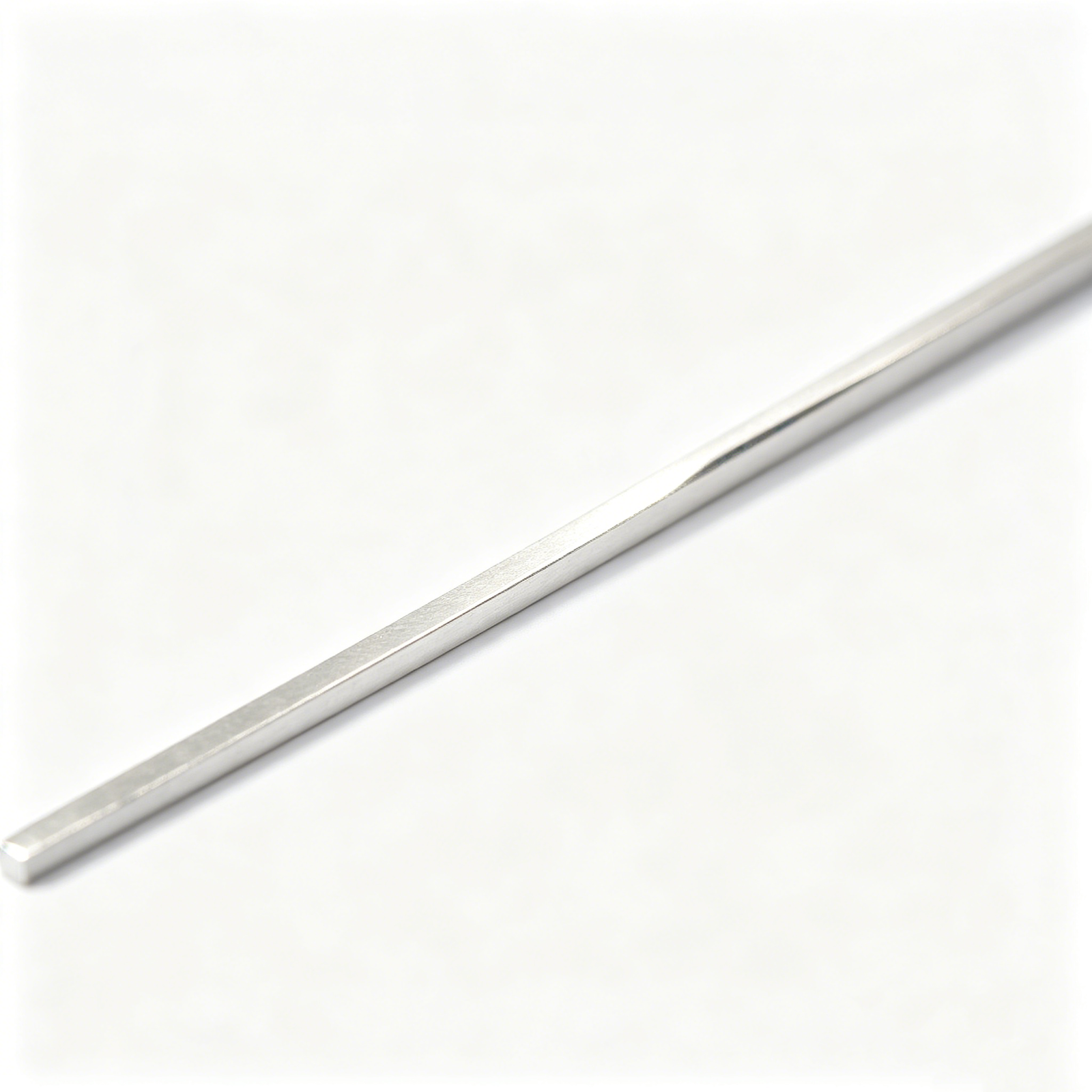
Wire EDM
Wire EDM may be considered for precision tooling or related metal components within a POM-part project, rather than assumed as a default POM operation. The decision depends on material, geometry, tolerances and the complete assembly requirement.

Precision Grinding
Precision grinding supports selected surfaces and mating requirements when the specified material and process sequence justify it. Grinding stock, heat-treatment sequence, surface requirement and inspection method must be defined before production.
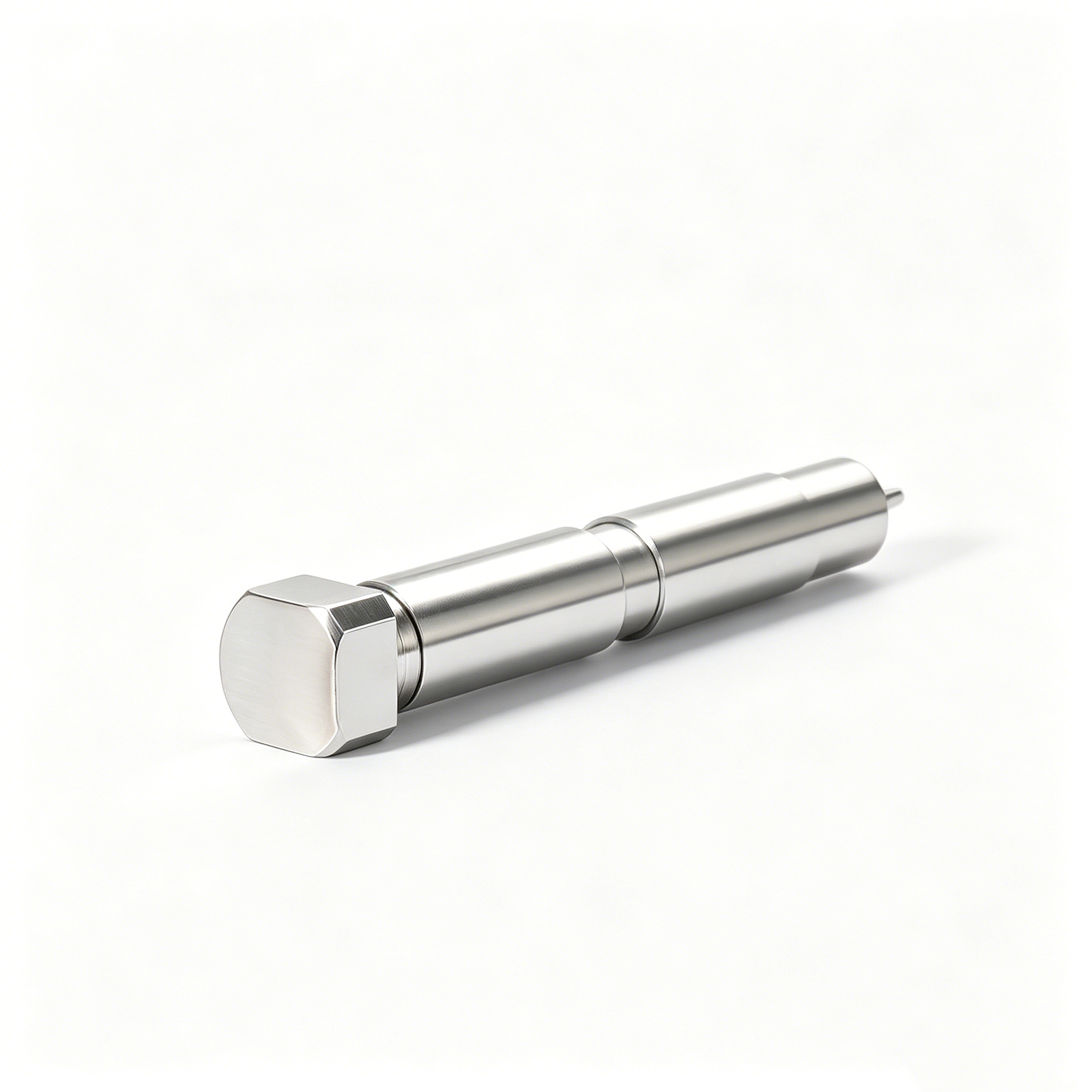
Fitting And Inspection
Fitting and inspection confirm that critical interfaces, dimensions and revision-controlled requirements match the approved plan. The appropriate measurement method and reporting scope are established from the drawing, application context and customer quality requirements.
CNC Machining POM Component Features and Assembly Interfaces

Locating Features
Dowel bores, locating shoulders, datum faces, and reference slots help establish repeatable part position. Provide the assembly datum scheme and mating geometry so machining access and inspection references can be reviewed before production.

Guide Elements
Guide holes, sliding tracks, and clearance interfaces can be planned around motion, wear, and alignment requirements. Specify the mating element, travel direction, surface condition, and critical clearance for a practical machining review.

Threaded Details
Tapped holes, threaded inserts, and fastening features require clear thread callouts, engagement depth, and assembly-load context. SUUXIANG reviews tool access, wall thickness, and the appropriate sequence for machining the specified feature.
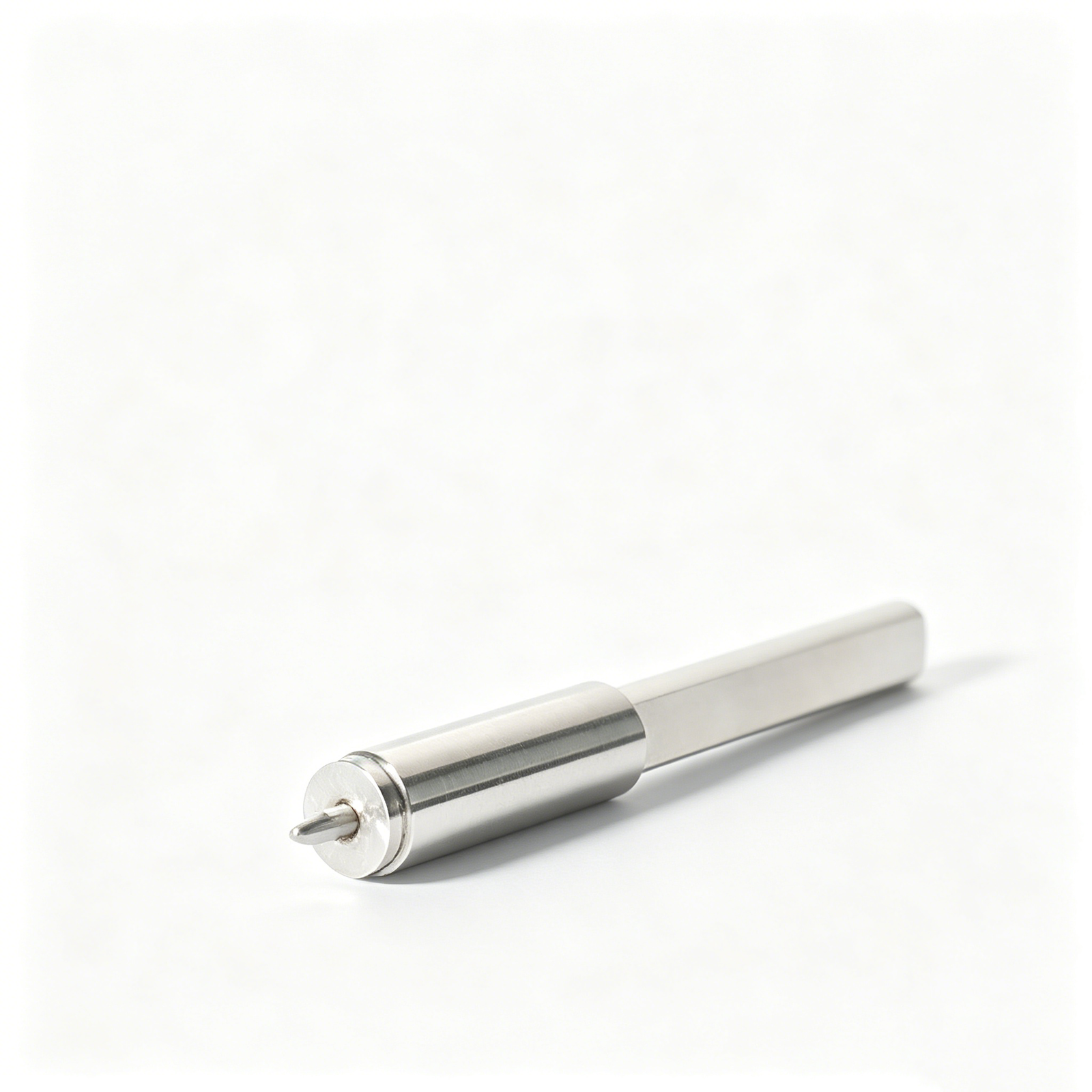
Press-Fit Interfaces
Press-fit bores, pins, and retained inserts depend on the tolerance relationship between both components. Share the mating-part dimensions, assembly method, and critical retention requirement to support a controlled interface review.

Mating Component Checks
CNC machining POM parts often function beside metal, plastic, or tooling components. Assembly envelopes, contact faces, clearance zones, and datum relationships help identify tolerance-stack and machining-access risks before quotation.
About SUUXIANG Precision Manufacturing
SUUXIANG is the sole public-facing brand of Dongguan SuuXiang Precision Mold Co., Ltd., established in 2010 in Chang’an Town, Dongguan, Guangdong, China. Founder and legal representative XiaoCheng Huang leads the company, which helps international engineering, sourcing, and quality teams turn drawings and specifications into inspected custom parts through disciplined project coordination.
Our work combines CNC milling and turning, multi-axis machining, EDM, precision grinding, fitting, and inspection. For cnc machining pom and other drawing-based component requirements, we review critical dimensions, datums, tool access, material requirements, surface priorities, and inspection expectations before production commitments are made.
What distinguishes SUUXIANG is a practical, evidence-led workflow. We align DFM review, process planning, revision control, and inspection documentation to the order requirements, so buyers can evaluate manufacturability and quality evidence clearly instead of relying on broad capability claims.

CNC Machining POM: Capability Planning in Depth
DFM and Datum Review
Before quotation, SUUXIANG reviews the drawing, model, material callout, critical dimensions, datums, surface requirements and quantity for CNC machining POM. The review identifies tolerance-stack risks, thin-feature support needs, tool access and measurement references before a process route is proposed.
- Confirm drawing revision, material grade and application context
- Identify critical-to-quality dimensions and datum relationships
- Review wall thickness, unsupported features and machining access
- Define inspection priorities before production commitments
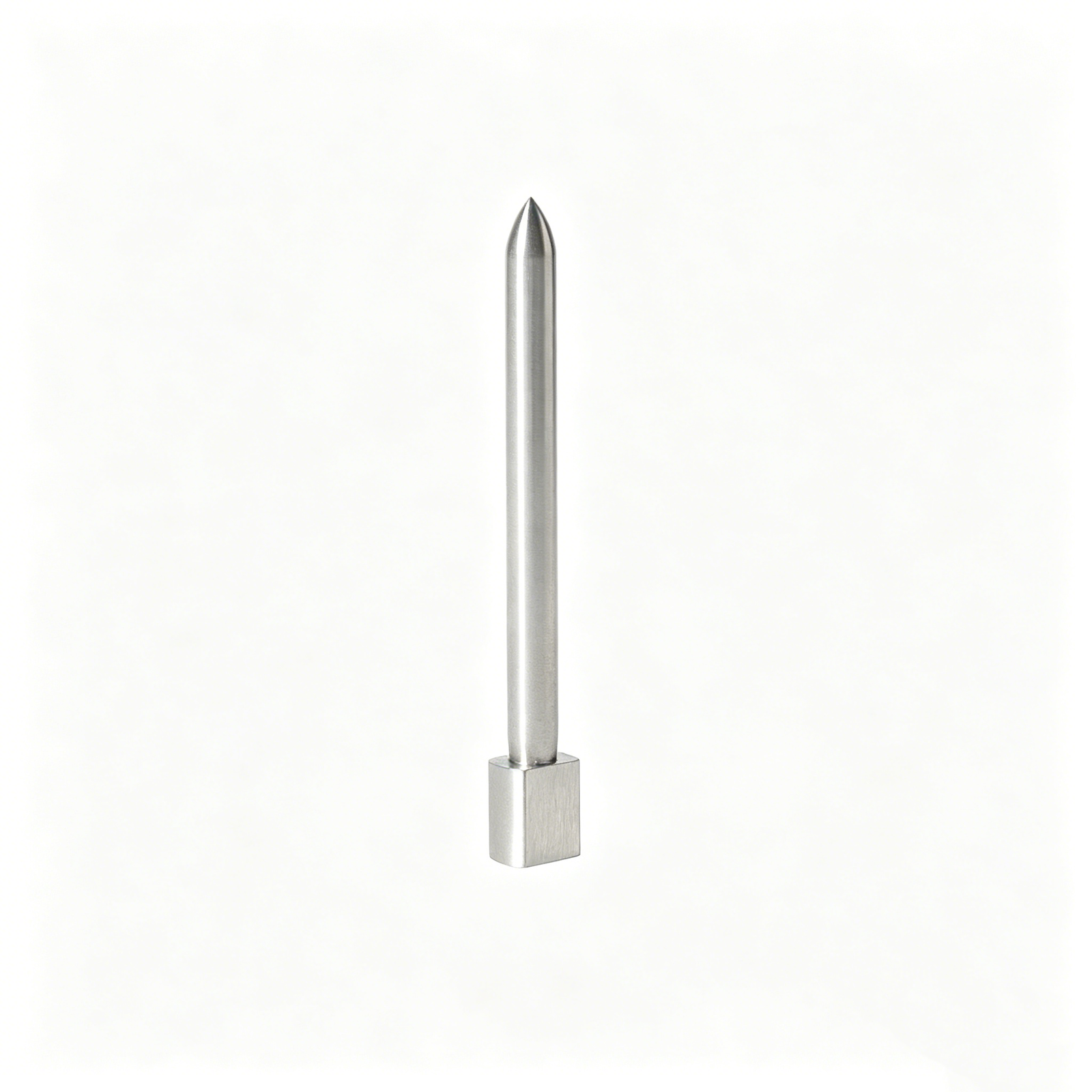
CNC and EDM Route Selection
POM parts are usually planned around milling, turning or multi-axis access, while EDM is evaluated only where geometry, tooling context or adjacent precision-component requirements justify it. SUUXIANG compares feature geometry, setup stability, edge condition and quantity instead of assigning a process by default.
- Match milling or turning to part geometry and workholding
- Assess multi-axis access for compound faces and angled features
- Evaluate EDM needs against feature definition and project context
- Keep the proposed route visible for drawing-based review
Grinding and Fitting Strategy
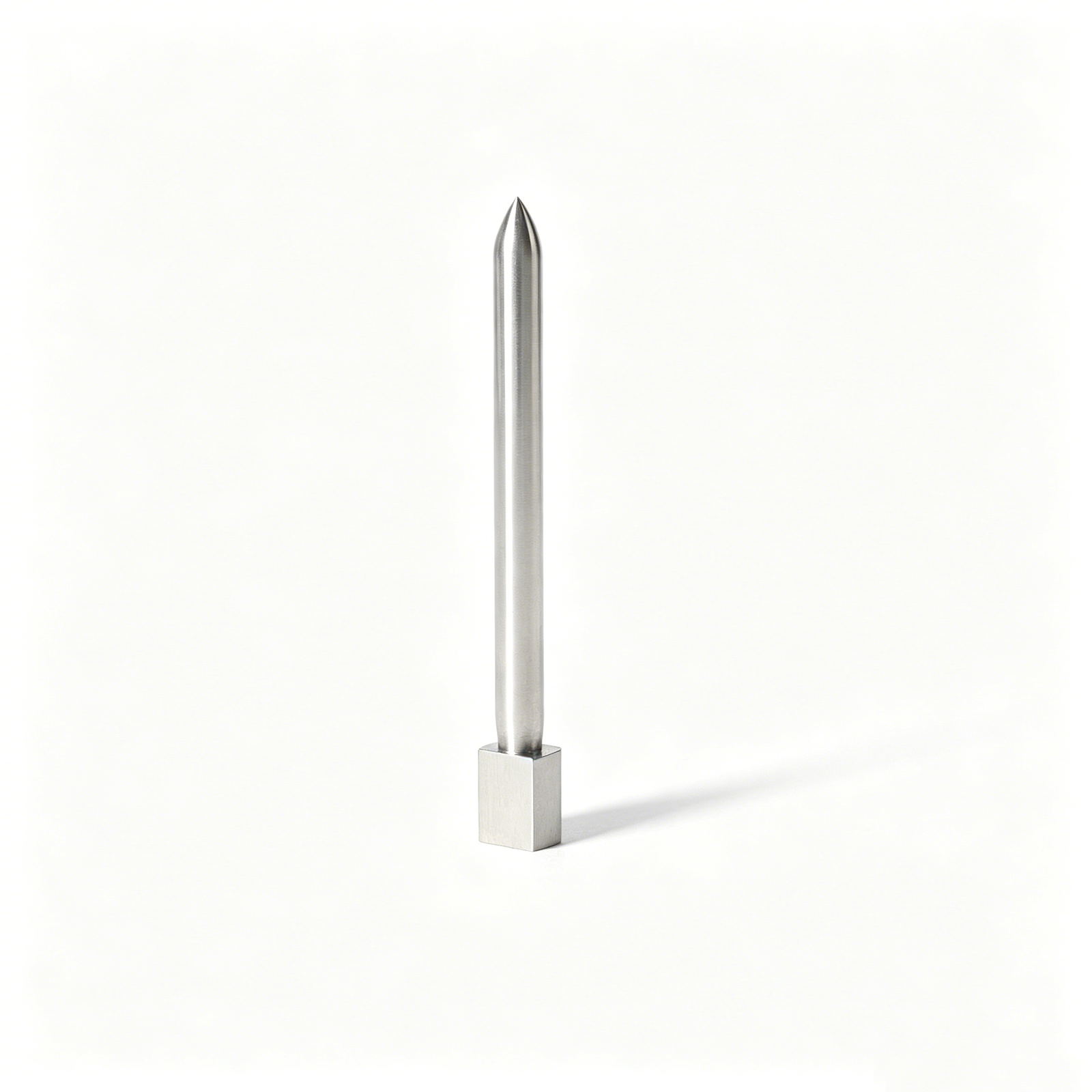
Where an assembly includes metal mold, connector-tooling, or die components requiring controlled contact, SUUXIANG plans their grinding stock, sequence, and fitting requirements alongside the POM part. This separates the POM machining route from secondary work on associated metal components.
- Identify mating faces, locating features and assembly references
- Plan stock allowances where grinding is required
- Separate functional fit requirements from noncritical geometry
- Review assembly context when it affects manufacturability

Inspection and Revision Control
Inspection planning for CNC machining POM begins with the drawing revision and agreed critical features. SUUXIANG aligns inspection methods, reporting expectations and order documentation to the verified plan, while keeping revision changes and delivery information visible throughout project coordination.
- Link inspection points to datums and critical dimensions
- Clarify report, sampling and documentation requirements
- Maintain drawing revision visibility during production coordination
- Match final documentation to the order and inspection plan

CNC Machining POM: Engineering-Led Project Control
Compare a drawing-review workflow with a typical transaction-led sourcing route.
← Swipe left or right to view →
CNC Machining POM Production Workflow
Each phase aligns material, critical dimensions, process routing and inspection expectations before delivery coordination.
Review RFQ Package
SUUXIANG reviews the 2D drawing, 3D model, quantity, application, delivery target and reporting needs, identifying missing requirements before quotation.
Confirm Material Requirements
The team confirms the specified POM grade, color, material documentation, critical dimensions, datums, surface priorities and any application-specific constraints.
Plan Process Route
DFM review establishes workholding, tool access, machining sequence, and allowances; any EDM or precision grinding applies only to suitable associated metal components or tooling.
Machine Critical Features
CNC milling or turning produces the planned geometry, while EDM, grinding and fitting are applied only where the approved part requirements call for them.
Inspect and Document
Inspection follows the agreed plan for critical features, with revision control and order-matched records maintained before parts proceed to final release.
Pack and Coordinate Delivery
Released POM parts are packed for the agreed handling needs, and shipment timing is coordinated against the confirmed delivery requirements and project communication.
How CNC Machining POM Projects Move Forward
A controlled workflow that aligns drawing requirements, DFM decisions, inspection expectations, and production release before machining begins.
Submit Your Drawing Package
Provide 2D drawings, 3D models when available, POM grade, quantity, critical dimensions, surface requirements, inspection needs, application context, and target delivery date.
Review DFM and Quotation
Align on datum strategy, tolerances, machining access, fixturing risks, inspection method, material requirements, and the proposed CNC machining POM process route before commitment.
Approve First-Article Requirements
Where applicable, confirm sample or first-article expectations, revision status, critical features, measurement records, and acceptance criteria before controlled production proceeds.
Release Controlled Production
SUUXIANG coordinates machining, inspection, revision visibility, and delivery against the agreed order requirements and verified inspection plan for your approved POM components.
CNC Machining POM Quality Documentation and Certification Evidence
CNC Machining POM: Documentation Available by Order
Verified customer testimonial or approved project outcome to be added when attributable evidence, project scope, and publication approval are available.
Verified customer testimonial or approved project outcome to be added when attributable evidence, project scope, and publication approval are available.
Verified customer testimonial or approved project outcome to be added when attributable evidence, project scope, and publication approval are available.
Customer Feedback and Case Evidence
Practical RFQ, material, inspection, delivery, and documentation questions for drawing-based POM component work.
What files should I send for cnc machining pom parts?
Is there a minimum order quantity for cnc machining pom?
Can I request a sample before cnc machining pom production?
Should I specify POM-C, POM-H, or a trade name such as Delrin?
Can POM parts be heat treated after machining?
What tolerances are realistic for CNC-machined POM parts?
Can SUUXIANG provide inspection reports for POM components?
How are delivery, shipping, and drawing confidentiality handled?
The Complete Buyer’s Guide to cnc machining pom
Use a practical decision framework to specify POM parts, compare material grades and machining options, evaluate qualified suppliers, control cost and lead time, and avoid drawing, tolerance, and quality-planning mistakes before release.
1. What Is cnc machining pom?
POM, also called acetal, is an engineering thermoplastic machined from bar, plate, or tube using CNC milling and turning to produce parts from controlled drawing dimensions. Its low-friction, stiff, and dimensionally stable behavior makes it suitable for drawing-based gears, bushings, guides, fixtures, connector-related components, and wear parts.
CNC machining POM is particularly useful when a prototype, low-volume run, or engineering revision needs parts without first committing to production tooling. Toolpaths can also create localized features, precision bores, pockets, and mating details that would require more complex mold design.
Injection molding becomes the more economical route only after geometry, shrinkage allowances, quantity, and revision status support a dedicated mold investment. For an RFQ, provide the 2D drawing, 3D model, material grade, critical dimensions, surface priorities, quantity, and inspection requirements so the machining route can be reviewed against the application.
2. Evolution of POM Precision Machining
1956 marked DuPont’s public introduction of Delrin, an acetal homopolymer; POM subsequently became a familiar engineering thermoplastic where low friction, stiffness, and dimensional stability mattered. Its use in gears, bushings, wear strips, and insulating mechanical details made material behavior and stock selection part of the drawing-review conversation.
3-axis CNC milling and turning made repeatable POM components practical without dedicated molding tools, while modern multi-axis machining expands access to angled faces, cross-holes, and compound profiles. CNC machining POM still requires controlled workholding, sharp tooling, heat management, and datum-based inspection because thin or long features can deflect during cutting.
1 drawing revision can now move through prototype and low-volume sourcing faster than a new mold-tool route, provided the buyer defines critical dimensions, material grade, quantity, mating context, and inspection needs. For complex geometry, request a DFM review that identifies tool access, setup strategy, tolerance stack risks, and the measurement method before release. Source: https://www.protolabs.com/materials/pom-plastic-key-benefits-and-applications
3. Types of cnc machining pom Parts
POM parts are best classified by function and geometry before process planning. For cnc machining pom, the drawing should identify the datum scheme, critical fits, and any mating component.
Turned And Prismatic Parts
Shafts, spacers, collars, and threaded retainers usually begin from bar stock on a lathe; diameters, concentricity, runout, and groove radii drive the route.
Housings, brackets, and manifold-like blocks use milling; pocket depth, corner radii, tool access, and clamping faces materially affect feasibility.
Motion And Wear Components
Gears, rollers, bushings, and wear strips manage motion or sliding contact. Tooth profile, bore-to-OD relationship, backlash, lubrication context, bearing length, and replacement-fit requirements belong on the drawing.
Precision Features And Tooling Aids
Thin walls, snap features, close-fit bores, nests, and assembly fixtures need support during machining to limit deflection. Wall thickness, allowable burrs, press-fit limits, inspection datum, and fixture contact zones should be explicitly called out.
4. Materials for cnc machining pom
POM-C and POM-H are the first material decision for cnc machining pom because polymer chemistry changes fatigue behavior, chemical resistance, and stock risk. Specify the service medium, load cycle, temperature, color, and required documentation before release.
| Grade | Typical Advantage | Key Check |
|---|---|---|
| POM-C | Chemical resistance; thicker stock | Centerline integrity |
| POM-H | Stiffness and fatigue behavior | Cyclic load |
| Filled or ESD | Special function | Approved grade and test method |
Choose POM-C Or POM-H
POM-C is generally preferred for thicker sections when centerline porosity in homopolymer stock could affect a critical feature. POM-H commonly favors higher stiffness, strength, and fatigue resistance; confirm both against the actual duty cycle.
Specify Functional Modifiers
Filled grades can increase stiffness but may change friction, machining response, and mating-surface wear. ESD or static-dissipative grades require a stated electrical target and test method; do not assume black material is conductive.
Control Compliance And Traceability
Food-contact requirements need the exact grade, color, region, and approved declaration, not a generic material name. Request mill or supplier documentation, lot traceability, and retained material identification where the project inspection plan requires them.
POM has low moisture uptake, but the finished part still must be validated in its chemicals, temperature range, and mating conditions. Review the approved data sheet before production.
5. Finishes and Custom Features for POM
POM features should be specified by function, datum, and assembly sequence. For cnc machining pom, a milled surface is often adequate; any cosmetic or joining requirement needs its own acceptance criterion.
| Request | Functional Control | Purchase Order Detail |
|---|---|---|
| Press fit | Interference and datum | Mating-part material |
| Engraving | Content and location | Approved artwork |
| Surface texture | Ra or sample standard | Visible faces |
Threads, Inserts, And Fits
Thread size, engagement length, insert type, and installation method belong on the drawing. Define press-fit interference against the mating material and state whether insertion occurs before or after machining.
- Call out thread standard and class
- Identify heat-set or press-fit inserts
- Dimension bores from functional datums
Marking And Edge Treatment
Laser text, engraving depth, orientation, and readable location should be controlled when identification is functional. Deburring must define an allowable edge break where sharpness, sealing, or assembly clearance matters.
- Specify mark content and revision
- Define edge-break limit
- Separate tool marks from cosmetic texture
Bonding And Appearance
POM has low surface energy, so adhesive bonding and coating adhesion require early validation on the selected grade and surface preparation. Natural or black stock may be practical, but color matching is a cosmetic requirement unless it supports identification.
- Validate adhesive joint strength
- Approve color against a sample
- State visible-surface criteria
6. Quality Factors in cnc machining pom
Assembly-ready cnc machining pom begins with a drawing that identifies functional datums, critical dimensions, measurement method, and acceptance criteria. SUUXIANG should review these inputs before selecting machining, fixturing, and inspection steps.
Datums And Tolerances
Three mutually related datums should locate features that mate, seal, or rotate; avoid tolerancing every feature from unrelated edges.
ISO 2768-medium is a general reference, not an assembly requirement. Specify tighter limits only for functional features, plus the datum-based inspection method.
Geometry And Machining Access
Thin walls and long unsupported features can deflect under cutting load or distort after unclamping. State minimum wall expectations, straightness needs, and where support or temporary tabs are permitted.
Internal radii must accommodate the actual cutter; deep narrow pockets also require a defined tool-access route. Specify edge-break limits where burrs could affect assembly.
Process Control And Inspection
Sharp tools, controlled chip evacuation, and restrained cutting heat help preserve POM surface condition and size. Workholding must support the part without crushing or bending datum surfaces.
Each critical feature needs a stated gauge, sampling expectation, and report requirement. For repeat lots, retain the approved revision, material identity, first-article result, and change-control record.
7. How to Choose a POM Machining Supplier
A capable cnc machining pom supplier proves its process against your drawing, rather than quoting from a generic material list. Compare evidence, project controls, and communication before comparing unit price.
Review The Drawing
2D drawings and 3D models should trigger a DFM review covering datums, thin features, tool access, fixturing, and tolerance priorities. Ask which dimensions need special process controls and what design changes reduce risk.
Verify Material And Inspection
1 material lot should remain identifiable through machining and final records when traceability is required. Ask for material evidence, the proposed inspection method for each critical dimension, sample report format, and machine capability relevant to the part.
Test Project Controls
3 controls matter in prototype-to-low-volume work: revision acknowledgment, protected packing, and documented shipment handoff. Ask how changes are approved, drawings are kept confidential, parts are packaged against damage, and delivery status is communicated.
8. Common cnc machining pom Buying Mistakes
Eight preventable RFQ errors can turn a straightforward POM part into rework, disputed inspection results, or delayed release. Resolve design intent before pricing, when a drawing change costs less than a production hold.
Specify Grade And Function
Two POM grades with similar names are not automatically interchangeable. State the exact grade, stock form, environment, load, and mating condition rather than selecting by trade name alone.
One omitted insert or mating-part dimension can produce a loose press fit or assembly interference. Provide insert material, fit limits, assembly method, and the mating drawing before RFQ release.
Control Dimensions Intelligently
One tolerance applied to every feature increases machining and inspection effort without improving function. Mark critical-to-quality dimensions, assign functional datums, and use general tolerances elsewhere.
Zero datum references leave suppliers measuring the same geometry differently. Define primary, secondary, and tertiary datums plus the inspection method for critical features.
Check Geometry And Cost
One internal corner sharper than the available cutter radius requires EDM, redesign, or a nonfunctional residual radius. Review tool access, internal radii, wall support, and fixture surfaces before release.
One molded-part rule copied unchanged into machining can add unnecessary draft, uniform-wall constraints, or shrinkage assumptions. Choose the process route from the machined geometry, quantity, tolerance, and inspection plan; do not select solely on unit price.
9. Steps to Launch a POM Part Project
One controlled launch package prevents a POM prototype from becoming an undocumented production assumption. For cnc machining pom, authorize cutting only after functional, material, and inspection questions have named owners.
Define The Release Package
One RFQ should include a revision-controlled 2D drawing, native or neutral 3D file, POM grade, color, quantity forecast, and target dates. Identify critical dimensions, datums, surface priorities, assembly interfaces, inspection reports, and packaging needs.
Two mating-part details can change the process route: press fits and sliding features need nominal dimensions plus fit intent. State whether the part is a prototype, first article, or repeat release.
Close DFM Questions
Before production authorization, resolve every open point from drawing review: tool access, workholding, thin-feature support, tolerances, and measurement method. Confirm any substitute material or dimensional interpretation in a controlled revision.
One written clarification record should connect the decision to the drawing revision and model. SUUXIANG can then plan CNC machining, any secondary operations, and inspection against the agreed requirements.
Approve And Learn
First articles should be checked against the agreed critical characteristics before production release. Review dimensional results, appearance, assembly behavior, and documentation together; do not treat sample acceptance as automatic approval of unstated requirements.
After receipt, record lot condition, quantity, packaging performance, and assembly feedback. Use that feedback to update the next revision, inspection plan, or packaging instruction.
10. cnc machining pom Pricing and Cost
1-piece orders concentrate programming, fixturing, material preparation, and first-article inspection into few units; they are rarely comparable to repeat-release pricing. POM-C versus POM-H, certified or specialty grades, and stock size can change material yield and sourcing cost.
2 setup changes or more typically raise both cycle time and handling risk, especially for deep pockets, thin walls, tight tolerances, inserts, secondary finishing, protective packaging, or expedited delivery. A comparable RFQ states revision, quantity, material grade, dimensions, critical datums, inspection report, insert/finish requirements, packing, and requested delivery date.
| Quantity tier | Dominant cost drivers | Relative lead-time effect |
|---|---|---|
| 1–5 parts | Programming, setup count, stock yield, first article | Longest per-unit effort |
| 6–50 parts | Cycle time, fixturing, tolerance, inspection | Setup spread across parts |
| 51–250 parts | Material buying, repeatability, inserts, packaging | Scheduling efficiency improves |
| Expedited release | Priority capacity, material availability, added coordination | Premium may apply |
Start Your CNC Machining POM Drawing Review
Send your 2D drawing, 3D model where available, material, quantity, quality priorities, and target delivery date for a focused review.