
CNC Machining Tungsten Carbide for Precision Parts
Submit your drawing for a DFM-led tungsten carbide machining review, with process planning across CNC, EDM, grinding, and inspection.
Representative Components for Tungsten Carbide Development



Related Configurable Component Families and Quotation



CNC Machining Tungsten Carbide Requires Controlled Process Planning
For brittle, wear-resistant carbide components, the process route should be defined from drawing review through final inspection.
DFM Before Commitment
Review critical dimensions, datums, material inputs, and functional features before quotation to identify manufacturing risks and clarify the process route.
Tool Access Review
Assess machining access, feature geometry, and clamping requirements early so delicate carbide details are not approached with an unsuitable cutting strategy.
EDM Strategy Defined
Plan wire paths, electrode access, start-hole needs, and post-EDM finishing requirements around features that are impractical to produce by direct machining.
Grinding Stock Controlled
Set grinding allowance and sequence around critical faces, profiles, and surfaces so final dimensional control is considered before material removal begins.
Inspection Plan Aligned
Identify critical-to-quality dimensions, datum references, surface priorities, and reporting needs so inspection methods match the finished-part requirements.
Revision Control Visible
Keep drawing revisions, manufacturing changes, inspection expectations, and delivery information visible throughout the project to support traceable coordination.
Precision CNC Component Families
Drawing-driven process routes for mold, connector, die, and custom components, reviewed against critical dimensions, materials, inspection requirements, and delivery needs.

CNC Machining Services
Precision CNC machining services convert drawings and 3D models into custom parts through planned milling, turning, EDM, grinding, fitting, and inspection. RFQs should identify material, quantity, critical dimensions, surface requirements, and required documentation before process commitments are made.
Upload a Drawing
CNC Milling
Custom CNC milling services support prismatic and contoured components requiring controlled datum relationships, feature access, and machining allowances. SUUXIANG reviews wall geometry, pocket depth, tool reach, material condition, and critical tolerances to determine a practical milling route.
Upload a Drawing
CNC Turning
Precision CNC turning services suit cylindrical, threaded, stepped, and concentric features in custom components. Drawing review considers datum selection, runout requirements, wall thickness, workholding, surface requirements, and whether secondary milling, EDM, grinding, or inspection operations are needed.
Upload a Drawing
5-Axis Machining
5-axis CNC machining supports multi-face and complex geometry where reduced setups can protect positional relationships. Feasibility depends on tool access, fixture strategy, material condition, feature depth, tolerance stack, and the inspection method defined for critical features.
Upload a Drawing
Swiss & Micro Machining
Swiss machining and micro machining address small-diameter, slender, and detail-intensive parts where support, concentricity, burr control, and handling matter. Submit dimensions, material, quantity, functional interfaces, and inspection priorities so the appropriate route can be evaluated.
Upload a Drawing
Wire & Sinker EDM
Wire EDM services and sinker EDM services produce intricate profiles, narrow slots, internal corners, and hardened-part features beyond practical cutting-tool access. Process planning reviews wire path or electrode strategy, flushing access, corner conditions, recast-layer considerations, and finishing requirements.
Upload a Drawing
Precision Grinding
Precision surface and profile grinding supports flatness, parallelism, profile accuracy, and controlled stock removal after machining or heat treatment. Grinding plans should define datums, stock allowance, hardness condition, surface requirements, critical dimensions, and inspection expectations.
Upload a Drawing
Mold Core & Cavity Inserts
Precision mold core and cavity inserts are configured from part geometry, resin or process context, material requirements, cooling or venting needs, and critical molding surfaces. SUUXIANG evaluates machining, EDM, grinding, fitting, and inspection routes before production.
Upload a Drawing
Ejector & Ejection Components
Ejector pins, sleeves, and ejection components require attention to fit, straightness, bearing surfaces, lubrication context, and wear conditions. Provide mating-part information, material or treatment requirements, dimensions, quantity, and surface priorities for manufacturability review.
Upload a Drawing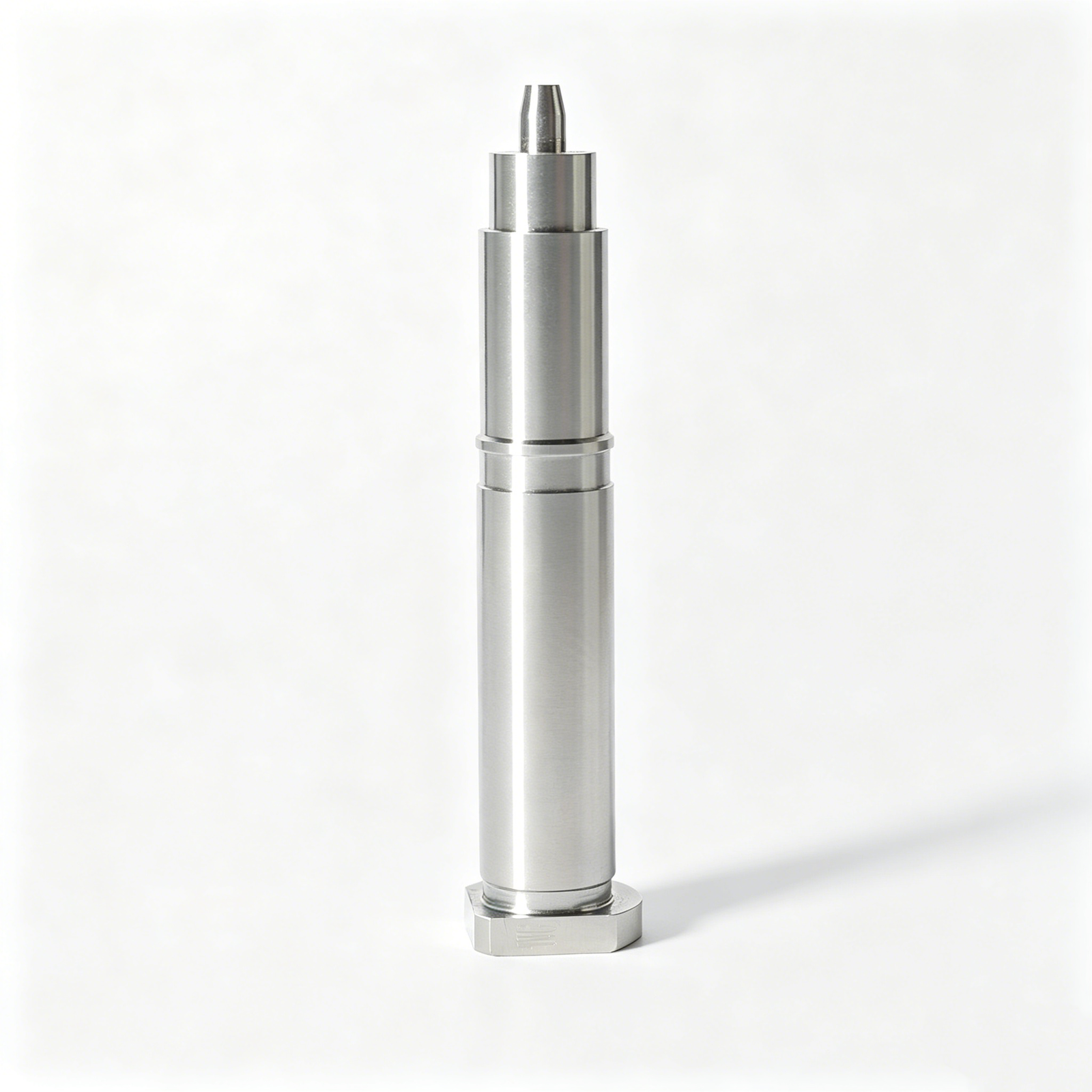
Core Pins, Guide & Locating Components
Core pins, guide pins, and locating components establish repeatable mold alignment and feature position. Manufacturing decisions depend on functional datums, fit class, hardness condition, mating components, wear exposure, and inspection requirements rather than generic component labels.
Upload a Drawing
Slides, Lifters, Gates & Mold Accessories
Mold slides, lifters, gates, and accessories are configurable tooling elements with interacting motion, shutoff, guidance, and wear surfaces. Drawing review should address travel, clearance, mating geometry, material condition, lubrication context, and critical fitting requirements.
Upload a Drawing
Connector Mold Components
Precision connector mold components support fine-pitch, terminal, insert, and locating features where geometry and datum control affect downstream assembly. Submit product interfaces, material requirements, critical dimensions, surface priorities, and inspection needs for route evaluation.
Upload a Drawing
Stamping Die Components
Precision stamping die components include punches, die inserts, guides, and wear elements built around strip, forming, or cutting requirements. Process planning considers working edges, clearance relationships, material and heat treatment, EDM strategy, grinding stock, and measurement criteria.
Upload a Drawing
Injection, MIM, CIM & Overmolding Tooling
Injection mold components, MIM, CIM, and overmolding tooling components are evaluated within verified production scope using part geometry, material behavior, interface conditions, and required tool functions. Early review clarifies core, cavity, gate, insert, ejection, and finishing requirements.
Upload a Drawing
Machining Materials
CNC machining materials are selected against function, machinability, wear, corrosion, hardness, dimensional stability, and any heat-treatment sequence. State the specified grade or approved equivalent, material certification needs, operating context, and critical features in the RFQ.
Upload a Drawing
Surface Finishes & Heat Treatment
Surface finishing and heat treatment must align with material, tolerance, mating conditions, wear requirements, and sequence of machining and grinding. Define finish targets, treatment specification, masking or protection needs, dimensional priorities, and evidence required for the order.
Upload a Drawing
Quality, Metrology & Documentation
Precision inspection, metrology, and quality documentation are planned around drawing callouts, critical-to-quality features, datums, sampling expectations, and report format. Clarifying these requirements before production helps align inspection methods, revision control, and final records.
Upload a Drawing
Prototyping & Low-Volume Production
Rapid prototyping and low-volume manufacturing support drawing-based evaluation, bridge needs, tooling development, and controlled production quantities. A useful RFQ includes quantity breaks, material, revision status, quality requirements, delivery target, and any application context affecting manufacturability.
Upload a DrawingCNC Machining Tungsten Carbide: Grades We Review

Cobalt-Bound Carbide
A common cemented-carbide specification for wear tooling, punches, and mold components. State the grade designation, cobalt-binder content, hardness requirement, blank form, and the critical working surfaces requiring dimensional or finish control.

Fine-Grain Carbide
Fine-grain carbide may be selected where small features, edge stability, or detailed profiles matter. Include grain-size information when specified, along with feature geometry, tolerance priorities, edge-condition expectations, and the intended production environment.

Ultra-Fine Carbide
Ultra-fine grades are often considered for compact precision tooling and micro-scale details. Submit the material specification, finished-feature dimensions, datum scheme, inspection requirements, and any functional concern that could affect process-route review.

Carbide Blanks
Carbide blanks may arrive as rods, plates, blocks, or near-net preforms for drawing-driven manufacture. Identify the supplied condition, stock allowance, material traceability available, heat-treatment status, and surfaces reserved for final grinding.

Application-Specific Carbide
Grades should be evaluated against the part’s actual duty, such as stamping, connector tooling, wear contact, or mold service. Share mating-material details, loading conditions, expected wear mechanism, and any material standard named on the drawing.
CNC Machining Tungsten Carbide: Process Options

CNC Milling
CNC milling is evaluated for accessible faces, pockets and non-critical stock removal before finishing. Tool access, material condition, machining allowance and feature stability are reviewed so subsequent EDM or grinding can protect critical geometry.

CNC Turning
CNC turning supports rotational features such as outside diameters, steps, radii and concentric locating forms where the drawing and blank condition allow. The route is planned around datum control, finishing stock and downstream inspection requirements.
Wire EDM
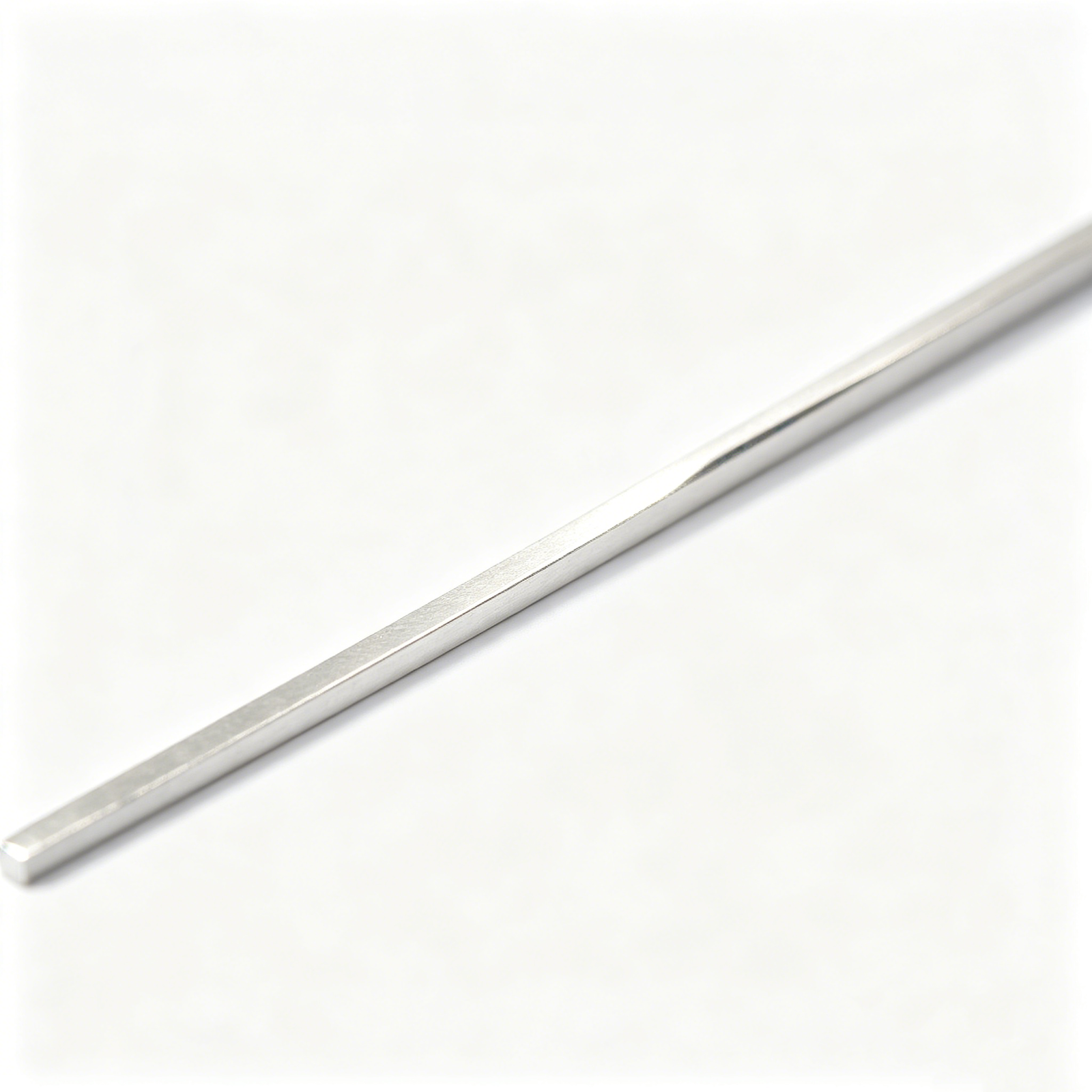
Wire EDM is considered for profiles, slots, windows and detailed contours where mechanical cutting access is limited. The review addresses wire path, corner conditions, start-hole requirements, finishing expectations and any post-EDM grinding needed.

Sinker EDM
Sinker EDM can be evaluated for cavities, blind features and fine details requiring controlled electrode access. Electrode strategy, flushing conditions, feature depth, surface requirements and dimensional priorities should be confirmed during drawing review.
Precision Grinding
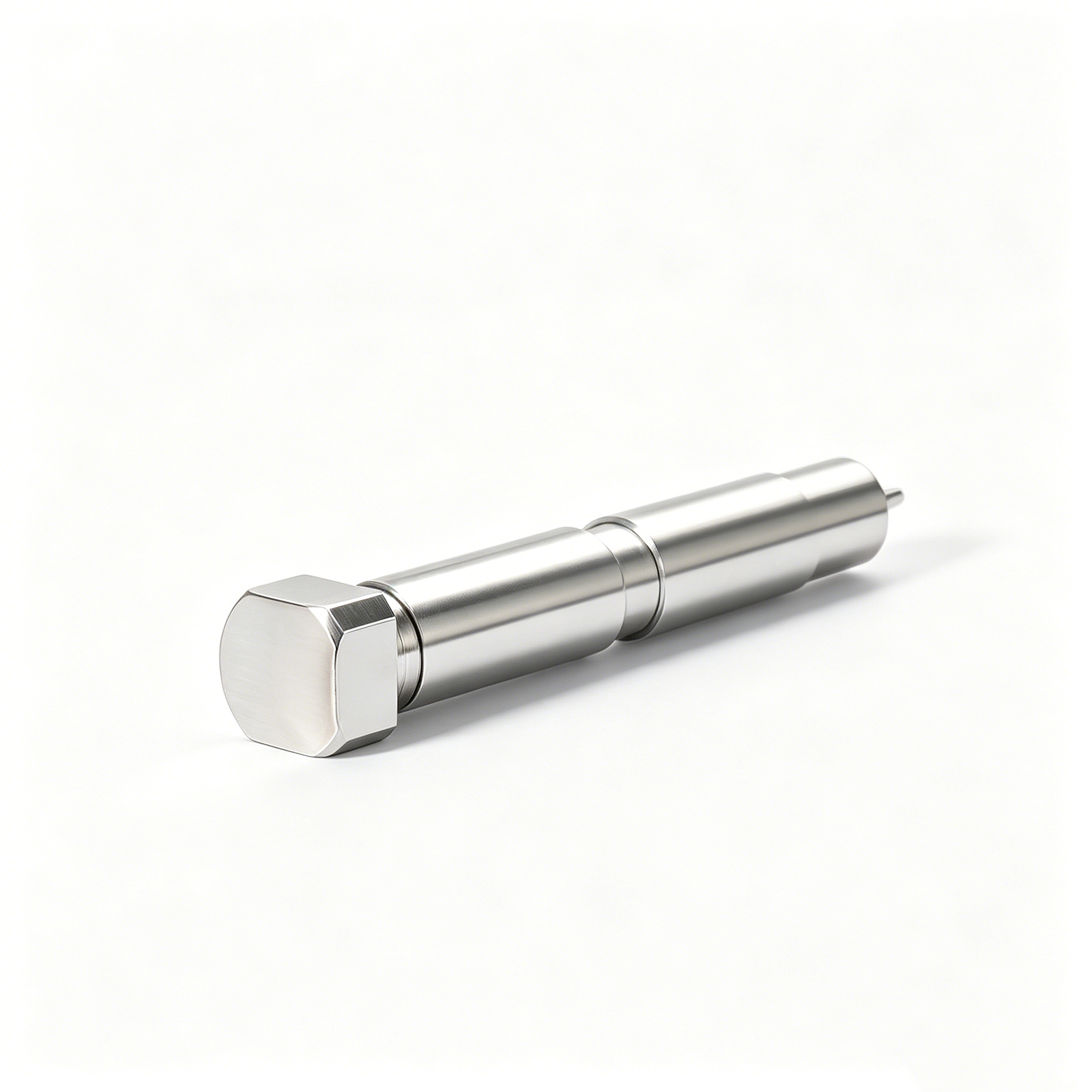
Surface or cylindrical grinding is used when critical faces, diameters, flatness, parallelism or finish require final control. Grinding stock, datum sequence, edge condition and the specified inspection method are defined before the process route is released.

Fitting Inspection
Fitting and inspection verify functional relationships between carbide components and mating parts when applicable. SUUXIANG aligns measurement points, critical dimensions, reporting needs and revision status with the agreed drawing and inspection plan.
CNC Machining Tungsten Carbide: Features We Review

Threaded Interfaces
Review thread size, engagement length, location, and mating-part requirements early. For carbide components, the drawing should clarify whether a threaded feature needs an insert, a separate interface, or another process route.

Locating Features
Pins, bores, shoulders, keys, and datum faces establish repeatable position within a mold or die assembly. SUUXIANG reviews their relationship to critical dimensions, assembly sequence, grinding stock, and inspection references.
Carbide Inserts
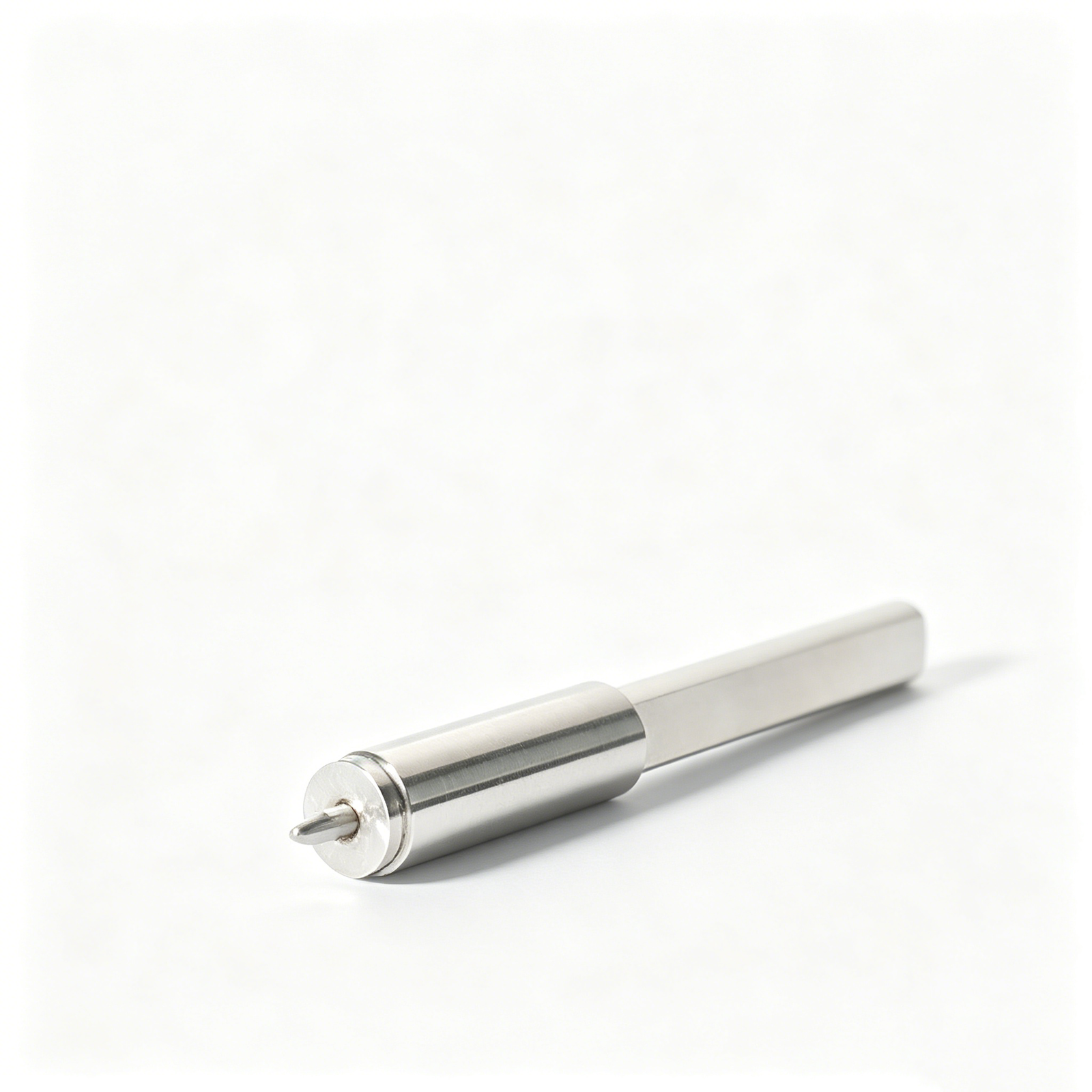
Carbide inserts can be designed as replaceable wear elements within a steel holder or tooling assembly. Share retention details, contact surfaces, load direction, and service context so the interface can be reviewed appropriately.

Part Markings
Identification marks can support revision control, assembly orientation, and traceability when their position and method are defined. Specify marking content, location, size, and whether the marked area is a functional working surface.

Assembly Interfaces
Mating faces, reliefs, fastener clearances, and transfer surfaces require review alongside the surrounding assembly. Providing mating-part information helps identify access constraints, tolerance-stack risks, edge conditions, and inspection priorities.
About SUUXIANG Precision Manufacturing
SUUXIANG is the public-facing brand of Dongguan SuuXiang Precision Mold Co., Ltd., established in 2010 in Chang’an Town, Dongguan, Guangdong, China. We help international engineering, sourcing and quality teams convert drawings and specifications into inspected custom parts, precision mold components, connector tooling and die components.
Our drawing-driven workflow combines CNC milling and turning, multi-axis machining, EDM, precision grinding, fitting and inspection. For cnc machining tungsten carbide, we review material inputs, critical dimensions, datum strategy, machining access, EDM requirements, grinding allowance and inspection needs before quotation or production commitments.
What distinguishes SUUXIANG is disciplined project coordination: DFM discussions, process-route planning, visible revision control and documentation aligned with the agreed inspection plan. We focus on evidence needed for the specific order, so buyers can make informed decisions before production begins.
What to Confirm Before Ordering Tungsten Carbide CNC Machining
DFM Around Critical Dimensions
Each cnc machining tungsten carbide review begins with the finished drawing, material direction, functional dimensions, datums, surface requirements, and mating context. This creates a practical basis for evaluating tool access, brittle-edge risk, achievable geometry, and the process sequence before production commitments are made.
- Identify critical-to-quality dimensions and inspection priorities
- Review datum strategy and tolerance-stack dependencies
- Assess edge conditions, internal features, and machining access
- Confirm material, quantity, and application inputs before quotation
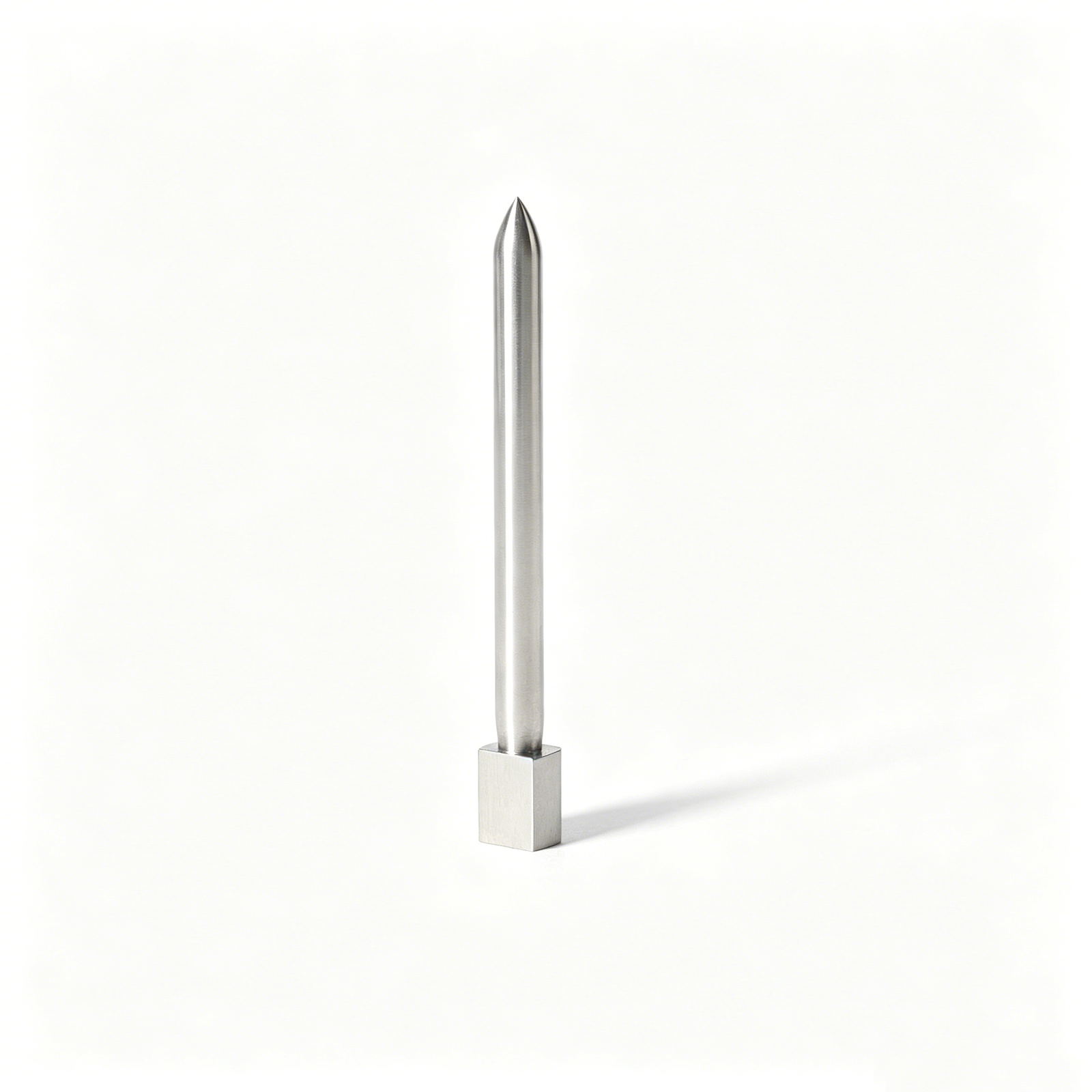
EDM and Grinding Route Planning
Carbide features often require a coordinated route rather than a single machining operation. SUUXIANG reviews where CNC work, wire EDM, sinker EDM, and precision grinding may support the specified geometry, while accounting for electrode strategy, wire path, grinding stock, and finishing sequence.
- Evaluate profile, slot, cavity, and non-through-feature requirements
- Plan grinding allowance around final functional surfaces
- Review EDM access and electrode or wire-path considerations
- Align the route with the finished drawing and material condition

Inspection Matched to Function
Inspection planning should follow the dimensions that govern assembly, wear, location, or fit. For cnc machining tungsten carbide parts, SUUXIANG aligns measurement expectations with drawing callouts, datum references, surface requirements, and the agreed order documentation so results can be reviewed against a defined plan.
- Link measurement methods to critical drawing features
- Clarify required reports and acceptance information
- Maintain traceable alignment with drawing revisions
- Review surface and dimensional priorities before release

Controlled Revision Communication
A late drawing change can affect machining allowance, EDM detail, grinding sequence, and delivery coordination. SUUXIANG keeps revision information visible during the project discussion, helping engineering, sourcing, and quality teams confirm the current production basis and required inspection documentation before work proceeds.
- Confirm the current drawing and model revision
- Flag changes affecting process route or critical dimensions
- Coordinate delivery expectations with approved project inputs
- Match final documentation to the agreed inspection plan

Why Choose SUUXIANG for CNC Machining Tungsten Carbide
Compare drawing review, process planning, and inspection preparation before production commitments.
← Swipe left or right to view →
CNC Machining Tungsten Carbide Production Workflow
A drawing-driven route that aligns DFM, process selection, critical dimensions and inspection evidence before delivery commitments.
Review RFQ Package
We review the drawing, model, material direction, quantity, application, delivery target and inspection requirements, identifying missing inputs before quotation or production planning.
Confirm DFM Strategy
Critical dimensions, datums, tool access, brittle-feature risks, machining allowance, electrode needs and wire paths are reviewed to define a practical process route.
Plan Material And Processes
The team confirms available material information and sequences CNC machining tungsten carbide work, EDM, heat-treatment considerations, grinding stock and fitting around the approved drawing.
Machine EDM And Grind
Parts proceed through the selected machining, wire or sinker EDM, grinding and fitting operations, with revision information kept visible throughout the controlled workflow.
Inspect Pack And Coordinate
Completed parts are inspected against the agreed plan, documented as required by the order, protected for shipment and coordinated with the confirmed delivery schedule.
Verified Customer Feedback for Tungsten Carbide CNC Machining
Move from drawing review to controlled production with clear technical inputs, documented decisions, and inspection visibility.
Submit Your Technical Package
Send your 2D drawing, 3D model when available, carbide grade, quantity, critical dimensions, surface requirements, inspection needs, and target delivery date.
Review DFM and Quotation
Align on datum strategy, machining access, EDM or grinding requirements, tolerance priorities, heat-treatment sequence, inspection method, revision status, and commercial quotation details.
Approve Production Details
Confirm the agreed drawing revision, process route, material inputs, critical-to-quality features, sample requirements where needed, and documentation expectations before production begins.
Track Production and Inspection
Receive visible coordination on manufacturing progress, inspection against the agreed plan, revision control, and delivery preparation for your custom carbide components.
Quality Documents for CNC Machining Tungsten Carbide
CNC Machining Tungsten Carbide Customer Feedback
Approved customer feedback will be published here after the project outcome, scope, and attribution have been verified with the customer.
This space is reserved for a verified project testimonial describing the drawing review, process route, inspection evidence, and confirmed result.
SUUXIANG will add attributable customer feedback only after the quoted outcome, project details, and publication permission are confirmed.
CNC Machining Tungsten Carbide FAQ
Practical answers for teams preparing drawing-based carbide component and tooling inquiries.
What files should I send for cnc machining tungsten carbide?
What is the MOQ for cnc machining tungsten carbide parts?
Can you provide samples before a cnc machining tungsten carbide production order?
How should we plan lead time for carbide components?
What material and heat-treatment information do you need?
Can you provide inspection reports with the order?
How are shipping and payment handled for international orders?
How do you protect drawings and control design revisions?
Complete Buyer’s Guide to cnc machining tungsten carbide
Use this decision framework to specify tungsten carbide parts, select capable machining processes and suppliers, evaluate quality evidence, control cost, and avoid drawing, material, tolerance, and inspection mistakes before production.
1. What Is cnc machining tungsten carbide?
Cemented tungsten carbide is a composite of tungsten-carbide grains bonded with cobalt; it is not pure tungsten metal. In drawing-driven CNC machining, the supplier selects grinding, EDM, or other controlled operations from the specified grade, geometry, datums, tolerances, and working function.
Mohs 8.5–9 hardness and brittle behavior make crack prevention, edge integrity, and size control more decisive than a generic milling cycle. Pure tungsten and its alloys are machined as dense metals; cemented carbide instead demands a route that accounts for brittle fracture and binder-sensitive EDM behavior.
6–15% cobalt binder is a typical process variable cited for carbide EDM, while wheel access, internal profiles, and finish requirements determine whether grinding or EDM is appropriate (https://extramet.net/tungsten-carbide-machining). Typical drawing-based parts include punches, dies, wear parts, mold inserts, connector-tooling components, pins, bushings, and prototype features where the functional failure mode—wear, chipping, load, or fit—must guide the process plan.
2. How Carbide Machining Evolved
Sintered carbide blanks established the starting point: material was pressed and sintered near its required form, then conventional diamond grinding produced flats, cylinders, and simple cutting geometry. This route remains important because carbide’s hardness and brittleness make uncontrolled material removal prone to chipping.
CNC-controlled grinding added programmable wheel paths, repeatable offsets, and more consistent profiling for drawing-defined external forms. It made revisions easier to manage because the machining program, datum scheme, and inspection results could be linked to a specific drawing revision.
Wire EDM expanded feasible through-profiles, narrow slots, and intricate contours, while sinker EDM enabled irregular non-through cavities that a grinding wheel cannot access. The process selection guidance at https://www.carbide-products.com/blog/how-to-machine-tungsten-carbide similarly distinguishes grinding for flat or cylindrical surfaces and EDM for irregular holes.
Modern cnc machining tungsten carbide work combines those routes with EDM finishing and drawing-based metrology. The buyer benefit is not simply more complex geometry: it is a documented relationship among blank condition, process allowance, critical dimensions, inspection method, and released revision.
3. Types of cnc machining tungsten carbide
Process selection begins with geometry, functional faces, and the available carbide blank. For cnc machining tungsten carbide, choose a route that preserves edges while making inspection practical.
| Category | Best-Fit Geometry | Drawing Focus |
|---|---|---|
| Grinding | Flats, cylinders | Datums and stock |
| Wire EDM | Through profiles | Path and corners |
| Sinker EDM | Blind features | Access and depth |
| Turning route | Radii, axial forms | Axis and allowance |
| Finished parts | Wear components | Function and inspection |
Ground Flats And Cylinders
Flat and round working faces suit diamond surface or cylindrical grinding. Specify stock allowance, datum faces, diameter or flatness priorities, and finish callouts.
Wire-EDM Profiles
Through-profiles, punches, and intricate outlines suit wire EDM after a start path is available. Provide thickness, wire path, corner condition, datum scheme, and edge-break requirement.
EDM Holes And Slots
Blind irregular holes, narrow slots, and inaccessible internal features suit sinker EDM. Define electrode-access direction, depth, corner geometry, surface requirement, and mating-part context.
Turned Radii Where Feasible
Rotational radii and chamfers may suit a turning-based route when blank condition permits. State concentric features, radius limits, datum axis, remaining grinding stock, and edge condition.
Finished Inserts And Wear Components
Finished inserts, wear pads, pins, and die components often combine grinding and EDM. Supply the 2D drawing, 3D model, carbide grade, application load, inspection points, and revision level.
4. Materials for cnc machining tungsten carbide
Cemented carbide is a composite, so grade selection starts with grain size and cobalt-binder level rather than the label ‘tungsten.’ Match wear, impact loading, environment, and EDM route to the drawing’s working function.
| Material Family | Useful Properties | Suitable Uses | Sourcing Questions |
|---|---|---|---|
| Cemented carbide | Wear resistance; grade-dependent toughness; EDM conductivity | Dies, punches, wear inserts | Grain, cobalt %, grade, environment? |
| Pure tungsten | High heat resistance; high density | Thermal or dense-metal parts | Alloy, temperature, machining route? |
| Copper-tungsten | Conductive; heat resistant | Electrical and thermal components | Copper ratio, conductivity, duty cycle? |
Select The Carbide Grade
Fine grains generally favor edge retention and wear resistance; coarser grains and more cobalt generally improve toughness. Confirm the supplier’s grade designation, grain range, binder percentage, corrosion exposure, and service temperature before release.
Plan For EDM Conductivity
Cobalt-bonded cemented carbide is electrically conductive enough for EDM, but binder content and grade affect cut behavior. State wire or sinker EDM features, surface condition, and recast-layer acceptance in the RFQ.
Keep Material Families Separate
Pure tungsten is a metallic element with very high heat resistance, while copper-tungsten combines distinct copper and tungsten particles for conductivity and heat handling. Neither is a substitute for cemented carbide without application review; see https://www.cnccookbook.com/machining-tungsten-alloys-feeds-speeds-guide.
5. Part Customization and Secondary Operations
SUUXIANG reviews drawing-based customization as a functional manufacturing requirement, not decoration. For cnc machining tungsten carbide, feature geometry, accessible process paths, and inspection references should be agreed before routing work.
| Request Item | Decision Needed | Risk If Unclear |
|---|---|---|
| Slots and profiles | Access and finishing route | Unreachable corners or excess EDM work |
| Edges and radii | Break size and functional condition | Chipping or assembly interference |
| Marking and packaging | Location and traceability method | Working-surface damage or mixed revisions |
Define Functional Features
2D drawings should identify profiles, holes, slots, chamfers, radii, and mating interfaces as critical or noncritical. Name the datum scheme, functional faces, mating-part condition, and permissible edge break so the route protects assembly performance.
Match Features To Access
EDM or grinding may be considered when wheel access, tool reach, or internal geometry limits conventional machining. Specify remaining stock allowance before finishing; insufficient allowance can leave prior-process damage or prevent size correction.
Control Marking And Packing
Laser identification should be placed away from sealing, sliding, bearing, or other working surfaces unless the drawing permits it. State marking content, location, orientation, packaging separation, revision label, and required inspection-document linkage.
6. Critical Quality Elements in Carbide Parts
One approved drawing should identify the functional faces, mating interfaces, and acceptance criteria before carbide machining begins. Inspection effort belongs on features that control fit, sealing, wear, or alignment.
Material And Lot Control
Each lot should be linked to the specified carbide grade and supplier material certificate, when required. Record the blank or lot identifier through final inspection so a nonconformance can be contained.
- Specified grade and binder requirement
- Certificate review, if contractually required
- Lot identifier on report or packaging
Datums And Critical Geometry
One datum scheme should govern setup and final measurement, rather than measuring related features independently. Define dimensions, flatness, parallelism, and concentricity against the functional datum structure and mating-part condition.
- Critical dimensions and tolerances
- Datum references and measurement method
- Flatness, parallelism, concentricity
Surface And Sample Approval
100% visual review is appropriate where chips, burrs, sharp edges, or grinding damage could affect assembly or crack initiation. Specify finish, allowable edge condition, crack-inspection method, sample approval criteria, and the measurement-report format before release.
- Surface-finish locations and direction
- Burr, chip, and edge limits
- Sample report and revision identification
7. Selecting a cnc machining tungsten carbide Supplier
Five inputs—carbide grade, geometry, tolerance, finish, and application—should anchor supplier review, as outlined at https://extramet.net/tungsten-carbide-machining. Compare technical closure before unit price.
| Comparison Area | Evidence To Request | Quote Test |
|---|---|---|
| Process route | Grinding and EDM plan | Features assigned clearly |
| Material control | Grade certificate and lot traceability | Grade matches drawing |
| Quality release | First-article and inspection plan | Datums and CTQs covered |
| Delivery control | Capacity and milestone plan | Risks stated, not hidden |
Review The Manufacturing Route
Two route decisions reveal competence: diamond grinding for precision flats or diameters, and EDM for inaccessible profiles, slots, or internal features. Request a feature-by-feature route, stock allowances, and edge-condition plan.
Verify Material And Inspection
Three evidence sets matter: material certificate and grade traceability, inspection-plan alignment to drawing datums, and a first-article report for agreed critical dimensions. Confirm measurement method, report format, and disposition of nonconforming results.
Test Project Control
One quotation should identify revision level, open DFM questions, capacity assumptions, operation sequence, and realistic lead-time risks. Require written change control so material, route, or inspection changes cannot be made silently.
8. Common Tungsten Carbide Sourcing Mistakes
Carbide RFQs fail most often before machining begins. For cnc machining tungsten carbide, incomplete functional and inspection inputs create avoidable quotation delay, rework, chips, and cost.
Specify the Grade
Grade is not interchangeable with the word carbide. State the grade or intended wear, load, impact, and corrosion conditions; otherwise binder content and toughness assumptions can produce premature chipping or an unsuitable route.
Define Datums and Finish
Datums establish how size and location are verified. Identify critical faces, geometric tolerances, surface-finish requirements, and measurement references; omitted requirements can yield inconsistent fit and post-machining rework.
Avoid Steel Assumptions
Carbide is brittle, so sharp internal corners, thin unsupported sections, and unprotected edges need review. Specify edge breaks or radii and handling-critical surfaces to reduce chips during manufacture, inspection, and assembly.
9. Launching a Drawing-Based Carbide Project
One controlled launch package prevents the quotation from becoming an assumption list. For cnc machining tungsten carbide, define the working function, mating condition, load, wear mechanism, and unacceptable failure mode before selecting a route.
Build The Release Package
2D drawings should identify revision, datums, tolerances, surface requirements, and edge conditions.
3D CAD should match the released drawing; provide mating-part geometry when access affects the feature.
- Controlled 2D drawing and native or neutral CAD
- Quantity, target date, and application context
- Material grade requirement or acceptable alternatives
Flag Critical Features
CTQ features need explicit tags for size, location, form, finish, and inspection method.
Carbide grade alternatives require approval because binder content and wear behavior can change process decisions.
- Functional datums and mating dimensions
- No-chip edges and fragile corners
- Inspection report and traceability needs
Close The Launch Loop
Quotation review should record stock condition, machining route, EDM or grinding assumptions, and exclusions.
First-article approval should precede pilot release; confirm sample evidence, revision status, packaging, and delivery milestones.
- Request DFM feedback before purchase order
- Approve inspection plan and acceptance criteria
- Release pilot quantity after sample disposition
10. cnc machining tungsten carbide Pricing
Three quotation tiers separate nonrecurring setup from repeat-piece cost; SUUXIANG does not publish unsupported carbide prices. A firm quote requires drawing review of grade, blank dimensions, datums, tolerances, finish, edge condition, quantity, inspection evidence, and required date.
One complex internal profile can shift the route from grinding to wire EDM, sinker EDM, or a combined process, changing programming, electrodes, machine time, and inspection planning. The quotation should therefore identify the proposed route and assumptions rather than treat carbide as a single material line.
Two practical savings measures are to hold tight tolerances only on functional features and provide a near-net blank with sufficient grinding stock. Consolidating revisions before release and grouping compatible parts can reduce setup repetition without relaxing critical function.
| Quantity tier | Setup or programming | Blank / grade | Likely route | Inspection level | Lead-time effect |
|---|---|---|---|---|---|
| Prototype / 1–5 | Highest per part | Grade and oversize verified | Grinding, EDM, or both | Critical dimensions | Expedite requires review |
| Pilot / 6–50 | Setup spread across parts | Blank yield matters | Repeatable routed operations | Defined report scope | Schedule against capacity |
| Repeat / 51+ | Program reuse possible | Approved grade and source | Stable process sequence | Sampling plan agreed | Forecast reduces urgency cost |
Start Your CNC Machining Tungsten Carbide Review
Upload your drawing, 3D model when available, material, quantity, critical dimensions, inspection needs, and target delivery date for a disciplined review.