
Nickel-Alloy CNC Machining, From Drawing to Inspection
Upload your drawing for a DFM-led quotation of nickel-alloy parts, with critical dimensions, process routing, and inspection requirements reviewed before production.
Representative Drawing-Based Nickel-Alloy Components


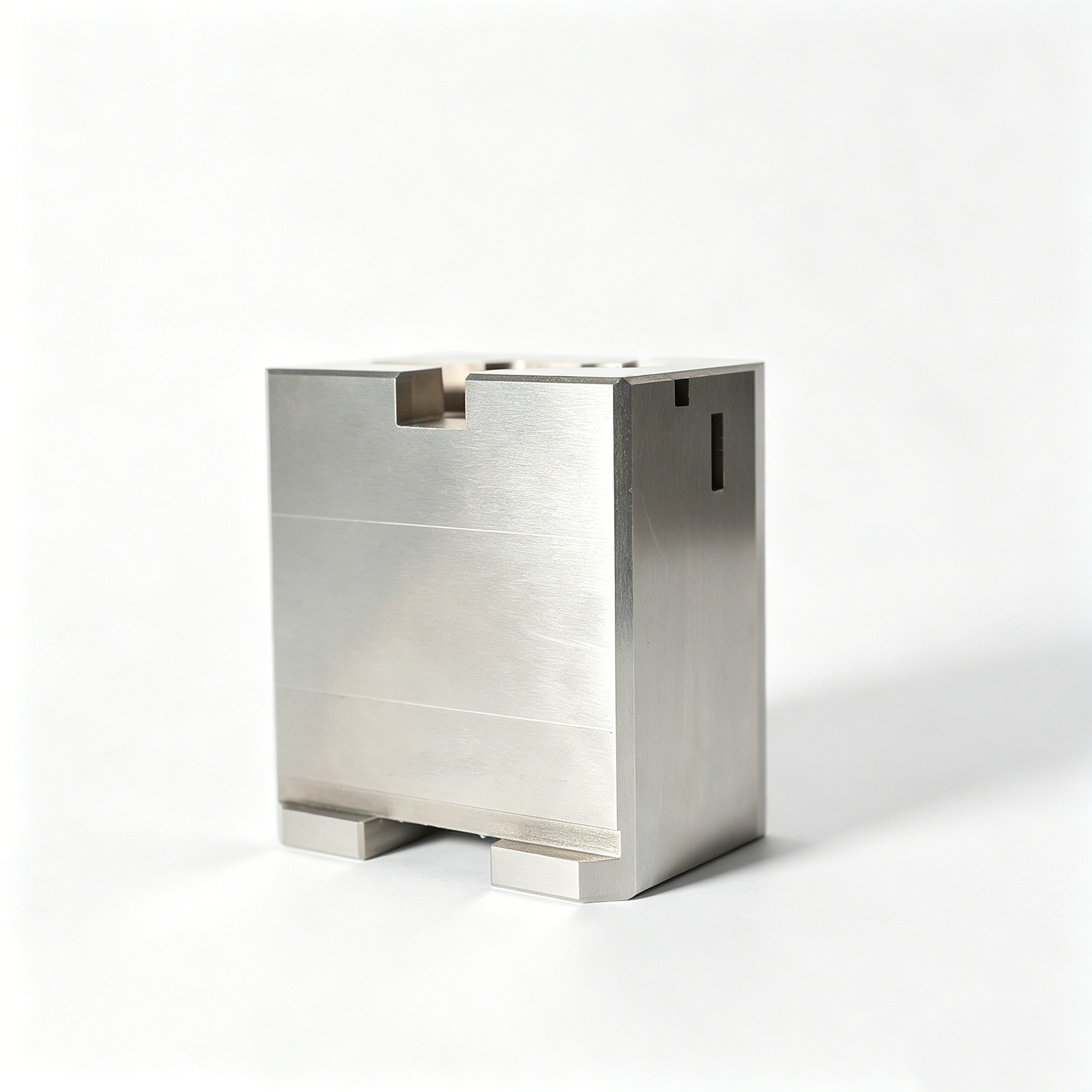


Related Configurable Component Families




Why Choose SUUXIANG for Nickel Alloys Manufacturing
A controlled engineering workflow for drawing-driven parts where material behavior, critical dimensions, and inspection requirements must be reviewed before production.
Drawing Review First
We review drawings, models, material requirements, quantities, and application context to identify manufacturing questions before quotation or production planning.
DFM-Led Process Planning
CNC machining, EDM, grinding, and fitting routes are considered against tool access, geometry, heat-treatment sequence, and required surface condition.
Critical Dimensions Focus
Critical-to-quality dimensions, datums, tolerance relationships, and machining allowances are discussed early to support a practical inspection approach.
Revision-Controlled Communication
Drawing revisions, open technical questions, and delivery information remain visible throughout coordination, reducing uncertainty between engineering, sourcing, and manufacturing teams.
Inspection Plan Alignment
Inspection methods and reporting needs are aligned with the order and verified plan, helping teams define evidence before parts are released.
Nickel-Alloy Parts and Tooling Applications
Drawing-driven process routes for precision components, tooling families, and low-volume programs where material behavior, critical dimensions, and inspection requirements must be defined before production.

CNC Machining Services
Precision CNC machining services for drawing-based nickel-alloy parts, mold components, connector tooling, and die components. Review focuses on material condition, critical dimensions, datum strategy, machining access, required operations, and inspection expectations before a process route is proposed.
Upload a Drawing
CNC Milling
Custom CNC milling services for prismatic, contoured, and feature-rich components. Tool access, clamping, wall geometry, internal features, and machining allowance are reviewed against the drawing so critical surfaces can be machined and inspected through a controlled sequence.
Upload a Drawing
CNC Turning
Precision CNC turning services for rotational parts such as pins, sleeves, shafts, bushings, and locating elements. Part geometry, concentricity, runout, thread requirements, material condition, and finishing operations should be defined in the RFQ and drawing package.
Upload a Drawing
5-Axis Machining
5-axis CNC machining supports multi-face and complex-surface components where fewer setups can help protect positional relationships. Feasibility depends on tool reach, fixture strategy, feature geometry, material behavior, tolerance requirements, and the inspection method selected for the part.
Upload a Drawing
Swiss & Micro Machining
Swiss machining and micro machining support small, slender, and detail-intensive components where handling, concentricity, burr control, and measurement become significant. Drawings should identify critical diameters, lengths, transitions, threads, surface requirements, material, quantity, and required inspection evidence.
Upload a Drawing
Wire & Sinker EDM
Wire EDM services and sinker EDM services address hardened materials, intricate profiles, sharp internal features, deep cavities, and geometry with limited conventional tool access. The process plan should consider wire path or electrode strategy, corner conditions, finishing passes, recast-layer considerations, and inspection criteria.
Upload a Drawing
Precision Grinding
Precision surface and profile grinding provides controlled finishing for flatness, parallelism, profile, and size-critical surfaces. Grinding stock, heat-treatment sequence, datum surfaces, wheel access, allowable edge conditions, and final measurement requirements should be agreed before production.
Upload a Drawing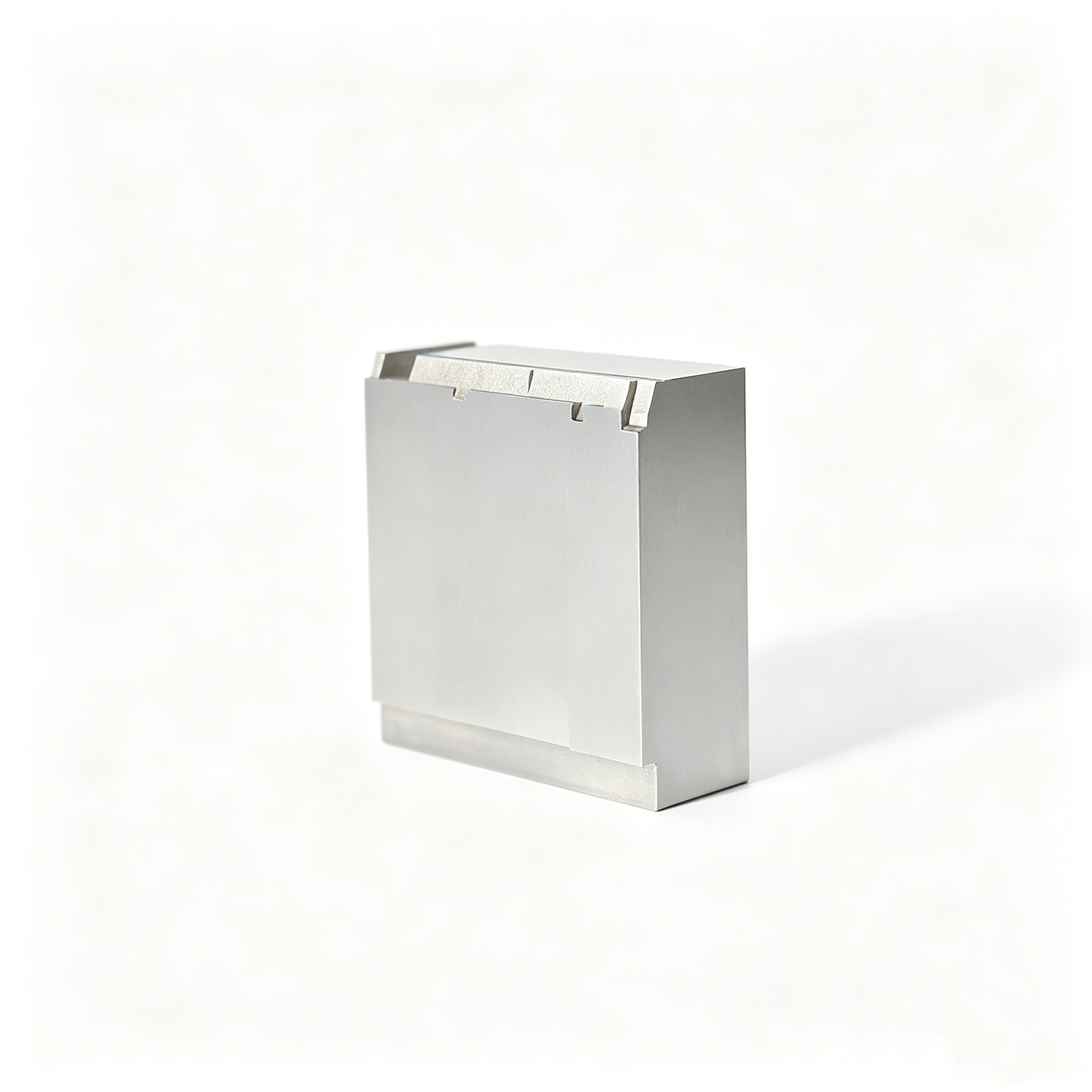
Mold Core & Cavity Inserts
Precision mold core inserts and mold cavity inserts are manufactured from customer drawings with attention to shutoff geometry, cavity details, cooling interfaces, heat treatment, EDM requirements, and fitting relationships. Critical dimensions, reference datums, surface specifications, and inspection points guide the production route.
Upload a Drawing
Ejector & Ejection Components
Ejector pins, sleeves, and ejection components are configured to mold design requirements rather than presented as assumed stock items. Review includes diameter and fit relationships, stroke-related geometry, hardness or material requirements, surface condition, lubrication considerations, and mating-component context.
Upload a Drawing
Core Pins, Guide & Locating Components
Core pins, guide pins, and locating components require clear control of mating fits, alignment, wear surfaces, and datum relationships. Drawings should define critical diameters, positional requirements, material and heat treatment, surface finish, and any grinding, EDM, or inspection needs.
Upload a Drawing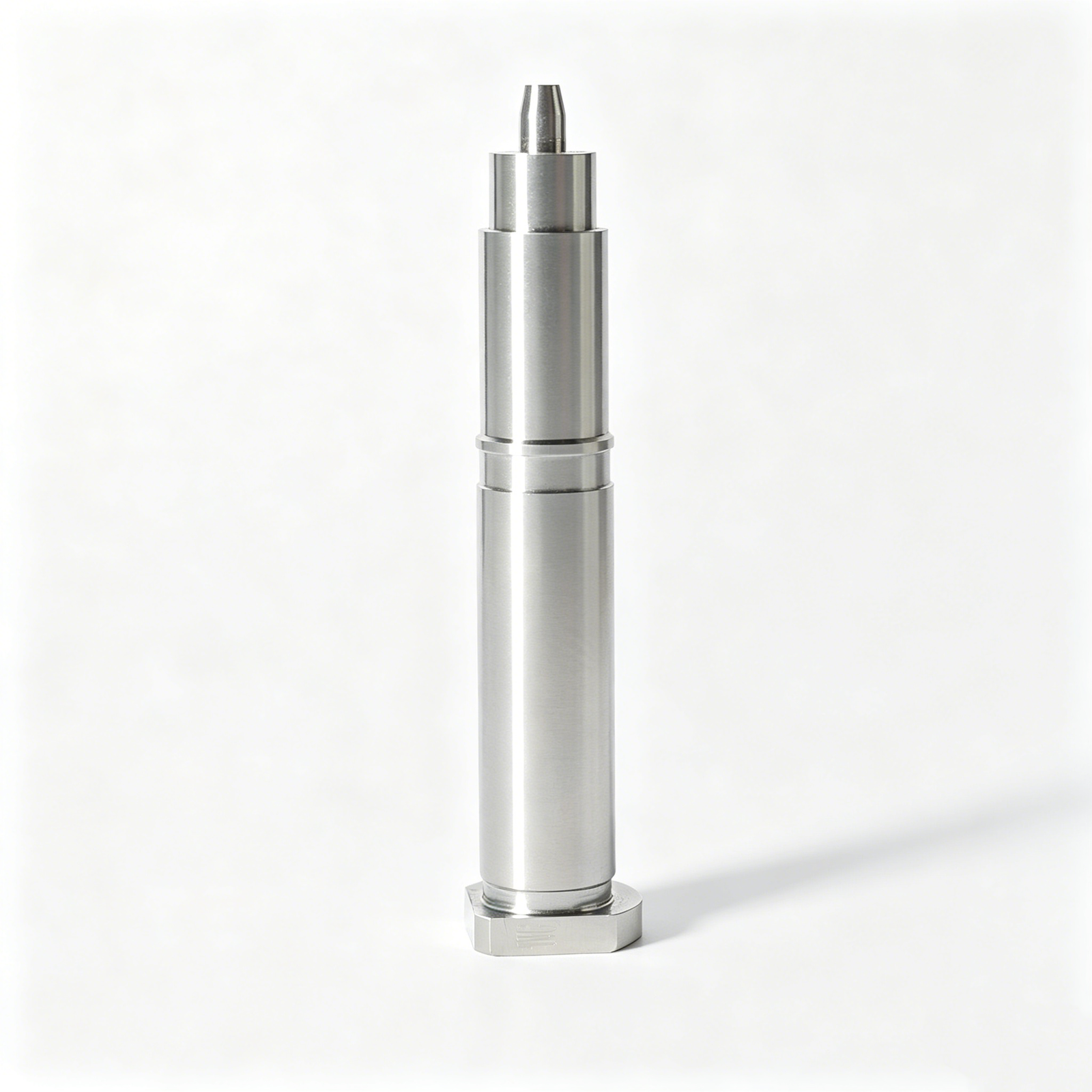
Slides, Lifters, Gates & Mold Accessories
Mold slides, lifters, gates, and accessories are evaluated as functional tooling components with moving, sealing, guiding, or material-flow interfaces. Production planning considers contact surfaces, travel geometry, machining access, heat treatment, fitting allowance, and the dimensions that affect assembly performance.
Upload a Drawing
Connector Mold Components
Precision connector mold components support tooling for connector-product features where pitch, cavity detail, alignment, and repeatable mating relationships are central. Provide the drawing, material specification, critical dimensions, surface needs, application context, and inspection or documentation requirements.
Upload a Drawing
Stamping Die Components
Precision stamping die components are produced to the drawing-defined relationships between cutting, forming, guiding, and locating features. Review should address die material, hardness sequence, clearance-sensitive geometry, grinding allowance, EDM needs, surface requirements, and inspection of critical profiles.
Upload a Drawing
Injection Mold Components, MIM, CIM & Overmolding Tooling
Injection, MIM, CIM, and overmolding tooling components are planned around the specified part and mold interfaces. Requirements may include cavity and core geometry, gates, inserts, wear surfaces, shrinkage-related references, material and heat treatment, fitting needs, and inspection planning within verified scope.
Upload a Drawing
Machining Materials
CNC machining materials are selected from the customer’s drawing and application requirements, including material grade, condition, traceability needs, machinability, heat-treatment sequence, corrosion or wear considerations, and mating-part behavior. Material availability and suitability should be confirmed for each project.
Upload a Drawing
Surface Finishes & Heat Treatment
Surface finishing and heat treatment are specified according to functional surfaces, wear behavior, corrosion needs, dimensional stability, and post-process inspection requirements. The production route should define when finishing occurs, what dimensions remain critical afterward, and which records are required with delivery.
Upload a Drawing
Quality, Metrology & Documentation
Precision inspection, metrology, and quality documentation are planned from the drawing’s critical dimensions, datums, tolerances, and reporting requirements. Discuss inspection methods, sampling or full-inspection expectations, material records, revision status, measurement reporting, and traceability before production begins.
Upload a Drawing
Prototyping & Low-Volume Production
Rapid prototyping and low-volume manufacturing support drawing-driven evaluation, bridge demand, and controlled small-batch requirements. A useful RFQ identifies quantity, material, dimensional priorities, surface requirements, revision status, target date, application context, and the inspection evidence needed for acceptance.
Upload a DrawingNickel Alloys We Review Against Your Drawing

Alloy 600
A nickel-chromium family often specified for heat and corrosion exposure. SUUXIANG reviews stock condition, critical dimensions, machining access and inspection needs against the drawing before confirming a workable process route.

Alloy 625
A nickel-chromium-molybdenum family considered when corrosion resistance and elevated-temperature service matter. Review focuses on supplied material documentation, feature geometry, tool access, surface requirements and any required heat-treatment sequence.

Alloy 718
A precipitation-hardening nickel alloy family used for demanding strength requirements. The drawing review addresses material condition, machining allowance, EDM or grinding strategy, critical datums and inspection planning before production commitment.

Alloy C-276
A nickel-molybdenum-chromium family commonly considered for aggressive corrosion environments. SUUXIANG assesses part geometry, material traceability, surface specification, tolerances and process constraints to determine whether the requirement fits verified scope.

Nickel Copper Alloys
Nickel-copper alloy families may suit corrosion-focused or specialty engineering components. Submit the exact grade, application context, quantity and quality requirements so material availability and a controlled machining route can be reviewed.
Nickel Alloys: Supported Machining and EDM Processes

CNC Milling
Rigid CNC milling removes material from nickel alloys while managing cutting heat, tool wear, and access to critical features. The route is reviewed against datums, tolerance stack, surface requirements, and required machining allowance.

Precision Turning
CNC turning supports rotational nickel-alloy parts such as pins, shafts, sleeves, and locating features. Setup strategy, workholding, stock condition, and inspection points are reviewed to protect concentricity, runout, and functional dimensions.


Wire EDM
Wire EDM produces fine profiles, narrow slots, and hardened-feature geometry without conventional cutting forces. SUUXIANG reviews wire path, start-hole needs, corner conditions, and finish requirements against the drawing and mating-component function.
Sinker EDM
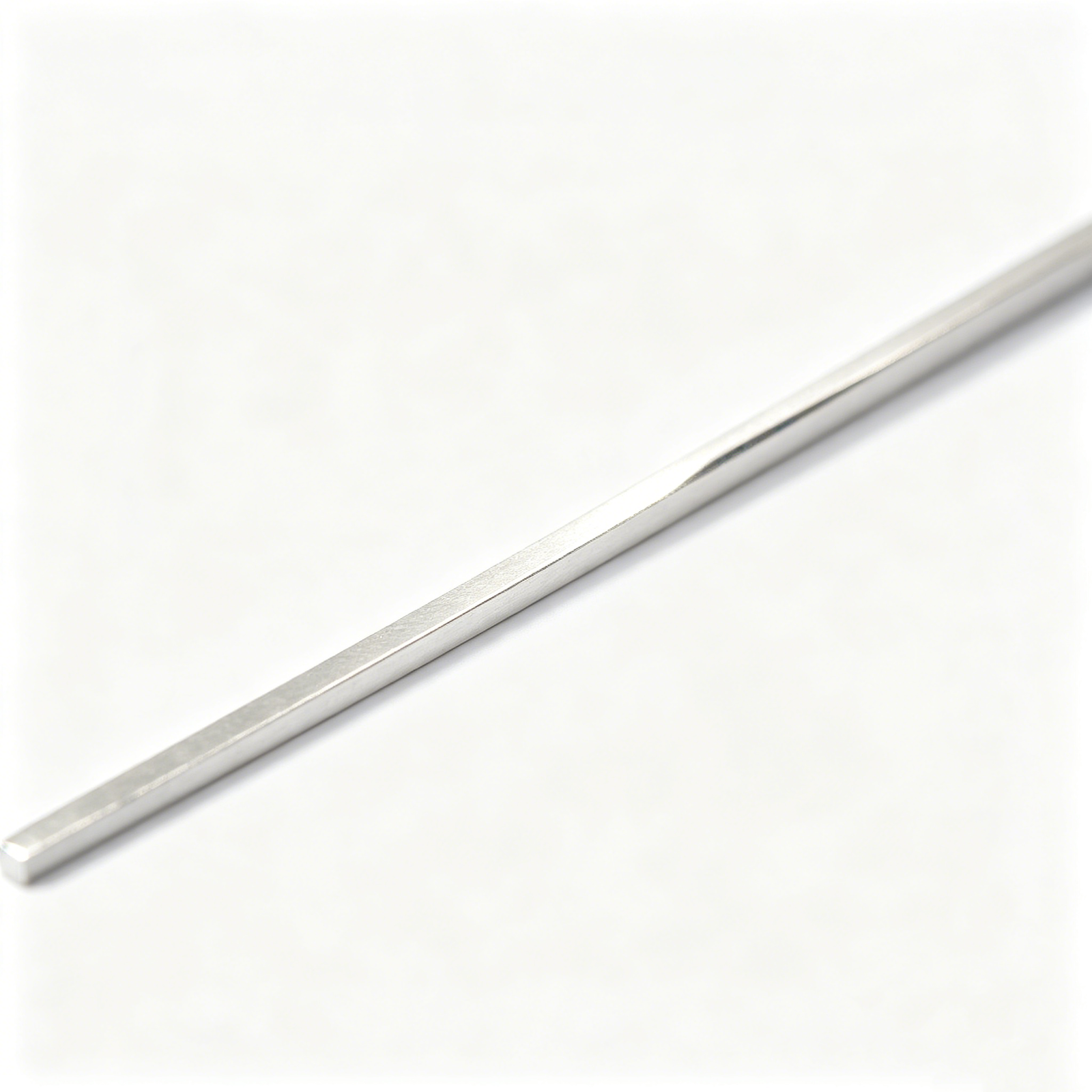
Sinker EDM forms cavities, ribs, and detailed internal features where milling access is limited. Electrode strategy, spark allowance, surface expectations, and subsequent finishing requirements are defined through the drawing-review process.

Grinding Inspection
Precision grinding, fitting, and inspection complete process routes for nickel-alloy components with critical surfaces or assembly relationships. Grinding stock, datum transfer, measurement method, reporting needs, and revision control are confirmed before release.
Nickel Alloys Component Features and Finishing Options
Precision Threads
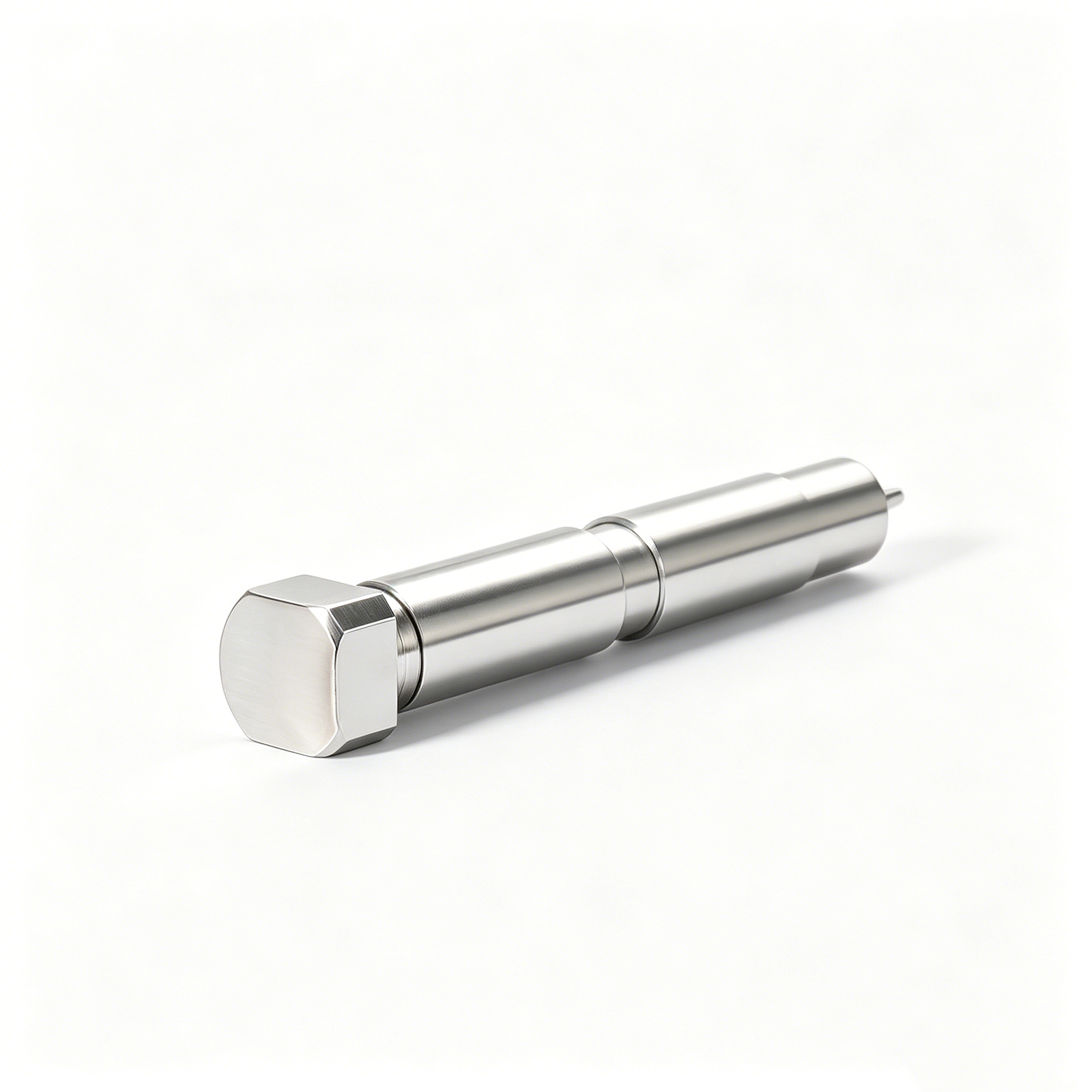
Internal and external threads for nickel alloys parts are reviewed against callouts, engagement needs, access constraints, and inspection requirements. Share the thread standard, class, depth, and any mating-component context with the drawing.

Locating Features
Dowel holes, datum faces, guide features, and alignment details can be planned around the functional assembly relationship. Identify primary datums, positional priorities, and mating interfaces so machining, grinding, and inspection reference the same intent.

Ground Surfaces
Critical flatness, parallelism, surface finish, and grinding-stock requirements should be defined on the drawing. SUUXIANG reviews whether nickel alloys features require a grinding sequence after machining, EDM, or heat treatment.

EDM Detail Features
Fine slots, sharp internal forms, deep ribs, and difficult-access geometry may require wire EDM or electrode EDM. Provide corner, wire-path, surface, and datum requirements so the electrode strategy and inspection plan can be evaluated.
Part Identification Marking
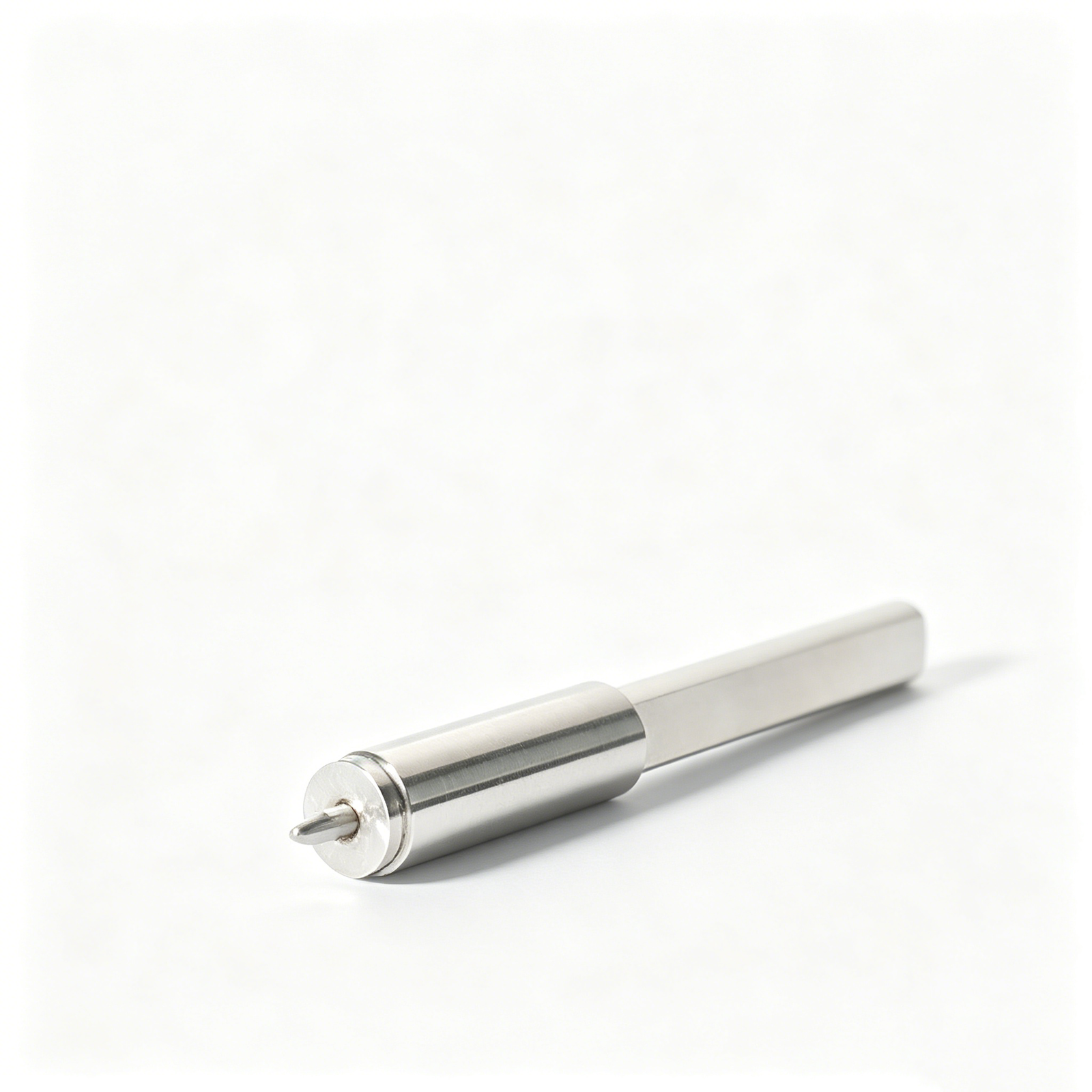
Part numbers, revision identifiers, and controlled marking locations can support traceability when specified. Define the marking method, character size, depth or contrast limits, and surfaces that must remain free of marks.
About SUUXIANG Precision Manufacturing
SUUXIANG is the international-facing brand of Dongguan SuuXiang Precision Mold Co., Ltd., established in 2010 in Chang’an Town, Dongguan, Guangdong, China. We help global engineering, sourcing, and quality teams convert drawings and specifications into inspected custom CNC parts, precision mold components, connector tooling, and die components.
For nickel alloys and other specified materials, project planning begins with the drawing, 3D model when available, application, quantity, and quality requirements. Our workflow combines CNC milling and turning, multi-axis machining, wire and sinker EDM, precision grinding, fitting, and inspection according to the part’s verified manufacturing route.
What differentiates SUUXIANG is disciplined pre-production communication. We review critical dimensions, datums, machining access, heat-treatment sequence, EDM or grinding needs, inspection methods, and revision status before production commitments. This gives buyers a clearer basis for evaluating manufacturability, documentation, and delivery coordination.

A Controlled Workflow for Drawing-Based Nickel-Alloy Parts
DFM Before Commitment
For nickel alloys, SUUXIANG reviews the drawing, 3D model, critical dimensions, datums, material condition, heat-treatment sequence, and inspection expectations before confirming a process route or quotation scope.
- Identify critical-to-quality dimensions and datum relationships
- Review tool access, wall geometry, and tolerance stack risks
- Clarify material, heat treatment, quantity, and delivery inputs
- Document revision status before production planning

Machining Access Matters
Nickel alloys can require deliberate planning around rigidity, feature access, and cutter reach. SUUXIANG evaluates the part geometry to select practical CNC milling, turning, multi-axis, Swiss, or micro-machining steps within the verified project scope.
- Assess internal features, deep pockets, and narrow walls
- Plan setups around stable workholding and datum transfer
- Review cutter reach and approach direction before machining
- Separate accessible machined features from EDM-dependent geometry
EDM Strategy for Complex Features
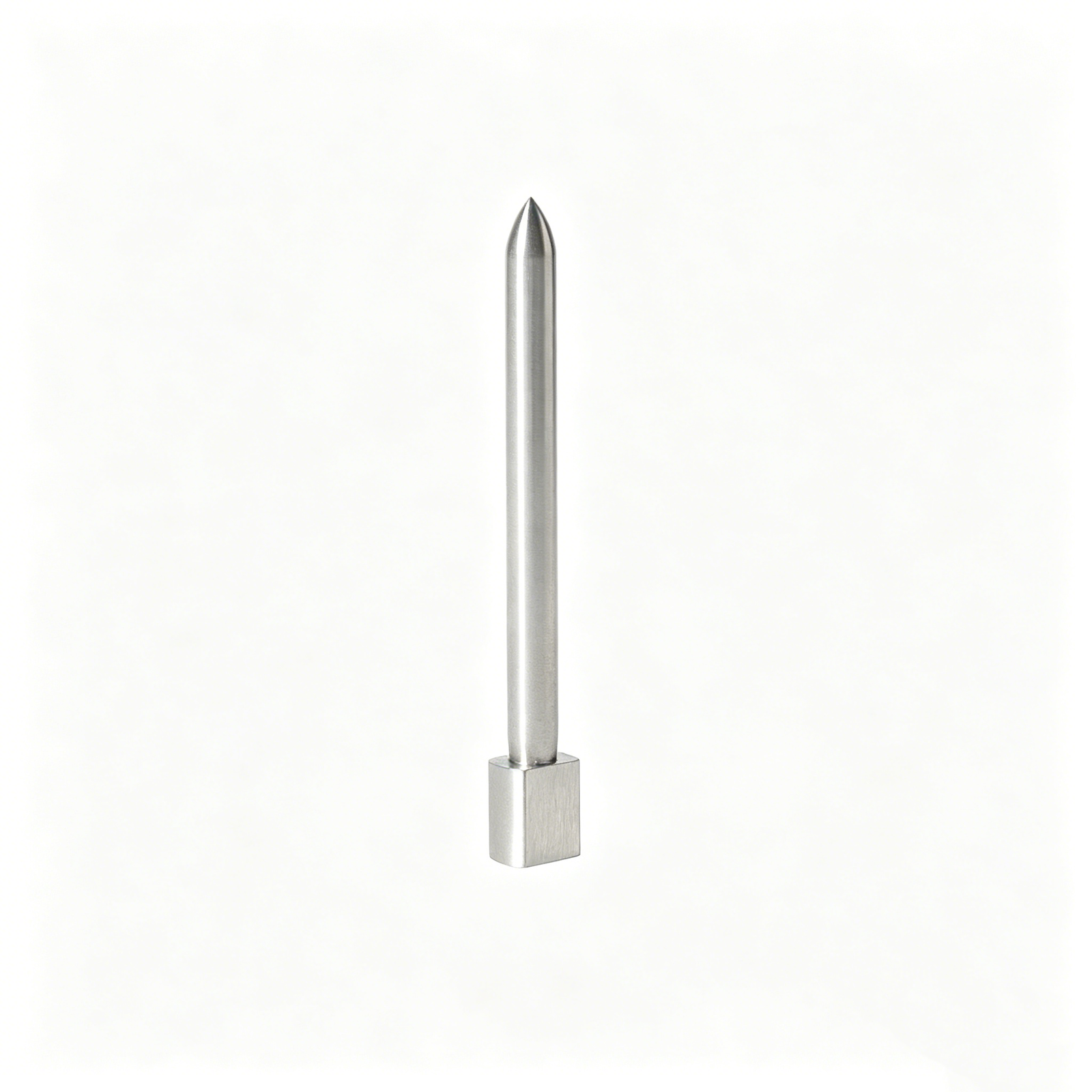
Where conventional cutting cannot reach or hold the intended geometry, SUUXIANG reviews wire EDM or sinker EDM as part of the route. Electrode design, wire path, flushing access, finish requirement, and subsequent fitting must align with the drawing.
- Determine whether wire EDM or sinker EDM fits the feature
- Review electrode access and geometry for blind details
- Define wire paths, corner conditions, and reference datums
- Coordinate EDM allowances with later fitting or grinding
Grinding and Inspection Planning
Final dimensions depend on a controlled allowance and verification plan, especially for mating, locating, and sealing features. SUUXIANG aligns grinding stock, measurement method, reporting needs, and final inspection records with the approved drawing revision.
- Reserve grinding stock where final geometry requires it
- Match inspection methods to critical dimensions and datums
- Confirm surface and reporting requirements before release
- Provide documentation that matches the order and inspection plan

Nickel Alloys: A More Controlled Alternative to Generic Quoting
Compare a drawing-led workflow with generic quoting when critical dimensions, process sequencing, inspection evidence, and revision control matter.
← Swipe left or right to view →
Nickel Alloys: From Drawing to Inspection
A controlled workflow for drawing-based nickel alloy parts, with process decisions, critical dimensions, and documentation reviewed before production commitments.
Review Drawings and Requirements
Review drawings, models, material condition, quantity, datums, critical dimensions, surface requirements, inspection needs, application context, and requested delivery date before quotation.
Plan Material and Process
Confirm material documentation and plan CNC, EDM, grinding, heat-treatment sequence, machining allowance, tool access, and inspection methods against the drawing requirements.
Machine Critical Part Features
Machine nickel alloy features using an appropriate CNC route, controlling setup rigidity, heat input, tool wear, datum transfer, and revision status throughout production.
Apply EDM or Grinding
Use wire EDM, sinker EDM, or precision grinding where geometry, access, finish, or dimensional requirements call for a secondary precision process.
Inspect, Pack, Coordinate Delivery
Inspect agreed characteristics, compile order-matched documentation, protect finished surfaces during packing, and keep delivery coordination visible through final shipment preparation.
How to Start a Nickel Alloys Project
Share complete technical inputs so SUUXIANG can review manufacturability, define inspection needs, and coordinate a drawing-driven quotation.
Send Your Technical Package
Upload the 2D drawing and available 3D model, then identify the part application, mating context, revision level, and any controlled specifications.
Define Material and Quantity
State the specified nickel alloy, heat-treatment condition where applicable, required quantity, prototype or low-volume intent, and target delivery date for planning.
Identify Critical Requirements
Mark critical dimensions, datums, tolerances, surface requirements, and features that may require EDM, grinding, special tool access, or controlled machining allowance.
Confirm Inspection Expectations
Specify required inspection methods, reporting format, traceability needs, and acceptance criteria so the quotation and production plan align with verified quality expectations.
Customer References Published Only With Approval
Verified Nickel Alloys Customer Outcomes and Project Cases
Reserved for an approved, attributable customer testimonial describing the nickel alloys part scope, drawing revision, inspection evidence, and a verified project outcome. No performance figure or delivery result will be published until the customer and project record are confirmed.
Reserved for an approved customer case describing a specific CNC machining, EDM, grinding, or inspection outcome for nickel alloys components. The final quotation will identify the contributor, role, company, and evidence-supported result only after written approval is received.
Reserved for an approved testimonial from an engineering, sourcing, or quality stakeholder. The published version will state the documented project outcome and relevant quantity, dimensional, revision-control, or inspection detail without disclosing confidential specifications or unsupported claims.
Nickel Alloys CNC Machining FAQ
Practical answers for drawing-based sourcing, material review, inspection planning, and delivery coordination.
What do you need to quote nickel alloys CNC-machined parts?
Can SUUXIANG machine nickel alloys from my drawing?
Is there a minimum order quantity for nickel alloys parts?
Can I order a sample before a production run?
Which nickel alloys and material documents should I specify?
What tolerances can you hold on nickel alloys CNC parts?
What inspection documentation can be supplied with an order?
How are payment, shipping, and drawing confidentiality handled?
The Complete Buyer’s Guide to nickel alloys
Use this decision framework to match nickel-alloy grades to CNC part requirements, evaluate capable drawing-based suppliers, control cost and lead time, and avoid material-selection, documentation, and manufacturability mistakes before production.
1. What Are nickel alloys?
Nickel alloys are engineered metallic materials built around nickel, with additions such as chromium, molybdenum, iron, copper, or cobalt selected to change specific service behavior. Depending on composition, they can prioritize corrosion resistance, elevated-temperature strength, oxidation resistance, controlled thermal expansion, or electrical properties; source: https://www.xometry.com/resources/materials/what-is-nickel-alloy
760°C is a useful illustration of why composition matters: nickel-chromium alloys containing more than about 15% chromium can provide oxidation and carburization resistance above that temperature, but that does not make every nickel alloy suitable for every hot or corrosive duty; source: https://www.nickel-alloys.net/article/nickel-and-nickel-alloys.html. Design teams should specify a grade only after defining the medium, temperature cycle, load, mating materials, and failure consequence.
2D drawings for CNC parts should connect the selected grade to manufacturability. Nickel alloys can work-harden and impose high cutting loads, so the drawing review should address tool access, thin sections, datum-critical features, finish requirements, heat-treatment condition, and inspection plan before the process route is confirmed.
2. How nickel alloys Evolved
More than 2,000 years ago, nickel-bearing metals appeared in tools, weapons, and coins, often before nickel was recognized as a distinct element. Their early use showed that small composition changes could alter durability, but it did not yet provide controlled engineering performance. https://www.nickel-alloys.net/article/nickel-and-nickel-alloys.html
During the 19th-century industrial expansion, steam equipment and chemical plants exposed carbon and low-alloy steels to oxidation, corrosion, creep, and loss of strength at elevated temperature. Metallurgists developed nickel-containing systems because nickel could be combined with chromium, iron, copper, and molybdenum to target these failure mechanisms. https://www.xometry.com/resources/materials/what-is-nickel-alloy
By the 20th century, precipitation-hardened nickel-base superalloys supported turbine and other high-temperature duties, while nickel-iron compositions enabled controlled expansion applications. For current sourcing, that history means grade selection must begin with the actual environment, temperature, load, mating parts, heat treatment, and dimensional stability required—not the generic label nickel alloys. https://www.nickel-alloys.net/article/nickel-and-nickel-alloys.html
3. Types of nickel alloys
Six practical families separate nickel alloys by their dominant alloying system and service priority. Select the family first, then verify the exact grade, product form, heat treatment, and governing standard on the purchase order.
| Family | Defining chemistry | Core tradeoff | Typical use | Buyer question |
|---|---|---|---|---|
| Commercially pure nickel | Nickel-dominant | Corrosion resistance; lower strength | Chemical equipment | Is purity more important than strength? |
| Nickel-copper | Ni-Cu | Marine resistance; modest heat strength | Marine hardware | Is seawater exposure primary? |
| Nickel-chromium | Ni-Cr | Oxidation resistance; difficult machining | Heater, hot tooling | What temperature and atmosphere apply? |
| Nickel-molybdenum | Ni-Mo or Ni-Cr-Mo | Chemical resistance; higher cost | Process equipment | Which corrosive medium is present? |
| Nickel-iron | Ni-Fe | Controlled expansion; limited structural strength | Glass seals, fixtures | Is thermal expansion critical? |
| Precipitation-hardenable | Ni-Cr with Al, Ti, Nb | High-temperature strength; heat-treatment control | Turbine, fasteners | Is aged-condition strength required? |
Family Names Need Grade Control
Trade names such as Monel, Inconel, Hastelloy, and Invar identify proprietary product lines, not interchangeable material specifications.
A drawing should name the required standard or UNS grade, condition, stock form, and any chemistry or mechanical-property verification required.
4. nickel alloys: Grades and Stock Forms
One procurement-ready callout names the grade or UNS designation, product form, condition, governing specification, and required documentation. It also states whether final heat treatment occurs before or after machining.
| Form | Best Geometry | Allowance And Yield | Supply Risk |
|---|---|---|---|
| Bar | Pins, shafts | Low waste for round parts | Common sizes lower risk |
| Plate | Blocks, inserts | Allow finish stock | Thickness may constrain |
| Tube | Hollow parts | Avoids deep boring | Wall sizes vary |
| Forging or near-net blank | High-removal forms | Higher yield; machine stock required | Qualification and lead time increase |
Build The Callout
A complete drawing note identifies the alloy, stock form, annealed or aged condition, specification revision, and required mill certificate.
Critical dimensions should identify the final condition; machining allowances and heat-treatment sequence belong in the routing notes.
Match Form To Geometry
Round bar suits turned pins and cylindrical inserts; plate and sheet suit prismatic parts. Tube reduces boring waste for hollow geometry.
Wire supports EDM electrodes or formed features. Forgings and near-net blanks can improve yield, but require defined stock allowance and source approval.
Protect Material Traceability
Each received lot should retain the mill certificate, heat or lot identity, and linkage to the purchase order. Verify chemistry, condition, and applicable standard before release.
For SUUXIANG drawing-based work, provide certificate, traceability, and inspection-report requirements with the RFQ.
5. Customizing nickel alloys Parts
Drawing-based nickel alloys parts can combine turned diameters, milled pockets, threads, fine holes, and datum-controlled features. Feasible routes depend on the specified grade, geometry, stock form, and the part’s functional requirements.
Define Machined Features
2D drawings should identify thread class, hole callouts, surface finish, and critical dimensions. 3D models help clarify intersecting features, tool access, and tolerance relationships.
Specify Post-Processing
Specified finishing may include deburring, passivation, laser marking, or another approved post-process. Each requirement should state the applicable standard, protected surfaces, and acceptance condition.
Set Inspection Requirements
Revision-controlled RFQs should provide the drawing revision, material standard, quantity, critical dimensions, and acceptance criteria. Inspection reports should be agreed against the order’s verified inspection plan before production.
6. Quality Factors for nickel alloys
Functional performance begins before machining: the ordered grade, stock form, condition, and required records must match the drawing. Quality planning should connect each control to fit, corrosion, fatigue, and assembly risks.
Material And Condition
Mill certificates should be reviewed against the specified alloy, heat number, chemistry, and mechanical or heat-treatment condition. Grain condition and age-hardening status matter where strength, stability, or subsequent heat treatment affects performance.
Machining And Edges
Nickel alloys can work-harden at the cut, so rigid workholding, controlled tool engagement, and defined tool changes reduce hardened surface damage. Burr removal must protect datum edges, threads, sealing faces, and mating features from assembly damage or corrosion initiation.
Inspection And Traceability
Critical dimensions should be inspected from drawing datums with a method suited to the tolerance and feature access. Surface checks, cleaning, protective packaging, and lot identification help prevent fit failures, embedded contamination, handling damage, and untraceable mixed material.
7. Choosing a nickel alloys Manufacturer
Two qualified suppliers can quote the same drawing yet choose different cutting, inspection, and control plans. Select a nickel alloys manufacturer by reviewing project evidence for the specified grade and revision, not broad capability statements.
| Evaluation Area | Evidence To Request | Decision Signal |
|---|---|---|
| Material control | Mill certificate and lot linkage | Grade traceability is defined |
| Inspection | FAI report and instrument plan | Critical dimensions are measurable |
| Change control | Revision log and approval path | No undocumented substitutions |
Verify Grade-Specific Experience
One prior-job package should identify the exact grade, stock form, heat-treatment condition, tooling approach, and machining risks. Request redacted setup records or process examples that show rigid workholding, controlled tool wear, and a credible strategy for work-hardening material.
Test The Engineering Response
Two drawing-review outputs matter before release: a DFM response and a transparent quotation. Ask for datum assumptions, inaccessible features, EDM or grinding allowances, inspection method, exclusions, material traceability plan, and assumptions affecting cost or lead time.
Control First Article Changes
Three controls should remain linked: incoming material evidence, first-article inspection, and revision control. Agree sample acceptance criteria, report format, change-approval authority, communication cadence, and a lead-time plan that separates material procurement, machining, inspection, and shipment.
8. Common nickel alloys Buying Mistakes
A purchase order is the last economical point to remove ambiguity. For nickel alloys, grade names alone do not establish suitability, machinability, inspection scope, or quote comparability.
Specify The Service Envelope
Service media, concentration, temperature, pressure, and exposure cycles determine the material decision; a familiar grade name does not. Before PO release, confirm the exact specification, accepted equivalent grades, mill condition, heat treatment, and required material certificate.
Control Geometry And Finish
A 0.01 mm tolerance on a nonfunctional feature can add grinding, EDM, and inspection cost without improving assembly performance. Before release, mark critical dimensions and datums, review tool access and wire paths, and verify that a surface finish is not being used to substitute for corrosion compatibility.
Normalize Quality And Quotes
Inspection requirements must state characteristic, datum, method, sampling, report format, and acceptance criteria. Before comparing quotations, align material evidence, machining route, finish, inspection, quantity, revisions, packing, and delivery assumptions so that price differences represent the same scope.
9. Launching a nickel alloys Part Project
Gate 1 starts with the service environment: temperature, media, load, mating parts, failure consequence, and critical dimensions. Engineering should release one controlled 2D drawing, current 3D model, revision identifier, and acceptance criteria before quotation.
Close The DFM Gate
Gate 2 is the manufacturer’s drawing review. SUUXIANG should return machining-access, datum, tolerance-stack, EDM, grinding-stock, and inspection-method questions; engineering owns the technical disposition, while program management records the decision.
Gate 3 confirms the exact nickel alloys grade, governing material specification, stock form, heat-treatment condition, and permitted substitutions. Procurement should not release a purchase order until these fields match the controlled drawing.
Align Build And Approval
Gate 4 separates prototype quantity from repeat-production intent. Procurement aligns quantity and target date; manufacturing selects a process route appropriate to the approved material, geometry, and quality plan.
Gate 5 requires sample or first-article approval against the defined datums and critical characteristics. Quality reviews results, material evidence, and any agreed reporting before production authorization.
Control Revisions And Reorders
Gate 6 establishes the inspection plan and documentation package before shipment. Quality, procurement, and the customer should agree which dimensions require recorded results, traceability, and final records.
Gate 7 releases repeat orders only against the approved revision and documented deviations. Program management communicates drawing changes, confirms their effect on stock or process, and preserves the order-to-order record.
10. nickel alloys Pricing and Cost
3 cost layers govern a nickel-alloy quote: material procurement, process time, and verification. Grade availability, bar versus plate stock, finished size, and removal ratio change both buy-in material and machining risk.
2 documents—the controlled drawing and inspection requirement—should accompany every RFQ. Tight tolerances, EDM or grinding steps, finishing, traceability, and report format must be priced against the approved revision, not assumed from part geometry alone.
| Quantity band | Main cost drivers | Lead-time considerations | Quote inputs needed |
|---|---|---|---|
| Prototype: 1–5 | Stock minimums, setup, programming, first-piece inspection | Grade and stock-form sourcing may govern | Drawing, model, grade, heat treatment |
| Low volume: 6–50 | Cycle time, tool wear, fixturing, inspection sampling | Batching operations can reduce changeovers | Critical dimensions, finish, report level |
| Repeat production: 51+ | Fixture amortization, yield, documentation control | Material release and revision stability matter | Forecast, release schedule, packing requirements |
Request a Nickel Alloys Machining Quote
Send your drawing with material, quantity, critical dimensions, inspection requirements, and delivery target for a disciplined manufacturing review.