
Custom Ejector Sleeves for Controlled Mold Ejection
Send your drawing for ejector sleeves planned around critical dimensions, machining access, EDM, grinding, and inspection requirements.
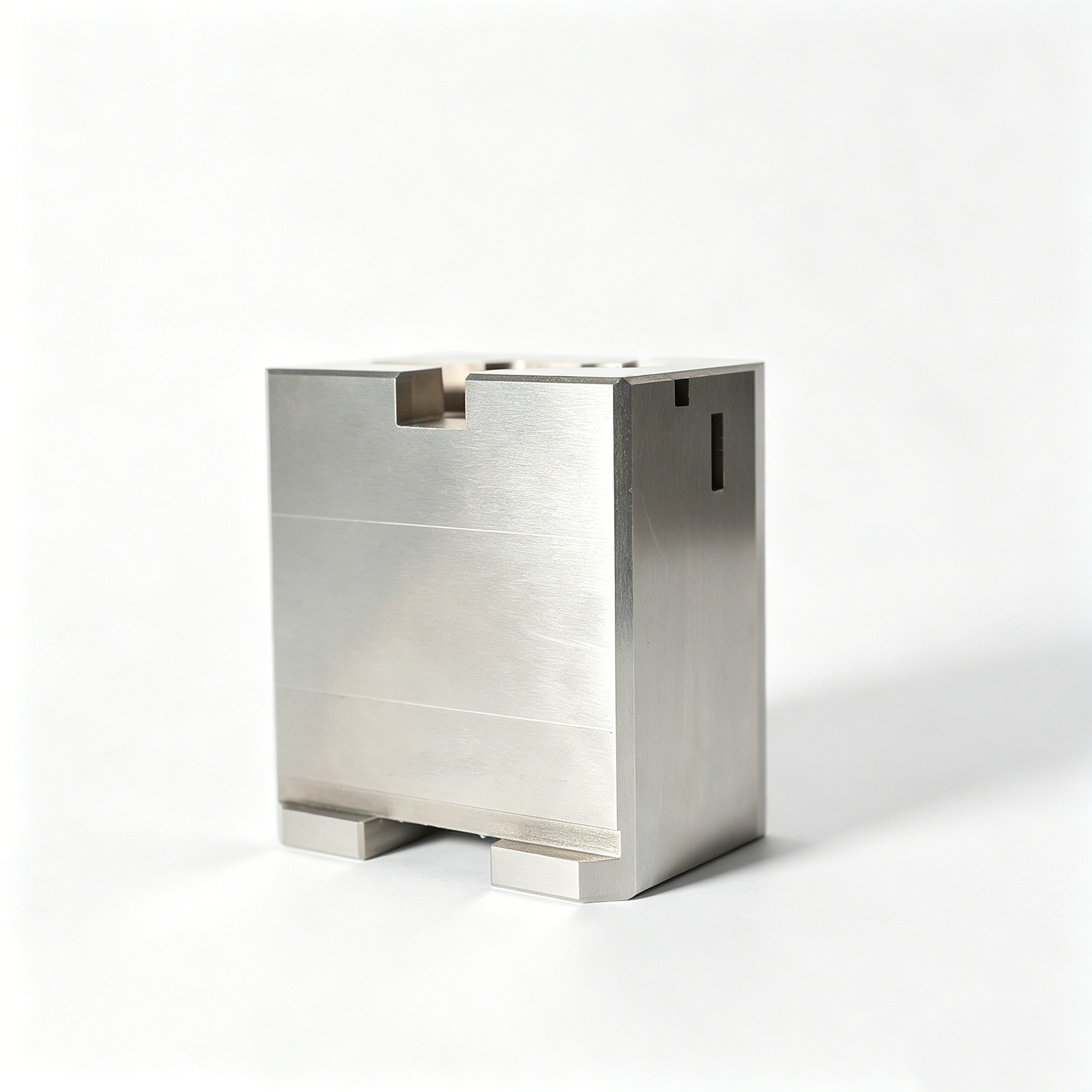
Representative Precision Mold Component Work




Related Product Catalogue and Quotation



Why Source Ejector Sleeves Through SUUXIANG
A controlled route from drawing review through machining, EDM, grinding, inspection, and revision-aware delivery.
Drawing Review First
We review dimensions, datums, material requirements, and application context before quotation to identify manufacturability questions early.
Process Route Planning
CNC, EDM, grinding, and fitting steps are selected around geometry, access, surface requirements, and the agreed production sequence.
Critical Dimension Focus
Critical-to-quality features are identified with your team so tolerance priorities, datum relationships, and measurement methods remain clear.
EDM and Grinding Coordination
Electrode strategy, wire paths, machining allowance, and grinding stock are considered together to support the intended finished geometry.
Inspection Plan Alignment
Inspection expectations are discussed before production, helping align requested reports, critical features, and final order documentation.
Revision Visibility
Drawing revisions and project information remain visible through the workflow, supporting traceable communication when requirements change.
Ejector Sleeve and Precision Mold Component Families
Drawing-driven manufacturing categories for ejection systems, core-side tooling, and related precision mold components, planned around critical dimensions and inspection requirements.
CNC Machining Services
Precision CNC machining services for drawing-based mold components and custom machined parts, using an appropriate route across milling, turning, EDM, grinding, fitting, and inspection. Quote review should confirm material, datums, critical dimensions, quantity, and documentation requirements before production planning.
Upload a Drawing
CNC Milling
Custom CNC milling services for prismatic, contoured, and multi-feature mold components. Tool access, fixture strategy, datum references, machining allowance, surface requirements, and critical features are reviewed from the drawing and model before the process route is defined.
Upload a Drawing
CNC Turning
Precision CNC turning services for rotational or concentric components such as sleeves, pins, bushings, and locating parts. Drawings should identify diameter relationships, runout or concentricity requirements, surface finish, material condition, and any downstream grinding or EDM operations.
Upload a Drawing
5-Axis Machining
5-axis CNC machining supports complex geometry where multiple faces, angled features, or difficult tool access affect setup strategy. The process review considers reachable surfaces, clamping, datum transfer, machining sequence, and whether EDM or grinding is needed for critical details.
Upload a Drawing
Swiss & Micro Machining
Swiss machining and micro machining support small, slender, and detail-intensive components where handling, concentricity, and feature access require controlled planning. Provide complete dimensional callouts, material, quantity, functional mating context, and inspection priorities for review.
Upload a Drawing
Wire EDM Services & Sinker EDM Services
Wire EDM and sinker EDM services address hardened materials, narrow slots, sharp internal profiles, deep ribs, and geometry not efficiently reached by cutting tools. Electrode strategy, wire path, corner conditions, recast-layer considerations, and finishing requirements should be defined early.
Upload a Drawing
Precision Grinding
Precision surface and profile grinding supports controlled flatness, parallelism, profile accuracy, and final size on hardened or critical mold components. Grinding stock, heat-treatment sequence, datum condition, surface specification, and inspection method should be agreed before release.
Upload a Drawing
Mold Core Inserts & Mold Cavity Inserts
Precision mold core and cavity inserts are produced from drawings and models with process planning for material condition, cooling or feature access, EDM requirements, grinding stock, and critical parting or forming geometry. Inspection priorities are aligned to the approved revision.
Upload a Drawing
Ejector & Ejection Components
Ejector pins, sleeves, and ejection components are configurable, drawing-driven parts for mold ejection systems. Review focuses on fit relationships, bore and outside diameters, clearance, hardness requirements, surface condition, stroke-related features, and mating-component context.
Upload a Drawing
Core Pins, Guide & Locating Components
Core pins, guide pins, and locating components require control of functional diameters, engagement lengths, concentricity, and wear-related surfaces. The manufacturing route may combine turning, milling, EDM, heat treatment, and grinding according to the verified drawing requirements.
Upload a Drawing
Slides, Lifters, Gates & Mold Accessories
Mold slides, lifters, gates, and accessories are planned as functional tooling components rather than fixed catalog items. Drawings should clarify motion interfaces, wear surfaces, parting conditions, lubrication or cooling details, critical fits, and required assembly relationships.
Upload a Drawing
Connector Mold Components
Precision connector mold components support fine-pitch, cavity, core, insert, and ejection-related tooling features. Production planning considers small geometry, material and hardness, EDM access, datum strategy, mating interfaces, surface requirements, and inspection evidence.
Upload a Drawing
Stamping Die Components
Precision stamping die components include drawing-based punches, dies, guides, plates, inserts, and related wear parts. Material, heat treatment, cutting-edge geometry, clearance relationships, grinding allowance, surface finish, and inspection requirements guide the process route.
Upload a Drawing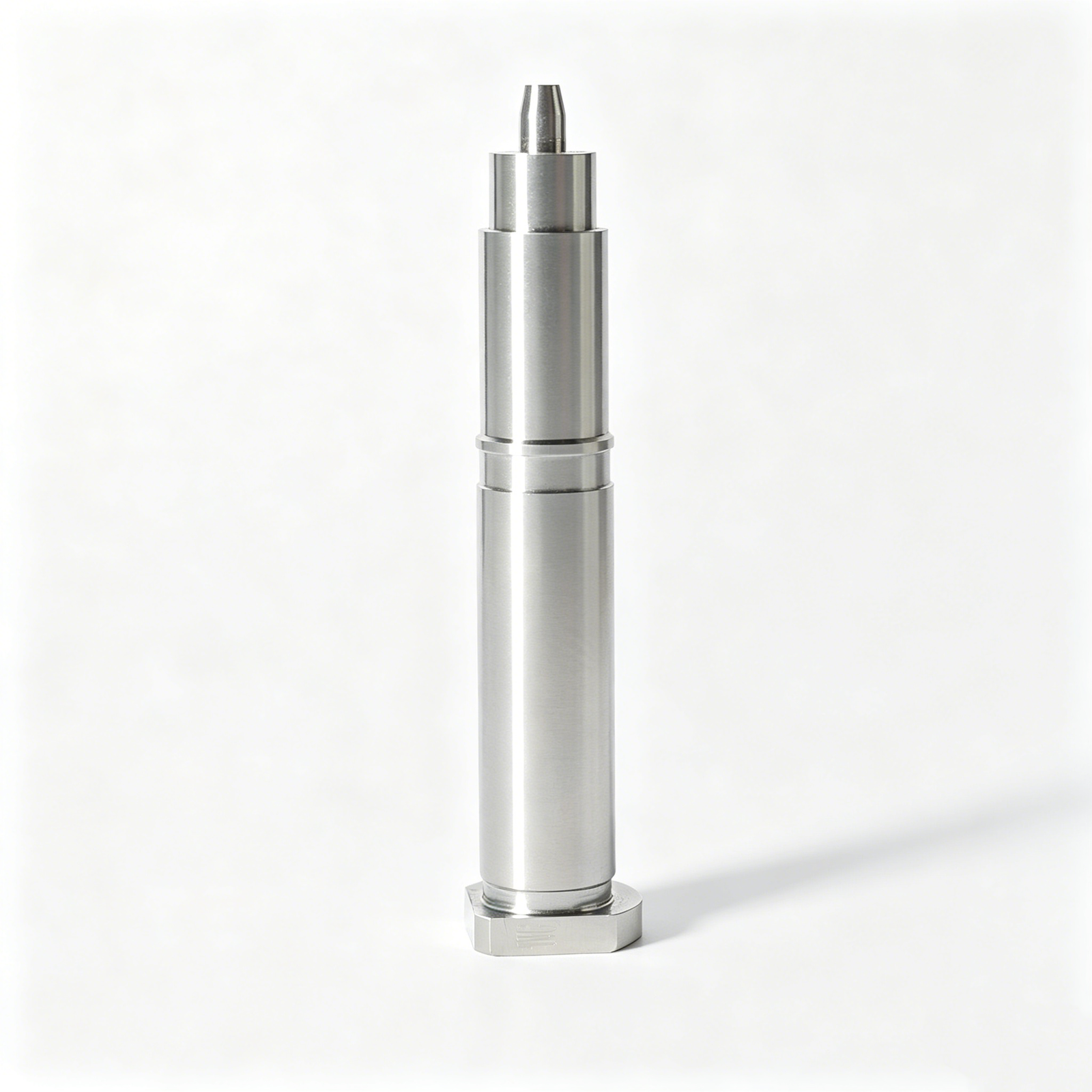
Injection, MIM, CIM & Overmolding Tooling
Injection mold components and tooling for MIM, CIM, and overmolding are supported when requirements fall within verified production scope. Review addresses molding-process context, material behavior, core and cavity geometry, gates, ejection, mating interfaces, tolerances, and downstream fitting needs.
Upload a Drawing
Machining Materials
CNC machining materials are selected against the drawing, application, machinability, hardness condition, corrosion needs, and required finishing or heat treatment. Material grade, supply condition, traceability expectations, and approved substitutions should be confirmed before manufacturing.
Upload a Drawing
Surface Finishes & Heat Treatment
Surface finishing and heat treatment are evaluated as part of the manufacturing sequence, not as isolated add-ons. Specify coating or finish type, hardness range when applicable, masking needs, dimensional impact, corrosion expectations, and post-treatment inspection requirements.
Upload a Drawing
Quality, Metrology & Documentation
Precision inspection, metrology, and quality documentation are planned around the drawing’s critical dimensions, datums, tolerances, and reporting needs. Confirm inspection methods, sampling or full-inspection expectations, revision status, material records, and required delivery documentation with the RFQ.
Upload a Drawing
Prototyping & Low-Volume Production
Rapid prototyping and low-volume manufacturing support drawing-driven validation, bridge requirements, and controlled small-batch production. A useful review defines intended use, quantity, material, critical dimensions, surface priorities, revision maturity, inspection needs, and target delivery date.
Upload a DrawingEjector Sleeves: Tool Steel and Application Materials

H13 Tool Steel
A common hot-work tool-steel option for ejector sleeves exposed to repeated cycling. Final hardness, nitriding requirements, and grinding strategy should be defined from the operating temperature, wear path, and drawing requirements.

D2 Tool Steel
A wear-focused cold-work tool steel considered where abrasion resistance is a primary concern. Its heat-treatment route, dimensional movement, and finish allowance require review before tight ID, OD, or concentricity requirements are finalized.

A2 Tool Steel
An air-hardening tool steel option for controlled dimensional stability during heat treatment. Application fit depends on the sleeve geometry, required hardness, molding conditions, and the available allowance for finish grinding.

S7 Tool Steel
A shock-resistant tool steel considered for demanding ejection loads or impact-prone tooling conditions. Material selection should account for the intended hardness, mating pin fit, lubrication approach, and service environment.

Stainless Tool Steel
Stainless tool-steel grades may be evaluated when corrosion resistance matters in the mold environment. Grade selection, heat treatment, surface finish, and dimensional-control requirements should be confirmed through drawing and application review.
Machining and Finishing Processes for Ejector Sleeves

CNC Turning
CNC turning establishes sleeve outside diameters, steps, head features and length references from the drawing. Controlled stock is retained where later grinding, heat treatment or EDM work is required for the specified functional geometry.


Wire EDM
Wire EDM produces profiles, slots and through-features where conventional cutting access is limited. The wire path, start-hole position, datum relationship and finish requirement are reviewed against the drawing before machining.

Sinker EDM
Sinker EDM addresses formed internal or external details that require an electrode-based approach. Electrode strategy, spark clearance and subsequent finishing needs are planned around the functional surfaces and mating interfaces.


Fitting and Inspection
Ejector sleeves are checked against the agreed drawing revision and inspection plan, including applicable dimensions and mating relationships. Where a matched component is supplied, fit expectations and measurement evidence are confirmed before delivery.
Ejector Sleeves: Supported Features and Assembly Interfaces
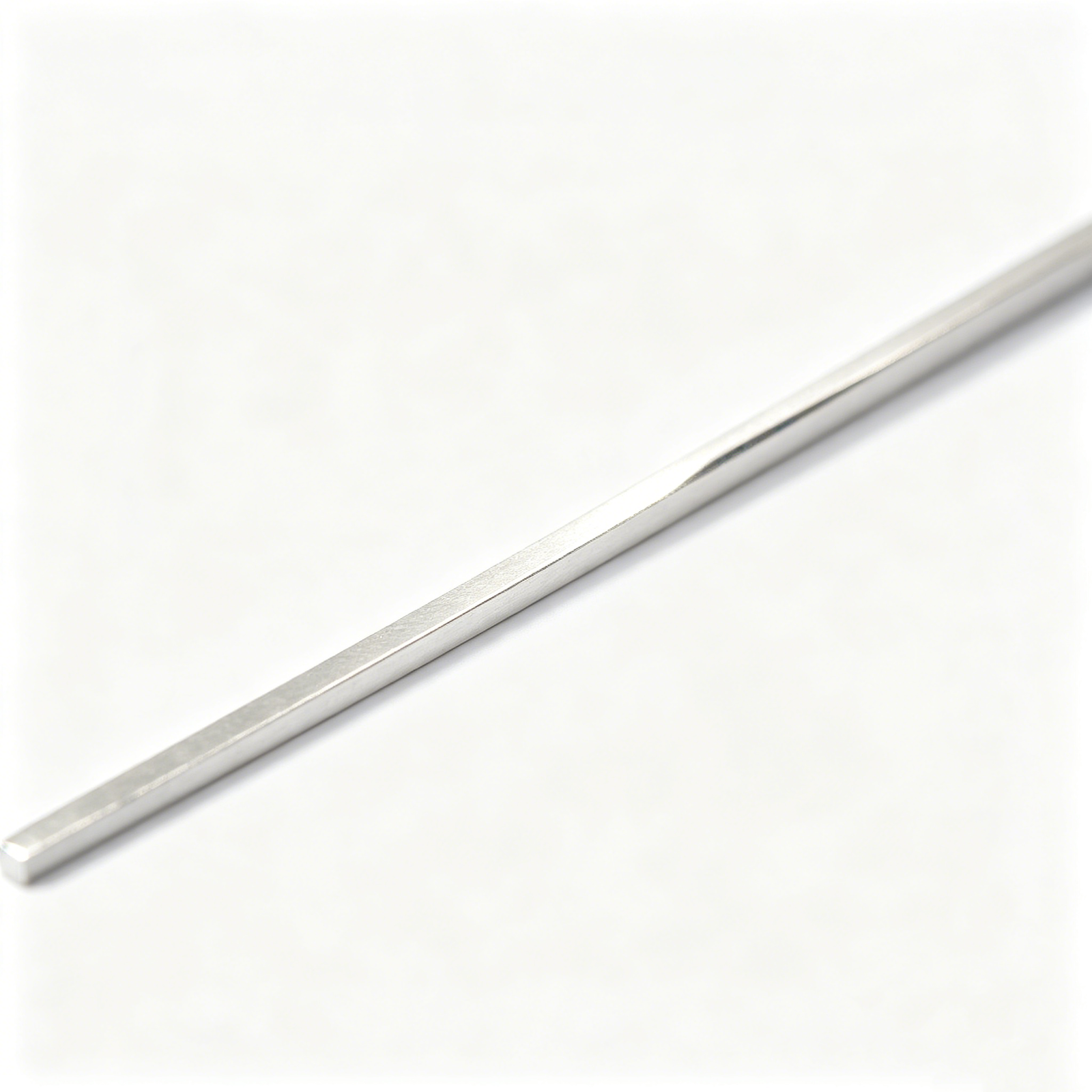
Stepped Profiles
Stepped outside diameters and transition features can be produced when the drawing defines functional locations, reliefs and datum references. Review focuses on tool access, grinding stock and the inspection method for each critical diameter.

Thin-Wall Sections
Thin-wall areas can be evaluated for wall stability, machining sequence and handling risk. Provide the required wall geometry, material condition and ejection application so SUUXIANG can assess a practical process route before quotation.
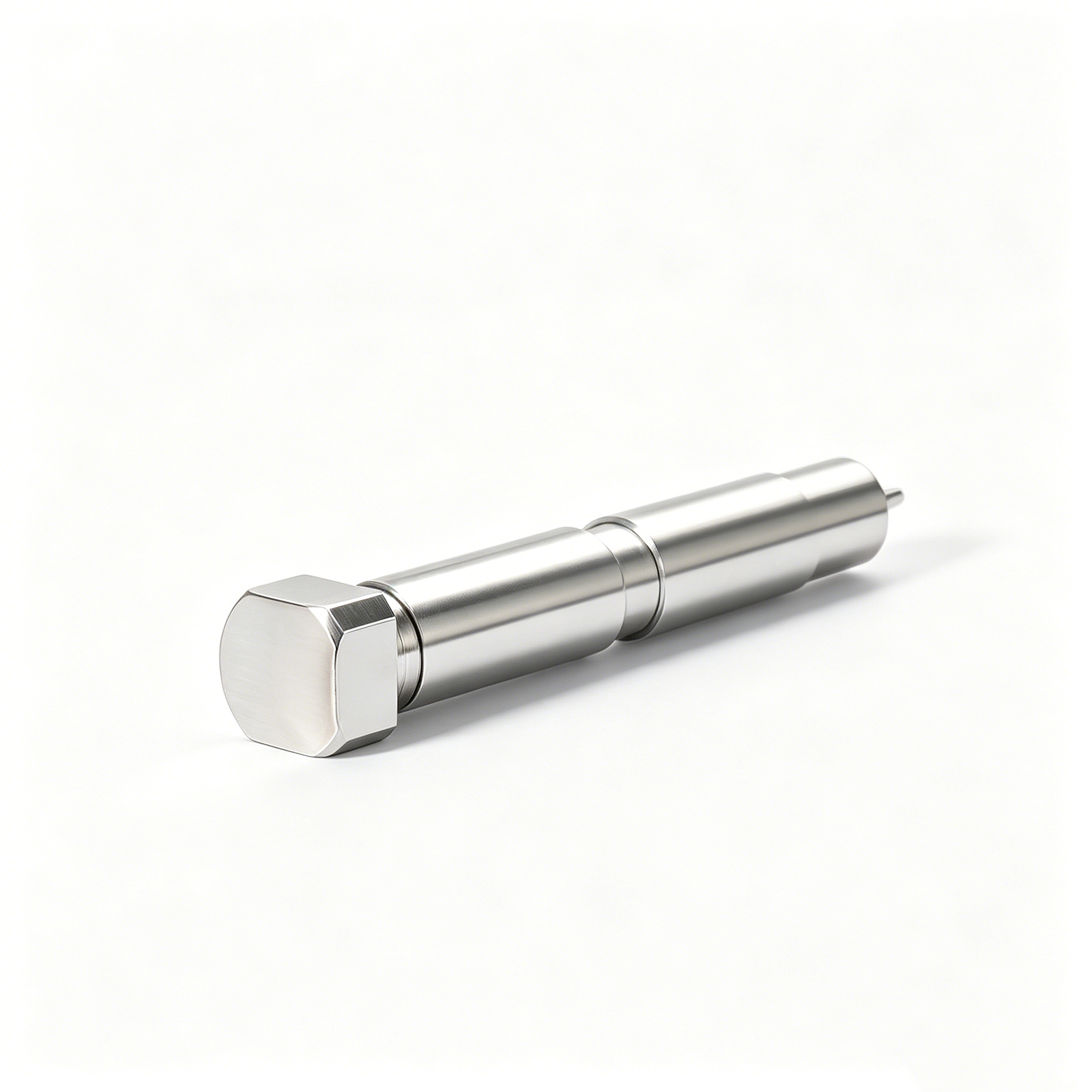
Matched Pin Fits
Ejector sleeves can be reviewed with their mating ejector pins where a controlled running fit is required. Submit both component drawings, relevant fit criteria and critical datums to coordinate dimensions and inspection expectations.

Head Configurations
Custom head forms, shoulders and retention details can be planned from the assembly drawing. Clear section views help identify bearing faces, installation orientation, clearance requirements and any features requiring EDM or precision grinding.

Mating Interfaces
Interfaces with ejector plates, core features or adjacent mold components should be defined by drawing dimensions and datums. Sharing mating-part context helps identify interference risks, tolerance-stack concerns and inspection points before manufacturing begins.
Ejector Sleeves, Built From Drawings
SUUXIANG is the sole public-facing brand of Dongguan SuuXiang Precision Mold Co., Ltd., established in 2010 and based in Chang’an Town, Dongguan, Guangdong, China. XiaoCheng Huang is the founder and legal representative. We help engineering, sourcing, and quality teams turn controlled drawings and specifications into inspected ejector sleeves, precision mold components, connector tooling, and custom machined parts.
Our production planning combines CNC milling and turning, multi-axis machining, EDM, precision grinding, fitting, and inspection according to the part requirement. Before quotation or production commitment, we review critical dimensions, datums, material and heat-treatment requirements, machining access, surface expectations, and the intended inspection method.
What distinguishes SUUXIANG is a disciplined, drawing-driven workflow rather than a generic catalog promise. For each project, we keep DFM questions, revision status, process decisions, inspection expectations, and delivery coordination visible, so buyers can align manufacturing evidence with the requirements that matter to the application.

Ejector Sleeves: From DFM Review to Inspected Components
DFM and Datum Review
Before quotation, SUUXIANG reviews the drawing, 3D model, part function, and mating conditions for ejector sleeves. The discussion identifies critical dimensions, datum references, wall sensitivity, and features that may affect tool access, ejection performance, or measurement planning.
- Confirm functional datums and critical-to-quality dimensions
- Review sleeve-to-pin interface and application context
- Flag thin-wall, stepped, or hard-to-reach features
- Align material, heat treatment, quantity, and delivery requirements
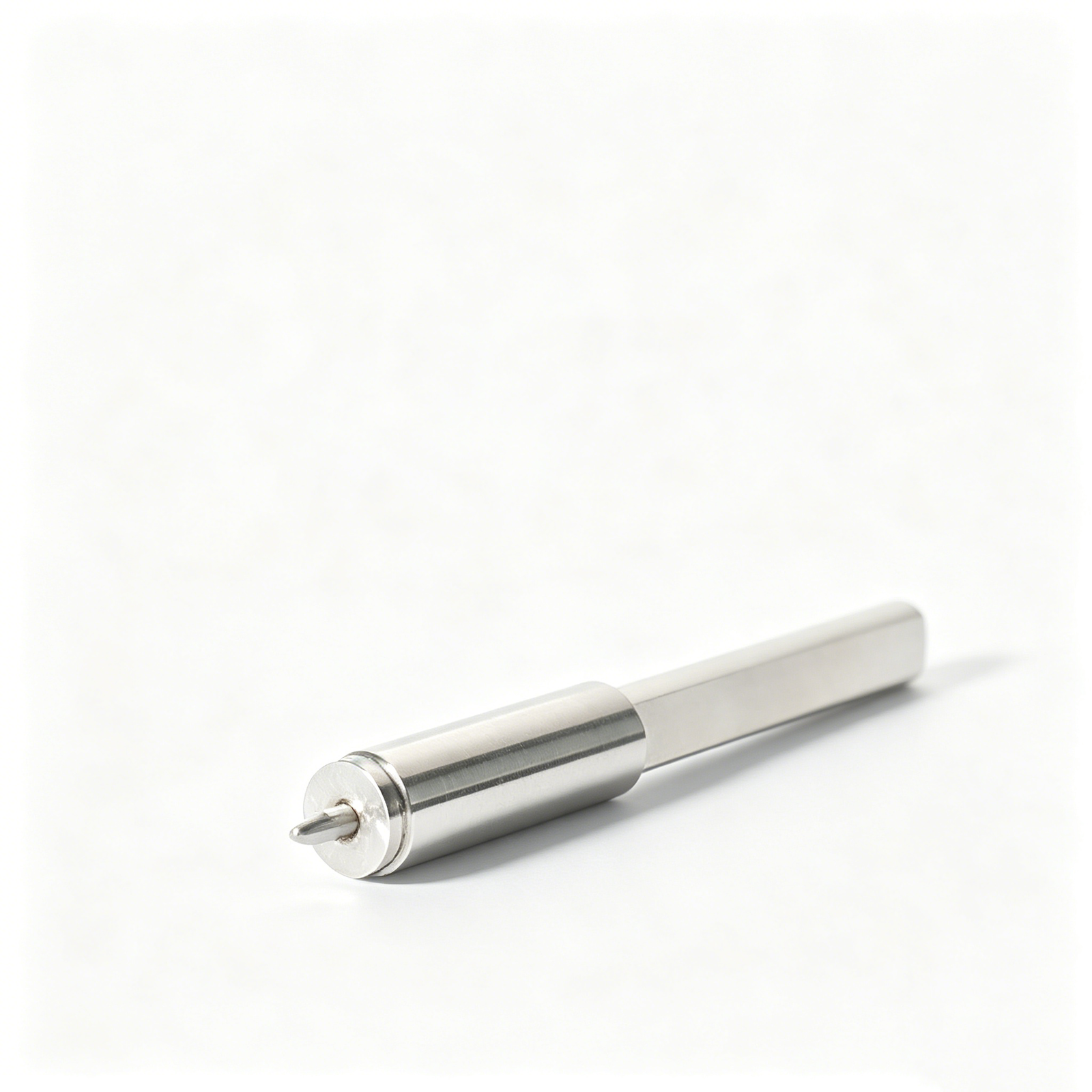
CNC and EDM Strategy
Process planning considers whether the sleeve geometry can be reached efficiently by CNC turning, milling, wire EDM, sinker EDM, or a controlled combination. SUUXIANG evaluates feature geometry and access before committing to a machining route or production schedule.
- Match process route to internal and external geometry
- Assess wire path, electrode needs, and feature access
- Plan machining sequence around heat-treatment requirements
- Keep drawing revisions visible through project coordination

Grinding and Fitting Allowance
Sleeve performance depends on the relationship between bore, outside diameter, head or locating features, and the paired component. Grinding stock and fitting allowances are reviewed early so finishing operations support the required interface without creating avoidable rework.
- Define finishing stock before grinding operations
- Review concentricity and interface requirements from the drawing
- Coordinate paired components when a functional fit is required
- Evaluate surface requirements against the intended application

Inspection and Revision Control
Inspection planning is tied to the approved drawing and identified critical features, not a generic checklist. SUUXIANG coordinates measurement expectations, order-specific reporting needs, and revision status so the final documentation corresponds to the verified production plan.
- Agree inspection methods for critical dimensions
- Confirm requested reports before production begins
- Maintain traceable drawing and revision communication
- Match final documentation to the order and inspection plan
A More Controlled Route for Ejector Sleeves
Compare drawing review, process planning, inspection evidence, and revision visibility with a typical quote-only supplier.
← Swipe left or right to view →
Ejector Sleeves Production Workflow
A drawing-led route that keeps DFM decisions, critical dimensions, inspection requirements, and revision status visible before shipment.
Review RFQ Package
We review the drawing, 3D model, material, quantity, application context, delivery target, and requested inspection documentation before evaluating the manufacturing route.
Confirm DFM Priorities
Critical dimensions, datums, wall sections, tolerances, surface requirements, machining access, heat-treatment sequence, and ejection interfaces are clarified to identify practical production risks.
Plan Process Route
SUUXIANG plans the appropriate CNC, turning, EDM, grinding, fitting, and allowance sequence around the approved drawing revision and quality priorities.
Machine Critical Features
Manufacturing follows the defined process plan, with controlled attention to bore geometry, concentric relationships, working surfaces, and features requiring EDM or precision grinding.
Inspect and Document
Finished ejector sleeves are checked against the agreed inspection plan, with dimensional results and order documentation matched to the confirmed drawing revision.
Pack and Coordinate Delivery
After final release, parts are packed for shipment and delivery details are coordinated with the customer to maintain clear order, revision, and dispatch communication.
Request an Ejector Sleeves Quote
Provide the drawing, application requirements, and inspection priorities needed for a disciplined manufacturability review.
Upload Your Drawing
Send the current 2D drawing and, when available, the 3D model. Identify revision status, sleeve geometry, mating pin details, and applicable datum scheme.
Define Material and Quantity
State the requested material, heat-treatment condition, surface treatment, quantity, and whether the ejector sleeves require matched components or assembly interfaces.
Flag Critical Requirements
Mark critical dimensions, concentricity or clearance needs, surface requirements, functional contact areas, inspection methods, and any application conditions affecting the manufacturing route.
Set Delivery Expectations
Include your target delivery date, destination, documentation needs, and approval process. SUUXIANG reviews the package before confirming a feasible process plan and quotation.
The Complete Buyer’s Guide to Ejector Sleeves
Verified Ejector Sleeves Customer Outcomes and Project Cases
Approved customer testimonial or substantiated project case pending verification. SUUXIANG does not publish customer quotes, company names, or outcome figures until customer approval and supporting project evidence are available.
Ejector Sleeves FAQ for Engineering Buyers
Practical answers for drawing review, process planning, inspection, and controlled project coordination.
What files should I send for a custom ejector sleeves RFQ?
What tolerances can SUUXIANG review for ejector sleeves?
Which material and heat-treatment details are needed for ejector sleeves?
Can you manufacture ejector sleeves from a sample instead of a drawing?
Will I receive an inspection report with my order?
How are drawing revisions controlled during an ejector sleeves project?
How does SUUXIANG handle delivery coordination for custom mold components?
How is our drawing and product IP handled during quotation?
The Complete Buyer’s Guide to ejector sleeves
Use this decision framework to specify ejector sleeves, compare materials and tolerances, evaluate drawing-based suppliers, control cost and lead time, and avoid fit, finish, and validation mistakes before production.
1. What Are ejector sleeves?
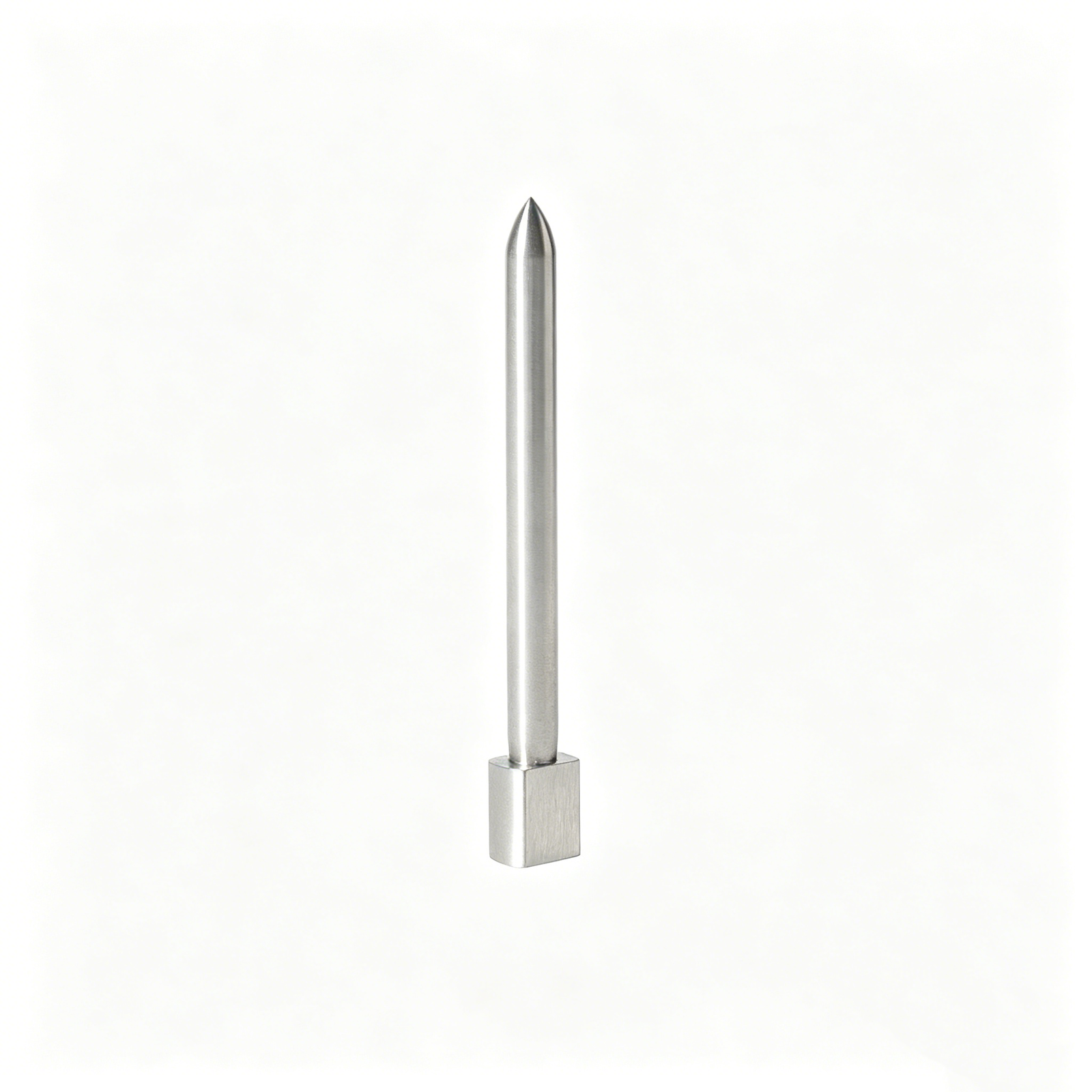
A 360-degree ejection contact defines an ejector sleeve: a hollow, tubular component that travels with the ejector system around a central core or pin. At mold opening, its annular face pushes the molded part from the core rather than concentrating force at one circular pin contact.
Two distinct functions must remain clear in the drawing review. A core pin forms an internal hole, bore, or other void while polymer flows around it; an ejector pin pushes the finished part from selected locations. An ejector sleeve surrounds the core or a matched pin and provides ejection without sacrificing that central forming feature.
One cylindrical boss is often enough to justify a sleeve when the part tends to cling to the core, because the ring distributes load around the boss base and reduces local marking risk. A conventional pin is usually simpler for a broad, supported surface; select a sleeve when an annular contact is needed around a column or cylindrical feature. Source: http://opro-tech.com/blog/detail?id=1087
2. How ejector sleeves Evolved
H-13 hot-work tool steel became a common reference material for ejector sleeves because it combines heat resistance with a practical hardening response. Catalogued sleeves helped mold builders standardize basic diameters and lengths, while the sleeve-and-pin arrangement provided ejection around a cylindrical core feature rather than point loading on the molded part (https://www.plastixs.com/products/plastixs/ejector-pins/sleeves).
65–74 HRC is one published nitrided surface-hardness range for H-13 sleeves, illustrating how surface treatment was added to reduce wear on both internal and external sliding surfaces. Grinding and honing became central after heat treatment: the functional requirement is not nominal diameter alone, but controlled bore, outside diameter, straightness, and concentricity relative to the mating pin (https://www.plastixs.com/products/plastixs/ejector-pins/sleeves).
15–18 inch standardized sleeve lengths and extensions to 27 inches show how longer ejector travel pushed the component beyond short catalog formats. Modern programs also require thin-wall, stepped, or formed sleeves, so the drawing must define datums, fit, wall thickness, treatment sequence, and inspection points before CNC machining, EDM, grinding, and final matching are planned (https://procomps.com/news/spotlight/ejector-sleeves).
3. Types of ejector sleeves
Six sleeve geometries cover most circular ejection features. Select the profile from molded geometry, load path, available wall, and required stroke—not catalog familiarity.
| Route | Use When | Define |
|---|---|---|
| Off-the-shelf | Geometry and length match | Catalog size and fit |
| Drawing-based custom | Steps, profile, or interfaces differ | Controlled drawing and datums |
Standard Straight Sleeves
Straight bores suit round bosses and uniform cores. Define ID, OD, length, head form, fit, and critical concentricity; poor fit can gall or flash.
Stepped Sleeves
One OD step clears a larger support or pocket. Define every diameter, step location, radii, and datum; sharp transitions concentrate stress.
Multi-Step Sleeves

Two or more steps follow compound core geometry. Define each axial length and transition; accumulated tolerances can mislocate the ejection face.
Thin-Wall Sleeves
Thin walls eject tight annular features where pin area is limited. Define minimum wall, ID/OD, length, and support; distortion and cracking rise.
Oversized And Long Sleeves
Large-diameter or long sleeves spread load across deep bosses. Define straightness, guided length, head support, and stroke; bending or binding risks increase.
Custom-Profile Sleeves

Drawing-based profiles suit nonstandard faces or interfaces. Provide 2D/3D geometry, material condition, datums, surface callouts, mating pin, and inspection points; undefined interfaces invite rework.
4. Materials and Treatments for ejector sleeves
Two interfaces govern material choice: the sleeve bore against its mating pin, and the outside diameter against the mold plate. Load, temperature, resin, lubrication, and corrosion exposure require one drawing-led review.
| Family | Strength | Selection Trigger |
|---|---|---|
| H13 | Thermal toughness | Hot cycling |
| S7 | Impact toughness | Shock loading |
| 420/440 | Corrosion resistance | Corrosive exposure |
Base Steel Families
H13 is a common hot-work starting point when thermal cycling and balanced toughness matter; published sleeve examples use nitrided H13. S7 favors impact toughness, while D2 or M2-type choices prioritize wear only after brittleness risk is assessed. https://www.choicemold.com/customs-specials/ejector-sleeves
Corrosion And Resin Effects
420 and 440 stainless families merit review for corrosive resin or moisture exposure. Corrosion resistance does not eliminate galling, filler wear, or bore-finish checks; abrasive filled resins can move priority toward wear resistance and mating-fit control.
Surface Treatment Validation
Nitriding can harden sliding surfaces; one published H13 sleeve example specifies nitrided IDs and ODs at 65–74 Rc. PVD-type coatings require validation to the drawing, duty cycle, surface build-up, polish, and mating-pin fit. https://www.plastixs.com/products/plastixs/ejector-pins/sleeves
5. Custom ejector sleeves Specifications
A custom sleeve quotation becomes reliable only when geometry, interfaces, and acceptance criteria are defined together. SUUXIANG reviews the drawing and application inputs before selecting a feasible machining, EDM, grinding, and inspection route.
Define Functional Geometry
ID, OD, overall length, wall thickness, and every head, shoulder, or step dimension should be dimensioned on the 2D drawing. Include section views where internal reliefs or blind features affect tool access.
Concentricity and straightness requirements should be tied to functional surfaces, not left as general expectations. Identify the mating ejector pin diameter, fit intent, engagement length, and whether sleeve and pin require matched manufacture.
Set Datums And Units
Datum A should normally establish the functional seating face, while a sleeve axis can control ID-to-OD relationships. Apply tolerances from those datums so inspection follows the assembled mold function.
Metric and inch dimensions must never be mixed without an explicit governing unit system. State nominal units, decimal precision, geometric tolerances, and any conversion-controlled dimensions.
State Process Conditions
Material grade, required hardness, coating, surface finish, expected resin, and molding cycle conditions affect the proposed process sequence. Call out whether heat treatment occurs before final grinding and which surfaces need protected finishing.
Quantity, target date, revision level, inspection report needs, 3D model, and mating-part data reduce quotation assumptions. A complete RFQ makes dimensional risks and rework questions visible before production begins.
6. Construction Quality That Matters
Two interfaces govern sleeve serviceability: the bore-to-pin fit and the sleeve-to-mold alignment. A dimensionally correct part can still gall, stick, flash, break, or eject unevenly when these interfaces are poorly controlled.
| Characteristic | Check | Service Risk |
|---|---|---|
| ID/OD relationship | Concentricity report | Uneven ejection |
| Bore and pin | Finish and trial fit | Galling or sticking |
| Working edge | Visual and dimensional check | Flash or marking |
| Treatment and coating | Hardness and coverage check | Wear or breakage |
Axis And Bore Control
One datum axis should relate ID, OD, and head geometry. Concentricity and straightness protect wall balance; bore finish and controlled pin clearance reduce drag, galling, and sticking.
Edges, Heads, And Treatment
Three local features deserve separate review: working-end edges, head seating geometry, and transitions. Burrs or distorted edges can mark parts or promote flash; inconsistent heat treatment or coating can accelerate wear and raise breakage risk.
Inspection Before Release
Four evidence types make the acceptance plan usable: dimensional report, hardness verification, surface-finish check, and trial fitting with the mating pin. Inspection results should identify drawing revision, datums, instruments, and any deviation disposition.
7. How to Choose an Ejector Sleeve Supplier
A capable supplier evaluates ejector sleeves as a drawing-controlled fit system, not a catalog item. Compare evidence for review discipline, process planning, inspection, and controlled communication before awarding work.
| Evaluation Area | Evidence To Request | RFQ Question |
|---|---|---|
| Engineering | Written DFM review | How will fit risks be controlled? |
| Quality | Inspection plan and sample report | Which CTQs receive recorded results? |
| Supply | Revision and packing method | How are changes and transit damage managed? |
Start With Drawing Review
2D drawings and 3D models should trigger a review of datums, sleeve-to-pin fit, wall thickness, grinding allowance, EDM access, and critical dimensions.
One written DFM response is more useful than a generic capability statement; ask for identified risks and proposed controls.
- Which dimensions are CTQ?
- What process establishes each datum?
- Where are EDM and grinding required?
Request Production Evidence
Material documentation should be requested when the drawing or quality plan requires it. Confirm how heat treatment, in-process checks, final inspection, and lot identification will be recorded.
A first-article or prototype plan should state sample quantity, measurement method, report format, and approval gate.
- Material and treatment records
- Inspection report sample
- Traceable part or lot marking
Test Supplier Control
Change control should cover drawing revisions, substitutions, and deviations before machining proceeds. Ask how packaging protects thin walls and finished surfaces during international shipment.
SUUXIANG can review the RFQ against its verified CNC, EDM, grinding, fitting, and inspection workflow, then define project-specific evidence.
- Who approves revisions?
- How are deviations documented?
- What packaging is specified?
8. Common Ejector Sleeve Buying Mistakes
Drawing dimensions alone do not define functional ejection. Before releasing a PO, convert mold-function assumptions into clearances, loads, mating data, and measurable acceptance criteria.
Ignoring Functional Clearance
ID and OD values without running clearance can cause galling or unstable travel.
Specify the mating pin, fit condition, temperature, lubrication, and allowable clearance before PO release.
Underestimating Thin-Wall Strength
Thin walls lose stiffness as unsupported length increases, raising bending and cracking risk.
Provide wall thickness, free length, ejection load, and guidance conditions for a strength review before PO release.
Buying Material On Price
Low initial material cost can increase wear, seizure, or premature replacement in service.
State resin, operating temperature, cycle demand, corrosion exposure, and required material traceability before PO release.
Leaving Treatment Undefined
Unspecified hardness, nitriding, or finish can produce incompatible friction and wear behavior.
Define heat-treatment sequence, target hardness, treated surfaces, finish requirement, and masking areas before PO release.
Omitting Mating-Part Data
A sleeve cannot be functionally verified from its drawing when the pin and bore data are absent.
Submit mating-part drawings, datums, tolerance limits, and revision status before PO release.
Accepting Irrelevant Inspection
Diameter-only inspection can miss concentricity, straightness, surface condition, or functional fit failures.
Align inspection methods and report requirements with mold datums and actual ejection function before PO release.
9. From Drawing to Production Launch
A controlled launch starts before cutting steel: ejector sleeves must be defined by function, mating pin, mold location, and acceptance evidence. SUUXIANG can review drawing-led requirements against the proposed manufacturing route.
Define The Functional Interface
1 functional brief should identify resin, operating environment, sleeve travel, load path, venting needs, and the mating pin or core geometry. Mark CTQ diameters, concentricity, surface condition, datums, and allowable fit behavior.
Release Complete Technical Files
2 file sets should include the revision-controlled 2D drawing, 3D model, mating-part geometry, BOM position, and application notes. The buyer owns the released revision; SUUXIANG should acknowledge revision, open questions, and agreed acceptance criteria.
Close DFM And Process Decisions
3 reviews should confirm material, heat-treatment sequence, grinding stock, EDM access, and inspection method before production. Any change to dimensions, treatment, or process route requires documented customer approval before release.
Approve Samples And Mold Fit
1 first article or agreed sample should be measured against the inspection plan, then checked in the actual mold for sliding fit, ejection behavior, and interference. Record the result against the controlled revision.
Release Controlled Recurring Orders
1 production release should lock the part revision, inspection scope, quantity, packaging protection, labeling, and delivery instructions. For recurring or low-volume orders, define spare quantities, storage condition, and the approval path for future revision changes.
10. Ejector Sleeves Pricing and Cost Drivers
1-piece prototypes concentrate programming, setup, material preparation, machining, EDM or grinding, and inspection effort into few parts; they are quotation-dependent, not SUUXIANG price commitments. Larger diameters or lengths, tight ID/OD concentricity, thin walls, complex steps, specified steel, heat treatment, coatings, and documented inspection can change the process route and cost.
2D drawings plus a 3D model, when available, make quotations comparable. State quantity, material and hardness, critical dimensions and datums, surface requirements, inspection report needs, delivery target, and whether a matched ejector pin must be supplied and fitted.
| Quantity tier | Indicative cost behavior | Indicative lead-time band | Main cost drivers |
|---|---|---|---|
| 1–5 | Highest unit cost; setup-dominant | Quotation-dependent: prototype band | Thin wall, tolerance, EDM/grinding, full inspection |
| 6–25 | Setup spread across parts | Quotation-dependent: short-run band | Material, heat treatment, surface treatment, matched pin |
| 26–100 | Lower unit cost when route repeats | Quotation-dependent: production-planning band | Batch inspection, revision stability, delivery schedule |
| 100+ | Volume review required before pricing | Quotation-dependent: capacity-confirmed band | Material availability, process control, packaging, traceability |
Upload Your Ejector Sleeves Drawing for RFQ Review
Include application, material, quantity, critical dimensions, inspection needs, and delivery target so our team can review the manufacturing route.