
Custom Stripper Plates, Reviewed Before Machining
Send drawings, material, quantity, and inspection requirements for stripper plates planned around critical dimensions and tooling interfaces.
Representative Stripper Plate and Tooling Components


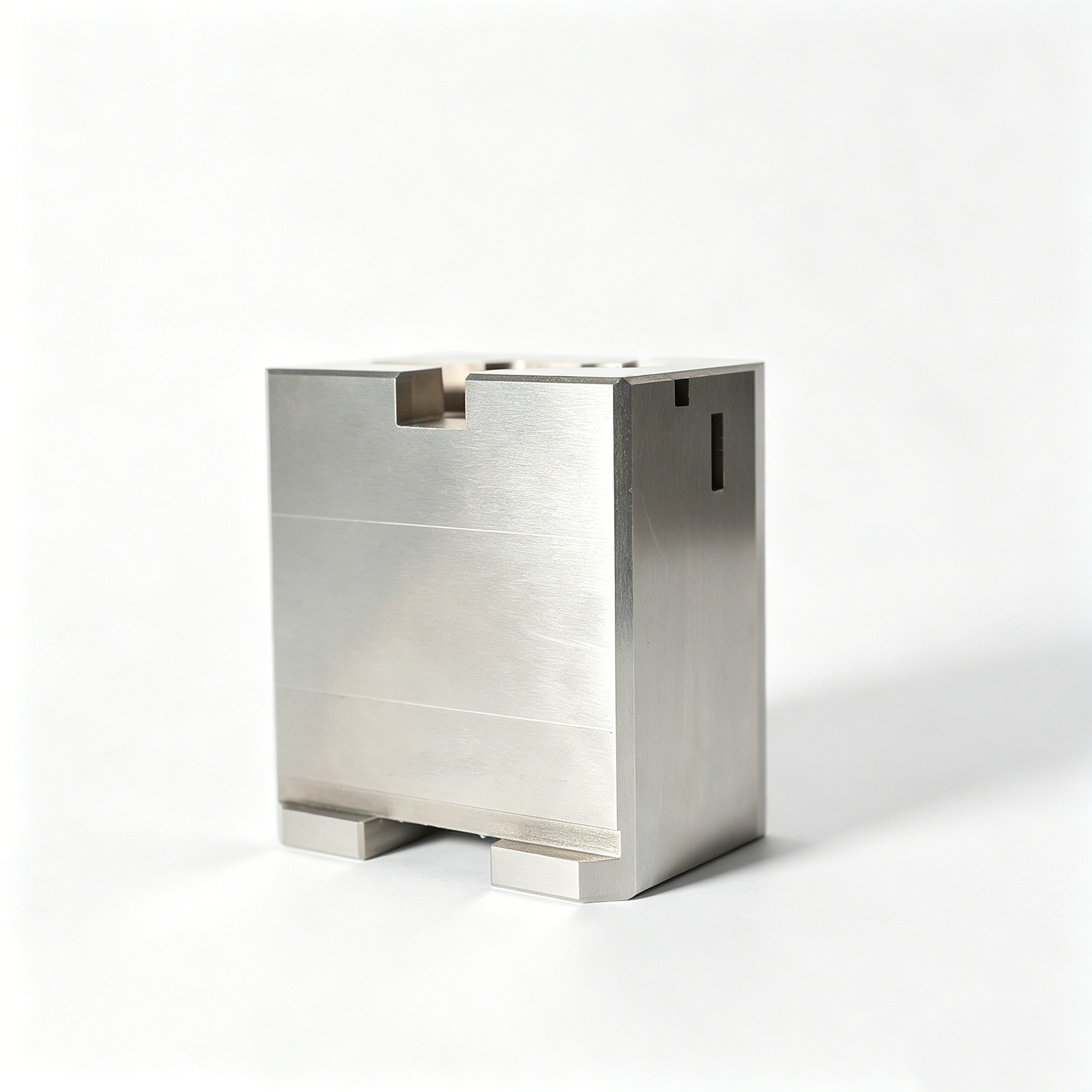


Related Configurable Component Families




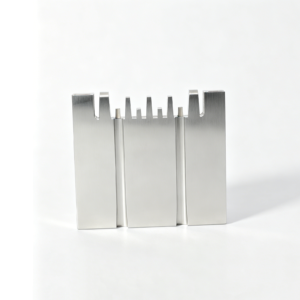
Why Source Stripper Plates Through SUUXIANG
A drawing-driven workflow for evaluating manufacturability, coordinating precision processes, and documenting the dimensions that matter to your tooling assembly.
Drawing Review First
Review drawings, models, datums, material requirements, and mating context before quotation so manufacturability questions are identified early.
Process Route Planning
Plan CNC machining, EDM, grinding, heat-treatment sequence, and fitting around geometry, access, surface requirements, and critical features.
Coordinated Precision Processes
Coordinate milling, turning, wire EDM, sinker EDM, grinding, and fitting to suit each stripper plate’s specified geometry.
Critical Dimension Focus
Define critical dimensions, datum relationships, tolerance priorities, and machining allowances to support practical inspection and assembly fit.
Inspection Plan Alignment
Align inspection methods and reporting expectations with the drawing, order requirements, and verified project quality plan before production.
Revision Traceability
Keep drawing revisions, project discussions, inspection information, and delivery coordination visible throughout the manufacturing workflow.
Stripper Plate and Tooling Components
Discuss configurable components against drawing requirements, critical dimensions, material condition, process route and inspection expectations before production planning begins.
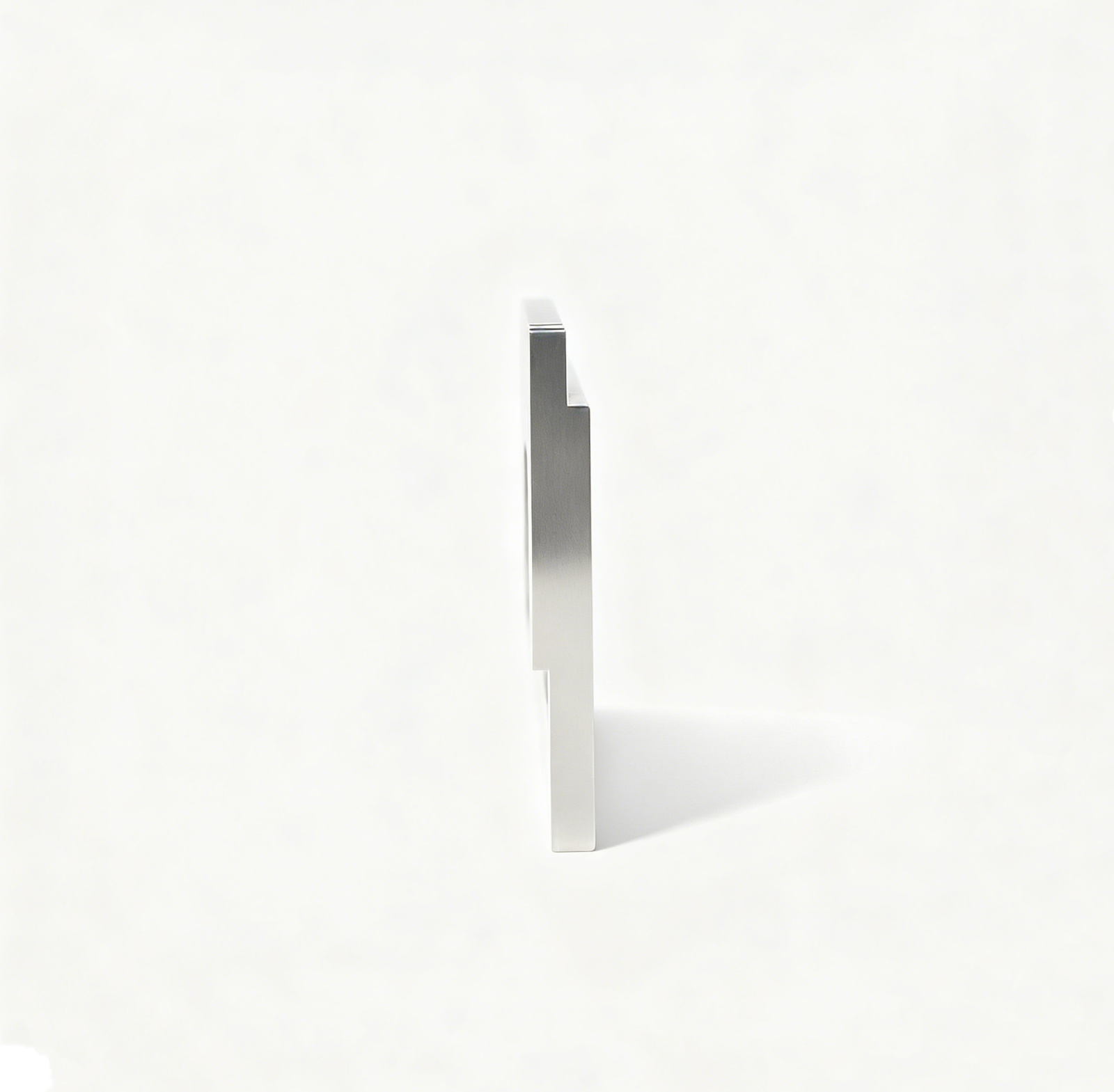
CNC Machining Services
Precision CNC machining services for drawing-based stripper plates, custom machined parts, and related tooling components, planned around datum structure, critical dimensions, material condition, tool access, and inspection requirements. The appropriate milling, turning, EDM, and grinding sequence is confirmed during drawing review.
Upload a Drawing
CNC Milling
Custom CNC milling services for plates, inserts and shaped tooling features where flatness, pockets, hole patterns, datum relationships and cutter access affect the result. Drawings should identify critical features, surface requirements and any downstream grinding or fitting needs.
Upload a Drawing
CNC Turning
Precision CNC turning services for round stripper-plate components, bushings, pins, sleeves and locating features. Diameter tolerances, concentricity, shoulder geometry, material condition and mating relationships should be reviewed before selecting the machining and inspection approach.
Upload a Drawing
5-Axis Machining
5-axis CNC machining for components with angled features, complex contours or multi-face requirements that benefit from fewer setups. Feasibility depends on tool access, workholding, datum transfer, material condition and the critical dimensions that require verification.
Upload a Drawing
Swiss & Micro Machining
Swiss machining and micro machining for small, slender or detail-intensive components used with stripper plates and tooling assemblies. Diameter control, runout, length-to-diameter ratio, burr control, material behavior and inspection method should be defined in the RFQ.
Upload a Drawing
Wire & Sinker EDM
Wire EDM services and sinker EDM services for sharp internal profiles, narrow slots, hardened materials, and geometry beyond practical cutter access. Wire path, start-hole access, electrode strategy, spark allowance, and required surface condition guide the EDM route.
Upload a Drawing
Precision Grinding
Precision surface and profile grinding for stripper plates, inserts and mating components requiring controlled flatness, parallelism, profile or finished dimensions. Grinding stock, heat-treatment sequence, datum references and inspection points should be established before machining begins.
Upload a Drawing
Mold Core & Cavity Inserts
Precision mold core and cavity inserts manufactured from customer drawings for molding tools. Material, heat treatment, shutoff geometry, cooling or venting features, EDM needs and critical interface dimensions determine the manufacturing and inspection plan.
Upload a Drawing
Ejector & Ejection Components
Ejector pins, sleeves and ejection components for mold assemblies, discussed as configurable drawing-based parts rather than catalog items. Fit, sliding clearance, hardness, surface condition, lubrication context and mating-component dimensions should be specified for review.
Upload a Drawing
Core Pins, Guide & Locating Components
Core pins, guide pins and locating components that establish molded features or repeatable tool alignment. Diameter, straightness, positional datum, wear condition, heat treatment and fit with adjoining plates or bushings should be defined before production.
Upload a Drawing
Slides, Lifters, Gates & Mold Accessories
Mold slides, lifters, gates and accessories for tooling mechanisms and material flow features. Travel geometry, contact faces, wear areas, gate dimensions, material condition and assembly interfaces should be reviewed with the complete tooling context.
Upload a Drawing
Connector Mold Components
Precision connector mold components for tooling that forms fine connector features and repeatable mating geometry. Pin spacing, cavity detail, burr sensitivity, material selection, EDM strategy, datum control and inspection requirements need clear drawing-based definition.
Upload a Drawing
Stamping Die Components
Precision stamping die components for forming, cutting and guiding operations. Working edges, clearance, material and heat-treatment requirements, grinding allowance, assembly fit and expected wear conditions help determine the viable process route.
Upload a Drawing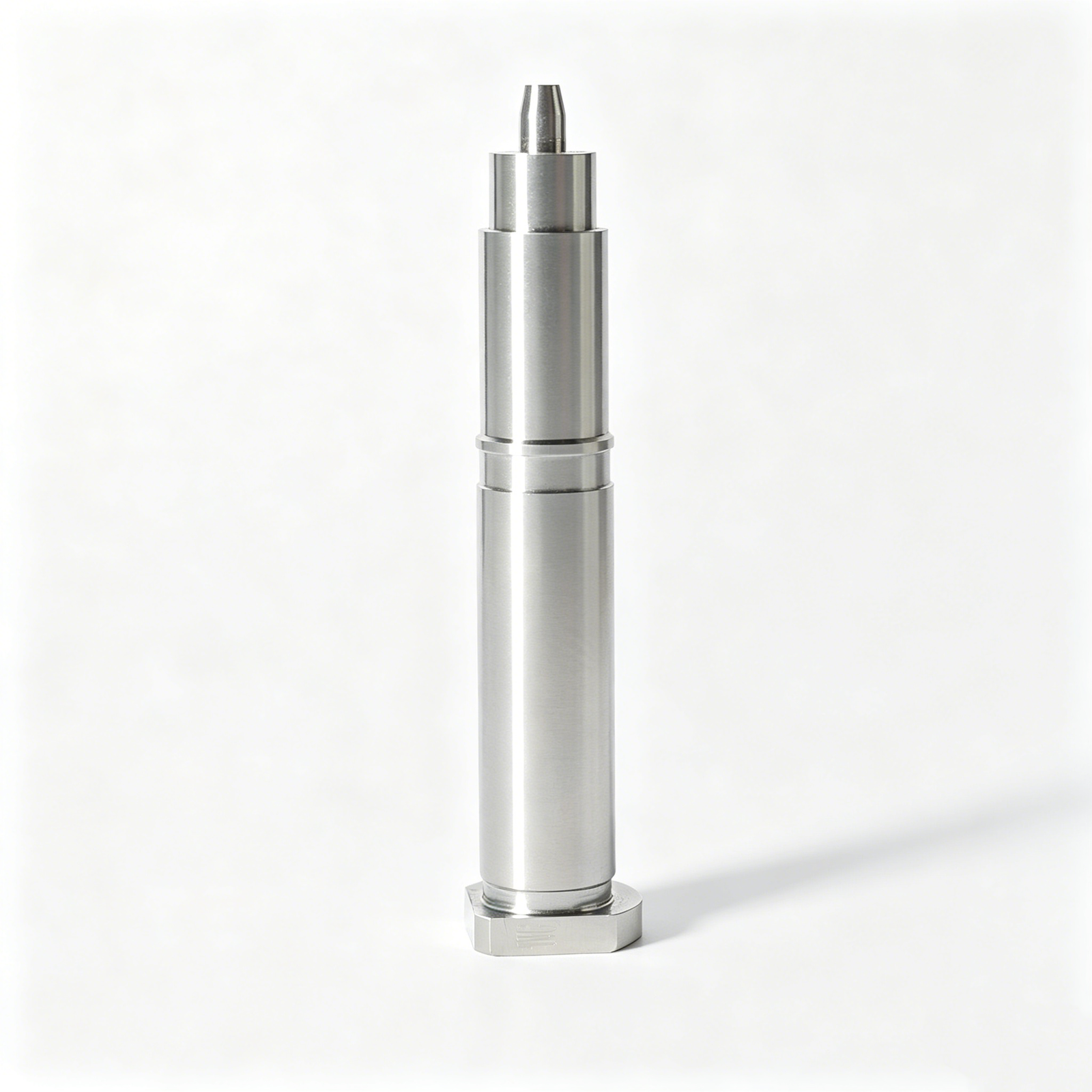
Injection, MIM, CIM & Overmolding Tooling
Injection, MIM, CIM and overmolding tooling components within verified production scope. Part geometry, molding material, shrinkage inputs, tool interfaces, critical features and required finish should be reviewed before making manufacturing commitments.
Upload a Drawing
Machining Materials
CNC machining materials selected against application load, wear, corrosion exposure, machinability, heat treatment and mating-part requirements. Submit the specified grade, material standard, condition and any approved substitution rules with the drawing.
Upload a Drawing
Surface Finishes & Heat Treatment
Surface finishing and heat treatment requirements evaluated with dimensional priorities and manufacturing sequence. Coatings, polishing, texture, hardness, distortion risk and post-treatment grinding or inspection needs should be identified before production planning.
Upload a Drawing
Quality, Metrology & Documentation
Precision inspection, metrology and quality documentation aligned to the drawing and agreed inspection plan. Critical dimensions, datums, measurement methods, report format, revision status, material evidence and traceability expectations should be confirmed with the RFQ.
Upload a Drawing
Prototyping & Low-Volume Production
Rapid prototyping and low-volume manufacturing for drawing-driven components requiring controlled revision handling before broader demand. Quantity, material, critical features, inspection scope, delivery target and expected follow-on changes guide process planning and coordination.
Upload a DrawingStripper Plate Materials Reviewed Against Your Drawing

Pre-Hardened Tool Steel
Often specified for general-purpose stripper plates where stable machining and practical service life are needed. The drawing should define hardness condition, critical fits, surface requirements, and any post-machining treatment before the process route is set.

Hot-Work Tool Steel
Considered for tooling exposed to elevated thermal cycling or demanding wear conditions. Heat-treatment sequence, grinding allowance, mating clearances, and inspection datums require review to protect plate flatness and functional alignment after hardening.

Cold-Work Tool Steel
Used when abrasion resistance and edge durability are important in stamping-die or cutting-tool applications. Material grade, hardness target, coating requirements, and punch or guide interfaces should be verified from the drawing and operating context.

Stainless Tool Steel
A candidate where corrosion resistance matters because of processing environment, storage, or molded-material considerations. The selected grade, hardness condition, finish, and mating-material combination should be confirmed before machining and inspection planning.

Alloy Steel Plate
Suitable for drawing-defined tooling plates when the application calls for a specified strength, toughness, or machinability balance. SUUXIANG reviews material condition, heat treatment, stock allowance, and dimensional priorities against the supplied requirements.
Stripper Plates: Process Routes for Precision Features

CNC Milling
CNC milling establishes plate profiles, pockets, mounting patterns and accessible functional faces. Tool paths, stock allowance and clamping strategy are reviewed against datum requirements before downstream EDM or grinding operations.

Wire EDM
Wire EDM supports through-features, narrow profiles and internal contours where conventional tool access is limited. The wire path, start-hole needs and finishing allowance are planned against the drawing’s critical geometry.

Sinker EDM
Sinker EDM is considered for deep, detailed or difficult-to-reach cavities requiring an electrode-based approach. Electrode strategy, burn allowance and subsequent finishing requirements are defined during the drawing and DFM review.


Fitting Review
Fitting addresses the functional relationship between stripper plates and mating cores, guides or related tooling components. Assembly context helps identify contact areas, clearance risks and feature interactions that are not evident in one part alone.

Inspection Planning
Inspection planning links critical dimensions, datums and reporting needs to an agreed verification method. Final documentation follows the order requirements and verified inspection plan, with revision information kept visible throughout project coordination.
Stripper Plates: Accessories and Mating Features
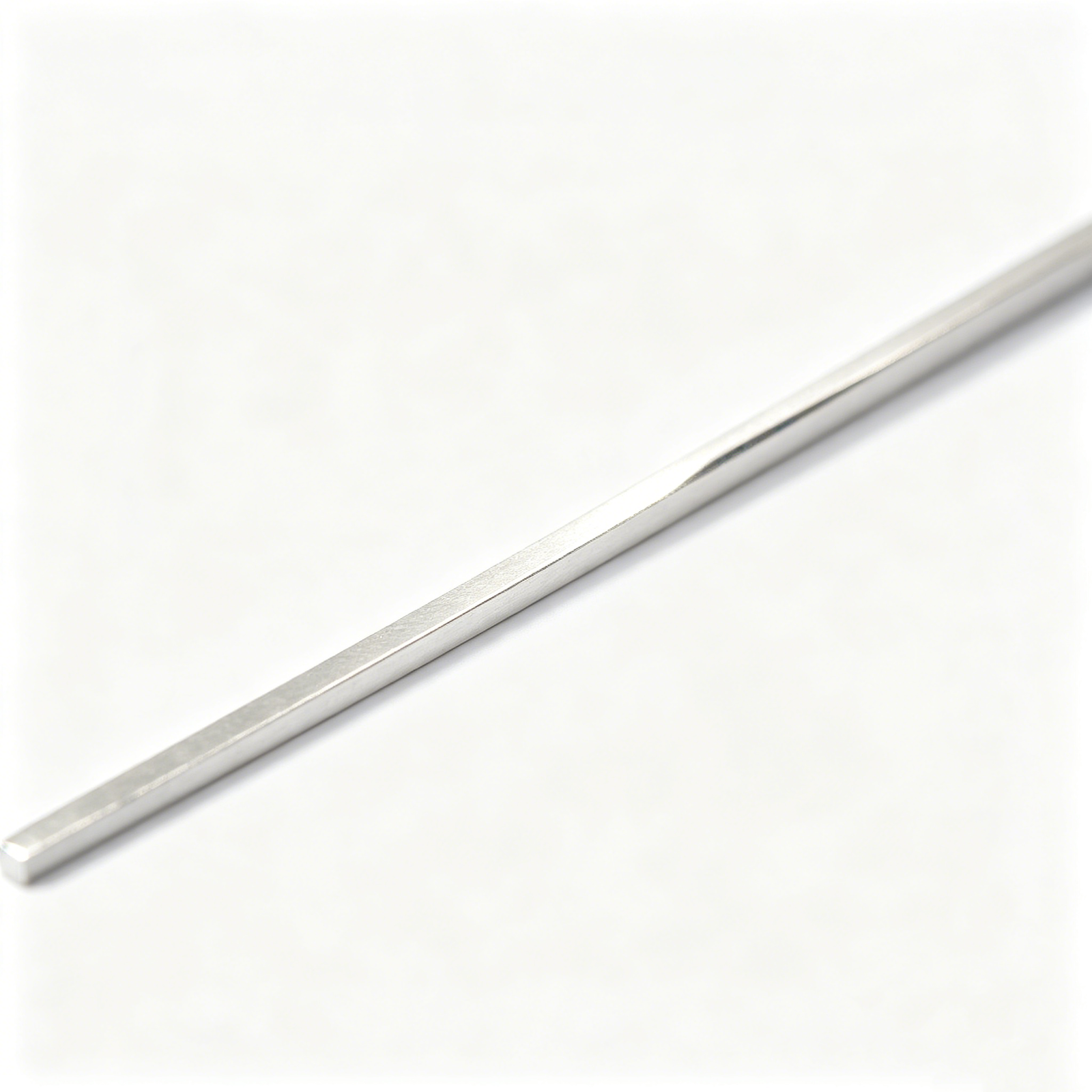
Guide Features
Guide pillars, bushes, wear elements and locating features can be incorporated where the approved drawing defines alignment, travel and assembly relationships for the stripper plate tooling system.

Fastener Interfaces
Counterbores, threaded holes, clearance holes and captive-fastener provisions can be machined to match the assembly drawing, with datum references and tool-access constraints reviewed before manufacture.
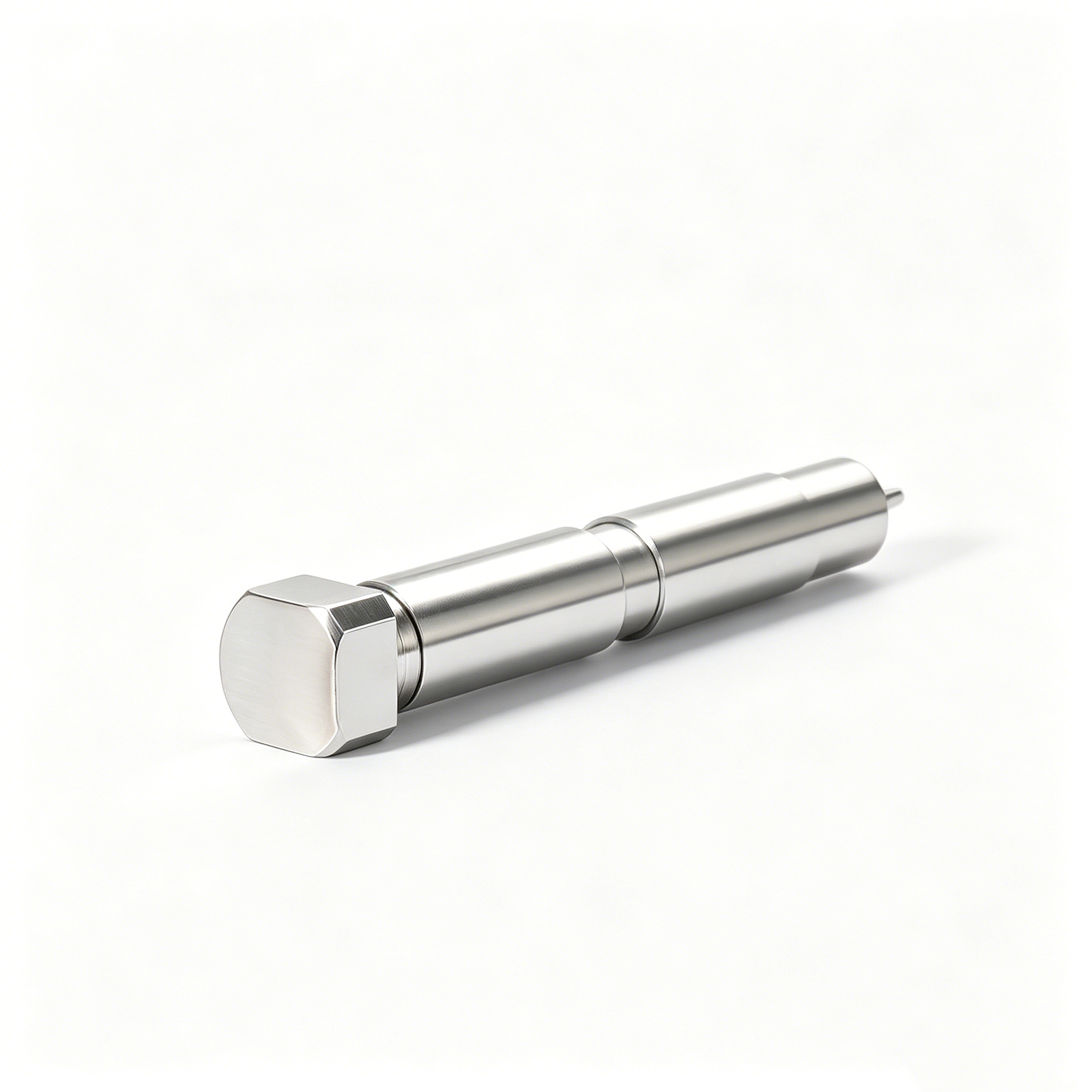
Spring Pockets
Spring seats, pockets and relief areas may be prepared for the specified return or pressure mechanism. Review installed height, travel, load requirements and clearance against adjacent tooling components.

Dowel Locations
Precision dowel bores and mating location features support repeatable assembly positioning. Their size, fit, datum scheme and sequence should be confirmed against the complete mating-component drawing set.

Part Identification
Laser marking, engraved identifiers and revision references can be considered when required for assembly control and traceability. Provide marking content, location, legibility requirements and any surface restrictions.
Stripper Plates, Built From Drawings
SUUXIANG is the sole international-facing public brand of Dongguan SuuXiang Precision Mold Co., Ltd., established in 2010 and based in Chang’an Town, Dongguan City, Guangdong, China. Founded by XiaoCheng Huang, the company helps engineering, sourcing, and quality teams convert drawings and specifications into inspected precision components, including drawing-based stripper plates and related tooling work.
Our manufacturing workflow combines CNC milling and turning, multi-axis machining, EDM, precision grinding, fitting, and inspection. Before quotation or production commitments, we review critical dimensions, datums, material and heat-treatment requirements, machining access, and the inspection evidence needed for the order.
What distinguishes SUUXIANG is a disciplined, drawing-driven approach rather than a generic parts catalogue. Project discussions keep DFM, revision control, process planning, and delivery requirements visible, so buyers can assess manufacturability and align quality expectations before stripper plates or other precision tooling components enter production.

Core Capabilities Behind Reliable Stripper Plates
DFM and Datum Strategy
Before quotation, SUUXIANG reviews stripper plate drawings for critical dimensions, datum relationships, parting-line interfaces, tool access, and mating-component context. This early discussion helps identify tolerance-stack risks and establishes which features require controlled machining, EDM, grinding, fitting, or inspection attention.
- Confirm functional datums and critical-to-quality dimensions
- Review plate geometry against mating cores, punches, and guides
- Identify machining access, reliefs, and ejection interfaces
- Align revision status before production planning
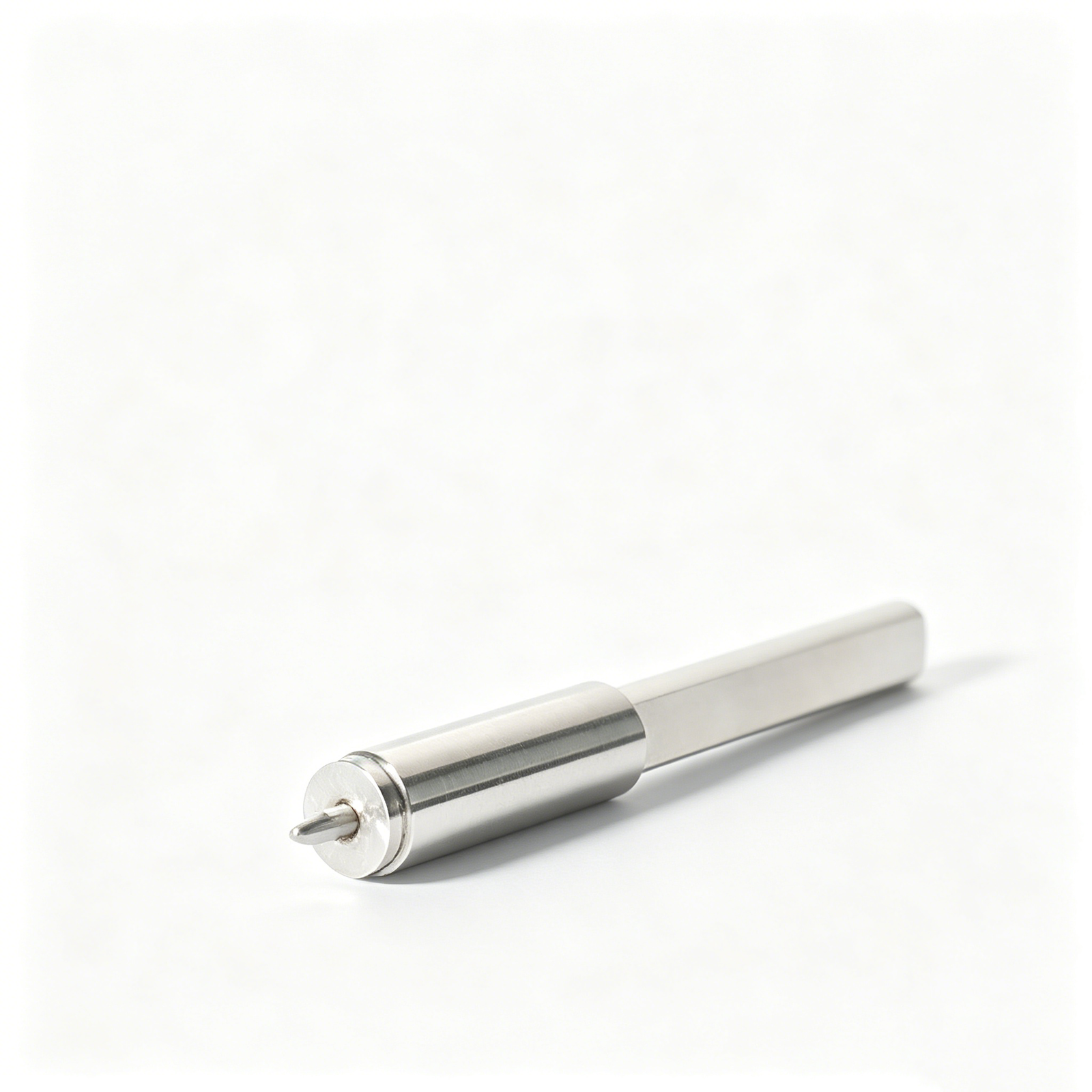
CNC and EDM Feature Planning
Stripper plates often combine broad plate geometry with pockets, holes, profiles, and clearance features that require different process routes. SUUXIANG plans CNC machining, wire EDM, sinker EDM, and secondary work according to feature geometry, internal-corner requirements, material condition, and drawing priorities.
- Machine primary faces, pockets, bores, and locating features
- Use wire EDM where profile accuracy or internal corners require it
- Evaluate electrode strategy for inaccessible or detailed cavities
- Keep process choices tied to drawing-defined requirements

Grinding and Fitting Allowances
Functional plate surfaces may depend on controlled stock for heat treatment, precision grinding, or final fitting. SUUXIANG reviews grinding allowance, flatness and parallelism requirements, and the sequence between machining, EDM, heat treatment, and finishing so stripper plates are prepared for their intended assembly relationship.
- Plan stock for grinding and post-treatment finishing
- Sequence machining around material and heat-treatment requirements
- Review bearing surfaces, clearance areas, and fitting interfaces
- Avoid committing to dimensions without a verified process route

Inspection and Revision Control
Inspection planning starts with the drawing and its critical features, not a generic report promise. SUUXIANG coordinates measurement methods, required documentation, revision identification, and delivery information with the order requirements, helping sourcing and quality teams maintain traceability across custom stripper plate projects.
- Define inspection priorities from critical dimensions and datums
- Match reporting requirements to the agreed inspection plan
- Maintain visible drawing-revision and order information
- Request material, quantity, delivery, and quality expectations early
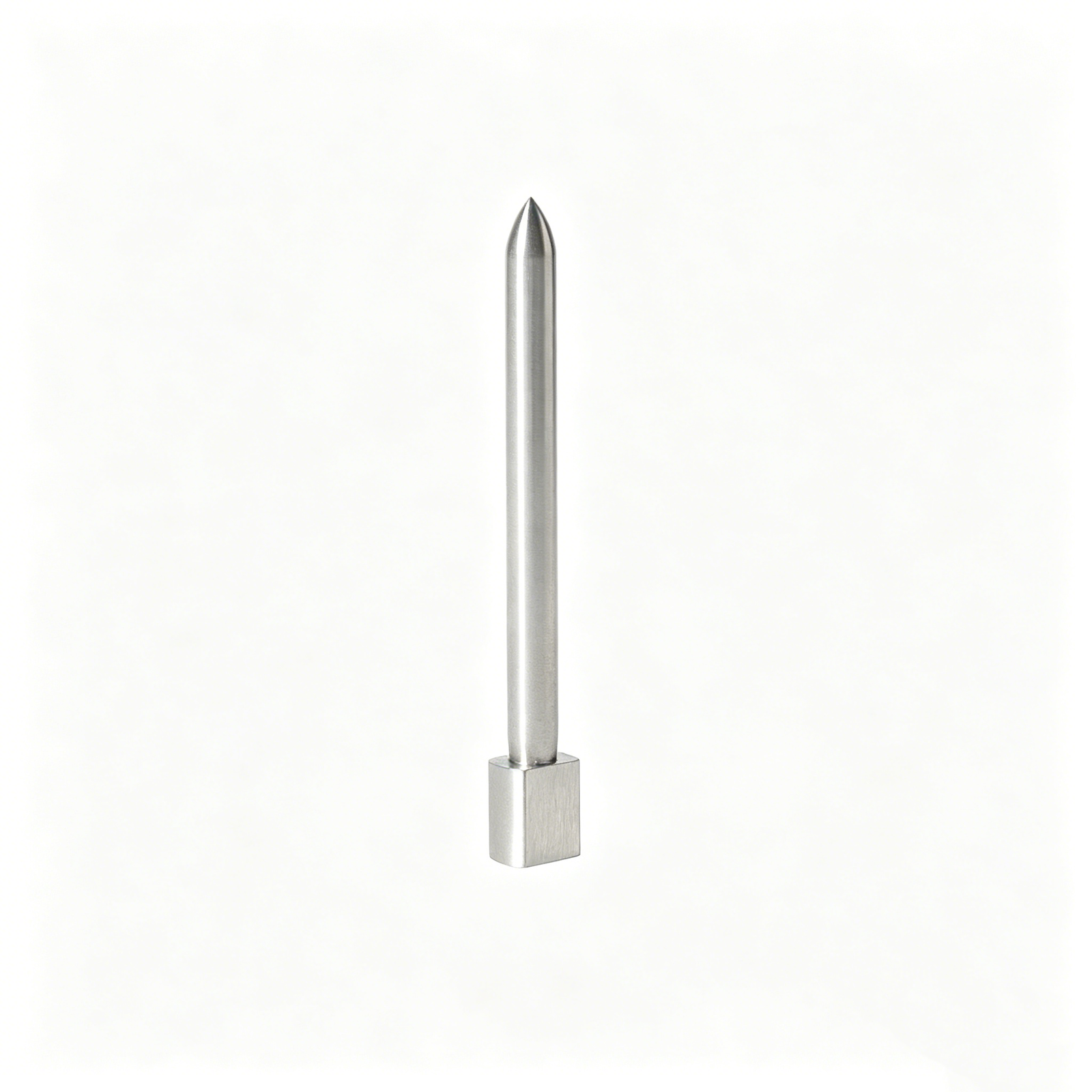
Why Engineering Teams Choose SUUXIANG Stripper Plates
Compare an evidence-led drawing-review workflow with a typical quote-only supplier approach before releasing stripper plates for production.
← Swipe left or right to view →
Stripper Plates: From Drawing to Inspected Parts
A controlled workflow aligns manufacturability, critical dimensions, process routing, inspection planning, and delivery coordination before production commitments are finalized.
Review RFQ Package
We review the 2D drawing, available 3D model, quantity, application context, delivery target, and stated dimensional, surface, material, and reporting requirements.
Confirm DFM Requirements
Critical dimensions, datum strategy, machining access, tolerance stack, heat-treatment sequence, and inspection expectations are clarified before the process route and quotation are confirmed.
Machine Core Features
CNC milling, turning, multi-axis machining, or micro-machining are applied as required to establish plate geometry, bores, pockets, mating features, and controlled allowances.
Finish EDM and Grinding
Wire EDM, sinker EDM, precision grinding, and fitting are sequenced around feature geometry, electrode strategy, wire paths, grinding stock, and assembly-interface requirements.
Inspect Pack and Coordinate
Finished stripper plates are inspected against the agreed plan, documented as required, protected for shipment, and coordinated with visible revision and delivery information.
Work With SUUXIANG on Stripper Plates
Move from drawing review to inspected production with requirements, revisions, and delivery coordination kept visible throughout the project.
Submit Your Drawing Package
Provide 2D drawings, 3D models when available, material, quantity, target date, critical dimensions, surface requirements, and inspection or application context.
Review DFM and Quotation
Align on datum strategy, tolerances, machining access, EDM or grinding needs, heat-treatment sequence, inspection method, revision status, and the proposed process route.
Approve First-Off Evidence
Where applicable, review agreed first-off samples or inspection evidence before production proceeds, confirming critical features and documentation expectations against the approved drawing.
Coordinate Production and Delivery
SUUXIANG coordinates CNC machining, EDM, grinding, fitting, inspection, revision control, and delivery updates according to the confirmed order and verified inspection plan.
Customer Evidence Pending Verification
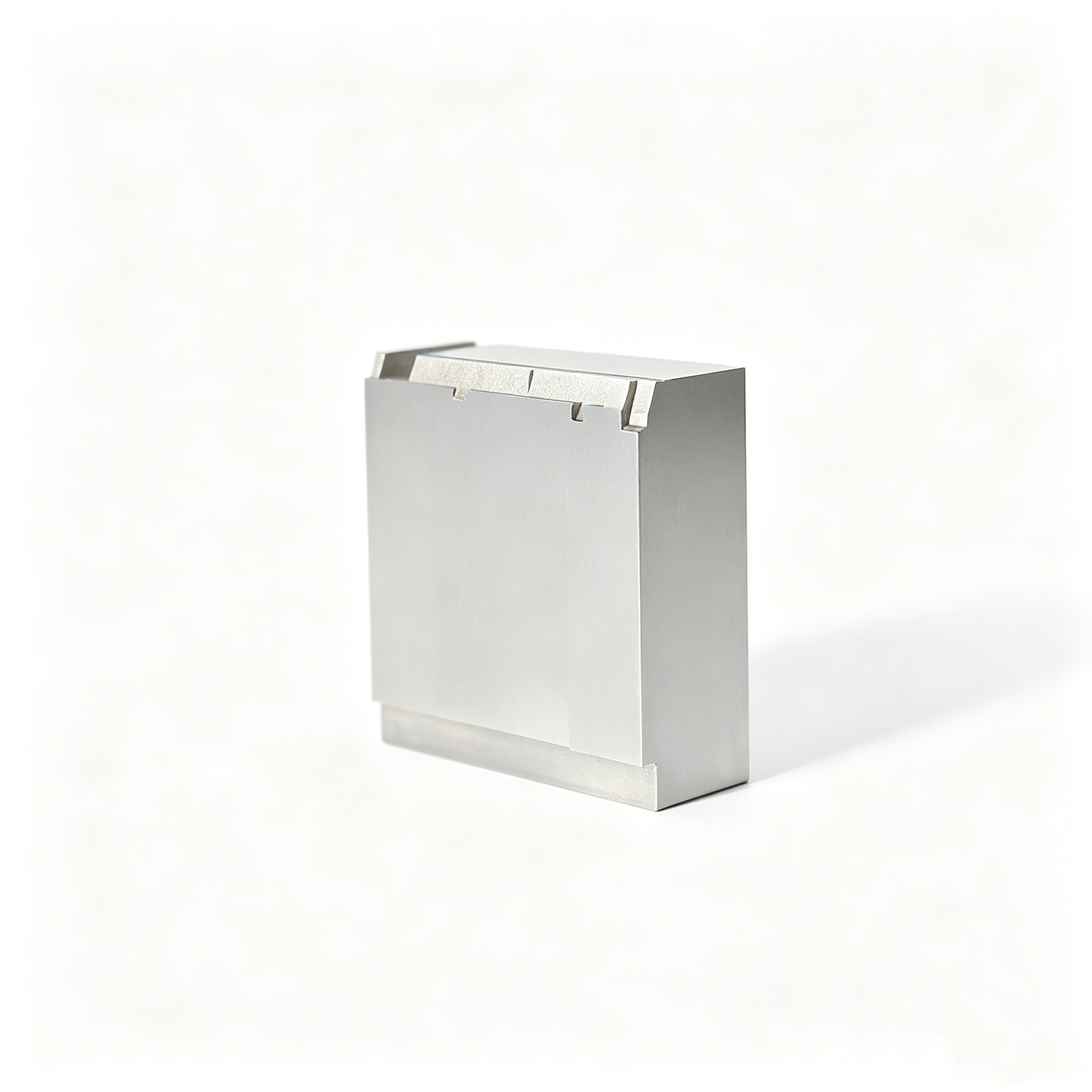
Verified Stripper Plates Project Results
Approved customer testimonial or traceable project case summary to be added after SUUXIANG has written permission and verified production, inspection, and delivery records.
Approved customer testimonial or traceable project case summary to be added after SUUXIANG has written permission and verified production, inspection, and delivery records.
Approved customer testimonial or traceable project case summary to be added after SUUXIANG has written permission and verified production, inspection, and delivery records.
The Complete Buyer’s Guide to Stripper Plates
Practical sourcing questions for drawing-based tooling components, from review requirements through inspection and delivery planning.
What files should I send for custom stripper plates?
Can SUUXIANG quote low-volume stripper plates or samples?
How is lead time assessed for stripper plates?
Which materials and heat treatments can be considered?
What inspection should I request for a stripper plate?
Can you manufacture stripper plates with EDM and precision grinding features?
How are payment terms and shipping handled for an international RFQ?
How does SUUXIANG handle drawing confidentiality and IP?
The Complete Buyer’s Guide to stripper plates
Use this decision framework to specify stripper plates, compare materials and operating styles, assess drawing-ready CNC suppliers, control quality risks, and avoid costly errors in injection molds and stamping dies.
1. What Are stripper plates?
Injection molding uses a stripper plate to contact a part around its perimeter and push it off the core during ejection; it is relevant where pin marks, localized loads, or core retention make distributed contact preferable (https://www.improve-your-injection-molding.com/stripper-plate.html). The plate is an ejection component, not merely a flat machined plate.
Stamping dies use the same name differently: a bridge stripper clears strip or finished stock from cutting punches as the press returns, while a pressure-loaded stripper pad also restrains material (https://www.thefabricator.com/thefabricator/article/bending/die-science-choosing-between-pressure-pads-and-stripper-plates). Buyers should identify whether the component must strip punches only or provide controlled hold-down force.
SUUXIANG needs the 2D drawing, 3D model when available, tool context, material specification, quantity, and revision level before assessing a process route. Mark critical datums, hole and punch locations, mating interfaces, surface requirements, heat-treatment sequence, and inspection expectations so CNC machining, EDM, grinding, and fitting allowances can be reviewed against the actual function.
2. How stripper plates Evolved
1. Early fixed stripping arrangements used a stationary plate or bridge to remove stock from punches, while the press stroke supplied the separating motion. This simple approach suited uncomplicated tooling but offered limited control where material movement or part release became sensitive.
2. Guided and spring-loaded systems added controlled travel and return force, helping the tool repeat its position from stroke to stroke. In stamping, pressure-loaded pads can hold and strip material, with coil, gas, or urethane springs providing force (https://www.thefabricator.com/thefabricator/article/bending/die-science-choosing-between-pressure-pads-and-stripper-plates).
3. Hydraulic actuation and precision-machined guide, bearing, and contact interfaces extended the concept for higher-rate, multi-cavity, and automated tooling. For thin-wall molded products, broad edge contact can distribute ejection load better than isolated pins; buyers should specify clearance, guidance, stroke, return method, and the critical datum relationship before machining.
3. Types of stripper plates
Six configurations cover most stamping and injection-mold ejection decisions. Select from the part geometry, required stock control, available travel, and the force path documented on the tool drawing.
| Configuration | Operating Principle | Best Fit | Selection Trigger |
|---|---|---|---|
| Fixed bridge | Static clearance strips punches | Simple cutting | Feed clearance is sufficient |
| Spring-loaded | Springs follow stock | Piercing or variable stock | Controlled punch withdrawal needed |
| Pressure pad | Loaded contact holds and strips | Forming and cutting | Stock must not move |
| Injection plate | Perimeter push releases core | Caps, lids, containers | Pins could mark or distort |
| Stripper ring | Circular perimeter push | Round cores | Annular ejection contact exists |
| Stripper bars | Edge-localized push | Long or partial edges | Full perimeter contact is unnecessary |
Stamping Strippers
A fixed bridge stripper leaves clearance for strip feed and pulls stock from cutting punches on return.
A spring-loaded stripper follows the stock, improving stripping where stock flatness or punch withdrawal needs control.
Pressure Pads
A pressure-loaded pad uses coil, gas, or urethane springs to hold stock while it strips.
A true stripper plate strips only; specify a pad for piercing, bending, flanging, or drawing where stock movement must be controlled.
Mold Ejection Forms
An injection-mold stripper plate pushes on a part perimeter to release it from a core.
A stripper ring suits circular cores, while bars provide localized ejection along accessible edges.
4. Materials for stripper plates
Five material families cover most stripper-plate decisions. Select against the actual resin or stock, contact loading, corrosion exposure, production volume, finish requirement, and planned maintenance—not a default grade.
| Material | Best Fit | Key Trade-Off |
|---|---|---|
| P20 pre-hardened steel | General injection molds | Practical machining; moderate wear and corrosion resistance |
| H13 hot-work steel | Tough, high-cycle thermal service | Heat treatment and finishing require controlled routing |
| D2 cold-work steel | Abrasive plastic or stock contact | High wear resistance; lower toughness demands careful design |
| Stainless grades | Corrosive resin or wet environment | Corrosion resistance varies by grade and heat treatment |
| Cold-rolled steel | Noncritical press stripping | Low cost; limited wear and corrosion reserve |
Match The Tool Environment
Two tools with identical geometry may require different steel: glass-filled resin raises wear, humid cooling raises corrosion risk, and high-cycle sliding raises galling risk.
One drawing review should identify mating surfaces, abrasive fillers or stock coatings, hardness targets, heat-treatment sequence, grinding stock, and inspection datums before material is released.
Specify Finish And Maintenance
P20 and cold-rolled steel suit economical, serviceable applications when wear and corrosion loads are modest. H13, D2, and stainless choices require the finish, hardness, and maintenance plan to be compatible with the selected grade.
One material callout should state grade or accepted equivalent, supply condition, heat treatment, surface finish, and required certification or inspection evidence.
5. Custom stripper plates and features
2D drawings and 3D models define a custom stripper plate more reliably than a nominal size. SUUXIANG reviews features against mating parts before selecting CNC, EDM, grinding, fitting, and inspection steps.
Feature Definition

Outside dimensions, thickness, pockets, clearance holes, stripper windows, radii, and vents should be dimensioned from stated datums.
Surface finish, edge breaks, identification markings, and guide-bushing interfaces need explicit callouts; implied shop practice is not a controlled requirement.
Assembly Stack-Up Review
Mating-component models reveal guide-bushing fits, ejector or spring interfaces, travel clearances, and tool-access conflicts before machining.
Critical dimensions require a stack-up review across the plate, guides, inserts, and adjacent plates. Datum mismatch can create binding despite compliant individual features.
Prototype And Revision Strategy
Low-volume prototypes benefit from a drawing review that separates functional interfaces from noncritical features and finish requirements.
Spare parts and revisions require the released drawing revision, mating-part condition, and inspection expectations. Production tooling may justify dedicated fixtures; a single replacement often needs a different, traceable route.
6. Construction Quality That Matters
Construction quality is established at moving interfaces, not by applying the tightest possible tolerance everywhere. For stripper plates, the drawing should identify datums, mating components, and required inspection evidence.
Functional Geometry
Flatness and parallelism govern how a plate bears, travels, and distributes stripping load. Locate these controls from the working face and guide system, not an arbitrary exterior edge.
Hole location and bore form matter where guide pins, bushes, screws, or return hardware establish alignment. Specify positional tolerance, size limits, and datum references together so stack-up is assessable.
Edges And Surfaces
Edge breaks and complete deburring prevent raised material from scoring guided surfaces or obstructing assembly. Define the allowable edge condition where a sharp functional corner must remain.
Surface finish belongs on sliding, sealing, bearing, or part-contact faces—not universally. State finish direction when it affects travel or release.
Treatment And Acceptance
Heat treatment can change flatness, parallelism, and bore relation; leave process allowance when post-treatment grinding is intended. Identify hardness, distortion limits, and finish-machining sequence on the order.
Acceptance should match the released revision: material evidence, required dimensions, cosmetic edge condition, and agreed inspection record. SUUXIANG can align CNC, EDM, grinding, fitting, and inspection to that documented plan.
7. How to Choose a CNC Supplier
A drawing-based supplier should prove how it will control the interface, not merely quote plate dimensions. For stripper plates, review evidence must connect material, process sequence, inspection, and shipment to the released revision.
| Evaluation Area | Ask For | Acceptable Evidence |
|---|---|---|
| Engineering review | Datum and tolerance feedback | Documented questions |
| Traceability | Material and hardness records | Order-linked certificates |
| Inspection | CMM or gauge plan | Revision-linked report |
| Delivery | Packaging and export plan | Milestone confirmation |
Review The Drawing
Before quotation, ask for a drawing review covering datums, critical bores, flatness, parallelism, tool access, and mating-part clearance.
A 2D drawing, 3D file, material and hardness requirements, mating-part context, quantity, and target delivery make the quote more accurate.
Verify Process Control
For each order, require material identification and agreement on machining, heat-treatment, EDM, and grinding sequence. Heat treatment can alter geometry, so grinding stock and final-dimension responsibility must be defined.
For critical dimensions, agree whether CMM results, calibrated gauges, or both will be reported, including the drawing revision.
Assess Delivery Discipline
At release, confirm one revision-controlled communication path, realistic lead-time milestones, protective packaging, and export documentation requirements.
For international programs, a supplier should flag missing information early rather than conceal schedule or manufacturability risks.
8. Common stripper plates Buying Mistakes
Two tooling contexts use the same term but impose different functional requirements. Release a stripper-plate drawing only after its mating interfaces, load path, material condition, and inspection evidence are defined.
Separate Mold And Press Functions
Injection-mold stripper plates eject a molded part from a core; press-tool strippers remove stock from punches and may not hold it down. Source: https://www.improve-your-injection-molding.com/stripper-plate.html
Press tools can require a pressure pad instead of a bridge stripper; confusing them risks poor feeding, distortion, or a nonfunctional assembly. Ask: What must the plate contact, control, and move during each stroke?
Define Interfaces Before Material
Two mating dimensions—plate-to-core clearance and guide-location datums—can determine whether a finished plate runs freely. Missing mating models causes interference, uneven stripping, and rework.
Heat treatment can move geometry, while unsuitable steel or hardness can accelerate wear or complicate finishing. Ask: What stock remains for grinding after heat treatment, and which datum controls final inspection?
Approve Functional Measurements
One cosmetic tolerance without a function can add grinding and inspection cost without improving tool performance. Ask: Which dimensions are critical to ejection, punch clearance, alignment, or sealing?
A first-off approval without a measurement plan leaves acceptance subjective. Ask: Which datums, instruments, sampling points, surface requirements, and report format must accompany the order?
9. From RFQ to Tool Tryout
Two aligned inputs—a released 2D drawing and current 3D model—prevent quotation assumptions from becoming tool-tryout delays. Define resin or strip stock, ejection or stripping load, cycle target, mating parts, and revision owner before RFQ.
Build The Technical Package
Three files should travel together: PDF drawing, native or neutral CAD, and a revision-controlled requirement sheet.
Five callouts deserve review: datums, critical dimensions, material and heat treatment, surface finish, and inspection points.
- State quantity and required delivery date
- Identify assembly interfaces and travel limits
- Flag cosmetic, venting, or burr-sensitive areas
Request Manufacturability Feedback
One drawing-review cycle should resolve tool access, EDM requirements, grinding stock, and measurement method before release.
Two owners—engineering and quality—should close open deviations in writing, with the revised file identified by revision level.
Control First Article And Tryout
100% of agreed critical dimensions should be traceable to the inspection plan on the first article or approved sample.
One tool assembly and tryout record should capture fit, travel, witness marks, and every revision decision before the next build.
- Compare quotations against the same revision
- Confirm material and heat-treatment evidence
- Record corrective actions with owner and due date
10. Stripper Plates Pricing and Lead Time
1 drawing can produce materially different quotes when datum-controlled grinding, EDM slots, or heat treatment are required. Price is driven by material grade, plate envelope, tolerance bands, hole count, special features, required grinding, heat-treatment sequence, documentation, and order volume—not by a generic online rate.
3 quantity bands help buyers compare scope before requesting a quotation. Lead-time ranges below are planning indicators only; SUUXIANG should confirm feasibility, capacity, material availability, inspection content, and delivery after drawing review.
2 files are the practical minimum for a comparable RFQ: a dimensioned 2D drawing and 3D model when available. State revision, quantity, material and hardness, critical dimensions and datums, finish, inspection report requirements, mating context, and requested delivery date.
| Quantity tier | Complexity | Typical machining content | Inspection level | Indicative lead-time range |
|---|---|---|---|---|
| 1–5 pieces | Standard | CNC machining, drilled holes, deburring | Dimensional checks to drawing | Drawing review required |
| 6–25 pieces | Moderate | CNC, precision grinding, selected EDM | Critical-dimension report | Drawing review required |
| 26+ pieces | High or repeat | CNC, EDM, grinding, fitting, controlled revisions | Agreed inspection plan and records | Confirmed after production planning |
Upload Your Stripper Plates Drawing for Review
Send your 2D drawing, 3D model if available, material, quantity, critical dimensions, inspection needs, and target date for an informed RFQ review.