
Industries and Applications for Precision Parts
Move from drawing review to inspected CNC parts, mold components, connector tooling, and die components across demanding industries and applications.
Representative Precision Components for Industrial Programs


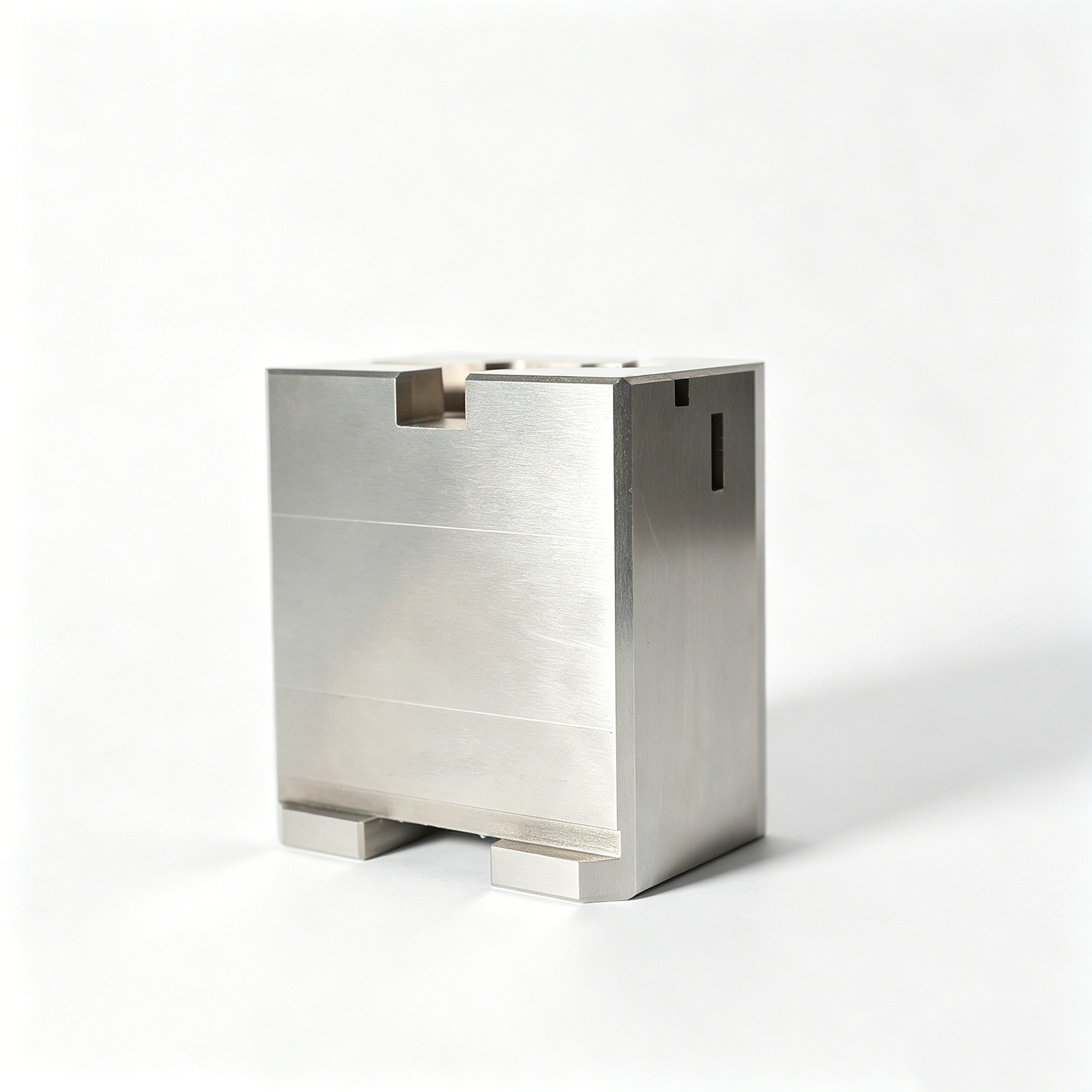


Related Components and RFQ Support






Why Engineering Teams Choose SUUXIANG
A drawing-driven workflow for precision parts, mold components, connector tooling and die components where process decisions and inspection evidence matter.
Drawing-First Review
Review drawings, models, material requirements and application context before quoting so manufacturing questions are identified early.
Practical DFM Discussion
Address tool access, datum strategy, tolerance stack, machining allowance and process risks before production commitments are made.
Integrated Process Planning
Coordinate CNC machining, EDM, precision grinding, fitting and inspection around the part geometry and critical functional requirements.
Critical Dimension Focus
Plan machining and inspection around critical-to-quality dimensions, surface priorities and specified measurement methods when requirements are defined.
Revision-Aware Coordination
Keep drawing revisions, inspection expectations and delivery information visible throughout controlled project communication for complex industrial applications.
Precision Manufacturing for Industrial Programs
Drawing-driven CNC machining services, EDM, grinding, fitting and inspection for custom components, tooling and controlled low-volume manufacturing requirements.

Automotive Precision Parts
Automotive precision parts produced from approved drawings for fixtures, molds, assemblies, and production equipment. Reviews focus on critical dimensions, material and heat-treatment requirements, mating features, surface needs, inspection methods, and revision control before a process route is confirmed.
Upload a Drawing
Aerospace Precision Parts
Aerospace precision parts require disciplined drawing review, datum interpretation, material traceability requirements, and inspection planning. SUUXIANG evaluates machining access, tolerance relationships, surface requirements, and documentation expectations within the verified scope of each program.
Upload a Drawing
Medical Device Components
Medical device components are approached as drawing-driven custom work, with attention to material specification, surface condition, critical features, clean handling requirements, and inspection evidence. Production commitments follow review of the supplied design, quantity, application context, and quality plan.
Upload a Drawing
Electronics Precision Components
Electronics precision components can include custom machined housings, fixtures, locating elements, inserts, and production-tooling parts. DFM review addresses small features, thin walls, threaded details, datum references, material selection, finishing requirements, and the inspection method needed for functional assembly.
Upload a Drawing
Connector Manufacturing Components
Connector manufacturing components include precision mold inserts, core pins, cavities, slides, guide elements, and custom tooling details. Process planning coordinates CNC machining, EDM, grinding, fitting, and inspection around pin geometry, mating conditions, wire paths, electrode strategy, and critical dimensions.
Upload a Drawing
Telecommunications Components
Telecommunications components are manufactured to drawing for equipment housings, fixtures, connectors, production tooling, and custom mechanical assemblies. Reviews consider dimensional interfaces, material requirements, surface treatment specifications, tool access, tolerance stack-up, and inspection reporting requested for the program.
Upload a Drawing
Antenna Housing Mold Components
Antenna housing mold components include configurable cores, cavity inserts, slides, lifters, gates, and locating details for qualified tooling programs. SUUXIANG reviews molding geometry, EDM requirements, parting considerations, cooling or access features, grinding stock, and inspection points before manufacture.
Upload a Drawing
Semiconductor Equipment Components
Semiconductor equipment components may involve precision machined fixtures, nests, carriers, alignment parts, inserts, and custom mechanical details. Drawing review focuses on critical interfaces, datum control, material and surface requirements, machining accessibility, contamination-sensitive handling needs, and appropriate verification methods.
Upload a Drawing
Robotics Components
Robotics components support custom end-effectors, fixtures, joints, housings, locating features, and production tooling. Process planning evaluates functional interfaces, concentricity or positional relationships, material selection, weight-sensitive geometry, assembly conditions, and inspection requirements indicated on the drawing.
Upload a Drawing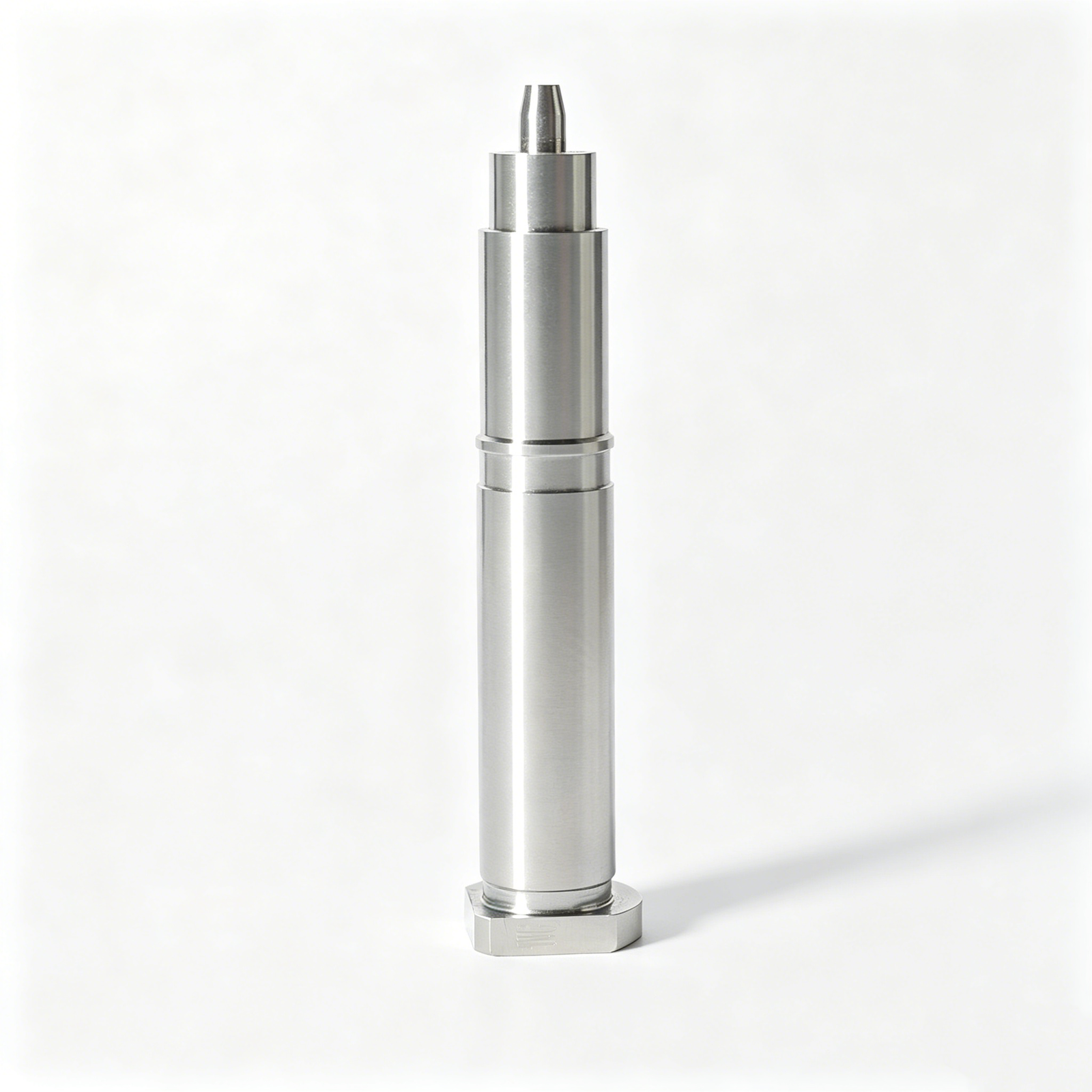
Factory Automation Components
Factory automation components include custom fixture plates, nests, guides, stops, grippers, brackets, and machine-build details. Buyers can submit drawings with mating information, quantity, material, surface requirements, and critical dimensions so machining, EDM, grinding, and inspection needs can be evaluated.
Upload a Drawing
Industrial Equipment Components
Industrial equipment components are produced as configurable drawing-based parts for machinery, tooling, fixtures, and replacement assemblies. The manufacturing review identifies functional datums, fits, material and hardness requirements, machining or grinding allowances, surface expectations, and practical inspection checkpoints.
Upload a Drawing
Consumer Electronics Components
Consumer electronics components can include tooling inserts, small mechanical details, custom fixtures, housings, and production-support parts. SUUXIANG reviews cosmetic surfaces, thin sections, feature access, material and finishing requirements, dimensional priorities, and the inspection evidence needed before production proceeds.
Upload a Drawing
Optical Equipment Components
Optical equipment components may require controlled interfaces for mounts, holders, alignment fixtures, housings, and precision tooling. Drawing review considers datum strategy, concentricity, flatness, surface requirements, material stability, assembly relationships, and suitable measurement methods for the specified features.
Upload a Drawing
Energy Equipment Components
Energy equipment components are supplied as custom machined and tooling parts for equipment assemblies, fixtures, molds, and maintenance applications. Project review covers material grade, operating context, critical dimensions, heat treatment, machining access, surface needs, and order-specific inspection documentation.
Upload a Drawing
Oil and Gas Precision Components
Oil and gas precision components are evaluated against the supplied drawing, material requirements, operating environment, dimensional priorities, and documentation needs. SUUXIANG confirms a suitable machining, EDM, grinding, and inspection route only after reviewing features, tolerances, surface conditions, and project scope.
Upload a Drawing
Renewable Energy Components
Renewable energy components include configurable machined parts, fixtures, molds, inserts, guides, and production-tooling details. The review process addresses material and heat-treatment requirements, load-bearing interfaces, critical dimensions, machining strategy, surface requirements, and traceable inspection expectations.
Upload a Drawing
Packaging Machinery Components
Packaging machinery components support custom change parts, guides, stars, fixture elements, tooling inserts, and mechanical replacement details. Drawings are reviewed for functional interfaces, wear considerations, material requirements, fit conditions, machining access, surface treatment, and inspection priorities.
Upload a Drawing
Mold and Die Industry Components
Mold and die industry components include cores, cavity inserts, ejector parts, guide and locating elements, slides, lifters, gates, mold accessories, and custom die details. Integrated planning combines CNC, EDM, grinding, fitting, and inspection around the approved drawing and critical features.
Upload a Drawing
Metal Stamping Industry Components
Metal stamping industry components include punches, dies, inserts, guide components, forming details, fixture elements, and related custom parts. Process review considers tool steel and heat-treatment requirements, wire-EDM paths, grinding stock, cutting-edge geometry, mating relationships, and inspection criteria.
Upload a Drawing
Injection Molding Industry Components
Injection molding industry components include precision cores, cavities, inserts, ejection parts, slides, lifters, gates, and mold accessories. SUUXIANG reviews shrinkage-related design context, parting details, EDM strategy, polishing or surface requirements, fitting needs, and critical dimensions before production.
Upload a Drawing
PCB and EMS Tooling Components
PCB and EMS tooling components include fixtures, nests, carriers, locating pins, support plates, and custom production aids. Engineering review addresses board interfaces, datum locations, tolerance needs, material selection, feature access, repeatability requirements, and the inspection approach appropriate to the order.
Upload a Drawing
Electric Vehicle Components
Electric vehicle components are produced as custom parts and tooling components from controlled drawings. Reviews focus on functional interfaces, material and heat-treatment requirements, electrical or mechanical assembly context, dimensional priorities, surface specifications, production quantity, and inspection documentation requirements.
Upload a Drawing
Battery Manufacturing Components
Battery manufacturing components can include custom fixtures, nests, guides, tooling inserts, housings, and equipment parts. SUUXIANG assesses critical locations, material compatibility requirements, assembly interfaces, machining access, surface needs, inspection points, and revision status before confirming a manufacturing route.
Upload a Drawing
Drone Components
Drone components may include lightweight machined structures, housings, fixtures, alignment features, mold components, and prototype parts. Drawing review evaluates material requirements, wall thickness, functional interfaces, balance-sensitive geometry, surface treatment, critical dimensions, and inspection needs for the intended application.
Upload a Drawing
Defense Manufacturing Components
Defense manufacturing components are handled as drawing-based custom manufacturing work subject to project-specific requirements and verified production scope. Reviews address controlled specifications, material requirements, critical features, traceability expectations, inspection documentation, revision control, and delivery coordination without unverified capability claims.
Upload a Drawing
Marine Equipment Components
Marine equipment components include custom machined parts, tooling details, fixtures, guides, inserts, and equipment assemblies. Project review considers operating environment, material and surface requirements, wear interfaces, critical dimensions, machining access, inspection expectations, and the documentation requested with the order.
Upload a Drawing
Rail Equipment Components
Rail equipment components are produced from drawings for equipment assemblies, maintenance tooling, fixtures, replacement parts, and production-support applications. Reviews focus on material specification, functional fits, critical dimensions, heat-treatment sequence, surface requirements, inspection criteria, and controlled revision communication.
Upload a Drawing
Research and Laboratory Equipment Components
Research and laboratory equipment components include custom fixtures, precision mounts, holders, inserts, housings, prototype parts, and experimental tooling. SUUXIANG reviews drawings for datum strategy, feature access, material and finishing needs, dimensional priorities, quantity, and inspection requirements before production is planned.
Upload a DrawingMaterial Review for Drawing-Based Manufacturing

Tool Steel
Common for mold cores, cavity inserts, slides and die components where hardness, wear resistance and heat-treatment sequence affect machining allowance, EDM strategy and final grinding. Specify grade, hardness condition and critical surfaces in the RFQ.

Stainless Steel
Used for corrosion-conscious mold components, connector tooling and custom precision parts. Grade selection influences machinability, magnetic behavior, heat treatment and finishing. Define the operating environment, material condition and surface requirement before quotation.

Aluminum Alloys
A practical option for prototypes, fixtures, lightweight components and some tooling applications. Alloy and temper influence stiffness, chip control, anodizing response and dimensional stability. Identify the alloy, finish and mating-feature priorities in the drawing package.
Copper Alloys
Selected for electrodes, thermal-management features and applications requiring electrical or thermal conductivity. Copper grade affects machining behavior, electrode wear and finishing approach. State conductivity needs, geometry, surface condition and any EDM role in the RFQ.

Engineering Plastics
Considered for prototypes, fixtures, insulating features and low-load functional components where weight, friction or chemical resistance matters. Resin grade affects moisture response, machining support and tolerance stability. Provide material grade, environment and datum-critical dimensions.
Supported Precision Manufacturing Processes

CNC Machining
Precision CNC machining services—including CNC milling services, CNC turning services, 5-axis machining, Swiss machining and micro machining—shape drawing-defined features with planned tool access. Process selection considers datums, tolerance stack, material condition, surface requirements and inspection points before production.
Wire EDM Services
Wire EDM produces intricate profiles, narrow slots, and hardened-material features where conventional cutter access is limited. Wire path, start-hole placement, corner condition, and required finish are reviewed against the drawing and mating geometry.
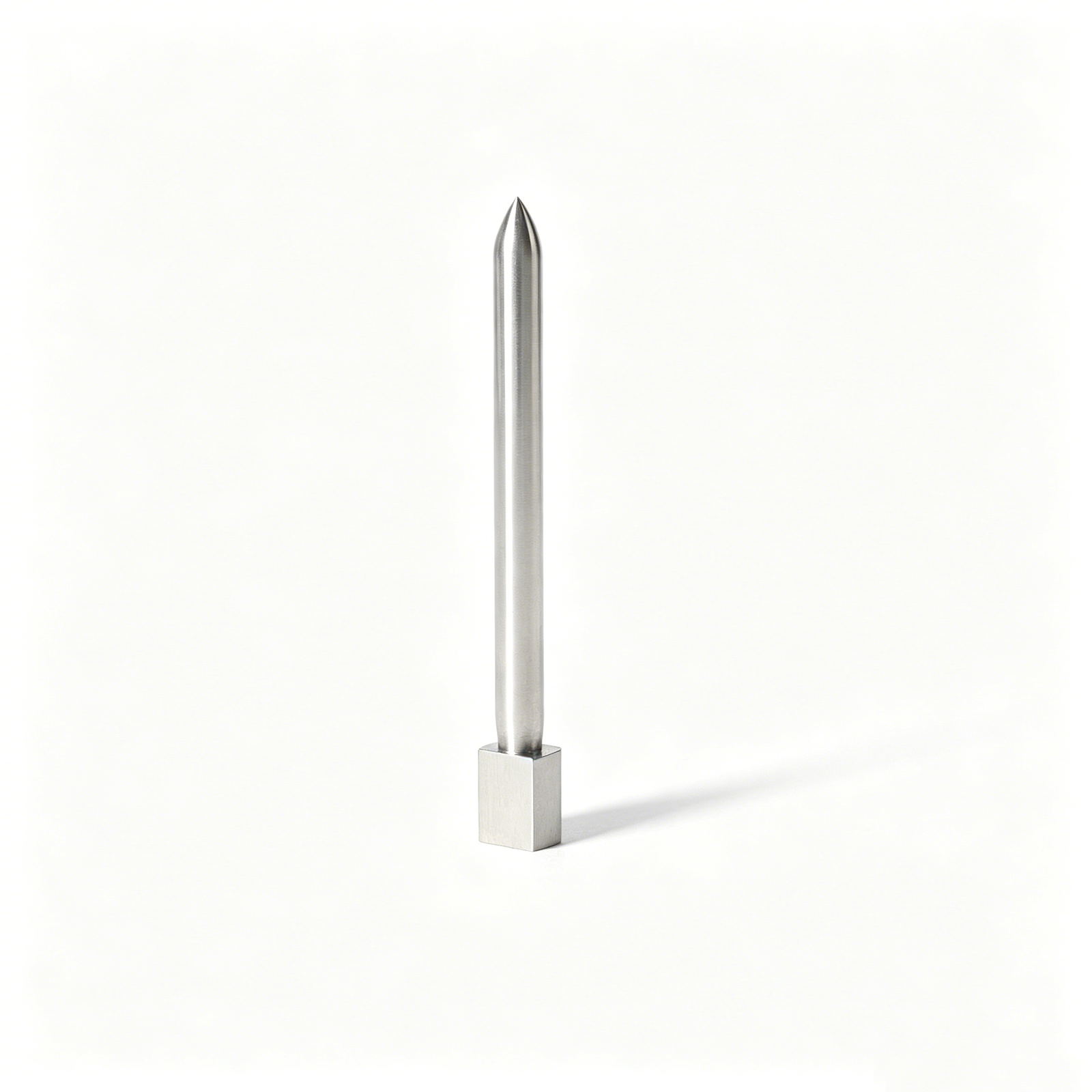
Sinker EDM Services
Sinker EDM forms deep cavities, fine internal details, and complex mold features using purpose-planned electrodes. Electrode strategy, spark allowance, recast-layer considerations, and downstream finishing are evaluated with the required surface and dimensional priorities.


Fitting and Inspection
Fitting and inspection confirm how manufactured features relate in the assembled tooling or component context. SUUXIANG reviews critical interfaces, clearance requirements, revision status, and the agreed inspection plan before final documentation is issued.
Component Features and Finishing Options

Locating Features
Dowel holes, datum faces, guide bores and locating steps can support repeatable assembly and mold alignment. SUUXIANG reviews datum relationships, machining access and critical dimensions before selecting a practical manufacturing route.

Functional Threads
Internal, external and fine-pitch threads are assessed against material, engagement length, mating parts and inspection needs. Clear thread callouts help determine the machining sequence and protect functional features during later processing.

Surface Requirements
Surface finish, texture and cosmetic-area requirements should identify the functional purpose of each face. Drawing review considers machining marks, EDM or grinding strategy, stock allowance and the inspection method appropriate to the requirement.
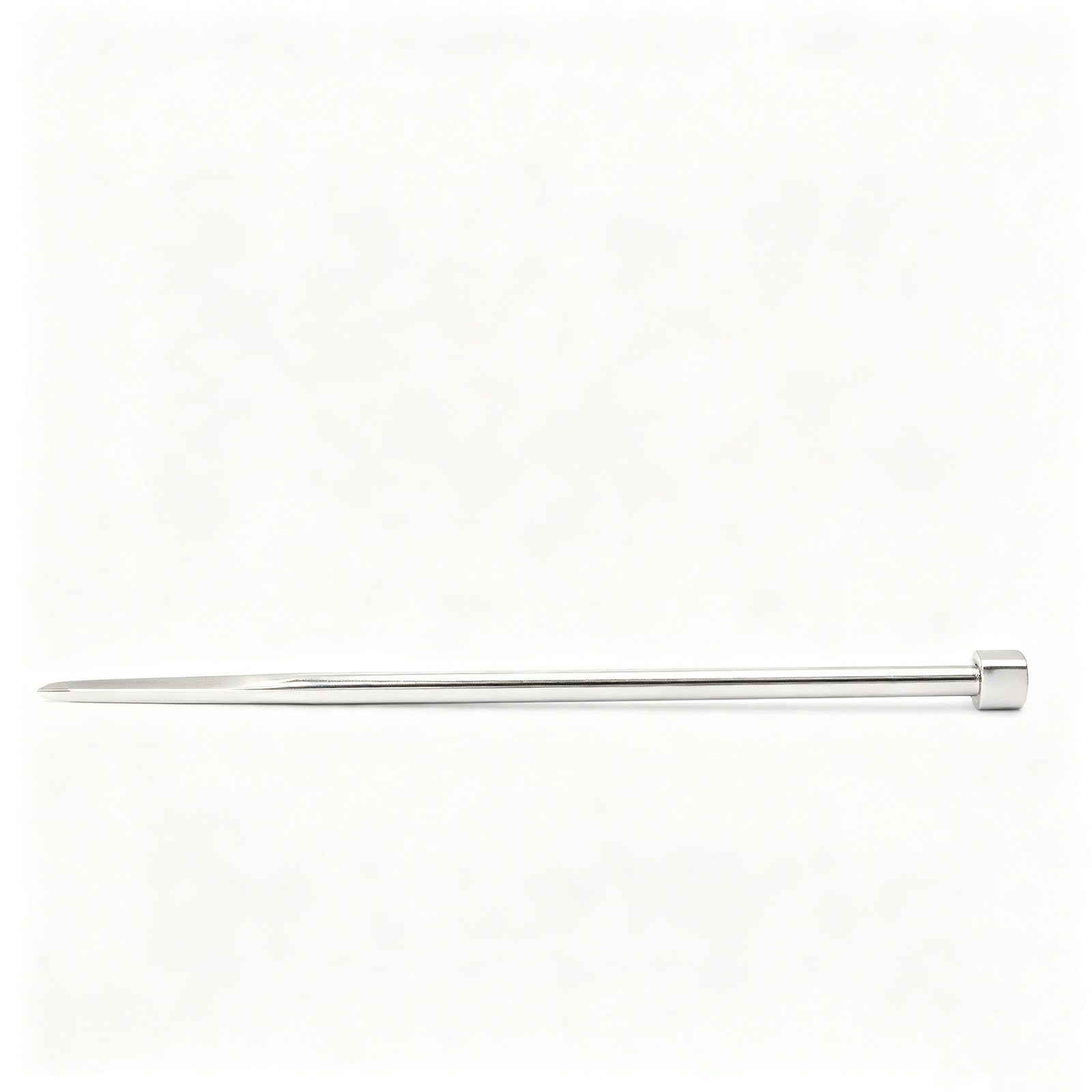
Heat Treatment
Where hardness or wear resistance is required, heat-treatment requirements are coordinated with machining, EDM and grinding stages. Material condition, distortion risk and post-treatment finishing stock should be clarified before production commitment.

Part Marking
Part numbers, revision identifiers and orientation marks can support traceability during assembly and service. Provide the marking content, position, size and method requirements so they can be reviewed against material, finish and functional surfaces.
About SUUXIANG Precision Manufacturing
SUUXIANG is the sole public-facing brand of Dongguan SuuXiang Precision Mold Co., Ltd., established in 2010 in Chang’an Town, Dongguan, Guangdong, China. Founded by XiaoCheng Huang, the company supports international engineering, sourcing and quality teams with drawing-driven manufacturing for custom CNC parts, precision mold components, connector tooling and stamping-die components.
Our production planning brings CNC milling and turning, multi-axis machining, wire and sinker EDM, precision grinding, fitting and inspection into a controlled workflow. For industries and applications that depend on critical interfaces, the route is selected from the drawing, material, quantity, datums, surface requirements and inspection expectations.
What distinguishes SUUXIANG is disciplined technical communication before commitments are made. We review manufacturability, critical dimensions, tool access, EDM or grinding needs, heat-treatment sequence and revision requirements so buyers can align the RFQ, production route and required inspection evidence before work begins.

From DFM Review to Inspection
DFM Before Commitment
Each drawing review begins by identifying critical dimensions, datums, material requirements, surface priorities, and functional interfaces. For industries and applications with demanding fit requirements, SUUXIANG clarifies machining access, tolerance stack risks, and inspection expectations before quotation or production planning.
- Review 2D drawings and available 3D models
- Identify critical-to-quality dimensions and datums
- Confirm material, heat treatment, quantity, and delivery inputs
- Flag manufacturability questions before process commitment

CNC and EDM Strategy
Complex geometry may require more than a standard milling route. SUUXIANG evaluates CNC milling, turning, multi-axis work, wire EDM, and sinker EDM against internal features, corner conditions, tool reach, electrode needs, and the required relationship between formed surfaces and critical dimensions.
- Match tool access to part geometry
- Plan wire paths and electrode strategy
- Consider machining sequence around heat treatment
- Keep process choices aligned with drawing intent

Grinding and Controlled Fitting
Where geometry, finish, or mating behavior calls for it, grinding and fitting are planned as controlled finishing steps rather than afterthoughts. Grinding stock, datum preservation, surface requirements, and assembly relationships should be reviewed together to reduce avoidable rework across precision tooling components.
- Allow suitable stock for grinding operations
- Protect functional datums through process sequence
- Review mating surfaces and fit relationships
- Align finishing steps with surface requirements

Inspection and Revision Visibility
Production control depends on an inspection plan that reflects the order and its critical features. SUUXIANG maintains visible revision and delivery information while selecting inspection methods appropriate to the agreed requirements, helping engineering and quality teams receive documentation that corresponds to the verified plan.
- Define inspection priorities from critical features
- Maintain drawing and revision traceability
- Coordinate reporting needs before production
- Match final documentation to the verified inspection plan

Industries and Applications Need More Than Generic Quotes
Compare the evidence, planning and revision discipline behind a drawing-based precision-manufacturing program.
← Swipe left or right to view →
Production Workflow for Custom Precision Parts
A controlled route for industries and applications requiring drawing-based CNC parts, precision mold components, connector tooling, and documented inspection.
Review Drawings and Requirements
We review drawings, models, material, quantity, critical dimensions, surface requirements, application context, inspection needs, and target delivery before confirming the quotation basis.
Plan Process and Controls
The team defines DFM actions, datum strategy, machining access, heat-treatment sequence, EDM or grinding needs, inspection method, revision control, and production route.
Machine Critical Part Features
CNC milling, turning, multi-axis machining, EDM, and precision grinding are combined as required to produce accessible features, controlled allowances, and functional interfaces.
Inspect Against Approved Requirements
Inspection follows the agreed plan, focusing on critical dimensions, datums, surface requirements, and order-specific documentation needed for traceable technical review.
Pack and Coordinate Delivery
After final verification, parts are prepared for shipment with applicable order documentation, while revision status and delivery coordination remain visible to the customer.
Industries and Applications: Start Your RFQ
Align drawing details, quality expectations and delivery needs before production planning begins.
Submit Your Drawing Package
Send the 2D drawing, available 3D model, quantity, application context and target date so SUUXIANG can assess the requested component clearly.
Define Critical Requirements
Identify material, heat treatment, critical dimensions, datum strategy, surface requirements and inspection documentation needed for the intended assembly, tooling or production application.
Review the Proposed Route
Discuss DFM findings, machining access, EDM or grinding needs, sample expectations and revision details before confirming the quotation and production approach.
Track Production and Delivery
Proceed through agreed machining, fitting and inspection stages with visible revision control, then align final documentation and delivery coordination to the verified order requirements.
Quality Documentation and Certifications
Industries and Applications: Customer Project Outcomes
Customer-approved testimonial pending. This slot will document drawing clarification outcomes once the customer has approved the quotation context, revision record, and publishable project details.
Customer-approved testimonial pending. This slot will describe inspection-plan alignment only after the customer has authorized publication of the relevant dimensional priorities, reporting requirements, and verified outcome.
Customer-approved testimonial pending. This slot will cover delivery coordination once the customer has approved a factual account of the project scope, revision control, and delivery result.
Industries and Applications FAQ for Engineering Buyers
Practical answers for teams sourcing drawing-based CNC parts, precision mold components, connector tooling and die components.
What RFQ information is needed for industries and applications involving precision components?
Which industries and applications can SUUXIANG evaluate from a customer drawing?
Do industries and applications with low-volume or prototype needs require a minimum order quantity?
Can SUUXIANG provide samples before a production order?
How is lead time assessed for a custom CNC or mold-component order?
What materials can be considered for precision parts and tooling components?
What inspection reports are available for industries and applications with critical dimensions?
How do shipping, payment, IP protection and drawing revision control work?
The Complete Buyer’s Guide to industries and applications
Use a practical decision framework to match drawing-based CNC and tooling components to end-use requirements, evaluate supplier capabilities and controls, compare cost drivers, and avoid sourcing mistakes that create delays, quality escapes, or redesigns.
1. What Are industries and applications?
2010 is the year SUUXIANG began supporting drawing-based precision-manufacturing work; for a component buyer, ‘industries and applications’ means the operating job a part must perform, not merely whether it is called a pin, insert, die component, or machined prototype. That job defines the functional context behind the drawing.
2D drawings and 3D models establish geometry, but the end-use environment establishes acceptance criteria: critical dimensions and datums, material and heat-treatment requirements, surface condition, inspection method, and required records. A connector-tooling component, mold cavity insert, or stamping-die part may share a process route while facing different wear, fit, mating, or maintenance risks.
1 RFQ should therefore identify the application, quantity, revision, mating-part context, and quality expectations alongside the drawing. This lets SUUXIANG evaluate machining access, EDM or grinding needs, validation evidence, and supply-continuity requirements within verified production scope before production is committed.
2. Evolution of Industries and Applications
1980s-era sourcing often treated a machine shop as a capacity provider: buyers supplied a print, then verified the finished part after delivery. Modern programs begin earlier, with native 3D models, controlled 2D drawings, datum schemes, revision identifiers, and explicit critical-to-quality features exchanged before a process route is selected.
2D drawings remain the contractual reference for many precision components, but digital data now shortens iteration by exposing tool access, EDM paths, grinding stock, and tolerance conflicts during review. For connector tooling, continued miniaturization makes pin geometry, cavity alignment, surface condition, and measurement method interdependent rather than separate purchasing details.
100% inspection is not automatically the right control plan; repeatable measurement against agreed datums and recorded acceptance criteria is more useful than an undocumented claim. Automation and shorter development cycles raise the value of traceable material, heat-treatment, inspection, revision, and delivery records, so buyers should evaluate a supplier’s evidence flow alongside its machining processes.
3. Types of industries and applications
Six application profiles change how a drawing should be reviewed. Classify the part by its functional interface, then define risks and inspection evidence before quotation.
| Application | Typical Parts | Primary Risk | Manufacturing Priority |
|---|---|---|---|
| Molds and injection tooling | Cores, inserts, ejector pins | Flash or seizure | EDM, grinding, fitting |
| Electrical connectors | Cavity inserts, terminal tooling | Misalignment or burrs | Micro features, datum control |
| Stamping dies | Punches, dies, guides | Edge wear or fracture | Heat-treatment sequence, grinding |
| Automation equipment | Jigs, nests, slides | Repeatability loss | Bearing fits, assembly interfaces |
| Medical or laboratory equipment | Fixtures, housings, probes | Contamination or mismatch | Material records, surface control |
| Industrial machinery | Shafts, brackets, wear parts | Load failure or downtime | Functional tolerances, replacement traceability |
Tooling And Connectors
Mold and connector parts usually depend on mating geometry. Confirm datum transfer, shutoff surfaces, ejection clearance, and pin-to-cavity alignment early.
Production Equipment Parts
Automation and machinery parts often combine motion with mounting interfaces. Specify load direction, bearing fits, repeatability targets, and service-access constraints.
Regulated Equipment Components
Medical and laboratory components require application-specific documentation. Define material traceability, cleaning exposure, surface condition, and inspection records in the RFQ.
4. Materials for Industries and Applications
Five material families cover most drawing-based CNC and tooling decisions. Final selection must follow the drawing, service environment, mating parts, and applicable specifications.
| Family | Wear | Corrosion | Conductivity | Machining | Stability |
|---|---|---|---|---|---|
| Tool steel | High after hardening | Low | Low | Moderate | Heat treatment matters |
| Stainless steel | Moderate | High | Low | Moderate | Grade dependent |
| Aluminum alloy | Low | Moderate | High | High | Temper dependent |
| Copper alloy | Moderate | Moderate | High | Moderate | Softness matters |
| Engineering plastic | Low | Variable | Low | High | Creep sensitive |
Match Material To Duty
Tool steels suit sliding, forming, and abrasive contact when hardness and wear life govern. Stainless steels suit moisture or chemical exposure, but grade and heat-treatment condition affect machining and stability.
Control Process Sequence
Heat treatment can change size, residual stress, and grinding allowance. Specify datum-critical features, final hardness, coating compatibility, and inspection stage before releasing the process route.
Consider Functional Alternatives
Aluminum alloys reduce mass and machine quickly for fixtures or lower-load tooling. Copper alloys improve electrical or thermal transfer; engineering plastics fit insulating, low-load, or sacrificial functions when temperature and creep permit.
5. Customization and Finishing Options
Each drawing should separate mandatory functional requirements from manufacturing-route choices. For industries and applications, that distinction prevents cosmetic expectations from silently changing fit, inspection scope, cost, or delivery.
| Option | Primary effect | RFQ requirement |
|---|---|---|
| Grinding | Fit and wear | Surface and critical faces |
| Coating or plating | Corrosion or conductivity | Type, thickness, masked areas |
| Polishing | Release or appearance | Functional or cosmetic intent |
| Laser marking | Identification | Text, location, timing |
State Functional Requirements
Critical dimensions, datums, tolerances, thread callouts, mating features, material, hardness, and required surface condition belong on the drawing or RFQ. State where wear, sealing, conductivity, or corrosion resistance matters.
Supplier-selected cutter paths, EDM electrode details, roughing sequence, and noncritical edge breaks can remain process choices unless they affect function.
Specify Surface Intent
Functional surfaces require measurable requirements: grinding finish, coating type and thickness, plating coverage, masking areas, or polishing grade. A plated thread or locating diameter may alter fit.
Cosmetic surfaces need an agreed appearance standard, visible-face definition, and permitted tool marks. Laser-marking content and location should be specified when identification or traceability is required.
Control Packaging And Changes
One packaging instruction can prevent contact damage: protect polished, ground, coated, or plated faces separately. Identify part number, revision, quantity, and lot or inspection-report requirements.
Revision-controlled drawings should govern any finishing change. Ask SUUXIANG to confirm whether heat treatment, grinding stock, coating sequence, and final inspection must occur before or after marking.
6. Key Construction Quality Elements
Quality begins with the drawing’s functional references, not a blanket request for maximum precision. SUUXIANG reviews datums, critical dimensions, process access, inspection requirements, and revision status before routing machining, EDM, grinding, fitting, and final inspection.
Datums And Functional Tolerances
One primary datum scheme should reflect how the part locates, mates, seals, or moves in service. Apply size and geometric tolerances to those functional relationships; tightening nonfunctional dimensions can add setups, grinding, EDM, and inspection cost without improving performance.
- Identify primary, secondary, and tertiary datums.
- Mark fit, sealing, alignment, and motion features.
- State the mating-component condition when relevant.
Edges, Surfaces, And Hardness
Edge breaks, burr limits, surface roughness, hardness, and heat-treatment sequence must be specified where function requires them. Define whether an edge needs deburring, a controlled radius, or sharpness retention, and identify surfaces whose finish affects sliding, sealing, release, or contact.
- Specify roughness only on functional faces.
- Link hardness requirements to material and treatment.
- Protect datum surfaces from unintended edge finishing.
Inspection And Change Control
First-article inspection should compare agreed critical features against the released drawing and inspection plan before wider production. Measurement methods may include calibrated dimensional instruments, CMM inspection, optical measurement, gauges, or surface and hardness checks when the order requires them.
Each drawing revision needs a visible revision identifier, disposition of superseded files, and confirmation of any changed dimensions, materials, or reporting requirements. Material traceability and final documentation should match the order’s verified requirements.
- Submit current 2D drawing and available 3D model.
- Define reportable dimensions and acceptance criteria.
- Approve deviations in writing before manufacture.
7. How to Choose a Manufacturer
Two suppliers can quote the same drawing yet expose different revision, quality, and delivery risk. Compare the evidence behind the process route, not unit price alone.
| Evaluation Area | Ask Before Award | Evidence To Compare |
|---|---|---|
| Engineering | How are CTQs and datum risks reviewed? | Marked drawing and process route |
| Manufacturing | Which machining, EDM, and grinding steps apply? | Tooling-access and allowance plan |
| Quality | How will features be inspected and reported? | Inspection plan and sample report |
| Delivery | How are revisions, packaging, and exports controlled? | Capacity plan and packing specification |
Engineering And Process Fit
1 drawing review should identify CTQ dimensions, datums, tool access, EDM needs, grinding stock, and heat-treatment sequence.
2 questions: Which operations control each CTQ feature? What risks or drawing ambiguities require disposition before release?
Quality And Supply Evidence
3 records matter: request material traceability, inspection-method definitions, sample reports, calibration status, and nonconformance containment workflow.
4 stages should be visible from prototype through repeat production, including revision ownership, capacity assumptions, protective packaging, and export-document readiness.
Communication Under Change
24-hour acknowledgement targets are useful only when the supplier states who owns technical clarification and corrective action.
1 escalation path should define response, root-cause analysis, disposition, rework authority, and shipment recovery for a nonconformance.
8. Common Buyer Mistakes to Avoid
Two documents—an approved 2D drawing and revision-controlled 3D model—prevent many preventable disputes. For industries and applications with functional interfaces, quality expectations must be agreed before machining begins.
Define The Technical Package
One missing datum can make a tight dimension impossible to inspect consistently. State datums, GD&T, critical dimensions, surface requirements, and acceptance criteria.
Two material names can describe very different supply conditions. Specify grade, condition, hardness or heat treatment, certification needs, and required inspection evidence.
Plan Process Interactions
One finish can alter a mating fit after grinding or EDM. Identify coating, polishing, texturing, masking, and final-size requirements in the drawing review.
Three process decisions—machining access, electrode strategy, and grinding allowance—should precede release. Ask the supplier to flag risk areas and propose the process sequence.
Control Program Continuity
One first article does not prove repeatability at production quantity. Review inspection records, revision traceability, and controls for critical features.
Two logistics details often arrive too late: packaging requirements and spare-part continuity. Confirm target dates, shipment method, approved revision, reorder identification, and retained manufacturing records.
9. Steps to Launch a Precision-Part Program
A reliable program begins before a purchase order: engineering and procurement must align the released drawing, application context, quality evidence, and change authority. Each gate should produce a reviewable record.
Capture Requirements
Step 1: issue the 2D drawing, 3D model, quantity, material, heat treatment, critical dimensions, datums, surface requirements, and target date. Gate: confirm the revision is controlled and the acceptance criteria are unambiguous.
Review Process Route
Step 2: conduct DFM review for tool access, tolerance stack, grinding stock, EDM strategy, inspection method, and mating-part risks. Gate: close open technical questions before comparing quotations.
Approve Prototype Evidence
Step 3: approve the prototype against the released revision and agreed inspection plan. Gate: review dimensional results, functional fit, deviations, and corrective actions before authorizing a pilot build.
Release And Control Changes
Step 4: release production only after first-article and pilot results meet documented acceptance criteria. Gate: define incoming inspection, packaging, traceability, approved revision, and written change-notification ownership.
10. Pricing and Cost for Industries and Applications
2D drawings and 3D models let buyers compare quotations on the same datum, material, heat-treatment, finish, quantity, and inspection basis. Prices should be issued against the revision-controlled package, not a verbal part description.
1 RFQ should identify critical dimensions, reporting requirements, target date, and any mating-part or application constraints. SUUXIANG can then review the proposed process route and identify cost drivers before production is accepted.
| Quantity tier | Setup or programming | Process and material effects | Inspection and lead-time influence | Unit-cost direction |
|---|---|---|---|---|
| 1–5 pieces | High share per part | Multi-axis access, EDM, grinding, hard material, or special finish increase effort | First-article records and urgent scheduling add cost | Highest |
| 6–50 pieces | Spread across batch | Reusable fixtures or electrodes may reduce repeat effort | Defined inspection plan supports comparable timing | Declines |
| 51+ pieces | Lower share per part | Cycle time, tooling life, and handling become dominant | Sampling plan and delivery releases require agreement | Lowest when repeatable |
Upload a Drawing for Industries and Applications Review
Include material, quantity, critical dimensions, inspection requirements and delivery target so SUUXIANG can assess manufacturability and prepare a controlled quotation.