
Consumer Electronics Components, From Drawing to Inspection
SUUXIANG plans CNC machining, EDM, grinding and inspection for consumer electronics components, mold parts and connector tooling built to your documented requirements.
Featured Components for Consumer Electronics Development


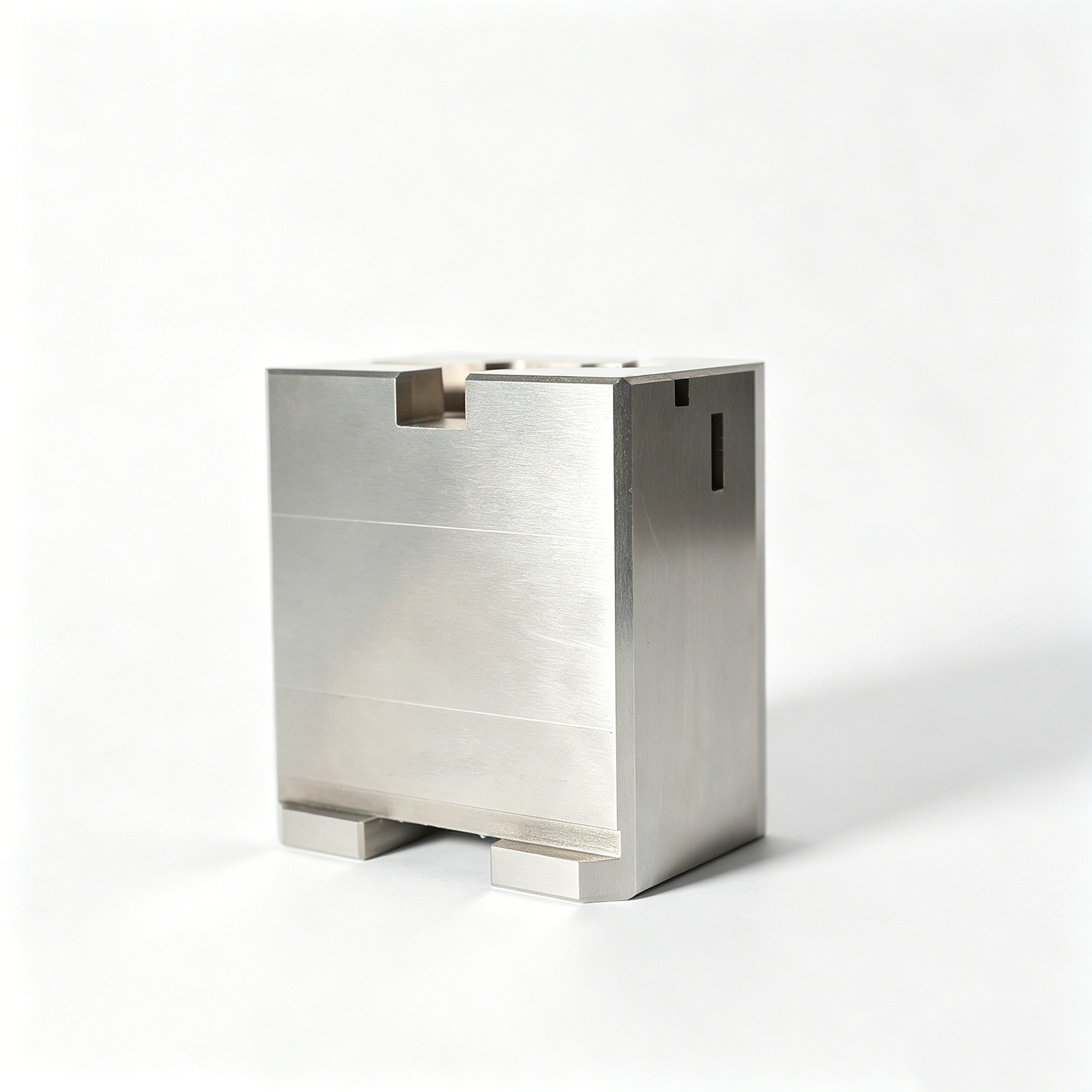


Related Components and Drawing-Based Quotations




Why Engineering Teams Choose SUUXIANG for Consumer Electronics Components
A drawing-driven workflow focused on manufacturability, critical dimensions, controlled revisions, and inspection evidence before production commitments.
Drawing Review First
We review drawings, models, material requirements, quantities, and critical dimensions to clarify manufacturability before quotation or production planning begins.
Practical DFM Input
DFM discussions address datum strategy, tool access, tolerance stack, surface requirements, and process risks that can affect function or delivery.
Integrated Process Routing
CNC machining, EDM, precision grinding, fitting, and inspection are planned as connected steps for drawing-based consumer electronics components.
Inspection Planning
Inspection requirements are defined around critical features, suitable measurement methods, reporting needs, and the documentation expected for the order.
Revision Visibility
Clear revision control keeps current drawing information, manufacturing changes, and delivery coordination visible throughout the project lifecycle.
Traceable Communication
Engineering and sourcing teams receive focused project communication tied to specifications, open questions, inspection expectations, and agreed production details.
Electronics Components and Tooling Families
Drawing-driven process routes for configurable precision parts, mold components, connector tooling, and stamping-die work.

CNC Machining Services
Precision CNC machining services for drawing-based custom parts where critical dimensions, datums, material requirements, and inspection expectations must be reviewed before production planning.
Upload a Drawing
CNC Milling
Custom CNC milling services for prismatic parts, plates, inserts, housings, and complex features. Tool access, workholding, machining allowance, surface requirements, and tolerance stack are evaluated against the supplied drawing.
Upload a Drawing
CNC Turning
Precision CNC turning services for shafts, pins, bushings, threaded forms, and rotational features. Quote review considers concentricity, runout, datum selection, material condition, and secondary machining or grinding requirements.
Upload a Drawing
5-Axis Machining
5-axis CNC machining supports multi-face features and complex geometry with fewer setups where access permits. Process planning reviews tool reach, clamping strategy, reference datums, collision risk, and inspection access.
Upload a Drawing
Swiss & Micro Machining
Swiss machining and micro machining support small, slender, and feature-dense parts that require controlled handling. Drawings should identify critical diameters, length-to-diameter relationships, burr limits, material, and inspection priorities.
Upload a Drawing
Wire & Sinker EDM
Wire EDM and sinker EDM services address hardened materials, narrow slots, sharp internal geometry, and forms beyond conventional tool access. Electrode strategy, wire path, corner conditions, recast considerations, and finishing requirements are reviewed.
Upload a Drawing
Precision Grinding
Precision surface and profile grinding supports controlled flatness, parallelism, profile accuracy, and final stock removal. Planning accounts for heat-treatment sequence, grinding allowance, datum stability, surface requirement, and inspection method.
Upload a Drawing
Mold Core & Cavity Inserts
Precision mold core and cavity inserts are produced from customer drawings and mold-design requirements. Manufacturing routes may combine CNC machining, EDM, grinding, fitting, and inspection around shutoff geometry, cooling features, and critical interfaces.
Upload a Drawing
Ejector & Ejection Components
Ejector pins, sleeves, and ejection components are planned around fit, clearance, hardness, surface condition, and movement within the mold. Buyers should provide mating-part context and critical dimensional requirements for review.
Upload a Drawing
Core Pins, Guide & Locating Components
Core pins, guide pins, and locating components require clear functional datums and mating relationships. Manufacturing review addresses concentric features, fits, wear surfaces, heat treatment, grinding stock, and inspection requirements.
Upload a Drawing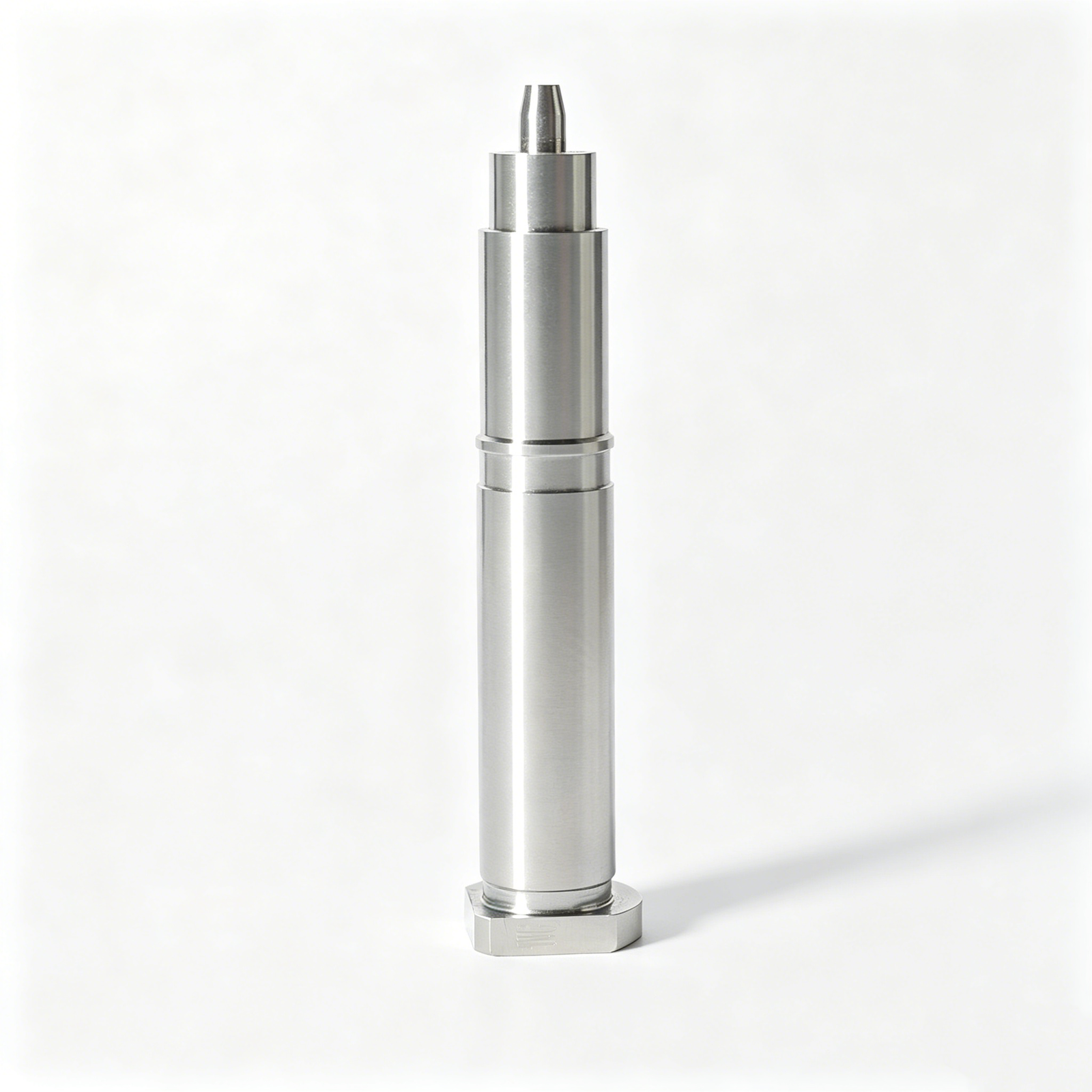
Slides, Lifters, Gates & Mold Accessories
Mold slides, lifters, gates, and accessories are configurable components for motion, alignment, and material flow functions. Drawings should clarify travel, interfaces, shutoffs, material, wear conditions, and assembly-critical dimensions.
Upload a Drawing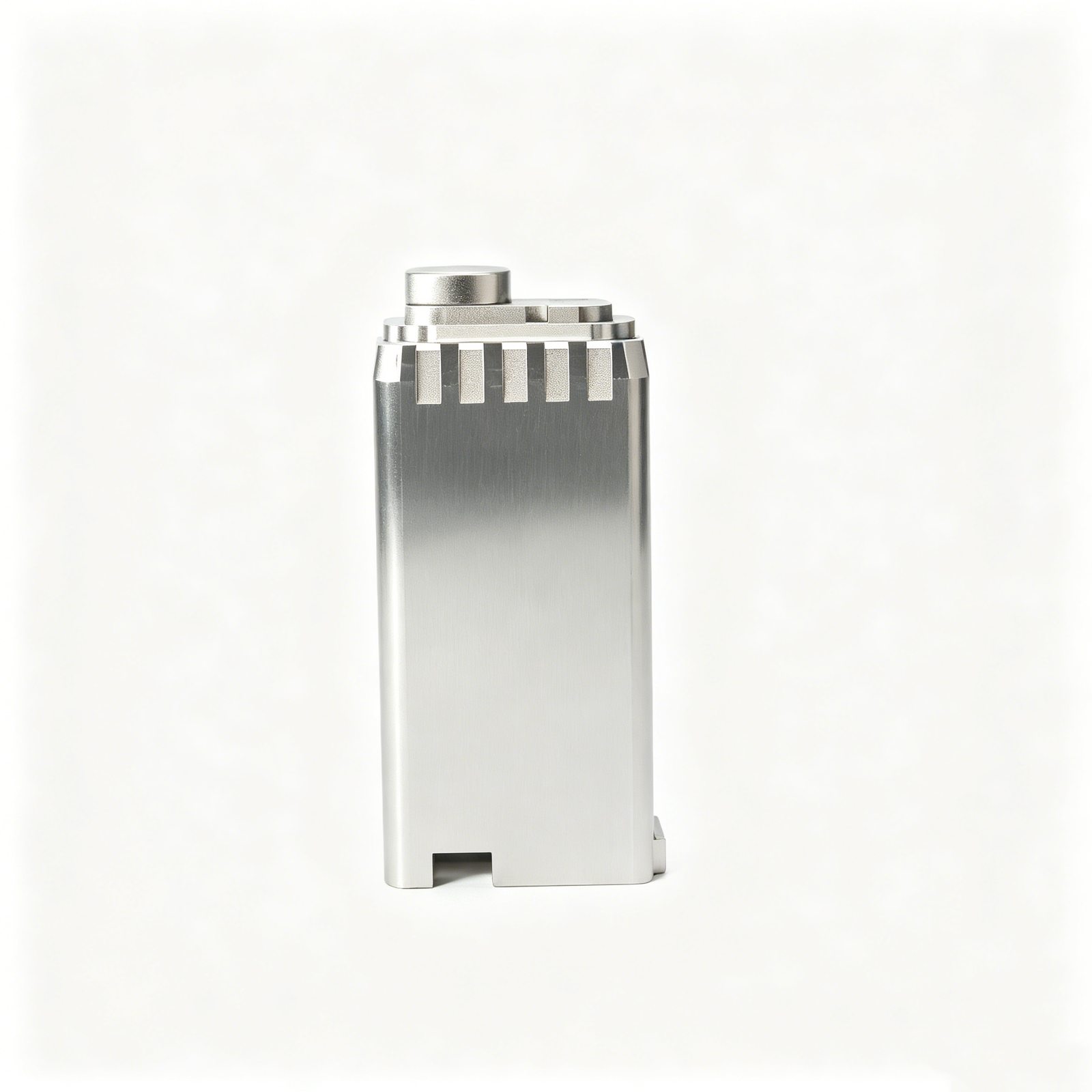
Connector Mold Components
Precision connector mold components support fine-pitch and feature-dense connector tooling requirements. Review focuses on pin geometry, cavity relationships, EDM strategy, wear areas, alignment, surface condition, and inspection evidence.
Upload a Drawing
Stamping Die Components
Precision stamping die components are produced for drawing-defined cutting, forming, guiding, and locating functions. Process planning considers die material, heat-treatment sequence, clearance-critical geometry, EDM needs, grinding stock, and mating relationships.
Upload a Drawing
Injection, MIM, CIM & Overmolding Tooling
Injection, MIM, CIM, and overmolding tooling work is evaluated within verified production scope. A useful review includes part geometry, material behavior, shrinkage assumptions, gate concept, tool interfaces, critical features, and inspection expectations.
Upload a Drawing
Machining Materials
CNC machining materials are selected against the drawing, application, machining behavior, heat-treatment requirements, and traceability needs. Material availability and certification requirements should be confirmed before production commitment.
Upload a Drawing
Surface Finishes & Heat Treatment
Surface finishing and heat treatment are reviewed as part of the manufacturing sequence, not as isolated add-ons. Requirements should define finish type, surface areas, hardness or treatment condition, masking needs, and verification expectations.
Upload a Drawing
Quality, Metrology & Documentation
Precision inspection, metrology, and quality documentation are aligned to the drawing and agreed inspection plan. Customers can identify critical dimensions, reporting format, traceability needs, revision status, and any required measurement evidence.
Upload a Drawing
Prototyping & Low-Volume Production
Rapid prototyping and low-volume manufacturing support drawing-driven validation, bridge quantities, and controlled production runs. RFQs should state quantity, material, critical dimensions, surface priorities, revision level, target date, and inspection needs.
Upload a DrawingMaterials for Consumer Electronics Components Projects

Stainless Steel
Used for corrosion-resistant structural parts, guide elements and wear-sensitive assemblies. Grade, hardness condition, machining access and finishing requirements are reviewed because work hardening and burr control can affect critical dimensions.

Aluminum Alloys
A practical option for lightweight housings, fixtures, heat-management features and prototype parts. Alloy temper, wall thickness, thread engagement and surface treatment requirements should be defined to manage distortion, finish and inspection priorities.

Tool Steels
Considered for mold cores, cavity inserts, punches and tooling elements exposed to wear or load. Machining allowance, heat-treatment sequence, EDM strategy and post-process grinding requirements must be aligned with the drawing.

Copper Alloys
Suitable for selected electrical, thermal and EDM-related applications where conductivity or heat transfer matters. The material grade, softness, clamping approach and surface requirement are evaluated to support stable machining and dimensional control.

Engineering Plastics
Used for prototype components, insulating features, handling fixtures and application-specific nonmetal parts. Resin grade, moisture sensitivity, wall geometry, tolerance expectations and operating environment should be reviewed before process planning.
Precision Processes for Consumer Electronics Components

CNC Milling
CNC milling creates prismatic features, pockets, profiles, and mounting details in drawing-based parts. Tool access, clamping strategy, wall geometry, and critical datums are reviewed to support stable machining and inspection.

CNC Turning
CNC turning produces concentric diameters, threads, shoulders, and precision rotational features. It is selected when axial geometry and runout relationships govern the part, with material condition and measurement requirements defined before production.


Wire EDM
Wire EDM is considered for narrow slots, precise internal profiles, hardened materials, and difficult-to-reach contours. The route depends on wire path, start-hole access, corner requirements, stock condition, and the required inspected geometry.
Sinker EDM
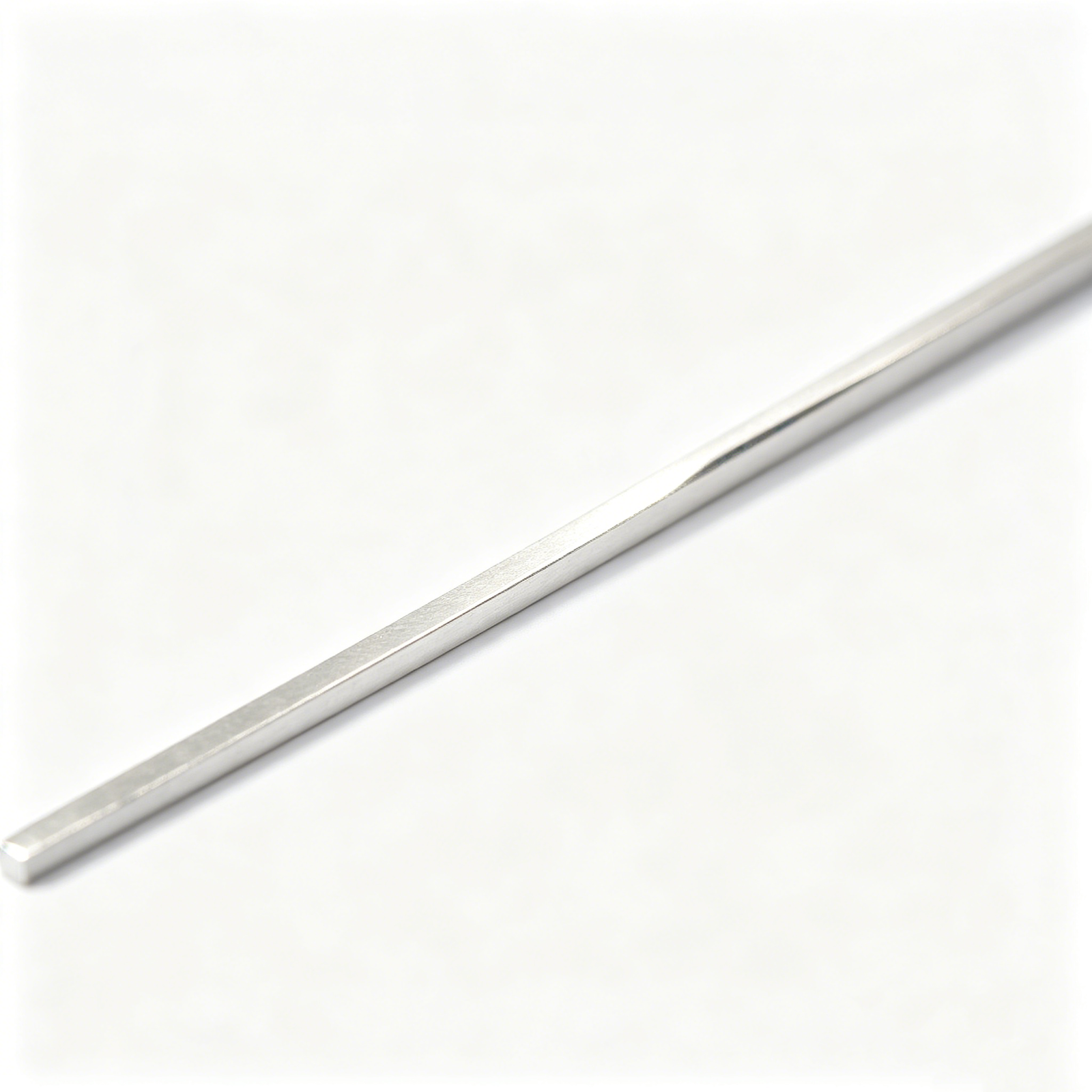
Sinker EDM forms deep cavities, sharp internal details, and features beyond practical milling access. Electrode design, spark allowance, surface requirements, and downstream fitting or polishing needs are evaluated during process planning.

Precision Grinding
Precision grinding refines critical flatness, parallelism, diameter, and surface requirements after suitable stock allowance is planned. Fitting and inspection then verify functional relationships for mold, connector-tooling, and custom precision components.
Consumer Electronics Components: Tooling Accessories
Core Pins
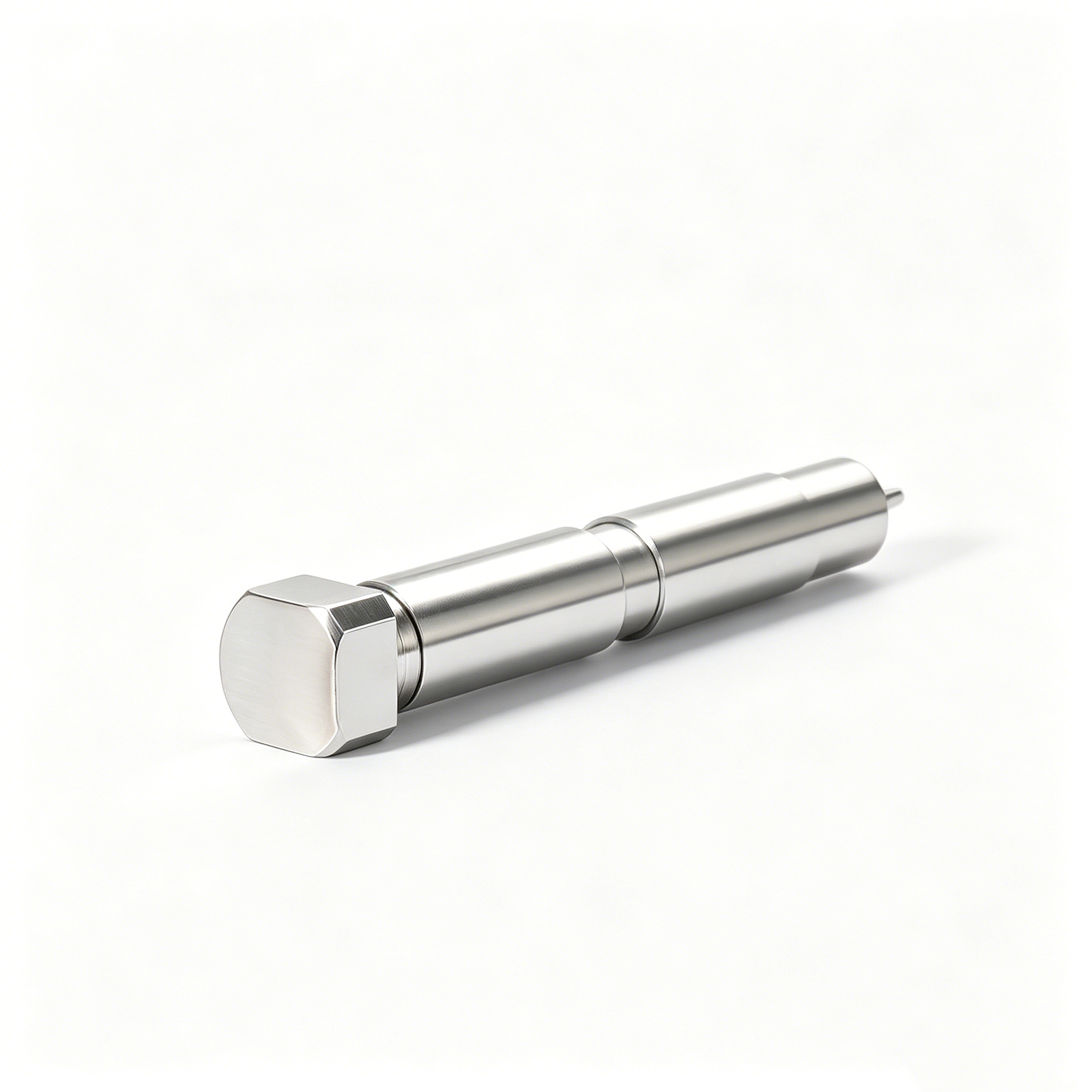
Precision core pins support detailed molded features in consumer electronics components, including openings, ribs and locating geometry. Material, heat treatment, tip geometry, wear exposure and inspection points should be confirmed from the drawing.

Guide Elements
Guide pins, bushes and locating elements help establish repeatable mold alignment and controlled relative movement. Their datum relationship, fit class, lubrication needs and service conditions require review alongside the mating tooling assembly.

Slides and Lifters
Slides and lifters enable molded undercuts, side features and release-sensitive geometry where a fixed core cannot provide tool access. SUUXIANG evaluates travel direction, clearance, wear interfaces and critical mating dimensions before production.

Ejection Parts
Ejector pins, sleeves and related ejection components transfer release force to selected part areas. Drawing review should define working length, interface geometry, finish, hardness requirements and any dimensional relationship affecting molded-part appearance.
Mold Accessories
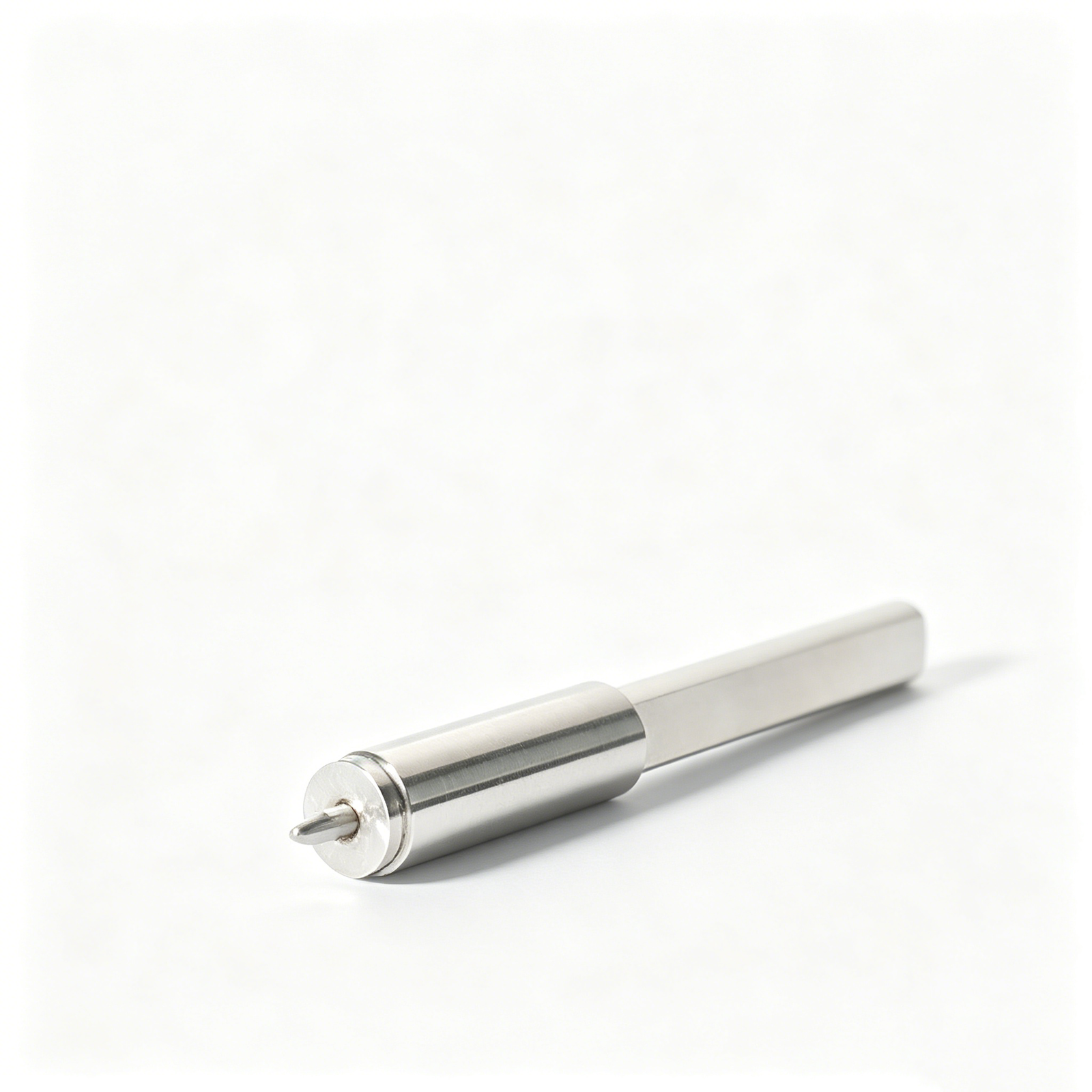
Custom mold accessories can include gates, stops, wear parts and application-specific locating features. Each configurable item is assessed against its drawing, material requirement, machining access, assembly context and inspection expectations before quotation.
Consumer Electronics Components Manufacturing
SUUXIANG is the public-facing brand of Dongguan SuuXiang Precision Mold Co., Ltd., established in 2010 in Chang’an Town, Dongguan, Guangdong, China. Founded by XiaoCheng Huang, the company helps global engineering, sourcing and quality teams convert drawings and specifications into inspected custom parts and tooling components.
For consumer electronics components, our role is manufacturing-focused: CNC milling and turning, multi-axis machining, EDM, precision grinding, fitting and inspection are planned around the drawing. We support precision mold components, connector tooling, stamping-die components and related low-volume or prototype work when project requirements fit our verified production scope.
What distinguishes SUUXIANG is disciplined project discussion before commitments. We review critical dimensions, datums, material and heat-treatment requirements, machining access, EDM or grinding strategy, inspection expectations and revision status, then coordinate production and documentation against the agreed order requirements.

Consumer Electronics Components: Critical-Dimension Control
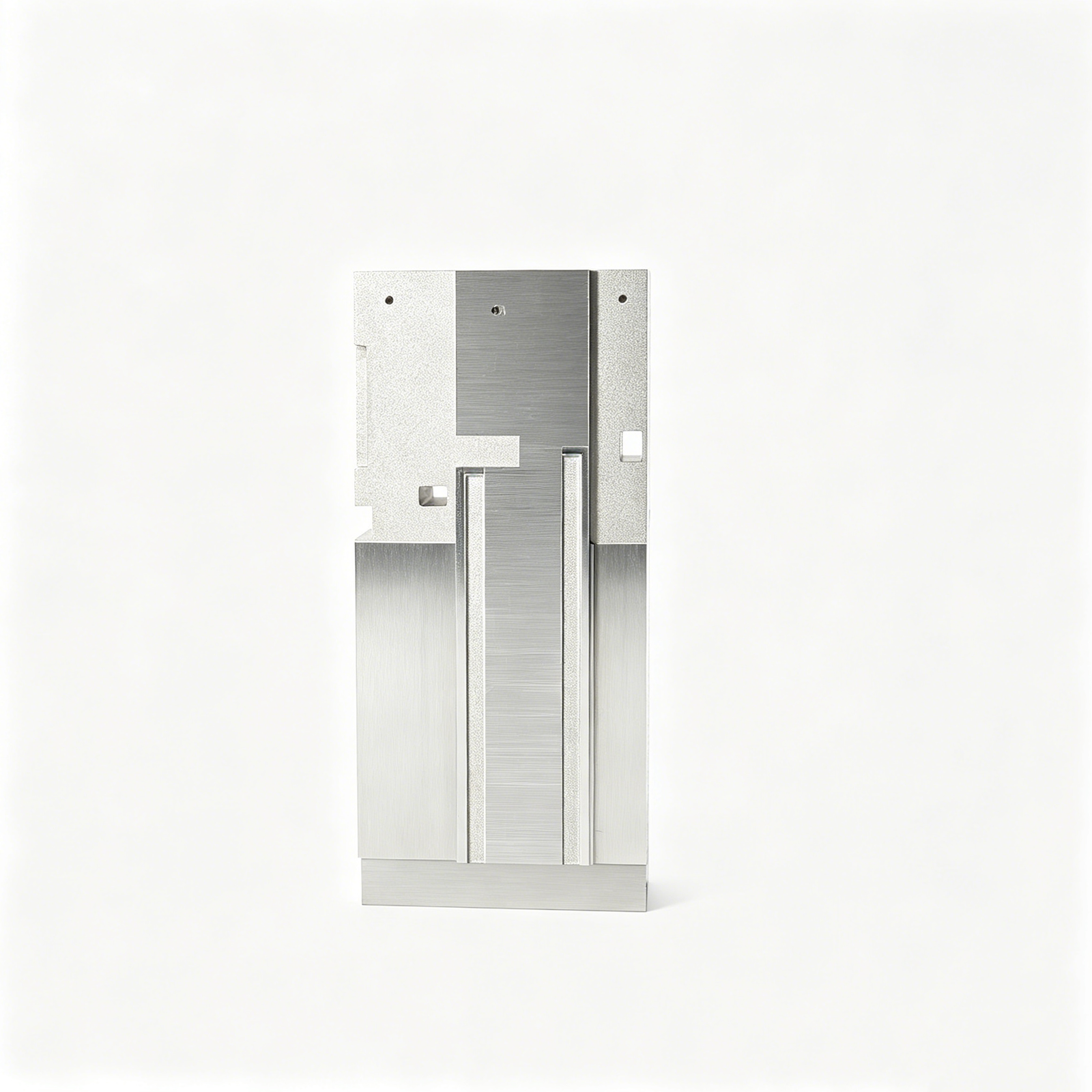
DFM and Datum Review
Before process commitments, SUUXIANG reviews drawings, models, datums, critical dimensions, surface requirements, and machining access. This helps consumer electronics components teams identify tolerance-stack risks, clarify inspection priorities, and establish a manufacturable route before quotation or production begins.
- Review critical-to-quality dimensions and datum relationships
- Identify tool access, wall geometry, and feature-risk questions
- Align material, heat-treatment, and surface requirements
- Define inspection expectations with the RFQ
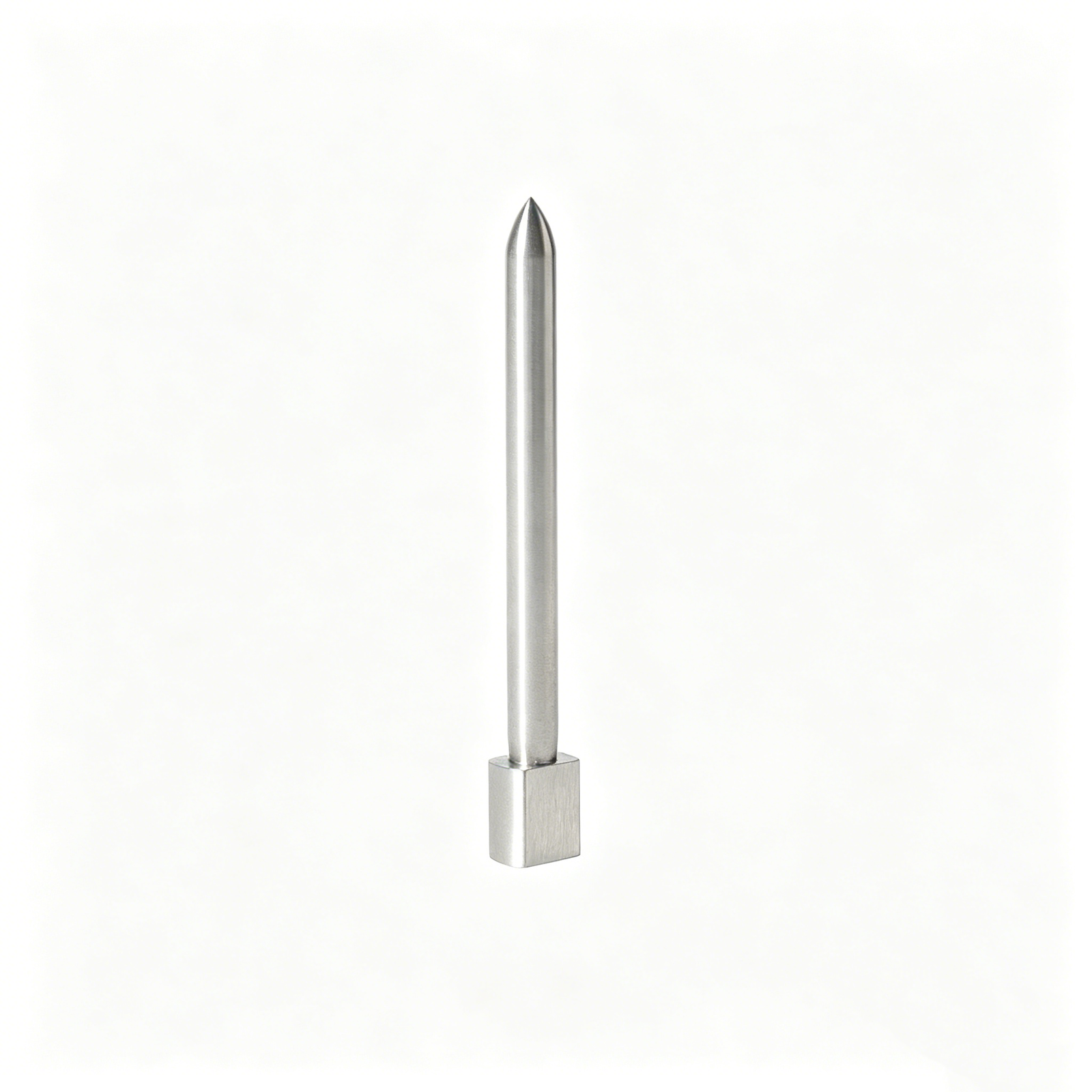
CNC and EDM Planning
Complex mold inserts, connector-tooling features, and custom precision parts may require coordinated CNC machining, wire EDM, sinker EDM, and intermediate checks. SUUXIANG plans the route around geometry, electrode needs, wire paths, material condition, and dimensions that must remain controlled.
- Match machining routes to feature geometry and access
- Assess electrode strategy for EDM-required details
- Plan wire paths for narrow slots and internal profiles
- Keep process decisions tied to drawing revisions

Grinding and Fitting Strategy
Grinding stock, heat-treatment sequence, and fitting interfaces should be resolved as connected decisions. For precision tooling supporting consumer electronics components, SUUXIANG evaluates where grinding establishes final surfaces and where fitting must protect alignment, movement, or mating-part function.
- Allocate practical stock for post-treatment grinding
- Review locating, guiding, and sliding interfaces
- Protect critical surfaces through finishing sequence
- Confirm functional relationships against stated datums
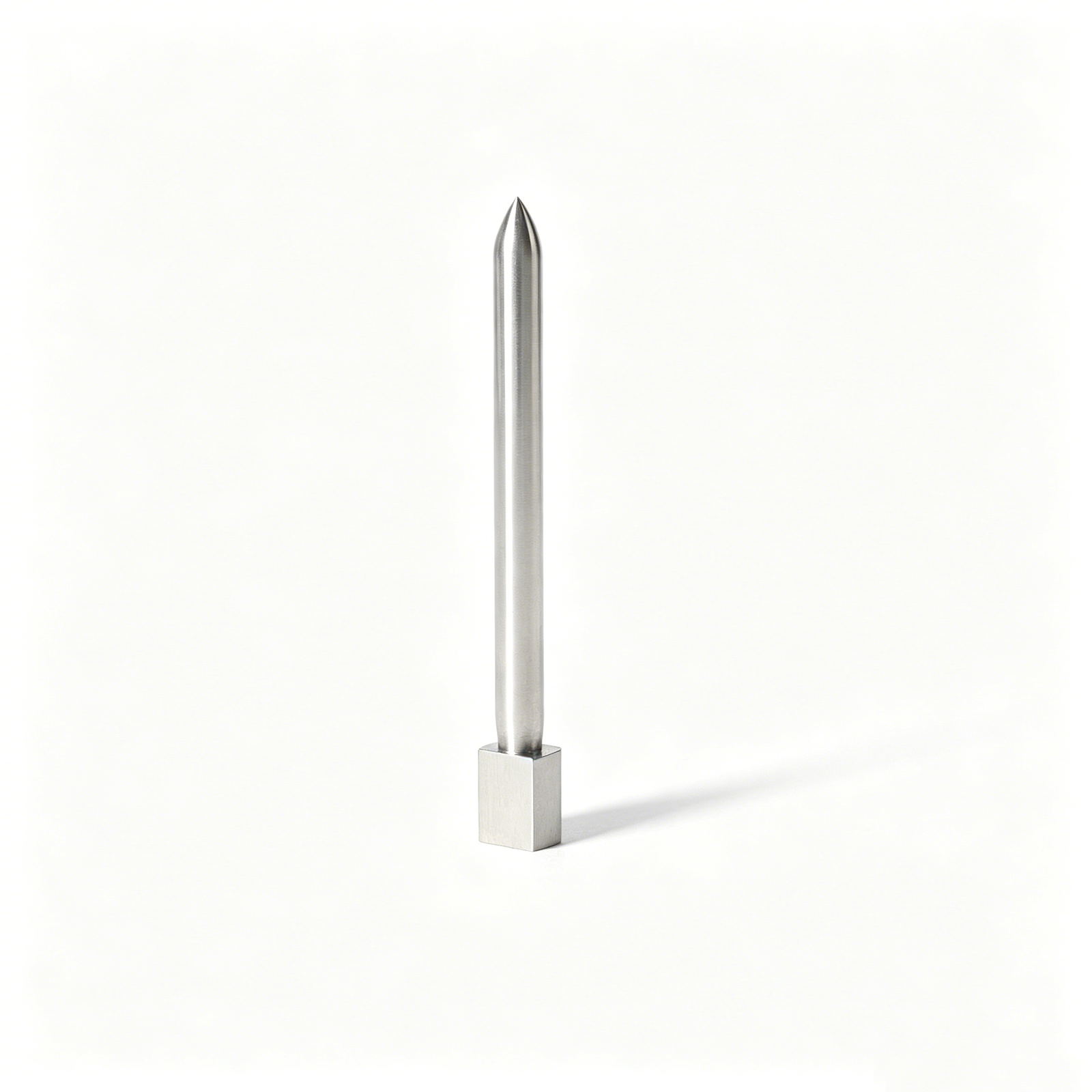
Inspection and Revision Control
Inspection planning follows the order’s verified requirements rather than generic claims. SUUXIANG coordinates measurement methods, reporting needs, traceability, and revision status so the delivered component documentation corresponds to the approved drawing, defined critical dimensions, and production record.
- Align measurement methods with critical features
- Record drawing revision and inspection requirements
- Clarify reporting needs before production release
- Keep delivery coordination visible for project teams
Consumer Electronics Components: SUUXIANG vs Typical Job Shops
Compare the drawing-to-inspection controls that affect fit, function, and revision confidence for custom components and tooling.
← Swipe left or right to view →
Consumer Electronics Components: Drawing-to-Delivery Process
Each project proceeds only after drawing review, process planning, and quality expectations are aligned with the available evidence.
Review RFQ Package
We review drawings, models, material, quantity, application context, target date, and reporting requirements to identify missing information before quotation discussions begin.
Align DFM Requirements
Engineering discusses critical dimensions, datums, tolerance stack, tool access, heat-treatment sequence, EDM needs, grinding allowance, and inspection approach before commitments are confirmed.
Plan Process Route
The approved requirement is translated into an appropriate CNC, multi-axis, EDM, grinding, fitting, and control plan based on the reviewed part geometry.
Machine Critical Features
Production follows the planned sequence, with machining, electrode strategy, wire paths, grinding stock, and in-process checks managed against the current drawing revision.
Inspect and Document
Finished consumer electronics components are inspected according to the verified order requirements and inspection plan, with documentation matched to the agreed deliverables.
Coordinate Packing and Shipment
After release, packing and delivery coordination are arranged around the confirmed order details, revision status, documentation needs, and destination requirements.
How Consumer Electronics Components Move From Drawing to Delivery
A disciplined workflow for aligning technical requirements, production planning, inspection, and delivery.
Submit Files and Requirements
For consumer electronics components, send the 2D drawing, available 3D model, material, quantity, delivery target, inspection requirements, and mating-part context affecting manufacturability.
Review DFM and Critical Dimensions
Review datum strategy, tolerance stack, machining access, EDM or grinding needs, heat-treatment sequence, and inspection approach before confirming a practical process route.
Approve the Production Plan
Confirm the quotation, revision level, quality expectations, and delivery coordination. When appropriate to the order, align sample or first-article requirements before production begins.
Coordinate Release and Delivery
SUUXIANG schedules the agreed manufacturing sequence across CNC machining, EDM, grinding, fitting, and inspection, maintaining visible revision and delivery information through final documentation.
Consumer Electronics Components: Quality Documentation
Customer Reference Policy
Customer references are published only with documented permission and verifiable project evidence.
Consumer Electronics Components FAQ
Practical answers for engineering and sourcing teams preparing drawing-based CNC parts, mold components, connector tooling, and low-volume builds.
What information should I include in an RFQ for consumer electronics components?
Can SUUXIANG make prototype and low-volume consumer electronics components?
Which materials and heat-treatment details are needed for consumer electronics components?
Can you provide inspection reports with an order?
How is lead time evaluated for custom machined parts and tooling?
How should IP-sensitive drawings for consumer electronics components be handled?
Can SUUXIANG support connector tooling and precision mold components?
What happens if a drawing has difficult tolerances or inaccessible features?
The Complete Buyer’s Guide to consumer electronics components
Use this decision framework to specify DFM-ready parts, evaluate supplier capability and quality controls, compare cost drivers, and avoid sourcing mistakes that delay consumer-electronics programs.
1. What Are consumer electronics components?
2D drawings and 3D models define consumer electronics components here as custom mechanical or electromechanical parts that enable a device’s enclosure, interfaces, assembly, or production tooling. Typical examples include CNC-machined housings and brackets, precision mold cores and inserts, connector-tooling parts, stamped metal features, and prototype components.
3 categories should remain distinct during sourcing: drawing-based manufactured parts, off-the-shelf semiconductors, and passive circuit components. This guide addresses the first category; ICs, resistors, capacitors, and standard catalog electronics require different qualification, traceability, and supply-chain controls.
2010 marks SUUXIANG’s establishment as a precision-manufacturing company supporting drawing-to-part work. Design engineers, mold and connector teams, procurement, supplier quality, manufacturing engineering, and program managers can use this guide to assess DFM questions, critical dimensions, datums, materials, process routes, inspection evidence, revision control, and RFQ completeness before production begins.
2. Evolution of consumer electronics components
Since the 2000s, thinner housings and denser connector layouts have turned many formerly simple brackets, shields, pins, and inserts into tolerance-sensitive interfaces. A drawing now needs functional datums, mating context, critical dimensions, cosmetic-surface callouts, and clear edge-break requirements—not just nominal geometry.
At 0.1 mm-scale features, small datum shifts, burrs, tool deflection, or inconsistent finishing can affect fit, assembly force, or visible appearance. DFM should therefore review tool access, minimum wall and feature geometry, machining allowance, EDM or grinding needs, and inspection method before a supplier commits to a route.
In 2026, faster refresh cycles make prototype and low-volume validation builds a controlled learning stage rather than a shortcut to production. Supplier selection should prioritize drawing comprehension, revision traceability, inspection planning, and prompt communication of manufacturability risks; each revision should identify changed dimensions, acceptance criteria, and the evidence required for release.
3. Types of consumer electronics components
Six sourcing categories cover the mechanical parts and production tooling behind consumer electronics components. A finished program often crosses categories: an enclosure needs machined prototypes, injection-mold tooling, connectors, and stamped retention hardware.
CNC-Machined Structural Parts
CNC frames, brackets, and heat-spreader features provide stiffness and mounting. Datums, wall thickness, flatness, and tool access drive milling or turning risk: inaccessible features can force redesign.
Precision Mold Components
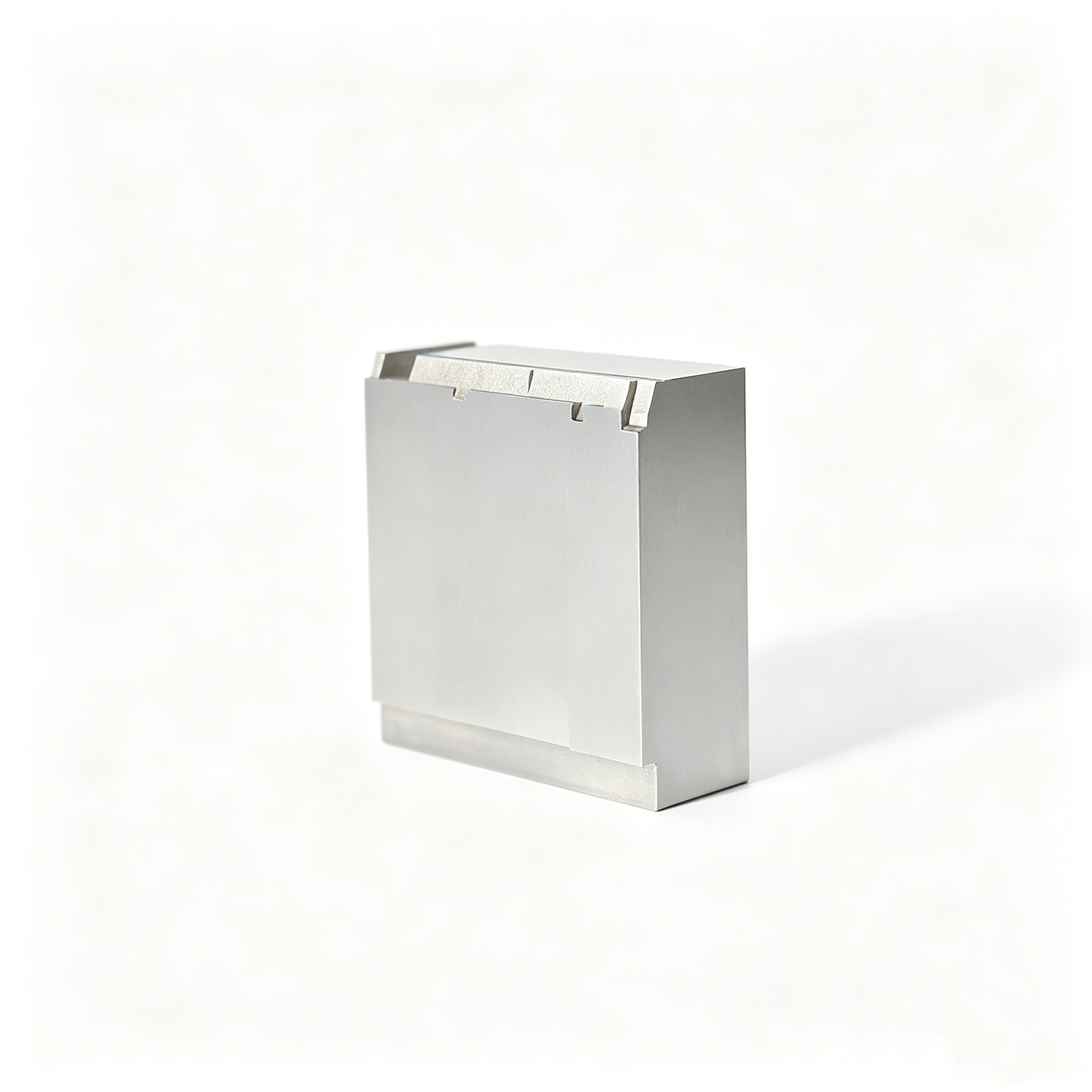
Cores, cavity inserts, pins, slides, and lifters form plastic housings. Parting lines, shutoffs, venting, hardness sequence, and grinding stock govern CNC, EDM, grinding, and fitting; the main risk is unstable molded geometry.
Connector Tooling Parts

Connector molds and fixtures establish contact pitch and repeatable alignment. Pin location, datum chain, wire paths, and electrode strategy are critical; the principal risk is cumulative pitch error at mating.
Stamping-Die Components
Punches, dies, guides, and locating elements produce shields, clips, and terminals. Clearance, burr direction, strip datum, and wear surfaces guide grinding, wire EDM, and fitting; the risk is short die life or poor edge quality.
Cosmetic Exterior Hardware
Buttons, trim, covers, and visible fasteners define touchpoints and appearance. Surface callouts, cosmetic zones, radii, and assembly interfaces determine machining and finishing routes; the risk is visible mismatch after assembly.
Prototypes And Low-Volume Builds

Prototype lots validate fit, thermal paths, and assembly before tooling release. Revision level, inspection points, substitute-material approval, and delivery sequence matter most; the risk is building to an obsolete drawing.
4. Materials for consumer electronics components
6061 aluminum, 304 stainless, and tool steels solve different strength, weight, corrosion, and wear problems in drawing-based consumer electronics components. Select the grade with its condition, heat treatment, finish, and critical dimensions—not by alloy family alone.
| Material | Primary Strength | Typical Use | Key Trade-Off |
|---|---|---|---|
| Aluminum | Low weight, machinable | Housings, fixtures | Lower wear resistance |
| Stainless steel | Corrosion resistance | Brackets, hardware | Slower machining |
| Tool steel | Wear resistance | Inserts, dies | Heat treatment required |
| Copper or brass | Conductivity | Contacts, tooling | Softness or plating risk |
| Engineering plastics | Isolation, low weight | Insulators, covers | Creep and heat limits |
Match Material To Function
6061-T6 aluminum suits lightweight housings and machining fixtures; anodizing should be specified where appearance or corrosion resistance matters.
304 stainless suits corrosion-resistant brackets and hardware, while hardened tool steel is normally reserved for wear-loaded mold inserts, connector tooling, and stamping-die components.
Control Thermal And Electrical Behavior
C110 copper provides high electrical and thermal conductivity for contact-related parts, but its softness can limit wear life. Brass machines readily for connector features, yet grade, plating compatibility, and mating requirements must remain on the drawing.
POM, PEEK, and other engineering plastics can reduce weight or provide electrical isolation; verify temperature, creep, chemical exposure, and machining stability before release.
Specify The Complete Material State
1 drawing callout should identify the exact grade, temper or hardness, heat-treatment sequence, finish, and applicable material standard. SUUXIANG can review those requirements against machining, EDM, grinding, and inspection needs before production.
5. Customizing consumer electronics components
A controlled drawing converts customization into inspectable requirements for consumer electronics components. SUUXIANG reviews dimensions, datums, material, finish, markings, packaging, and reporting before selecting a manufacturable process route.
| Requirement | Drawing Definition | DFM Check |
|---|---|---|
| Threads | Size, class, depth | Tool access and coating effect |
| Finish | Surface and coverage | Cosmetic versus dimensional priority |
| Marking | Content and location | Readable area and datum |
| Packaging | Protection and labels | Damage risk and traceability |
Define Critical Surfaces
Two surface classes should be identified: functional surfaces govern fit, sealing, grounding, or mating; appearance-critical surfaces govern visible texture and color. Assign datums and measurable acceptance criteria to both.
- Mark functional dimensions and tolerance stack-up.
- Identify visible faces, grain direction, and defect limits.
- Separate cosmetic masking from mating features.
Balance Finish And Process
One finish callout can affect machining sequence, masking, and inspection. Anodizing, plating, laser marking, engraving, and texture need defined locations, coverage, color reference, and post-finish dimensional priorities.
Lock The Released Revision
One released drawing revision should govern every quotation and production record. State approved model status, change notification rules, package protection, label content, and required inspection documentation before release.
6. Quality elements for consumer electronics components
The 2D drawing should establish functional datums before a supplier interprets profile, position, flatness, or surface requirements. For consumer electronics components, inspection planning must follow the features that control assembly, mating, appearance, and tooling wear.
Datums And Tolerance Stack
A primary, secondary, and tertiary datum scheme locates critical features consistently across machining and inspection. GD&T callouts and a stack-up review expose whether hole position, flatness, and mating clearances can coexist instead of creating forced assembly.
Edges, Threads, And Finish
A defined edge condition, such as a drawing-specified break or radius, prevents burrs from damaging fingers, housings, contacts, and seals. Surface roughness, thread-go gauge requirements, and finish acceptance samples reduce cosmetic variation, cross-threading, and inconsistent fit.
Traceability And Verification
A first-article inspection should report critical dimensions against the released revision before production proceeds. Material and heat-treatment records, suitable gauges, dimensional reports, and an agreed sampling plan provide evidence for lot acceptance and help isolate later assembly or tooling-life failures.
7. Choosing a consumer electronics components manufacturer
Two inputs—controlled 2D drawing and 3D model—should anchor supplier selection for consumer electronics components. Evaluate the evidence behind the quotation, not a generic process list.
| Need | Ask The Supplier | Request Evidence |
|---|---|---|
| CNC, EDM, grinding fit | Which route controls CTQs? | Process flow and setup assumptions |
| Material and finish | Who verifies grade, hardness, finish? | Certificates and inspection plan |
| Lead-time realism | What gates determine shipment? | Milestone schedule and revision control |
Review The DFM Response
Within the first RFQ response, ask for identified CTQs, datum assumptions, tool access, EDM or grinding strategy, and revision discrepancies.
Two questions matter: Which dimensions require capability review, and what design change reduces risk without changing function? Request a marked-up drawing and assumptions log.
Verify Production Control
Across prototype and low-volume release, require the same revision identifier on drawings, route cards, inspection records, and packing documentation.
For corrective action, ask who owns containment, root-cause analysis, disposition, and closure date. Request a sample first-article report, material traceability record, and nonconformance workflow.
8. Common buyer mistakes to avoid
A drawing package is the first control point for consumer electronics components. Small omissions can become scrap, delayed approvals, mating failures, or untraceable deliveries once machining starts.
Define The Technical Baseline
A 2D drawing without datums, tolerance limits, material, finish, or critical-to-function features invites conflicting interpretations. Engineering and quality should mark CTQ features, datum references, surface requirements, and inspection methods before RFQ release.
Qualify Beyond Unit Price
A low unit price can omit grinding, EDM, inspection, heat-treatment control, or revision coordination. Procurement should compare like-for-like scope, while manufacturing and supplier quality confirm the process route and evidence required.
A prototype shipment does not prove repeatable production readiness. The team should review capacity assumptions, workholding, inspection planning, and first-article evidence for the intended quantity.
Control Approval And Delivery
A first article skipped before release can carry an incorrect interpretation into every subsequent lot. Program, design, and quality owners should approve measured results against the current drawing before production authorization.
A late revision or packaging requirement can cause mixed versions, transit damage, or missed delivery dates. Use revision-controlled files and specify labeling, protection, quantity per pack, and handling needs at order release.
9. Launching a component sourcing program
A controlled launch converts a drawing package into verified manufacturing decisions before schedule pressure obscures risks. Assign ownership early so engineering, quality, procurement, and program management approve the same revision.
Define The Requirement
1 controlled source package should include the 2D drawing, 3D model, material, heat treatment, quantity, application context, and target date.
Engineering owns datums, critical dimensions, mating interfaces, and allowable functional trade-offs; program management owns the milestone plan.
- Freeze revision identifier and model format.
- Mark CTQ dimensions and surface requirements.
- State inspection report and traceability needs.
Review RFQ And DFM
2 supplier-review gates should occur before award: quotation clarification and manufacturability confirmation. SUUXIANG can review tool access, EDM or grinding needs, machining allowance, and inspection approach against the submitted package.
Procurement compares scope, assumptions, lead-time basis, and exclusions rather than unit price alone; quality verifies that proposed evidence matches risk.
- RFQ with revision-controlled files
- DFM response and deviation log
- Quoted process route and inspection plan
Approve Release Evidence
3 release gates reduce late rework: prototype approval, first-article acceptance, and pilot-build release. Quality approves measured results against the agreed drawing and inspection plan; engineering disposes of deviations.
Program management records approved revision, delivery status, and change owner. Procurement releases production only after the approved sample package and commercial terms align.
- Prototype or sample disposition
- First-article inspection report
- Pilot-build feedback and production release
- Engineering change notice for every revision
10. Consumer electronics components pricing and cost
1-piece prototypes usually carry the highest programming, fixture and inspection cost per part because those fixed activities are divided by very few units. Compare quotations only when revision, material condition, tolerances, finish, reporting and delivery terms match.
3 cost groups deserve separate review: non-recurring engineering, variable manufacturing, and logistics. Geometry, material, tolerance, surface finish, inspection scope, tooling, quantity and shipment method can change the result; ask SUUXIANG to identify assumptions before release.
| Quantity tier | Production mode | Setup/programming contribution | Typical lead-time range | Major cost drivers |
|---|---|---|---|---|
| 1–10 | Prototype | High per unit | 5–15 working days | Complexity, material, inspection |
| 10–100 | Low volume | Moderate per unit | 10–20 working days | Cycle time, EDM, finish |
| 100–1,000 | Repeat production | Lower per unit | Agreed production schedule | Fixtures, yield, logistics |
| 1,000+ | Program review | Amortized subject to scope | Quoted after capacity review | Tooling, process validation, freight |
Upload Consumer Electronics Components Drawings for Review
Submit your model, material, quantity, critical dimensions, inspection needs, and target delivery date for a disciplined DFM and manufacturing review.