
CNC Machining S136 Mold Steel for Precision Tooling
Submit your drawing for cnc machining s136 mold steel with DFM review, critical-dimension planning, EDM, grinding, and inspection aligned to your requirements.
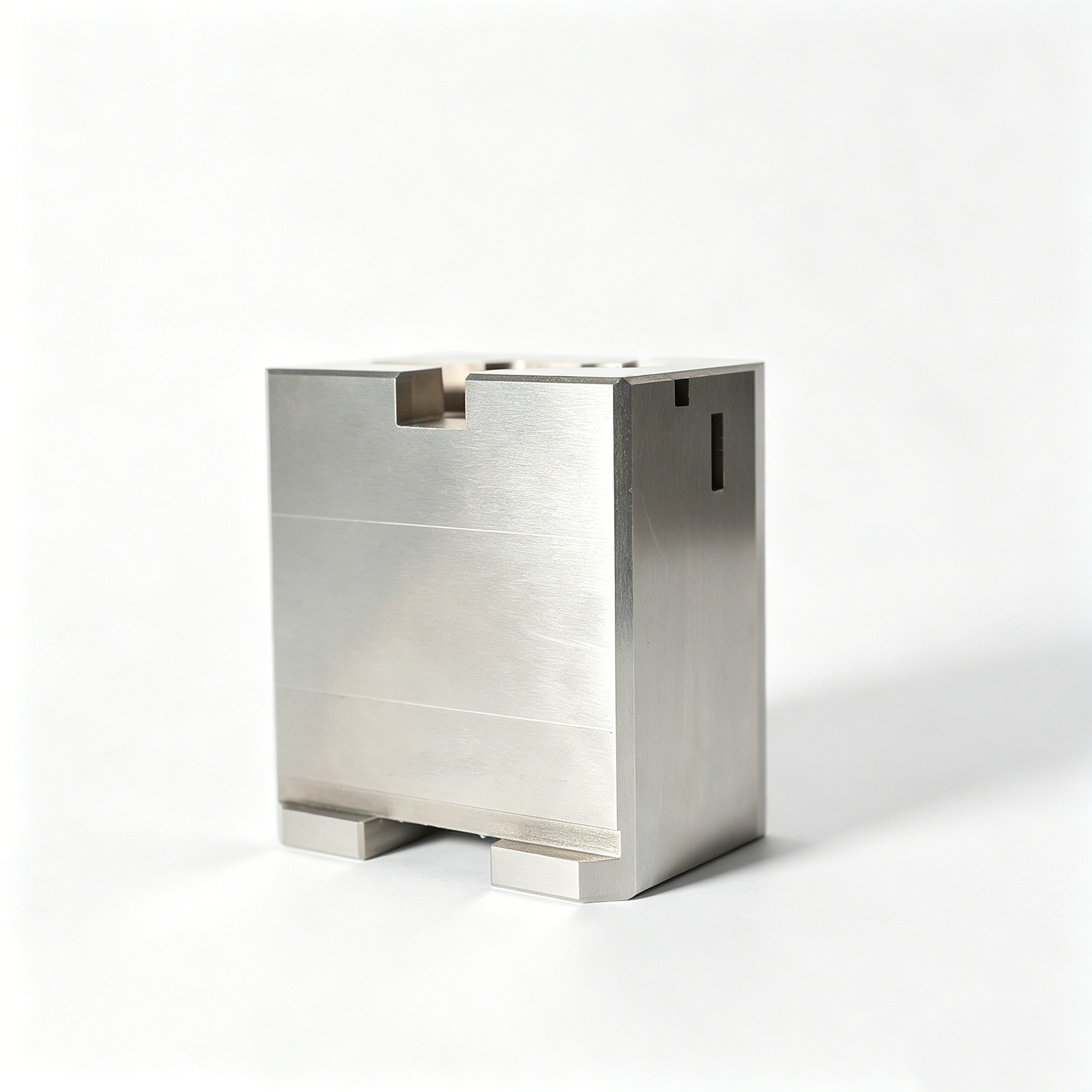
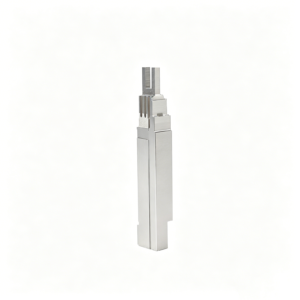
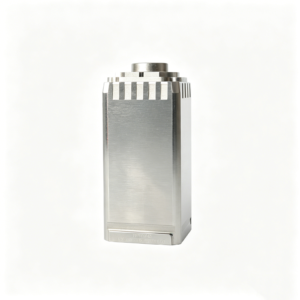
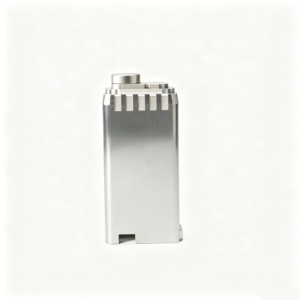
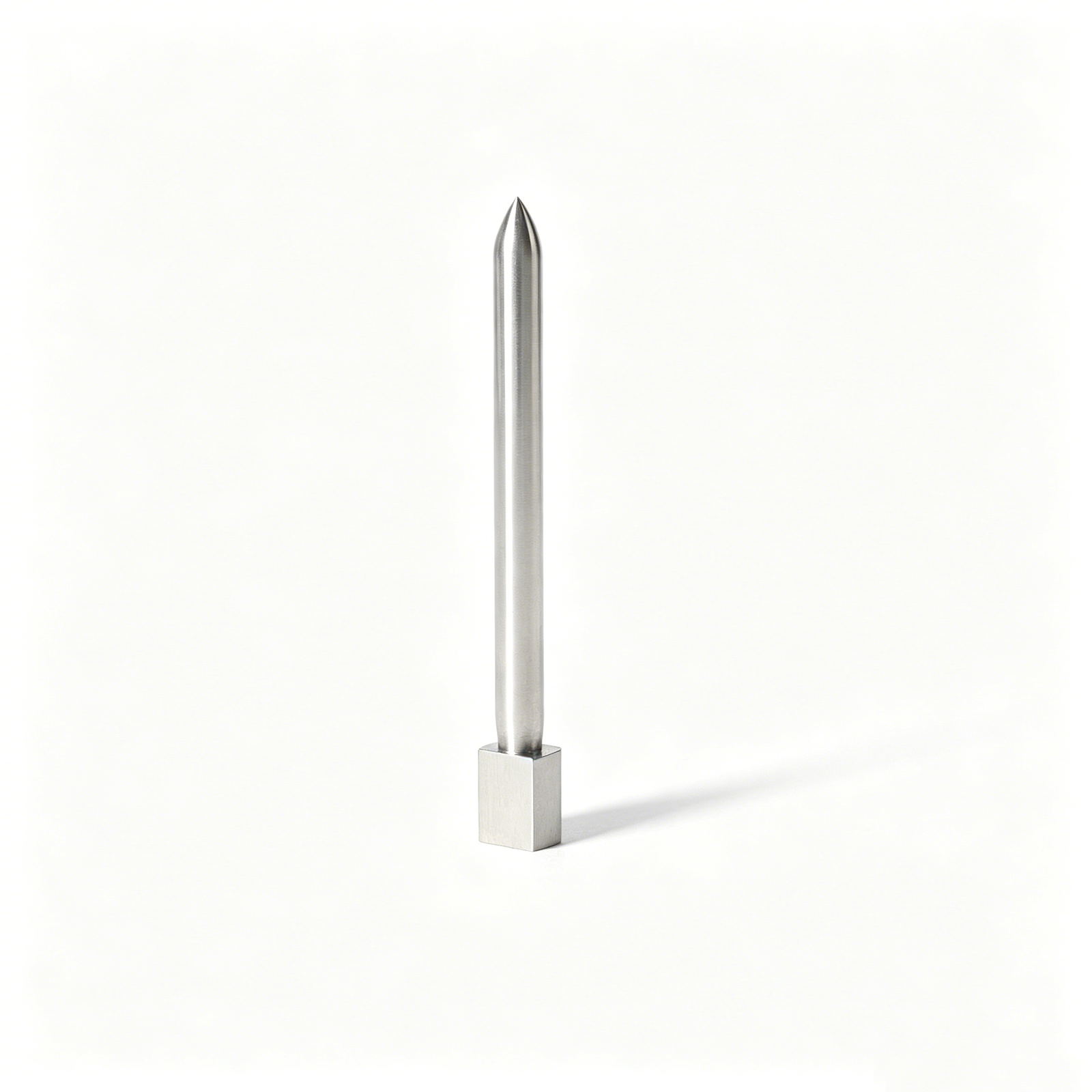
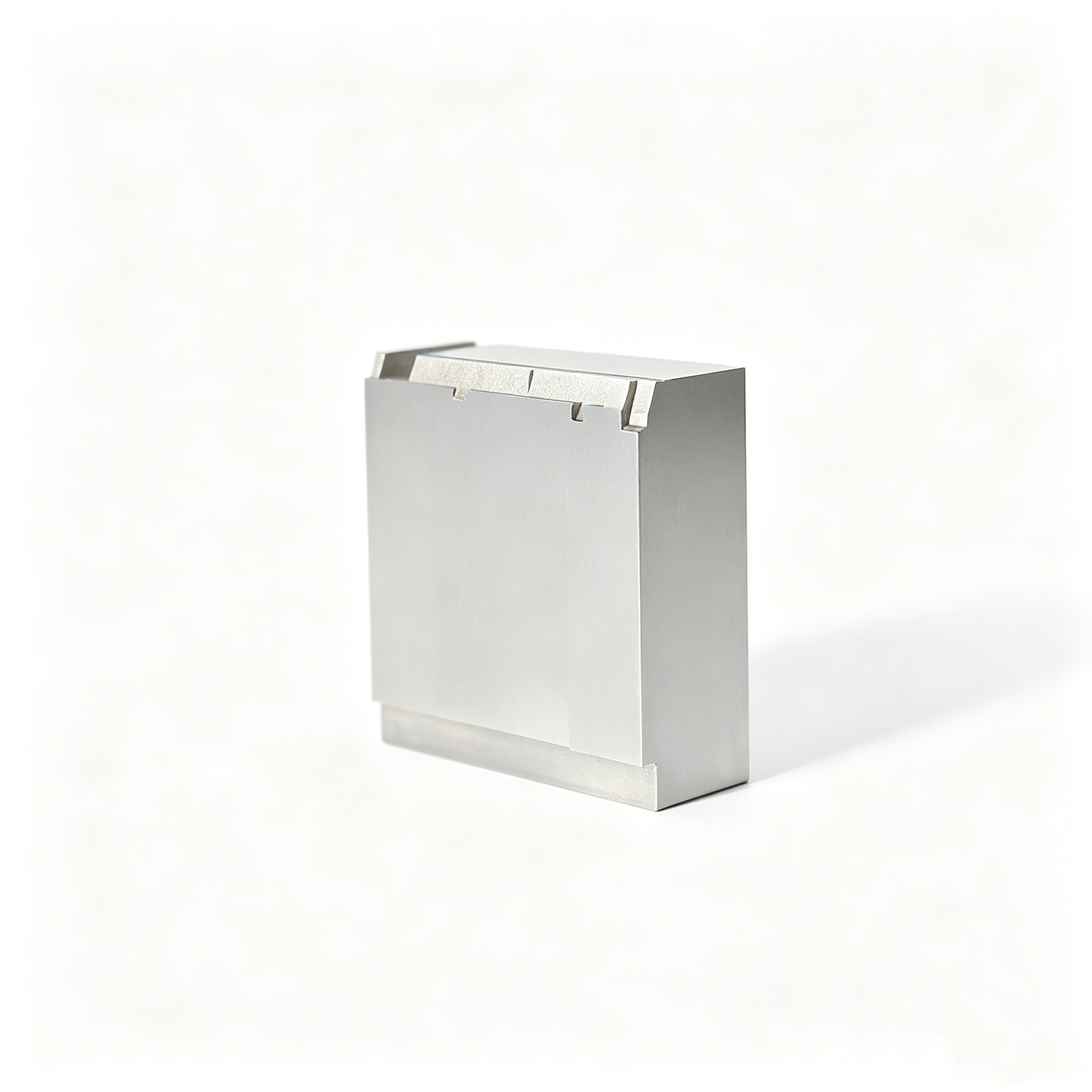
Representative S136 Mold Component Views




Related Drawing-Based Components and Quotation






Why Choose CNC Machining S136 Mold Steel With a Drawing-Led Workflow
Move from design intent to inspected tooling components through focused DFM review, process planning, and controlled revision communication.
DFM Before Quotation
Review drawing completeness, tool access, datums, material condition, and critical features before committing to a manufacturing route.
Critical Dimensions First
Identify fit, shut-off, locating, and functional dimensions early so machining and inspection priorities remain aligned with the drawing.
EDM Strategy Planned
Assess deep features, sharp internal geometry, electrode needs, wire paths, and finishing allowances before production begins.
Grinding Stock Controlled
Plan grinding stock and sequence around heat treatment, surface requirements, and final geometry to protect critical relationships.
Inspection Matched to Risk
Define practical inspection methods and reporting needs for the dimensions, surfaces, and datums that affect component function.
Revision Visibility Maintained
Keep drawing revisions, manufacturing questions, inspection expectations, and delivery coordination visible throughout the CNC machining S136 mold steel project.
Precision Mold Components and Tooling Families
Drawing-driven process routes for configurable mold, connector, die, and custom-machined components, reviewed against critical dimensions, materials, and inspection requirements.

CNC Machining Services
Precision CNC machining services for drawing-based parts requiring coordinated milling, turning, EDM, grinding, fitting, and inspection. Review focuses on material condition, datums, critical dimensions, accessible features, surface requirements, and the documentation needed before a production route is committed.
Upload a Drawing
CNC Milling
Custom CNC milling services support prismatic components, pockets, contours, mounting faces, and mold features. SUUXIANG reviews workholding, cutter access, corner geometry, machining allowance, datum sequence, and feature priorities so the milling route supports the drawing’s functional requirements.
Upload a Drawing
CNC Turning
Precision CNC turning services address rotational parts such as pins, bushings, sleeves, shafts, and cylindrical locating features. A drawing review considers concentricity, runout, datum references, thread requirements, wall thickness, material condition, and whether subsequent grinding or EDM is needed.
Upload a Drawing
5-Axis Machining
5-axis CNC machining supports complex features that benefit from fewer setups and improved tool approach control. Process planning evaluates fixture access, reachable surfaces, tool length, datum transfer, remaining stock, and inspection access before selecting a multi-axis machining route.
Upload a Drawing
Swiss & Micro Machining
Swiss machining and micro machining support small, slender, and detailed turned components where stability and feature sequence matter. Buyers should identify critical diameters, length-to-diameter relationships, cross features, material, surface requirements, quantity, and inspection expectations for an informed review.
Upload a Drawing
Wire & Sinker EDM
Wire EDM and sinker EDM services address hardened materials, fine internal geometry, sharp feature transitions, narrow slots, and profiles beyond practical cutter access. Planning considers wire path or electrode strategy, flushing, recast-layer requirements, finish targets, datum control, and downstream fitting or inspection.
Upload a Drawing
Precision Grinding
Precision surface and profile grinding supports controlled flatness, parallelism, profile accuracy, and final-size refinement after machining or heat treatment. The process review addresses grinding stock, hardness condition, distortion risk, datum strategy, surface requirements, and the measurement method for critical features.
Upload a Drawing
Mold Core Inserts & Mold Cavity Inserts
Precision mold core and cavity inserts are configurable drawing-based components for forming surfaces, shutoffs, cooling-related features, and mating interfaces. Manufacturing planning considers steel selection, heat-treatment sequence, CNC and EDM access, polishing requirements, fitting conditions, and inspection of critical mold geometry.
Upload a Drawing
Ejector & Ejection Components
Ejector pins, sleeves, and ejection components are reviewed for fit, guidance, stroke-related function, wear conditions, and mating-part relationships. Drawings should define key diameters, clearance expectations, material or heat treatment, surface condition, and any required grinding or inspection evidence.
Upload a Drawing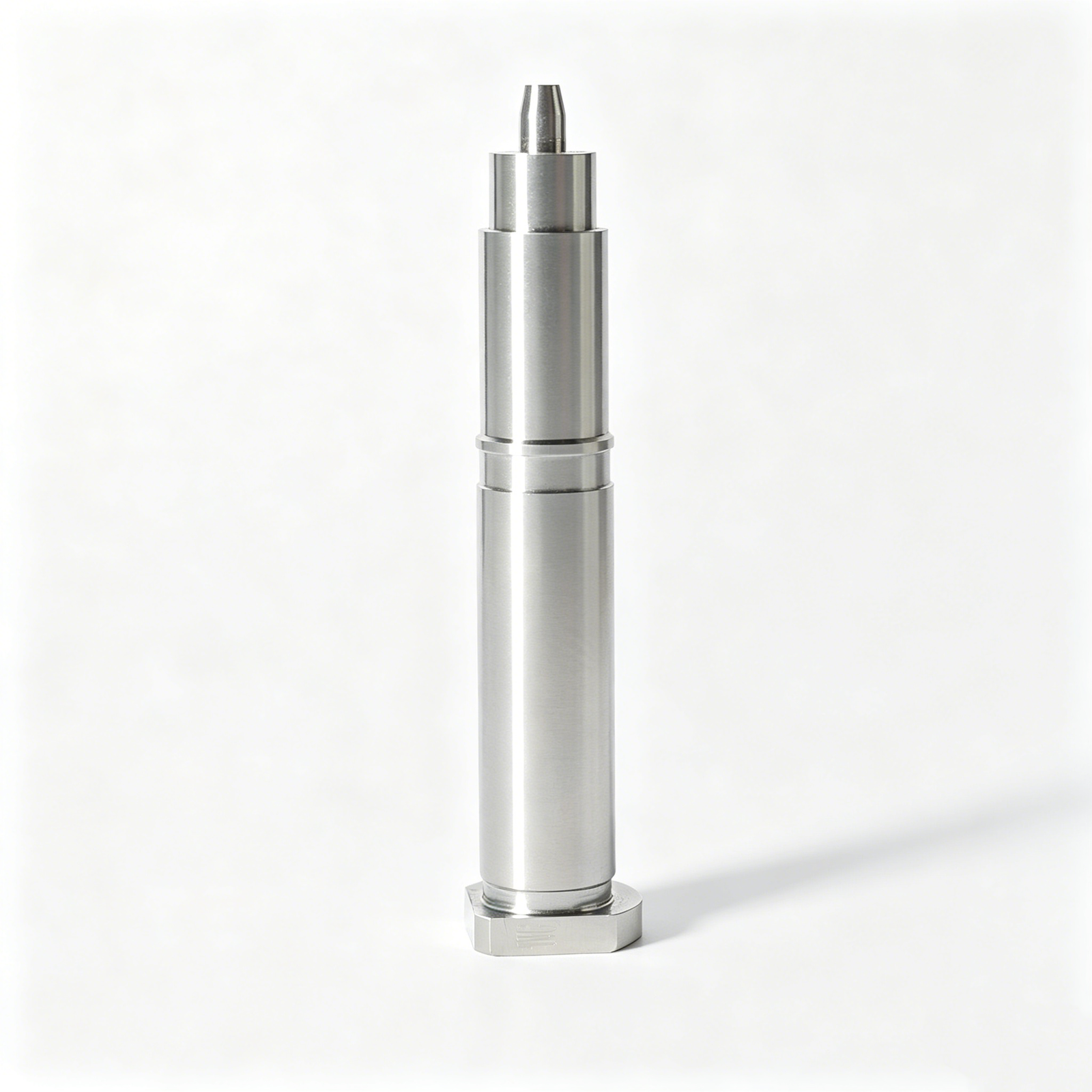
Core Pins, Guide & Locating Components
Core pins, guide pins, and locating components support repeatable alignment, feature formation, and controlled fit within mold assemblies. SUUXIANG evaluates datum relationships, diameters, tolerances, hardness requirements, surface finish, engagement length, and the machining and grinding sequence appropriate to the design.
Upload a Drawing
Slides, Lifters, Gates & Mold Accessories
Mold slides, lifters, gates, and accessories are configured around motion, shutoff, forming, and assembly requirements rather than fixed catalog assumptions. Review covers travel and contact surfaces, clearances, lubrication considerations, material condition, machining access, EDM needs, fitting, and inspection priorities.
Upload a Drawing
Connector Mold Components
Precision connector mold components support high-density connector features where pitch, alignment, insert relationships, and wear surfaces require disciplined control. Drawing review identifies critical functional dimensions, micro-feature access, material and heat treatment, EDM or grinding needs, mating context, and inspection reporting requirements.
Upload a Drawing
Stamping Die Components
Precision stamping die components include drawing-driven inserts, punches, guides, plates, and related wear or forming elements. Process selection depends on profile geometry, material hardness, edge requirements, wire or sinker EDM strategy, grinding stock, mating interfaces, and the dimensional evidence required at delivery.
Upload a Drawing
Injection Mold Components for MIM, CIM & Overmolding
Injection, MIM, CIM, and overmolding tooling components are planned within verified production scope for the specified application. The review considers material flow-related geometry, core and cavity interfaces, inserts, shutoffs, thermal and wear requirements, process sequence, fitting needs, and inspection expectations.
Upload a Drawing
Machining Materials
CNC machining materials are selected against the drawing, application, machinability, heat-treatment path, corrosion or wear demands, and required documentation. Buyers should provide the specified grade, condition, approved alternatives if any, material certificate needs, and any downstream finishing or treatment requirements.
Upload a Drawing
Surface Finishes & Heat Treatment
Surface finishing and heat treatment are specified as functional manufacturing requirements, not generic add-ons. SUUXIANG reviews finish targets, hardness range or treatment standard, masking or post-processing needs, dimensional change risk, grinding allowance, corrosion requirements, and the documentation to accompany the order.
Upload a Drawing
Quality, Metrology & Documentation
Precision inspection, metrology, and quality documentation are planned around critical-to-quality features and the agreed order requirements. A practical review defines datums, measurement methods, report format, sampling or full-inspection needs, material or treatment records, revision status, and traceability expectations.
Upload a Drawing
Prototyping & Low-Volume Production
Rapid prototyping and low-volume manufacturing support drawing-based validation, bridge requirements, replacement components, and controlled small-batch supply. RFQs should state quantity, material, critical dimensions, finish or heat treatment, intended application, delivery target, revision status, and the inspection evidence required.
Upload a DrawingMaterials for CNC Machining S136 Mold Steel Tooling

S136 Mold Steel
A corrosion-resistant mold-steel option for cavity inserts, cores, and cosmetic tooling where surface finish and molding environment require review. Machining route, heat treatment, EDM strategy, and polishing allowance should be defined from the drawing.

P20 Mold Steel
A pre-hardened steel commonly considered for mold bases, inserts, and general tooling where practical machinability is important. Confirm hardness condition, corrosion exposure, surface requirement, and any localized wear areas during DFM review.

H13 Tool Steel
A hot-work tool-steel option often evaluated for inserts, cores, or high-thermal-load features. Its heat-treatment sequence, grinding stock, and EDM finishing requirements should be aligned with critical dimensions and the operating application.

NAK80 Mold Steel
A pre-hardened mold-steel option for tooling components where polishability and stable finishing are project considerations. Review the supplied material condition, cavity geometry, surface specification, and inspection datums before selecting the process route.

Stainless Tool Steel
A broad material family considered when corrosion resistance, surface maintenance, or process environment affects tooling decisions. Grade equivalency, material certification, heat treatment, and machining access must be confirmed against the approved drawing.
Processes for CNC Machining S136 Mold Steel

CNC Milling
CNC milling establishes cavities, cores, pockets, and complex external geometry from the approved drawing. Tool access, stock allowance, clamping strategy, and critical datums are planned to support subsequent EDM, grinding, or fitting operations.

CNC Turning
CNC turning supports rotational mold and tooling features such as pins, sleeves, guide elements, and custom shafts. The process route considers concentricity, datum relationships, material condition, and allowance required for later grinding or inspection.
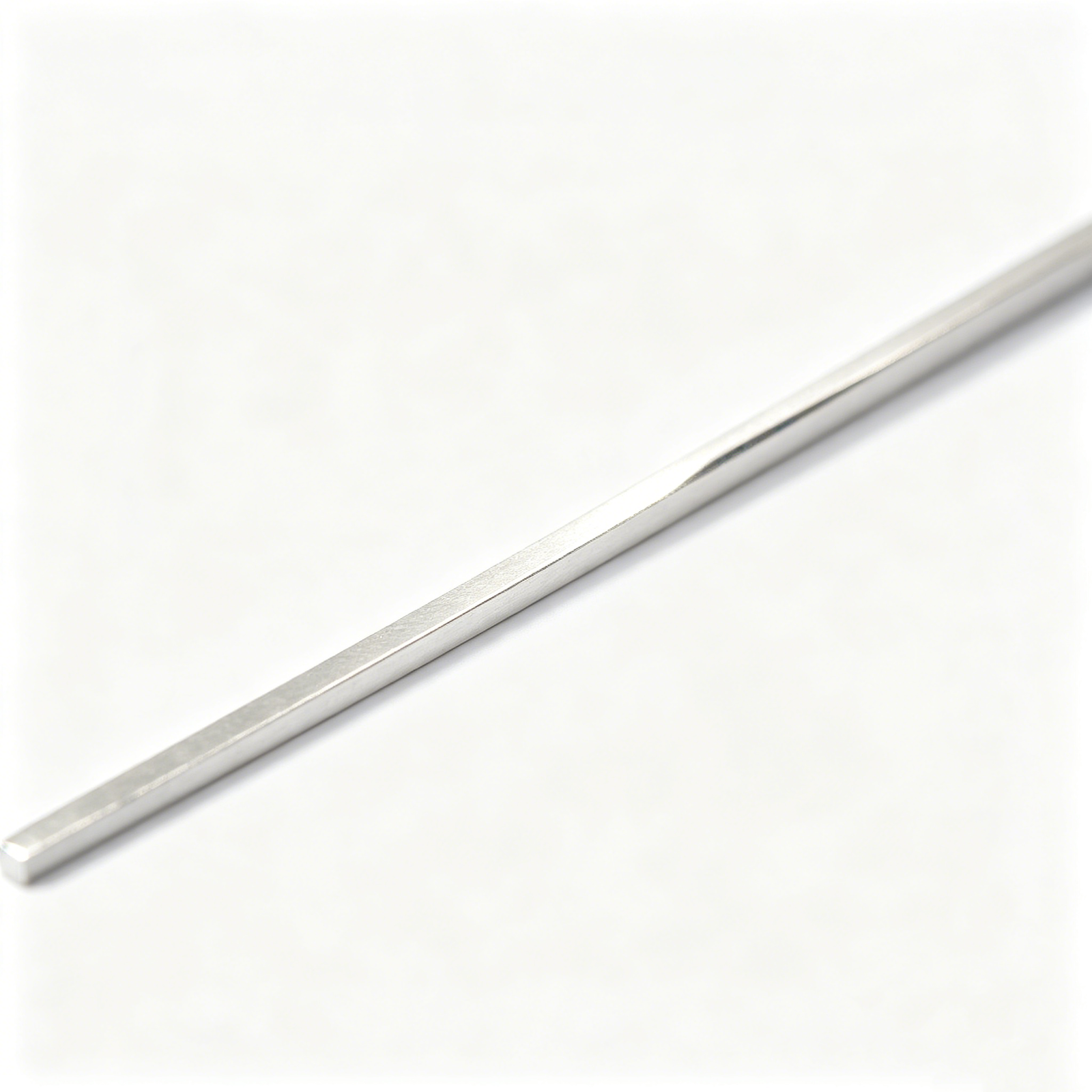
Wire EDM
Wire EDM produces precise through profiles, narrow slots, and hard-to-reach contours where milling access is limited. Wire-path planning, start-hole location, corner requirements, and allowable recast-layer treatment should be defined from the drawing.

Sinker EDM
Sinker EDM forms deep cavities, sharp internal detail, and geometry unsuitable for conventional cutting tools. Electrode strategy, spark allowance, surface requirement, and subsequent polishing or fitting needs are evaluated before machining begins.
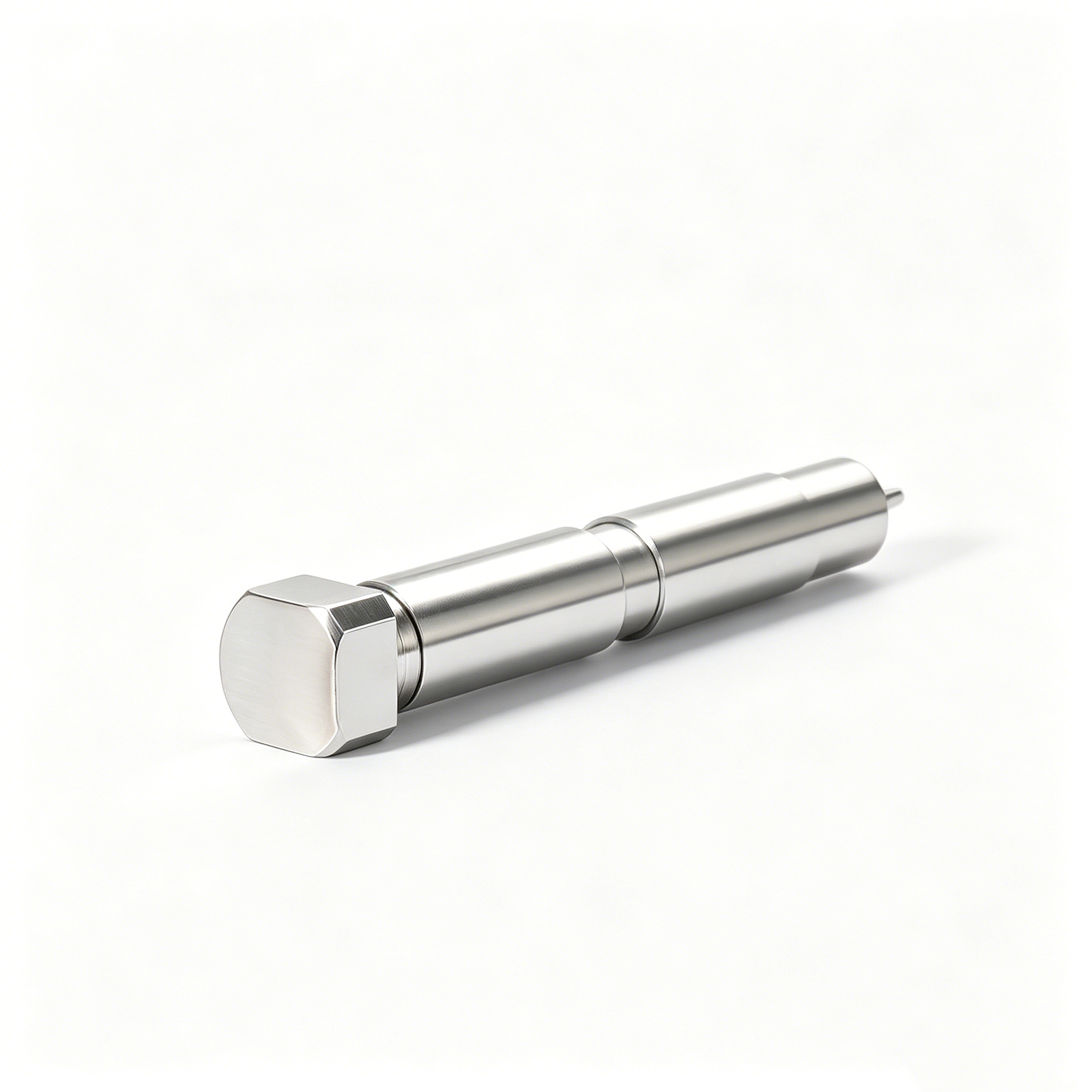
Precision Grinding
Precision grinding controls flatness, parallelism, size, and functional bearing surfaces after machining or heat treatment. Grinding stock, thermal control, datum references, and measurement method are selected to protect critical dimensions and surface integrity.

Fitting and Inspection
Fitting and inspection verify that mating features, movement, and critical dimensions align with the approved drawing and order requirements. The inspection plan should identify key datums, measurement methods, reporting needs, revision status, and traceability expectations.
Accessories and Finishing for CNC Machining S136 Mold Steel

Guide Elements
Guide pins, bushings, and locating elements can be machined or fitted to drawing-defined datum relationships, helping control alignment between mold plates, inserts, slides, and mating tooling components.

Ejector Components
Ejector pins, sleeves, and related ejection parts can be reviewed for fit, clearance, surface condition, and mating features where reliable part release depends on the complete assembly relationship.
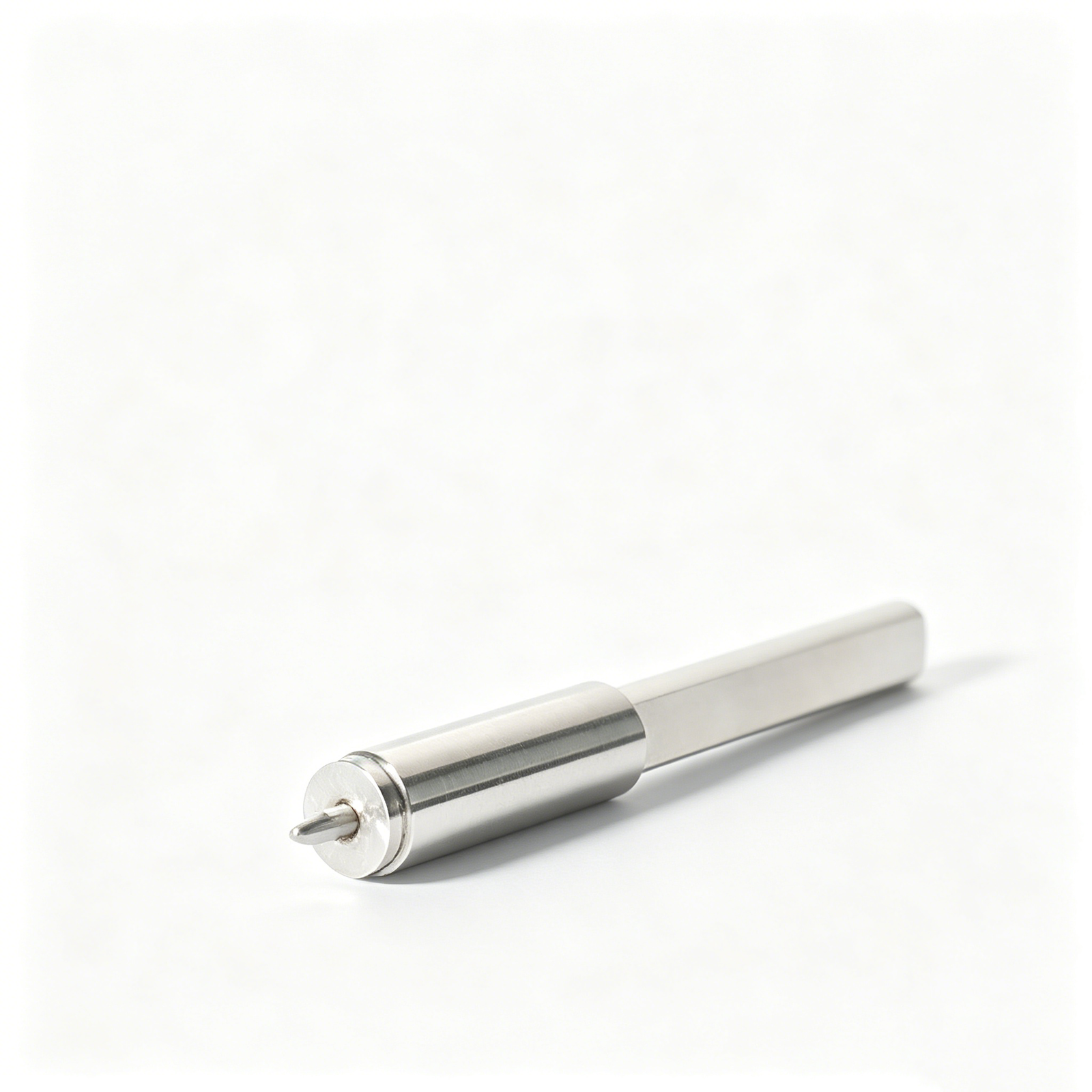
Gate Inserts
Gate inserts and replaceable wear features can be planned around machining access, EDM requirements, heat-treatment sequence, and finishing allowance when the drawing identifies resin flow, shut-off, or service considerations.

Surface Finishing
Grinding, polishing, EDM texture, and specified surface-finish requirements are evaluated against functional faces, dimensional priorities, and inspection methods so finishing does not compromise critical geometry or datum control.

Part Marking
Drawing-specified identification, revision marks, cavity numbers, and traceability labels can be incorporated where practical, with location, method, legibility, and affected surfaces confirmed before manufacturing begins.
About SUUXIANG Precision Manufacturing
SUUXIANG is the sole public-facing brand of Dongguan SuuXiang Precision Mold Co., Ltd., established in 2010 in Chang’an Town, Dongguan, Guangdong, China. Founder and legal representative XiaoCheng Huang leads the company. We help global engineering, sourcing, and quality teams turn drawings and specifications into inspected custom CNC parts, precision mold components, connector tooling, and stamping-die components.
Our work combines CNC milling and turning, multi-axis machining, EDM, precision grinding, fitting, and inspection. For cnc machining s136 mold steel, the practical discussion starts with the drawing: critical dimensions, datum strategy, machining access, heat-treatment sequence, EDM or grinding requirements, and the inspection evidence needed for the order.
What differentiates SUUXIANG is disciplined project coordination before commitments are made. We use DFM and critical-dimension review to identify manufacturability risks, keep revision information visible, and align the process route and inspection plan with each project’s actual material, quantity, application, quality, and delivery requirements.
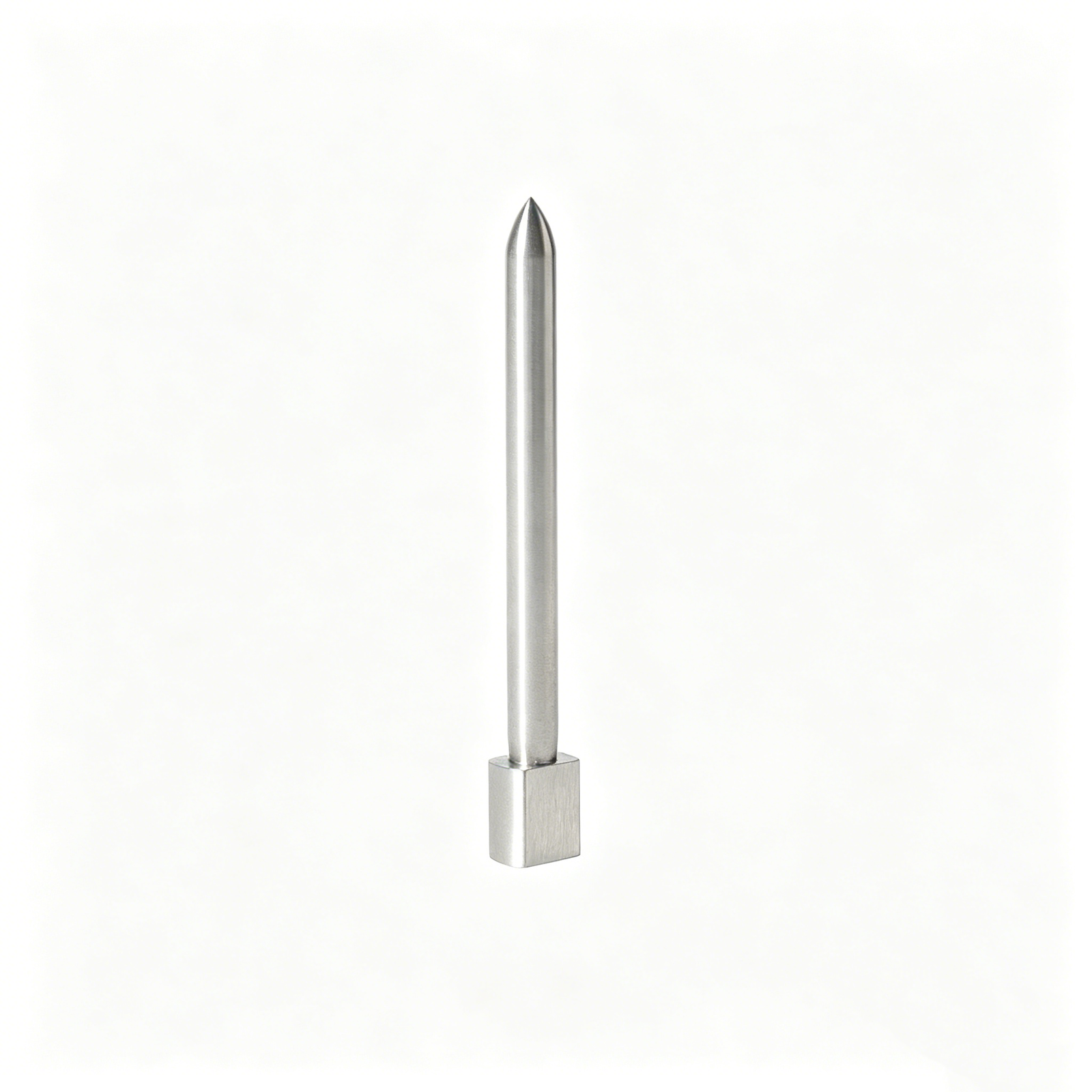
CNC Machining S136 Mold Steel: Core Manufacturing Controls
Datum and DFM Review
Before cnc machining s136 mold steel begins, SUUXIANG reviews drawing datums, critical dimensions, tool access, wall transitions, and mating conditions. The review identifies what must be controlled in the process plan and what requires clarification before quotation or production release.
- Confirm functional datums and inspection references
- Flag inaccessible features and minimum tool-clearance risks
- Review tolerance stack effects across mating components
- Align revision status before process planning
CNC and EDM Strategy
S136 mold components often require more than a milling-only route. SUUXIANG plans the sequence between CNC machining, wire EDM, sinker EDM, and intermediate inspection according to cavity geometry, corner definition, electrode access, and required surface condition.
- Separate machined geometry from EDM-defined details
- Review electrode strategy for deep or enclosed features
- Define wire paths around datum and finish requirements
- Keep process decisions tied to the released drawing

Grinding and Fitting Stock
Grinding and fitting should be planned as controlled finishing operations, not last-minute corrections. SUUXIANG reviews grinding stock, hardened-condition geometry, bearing surfaces, shut-offs, and assembly interfaces so that each operation has a defined purpose and measurable target.
- Reserve stock for precision ground surfaces
- Identify fitting interfaces and mating-component dependencies
- Plan finishing after relevant thermal or EDM operations
- Avoid consuming critical dimensions during rework

Inspection and Traceability
The inspection plan for cnc machining s136 mold steel should reflect the features that affect mold function, not only nominal dimensions. SUUXIANG aligns measurement methods, reporting needs, material requirements, and revision identification with the order before final documentation is prepared.
- Identify critical-to-quality dimensions before production
- Match inspection methods to feature geometry and datum scheme
- Confirm reporting and traceability requirements in the RFQ
- Keep final records aligned with the verified inspection plan

Why Choose SUUXIANG for CNC Machining S136 Mold Steel
Compare the drawing-led controls that help teams evaluate custom precision mold-component sourcing.
← Swipe left or right to view →
From S136 Drawing to Inspected Parts
Routing for cnc machining s136 mold steel follows the drawing, material condition, critical dimensions, surface requirements, and agreed inspection plan.
Review RFQ Package
SUUXIANG reviews the 2D drawing, 3D model, material requirement, quantity, application context, delivery target, and requested inspection or reporting evidence.
Confirm DFM Strategy
Critical dimensions, datums, tool access, heat-treatment sequence, machining allowance, EDM needs, grinding stock, and revision details are aligned before production commitments.
Machine S136 Components
CNC milling, turning, multi-axis work, or micro machining are routed as required to establish geometry while protecting defined datum and finishing relationships.
Apply EDM And Grinding
Wire EDM, sinker EDM, precision grinding, and fitting are scheduled where geometry, surface requirements, access limits, or tolerance relationships call for these processes.
Inspect And Coordinate Delivery
Completed parts are inspected against the agreed plan, documented as required, packed for shipment, and coordinated with visible revision and delivery information.
How to Start CNC Machining S136 Mold Steel With SUUXIANG
Share the technical requirements early so DFM, process planning, inspection, and delivery documentation can be aligned before production begins.
Submit Your Drawing Package
Provide the 2D drawing, 3D model when available, S136 material and heat-treatment requirements, quantity, application context, critical dimensions, surface priorities, and target delivery date.
Confirm DFM and Quotation
Review manufacturability, datum strategy, tool access, EDM or grinding needs, inspection expectations, revision status, pricing basis, and any sampling or first-article requirements before commitment.
Approve Production Details
Confirm the agreed drawing revision, process route, material condition, critical-to-quality features, finishing requirements, inspection plan, packaging needs, and delivery coordination details before manufacturing proceeds.
Receive Documented Parts
Receive CNC-machined S136 mold steel components with delivery information and order-matched inspection documentation according to the verified plan, enabling incoming inspection and traceable project closeout.
Customer Evidence and Project References
CNC Machining S136 Mold Steel: Customer Project Feedback
No permissioned customer testimonial is currently approved for publication for this CNC machining S136 mold steel page. SUUXIANG will publish project feedback only after customer permission, project verification, and approval of the specific outcome evidence referenced.
No anonymized case outcome is currently approved for publication. Before sharing a result, SUUXIANG confirms the drawing revision, material and heat-treatment requirements, inspection scope, and the customer-approved performance measure so the evidence remains traceable and relevant.
Customer names, companies, ratings, and quantified outcomes are withheld until permissioned project evidence is available. For a current RFQ, submit the drawing, S136 specification, quantity, critical dimensions, and reporting requirements for a drawing-led manufacturing review.
CNC Machining S136 Mold Steel FAQ
Practical RFQ, process-planning, inspection, and delivery questions for drawing-driven S136 mold component work.
What is the MOQ for cnc machining s136 mold steel components?
Can you review my drawing before quoting cnc machining s136 mold steel?
Do you provide samples before production for cnc machining s136 mold steel?
What S136 material and heat-treatment information should I provide?
How long does cnc machining s136 mold steel take?
Can I receive inspection reports with my mold components?
How are finished S136 parts shipped internationally?
How do you protect drawings and intellectual property during an RFQ?
The Complete Buyer’s Guide to cnc machining s136 mold steel
Use this decision framework to specify S136 tooling components, assess CNC machining and finishing controls, compare supplier capabilities, and avoid material, tolerance, heat-treatment, and quotation mistakes that increase mold risk.
1. What Is cnc machining s136 mold steel?
S136 is a family designation commonly used for corrosion-resistant stainless mold steel; cnc machining s136 mold steel means producing a specified steel component from bar or plate against an approved drawing and model. It does not mean supplying the plastic part later molded by that tool.
2D drawings define the work: critical dimensions, datums, material condition, heat-treatment requirements, surface callouts, and inspection evidence determine the process route. CNC milling or turning may be combined with EDM, grinding, and fitting where geometry, access, or final tolerance requires it.
S136-family material is selected when corrosion resistance, high polish potential, dimensional stability, and controlled hardness matter to the application. Typical deliverables include cavity and core blocks, replaceable inserts, connector-tooling features, precision mold components, and prototype or low-volume tooling parts; acceptance should remain conditional on the confirmed material certificate, hardness target, drawing revision, and inspection plan.
2. Evolution of S136 Mold Tooling
13% chromium is commonly associated with martensitic stainless mold steels such as S136, which developed alongside conventional tool steels where humid cooling, corrosive resins, and storage could compromise cavity surfaces. Their corrosion resistance and polish response made them relevant for transparent, cosmetic, medical, and precision-molding applications. Source: https://www.cncmachiningshops.com/s136-steel
1980s-era practice often specified a single general mold block, but current designs more often localize higher-performance steel in cavities, cores, gates, or other exposure zones. Hybrid tooling lets teams match corrosion, wear, and surface requirements by function while retaining replaceable inserts instead of making every plate from the same grade.
3 sourcing records matter before cnc machining s136 mold steel begins: material certificate and heat/lot traceability, declared cleanliness or remelt grade, and the approved heat-treatment route. Modern multi-axis CNC can establish complex insert geometry efficiently, but the drawing review must also define datums, machining allowance, EDM strategy, post-heat-treatment grinding, and inspection evidence.
3. Types of cnc machining s136 mold steel
S136 supply condition determines when critical geometry is cut, how much finishing remains, and what evidence should accompany an RFQ. Grade names alone do not establish chemistry, cleanliness, hardness, or traceability.
| Form | Machining Stage | Finish Path | Buyer Evidence |
|---|---|---|---|
| Annealed | Mill before heat treatment | Grind after hardening | Hardness and distortion criteria |
| Pre-hardened | Machine at supplied hardness | EDM, grind, polish | Certificate and surface callouts |
| Hardened-tempered | Hard mill, EDM, grind | Fine grind or polish | Datums and inspection plan |
| ESR grade | Per agreed condition | Application-specific polish | Mill certificate and heat number |
| Standard or custom insert | Interface or full geometry | Fit and functional finish | Drawing, revision, mating context |
Supply Condition And Route
Annealed stock is normally rough- and finish-machined before hardening; leave grinding stock and define post-treatment distortion limits. Pre-hardened stock can shorten the route, but tool wear and finishing time should be quoted against the stated hardness.
Hardened Components
Hardened-and-tempered inserts usually require hard milling, EDM, grinding, and controlled polishing rather than broad stock removal. Provide datums, critical dimensions, surface callouts, permissible EDM recast treatment, and the inspection method.
Cleanliness And Insert Definition
ESR or premium-cleanliness requests need a named material specification plus mill certificate, heat number, and agreed acceptance records; S136 naming is not certification. Standard inserts need interface dimensions and fit class, while custom inserts need a 2D drawing, 3D model, revision, and mating context.
4. Materials for cnc machining s136 mold steel
Material selection for cnc machining s136 mold steel begins with resin chemistry, cavity surface requirement, loading, and planned service conditions. Confirm the steelmaker’s grade and heat-treatment condition on the RFQ; equivalent names alone do not establish identical cleanliness or properties.
| Steel | Best Fit | Machining And Treatment |
|---|---|---|
| P20 | Low-corrosion mold bases, moderate volume | Pre-hardened grades machine readily; verify hardness |
| NAK80 | Cosmetic cavities, moderate wear | Pre-hardened; polish response depends on supplied grade |
| H13 | Heat cycling or abrasive resin zones | Rough before hardening; finish by grinding or EDM |
| S136 / stainless equivalent | Corrosive resin or high-polish cavities | Confirm exact designation; plan hardening, tempering, and finish allowance |
Match Steel To Duty
P20 suits lower-corrosion, revision-prone structural work; NAK80 supports cosmetic polish without a separate hardening cycle. H13 is often considered where thermal cycling or abrasive wear dominates, while S136 is selected when corrosion resistance and polish stability are critical.
Plan Heat Treatment
S136 supplied annealed needs a defined harden-and-temper route after rough machining, with finish stock reserved for grinding or EDM. Pre-hardened P20 and NAK80 can shorten routing, but final hardness, distortion risk, and polish target must be specified.
Use Hybrid Inserts
A hybrid tool can place S136 only in corrosive, optical, or high-polish cavities, gates, or removable inserts, while P20 carries low-wear plates. This controls material and machining cost without weakening the functional surface; define insert datums, retention, cooling, and replacement control on the drawing.
5. Surface Finish and Custom Options
S136 components can leave CNC milling, grinding, EDM, and polishing with very different functional surfaces. Specify the final surface by feature, because appearance, corrosion behavior, mating fit, inspection method, cost, and lead time are linked.
| Option | Primary Outcome | Buyer Check |
|---|---|---|
| Precision milling | Machined geometry; visible tool paths | Ra, access, cosmetic limits |
| Grinding | Controlled flatness and mating fit | Stock, datum, burn inspection |
| EDM and polishing | Complex detail or cosmetic surface | Recast removal, polish grade |
| Passivation or coating | Conditional corrosion or wear support | Thickness, masking, compatibility |
| Engraving marks | Traceable identification | Text, depth, location |
Finish Callouts
A drawing should assign a finish to each functional face, not only a general note. State Ra or polish grade, datum-related surfaces, permitted EDM condition, texture-preparation area, and cosmetic-zone boundaries.
A 2D note should identify coating or passivation after all required machining and polishing. SUUXIANG should review masking, stock allowance, edge condition, and inspection access before release.
- Call out Ra and measurement direction
- Define polish grade and visual zone
- Mark engraved text, depth, and location
- Identify critical mating faces
Compatibility Review
EDM surfaces may require recast-layer removal or polishing before a high-cosmetic or critical-fit requirement is accepted. Grinding can improve flatness and fit, while polishing may alter sharp edges and measurable geometry.
Passivation may support corrosion control after compatible finishing, whereas coatings can change dimensions and inspection requirements. Confirm process sequence, masking, and acceptance evidence during drawing review.
6. Quality Elements in S136 Components
Quality begins with the released drawing revision, not a nominal material name. For cnc machining s136 mold steel, the RFQ should define certificate, heat-treatment target, CTQ dimensions, finish, and reporting requirements.
Material And Datum Control
Each S136 lot should retain its material certificate and heat-treatment record against the part identifier. Datum A/B/C must match the drawing and inspection setup, so cavity location and mating interfaces are measured from functional references.
Geometry And Surface Integrity
Critical cavity radii, shutoffs, cooling features, and vents need tool-access and tolerance-stack review before machining. EDM settings and subsequent cleanup should control recast-layer risk; polishing must follow a defined sequence without rounding edges or altering geometry.
Inspection And Traceability
CMM results should report the specified CTQ dimensions, datums, and drawing revision rather than a generic point list. Surface-finish checks, visual corrosion protection, inspection reports, and revision-controlled records should match the approved RFQ and shipment.
7. Choosing a cnc machining s136 mold steel Supplier
Three RFQ responses reveal more than a unit price: compare how each supplier identifies datums, tool access, grinding stock, EDM strategy, and unresolved drawing risks. For cnc machining s136 mold steel, require project-specific evidence before release.
Verify Process Fit
3-, 4-, and 5-axis capacity alone is insufficient. Ask which features require milling, wire EDM, sinker EDM, grinding, fitting, and what setup or electrode constraints apply.
2 documents should support the route: a marked-up DFM and process flow tied to the revision.
Control Material And Inspection
1 material certificate should identify the heat or batch, supplied condition, and traceable link to each part. Ask who controls heat treatment, distortion allowance, and final hardness verification.
100% inspection is not automatically appropriate. Request a CTQ list, datum-based inspection plan, gage or CMM method, report format, and first-article acceptance sequence.
Test Program Discipline
24-hour response expectations should be agreed in writing for open technical questions, revision notices, and shipment changes. Confirm NDA handling, controlled drawing access, packaging protection, export labels, and document retention.
8D-style corrective action should define containment, root cause, corrective action, verification, and closure ownership. Ask for a sample corrective-action record and a first-article communication example.
8. Common cnc machining s136 mold steel Mistakes
Eight preventable release errors recur in cnc machining s136 mold steel programs. Each should be closed by a drawing note, material record, or mutually approved inspection and quotation scope before machining begins.
Define Material Condition
S136 alone is incomplete: state supplier grade or approved equivalent, delivery condition, target hardness, and heat-treatment route.
One material certificate and substitution-control rule should accompany the purchase order.
Plan Corrosion And Wear
Stainless steel still needs cleaning, storage, and maintenance planning; corrosive media and damaged surfaces remain risks.
Filled-resin zones need a documented wear review, including replaceable-insert and surface-treatment decisions.
Lock Dimensions After Heat Treatment
Critical dimensions need datums, tolerances, surface requirements, and inspection methods—not a general precision statement.
Post-heat-treatment distortion requires stock allowance, finish-grinding sequence, and final-measurement stage on the process plan.
Match Polish And Quote Scope
Polish is functional when it affects release, optical appearance, sealing, or mating surfaces; specify grade, area, and acceptance method.
Quotation comparisons must align material evidence, heat treatment, EDM, grinding, inspection reports, revisions, packaging, and delivery terms.
9. From Drawing to Production Launch
A controlled launch turns cnc machining s136 mold steel from an RFQ into a repeatable manufacturing record. Engineering, procurement, and supplier quality should agree on decision gates before material is released.
Define Application Conditions
At RFQ, engineering identifies resin, additives, molding environment, expected load, and mating features. These inputs determine whether corrosion exposure, polishing needs, and service conditions require a specific steel and hardness route.
Release Controlled Technical Data
Revision-controlled 2D drawings and 3D CAD should state datums, critical dimensions, GD&T, surfaces, and interfaces. Procurement confirms quantity, delivery target, and commercial scope; supplier quality defines required material and inspection evidence.
Approve And Stabilize Production
Before release, SUUXIANG and the buyer review DFM, tool access, EDM or grinding allowances, tolerances, finish, quotation, and inspection plan. First-article results establish acceptance; subsequent changes need revision approval, traceable records, and repeat-order controls.
10. cnc machining s136 mold steel Pricing
Two S136 stock choices can quote differently before cutting begins: annealed versus pre-hardened condition, plus the specified cleanliness grade and mill documentation. Larger sections increase material removal, fixturing, tool reach, and freight exposure.
Three process stages commonly move the cost most: CNC roughing and finishing, EDM for inaccessible geometry, and grinding for controlled faces or fits. Tighter tolerances, heat-treatment sequence, polishing target, and inspection-report scope should be tied to datums and acceptance criteria before pricing.
One RFQ for cnc machining s136 mold steel should state quantity, revision, delivery destination, material condition, critical dimensions, surface requirement, and required records. SUUXIANG can then compare a process route and logistics assumptions without presenting an unsupported fixed price.
| Representative tier | Principal cost drivers | Typical lead-time effect |
|---|---|---|
| One prototype, complex | Programming, setups, EDM, inspection planning | More coordination and sequential operations |
| Small batch, precision | Grinding, polishing, tight tolerances | Capacity and inspection scheduling matter |
| Repeat quantity, stable design | Material yield, cycle time, packaging, logistics | Setup cost spreads across parts |
Start CNC Machining S136 Mold Steel Review
Upload 2D/3D files, material, quantity, critical dimensions, quality requirements, and target delivery date for a disciplined manufacturing review.