
Mold Steels for Controlled Tooling Components
Turn drawings into inspected mold steel components through DFM review, CNC machining, EDM, grinding, and defined inspection requirements.
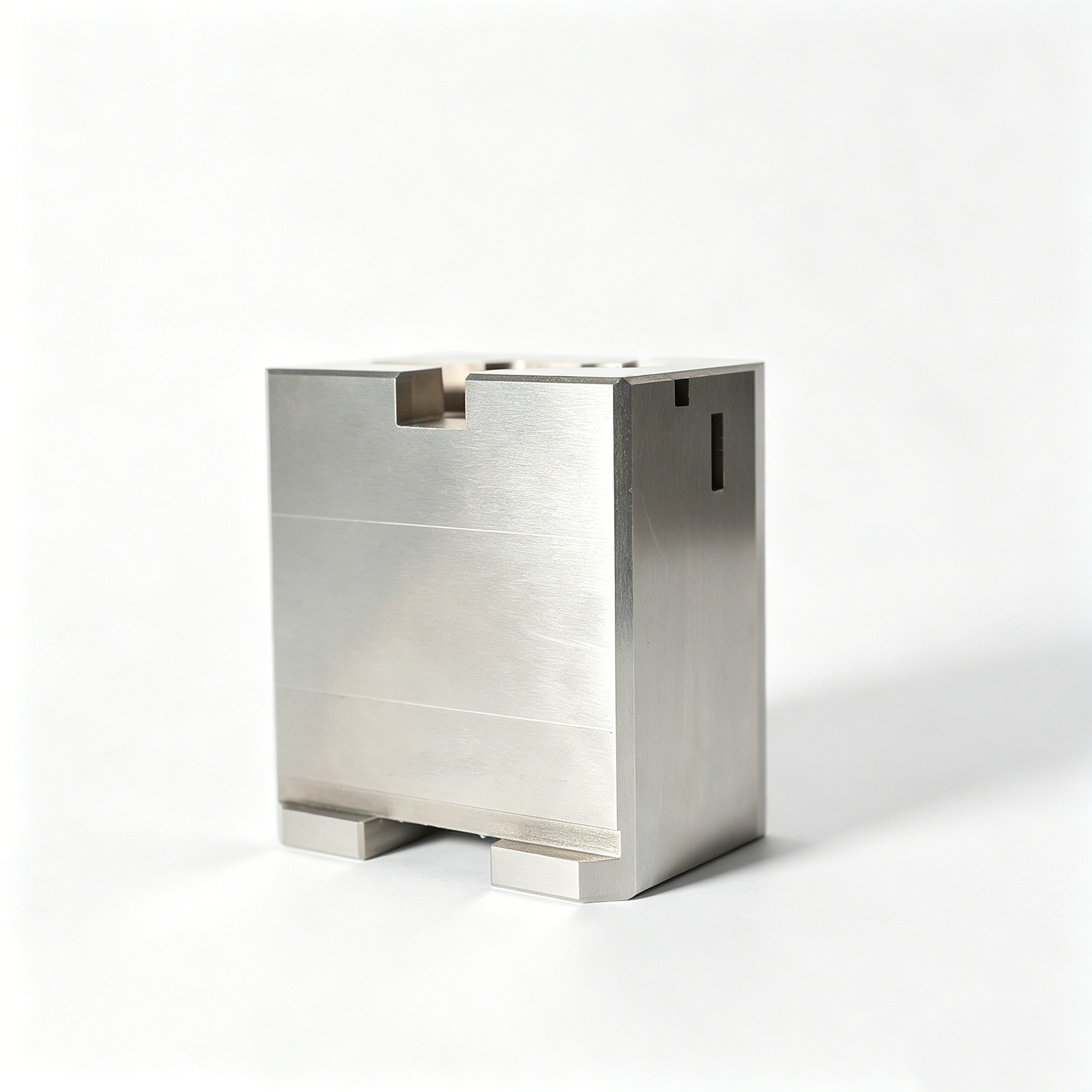
Representative Components for Mold Steel Development




Related Configurable Component Families and Quotation





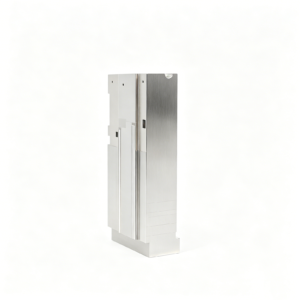
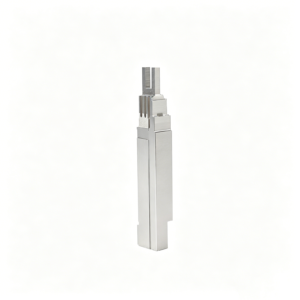
Why Teams Source Mold Steels Through SUUXIANG
A controlled workflow for turning tooling drawings into inspected components with visible engineering decisions.
Drawing Review First
We review drawings, models, materials, quantities, and application requirements to identify manufacturing questions before quotation or production commitments.
DFM With Clear Trade-Offs
Critical dimensions, datum strategy, machining access, and surface requirements are discussed early to support practical, reviewable process decisions.
Integrated Process Planning
CNC machining, EDM, grinding, fitting, and inspection are planned as connected operations when the verified project scope requires them.
Critical-Dimension Focus
Inspection planning begins with functional dimensions, tolerance priorities, and suitable measurement methods rather than treating every feature the same.
Revision Visibility
Drawing revisions, inspection expectations, and delivery information stay visible throughout coordination so manufacturing work follows the current agreed requirements.
RFQ-Ready Communication
Submit your drawing with material, heat treatment, quantity, quality expectations, and delivery target for a more informed technical discussion.
Precision Tooling and Machined Part Families
Drawing-driven process routes for configurable tooling components and custom parts, reviewed against critical dimensions, material requirements, inspection needs, and delivery priorities.
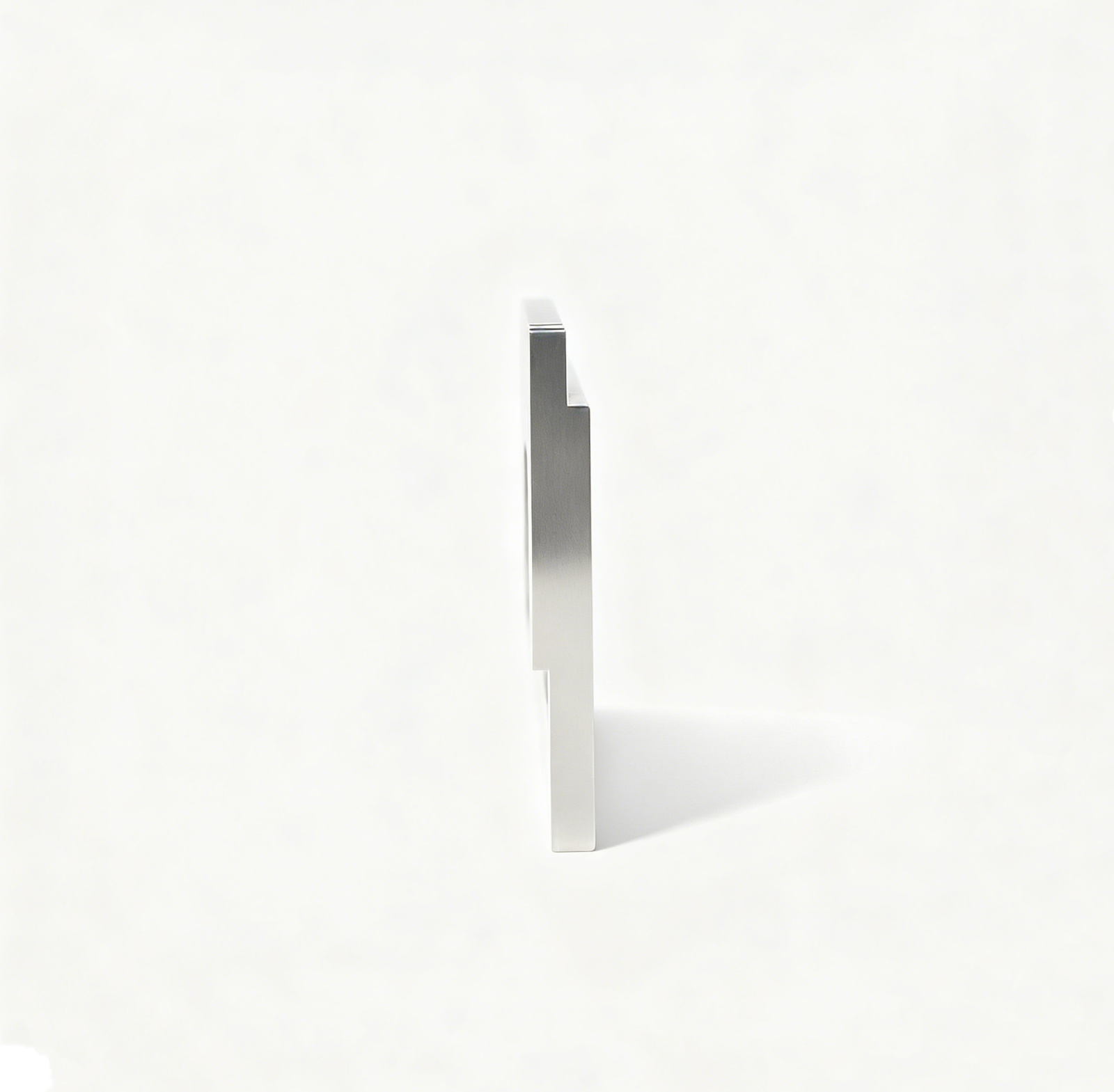
CNC Machining Services
Precision CNC machining services for drawing-based custom parts and tooling components. Process planning considers datums, critical dimensions, material condition, tool access, surface requirements, and inspection criteria before production is committed.
Upload a Drawing
CNC Milling
Custom CNC milling services for prismatic parts, inserts, plates, pockets, contours, and complex tool features. Drawing review identifies workholding approach, cutter reach, corner conditions, machining allowance, and dimensions requiring controlled inspection.
Upload a Drawing
CNC Turning
Precision CNC turning services for shafts, bushings, sleeves, pins, threaded features, and rotational components. Requirements should define datum surfaces, concentricity or runout priorities, material, heat-treatment condition, surface finish, and mating context.
Upload a Drawing
5-Axis Machining
5-axis CNC machining supports multi-face and contoured tooling features where part access, orientation, and setup reduction affect the process route. SUUXIANG reviews tool reach, clamping, datum transfer, finishing strategy, and inspection access against the drawing.
Upload a Drawing
Swiss & Micro Machining
Swiss machining and micro machining support small-diameter pins, shafts, connector features, and other compact rotational parts. Feasibility depends on geometry, material behavior, length-to-diameter relationship, tolerance priorities, deburring needs, and inspection method.
Upload a Drawing
Wire & Sinker EDM
Wire EDM services and sinker EDM services address hardened materials, narrow slots, internal corners, deep features, fine profiles, and geometry with limited cutter access. The process review defines wire path or electrode strategy, finish requirements, datum references, and downstream fitting needs.
Upload a Drawing
Precision Grinding
Precision surface and profile grinding supports controlled flatness, parallelism, profile accuracy, and finished dimensions on tooling components. Grinding stock, heat-treatment sequence, datum condition, wheel access, and inspection method should be confirmed before release.
Upload a Drawing
Mold Core & Cavity Inserts
Precision mold core inserts and mold cavity inserts are produced from customer drawings and matched to the mold’s parting, cooling, venting, and mating requirements. Review focuses on steel specification, critical geometry, EDM or grinding needs, fit interfaces, and inspection expectations.
Upload a Drawing
Ejector & Ejection Components
Ejector pins, sleeves, and ejection components are evaluated for diameter, length, clearance, head or sleeve geometry, surface condition, and mating-hole requirements. Application context helps identify wear, guidance, fitting, and inspection priorities.
Upload a Drawing
Core Pins, Guide & Locating Components
Core pins, guide pins, and locating components require clear control of functional diameters, shoulders, seating faces, concentric relationships, and mating conditions. SUUXIANG reviews material, hardness sequence, grinding needs, fit class, and dimensional reporting requirements.
Upload a Drawing
Slides, Lifters, Gates & Mold Accessories
Mold slides, lifters, gates, and accessories are configurable components produced to drawing-defined interfaces and motion requirements. Design review considers travel geometry, contact surfaces, lubrication or wear conditions, machining access, heat treatment, fitting, and assembly-critical dimensions.
Upload a Drawing
Connector Mold Components
Precision connector mold components support tooling for connector features where pitch, cavity alignment, pin geometry, and repeatable location are central concerns. RFQs should include mating relationships, material requirements, critical dimensions, surface conditions, and inspection priorities.
Upload a Drawing
Stamping Die Components
Precision stamping die components are manufactured for drawing-based die assemblies, including punches, dies, plates, guides, and locating features. Process planning considers material and hardness, clearance-related geometry, EDM needs, grinding stock, fitting interfaces, and inspection evidence.
Upload a Drawing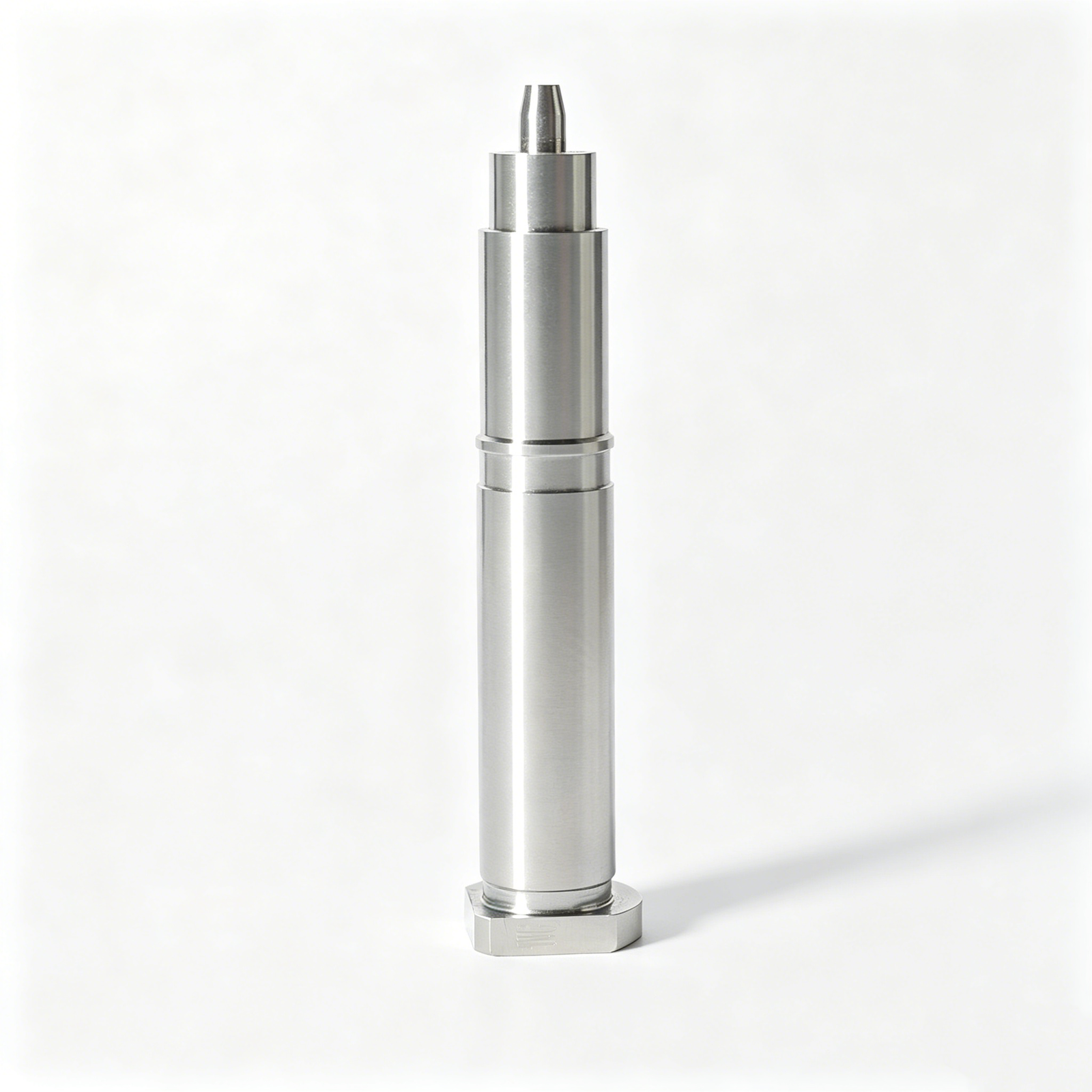
Injection Mold Components, MIM, CIM & Overmolding Tooling
Injection, MIM, CIM, and overmolding tooling work is assessed within verified production scope. Drawings should identify molding application, critical forming features, material requirements, parting and mating context, surface specifications, and any required inspection documentation.
Upload a Drawing
Machining Materials
CNC machining materials are selected against drawing requirements, functional load, corrosion environment, wear, heat treatment, finishing, and machinability. Material grade, supply condition, traceability needs, and any approved substitution process should be stated in the RFQ.
Upload a Drawing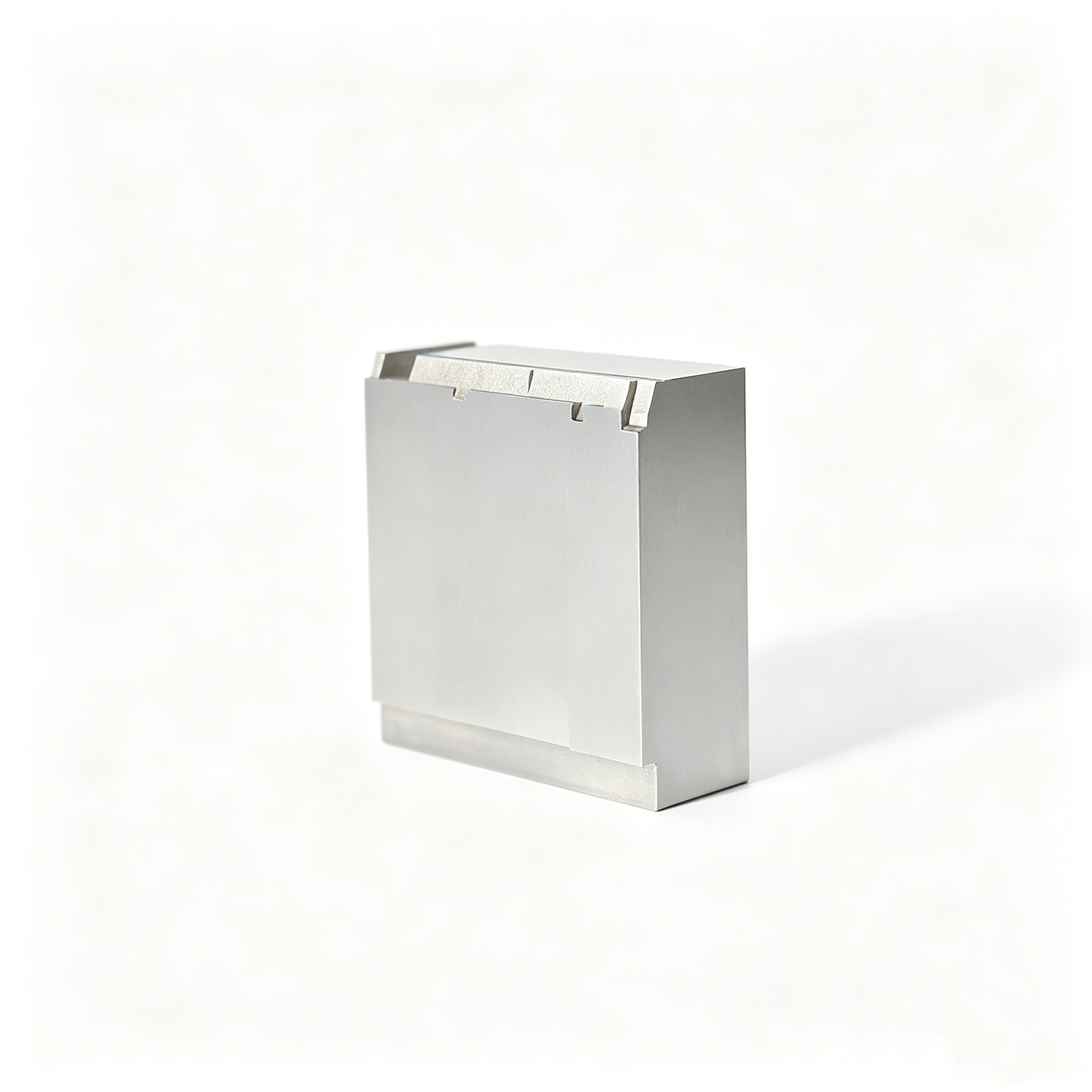
Surface Finishes & Heat Treatment
Surface finishing and heat treatment are planned around functional surfaces, corrosion or wear needs, dimensional change risk, and final inspection requirements. Buyers should specify finish type, hardness or treatment criteria, masking needs, surface priorities, and acceptance documentation.
Upload a Drawing
Quality, Metrology & Documentation
Precision inspection, metrology, and quality documentation are aligned to the drawing’s critical dimensions, datums, tolerances, and order-specific reporting plan. Confirm required measurement methods, report format, material records, revision status, and traceability expectations before production.
Upload a Drawing
Prototyping & Low-Volume Production
Rapid prototyping and low-volume manufacturing support controlled evaluation builds, replacement components, and limited production quantities from approved drawings. Early review clarifies revision level, material, critical features, process route, inspection scope, quantity, and target delivery date.
Upload a DrawingMold Steels: Material Options for Tooling Applications

P20 Prehardened
A practical choice for many plastic mold bases, inserts, and moderate-volume tooling. Its supplied condition can simplify machining planning, while drawing review should confirm hardness, polish requirements, and any later surface treatment.

H13 Hot Work
Often considered for tooling exposed to repeated thermal cycling, including hot-work and selected molding applications. Heat-treatment sequence, EDM strategy, and grinding allowance require coordination to protect critical dimensions and surface integrity.

D2 Cold Work
A wear-oriented option for stamping-die components, cutting features, and abrasive contact conditions. Its higher hardness potential creates machining and wire-EDM trade-offs, so datum locations, relief details, and post-heat-treatment finishing should be defined.

S7 Shock Resistant
Suitable for components that must balance toughness with wear resistance under impact or cyclic loading. The drawing review should identify stress concentrators, heat-treatment requirements, and whether EDM or grinding will establish final functional surfaces.

420 Stainless Steel
A corrosion-resistant candidate for mold components used with moisture-sensitive or corrosive environments. Material grade, hardness condition, polishing target, and dimensional inspection method should be aligned before selecting the machining and finishing route.
Mold Steels Machining and Finishing Processes

CNC Milling
CNC milling establishes pockets, faces, contours and reference surfaces in mold steels, with tool access, clamping sequence and machining allowance reviewed against the drawing before downstream EDM or grinding.

CNC Turning
CNC turning produces rotational features such as pins, sleeves, bushings and locating diameters, using the specified datums and surface requirements to plan stock removal and inspection points.


Wire EDM
Wire EDM creates precise through profiles, narrow slots and internal contours after the required start holes and wire path are planned. It is considered when geometry, material condition or corner access constrains milling.

Sinker EDM
Sinker EDM forms deep cavities, sharp internal details and difficult-to-reach features through an electrode strategy matched to the requested geometry. Electrode allowance, finish requirement and subsequent polishing or fitting needs are reviewed.

Grinding and Fitting
Precision grinding supports controlled flatness, parallelism, diameter and surface requirements, while fitting verifies functional relationships between mating components. Grinding stock, heat-treatment sequence and inspection methods should be defined before release.
Mold Steel Component Features and Applied Hardware

Guide Elements
Guide pins, bushes and guide plates help control repeatable mold-half alignment. Specify mating fits, lubrication provisions, hardness requirements and assembly datum relationships for a review matched to the intended tooling layout.
Locating Features
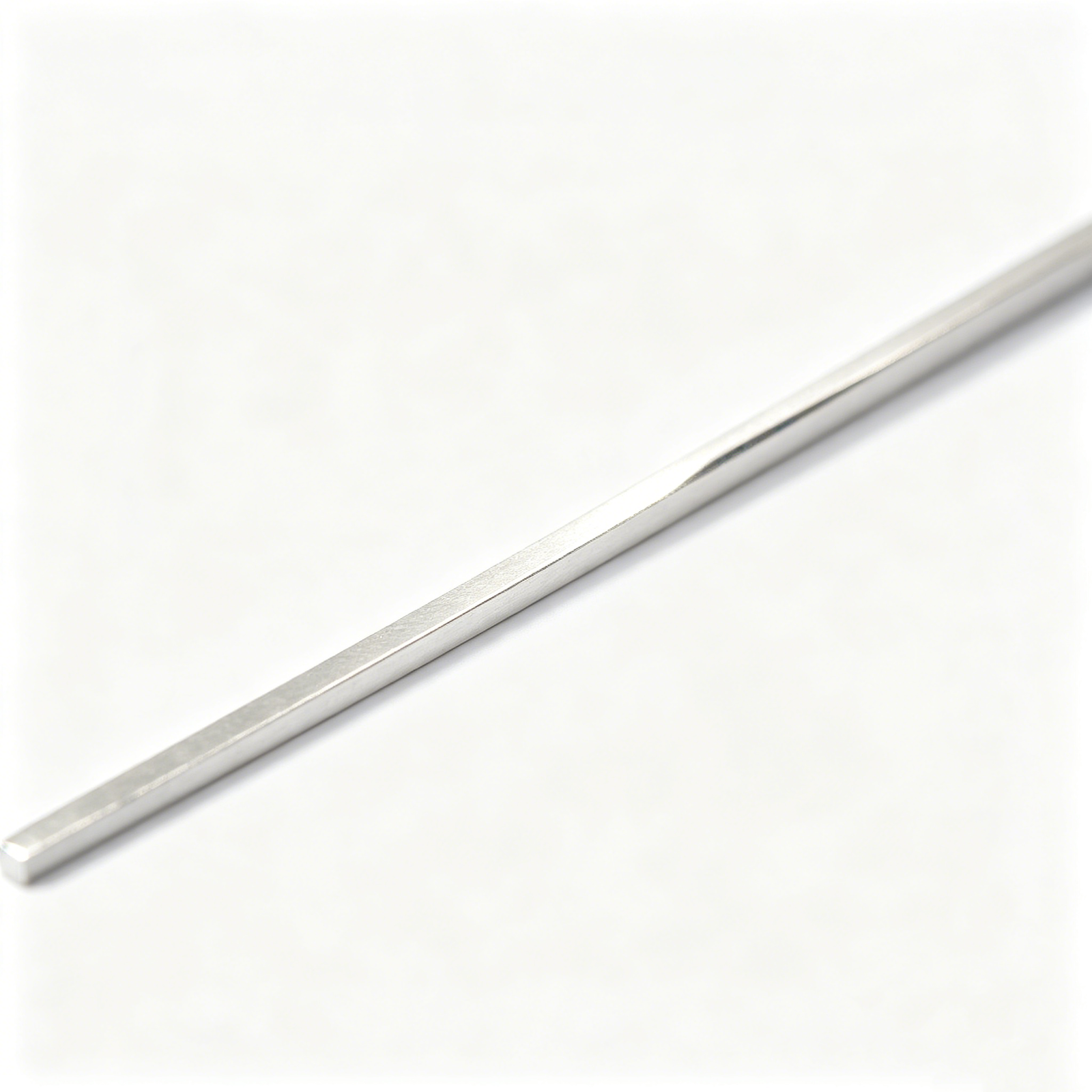
Dowel holes, locating keys and interlocking details establish repeatable positioning between inserts, plates and mating components. Their size, positional tolerances and datum scheme should be evaluated with the complete assembly.

Gate Inserts
Gate inserts can concentrate wear-sensitive flow-entry geometry in a replaceable component. Include resin, gate geometry, surface requirements and mating details so machining, EDM and finishing routes can be reviewed.
Ejection Components
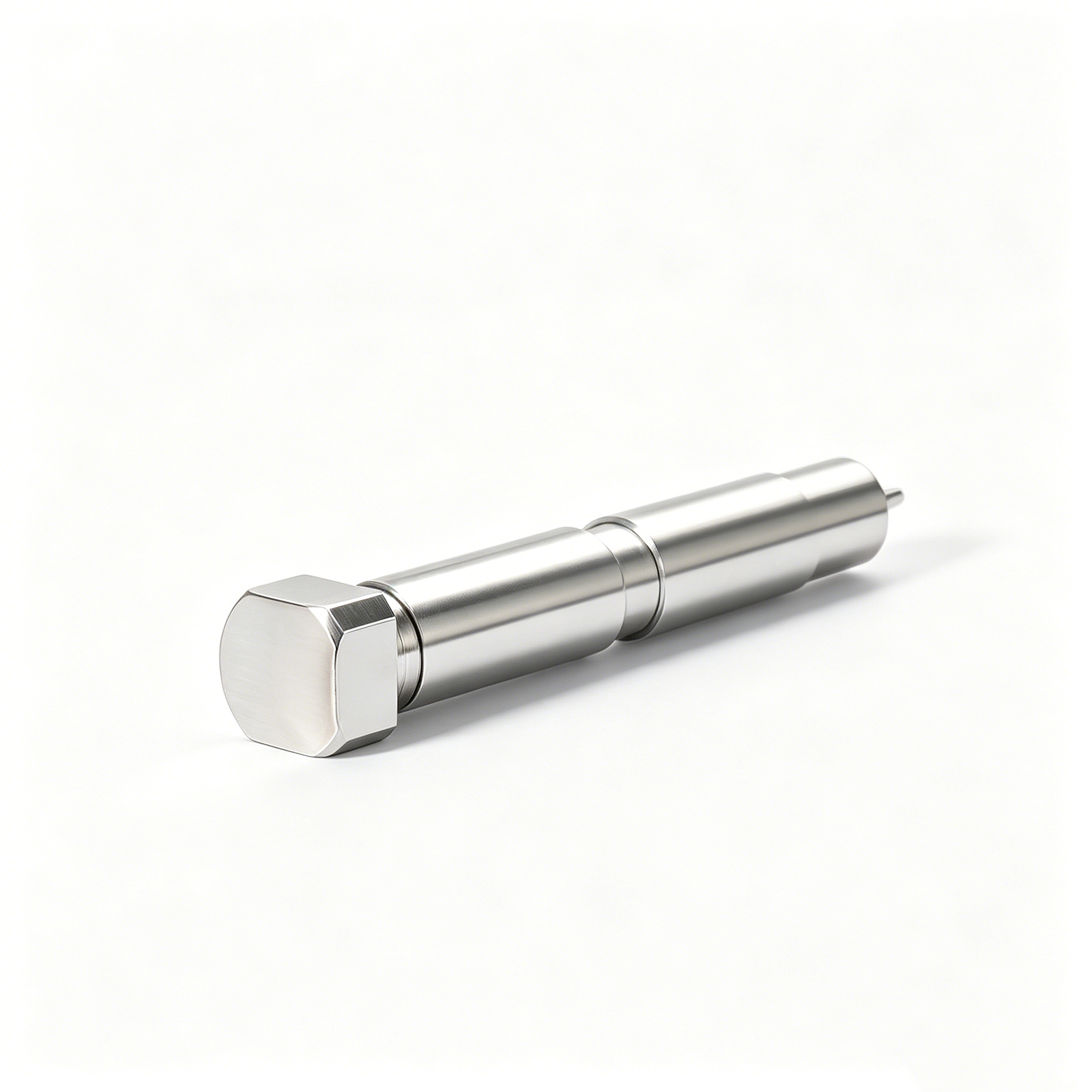
Ejector pins, sleeves, return elements and related retainers support controlled part release. Drawing review should confirm clearances, guidance, wear interfaces and the relationship between moving components and critical molded surfaces.

Assembly Fasteners
Screws, threaded inserts and fastening interfaces secure mold steel components during assembly and service. Define thread standard, engagement, counterbore details, access direction and any locking or traceability requirements.

Identification Marking
Part numbers, revision marks and assembly identifiers help maintain traceability across interchangeable tooling components. Provide marking content, placement, depth or method restrictions, and cosmetic-surface exclusions with the production drawing.
About SUUXIANG Precision Manufacturing
SUUXIANG is the sole public-facing brand of Dongguan SuuXiang Precision Mold Co., Ltd., established in 2010 in Chang’an Town, Dongguan, Guangdong, China. Founded by XiaoCheng Huang, the company helps international engineering, sourcing, and quality teams translate drawings and specifications into inspected CNC-machined parts, precision mold components, connector tooling, and die components.
Our work brings CNC milling and turning, multi-axis machining, EDM, precision grinding, fitting and inspection into a controlled production workflow. For mold steels and related tooling components, the route is defined by the drawing, critical dimensions, material and heat-treatment requirements, machining access, finishing needs and inspection plan.
What distinguishes SUUXIANG is disciplined technical coordination before commitments are made. We review DFM, datums, tolerance stack, machining allowance, electrode or wire path, revision status and delivery expectations with the project team, then keep production and inspection evidence aligned with the verified order requirements.

Core Mold Steel Tooling Capabilities
DFM and Datum Review
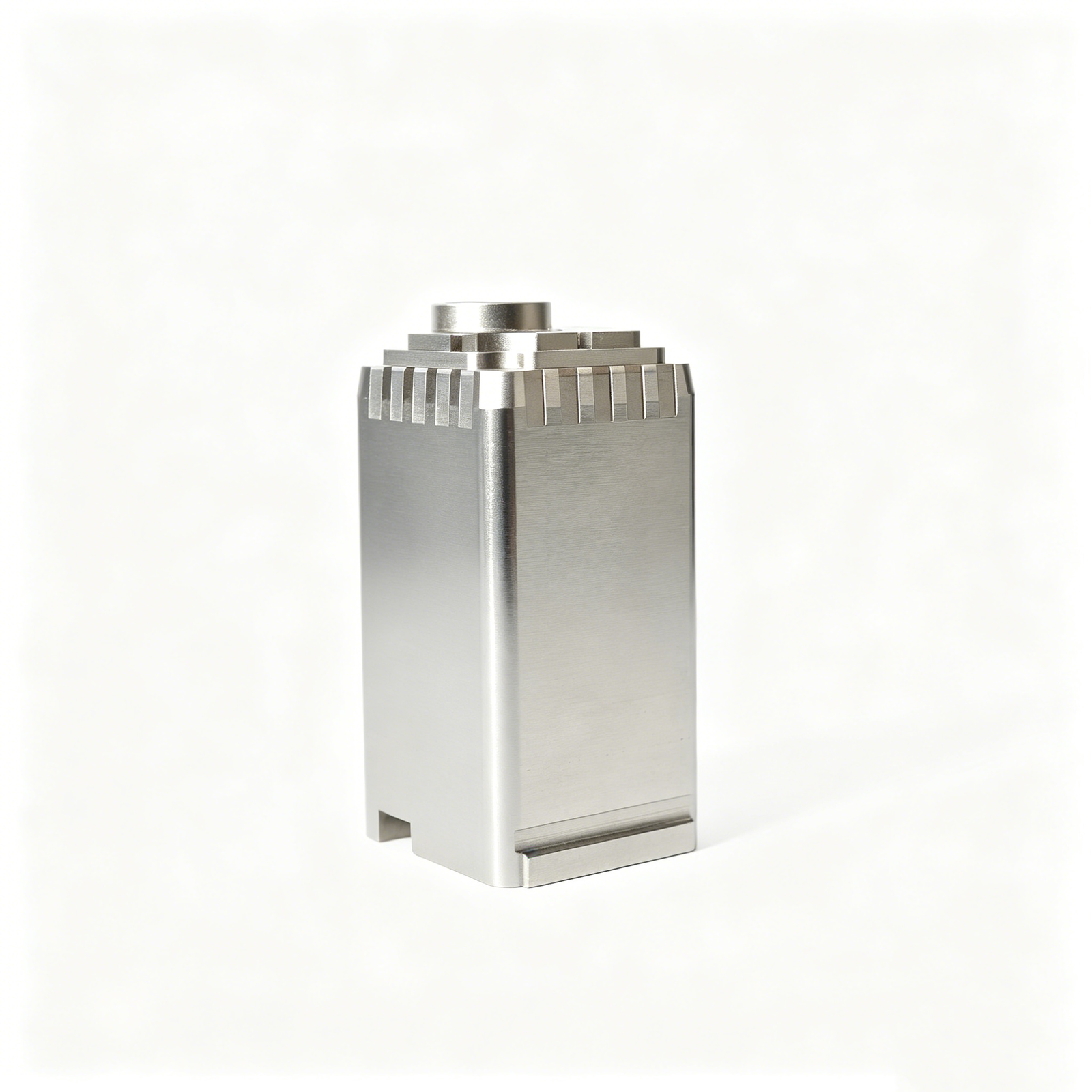
Before quotation, SUUXIANG reviews mold steel drawings against the functional datum scheme, critical dimensions, tolerance stack, tool access, and material condition. This identifies manufacturing risks early and clarifies which features require CNC machining, EDM, grinding, or a controlled sequence of operations.
- Confirm functional datums and critical-to-quality dimensions
- Check cutter reach, wall conditions and internal-feature access
- Review material, heat-treatment and surface requirements
- Align revision status before production planning
EDM Strategy for Complex Features
Deep ribs, sharp internal corners, narrow slots and difficult-to-reach profiles may need wire EDM or sinker EDM rather than an unsuitable milling approach. SUUXIANG plans the electrode or wire path with the drawing requirements, finish expectations and later grinding or fitting operations in view.
- Assess wire access and start-hole requirements
- Define electrode needs for enclosed or intricate geometry
- Consider EDM sequence relative to heat treatment
- Review finish-sensitive areas before process release
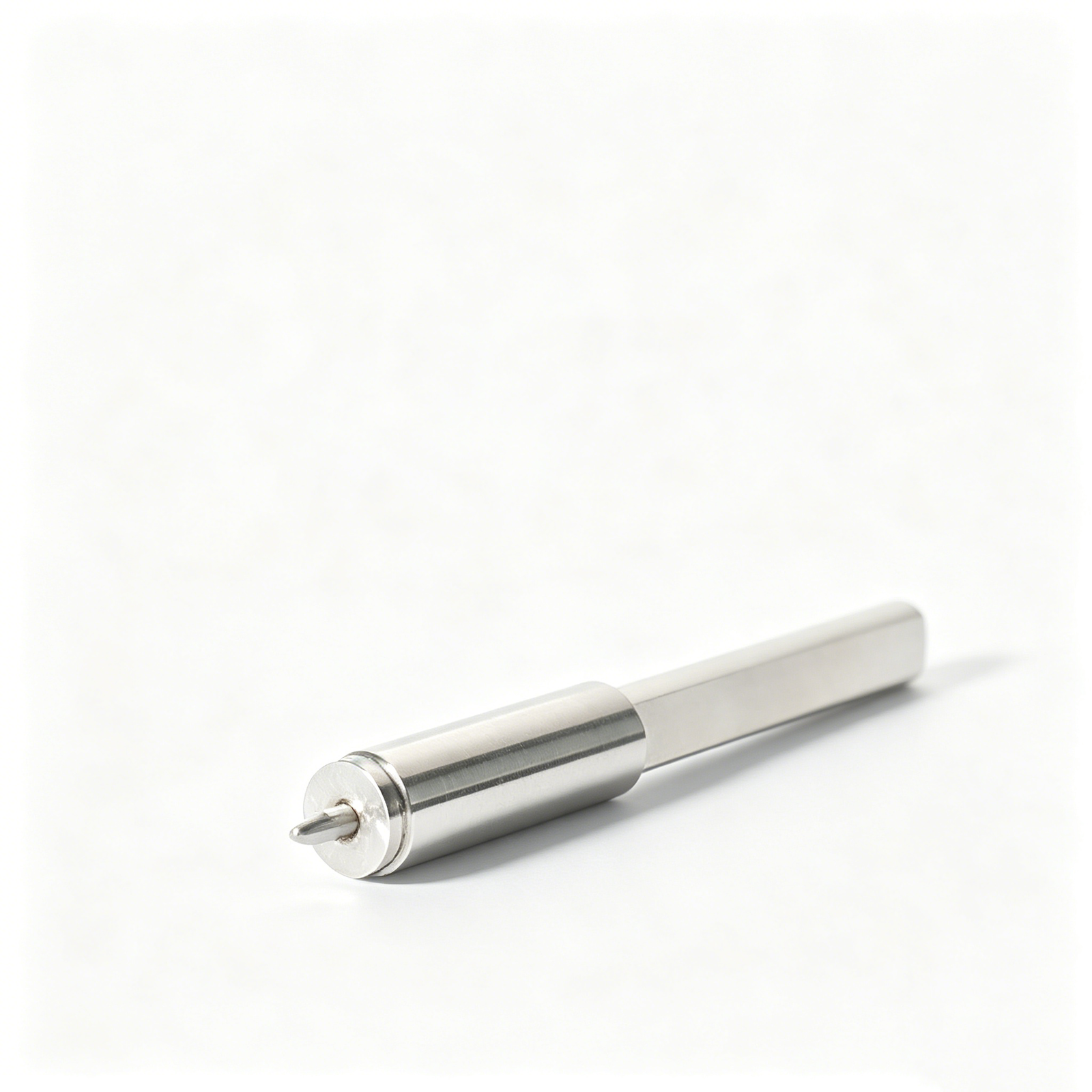
Grinding Allowance Planning
Grinding should be planned as a dimensional control step, not added after machining problems appear. For mold steels components, SUUXIANG reviews stock allowance, reference surfaces and heat-treatment sequence so final grinding can support flatness, parallelism, fit and critical dimensional requirements.
- Reserve controlled stock for finish grinding
- Establish surfaces used for final location and measurement
- Account for condition changes after heat treatment
- Coordinate grinding with fitting and assembly interfaces

Inspection Plan and Traceability
Inspection planning begins with the drawing and its acceptance criteria. SUUXIANG aligns measurement methods, critical-feature reporting, revision identification and required order documentation before production. The final inspection record is prepared to match the agreed plan and verified project requirements.
- Identify dimensions requiring focused inspection
- Match measurement methods to geometry and tolerances
- Maintain drawing revision visibility through the project
- Define required reports before manufacturing begins

Why Choose SUUXIANG for Mold Steels Tooling Work
Compare a drawing-review workflow with a typical generic quotation path before committing critical tooling components.
← Swipe left or right to view →
Mold Steel Production Workflow
Each project follows a documented route from technical review through inspection and delivery coordination, aligned to the approved drawing and revision.
Review RFQ Package
We review drawings, models, material requirements, quantity, application context, delivery target, and requested inspection documentation before confirming the quotation basis.
Define Critical Requirements
The team identifies critical dimensions, datums, tolerance stack risks, surface requirements, machining access, heat-treatment sequence, and any mating-component constraints requiring clarification.
Plan Process Route
We establish the appropriate CNC, EDM, grinding, fitting, and inspection sequence, including stock allowance, electrode strategy, wire paths, and revision-control checkpoints.
Machine Tooling Components
Approved mold steels and related components move through the planned machining route, with process decisions maintained against the current drawing revision and specifications.
Inspect and Document
Finished parts are checked against the agreed inspection plan, focusing on critical dimensions, applicable surfaces, and order-specific reporting or traceability requirements.
Pack and Coordinate Delivery
After inspection release, components are prepared for shipment and delivery details are coordinated with the customer to maintain clear order and revision visibility.
Work With SUUXIANG on Mold Steel Components
Move from drawing review to controlled production with the requirements and approval points needed for precision tooling components.
Send Your Drawing Package
Upload the 2D drawing and available 3D model, then identify the component application, quantity, mating context, target delivery date, and current revision.
Define Material and Quality
Specify mold steels or approved alternatives, heat treatment, critical dimensions, datum references, surface requirements, inspection reports, and any traceability expectations before quotation.
Review DFM and Quotation
Review the proposed machining route, EDM or grinding needs, manufacturability risks, inspection approach, pricing assumptions, and delivery plan before releasing the order.
Approve Sampling or Production
Confirm the agreed revision and acceptance criteria, then coordinate first-article or production milestones with SUUXIANG through machining, inspection, and delivery updates.
Mold Steels Certifications and Quality Documentation
Customer-Reference Publication Policy
Verified customer feedback for mold steels projects will be published only after SUUXIANG has written approval to disclose the application, measurable outcome, and customer attribution.
A drawing-based tooling case study will be added when the customer approves publication of the component scope, inspection evidence, revision history, and documented production result.
SUUXIANG does not publish invented customer outcomes. Approved mold steels project feedback will identify the applicable process route and measurable result without disclosing confidential drawings.
Mold Steels FAQ for RFQ Preparation
Practical answers for specifying drawing-based tooling components, inspection requirements, and delivery expectations.
What is the MOQ for custom mold steels components?
How long do mold steels samples and production orders take?
How should I specify mold steels and heat treatment on an RFQ?
Can SUUXIANG provide inspection reports for mold steels components?
What files should I send for a mold steels quotation?
Can you ship custom tooling components internationally?
What payment information is needed before placing an order?
How are drawings, revisions, and IP handled during a project?
The Complete Buyer’s Guide to mold steels
Use this decision framework to match mold steels to process, resin, volume, and accuracy demands, evaluate drawing-review and quality criteria, compare total-cost drivers, and avoid costly sourcing mistakes before tooling begins.
1. What Are mold steels?
AISI classifies plastic-mold steels in the P-steel group; more broadly, mold steels are engineered tool steels selected to make molds, dies, and precision tooling that shape other materials. They are a material choice, not a finished tool. https://dl.asminternational.org/technical-books/monograph/180/chapter/3670910/Mold-Steels
Seven performance factors must be balanced: hardness preserves geometry, toughness resists cracking, and wear resistance limits abrasion. Polishability, corrosion resistance, thermal response, and machinability can be equally decisive because resin chemistry, cycle temperatures, cosmetic surfaces, tool access, and maintenance method change the practical requirement.
One tooling assembly may contain different materials in the mold base, core, cavity insert, core pin, slide, or stamping-die component. A drawing review should therefore specify the component, material grade or approved equivalent, heat-treatment condition, critical surfaces, and inspection expectations rather than requesting a generic ‘mold steel mold.’
2. How Mold Steel Evolved
19th-century tooling commonly relied on simpler carbon steels: economical and serviceable, but limited in hardenability, wear life, polish retention, and dimensional control after heat treatment. As production demands rose, alloy additions let toolmakers balance hardness with toughness rather than treating every mold as a short-run consumable.
1930s onward, purpose-designed plastic-mold and hot-work families expanded the choice between through-hardening, pre-hardened delivery, and heat-resistant tooling. Pre-hardened stock can shorten machining-to-build schedules, while controlled alloy chemistry and heat treatment support more stable cavities, better polish, and less unplanned rework; hot-work steels address repeated thermal loading in demanding tooling environments (https://titussteel.com/our-products/mold-and-die-steels).
Late-20th-century stainless and powder-metallurgy developments addressed two recurring buyer problems: corrosion from resins or humid storage, and wear from filled or abrasive compounds. Modern selection should therefore start with resin, expected cycles, cooling and thermal exposure, surface requirement, and inspection-critical geometry—not the familiar name of a steel grade.
3. Types of mold steels
Six families cover most tooling decisions: plastic-mold, pre-hardened, through-hardening, hot-work, cold-work, stainless, and powder-metallurgy grades. Select from resin, load, temperature, polish, corrosion, and maintenance requirements—not grade popularity.
Plastic-Mold And Pre-Hardened Steels
P20-type pre-hardened steels suit moderate-volume injection molds because they reduce post-machining heat-treatment distortion.
4140-type and plastic-mold grades offer practical machinability, but wear resistance and polish performance depend on the exact melt and condition.
- Choose pre-hardened stock when delivery timing and dimensional stability dominate.
- Specify hardness range, cleanliness, and polishing requirement on the drawing.
Hardening, Hot-Work, And Cold-Work Steels
H13-type hot-work steel suits thermal cycling in die casting and some high-temperature tooling; thermal-fatigue resistance is its principal trigger.
D2-type cold-work steel targets abrasion and compressive loading in stamping, while through-hardening mold grades favor wear-critical inserts. Both need a defined heat-treatment and grinding allowance.
- Use hot-work grades for repeated heat exposure.
- Use cold-work grades for wear-dominant stamping.
- Review cracking risk at sharp internal corners.
Stainless And Powder-Metallurgy Options
420-type stainless mold steel is considered for corrosive resins, humid storage, or mirror-finish cavities, but machining and heat treatment require controlled planning.
PM grades provide high wear resistance with finer carbide distribution, yet cost and grinding strategy can limit their value. AISI, DIN, JIS, and supplier names are not automatic equivalents; verify chemistry, delivery condition, and heat-treatment specification.
- Request mill certificate and material traceability.
- Confirm grade cross-reference before approving substitution.
4. Alloying Elements in mold steels
Six alloying elements set the attainable property balance in mold steels, but none substitutes for a documented process route. Composition is a screening tool; the drawing, resin, load, temperature, and inspection criteria determine the usable specification.
| Element | Primary Contribution | Key Trade-Off |
|---|---|---|
| Carbon | Hardness; wear resistance | Higher levels can reduce toughness |
| Chromium | Hardenability; corrosion support | Needs suitable heat treatment |
| Molybdenum | Hardenability; thermal-fatigue resistance | Cost and process sensitivity increase |
| Vanadium | Carbide wear resistance | Can complicate machining |
| Nickel | Toughness | Does not replace hardness control |
| Sulfur | Machinability | Can impair polishability and toughness |
What Each Element Changes
Carbon raises attainable hardness and wear resistance, while excessive carbon can reduce toughness. Chromium improves hardenability and can support corrosion resistance; molybdenum improves through-hardening and thermal-fatigue resistance.
Vanadium forms hard carbides that improve wear resistance and can refine grain structure. Nickel generally supports toughness, and sulfur improves machinability but can reduce polishability and transverse toughness.
Why Chemistry Is Not Enough
A 40 mm core and a thin insert can respond differently to the same nominal grade because cooling rate changes through the section. Heat-treatment cycle, quench method, tempering, and operating temperature must be reviewed together.
Cleanliness and remelting route affect nonmetallic inclusions, polish response, fatigue behavior, and consistency. Request material traceability, condition, hardness target, and the inspection plan before machining critical features.
5. Mold Steel Customization Options
Two procurement choices set the process route: delivery condition and the final surface requirement. Specify them by component function, not as a blanket mold-material note.
| Option | Drawing Note | Acceptance Criterion |
|---|---|---|
| Annealed route | Rough stock and heat sequence | Finish allowance retained |
| Pre-hardened route | Hardness range and datums | Machined surfaces verified |
| EDM or polish | Finish grade and location | Texture or polish approved |
| Repair and shipment | Weld allowance and packaging | No corrosion or handling damage |
Stock And Machining Route
Annealed stock permits rough machining before hardening; reserve finish stock for grinding, EDM, and final datums.
Pre-hardened stock can shorten routing, but the drawing should identify hardness range, machining allowance, and distortion acceptance.
Heat And Surface Treatments
Heat treatment notes should define target hardness, test location, stress-relief sequence, and any post-treatment finish allowance.
Nitriding and PVD coating requirements need thickness, masking, adhesion acceptance, and dimensional limits after treatment.
Component-Specific Acceptance
Cavities and cores need datum-based dimensions, EDM texture or polishing grade, shutoff criteria, and corrosion-protection packaging.
Replaceable inserts and wear components need interchangeability dimensions, welding-repair allowance, revision marking, and inspection-report requirements.
6. Critical Mold Construction Quality
Two records—the material certificate and heat-treatment record—should follow each mold component through inspection. Nominal mold steels do not alone predict reliability, cycle time, cosmetic quality, or maintenance exposure.
Traceability And Heat Treatment
Each component should retain heat number, steel condition, and revision linkage to its drawing.
Hardness readings need defined locations away from edges, EDM surfaces, and thin sections; specify microstructure or cleanliness only when the resin, polish, or fatigue duty justifies it.
Datums, EDM And Finish
A primary datum scheme must drive CNC, grinding, EDM, and final measurement rather than allowing each operation to establish a new reference.
EDM settings and cleanup allowance should control recast layer risk. Surface-finish requirements belong on functional faces, especially polished cavities and sliding interfaces.
Interfaces And Inspection
Cooling channels require leak or flow verification when their integrity affects cycle stability; vent interfaces need burr-free, controlled contact surfaces.
Insert fits, shutoffs, and critical dimensions require inspection against stated datums. Verify report scope before release to reduce flash, cosmetic defects, unplanned fitting, and maintenance risk.
7. Choosing a Mold Steels Supplier
Two suppliers quoting the same drawing may control risk very differently. Evaluate the evidence behind material, process, inspection, and revision decisions before comparing unit price.
| Evaluation Area | Evidence Before Award | Risk If Missing |
|---|---|---|
| Material | Grade and source traceability | Unverified substitution |
| Process | EDM and heat-treatment route | Distortion or surface risk |
| Quality | First-article inspection plan | CTQ escape |
| Control | Revision and confidentiality procedure | Wrong-build exposure |
Review The Engineering Response
One pre-award review should identify CTQ dimensions, datums, machining access, EDM strategy, grinding stock, and heat-treatment sequence. Ask for unresolved assumptions in writing, not a generic feasibility statement.
- Which dimensions drive the inspection plan?
- What drawing ambiguities require customer disposition?
- Who approves manufacturability changes?
Verify Process Evidence
Three evidence streams matter: mill documentation for the specified grade, controlled heat-treatment records when applicable, and inspection results tied to the revision. Confirm CNC, wire EDM, sinker EDM, grinding, and fitting are matched to the component geometry.
Control Delivery And Data
Two controls protect the launch: a first-article package aligned to the purchase order and a documented change path for drawings, materials, or dates. Require realistic capacity and lead-time assumptions, secure drawing handling, and a named communication owner.
- Can the supplier segregate confidential files?
- What triggers a revised first article?
- How are capacity constraints communicated?
8. Common Mold Steels Buying Mistakes
A grade name and hardness value do not define a safe tooling decision. At RFQ, convert operating conditions, surface intent, and critical features into reviewable requirements before material is released.
Price And Grade Shortcuts
A lower-priced grade may omit traceable chemistry, delivery condition, or equivalent-property evidence. Request the grade standard, mill certificate, condition, and proposed substitute approval before purchase.
Missing Service Conditions
Resin type, filler content, moisture exposure, and planned production volume drive wear, corrosion, and toughness requirements. State resin grade, glass or mineral percentage, annual shots, molding temperature, and cleaning environment on the RFQ.
Incomplete Drawing Requirements
A hardness callout alone can create brittle thin cores, distorted inserts, or incompatible finishing. Define hardness range with toughness need, heat-treatment sequence, datum-critical dimensions, grinding stock, polish grade, texture area, and distortion limits.
One Specification For Every Insert
Cavity, core, gate, slide, and small pin inserts see different loads, access limits, and repair risks. During drawing review, assign material and finish requirements by component function rather than applying one steel specification across the tool.
9. Launching a Tooling Project
A complete RFQ package prevents steel and process decisions from being made against assumptions. SUUXIANG reviews the drawing, application, quality priorities, and target timing before confirming a workable route.
Build The RFQ Package
The 2D drawing and 3D model should identify revision, datums, critical tolerances, surface or cosmetic requirements, and mating parts. State resin, annual volume, cavity count, validation plan, requested reports, and target timing.
Each application detail changes the discussion: abrasive or corrosive resin, expected cycles, gate location, and part appearance can affect mold steels, surface strategy, and component design.
Close The Technical Loop
The DFM review should return tool-access limits, EDM or electrode needs, grinding stock, heat-treatment sequence, and inspection approach. Resolve these items before releasing machining drawings.
A signed specification should lock material designation, hardness target where applicable, critical dimensions, datum scheme, finish, and revision. Changes after approval require documented impact review.
Validate Before Release
The manufacturing sequence normally combines machining, heat treatment when specified, EDM, grinding, fitting, and inspection. Inspection records must follow the approved plan and identify the drawing revision.
Sample trials should check molded-part dimensions, cosmetic results, function, and mating interfaces. Record corrections, revalidate affected features, then authorize production release only after the acceptance criteria are met.
10. Mold Steels Pricing and Cost
3 sourcing scenarios shift the cost mix: prototypes absorb setup and programming; low-volume tools spread them across more parts; production tools justify lifecycle controls. Steel purchase price alone is a poor selection basis.
1 comparable quote holds drawing revision, quantity, steel condition, inspection plan, and delivery date constant. Compare total scope and quality evidence with expected tool life, maintenance exposure, and change risk.
| Scenario | Primary cost drivers | Typical relative impact |
|---|---|---|
| Prototype | Steel grade and size; hardness condition; CNC complexity; EDM; compressed lead time | Setup and rush charges high; heat treatment, coating, and full inspection reports are selective. |
| Low-volume tooling | Grade and size; machining complexity; EDM; polishing or texture; heat treatment | Process content dominates; documentation and revision changes materially affect unit cost. |
| Production tooling | Steel grade/section size; hardness; EDM; polishing; coatings; inspection documentation | Lifecycle controls justify cost; late design changes and lead-time compression carry the highest premium. |
Start Your Mold Steels Drawing Review
Send your model, material, quantity, critical dimensions, inspection needs, and target delivery date for a disciplined technical review before quotation.