
Technical Ceramics and Carbides, Reviewed Before Production
Send your drawing for DFM-led technical ceramics and carbides machining, process planning, and inspection aligned to critical dimensions.
Featured Products for technical ceramics and carbides Development




Related Product Catalogue and Quotation



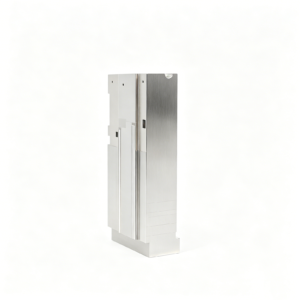
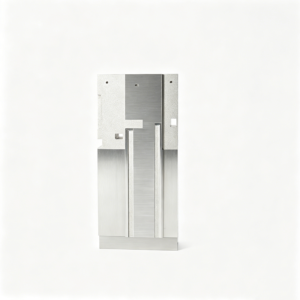


Why Teams Choose SUUXIANG for Technical Ceramics and Carbides
A drawing-led workflow that keeps manufacturability, quality expectations, and project changes visible before production commitments.
Drawing-First DFM
Reviews identify critical dimensions, datum relationships, tool access, and material risks before quotation, helping align technical ceramics and carbides requirements with a workable route.
Critical Dimension Focus
Project discussions define CTQ features, tolerance stacks, surface priorities, and mating conditions so manufacturing attention follows the dimensions that affect function.
Integrated Process Planning
CNC machining, EDM, grinding, fitting, and inspection are considered together to sequence work, preserve allowances, and address geometry-specific manufacturing constraints.
Inspection Planning
Inspection expectations are clarified against the drawing, including measurement methods, reporting needs, datum references, and documentation required for order acceptance.
Revision Control
Drawing revisions and production changes remain visible throughout the project, reducing ambiguity between approved specifications, machining decisions, and final inspection records.
Clear Project Coordination
Engineering, sourcing, and quality teams receive structured communication on questions, manufacturing considerations, delivery requirements, and evidence needed before production proceeds.
Technical Ceramics and Carbide Component Applications
Drawing-driven process routes for configurable components, tooling, inspection requirements, and low-volume production within verified manufacturing scope.
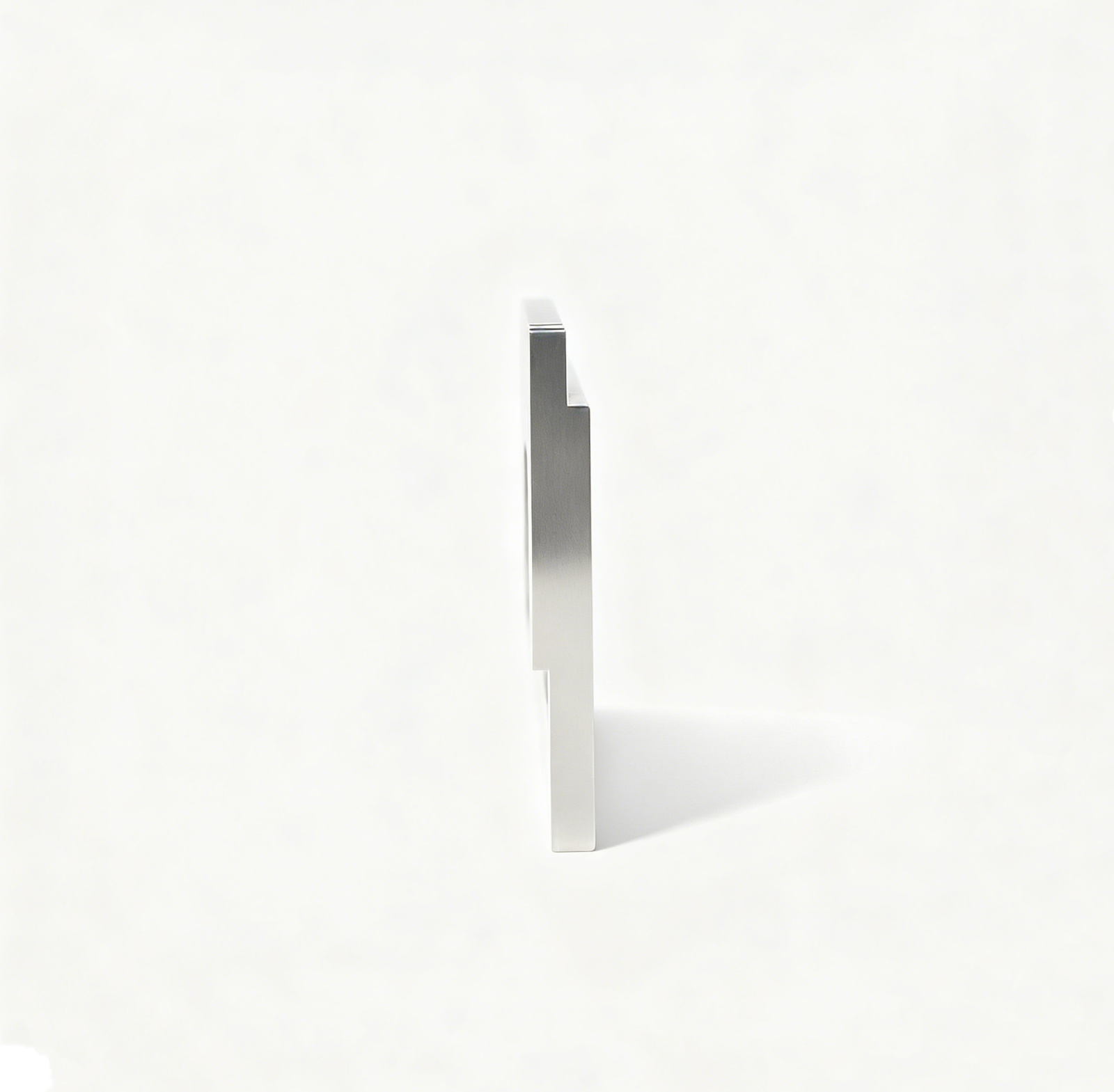
CNC Machining Services
Precision CNC machining services for drawing-based ceramic and carbide project components, planned around material condition, critical dimensions, datum structure, tool access, and inspection requirements before production commitments.
Upload a Drawing
CNC Milling
Custom CNC milling services for prismatic parts, plates, inserts, and tooling details. Drawing review considers feature access, corner radii, clamping, machining sequence, and stock allowance required for subsequent EDM or grinding.
Upload a Drawing
CNC Turning
Precision CNC turning services for rotational components such as pins, sleeves, bushes, and locating features. Requirements should define diameters, runout, surface condition, material state, and any downstream heat treatment or grinding operation.
Upload a Drawing
5-Axis Machining
5-axis CNC machining supports complex angular features, contoured forms, and multi-face work where fewer setups may improve datum control. Feasibility depends on part geometry, tool reach, holding strategy, material condition, and inspection access.
Upload a Drawing
Swiss & Micro Machining
Swiss machining and micro machining support small-diameter pins, shafts, sleeves, and connector-related components. RFQs should identify critical diameters, concentricity, length-to-diameter considerations, edge conditions, material, quantity, and inspection method.
Upload a Drawing
Wire & Sinker EDM
Wire EDM and sinker EDM services address hardened materials, narrow slots, internal profiles, sharp internal geometry, and features with limited cutting-tool access. Process planning considers wire path, electrode strategy, flushing, recast-layer requirements, and finishing allowance.
Upload a Drawing
Precision Grinding
Precision surface and profile grinding supports controlled flatness, parallelism, profiles, and fine finishing after machining or heat treatment. Drawings should clarify datums, grinding stock, surface requirements, measurement approach, and critical mating relationships.
Upload a Drawing
Precision Mold Core Inserts & Mold Cavity Inserts
Precision mold core and cavity inserts are configured from part geometry, resin or feedstock behavior, material requirements, cooling or venting needs, and critical shutoff or cosmetic surfaces. Review covers machining, EDM, grinding, fitting, and inspection sequence.
Upload a Drawing
Ejector & Ejection Components
Ejector pins, sleeves, and ejection components are evaluated for fit, guidance, wear conditions, surface requirements, and interaction with the molded part. Dimensions, material, heat-treatment condition, and mating-component data should accompany the drawing.
Upload a Drawing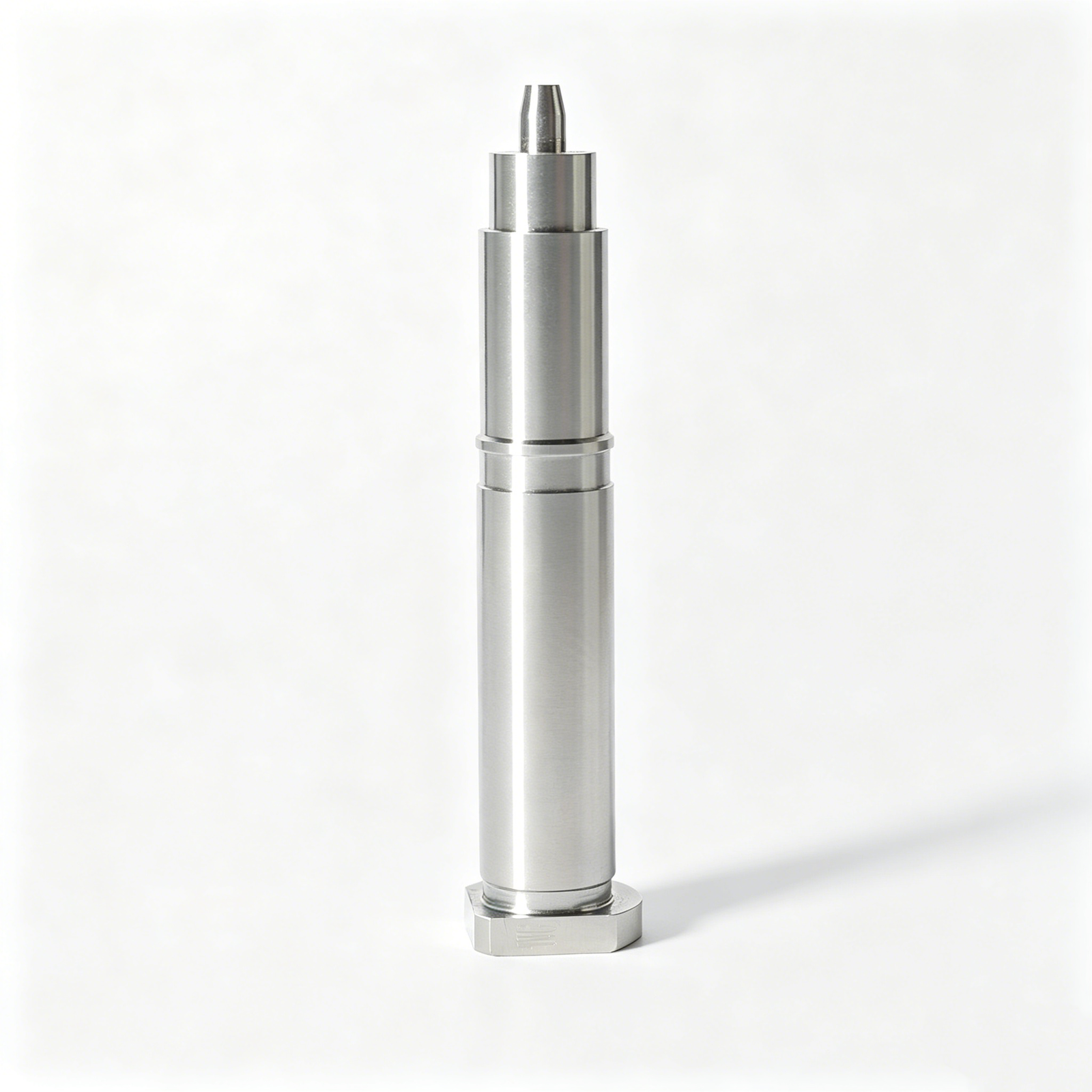
Core Pins, Guide & Locating Components
Core pins, guide pins, and locating components require clear control of functional diameters, alignment relationships, bearing lengths, and surface condition. SUUXIANG reviews material, heat-treatment sequence, grinding requirements, and inspection points before release.
Upload a Drawing
Slides, Lifters, Gates & Mold Accessories
Mold slides, lifters, gates, and accessories are produced as configurable tooling components based on motion, shutoff, wear, and assembly relationships. Effective RFQs provide assembly context, critical interfaces, material requirements, and revision-controlled drawings.
Upload a Drawing
Connector Mold Components
Precision connector mold components support fine-pitch, multi-cavity, and high-alignment tooling requirements. Review focuses on pin and cavity geometry, datum relationships, EDM access, material and hardness condition, grinding strategy, and inspection of critical features.
Upload a Drawing
Stamping Die Components
Precision stamping die components include punches, dies, inserts, guides, and formed tooling details. Process selection depends on strip interaction, wear surfaces, material and heat-treatment requirements, clearance relationships, profile control, and fitting requirements.
Upload a Drawing
Injection, MIM, CIM & Overmolding Tooling
Injection, MIM, CIM, and overmolding tooling components are assessed within verified production scope. Drawing review considers feedstock or resin behavior, parting and shutoff surfaces, ejection, venting, critical interfaces, material condition, and inspection expectations.
Upload a Drawing
Machining Materials
CNC machining materials are selected against drawing requirements, application conditions, machinability, heat-treatment sequence, wear, corrosion exposure, and dimensional stability. Material grade, condition, traceability needs, and approved substitution rules should be stated in the RFQ.
Upload a Drawing
Surface Finishes & Heat Treatment
Surface finishing and heat treatment are planned as part of the full manufacturing route, not as isolated callouts. Specify finish targets, hardness or treatment requirements, masking or critical surfaces, dimensional effects, and any post-treatment grinding or inspection needs.
Upload a Drawing
Quality, Metrology & Documentation
Precision inspection, metrology, and quality documentation are aligned to critical dimensions, datums, tolerances, and order requirements. Buyers should identify required reports, sampling expectations, measurement methods, revision level, material evidence, and traceability needs.
Upload a Drawing
Prototyping & Low-Volume Production
Rapid prototyping and low-volume manufacturing support drawing-driven validation, bridge quantities, and controlled production releases. Scope is planned around material availability, process route, critical features, inspection needs, revision status, quantity, and target delivery date.
Upload a DrawingTechnical Ceramics and Carbides Materials Considered

Alumina Ceramic
A hard, electrically insulating ceramic considered for wear surfaces, insulating fixtures, and precision components. Grade, density, geometry, machining allowances, and inspection requirements must be reviewed against the drawing and application.

Zirconia Ceramic
A tough engineering ceramic considered for wear-critical, impact-prone, or fine-feature components. Part geometry, surface requirements, stress conditions, and the selected finishing route require drawing-led evaluation before production planning.

Silicon Carbide
A hard, thermally stable ceramic considered for abrasive, high-temperature, and chemically demanding component environments. Material grade, feature access, edge condition, and dimensional priorities determine whether the proposed route is suitable.

Silicon Nitride
A high-strength ceramic considered for rolling, wear, and thermally stressed precision applications. SUUXIANG reviews design loads, mating conditions, tolerances, and available machining or finishing methods before confirming process fit.

Tungsten Carbide
A dense, wear-resistant carbide considered for cutting, forming, guiding, and mold-tooling components. Binder grade, hardness condition, EDM or grinding strategy, datums, and inspection expectations must be defined in the RFQ.

Boron Carbide
An exceptionally hard carbide considered for specialized abrasive and wear applications. Because machining access, brittleness risk, feature geometry, and functional requirements vary, each drawing requires technical review before feasibility is confirmed.
Process Routes for Technical Ceramics and Carbides


Multi-Axis Machining
Multi-axis machining can consolidate setups for complex accessible geometry and controlled datum relationships. SUUXIANG evaluates feature reach, workholding, tool orientation, and inspection access to determine whether this route suits the drawing.
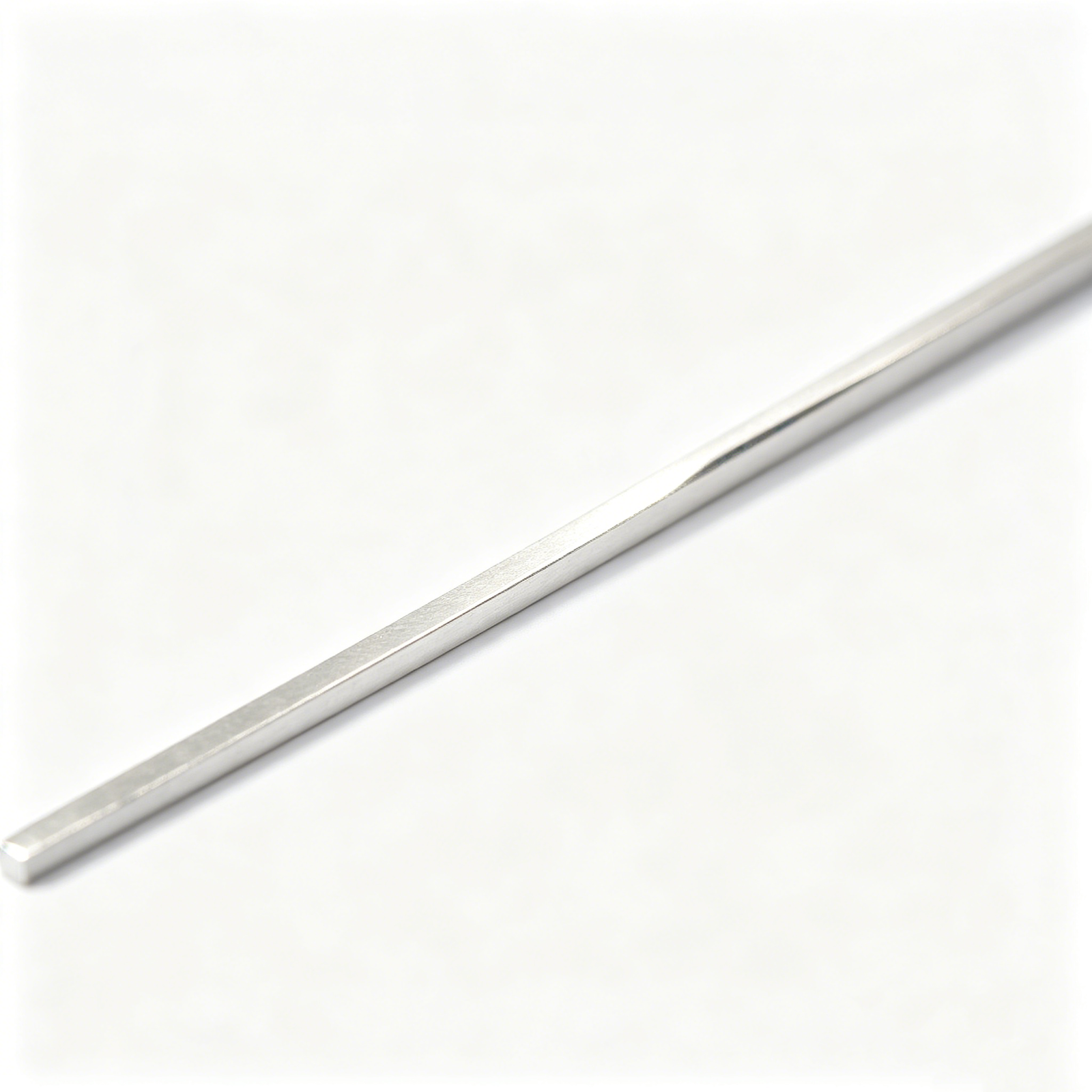
EDM Processing
Wire and sinker EDM may be considered where material conductivity, feature geometry, and tolerancing permit. Electrode strategy, wire path, recast-layer considerations, and finishing requirements should be reviewed during DFM.

Precision Grinding
Precision grinding supports controlled surfaces, grinding stock removal, and critical dimensional finishing when the material and heat-treatment sequence are defined. The plan should establish datums, surface requirements, and inspection method in advance.
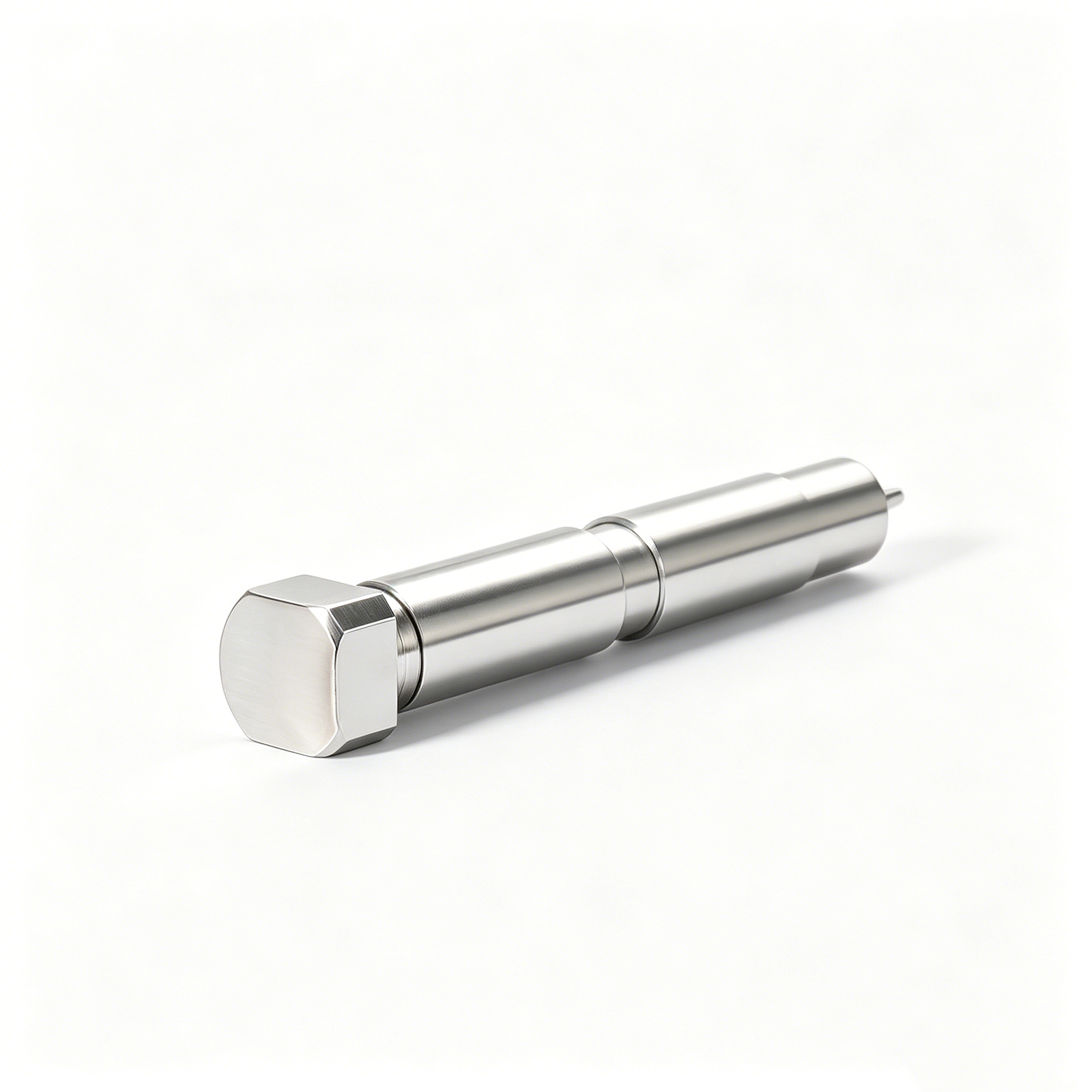
Fitting and Inspection
Fitting and inspection verify functional relationships, critical dimensions, and order-specific quality requirements. Measurement planning follows the agreed drawing revision, datum scheme, reporting needs, and traceability expectations before delivery.
Technical Ceramics and Carbides Tooling Hardware

Guide Elements
Guide pins, bushes, and locating features support repeatable alignment between mold or die halves. Define fit class, datum relationship, lubrication requirements, and wear expectations during drawing review.

Core Pins
Core pins can form fine features, internal profiles, or localized geometry in tooling. Material, heat treatment, support length, runout, and grinding requirements should be confirmed before process planning.

Precision Inserts
Core and cavity inserts localize critical geometry, simplify serviceability, and support controlled fitting. Provide the mating condition, shrink or wear considerations, surface requirement, and inspection dimensions with the RFQ.
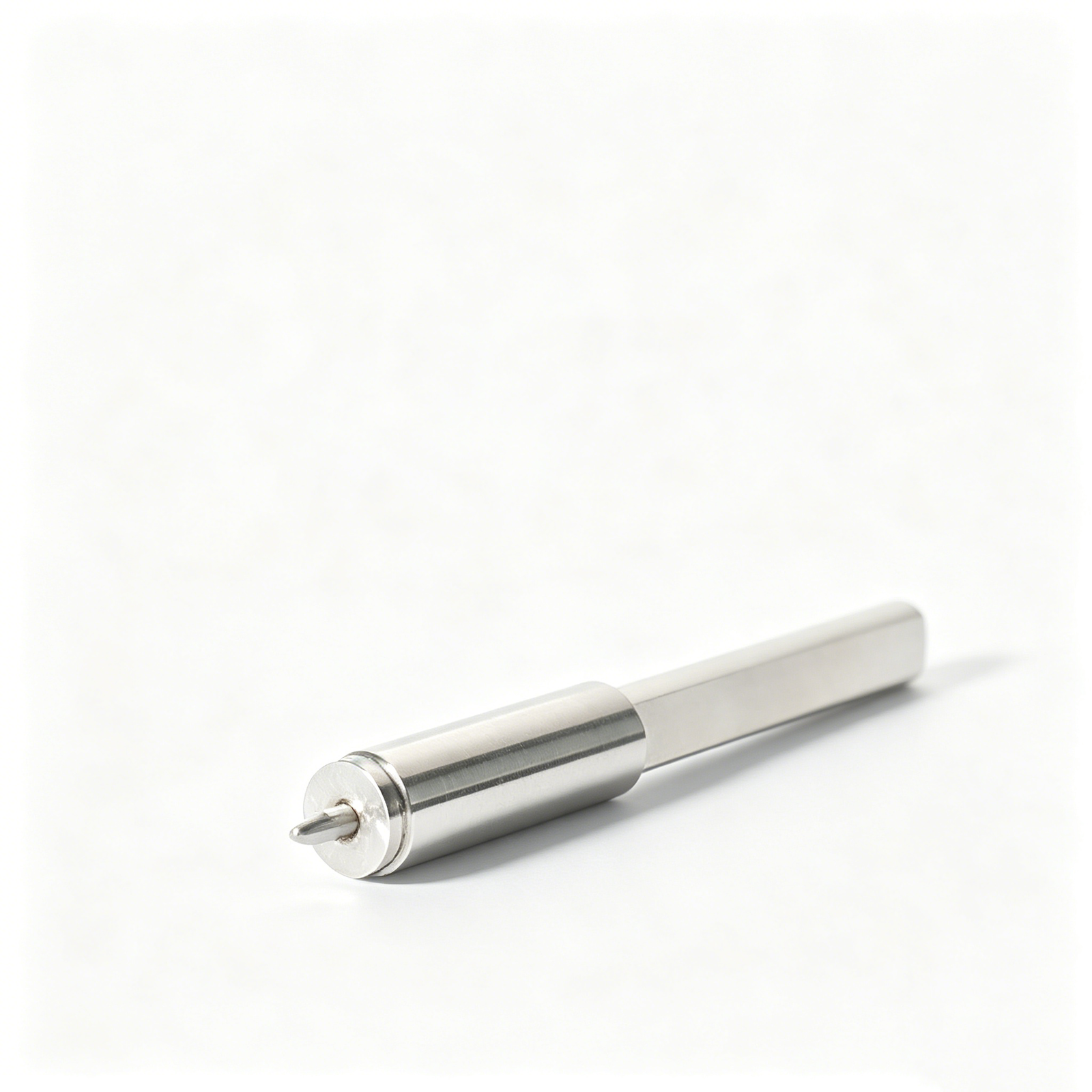
Gate Components
Gate-related components guide material flow into molded parts and require careful attention to profile, finish, alignment, and surrounding interfaces. SUUXIANG reviews machining access and EDM needs against the approved design.

Locating Hardware
Keys, dowels, stops, and related locating hardware establish repeatable assembly positions. Clear datum references, assembly stack-up, hole specifications, and interchangeability expectations help define an inspectable manufacturing route.
About SUUXIANG Precision Manufacturing
SUUXIANG is the sole public-facing brand of Dongguan SuuXiang Precision Mold Co., Ltd., established in 2010 and based on the 2nd Floor of Sanhe Industrial Park in Chang’an Town, Dongguan, Guangdong, China. XiaoCheng Huang is the founder and legal representative. We help international engineering, sourcing and quality teams convert drawings, 3D models and specifications into inspected precision components through disciplined project coordination.
Our work brings CNC milling and turning, multi-axis machining, EDM, precision grinding, fitting and inspection into a controlled route selected for the part. For technical ceramics and carbides, the drawing review must clarify critical dimensions, datums, surface requirements, machining access and inspection expectations before production commitments are made.
What distinguishes SUUXIANG is a drawing-led workflow rather than a generic catalogue promise. DFM discussion, revision control, process planning and inspection documentation keep manufacturing decisions visible from RFQ through delivery, supporting custom CNC parts, mold components, connector tooling and die components within verified project scope.

Technical Ceramics and Carbides: Drawing-Based Precision Planning
DFM Before Commitment
SUUXIANG reviews the drawing, 3D model, material requirement, quantity, and application context before confirming a route for technical ceramics and carbides work. The discussion identifies manufacturability risks early, so critical requirements can be clarified before quotation and production planning.
- Identify critical-to-quality dimensions and functional surfaces
- Review datums, tolerance stacks, and machining access
- Confirm material, heat-treatment, and surface requirements
- Flag missing inputs that affect process selection
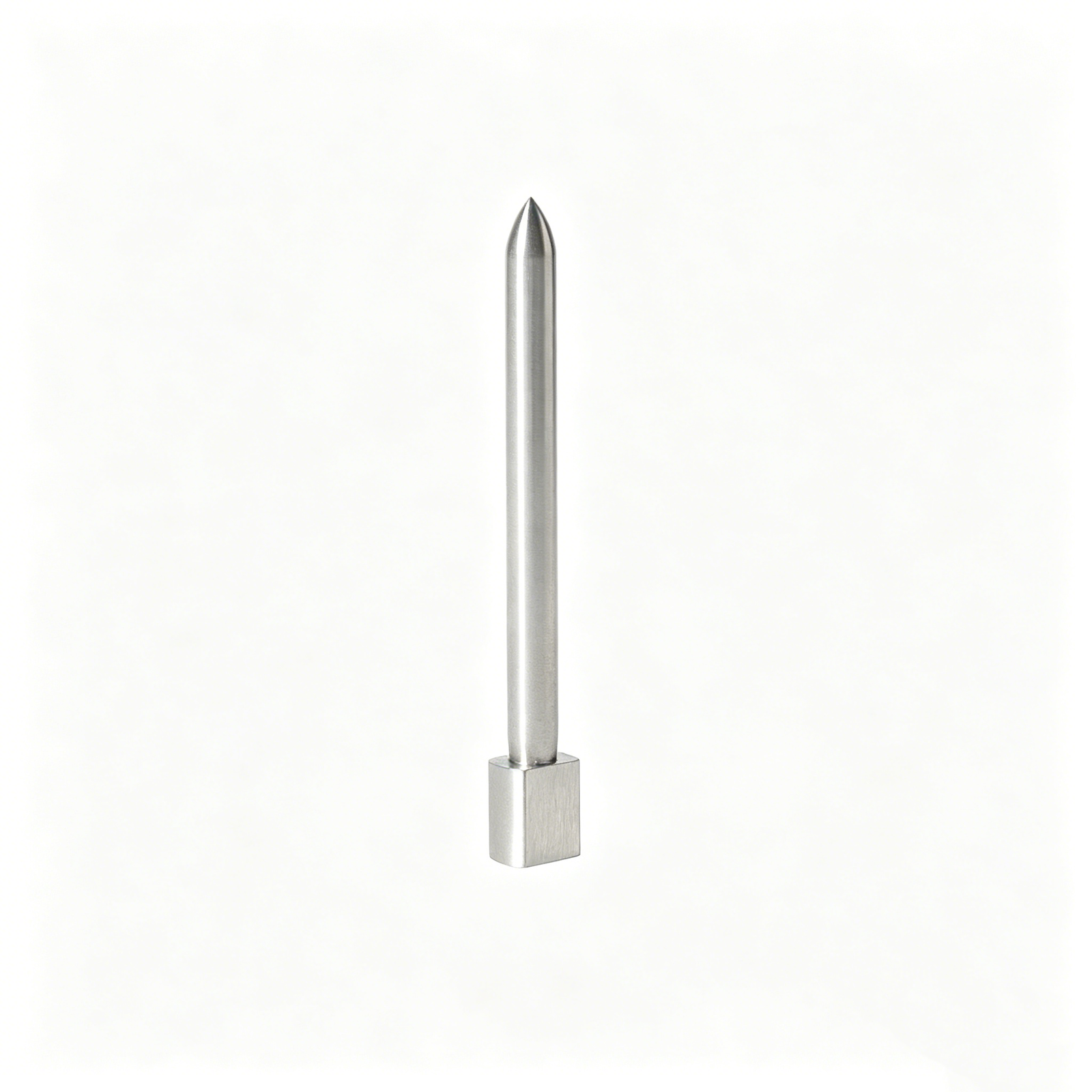
CNC Access and Sequence
CNC milling, turning, multi-axis work, Swiss machining, and micro machining are selected according to feature geometry, part handling, and inspection needs. Process sequencing considers which dimensions must be established first and where later operations could influence finished relationships.
- Plan setups around functional datums
- Assess tool reach, wall conditions, and feature geometry
- Reserve stock where later finishing requires it
- Match the process route to drawing-defined priorities
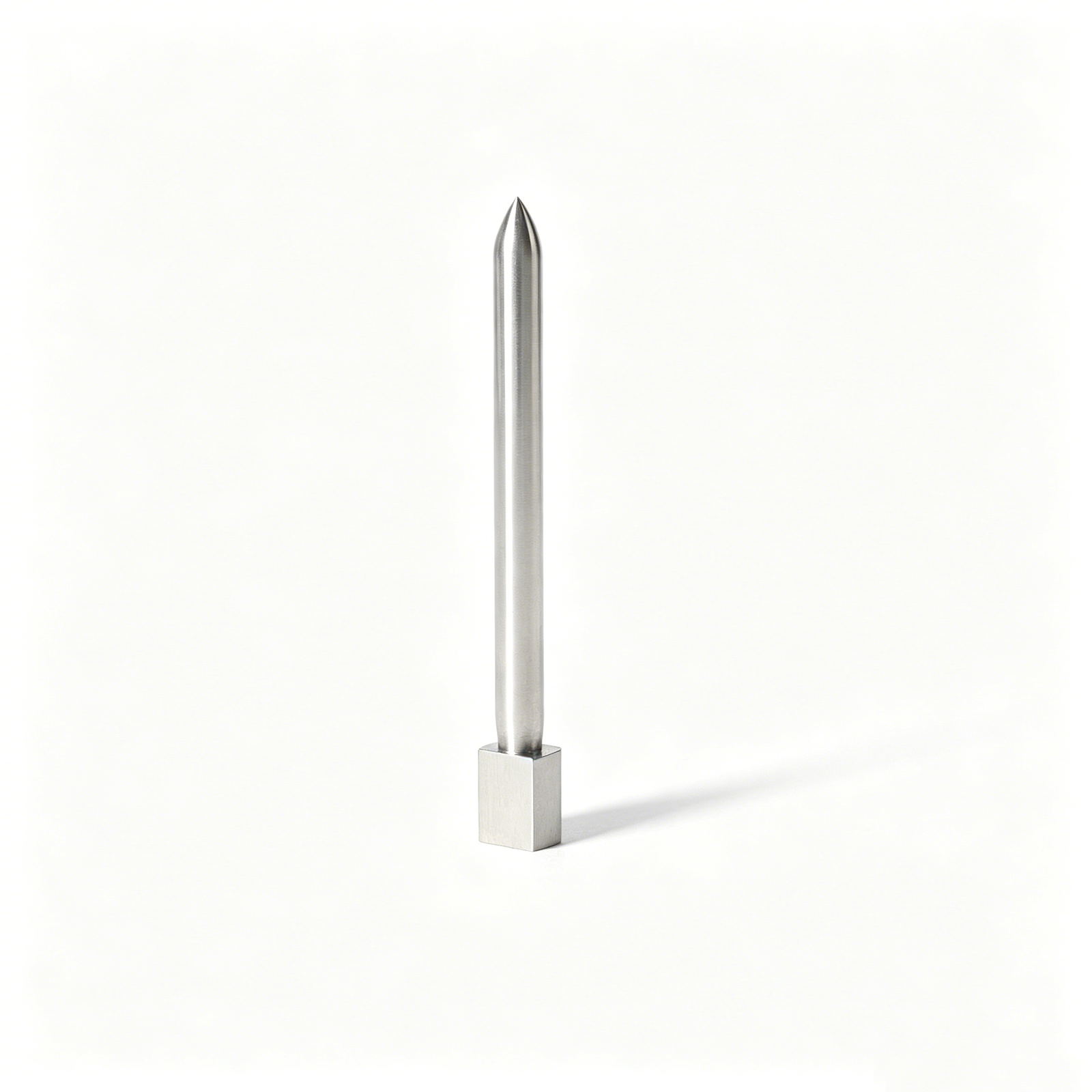
EDM and Grinding Strategy
When geometry or finish requirements call for EDM and grinding, SUUXIANG plans wire paths, electrode strategy, grinding stock, and operation order alongside CNC work. This is particularly important where sharp internal features, hardened conditions, or tightly related surfaces require controlled finishing.
- Evaluate wire-EDM access and start-hole needs
- Define electrode requirements for sinker EDM features
- Protect grinding allowance through prior operations
- Review finish sequence against critical dimensions

Inspection and Revision Control
Inspection planning follows the approved drawing and identified critical dimensions rather than a generic checklist. SUUXIANG keeps revision, delivery, and reporting expectations visible through the project, helping engineering, sourcing, and quality teams align final documentation with the verified inspection plan.
- Align inspection methods with critical features
- Confirm reporting and documentation requirements
- Maintain visible drawing revision control
- Coordinate delivery against agreed project information

What to Compare in a Technical Ceramics and Carbides Supplier Review
For technical ceramics and carbides, production planning should begin with drawing comprehension, critical dimensions, and inspection expectations—not a price-only quote.
← Swipe left or right to view →
Technical Ceramics and Carbides Production Workflow
A controlled project path that aligns drawing review, process planning, precision machining, inspection, and delivery coordination before production commitments are made.
Review RFQ and Drawings
Review 2D drawings, 3D models, quantities, application context, material requirements, critical dimensions, surface priorities, delivery targets, and requested inspection documentation.
Plan Material and Process
Confirm feasible material and heat-treatment requirements, datum strategy, machining access, EDM needs, grinding allowance, and inspection approach before quotation or production scheduling.
Machine Critical Features
Apply the planned CNC milling, turning, multi-axis machining, wire EDM, or sinker EDM route to create accessible features and controlled functional geometry.
Grind and Fit Components
Use precision grinding and fitting where the approved process requires controlled stock removal, mating relationships, surface condition, or final functional adjustment.
Inspect Against Requirements
Inspect agreed critical dimensions and relevant features against the drawing, revision level, and verified inspection plan, maintaining traceable project communication throughout review.
Pack and Coordinate Delivery
Match final documentation to the order and inspection plan, prepare parts for shipment, and keep delivery coordination visible for the customer team.
How to Source Technical Ceramics and Carbides
Share the technical inputs early so SUUXIANG can review manufacturability, align inspection expectations, and coordinate a controlled path from quotation through delivery.
Submit Your Technical Package
Provide the 2D drawing, available 3D model, material specification, quantity, application context, quality requirements, and target delivery date for an informed initial review.
Review DFM Requirements
Align critical dimensions, datums, surface requirements, tool access, machining allowances, inspection methods, and any material or heat-treatment considerations before commitments are made.
Confirm Quote or Sample
Review the proposed process route, commercial quotation, revision status, and sampling requirements so scope, documentation, and acceptance criteria are understood before production begins.
Approve Production Documentation
Production proceeds through the agreed machining, EDM, grinding, fitting, and inspection plan, with final documentation matched to the order and verified inspection requirements.
Certification and Quality Documentation
Technical Ceramics and Carbides Project Feedback
“The drawing review identified a datum conflict before release. The revised inspection plan gave our supplier-quality team a clear basis for acceptance and kept the component revision aligned through delivery.”
“For a carbide wear-component inquiry, the process discussion clarified where EDM, grinding stock, and final inspection were needed. That helped our engineering team make a manufacturability decision before committing the design.”
“SUUXIANG asked for the 2D drawing, material condition, critical dimensions, and mating-part context early. The resulting revision trail made it easier for our program team to coordinate technical questions and incoming inspection.”
Technical Ceramics and Carbides FAQ
Practical answers for teams preparing drawing-based inquiries, feasibility reviews, and inspection requirements.
What drawing information do you need for technical ceramics and carbides?
Can SUUXIANG review technical ceramics and carbides before quoting?
What is the MOQ for technical ceramics and carbides components?
How long do samples and production parts take?
How is material verification handled for technical ceramics and carbides?
Can I request inspection reports with my order?
Do you ship internationally, and what should I include in the RFQ?
How does SUUXIANG protect drawings and revision-controlled files?
Complete Buyer’s Guide to technical ceramics and carbides
Use this decision framework to match materials and manufacturing routes to demanding applications, assess supplier capability and quality controls, compare cost drivers, and avoid specification, sourcing, and validation mistakes before production.
1. What Are technical ceramics and carbides?
Technical ceramics are engineered inorganic solids—often oxide, nitride, or carbide systems—selected for defined mechanical, thermal, electrical, chemical, or wear demands rather than decorative use. Their high-purity compositions and strong ionic/covalent bonding distinguish them from conventional ceramics; background: https://precision-ceramics.com/about-technical-ceramics
Tungsten carbide and other carbides are commonly considered alongside advanced ceramics because they provide exceptional hardness and wear resistance, while metals generally offer greater ductility and tolerance of impact. The tradeoff is brittleness: sharp corners, unsupported thin sections, impact loads, thermal gradients, and assembly stresses require deliberate design control.
SUUXIANG evaluates drawing-based applications such as wear inserts, mold and connector-tooling components, locating features, and OEM parts by their critical dimensions, datum scheme, mating condition, finishing route, and inspection requirement. Material selection should follow the service environment and feasible manufacturing route, not a generic ‘ceramic’ label.
2. Evolution of technical ceramics and carbides
Ancient kiln-fired ceramics established the basic sequence still recognizable today: powder selection, shaping, firing and finishing. Industrial powder processing later made particle size, purity, binder content and sintering atmosphere controllable variables rather than incidental ones.
1923 marked the early commercialization of cemented tungsten-carbide tooling, combining hard carbide grains with a metallic binder for demanding cutting and wear duties. In parallel, high-purity oxide systems such as alumina and zirconia, and non-oxide systems including silicon carbide and silicon nitride, expanded material selection around heat, wear, electrical and chemical requirements.
1970s SiAlON development illustrates the comparatively recent evolution of silicon-nitride engineering ceramics; see https://www.syalons.com/2019/10/29/guide-to-technical-ceramics. Modern diamond grinding, lapping and metrology then made tighter finished dimensions practical, but brittle materials still require datum planning, stock allowance and inspection methods matched to the application.
3. Types of technical ceramics and carbides
Four families guide early material screening: oxide ceramics, non-oxide ceramics, cemented carbides, and ceramic composites. Grade selection still requires review of load, temperature, media, tolerances, and mating conditions.
Alumina
Alumina offers electrical insulation, hardness, and wear resistance for insulators, guides, and fixtures. Its brittleness limits impact-loaded designs. https://www.ceramaterials.com/technical-ceramics
Zirconia
Zirconia provides comparatively high fracture toughness for forming, wear, and handling components. Thermal expansion and grade-dependent aging require application review.
Silicon Carbide
Silicon carbide combines hardness, thermal conductivity, and chemical resistance for seals, nozzles, and high-temperature wear parts. Brittle geometry and joining details need review.
Silicon Nitride
Silicon nitride offers thermal-shock resistance and strength for bearings, rollers, and metal-forming tooling. Surface finish, grain structure, and contact stress remain critical.
Tungsten Carbide
Tungsten carbide is a cemented carbide chosen for high compressive wear resistance in punches, dies, and cutting components. Binder grade affects toughness, corrosion behavior, and EDM response.
Selected Specialty Grades
Aluminum nitride, boron nitride, zirconia-toughened alumina, and sialon address thermal, electrical, or wear-specific needs. OEM selection should confirm environment, loads, inspection datums, and manufacturable geometry.
4. Materials in technical ceramics and carbides
Material selection should start with the load case, mating material, environment, and electrical function—not a generic hardness ranking. Use supplier-specific test data for the final grade because processing changes properties within the same nominal material.
| Material | Primary Strength | Key Limitation | Electrical Behavior | Cost Tendency |
|---|---|---|---|---|
| Alumina | Wear, insulation | Thermal shock | Insulating | Low–medium |
| Zirconia | Toughness | Lower temperature margin | Insulating | Medium–high |
| Silicon carbide | Heat, corrosion, wear | Brittle; difficult finishing | Semiconductive | Medium–high |
| Silicon nitride | Thermal shock, toughness | Grade-dependent corrosion | Insulating | High |
| Tungsten carbide | Hardness, wear | High density; binder-sensitive corrosion | Conductive | Medium–high |
Shortlist By Service Risk
Alumina is commonly considered for electrical insulation and wear; zirconia favors higher fracture tolerance; silicon carbide suits heat and chemical exposure; tungsten carbide favors concentrated abrasive wear. Confirm the application temperature, thermal cycling rate, media chemistry, and whether conductivity is required.
Specify The Microstructure
Purity, grain size, binder content, residual porosity, and pressureless, hot-pressed, or HIP densification routes can shift strength, toughness, conductivity, and finishing response. Put the required grade, density target, allowable pores, test method, and critical surface condition on the drawing or specification.
5. Customization Options for Technical Ceramic Parts
2D drawings and 3D models should define the functional geometry, datums, mating features, and critical dimensions before a process route is selected. For technical ceramics and carbides, customization is governed by the material’s forming and finishing sequence, not cosmetic options.
Geometry, Holes, And Slots
Green machining can form many contours, holes, slots, and lightening features before sintering, but thin walls and abrupt section changes require review. Sintering shrinkage must be modeled in the forming allowance; post-sinter features may require diamond grinding or EDM where the material and geometry permit.
Tolerances And Functional Surfaces
Critical diameters, flatness, parallelism, and datum relationships should be identified separately from general tolerances. Diamond grinding can establish functional surfaces after sintering, while surface-finish requirements, grinding stock, tool access, and the inspection method belong on the drawing or RFQ.
Edges, Interfaces, And Identification
Specified edge breaks, radii, and chamfers reduce chipping risk at handling and assembly interfaces. Metallization, bonded assemblies, laser marking, and serialized traceability need material-compatible process review, with marking location kept away from critical sealing, wear, or electrical surfaces.
6. Quality Elements for Ceramic and Carbide Components
Two documents should govern acceptance: the drawing and a quality specification. A drawing defines geometry, but it rarely defines lot identity, defect limits, test coverage, or reporting.
Material Lot Definition
One material certificate should identify grade, manufacturer, lot or heat, and any sintering or binder information available. Density, microstructure, and hardness requirements need stated test methods and sampling rules before release.
- Grade and composition designation
- Lot traceability record
- Density or porosity limit
Geometric And Surface Acceptance
100% inspection is appropriate only for dimensions designated critical-to-quality; specify datum scheme, tolerance, flatness, concentricity, and measurement method. Surface requirements should define roughness, allowed edge-chip size, protected edges, and inspection magnification where relevant.
- CTQ dimensions and datums
- Flatness and concentricity method
- Edge-chip acceptance limit
Crack Detection And Records
Each finished lot needs an agreed visual-inspection condition and a defined response to suspected cracks, chips, or grinding damage. Final records should link part revision, lot, inspection results, nonconformance disposition, and shipment quantity.
- Inspection sampling plan
- Crack-detection method
- Revision-controlled report
7. How to Choose a Technical Ceramics Manufacturer
A supplier for technical ceramics and carbides should be evaluated against the drawing, not a generic material list. Compare evidence for each process handoff, inspection requirement, and approved change.
DFM And Process Ownership
A 2D drawing and 3D model should trigger documented DFM feedback on datums, fragile features, grinding stock, and achievable inspection access.
Ask which operations are performed in-house, which are subcontracted, and who owns material traceability and final acceptance.
- Request the proposed process route.
- Identify grinding and lapping responsibility.
- Confirm material certificate availability.
Validation And Measurement
A first-article sample should be measured to an agreed inspection plan before release of a low-volume or production order.
Ask for measurement-method evidence, gauge capability for critical features, nonconformance handling, and the quality-system records applicable to the order.
- Define critical-to-quality dimensions.
- Approve sample acceptance criteria.
- Specify required inspection reports.
Control Delivery Risk
A controlled revision record should link the released drawing, sample status, process changes, and packing instructions.
Ask for realistic lead-time assumptions, change-notification timing, protective packaging for brittle parts, shipment documentation, and one accountable project contact.
- Confirm revision authority.
- Review packaging method.
- Agree delivery milestones.
8. Common Technical Ceramics Sourcing Mistakes
Two drawing-review errors recur in technical ceramics and carbides: treating hardness as the selection criterion and transferring ductile-metal assumptions. Release only after the material, geometry, process route, and acceptance evidence agree.
Specify Fracture And Service Risks
Ceramics can fail from tensile stress, impact, thermal gradients, or stress concentrators despite high hardness. Ask for load direction, mating materials, temperature range, media, and edge-condition notes before material release.
Design For Sintering And Grinding
A 0.01 mm metal-style tolerance may be inappropriate when sintering variation, grinding stock, and fixture access govern the route. Require a marked drawing identifying critical dimensions, datums, allowable stock, and post-sinter grinding surfaces.
Validate Inspection And Samples
A first-off sample can mislead when it uses different tooling, lot conditions, or inspection methods than production. Approve a control plan defining measurement method, sampling, records, material traceability, and production-representative validation quantity.
9. Launching a Ceramic or Carbide Part Program
A controlled launch converts an application risk into a documented sequence of decisions. For technical ceramics and carbides, begin before quotation with the service environment and the acceptance plan.
Define The Application Brief
1 complete brief identifies the drawing revision, annual and pilot volumes, mating parts, operating media, load direction, temperature range, and failure concern.
2D drawings should flag CTQ dimensions, datums, surface requirements, and allowable inspection methods; provide a 3D model when available.
Review Material And DFM
1 drawing review should compare material behavior with geometry, edge conditions, section changes, tolerances, and assembly interfaces.
DFM feedback should resolve machining access, grinding stock, datum transfer, and inspection feasibility before a controlled quotation is issued.
Prove Then Release
3 release gates reduce iteration: prototype, first-article inspection, and functional testing against agreed criteria.
1 pilot lot should confirm repeatability, documentation, packaging, and delivery controls before production release. SUUXIANG should align final records to the approved drawing revision and verified inspection plan.
10. Technical Ceramics and Carbides Pricing
3 quantity bands help buyers plan an RFQ before a supplier completes drawing review. SUUXIANG does not publish fixed prices for technical ceramics and carbides; each part requires a project-specific quotation.
8 cost drivers must be defined: material grade, geometry, tolerance, finish, tooling, inspection, order volume, and logistics. Thin sections, tight positional tolerances, post-sinter grinding, EDM features, and special reports can change both cost and lead time.
2 repeat-production levers usually matter most: stabilize the drawing and datum scheme, then consolidate demand into planned releases. Where function permits, relaxing noncritical tolerances, standardizing material stock, and reducing inspection intensity can lower recurring cost.
| Planning quantity | Pricing status | Typical planning lead-time band |
|---|---|---|
| 1–5 pieces | Drawing-based quotation | Prototype route: confirm after DFM |
| 6–50 pieces | Drawing-based quotation | Low-volume route: confirm after process review |
| 51+ pieces | Volume quotation; tooling and release schedule reviewed | Repeat route: confirm after capacity and logistics review |
Submit Your Technical Ceramics and Carbides Drawing
Include material, quantity, critical dimensions, inspection requirements, and target delivery date for a disciplined drawing and DFM review.