
PVD Coating Support for Precision Parts
Submit your drawing for a technical review of PVD coating-related CNC parts, mold components, and tooling requirements.
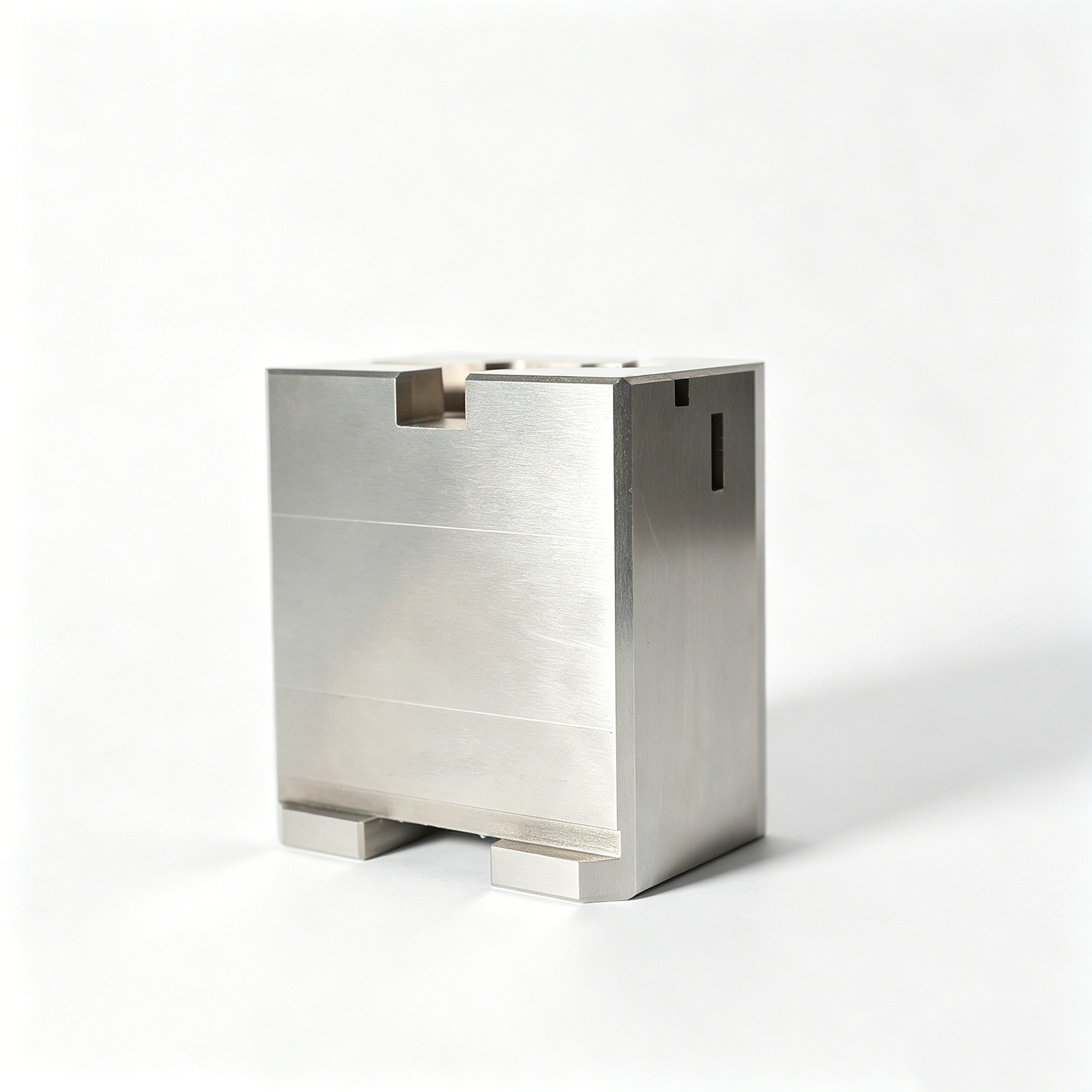
Featured Components for PVD Coating Projects




Related Components and RFQ Support





Why Engineering Teams Choose SUUXIANG for PVD Coating Parts
Structured drawing review and controlled precision manufacturing for components requiring PVD coating-ready surfaces and documented quality expectations.
Drawing-Led DFM Review
Review critical dimensions, datums, machining access, surface requirements, and coating-related considerations before quotation or production commitments.
Integrated Process Planning
Coordinate CNC machining, EDM, grinding, fitting, and inspection routes around geometry, material condition, and functional requirements.
Critical Dimension Focus
Identify CTQ features, tolerance stacks, grinding stock, and measurement methods so inspection planning follows the drawing’s functional intent.
Revision Visibility
Keep drawing revisions, production questions, and delivery information visible to support disciplined decisions throughout the manufacturing workflow.
Traceable Communication
Align material, heat treatment, quantity, surface priorities, inspection reporting, and delivery requirements with the approved order documentation.
PVD-Ready Part Discussion
Assess substrate condition, surface finish, edge requirements, and handling needs before sending components to a qualified PVD coating provider.
PVD-Related Component Families
Drawing-driven machining, tooling, finishing coordination, and inspection for components whose fit, surface condition, and post-coating dimensions require defined control.
CNC Machining Services
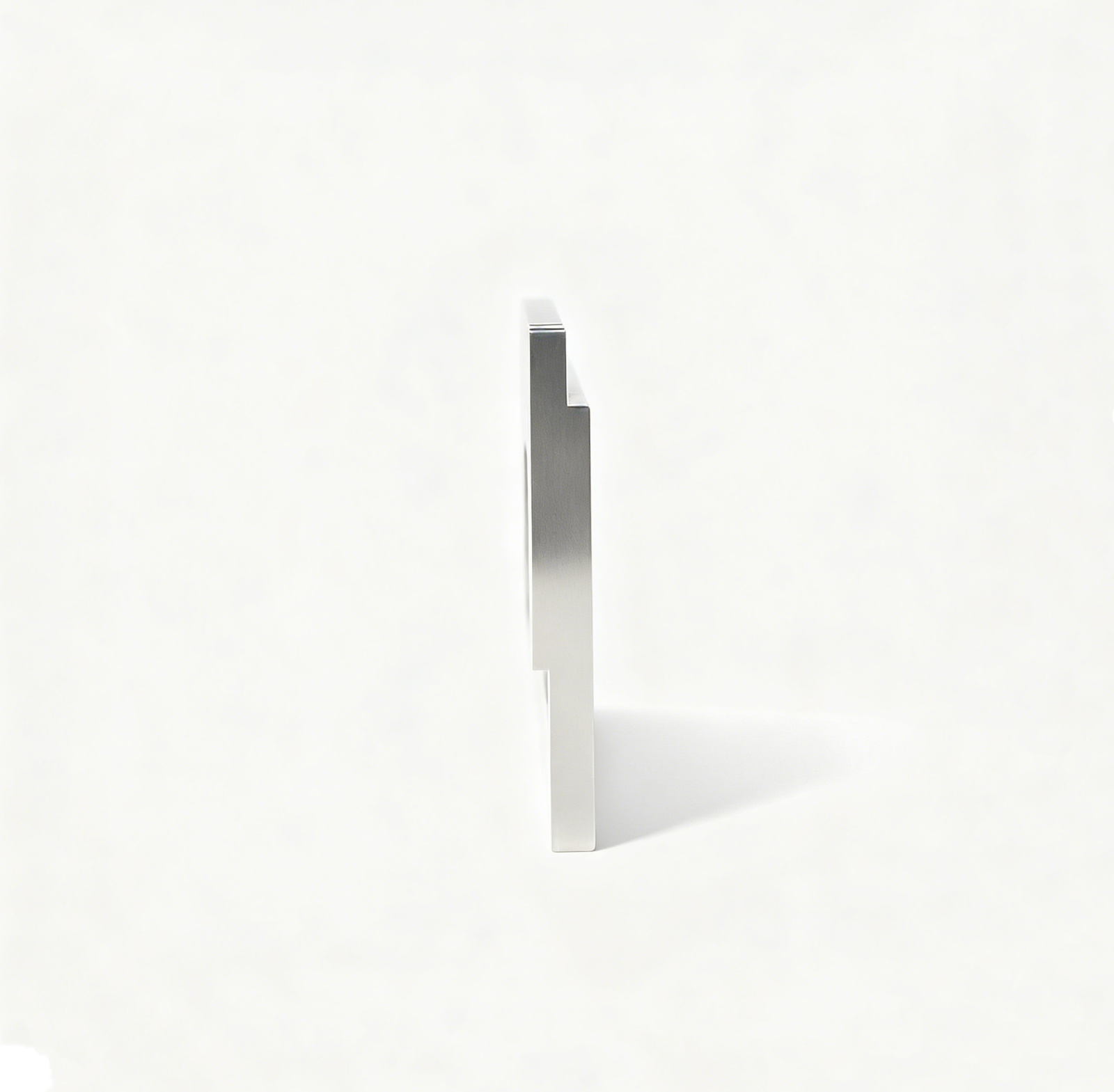
Precision CNC machining services for custom parts used in PVD-related fixtures, tooling, mold systems, and production equipment. Drawings are reviewed for critical dimensions, datum strategy, material condition, accessible features, and any dimensional change or masking requirement associated with coating.
Upload a Drawing
CNC Milling
Custom CNC milling services for plates, inserts, fixture elements, cavities, and prismatic components. Process planning considers tool access, corner geometry, clamping surfaces, machining allowances, and surfaces that must retain defined dimensions after PVD coating.
Upload a Drawing
CNC Turning
Precision CNC turning services for rotational parts such as shafts, pins, bushings, sleeves, and locating features. Quote review should identify diameters, concentricity, surface requirements, thread protection, and whether final dimensions apply before or after coating.
Upload a Drawing
5-Axis Machining
5-axis CNC machining supports complex geometries where multiple faces, angled features, or contoured surfaces benefit from fewer setups. Feasibility depends on tool reach, workholding, material condition, critical datums, and the surfaces affected by later coating.
Upload a Drawing
Swiss & Micro Machining
Swiss machining and micro machining support small, slender, and detailed components such as micro pins, terminals, precision sleeves, and miniature locating parts. Drawing review addresses feature stability, material behavior, burr control, inspection access, and coating-related dimensional priorities.
Upload a Drawing
Wire & Sinker EDM
Wire EDM and sinker EDM services support hardened features, narrow slots, internal profiles, sharp geometry, and difficult-to-machine mold details. Electrode strategy, wire path, EDM allowance, surface condition, and any post-EDM finishing or coating sequence are defined during review.
Upload a Drawing
Precision Grinding
Precision surface and profile grinding supports controlled flatness, parallelism, thickness, profiles, and fitting surfaces. Grinding stock and heat-treatment sequence must be planned so final dimensions, surface requirements, and PVD coating allowance remain traceable.
Upload a Drawing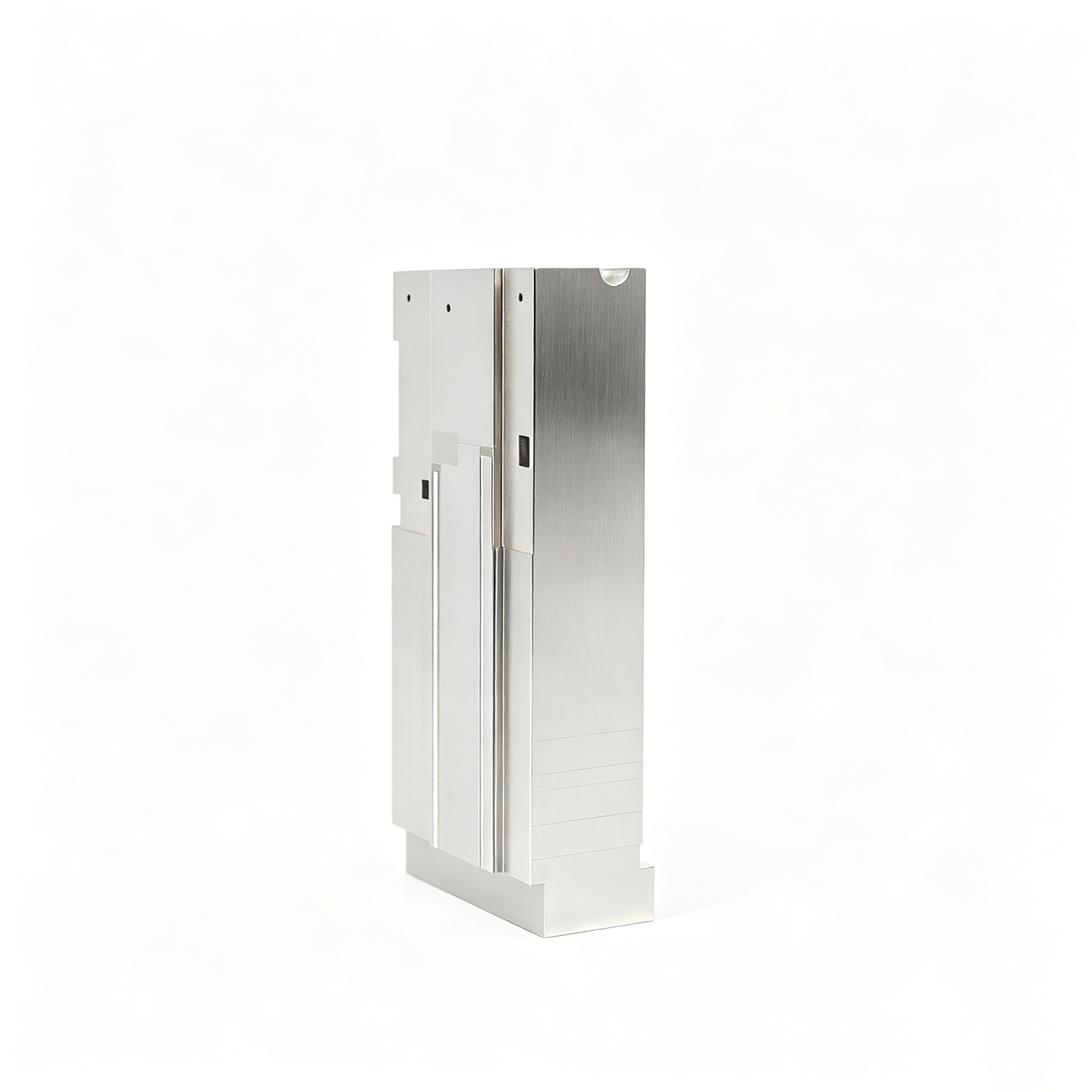
Mold Core & Cavity Inserts
Precision mold core and cavity inserts are configurable from customer drawings for injection-mold and related tooling applications. Manufacturing planning considers material, heat treatment, cavity detail, EDM requirements, polishing or texture interfaces, cooling features, and critical fit surfaces.
Upload a Drawing
Ejector & Ejection Components
Ejector pins, sleeves, and ejection components are produced to drawing-defined dimensions and functional interfaces. Review covers running clearances, hardness and finish requirements, mating relationships, lubrication considerations, and whether coating changes must be accommodated.
Upload a Drawing
Core Pins, Guide & Locating Components
Core pins, guide pins, and locating components are configured around the mold’s datum and mating strategy. Critical considerations include diameter control, straightness, engagement length, wear surfaces, heat treatment, and the effect of coating thickness on fit.
Upload a Drawing
Slides, Lifters, Gates & Mold Accessories
Mold slides, lifters, gates, and accessories are supplied as drawing-based tooling components rather than catalog assumptions. Process review addresses travel and fitting interfaces, wear zones, tool access, heat treatment, EDM features, and surfaces requiring controlled post-coating clearance.
Upload a Drawing
Connector Mold Components
Precision connector mold components support tooling for connector housings, terminals, and related molded features. Customers should identify pitch-critical geometry, pin and cavity relationships, material or hardness requirements, EDM details, inspection needs, and revision-controlled mating context.
Upload a Drawing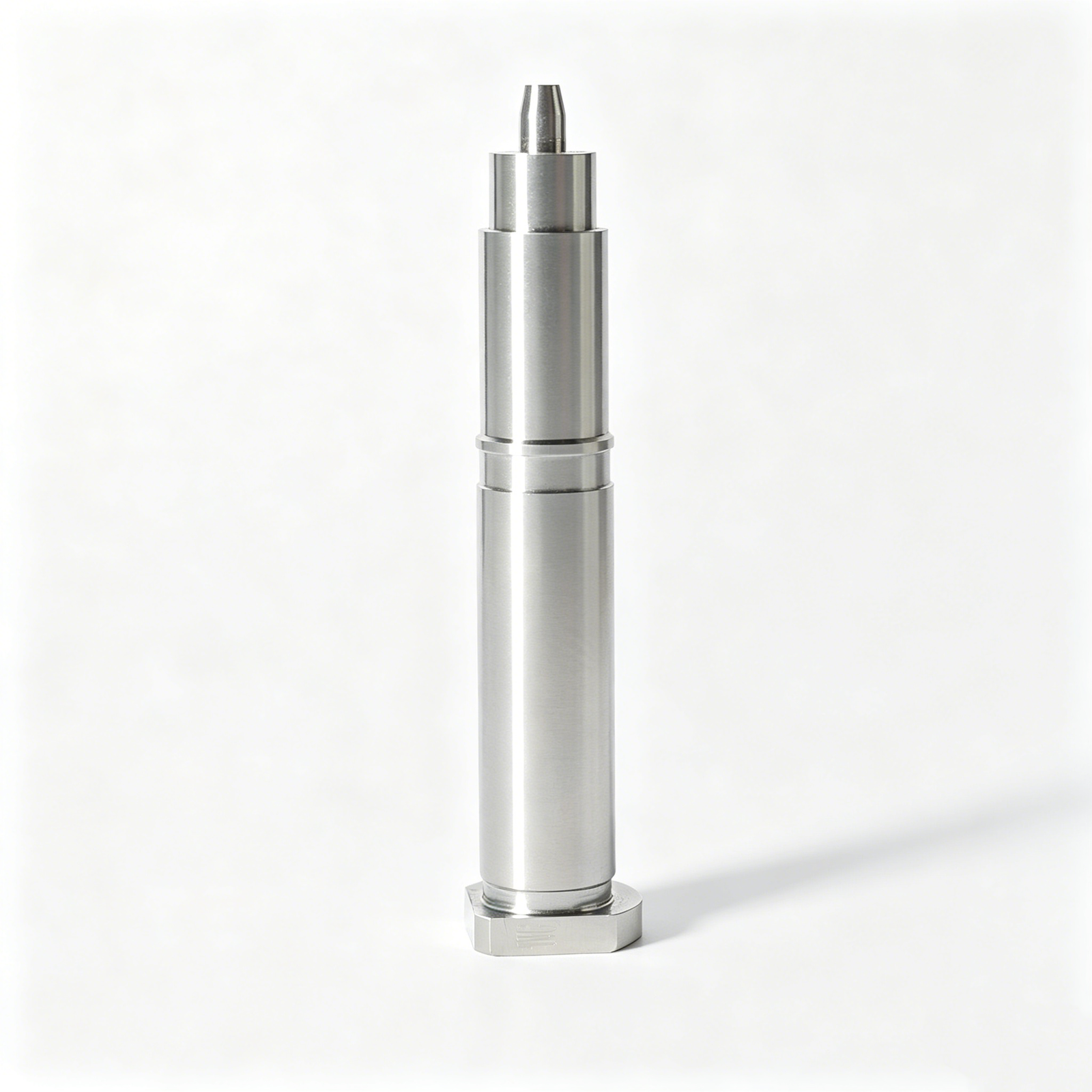
Stamping Die Components
Precision stamping die components include drawing-driven punches, dies, inserts, guides, wear parts, and forming elements. Review focuses on strip or part geometry, cutting edges, clearance relationships, material condition, heat treatment, grinding sequence, and coating requirements.
Upload a Drawing
Injection, MIM, CIM & Overmolding Tooling
Injection, MIM, CIM, and overmolding tooling components are evaluated within verified production scope. Drawings and application context help define cavity or core geometry, material and thermal requirements, gate interfaces, shrinkage responsibility, surface condition, and inspection expectations.
Upload a Drawing
Machining Materials
CNC machining materials are selected from customer-specified grades and applicable drawing requirements. RFQs should state material standard, condition, heat-treatment status, traceability needs, corrosion or wear environment, and whether PVD coating compatibility influences the material decision.
Upload a Drawing
Surface Finishes & Heat Treatment
Surface finishing and heat treatment are coordinated against drawing requirements and the intended process sequence. Buyers should define finish callouts, hardness or treatment requirements, masking needs, coating interfaces, and whether dimensions are accepted before or after finishing.
Upload a Drawing
Quality, Metrology & Documentation
Precision inspection, metrology, and quality documentation are planned around defined critical characteristics. The required method, datum reference, sampling expectation, report format, material records, revision status, and final acceptance criteria should be agreed before production.
Upload a Drawing
Prototyping & Low-Volume Production
Rapid prototyping and low-volume manufacturing support drawing revisions, functional trials, tooling validation, and controlled bridge quantities. A useful RFQ includes quantity, target date, material, critical dimensions, surface or coating requirements, inspection scope, and current drawing revision.
Upload a DrawingPVD Coating Substrate Materials for Precision Parts

Tool Steels
Common for mold cores, cavity inserts and forming components where hardness and wear performance matter. Machining, EDM and grinding sequence must account for heat treatment, surface condition and coating compatibility before final dimensions are released.

Stainless Steels
Used for corrosion-conscious mold, connector and custom machined components. Grade selection affects machinability, polish response and thermal behavior; provide the required alloy, condition and service environment so the proposed coating route can be reviewed.

Alloy Steels
A practical choice for load-bearing die components, guide elements and structural precision parts. Define the specified grade, hardness range and heat-treatment condition early, since these factors influence machining stock, grinding strategy and PVD coating preparation.

Tungsten Carbide
Selected for high-wear inserts, punches and tooling details requiring exceptional stiffness. Its hard, brittle nature changes grinding and EDM planning, so SUUXIANG reviews geometry, edge condition, joining method and requested coating system from the drawing.

Aluminum Alloys
Often specified for lightweight fixtures, prototype components and non-load-critical tooling features. Alloy grade, temper, surface finish and application temperature should be confirmed during RFQ review to determine whether the part and coating requirements are compatible.
PVD Coating-Ready Manufacturing Processes


Multi-Axis Machining
Multi-axis machining supports complex profiles, angled features and precision interfaces that benefit from fewer setups. The route is selected after reviewing workholding, cutter reach, tolerance relationships and surfaces requiring protection.

Wire EDM
Wire EDM produces intricate through-features, narrow slots and hardened profiles where conventional cutter access is limited. Wire path, start-hole needs, corner conditions and finishing allowance should be defined against the drawing.

Sinker EDM
Sinker EDM forms cavities, fine internal details and difficult-access geometry using planned electrode strategies. Electrode design, spark allowance, surface requirement and subsequent polishing or fitting needs are considered before release.

Precision Grinding
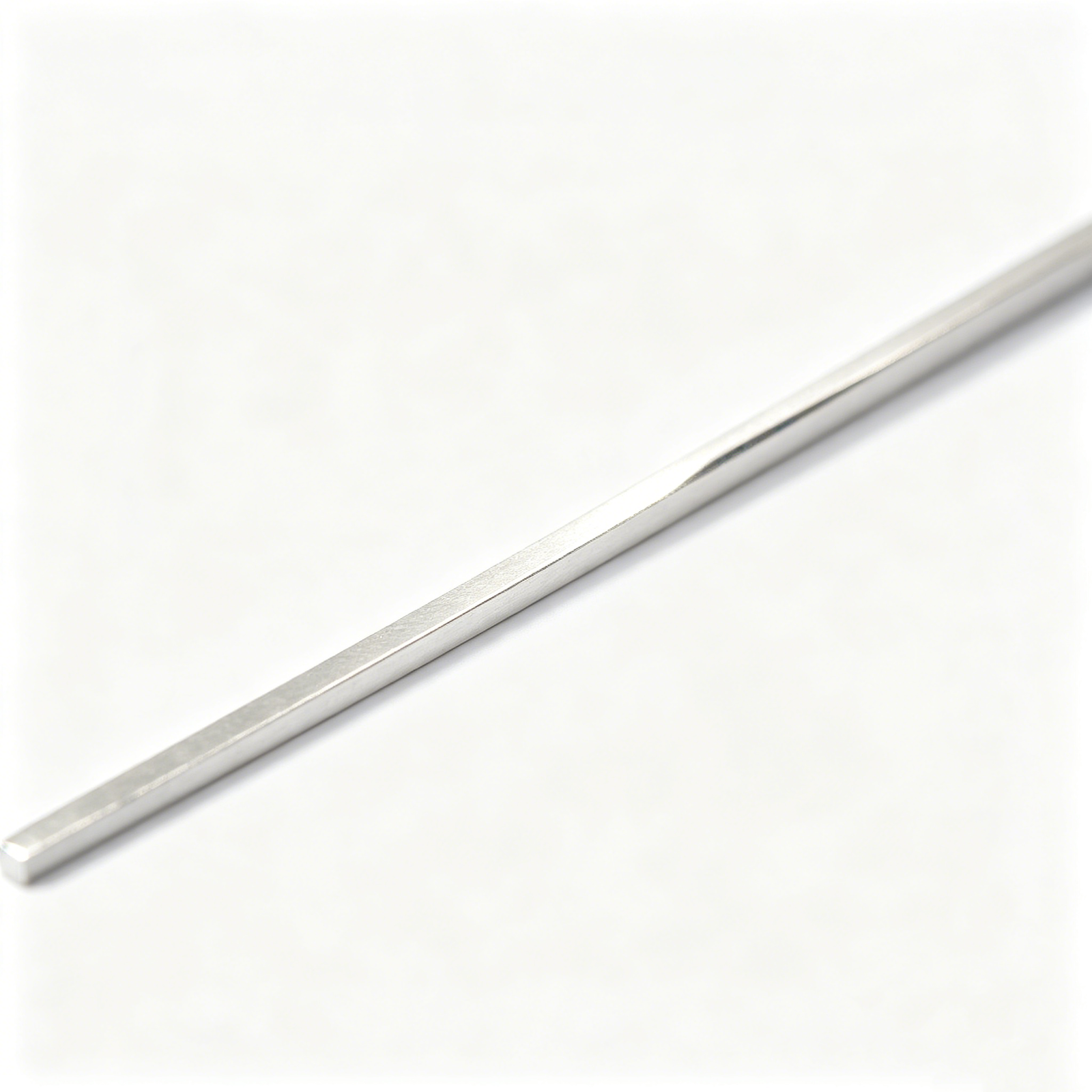
Precision grinding controls critical faces, diameters and datum relationships after machining or heat treatment. Grinding stock, wheel access and inspection method are planned to support stable dimensions and the specified surface condition.
Fitting and Inspection
Fitting verifies functional relationships between mating components, while inspection checks agreed critical dimensions against the order and inspection plan. Revision control, measurement requirements and reporting expectations remain visible throughout project coordination.
PVD Coating-Ready Component Features

Threaded Features
Internal and external threads can be machined for assembly, adjustment, or retention. Identify thread standard, engagement length, masking needs, and post-coating fit requirements so the process route can be reviewed before production.
Locating Features
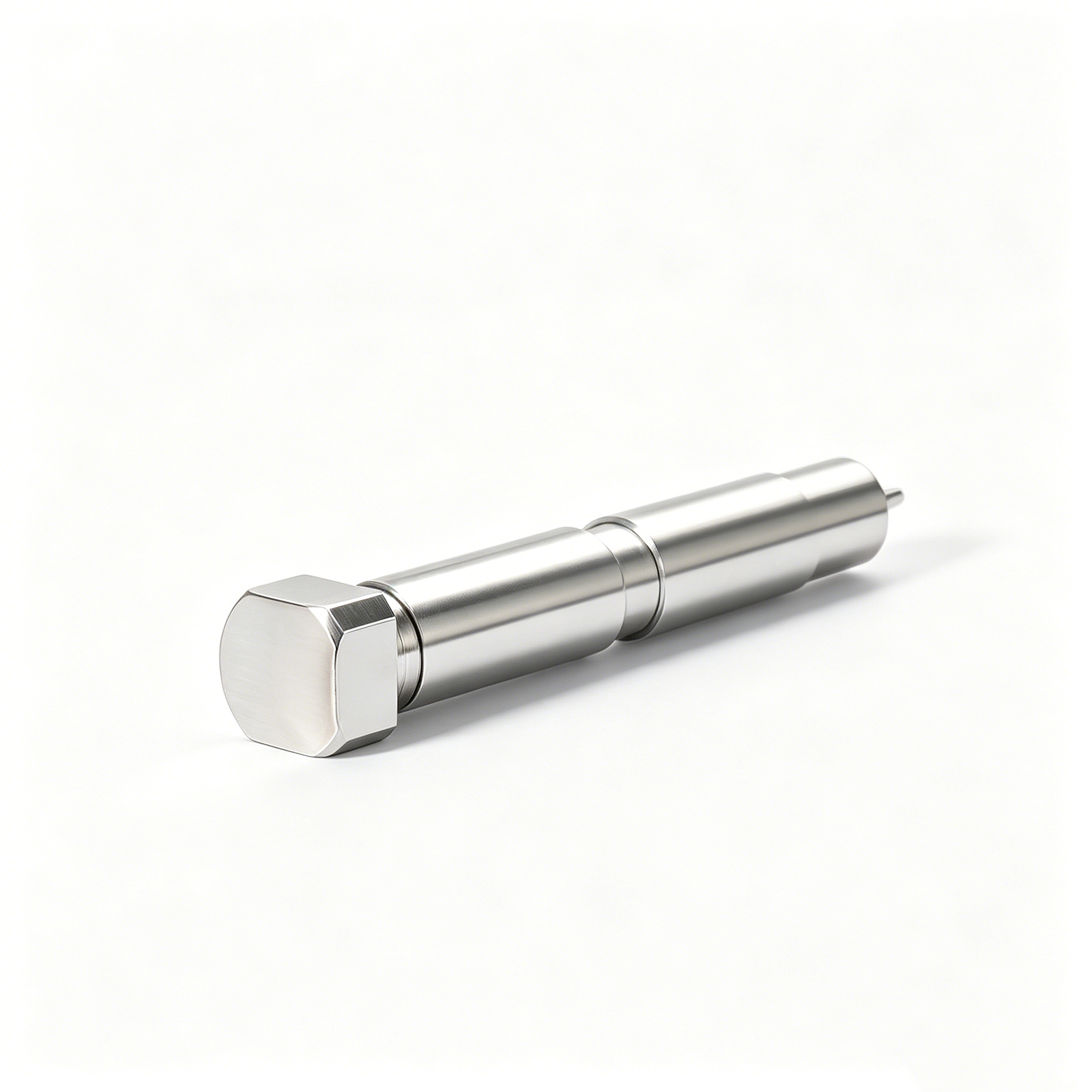
Dowel holes, datum faces, guide features, and precision bores support repeatable positioning in molds, dies, and connector tooling. Define mating relationships and critical dimensions to assess machining, grinding, and inspection requirements.

Part Engraving
Laser marks, identification text, cavity numbers, revision indicators, and orientation marks can improve traceability during assembly and maintenance. Provide location, character size, depth, and cosmetic requirements for drawing-based feasibility review.


Handling Provisions
Handling holes, lifting threads, wire-cut starter holes, and protected contact surfaces can support machining, coating, inspection, and assembly. Discuss temporary features, removal requirements, and damage-sensitive areas with the project team.
About SUUXIANG Precision Manufacturing
Established in 2010 in Chang’an Town, Dongguan, Guangdong, China, Dongguan SuuXiang Precision Mold Co., Ltd. operates publicly as SUUXIANG. Founder and legal representative XiaoCheng Huang leads the company, which helps international engineering, sourcing, and quality teams turn drawings and specifications into inspected CNC-machined parts, precision mold components, connector tooling, and stamping-die components.
Our work is drawing-driven from the first review. CNC milling and turning, multi-axis machining, EDM, precision grinding, fitting, and inspection are planned around critical dimensions, datum strategy, material and heat-treatment requirements, machining access, and the documentation required for the order.
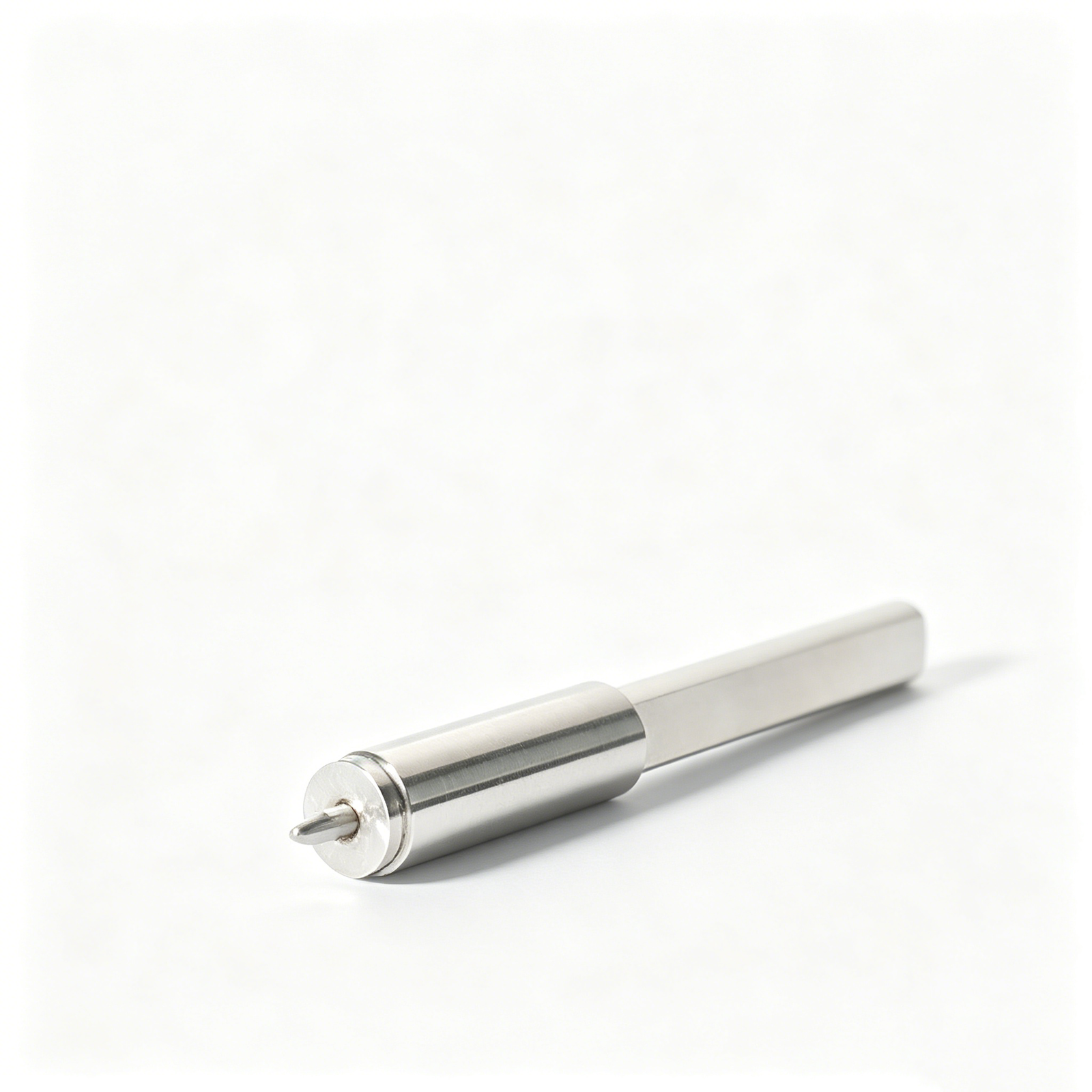
For pvd coating-related parts, SUUXIANG helps teams prepare substrates and component features with manufacturing realities in view. We make project decisions visible through DFM discussion, revision control, inspection planning, and coordinated delivery—so the process route and quality evidence can be reviewed before production commitments are made.
PVD Coating Parts: Drawing to Inspection
DFM Before Commitment
SUUXIANG reviews the drawing, model, material, application, and PVD coating requirements before production commitments. The discussion identifies critical dimensions, datums, surface callouts, coating-sensitive interfaces, and access constraints so quotation assumptions are visible and manufacturability questions are addressed early.
- Confirm critical-to-quality dimensions and datum references
- Identify surfaces requiring masking, clearance, or finish control
- Review geometry for machining, EDM, and inspection access
- Align material, heat treatment, quantity, and delivery inputs

Process Route Planning
A drawing-ready component may require more than a CNC operation. SUUXIANG plans the appropriate sequence across milling, turning, multi-axis machining, EDM, grinding, fitting, and inspection, considering stock allowance and heat-treatment timing before a PVD coating-related finishing requirement is released.
- Select operations around geometry and tolerance demands
- Plan heat treatment and finish-machining sequence
- Reserve grinding stock where final control requires it
- Flag process dependencies that affect cost or lead time

EDM and Grinding Strategy
Tight corners, deep ribs, hardened features, and fine surface requirements need a deliberate EDM and grinding strategy. SUUXIANG evaluates electrode or wire path, spark-erosion access, grinding allowance, and surface condition to help prevent late-stage rework on PVD coating-ready mold or tooling components.
- Assess wire-EDM access for profiles and narrow features
- Define electrode needs for cavities and inaccessible details
- Control grinding allowance after heat treatment
- Review surface condition at functional interfaces
Inspection and Revision Control
Inspection planning follows the drawing and agreed critical features, not a generic checklist. SUUXIANG keeps revision information visible through the project, aligns measurement methods to the inspection plan, and prepares order-matched documentation when reporting requirements are confirmed before production.
- Link inspection points to critical drawing dimensions
- Clarify measurement and reporting expectations early
- Maintain visible revision and change-control information
- Match final documentation to the verified order requirements
PVD Coating RFQs: Drawing Review Matters
Compare a disciplined manufacturing workflow with a quote-only approach before committing critical parts.
← Swipe left or right to view →
PVD Coating-Ready Precision Manufacturing Workflow
A controlled project path for parts requiring defined substrates, surface preparation, dimensional priorities, and coordinated finishing requirements.
RFQ and Drawing Review
Review 2D drawings, 3D models, material, quantity, application context, critical dimensions, surface requirements, inspection needs, and target delivery date before quotation.
DFM and Process Planning
Confirm datum strategy, machining access, heat-treatment sequence, finishing allowance, PVD coating considerations, electrode needs, wire paths, grinding stock, and revision controls.
Material and Production Release
Align approved material and process requirements with the order, then release documented routing for CNC machining, turning, multi-axis work, EDM, grinding, and fitting.
Machining, EDM, and Grinding
Produce features through the selected process route, controlling machining allowance, EDM strategy, grinding operations, and interfaces that affect final part function or coating readiness.
Inspection and Documentation
Inspect against the agreed drawing and inspection plan, verify critical dimensions and surface priorities, and prepare order-matched records with traceable revision information.
Packing and Shipment Coordination
Protect inspected parts for shipment and coordinate delivery details with the customer, keeping final documentation, packing requirements, and shipment information visible.
How to Start Your PVD Coating-Related RFQ
Share the technical context early so machining, finishing interfaces, inspection, and delivery requirements can be reviewed before production commitments.
Submit Your Drawing Package
Provide 2D drawings, 3D models when available, material, quantity, target delivery date, and the functional surfaces or dimensions that matter most.
Review Manufacturing Details
Confirm datums, tolerance stack, machining access, heat-treatment sequence, grinding allowance, surface requirements, and any PVD coating interface considerations before quotation.
Approve the Production Plan
Review the quoted scope, revision level, inspection expectations, and sample or pre-production details where applicable before releasing parts for manufacture.
Coordinate Production and Delivery
Follow agreed revision control, process coordination, inspection documentation, and delivery updates as CNC machining, EDM, grinding, fitting, and final verification proceed.
Customer Feedback Publication Standard
PVD Coating Customer Feedback and Cases
Approved customer feedback for PVD coating-related parts will be published only after the customer, project scope, inspection evidence, and attributable outcome have been verified for public use.
Case evidence for drawing-based components is being prepared with confirmed process route, revision context, inspection requirements, and customer authorization before any delivery, tolerance, or performance outcome is published.
SUUXIANG does not publish anonymous success claims or unverified production metrics. Approved feedback will identify the relevant component challenge and the documented manufacturing outcome without disclosing protected customer information.
PVD Coating and Precision-Part RFQ FAQs
Prepare the drawing, material, quality, and delivery information needed for a disciplined review of PVD coating-related precision parts.
What should I include in a PVD coating RFQ?
Can SUUXIANG quote PVD coating-related CNC and mold components?
How does PVD coating affect tolerances and critical dimensions?
Is there a minimum order quantity for custom precision parts?
How long do samples and production orders take?
What material and heat-treatment information is needed before quotation?
Can I request inspection reports for PVD coating-related parts?
How are drawings, revisions, shipping, and payment handled?
The Complete Buyer’s Guide to pvd coating
Use a practical decision framework to match pvd coating specifications to part function, evaluate capable suppliers, control cost and lead time, and avoid substrate, geometry, inspection, and documentation mistakes before production.
1. What Is pvd coating?
Physical vapor deposition (PVD) is a vacuum thin-film process in which atoms from a source material travel to a prepared substrate and condense as a controlled surface layer. Korvus Technology describes the sequence as ablation, transport, reaction, and deposition; resulting films may be only a few atoms to a few microns thick. Source: https://korvustech.com/what-is-pvd-coating
Four performance targets commonly justify PVD: improved wear resistance, lower friction, corrosion resistance, or a defined decorative appearance. A drawing should therefore specify the coating material or system, thickness range, coated and masked surfaces, substrate condition, critical dimensions, and verification method—not merely request a generic ‘PVD finish.’ For a mold, connector, or precision-machined part, the buyer question is whether the film addresses a documented contact, sliding, environmental, or appearance requirement without compromising fit, tolerance, or mating behavior.
2. How pvd coating Evolved
1960s vacuum thin-film work established the basic PVD sequence: generate vapor from a solid source, transport it in low pressure, and condense it as a controlled film. Early use centered on functional films where repeatable deposition mattered more than broad part geometry. Source: https://en.wikipedia.org/wiki/Physical_vapor_deposition
2–5 µm is a common hard-coating thickness range, while specialized films may be thinner or substantially thicker. Better chamber control, sputtering and arc targets, plasma cleaning, reactive gases, and part rotation made adhesion, composition, and coverage more controllable; multilayer and graded films then allowed hardness, friction, and toughness to be tuned together. Source: https://www.ionbond.com/en-us/technology/pvd
250–450 °C is a typical PVD process-temperature range, so modern adoption spans cutting tools, mold and forming components, connector-related hardware, medical instruments, architectural hardware, and decorative parts only when substrate stability and geometry permit. For sourcing, specify the substrate condition, masked areas, critical surfaces, deposition temperature limit, target coating system, thickness window, adhesion test, visual standard, and inspection records before release. Source: https://www.ionbond.com/en-us/technology/pvd
3. Types of pvd coating Processes
Four routes create vapor differently, so they do not produce identical coverage or finish. Ask the coater to name the source, rotation plan, film, and feature-access risks before release.
| Route | Strength | Finish Or Geometry | Typical Fit |
|---|---|---|---|
| Cathodic arc | Ionized hard films | Droplet risk; rotate parts | Cutting and forming tools |
| Magnetron sputtering | Controlled, smooth films | Shadowing remains | Decorative and functional parts |
| Thermal evaporation | Direct vapor source | Best for open sightlines | Simple compatible substrates |
| Reactive PVD | Compound-film formation | Gas control affects film | Nitride or oxide films |
Cathodic Arc
Cathodic arc repeatedly discharges on a metal target, producing highly ionized vapor. It suits hard tool films, but droplets can limit mirror-grade appearance; rotating fixtures improve line-of-sight coverage.
Magnetron Sputtering
Magnetron sputtering ejects target atoms with energetic gas ions. It favors smoother decorative or functional films, though deep bores and shadowed faces still require geometry review and rotation.
Thermal Evaporation
Thermal evaporation vaporizes material using heat under vacuum. It can be appropriate for compatible materials and simple sightlines, but high-vaporization-temperature targets generally favor sputtering.
Reactive And Layered Films
Reactive PVD introduces gases such as nitrogen or oxygen to form nitrides or oxides. Multilayer or graded films tune adhesion, friction, and hardness; confirm the application requirement rather than specifying a process by name.
4. pvd coating Materials and Substrates
Ionbond describes typical PVD deposition at 250–450 °C, with exceptions below 70 °C or up to 600 °C. Select the film only after confirming substrate stability, electrical conductivity, hardness, and surface condition (https://www.ionbond.com/en-us/technology/pvd).
| Coating | Typical substrate | Best-fit use |
|---|---|---|
| TiN | Tool steel, carbide | General wear, cutting |
| TiAlN/AlTiN | Heat-stable tool steel, carbide | Hot cutting |
| CrN | Stainless, tool steel | Corrosion and sliding |
| DLC | Hardened steel, stainless | Low-friction moving parts |
| ZrN | Steel, prepared plated plastic | Decorative wear surface |
| TiCN | Tool steel, carbide | High-wear forming |
Match Film To Duty
TiN suits general wear; TiAlN/AlTiN suits elevated-temperature cutting; CrN favors corrosion and sliding. DLC lowers friction, while ZrN and TiCN serve decorative or high-wear requirements; validate the actual operating environment.
Qualify The Base Material
Tool steels, stainless steels, tungsten carbides, non-ferrous metals, and prepared plated plastics may be suitable when they tolerate deposition conditions and conduct electrically. Heat treatment, stress relief, plating adhesion, and final geometry must be settled before coating.
Control Surface Readiness
Cleanliness is an adhesion requirement: oils, corrosion, polishing compounds, burrs, and unstable plated layers can compromise the deposited film. Define masked areas, edge condition, fixture contact, and post-coating inspection on the drawing.
5. Finish and Color Customization
Finish selection begins with the part’s job: reduce friction, protect appearance, or support identification. A color name alone cannot define the result; chemistry, preparation, layer thickness, and chamber control all matter.
| Program | Primary Finish Decision | Release Evidence |
|---|---|---|
| Connector | Contact-area masking and fit | Boundary drawing; thickness check |
| Mold or tooling | Texture, friction, sliding wear | Coupon; critical-dimension report |
| Consumer hardware | Color, gloss, brushing | Approved master sample |
Specify The Surface First
Brushed, polished, bead-blasted, and EDM-textured substrates remain visually influential after coating. Approve reference coupons or a controlled master sample before release, because PVD follows underlying texture rather than hiding it.
Build Layers For Function
Multi-layer or graded architectures can tune adhesion, friction, and hardness; typical PVD thickness is often 2–5 µm. Confirm thickness limits against mating clearances, sharp edges, and critical datums before coating. Source: https://www.ionbond.com/en-us/technology/pvd
Control Coverage And Masking
Selective coating needs drawing-defined mask boundaries, permitted overspray zones, and inspection points. For connectors, protect contact interfaces as required; for mold and tooling parts, prioritize sliding faces, release behavior, and dimensional fit.
6. Critical pvd coating Quality Controls
2–5 µm is a common PVD thickness range, but the drawing must define the functional coated surfaces, exclusions, and acceptance evidence. Ionbond notes that cleaning and fixture rotation materially affect adhesion and coverage: https://www.ionbond.com/en-us/technology/pvd.
Substrate Release Review
100% of lots should be released against material grade, heat-treatment condition, hardness record, and revision. Confirm roughness and grinding direction before coating.
0.1 mm edges require a stated break or radius where sharp-edge buildup or chipping is unacceptable. Protect datum faces, threads, and fit diameters with defined masks.
Preparation And Adhesion
100% of coating faces must be free of oil, abrasive residue, corrosion, and fingerprints before loading. Specify validated degreasing and plasma-cleaning steps in the traveler.
1 witness coupon or agreed representative part per lot should support adhesion verification. Define the test method, pass criterion, and disposition for any flake, blister, or peel.
Coverage And Final Inspection
3 locations per agreed geometry can establish thickness uniformity using calibrated XRF, calotest, or cross-section methods. Sample locations must include exposed and shadow-risk features.
100% visual inspection should distinguish coated surfaces from masked areas. Record color variation, nodules, pinholes, bare areas, handling marks, fixture contact, lot identity, and inspection results.
7. How to Choose a PVD Supplier
Two supplier models exist: a coating specialist runs deposition, while a component manufacturer such as SUUXIANG can coordinate machining, preparation, coating, and records. Select the model that assigns one owner to drawing revisions, handoffs, and final acceptance.
Application Review
One review should link coating choice to substrate, contact load, temperature, corrosion exposure, friction, and masked surfaces.
Three revealing questions are: Which failure mode is being addressed? Which dimensions cannot gain thickness? How will mating parts behave?
Process Evidence
Every chamber requires capacity and fixturing evidence for the part geometry, batch size, rotation path, and line-of-sight coverage.
Two controlled stages deserve records: pre-treatment cleanliness and the approved process window for temperature, time, and deposition parameters.
Approval And Accountability
First-article approval should compare coated samples with drawing-critical dimensions, appearance criteria, adhesion requirements, and the agreed inspection method.
One corrective-action path should identify containment, root cause, revision status, rework limits, and the communication owner before production release.
8. Common Buyer Mistakes
Eight recurring RFQ gaps cause avoidable coating failures even when the deposited film meets its nominal specification. Each should be closed in the drawing review and control plan before a purchase order is released.
Color Is Not A Specification
First, color-only selection omits coating chemistry, substrate, and heat-treatment condition. State the target film, base material, hardness condition, and use environment; this avoids an attractive finish with unsuitable adhesion or load support.
Geometry Changes Coverage
Second, PVD is line-of-sight, so deep bores, undercuts, and masked faces may receive different coverage. Provide 3D geometry, identify functional surfaces, and request a fixturing review; this avoids thin areas or unintended deposition.
Thickness Affects Fits
Third, a microns-level coating allowance can alter clearance, interference, and sharp-edge condition. Define coating thickness and tolerance against critical dimensions, then specify deburring and surface preparation; this avoids assembly binding, flaking, or poor adhesion.
Tests Must Match Production
Fourth, corrosion resistance is not universal and test results depend on film, substrate, preparation, and exposure. Name the test method, acceptance criteria, and production-representative fixturing; this avoids approving samples that cannot predict serial-part performance.
9. Launching a Coated-Part Program
One controlled launch file should define operating load, temperature, lubrication, mating contact and every critical surface before coating selection. SUUXIANG can coordinate drawing-based CNC, mold-component and inspection inputs with the selected coating partner.
Define The Technical Package
A complete RFQ includes 2D and 3D files, material grade, hardness condition, finish, annual volume, critical datums and masking requirements. The design owner identifies function and acceptance criteria; the CNC partner confirms machining, grinding and handling constraints.
Run Representative Trials
One trial lot should use production-intent material, heat treatment, surface preparation and fixturing. The coating partner proposes candidates, while all parties inspect dimensions, appearance, coverage and adhesion before application testing.
Freeze And Control Production
First-article approval should freeze the drawing revision, coating specification, preparation route, inspection plan and approved samples. Prototype findings must be rechecked when quantities move to low-volume production, especially after fixture, batch-size, subcontractor or process changes.
10. pvd coating Pricing and Cost Drivers
1 batch can cost more per part than a production load because cleaning, masking review, racking, chamber preparation, and first-article inspection are largely fixed activities. Treat any unit-price indication as illustrative until the coating chemistry, target thickness, substrate condition, and acceptance criteria are reviewed.
2 cost risks deserve early control: rework after cosmetic damage or adhesion failure, and logistics for parts that need protective packing or separate coating suppliers. SUUXIANG can coordinate drawing-based part manufacture and inspection within its verified scope; quote inputs should define the complete landed-cost route.
| Illustrative quantity tier | Setup-cost treatment | Indicative lead-time range | Buyer inputs needed for quote |
|---|---|---|---|
| 1–20 parts | Fixed setup dominates | 7–15 working days | CAD, drawing, chemistry, finish area, masking |
| 21–100 parts | Setup spread across batch | 10–20 working days | Material, heat treatment, dimensions, cosmetic zones |
| 101–500 parts | Batch loading becomes material | 15–25 working days | Quantity, packing, inspection plan, destination |
| 500+ parts | Loading plan and repeatability reviewed | Project-specific | Forecast, revisions, sampling, logistics terms |
Submit Your PVD Coating RFQ for Technical Review
Upload drawings with material, quantity, quality priorities, target date, and inspection needs for a disciplined manufacturability discussion.