
Custom Mold Inserts, From Drawing to Inspection
SUUXIANG reviews critical dimensions and plans CNC machining, EDM, grinding, and inspection for custom mold inserts before production.
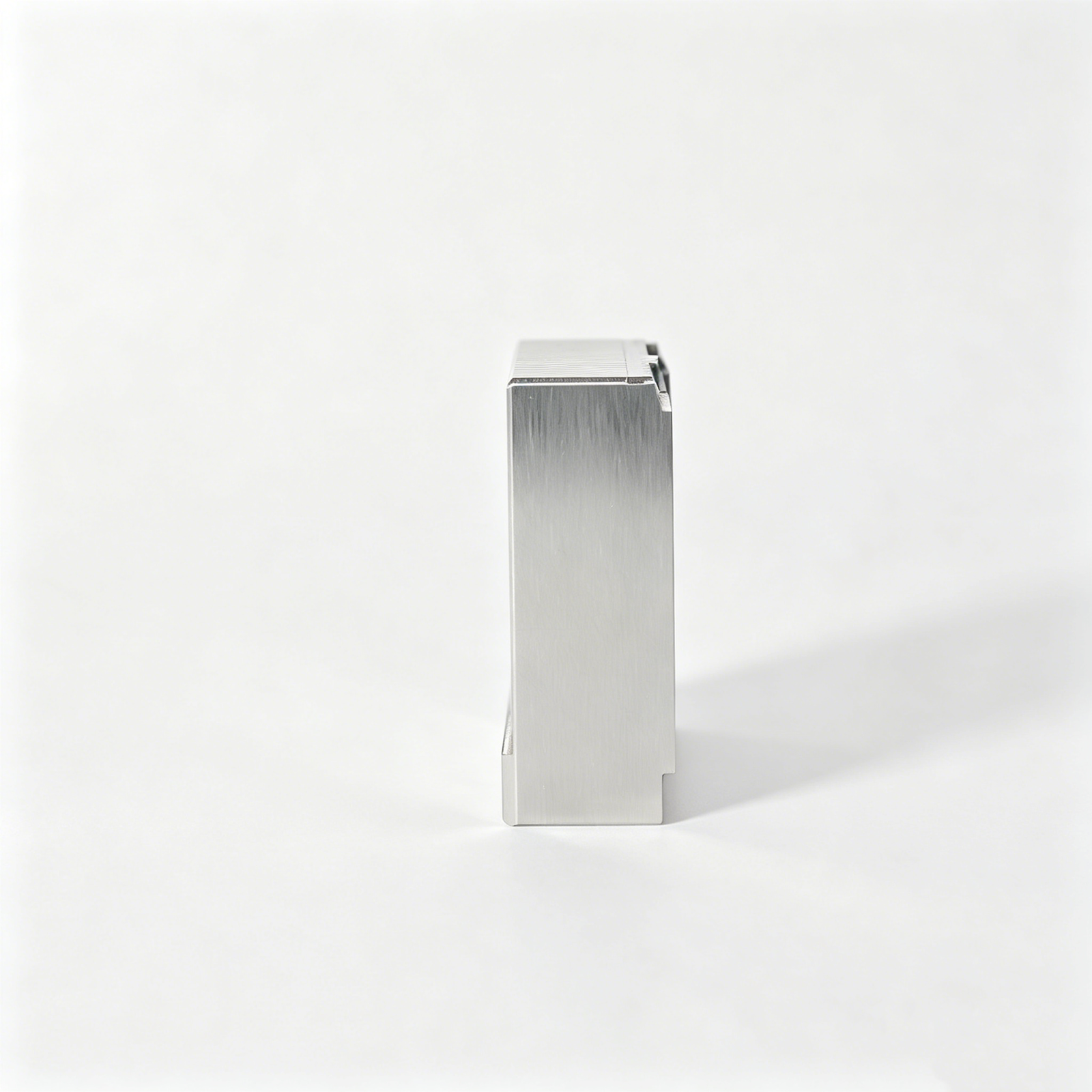
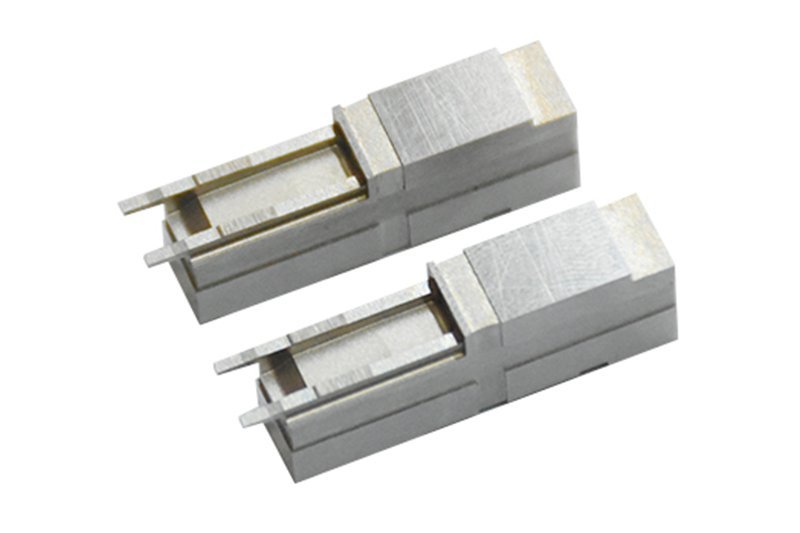
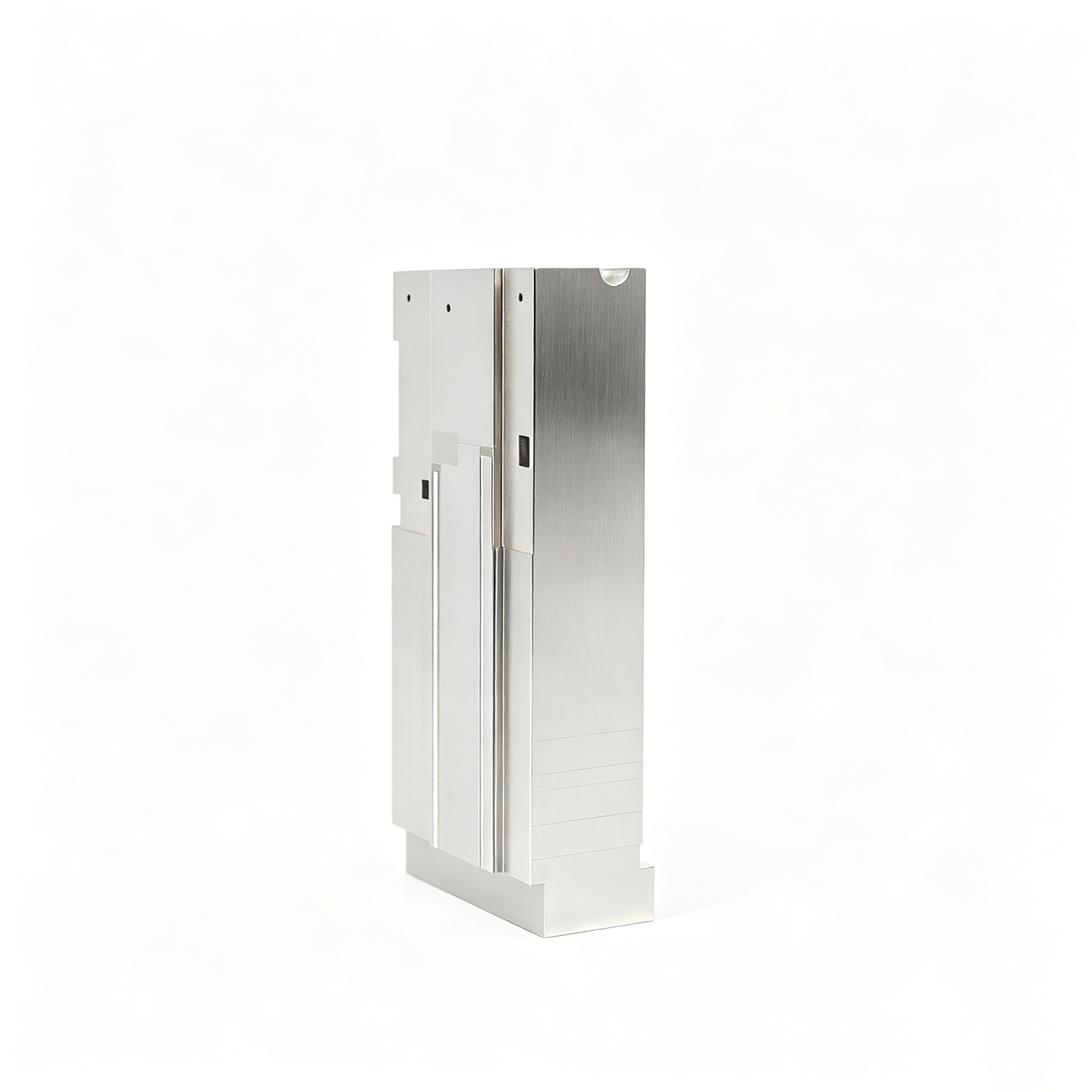
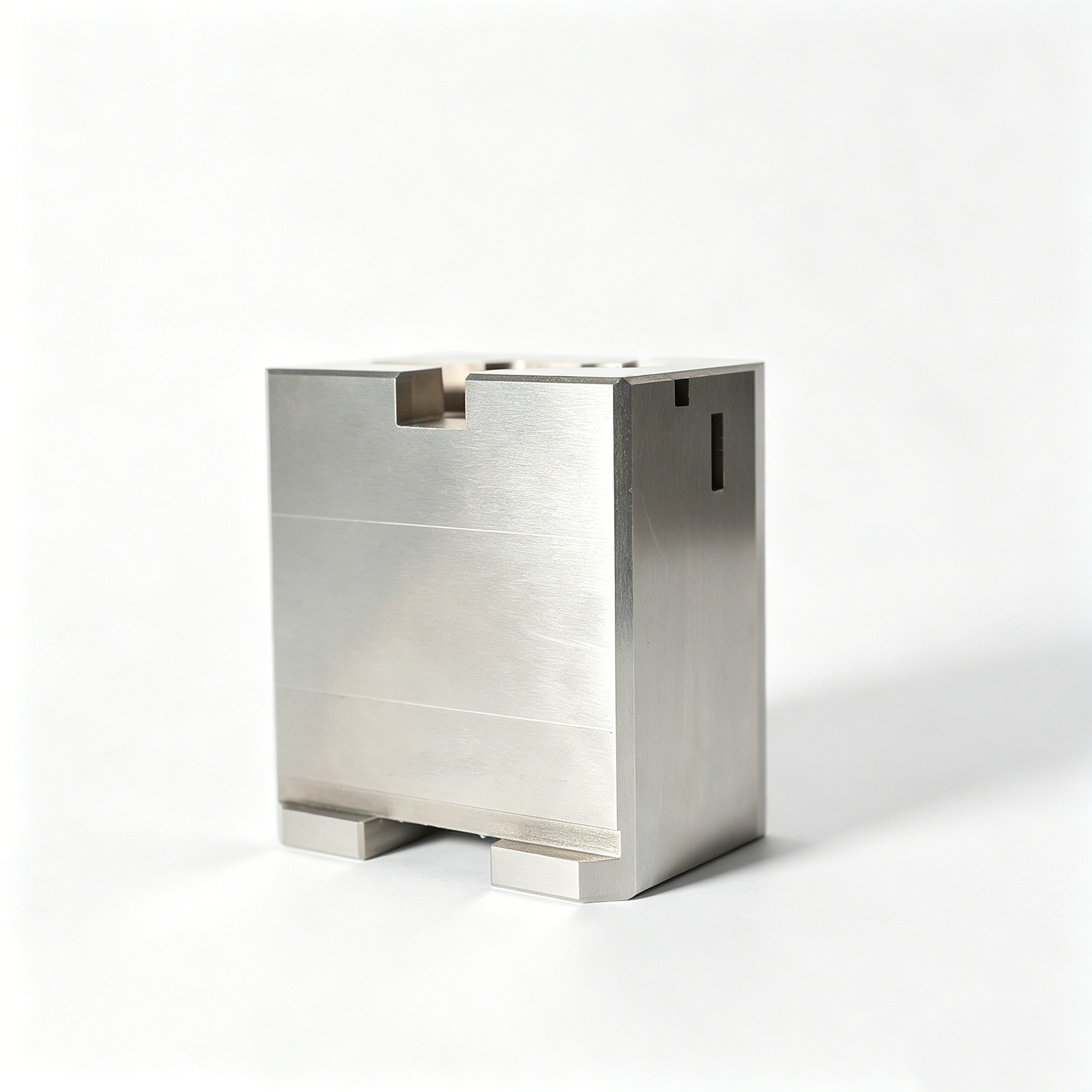
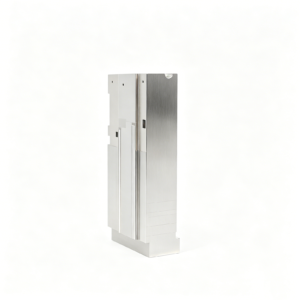
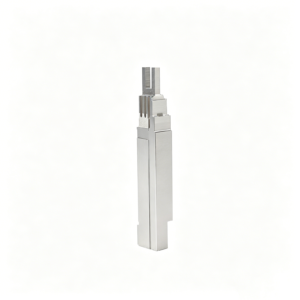
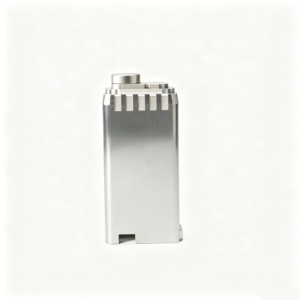
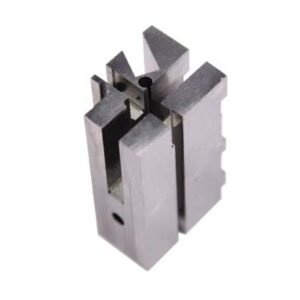
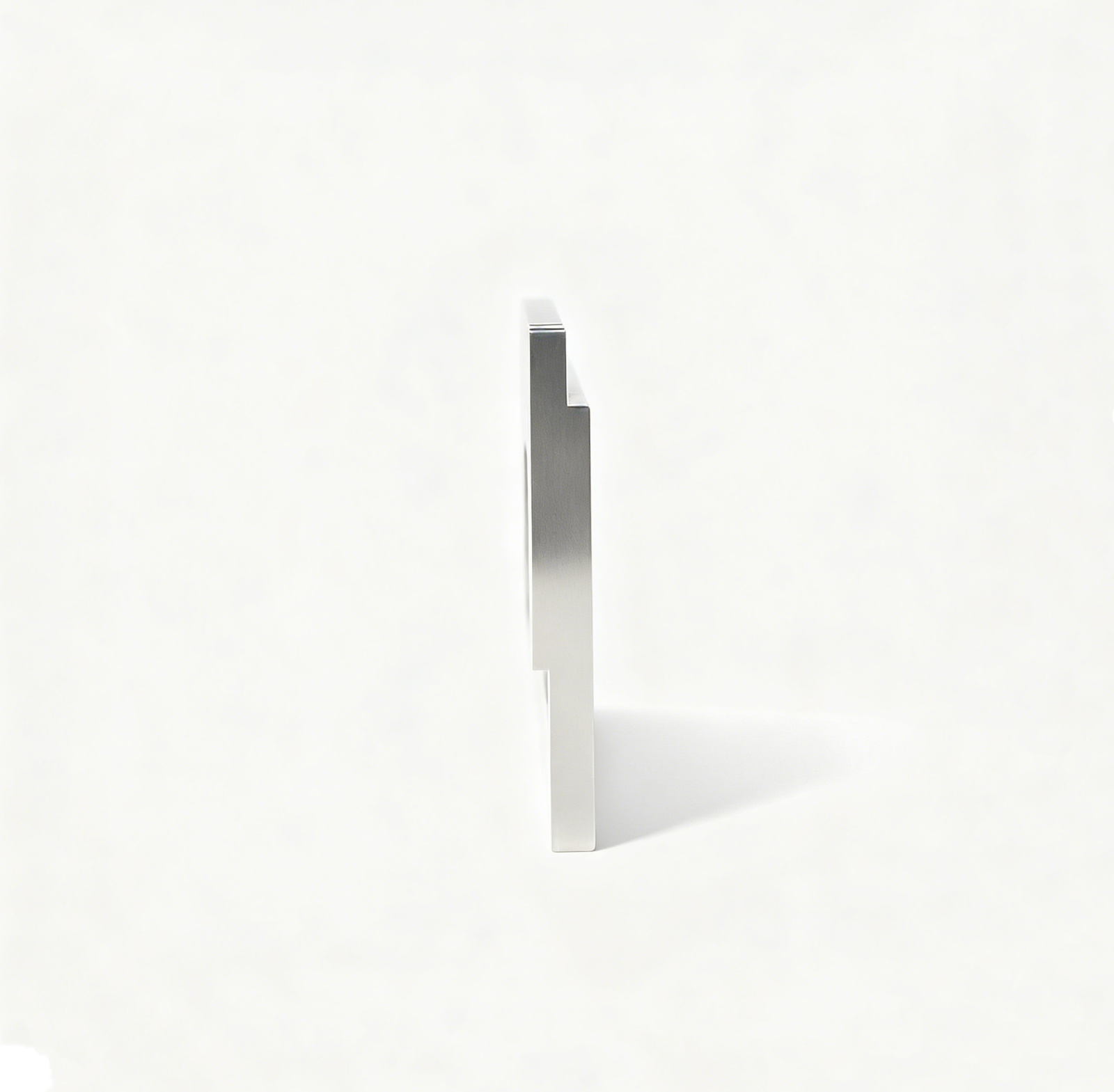
Representative Custom Mold Insert Examples







Related Custom Mold Insert Configurations and Quotation




Why Buyers Choose SUUXIANG for Custom Mold Inserts
A drawing-led workflow that keeps manufacturability, critical features, inspection expectations and revisions visible before production begins.
DFM Before Quotation
Drawing review identifies machining access, datum strategy, material requirements and process risks before pricing or production commitments are made.
Critical Dimensions Planned
Critical-to-quality features, tolerance stacks and surface priorities are reviewed to align the manufacturing route with functional requirements.
Integrated Process Routing
CNC machining, EDM, precision grinding and fitting are sequenced around geometry, access, heat treatment and finishing needs.
Inspection From the Start
Inspection methods and reporting expectations are defined against the drawing, critical dimensions and agreed verification plan.
Controlled Revision Visibility
Drawing revisions, production information and delivery coordination remain traceable throughout the project to reduce avoidable misunderstandings.
Clear Technical Communication
Engineering and sourcing teams receive practical feedback on manufacturability, documentation needs and information required to progress an RFQ.
Precision Component Families We Support
Drawing-driven process routes for mold, connector, die, and custom-machined components, reviewed against critical dimensions, materials, inspection needs, and delivery requirements.
CNC Machining Services
Precision CNC machining services for drawing-based custom parts, planned around material condition, datums, critical dimensions, tool access, and inspection requirements before production commitments are made.
Upload a Drawing
CNC Milling
Custom CNC milling services for prismatic, contoured, and pocketed components. Reviews address feature access, clamping strategy, machining allowance, surface requirements, and the dimensions that govern assembly or mold performance.
Upload a Drawing
CNC Turning
Precision CNC turning services for shafts, sleeves, bushings, pins, and rotational features. Process planning considers concentricity, runout, shoulder geometry, thread requirements, material condition, and inspection datums.
Upload a Drawing
5-Axis Machining
5-axis CNC machining for complex surfaces and multi-face features where reduced setups can protect positional relationships. Feasibility depends on tool reach, workholding, geometry, tolerance requirements, and inspection access.
Upload a Drawing
Swiss & Micro Machining
Swiss machining and micro machining for small, slender, and detail-intensive components. Drawing review focuses on material form, feature stability, burr control, concentric relationships, measurement method, and handling risk.
Upload a Drawing
Wire & Sinker EDM
Wire EDM and sinker EDM services for hardened materials, sharp internal geometry, narrow slots, profiles, and difficult-to-machine features. Electrode strategy, wire path, recast considerations, finish targets, and downstream fitting are reviewed.
Upload a Drawing
Precision Grinding
Precision surface and profile grinding for controlled flatness, parallelism, profile geometry, and finishing stock. Grinding sequence is coordinated with heat treatment, EDM, datum control, and the required inspection method.
Upload a Drawing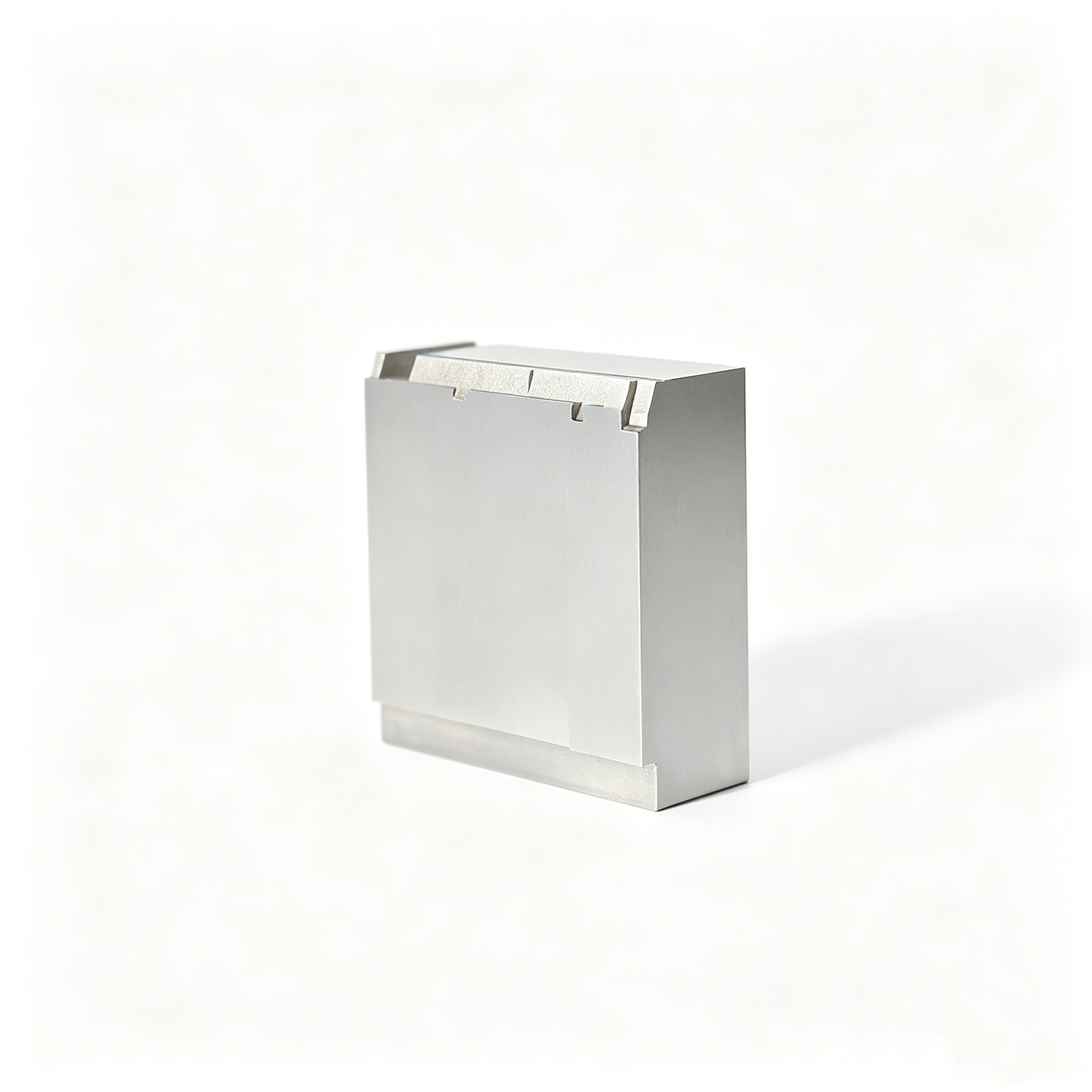
Mold Core & Cavity Inserts
Precision mold core and cavity inserts manufactured from customer drawings and specifications. Reviews address shutoff geometry, cooling interfaces, steel condition, machining and EDM access, grinding stock, fitting requirements, and critical molding surfaces.
Upload a Drawing
Ejector & Ejection Components
Ejector pins, sleeves, and ejection components for mold mechanisms requiring controlled fit and motion. Requirements are reviewed for diameter relationships, wear areas, head geometry, clearance, surface condition, and mating-component context.
Upload a Drawing
Core Pins, Guide & Locating Components
Core pins, guide pins, and locating components produced around functional alignment and repeatability. Drawing review considers datums, fit classes, hardness requirements, bearing lengths, concentricity, surface finish, and mating features.
Upload a Drawing
Slides, Lifters, Gates & Mold Accessories
Mold slides, lifters, gates, and accessories for moving or flow-control features. Process planning considers travel interfaces, shutoffs, wear surfaces, assembly relationships, heat-treatment sequence, and fitting or inspection requirements.
Upload a Drawing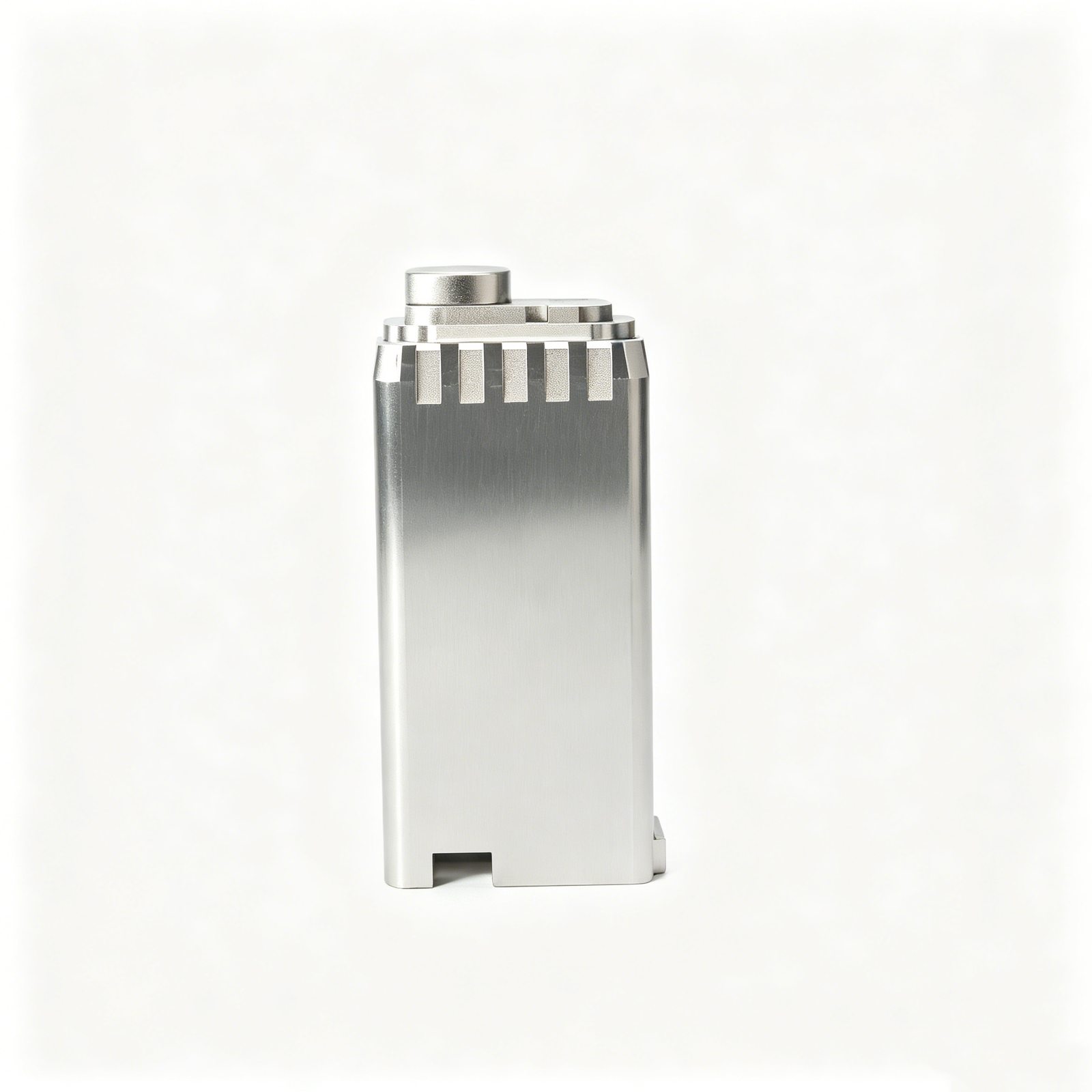
Connector Mold Components
Precision connector mold components for fine-pitch, multi-cavity, and alignment-sensitive tooling. Reviews focus on pin geometry, positional relationships, EDM requirements, insert interfaces, surface condition, and measurement strategy.
Upload a Drawing
Stamping Die Components
Precision stamping die components for cutting, forming, guiding, and locating functions. Manufacturing review considers material and hardness requirements, profile accuracy, clearance relationships, wear zones, grinding sequence, and assembly fit.
Upload a Drawing
Injection, MIM, CIM & Overmolding Tooling
Injection, MIM, CIM, and overmolding tooling components supported within verified production scope. Requirements are assessed for mold architecture, material behavior, insert geometry, gates, shutoffs, critical dimensions, and inspection expectations.
Upload a Drawing
Machining Materials
CNC machining materials selected from the drawing, application, and required process route. Material specification, stock condition, heat-treatment stage, machinability, traceability expectations, and compatibility with finishing are confirmed before production.
Upload a Drawing
Surface Finishes & Heat Treatment
Surface finishing and heat treatment coordinated with functional surfaces, dimensional priorities, corrosion needs, and post-process allowance. Requirements should define the applicable standard, target condition, masking needs, and any verification or documentation.
Upload a Drawing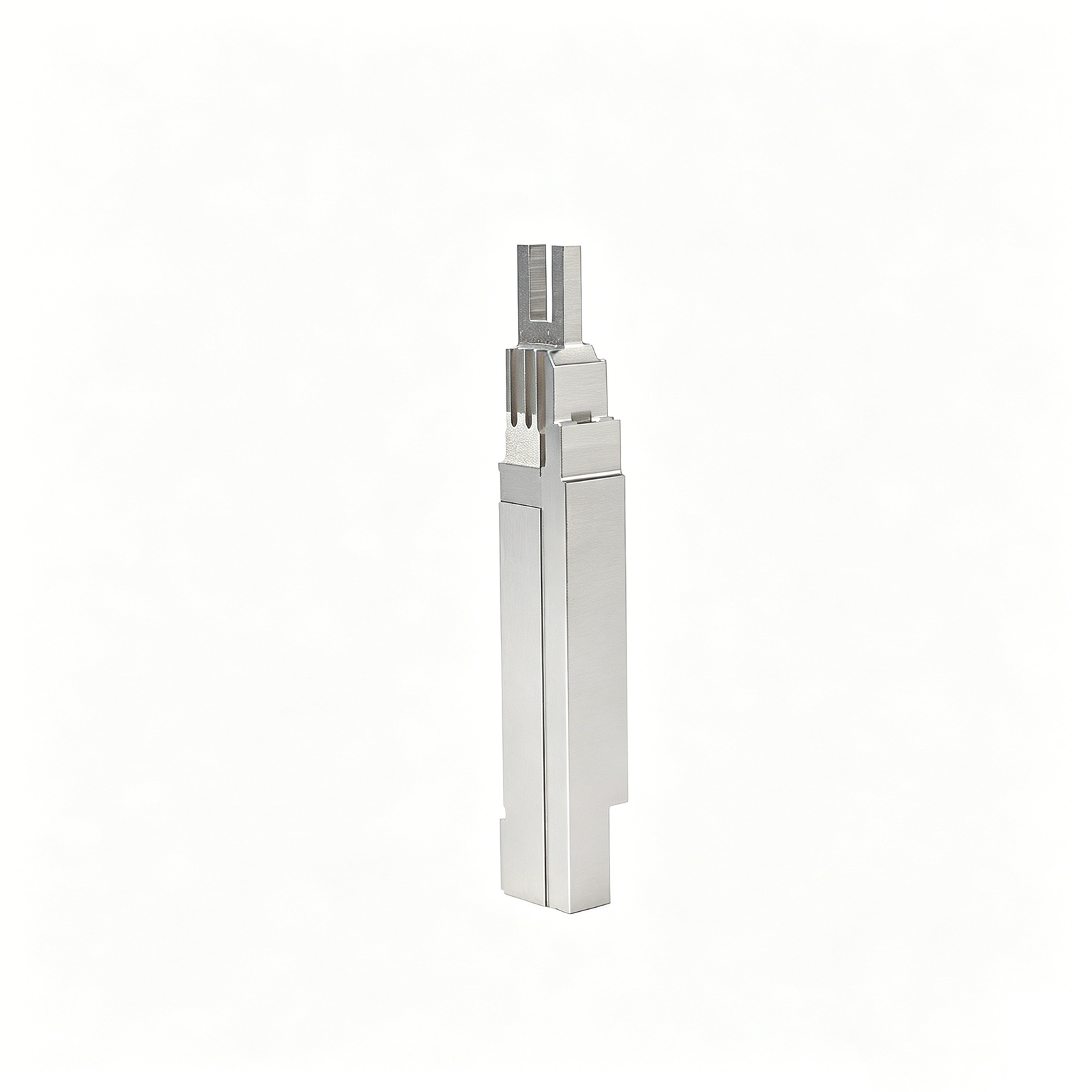
Quality, Metrology & Documentation
Precision inspection, metrology, and quality documentation aligned with the order and verified inspection plan. Buyers can define critical dimensions, datum references, sampling expectations, reporting format, traceability needs, and revision-control requirements.
Upload a Drawing
Prototyping & Low-Volume Production
Rapid prototyping and low-volume manufacturing for drawing-based parts requiring controlled process decisions before scale-up. RFQs should identify quantity, material, critical features, delivery target, inspection needs, and any mating or application context.
Upload a DrawingMaterials for Custom Mold Inserts

Pre-Hardened Tool Steel
A practical choice for general-purpose cores, cavities and structural mold components where machining before final fitting is important. Pre-hardened condition can reduce heat-treatment distortion risk, while actual hardness and grade require drawing-based verification.

Through-Hardening Tool Steel
Used for custom mold inserts requiring a hardened working surface, wear resistance or stable edge geometry. Process planning must account for heat-treatment sequence, grinding stock and EDM access so critical dimensions can be inspected after finishing.

Hot-Work Tool Steel
Considered for inserts exposed to repeated thermal cycling, elevated temperatures or demanding molding conditions. Its performance depends on the specified heat treatment, surface condition and cooling design; machinability and final hardness are reviewed before release.


Copper Alloy Inserts
Applied to localized inserts where thermal conductivity can support heat transfer around a molding feature. Copper alloys machine differently from tool steels, so fit, wear exposure, joining method and inspection datums should be defined before manufacturing.
Machining and Finishing Processes for Custom Mold Inserts


Wire EDM
Wire EDM produces precise cut-through profiles, narrow slots, corners, and intricate contours where conventional tool access is limited. Wire path, start-hole placement, finish requirements, and datum relationships should be confirmed from the drawing.

Sinker EDM
Sinker EDM forms deep cavities, sharp internal details, and difficult-to-machine features using planned electrode geometry. Electrode strategy, spark allowance, surface requirements, and subsequent polishing or grinding needs are assessed before release.

Precision Grinding
Precision grinding refines critical faces, thicknesses, parallelism, and datum-controlled surfaces after machining or heat treatment where applicable. Grinding stock, fixturing, material condition, and measurement method guide the planned finishing sequence.

Fitting and Assembly
Fitting verifies functional relationships between inserts and mating mold components, including shutoff areas, locating features, and movement interfaces. It helps identify interference, clearance, and assembly considerations that drawings alone may not fully communicate.

Final Inspection
Inspection is planned around the order’s critical dimensions, datums, surface priorities, and requested reporting. Measurement results and documentation are matched to the verified inspection plan, supporting traceability across approved drawing revisions.
Custom Mold Insert Hardware and Accessories

Guide Components
Guide pins, bushes, and related alignment elements support repeatable mold-half positioning. Provide mating dimensions, fit requirements, material, heat-treatment expectations, and datum references so the component relationship can be reviewed before production.

Locating Elements
Locating pins, keys, and stops help establish controlled position between inserts, plates, or connector-tooling features. Their design should identify functional datums, assembly direction, clearance conditions, and any required inspection method.

Ejection Parts
Ejector pins, sleeves, blades, and related ejection components can be considered with custom mold inserts. Share stroke, bearing lengths, clearance expectations, surface requirements, and mating-part geometry to assess machining and grinding access.

Gate Components
Gates, gate inserts, and associated wear components require attention to flow-facing geometry, shutoff surfaces, material condition, and maintenance access. Drawing review helps align EDM, grinding, and fitting steps with the intended tooling function.

Mold Accessories
Stops, retainers, wear plates, and other drawing-defined hardware can be coordinated with the insert package. Include quantities, revision status, assembly interfaces, and delivery priorities so SUUXIANG can plan inspection and project communication appropriately.
About SUUXIANG Custom Mold Inserts
Dongguan SuuXiang Precision Mold Co., Ltd., operating publicly as SUUXIANG, was established in 2010 in Chang’an Town, Dongguan, Guangdong, China. We help international engineering and sourcing teams turn controlled drawings and specifications into inspected precision parts, mold components, connector tooling, and related custom manufacturing work.
Our custom mold inserts work is planned around the actual geometry, datum strategy, critical dimensions, material requirements, and downstream molding application. CNC milling and turning, multi-axis machining, EDM, precision grinding, fitting, and inspection are combined only where the drawing and verified process route require them.
What distinguishes SUUXIANG is a disciplined engineering workflow before commitments are made. We review manufacturability, tool access, electrode or wire strategy, grinding allowance, heat-treatment sequence, inspection needs, and revision status so buyers can align production evidence with the requirements that matter.

Custom Mold Inserts, Controlled From Review to Inspection
DFM and Datum Review
Before quotation, SUUXIANG reviews custom mold inserts against the drawing, model, mating conditions, and critical dimensions. The discussion identifies datum intent, tolerance stack risks, tool access, material requirements, and the process sequence needed to make inspection meaningful.
- Confirm critical-to-quality dimensions and functional datums
- Review cutter access, wall conditions, and clamping approach
- Define heat-treatment and machining sequence where required
- Align drawing revisions before production planning
EDM Strategy for Complex Features
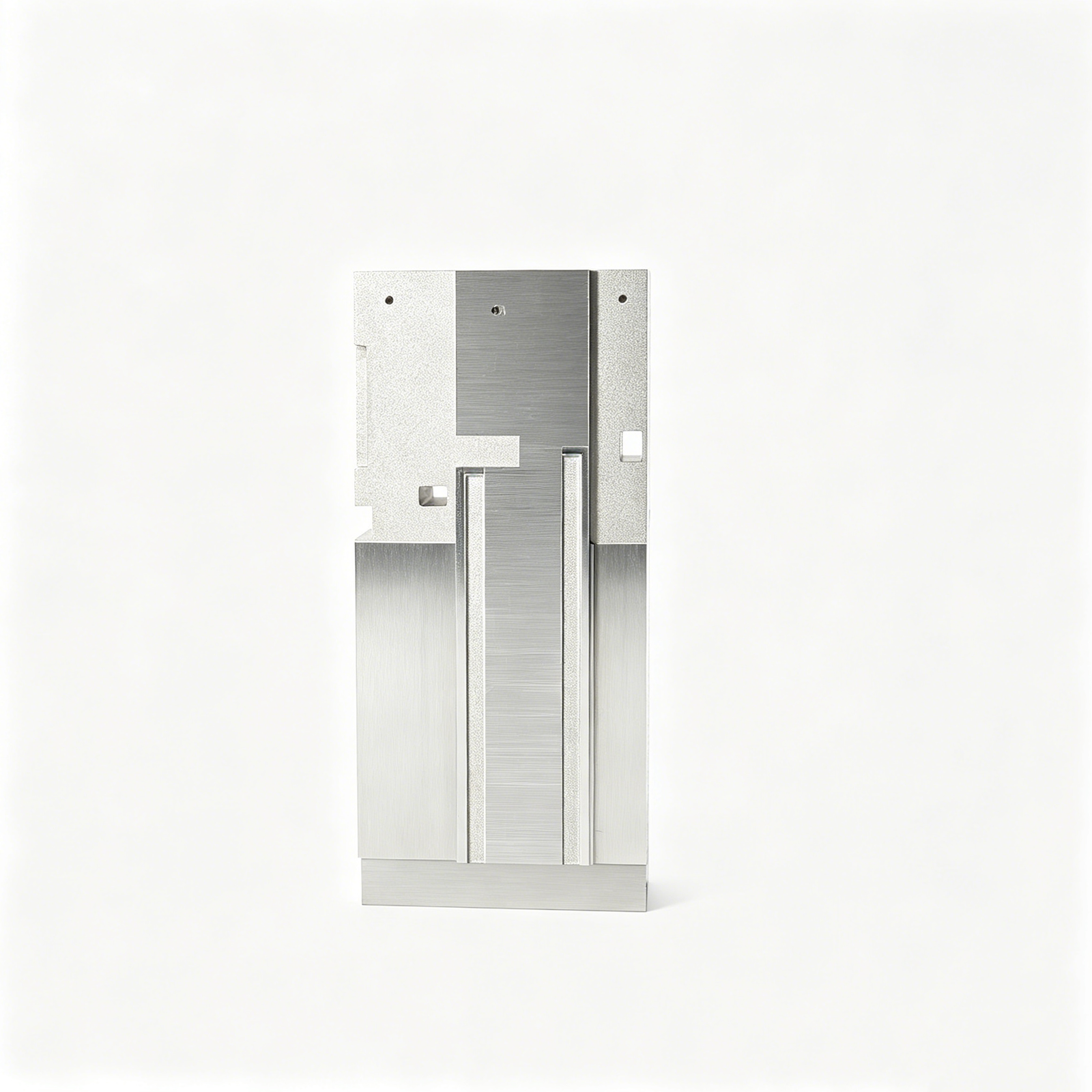
Deep ribs, sharp internal details, narrow slots, and hardened features may require wire EDM or sinker EDM rather than milling alone. SUUXIANG plans electrode geometry, wire paths, flushing access, and finishing allowances around the specified feature and its inspection requirement.
- Select milling, wire EDM, or sinker EDM by feature access
- Plan electrode and spark allowances for finishing operations
- Review corner, slot, and rib geometry against process limits
- Keep EDM decisions connected to the approved drawing revision
Grinding and Controlled Fitting
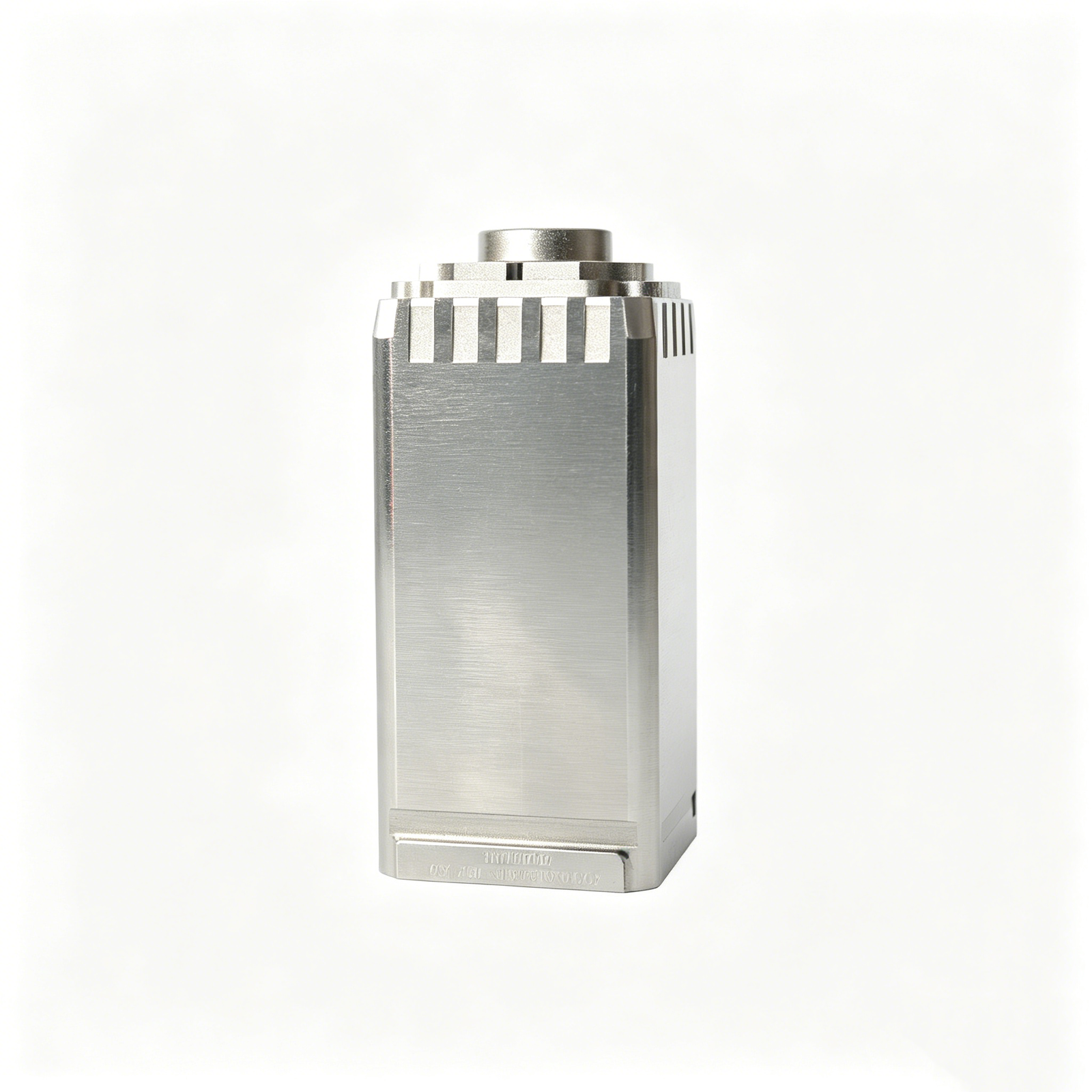
Precision grinding and fitting are considered where mating surfaces, guidance features, shutoff areas, or dimensional relationships need controlled finishing. Grinding stock, heat-treatment condition, and datum transfer are reviewed so the final operation supports the part’s intended assembly function.
- Reserve appropriate stock for critical ground surfaces
- Control datum transfer between machining and grinding
- Review fit relationships with mating components when supplied
- Plan finishing around surface and dimensional priorities

Inspection and Revision Traceability
Inspection planning for custom mold inserts starts with the dimensions and surfaces that matter to assembly, molding performance, or customer acceptance. SUUXIANG aligns the inspection method, reporting expectations, order requirements, and revision status before final documentation is prepared.
- Identify critical dimensions and suitable inspection methods
- Match reports and records to the agreed order requirements
- Maintain visible drawing and revision references
- Coordinate delivery information with the verified inspection plan

Custom Mold Inserts: A Controlled Sourcing Comparison
For custom mold inserts, compare the evidence exchanged before production—not only the quoted unit price.
← Swipe left or right to view →
Custom Mold Inserts: From RFQ to Shipment
A drawing-led workflow that keeps critical requirements, process choices, inspection expectations, and revision status visible before and through production.
Review RFQ Package
We review drawings, models, material requirements, quantity, application context, target date, and requested inspection documentation before developing a responsible quotation basis.
Confirm DFM Priorities
Critical dimensions, datums, surface requirements, machining access, heat-treatment sequence, EDM needs, grinding allowance, and revision status are clarified with the customer.
Plan Process Route
SUUXIANG selects the appropriate CNC milling, turning, multi-axis machining, wire EDM, sinker EDM, grinding, and fitting sequence for the verified part requirements.
Machine Critical Features
Production follows the approved process plan, using controlled machining and EDM strategies to create cavities, cores, pins, locating features, and other configured geometry.
Fit and Inspect Parts
Parts are fitted where required and inspected against the agreed drawing, critical dimensions, surface priorities, and documented inspection plan before release.
Pack and Coordinate Delivery
Released custom mold inserts are packed for shipment with order-matched documentation, while delivery coordination and revision information remain traceable to the project.
How to Work With SUUXIANG on Custom Mold Inserts
A drawing-led process that aligns manufacturability, inspection expectations, revisions, and delivery before production is released.
Submit Your Drawing Package
Send 2D drawings, 3D models when available, material, quantity, application context, critical dimensions, surface requirements, inspection needs, and target delivery date.
Review DFM and Quotation
Confirm datum strategy, machining access, EDM or grinding requirements, heat-treatment sequence, tolerances, inspection approach, revision status, commercial scope, and delivery assumptions.
Approve First-Article Requirements
Where the project requires it, align sample or first-article criteria, measurement methods, reporting format, mating-component context, and approval responsibilities before release.
Coordinate Controlled Production
SUUXIANG follows the agreed process route through machining, EDM, grinding, fitting, inspection, and revision-controlled delivery coordination, with documentation matched to the verified plan.
Customer Reference Publication Policy
Custom Mold Inserts: Customer Project Feedback
Customer-approved project feedback is pending. SUUXIANG will publish only verified outcomes tied to the applicable drawing revision, inspection plan, delivery record, and customer authorization.
A verified case record is required before publishing a testimonial. Relevant evidence may include inspection results, revision-control records, delivery performance, and documented DFM decisions for custom mold inserts.
No customer quote or measurable project outcome was provided for this page. SUUXIANG should replace this entry only with an approved testimonial supported by the customer and project documentation.
Custom Mold Inserts FAQ
Practical guidance for drawing-based sourcing, from DFM review through inspection and delivery.
What files should I send for a custom mold inserts RFQ?
Is there a minimum order quantity for custom mold inserts?
Can I order a sample before producing custom mold inserts?
Which materials and heat treatments can SUUXIANG support?
How is lead time quoted for custom mold inserts?
What inspection reports can be provided with custom mold inserts?
How are custom mold inserts packaged and shipped internationally?
What payment and IP-protection policies apply to an RFQ?
The Complete Buyer’s Guide to custom mold inserts
Upload your 2D drawing, 3D model, material, quantity, quality requirements, and target date for a DFM-led custom mold insert review.
1. What Are custom mold inserts?
Two functions define custom mold inserts: they are replaceable, precision-made tooling elements installed in a mold to form a localized core, cavity, shutoff, or functional feature. Instead of machining every detail into a large mold block, the insert confines complex or wear-prone geometry to a serviceable component.
One important distinction prevents RFQ errors: a mold-tool insert shapes the molded part, while an insert-molded product component becomes enclosed by resin in the finished product. EVCO describes insert molding as placing metal, plastic, ceramic, or other process-compatible pieces in the cavity before thermoplastic is molded around them, creating an integrated assembly: https://www.evcoplastics.com/processes/insert-molding.
Three engineering problems commonly justify an insert approach: difficult machining access, localized wear or damage, and controlled replacement after design revision. The drawing should therefore identify the insert boundary, datums, mating interfaces, shutoff requirements, and inspection-critical dimensions before CNC machining, EDM, grinding, fitting, and inspection are planned.
2. How custom mold inserts Evolved
CNC machining changed insert sourcing from a hand-fitted, shop-specific exercise into a drawing-driven workflow. Conventional toolmaking still depended heavily on bench fitting, but CNC milling and turning made repeatable geometry, datum-based setups, and faster engineering changes more practical.
EDM extended that shift where cutter access, sharp internal features, or hardened steel made conventional cutting unsuitable. Wire EDM, sinker EDM, and precision grinding let a supplier separate critical geometry into replaceable custom mold inserts while preserving the surrounding mold base.
Digital revision control now connects the approved 2D drawing, 3D model, inspection plan, and replacement-part history. For buyers, the result is not merely tighter tolerances: it is repairable tooling, controlled wear-area replacement, and a clearer route to iterate a cavity, core, gate, or locating feature without rebuilding the complete tool.
3. Types of custom mold inserts
Six common custom mold inserts localize part-forming, side-action, shutoff, thread, or wear functions. Classify each by its datum interface, service risk, and replacement value before deciding whether it belongs in a parent block.
| Insert Type | Mold Function | Typical Geometry | Service Concern | Specify Separately When |
|---|---|---|---|---|
| Core | Forms internal part features | Pins, blades, contoured cores | Wear or breakage | Internal detail needs replacement |
| Cavity | Forms external surfaces | Pocketed, contoured block | Flash or cosmetic damage | Surface requires independent polishing |
| Slider Or Lifter | Forms undercuts | Angled, guided insert | Galling or travel interference | Side-action feature needs fitting |
| Shutoff | Seals opposing mold faces | Knife edge or stepped land | Flash and edge damage | Shutoff needs controlled repair |
| Threaded | Forms molded threads | Threaded core or sleeve | Seizure or thread wear | Thread form needs serviceability |
| Wear Or Replaceable | Protects high-cycle contact areas | Bushings, pads, inserts | Galling or erosion | Expected maintenance justifies swap-out |
Specify Separate Interfaces
Two decision tests are useful: separate an insert when it needs independent finishing, fitting, heat treatment, or replacement; retain it in the block when the interface adds more tolerance-stack risk than service value.
Critical dimensions should be tied to declared datums across the insert and holder. The RFQ should identify retention method, assembly clearance, matching steel, and inspection points.
4. Materials for custom mold inserts
P20, H13, stainless tool steel, beryllium-copper, and carbide solve different failure modes in custom mold inserts. Select from resin chemistry, cooling demand, wear, polish specification, and repair plan—not material name alone.
| Material Family | Key Strength | Main Limitation | Typical Fit |
|---|---|---|---|
| P20 pre-hardened steel | Machinable; repairable | Lower corrosion resistance | Moderate-duty molding |
| H13 tool steel | Wear and thermal-fatigue resistance | Heat-treatment planning | Higher-temperature duty |
| Stainless tool steel | Corrosion resistance; polishability | Cost and machining trade-off | Humid or corrosive service |
| Beryllium-copper alloy | High thermal conductivity | Strength and handling review | Local cooling zones |
| Carbide | Severe wear resistance | Brittle; difficult repair | Filled-resin wear zones |
Compare The Material Families
P20-type pre-hardened steel supports economical machining and moderate production duty; it is comparatively weld-repairable but has limited corrosion resistance.
H13-type stainless steel improves corrosion resistance and polish potential for humid storage, corrosive resins, or cosmetic surfaces. Hardened tool steels generally provide higher wear resistance but require heat-treatment and distortion planning.
Match Material To Failure Risk
Beryllium-copper alloys conduct heat far better than steels, making them useful for localized cooling inserts; they require application-specific handling and strength review.
Carbide resists severe abrasion from filled resins or high-wear features, but its brittleness and difficult repairability affect insert geometry. Final material, hardness, and heat-treatment sequence need engineering review against the actual molding environment.
5. Insert Design and Surface Options
Two linked files—the controlled 2D drawing and native 3D model—should define each insert before machining. They establish geometry, datum references, material callouts, revision status, and the inspection evidence required at release.
| Requirement | Define On Drawing | Why It Matters |
|---|---|---|
| Cosmetic face | Texture, polish, marking | Controls appearance |
| Functional face | Roughness, datum, tolerance | Controls fit and performance |
| Mold interface | Vents, cooling, gates, clearance | Protects molding function |
Geometry And Mold Interfaces
Three interface groups need explicit callouts: radii and draft, vent locations and depths, and cooling ports or sealing interfaces. Define threads, gates, ejector clearances, tool access, and any no-steel-safe areas against functional datums.
Cosmetic Versus Functional Finish
Two finish categories prevent costly interpretation gaps: cosmetic faces need texture, polish grade, direction, and permitted witness marks; functional faces need roughness, flatness, wear behavior, or release requirements. Specify coatings and laser marking by location, coverage boundary, and masking requirement.
Datum And Inspection Definition
Three datum features—primary, secondary, and tertiary—should locate every critical dimension and GD&T control. Attach the measurement method, sampling expectation, report format, and revision identifier so SUUXIANG can align CNC, EDM, grinding, fitting, and final inspection planning.
6. Construction Quality Elements That Matter
Two mating surfaces can determine whether custom mold inserts seal, vent, and release as intended. Quality starts with a datum scheme that controls functional relationships rather than isolated dimensions.
Datums And Stack-Up
One primary datum set should locate shutoffs, pockets, pins, and mating faces. The drawing review should identify CTQ dimensions, tolerance accumulation, and the measurement method before machining begins.
Process And Edge Control
EDM reaches internal geometry that cutters cannot, while grinding establishes controlled bearing and sealing faces. Corner radii, electrode strategy, wire path, machining allowance, surface finish, and burr removal must preserve shutoff integrity.
Material, Fit, And Evidence
Heat treatment should follow the approved sequence, with hardness verification where specified. A supplier should check fit against supplied mating components and provide dimensional reports, requested material certificates, revision identification, and first-article documentation tied to the inspection plan.
7. Choosing a custom mold inserts Manufacturer
Three evidence sets distinguish a capable supplier from a fast quotation: documented drawing review, process-route rationale, and inspection records tied to revision. Evaluate custom mold inserts against the interfaces they must locate, seal, eject, or mate with—not a generic tolerance claim.
Test The Drawing Review
Two questions expose DFM depth: Which datums control each critical interface, and where will machining, EDM, and grinding stock be held? Ask for a written risk list covering tool access, electrode strategy, wire path, heat-treatment sequence, and measurement method.
Verify Controlled Execution
Four evidence requests make comparison practical: material traceability, inspection-plan samples, calibration or metrology records, and revision-controlled work instructions. Confirm whether CNC, wire EDM, sinker EDM, grinding, fitting, and prototype-to-low-volume routing are proposed for this drawing.
Audit Project Handoffs
Three commercial controls prevent avoidable disruption: named revision status, secure drawing-transfer practice, and packaging defined by part geometry and corrosion risk. Ask how critical mating interfaces are communicated, what inspection documents ship, and how export packing, courier handoff, and delivery milestones are confirmed.
8. Common custom mold inserts Buying Mistakes
Two drawing omissions—an undefined datum and an unclear revision—can turn an apparently simple insert into a fit-risk purchase. SUUXIANG should review manufacturing assumptions before a process route is released.
Freeze the Drawing Package
One controlled 2D drawing, matching 3D model, and revision identifier prevent ambiguous geometry, missing finish notes, and conflicting dimensions. Define datums, critical features, and inspection methods; this improves quotation comparability and revision-control decisions.
Specify Material for Service
Three service inputs—resin type, expected wear, and corrosion exposure—matter more than lowest material price. State hardness and surface-finish requirements with the application; this improves material, heat-treatment, EDM, and grinding-route decisions.
Validate Interfaces and Schedule
Two mating-part checks—assembly dimensions and functional clearance—expose tolerance-stack problems before machining. Share mating drawings or samples; this improves fit acceptance and reduces rework risk.
Four schedule elements—material supply, heat treatment, EDM, grinding, and inspection—may govern delivery beyond CNC cutting. Request a milestone plan; this improves launch-date and supplier-risk decisions.
9. Launching a Custom Insert Program
One controlled launch path prevents a drawing revision, inspection requirement, or fit assumption from reaching the machine floor. SUUXIANG should align each gate to the buyer’s approved technical record.
RFQ And DFM Gate
Gate 1 freezes the 2D drawing, 3D model, revision level, material, heat-treatment requirement, quantity, and target date.
Design owns functional intent; tooling confirms datums, tool access, EDM strategy, grinding stock, and mating conditions. Procurement records the RFQ package and commercial assumptions.
Quote Alignment
Gate 2 freezes the quoted process route, critical dimensions, inspection method, exclusions, and delivery basis.
Program management resolves open decisions before release. A purchase order should reference the approved quotation and drawing revision, rather than restating requirements informally.
First Article And Trial Fit
Gate 3 freezes the first-article inspection plan and acceptance criteria before machining completes.
Quality compares reported dimensions to the approved drawing; tooling verifies trial fit with the relevant mold base or mating component. Any deviation requires a documented disposition and revised record.
Production Release And Spares
Gate 4 freezes the released revision, final inspection documentation, packaging needs, and traceability expectations.
Procurement should define spare-insert quantities, storage identification, and reorder triggers. Program management keeps change notices, delivery status, and replacement requirements visible across stakeholders.
10. custom mold inserts Pricing and Lead Time
1 comparable RFQ fixes the revision, quantity, material grade, stock size, heat treatment, coating, critical datums, and required inspection before quoting. Without that baseline, a lower price may simply exclude a process or report.
3 lead-time bands are useful for planning, but they are quote variables rather than SUUXIANG promises. Tool access, thin ribs, deep pockets, tight tolerances, wire EDM, sinker EDM, precision grinding, fitting, and post-machining heat treatment can extend routing and inspection time.
100% inspection should be requested only for identified critical features; broader reporting affects cost and schedule. Submit the 2D drawing, 3D model, revision, application context, delivery target, and acceptance criteria so suppliers can quote the same manufacturing route.
| Quote driver | Typical pricing effect | Lead-time effect |
|---|---|---|
| Material grade and stock size | Raw-material and waste variable | Availability check |
| EDM, grinding, tolerance | Setup and specialist-hours variable | Additional operations |
| Heat treatment, coating, inspection | Outside-process and verification variable | Queue and reporting time |
| Quantity or expedite request | Setup spread or premium variable | Batching or priority review |
Ready to Quote Your Custom Mold Insert Drawing?
Upload your 2D drawing, 3D model, material, quantity, quality requirements, and target date for a DFM-led custom mold inserts review.