
Gate Inserts Built from Your Drawing
SUUXIANG reviews gate inserts for critical dimensions, then plans CNC, EDM, grinding and inspection around your requirements.
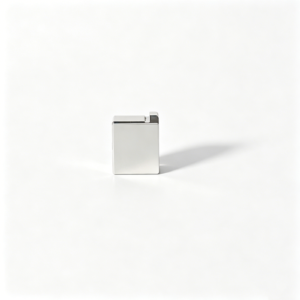
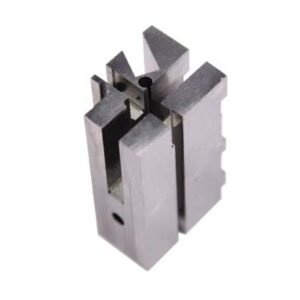
Representative Gate Insert Components


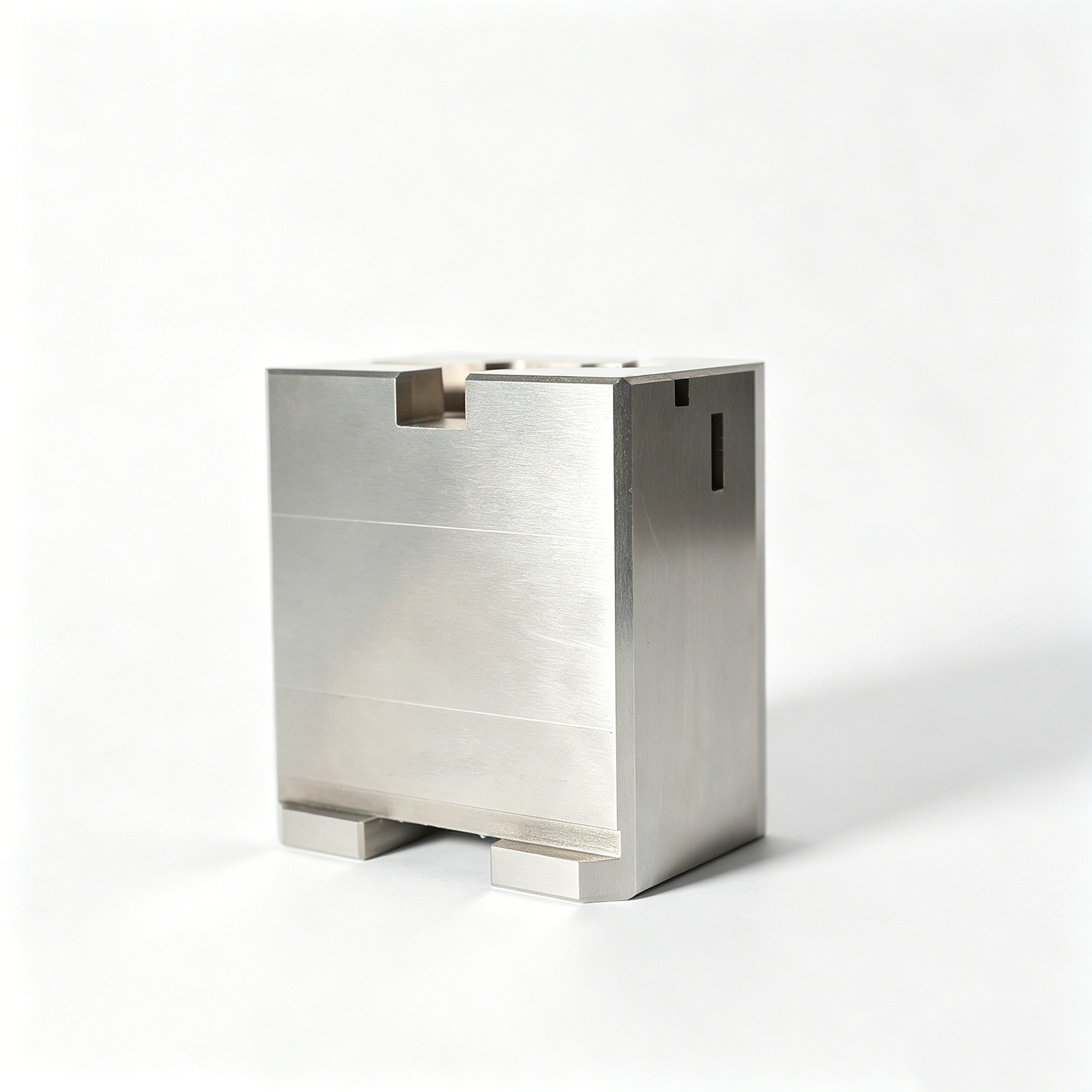


Related Components and Drawing-Based Quotation







Why Choose SUUXIANG for Gate Inserts
A controlled engineering workflow for custom gate inserts, from drawing review through inspection and delivery coordination.
DFM Before Quotation
We review drawing clarity, machining access, datums, material requirements, and critical features before discussing a production route.
Process Route Planning
Precision CNC machining, EDM, grinding, fitting, and inspection are planned around geometry, tolerance priorities, surface requirements, and part function.
Critical Dimensions First
Inspection planning focuses on critical-to-quality dimensions, datum relationships, mating interfaces, and specified surface requirements for gate insert components.
Revision Control
Drawing revisions, manufacturing changes, and delivery information remain visible so production follows the currently approved technical requirements.
Inspection Matched to Requirements
Measurement methods and documentation are aligned with the order, inspection plan, and agreed reporting needs before final release.
RFQ-Ready Communication
Share drawings, models, quantity, material, quality expectations, and delivery targets to support a more informed manufacturing discussion.
Precision Tooling and Machining Families
Drawing-driven process routes for configurable components, from DFM review through machining, EDM, grinding, inspection and controlled delivery.
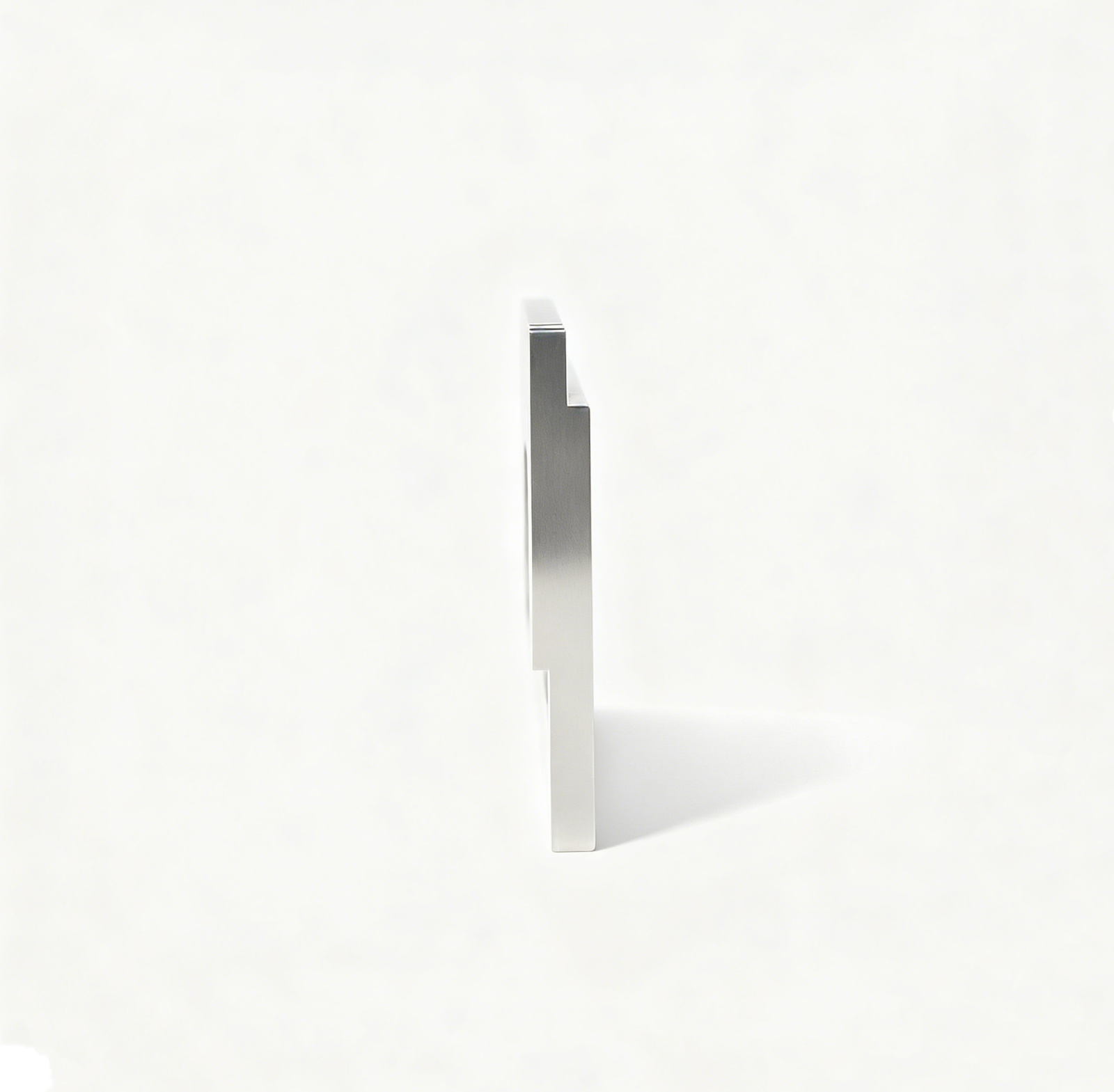
CNC Machining Services
Precision CNC machining services for drawing-based parts that require a defined process route, critical-dimension review and inspection planning. CNC milling, turning, EDM and grinding are selected according to geometry, material condition, tolerance priorities and quantity.
Upload a Drawing
CNC Milling
Custom CNC milling services for plates, inserts, housings and complex prismatic parts. Drawing review considers datum structure, tool access, corner radii, machining allowance and critical surfaces before committing to a machining sequence.
Upload a Drawing
CNC Turning
Precision CNC turning services for rotational components, shafts, sleeves, bushings and related tooling details. Review focuses on concentricity, runout, thread requirements, material condition, holding method and the inspection approach for critical diameters.
Upload a Drawing
5-Axis Machining
5-axis CNC machining supports multi-face features and complex contours where fewer setups can protect datum relationships. The process route is evaluated against tool reach, fixturing, surface requirements, material condition and inspection access.
Upload a Drawing
Swiss & Micro Machining
Swiss machining and micro machining support small-diameter pins, shafts, sleeves and intricate connector-related details. Buyers should define critical diameters, length-to-diameter ratios, material, surface requirements, quantity and measurement method for quotation review.
Upload a Drawing
Wire & Sinker EDM
Wire EDM and sinker EDM services address sharp internal geometry, hardened materials, narrow slots and features with limited milling access. Electrode strategy, wire path, flushing, recast-layer considerations and subsequent finishing requirements are reviewed per drawing.
Upload a Drawing
Precision Grinding
Precision surface and profile grinding brings controlled finish and geometry to critical faces, profiles, diameters and datum surfaces. Grinding stock, heat-treatment sequence, flatness or profile requirements and inspection methods should be agreed before production.
Upload a Drawing
Mold Core & Cavity Inserts
Precision mold core and cavity inserts are manufactured from customer drawings for injection and related tooling applications. DFM review addresses parting-line relationships, cooling or feature access, hardened-condition machining, EDM needs, grinding stock and critical dimensions.
Upload a Drawing
Ejector & Ejection Components
Ejector pins, sleeves and ejection components are configured around stroke, fit, guide relationship and wear-sensitive surfaces. Material, hardness, diameter control, clearance requirements and mating-component context should be supplied with the RFQ.
Upload a Drawing
Core Pins, Guide & Locating Components
Core pins, guide pins and locating components establish repeatable alignment and feature formation in precision tooling. Drawing review evaluates fit classes, concentricity, seating surfaces, material and heat treatment, lubrication needs and inspection points.
Upload a Drawing
Slides, Lifters, Gates & Mold Accessories
Mold slides, lifters, gates and accessories are produced as configurable tooling components rather than stock claims. Buyers should provide assembly context, motion and clearance requirements, datum references, contact surfaces, material condition and any fitting expectations.
Upload a Drawing
Connector Mold Components
Precision connector mold components support the small, repeatable features common in connector tooling. Process planning considers pin geometry, cavity relationships, tool access, EDM or grinding requirements, wear surfaces, dimensional priorities and mating-component evidence.
Upload a Drawing
Stamping Die Components
Precision stamping die components are made for drawing-defined cutting, forming, guiding and locating functions. The review covers material and heat treatment, working-edge geometry, clearance relationships, finish requirements, grinding allowance and inspection criteria.
Upload a Drawing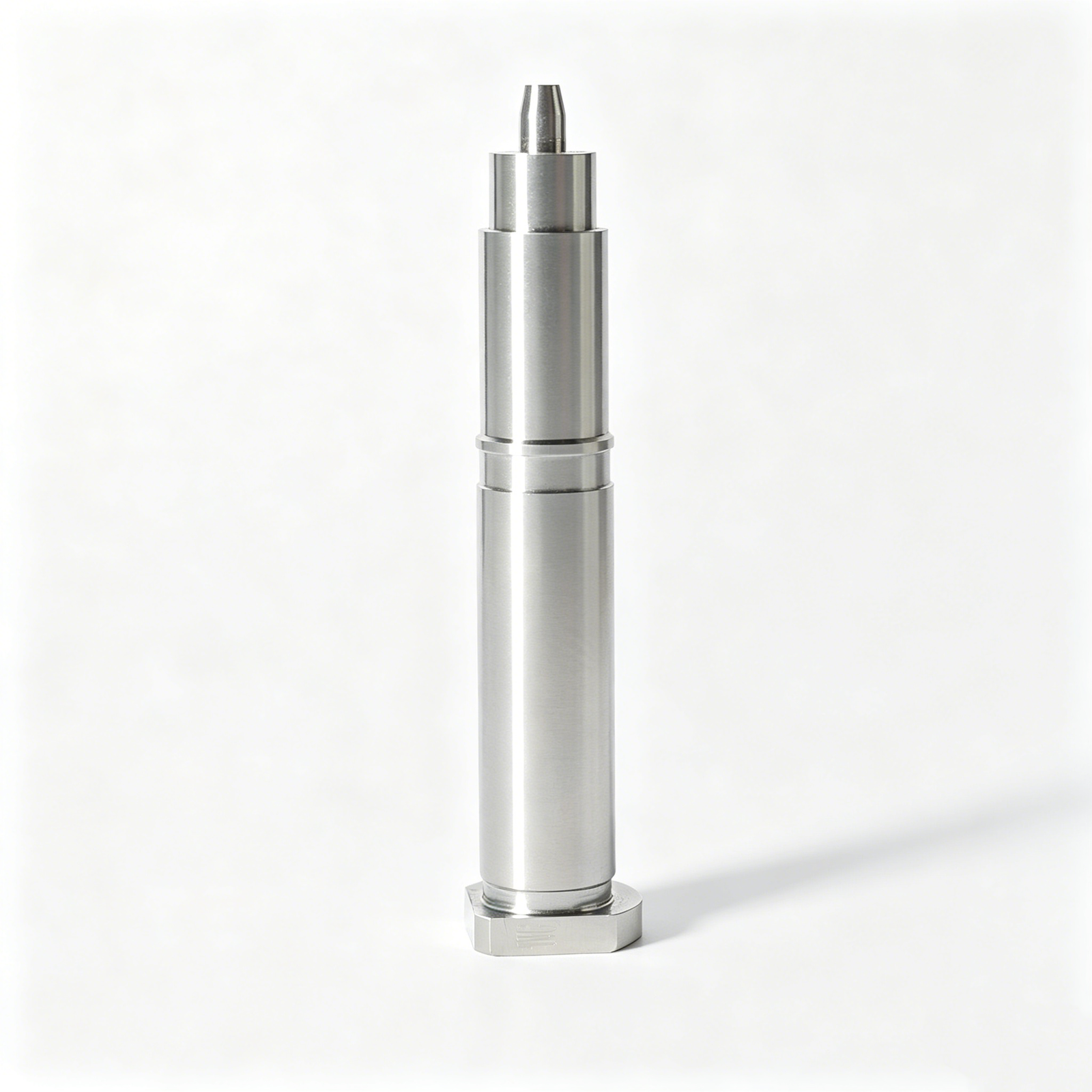
Injection, MIM, CIM & Overmolding Tooling
Injection, MIM, CIM and overmolding tooling components are evaluated within verified production scope. RFQs should identify the molding process, material behavior, part geometry, critical interfaces, tooling material, surface requirements and validation expectations.
Upload a Drawing
Machining Materials
CNC machining materials are selected from the drawing and application requirements, considering machinability, heat-treatment sequence, corrosion resistance, wear demand and inspection needs. Material substitutions require documented review before production begins.
Upload a Drawing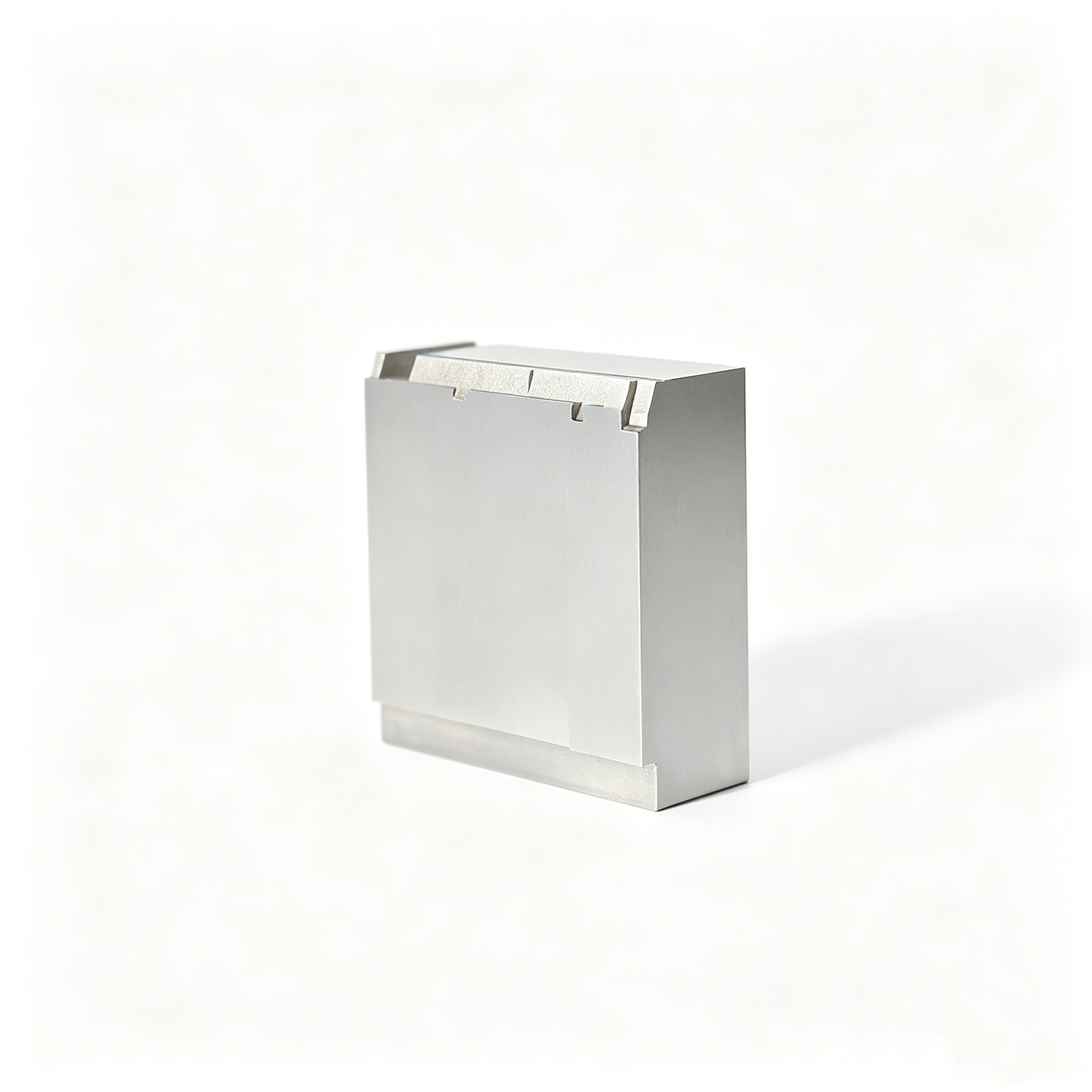
Surface Finishes & Heat Treatment
Surface finishing and heat treatment are planned around the required function, material condition and dimensional risk. Specify finish targets, hardness or treatment requirements, masking or contact surfaces, post-treatment grinding needs and any documentation required.
Upload a Drawing
Quality, Metrology & Documentation
Precision inspection, metrology and quality documentation are defined around critical dimensions, datums and the agreed inspection plan. Buyers can request relevant reports, but the required methods, sampling expectations, revision status and traceability evidence should be stated upfront.
Upload a Drawing
Prototyping & Low-Volume Production
Rapid prototyping and low-volume manufacturing support drawing-driven validation, bridge quantities and controlled production runs. A useful RFQ identifies quantity, revision maturity, material, critical dimensions, surface needs, target date and required inspection documentation.
Upload a DrawingMaterials for Precision Gate Inserts

Tool Steels
Common for wear-critical gate inserts, cores and cavity features. Tool steel can be machined before hardening, then finished by EDM or grinding; allowance, distortion risk and final hardness requirements should be defined on the drawing.

Stainless Steels
Suitable where corrosion resistance or a cleanable working surface matters. Grade selection affects machinability, heat-treatment response and finishing strategy, so mating conditions, surface requirements and dimensional priorities should be reviewed before quotation.

Alloy Steels
Used for structural inserts and tooling components requiring a balance of strength, toughness and machinability. The manufacturing route should establish whether machining occurs annealed, pre-hardened or before final heat treatment, with grinding stock planned accordingly.

Carbon Steels
A practical option for selected tooling, locating and non-corrosion-critical components. Material condition, required hardness and surface protection influence the CNC, EDM and grinding sequence, especially where interfaces or functional datums are tightly controlled.

Aluminum Alloys
Often considered for lightweight fixtures, prototype tooling and components with less demanding wear exposure. Alloy and temper affect machining behavior and dimensional stability; specify surface finish, threaded features and any mating or handling loads in the RFQ.
Manufacturing Processes for Gate Inserts

CNC Milling
Multi-axis CNC milling establishes profiles, pockets, mounting features and datum surfaces. Tool access, wall geometry and machining allowance are reviewed before selecting a route that supports stable dimensions and the specified surface condition.

CNC Turning
CNC turning supports rotational gate-insert features such as locating diameters, sleeves and threaded interfaces. The route is evaluated against concentricity, datum relationships, material condition and downstream fitting or inspection requirements.

Wire EDM
Wire EDM is considered for narrow profiles, sharp internal geometry and hardened-material features that are difficult to mill. Wire path, start-hole access, corner requirements and finish expectations must be defined from the drawing.

Sinker EDM
Sinker EDM forms deep, detailed or inaccessible cavity geometry through planned electrode strategy. Electrode wear, spark allowance, surface requirement and subsequent finishing operations are reviewed before this process is committed.

Fitting and Inspection
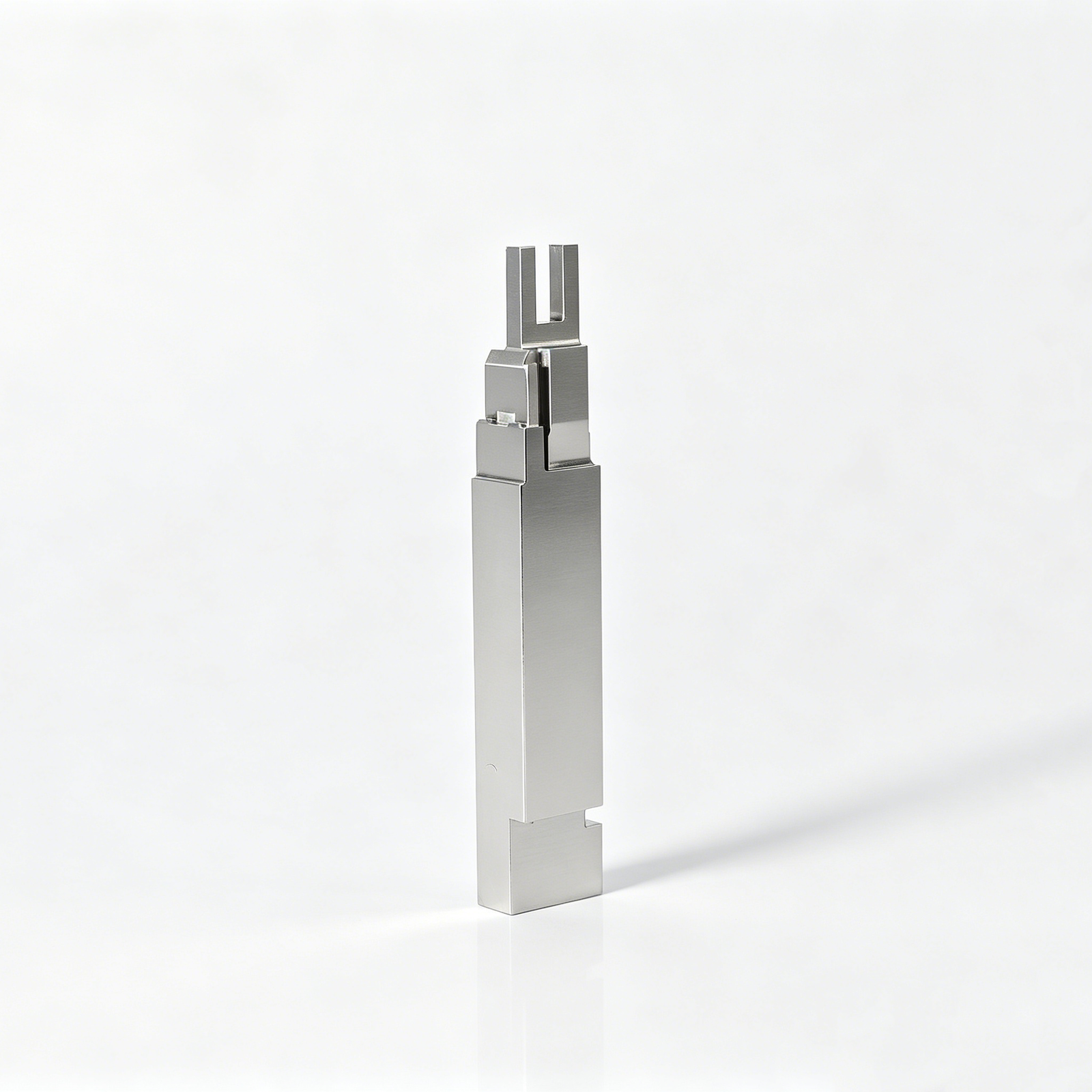
Fitting verifies mating relationships where the supplied assembly context requires it, while inspection confirms agreed critical dimensions against the order-specific plan. Results, revision status and required reports remain aligned with the approved drawing.
Gate Inserts: Component Features and Supporting Elements

Locating Features
Datums, locating faces, pockets, and register details help establish repeatable assembly position. Define the mating condition, critical dimensions, and inspection reference so the gate insert can be evaluated against its intended tool interface.

Guide Components
Guide pins, bushings, and alignment features can be specified where controlled motion or repeatable closure is required. Drawing review should confirm fit, lubrication needs, wear surfaces, and the relationship between fixed and moving components.
Precision Pins
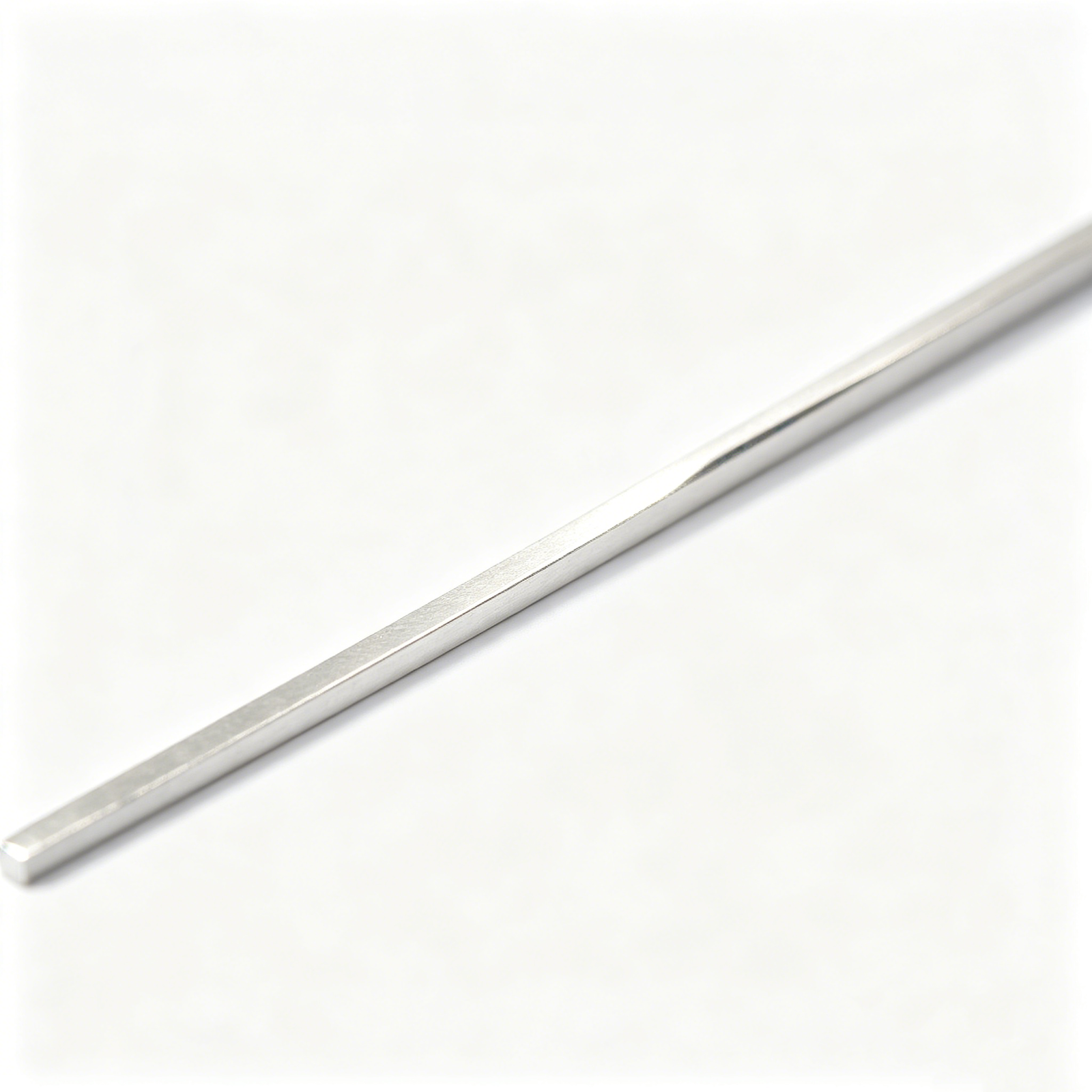
Core pins, ejector-related pins, and custom locating pins require clear diameter, length, material, hardness, and surface requirements. SUUXIANG reviews grinding access and measurement method before committing to the planned manufacturing route.

Slides and Lifters
Slides, lifters, and related moving elements depend on travel direction, bearing interfaces, clearance, and retention details. Provide assembly views and mating-part context to support DFM review, machining access planning, and controlled fitting.
Traceability Labels
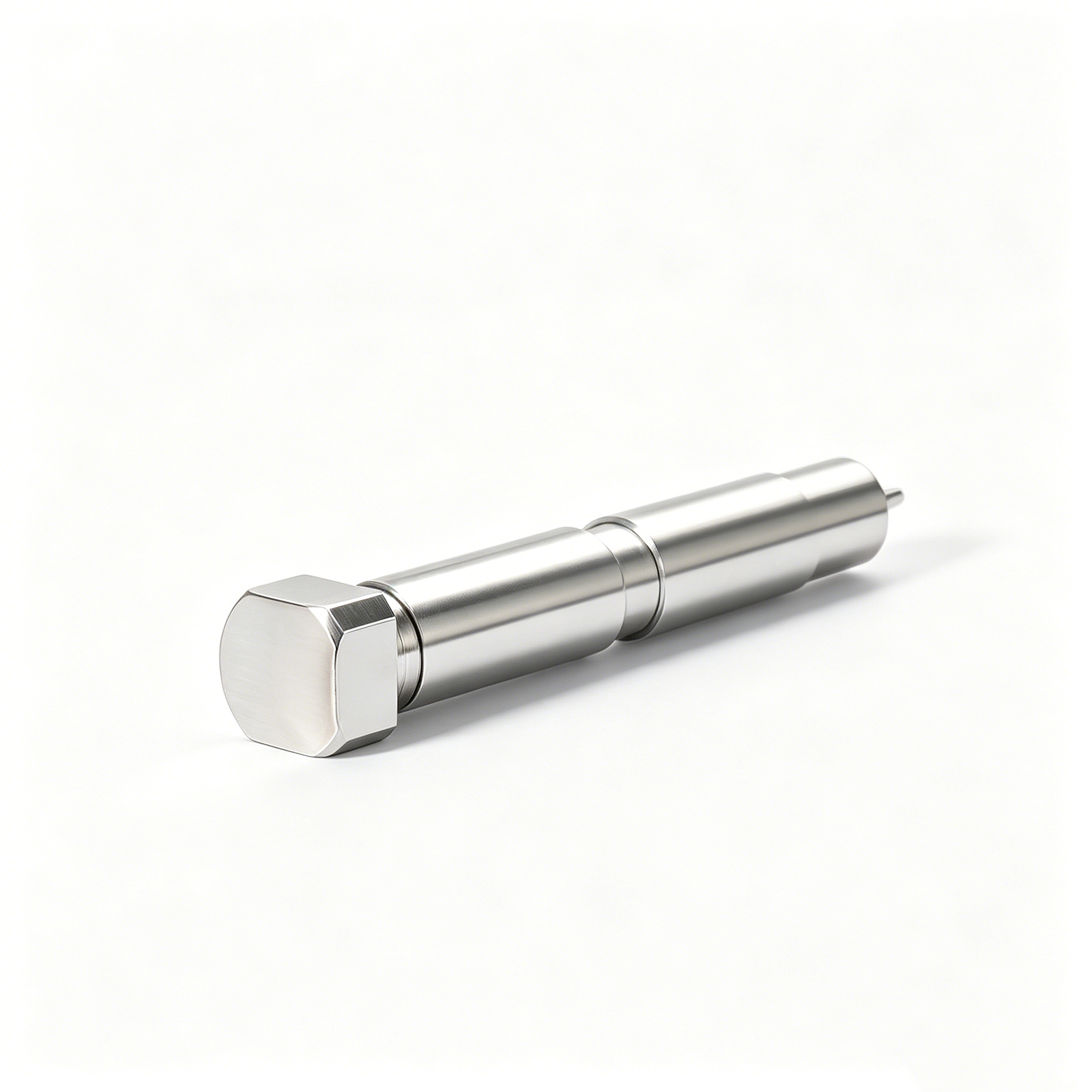
Part marks, revision identifiers, and controlled labels support receiving, assembly, and inspection records. Specify location, format, permanence, and any restricted marking zones so identification does not interfere with functional surfaces or critical dimensions.
About SUUXIANG Gate Inserts Manufacturing
SUUXIANG is the public-facing brand of Dongguan SuuXiang Precision Mold Co., Ltd., established in 2010 in Chang’an Town, Dongguan, Guangdong, China. We help international engineering, sourcing, and quality teams turn controlled drawings and specifications into inspected gate inserts, precision mold components, connector tooling, and custom machined parts.
Our manufacturing workflow combines CNC milling and turning, multi-axis machining, EDM, precision grinding, fitting, and inspection. Each project begins with drawing review: critical dimensions, datums, material and heat-treatment requirements, machining access, EDM or grinding needs, and reporting expectations are clarified before production commitments are made.
What differentiates SUUXIANG is disciplined, drawing-driven coordination. Rather than treating components as a generic catalog, we align process planning, revision control, inspection methods, and delivery information to the approved order. Submit your drawing, quantity, quality requirements, and target date for a practical manufacturability discussion.

Gate Inserts: From Drawing Review to Production Control
DFM and Datum Review
Before quotation, SUUXIANG reviews gate insert drawings, models, material requirements, and critical dimensions to clarify datum strategy, tolerance stack, machining access, and inspection expectations. This early discussion helps identify production risks before process commitments are made.
- Confirm critical-to-quality dimensions and functional interfaces
- Review datum references and tolerance relationships
- Identify tool access, fixturing, and machining constraints
- Align material, quantity, delivery, and reporting requirements

CNC and EDM Strategy
Gate insert geometry may require a coordinated route across CNC milling, turning, wire EDM, sinker EDM, and multi-axis machining. Process selection is based on the submitted design, internal features, corner conditions, electrode needs, and the dimensions that require controlled finishing.
- Match machining routes to geometry and access conditions
- Plan wire paths for narrow profiles and precision contours
- Evaluate electrode strategy for inaccessible internal features
- Preserve appropriate stock for later finishing operations

Grinding and Fitting Control
Where fit, flatness, parallelism, or mating performance matters, machining is planned with suitable grinding allowance and sequence. SUUXIANG considers heat-treatment timing, finish requirements, and assembly interfaces so each gate insert component can be evaluated against its drawing-defined function.
- Define grinding stock before final finishing operations
- Consider heat-treatment sequence and dimensional movement
- Review mating faces, locating features, and fit conditions
- Coordinate fitting requirements with drawing revisions
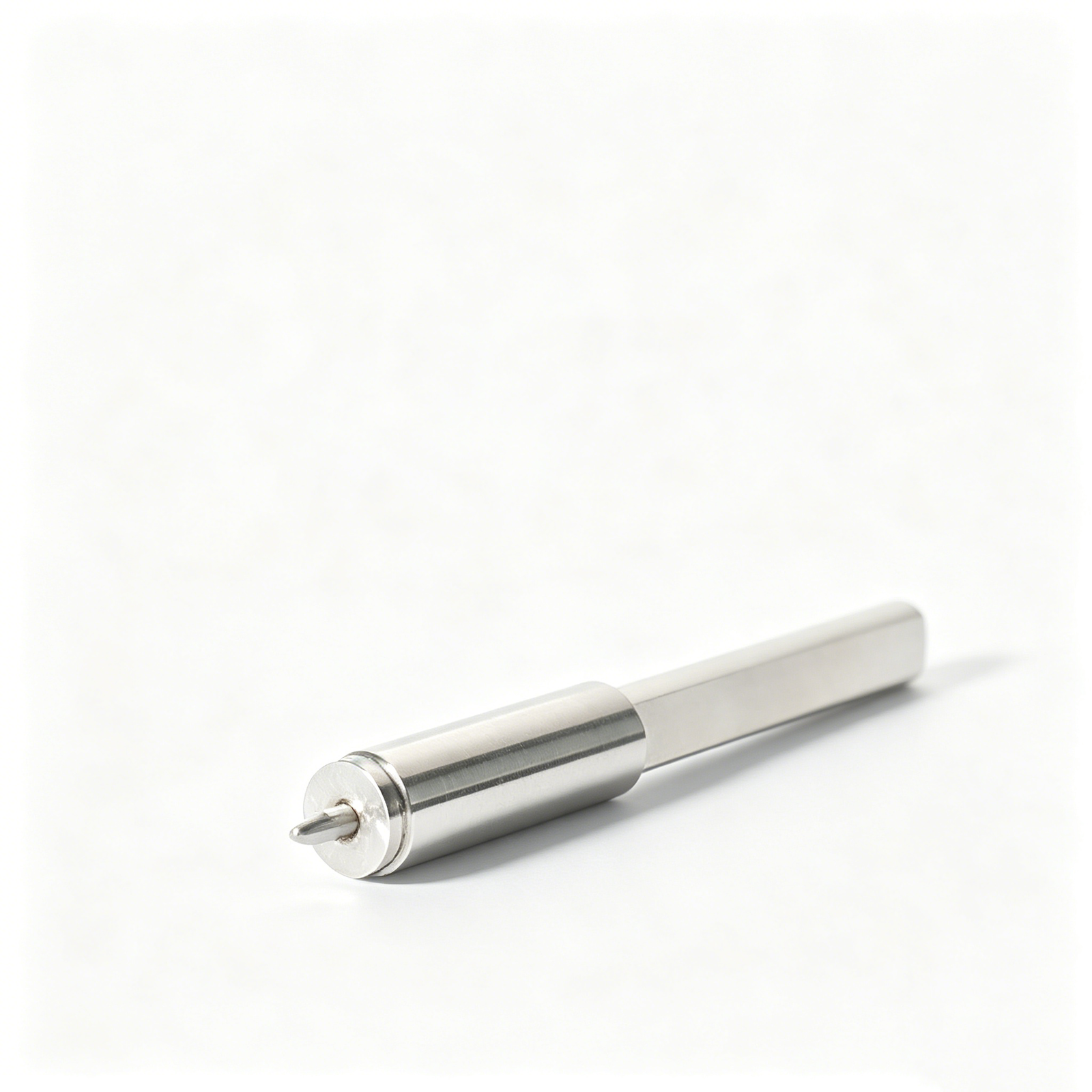
Inspection and Revision Traceability
Inspection planning begins with the order’s critical dimensions, datum references, surface requirements, and requested documentation. SUUXIANG keeps drawing revisions and delivery information visible through the project, helping teams align manufactured parts with the verified inspection plan and current specifications.
- Link inspection methods to critical drawing requirements
- Confirm reporting and documentation needs before production
- Maintain visibility of drawing and revision status
- Match final records to the agreed inspection plan

Gate Inserts: A Controlled Engineering Workflow
Compare drawing-led planning with generic quotation workflows.
← Swipe left or right to view →
Gate Inserts Production Workflow
From drawing review to delivery coordination, each project follows defined manufacturing and inspection checkpoints aligned to the approved requirements.
Review Drawings and Requirements
We review drawings, models, material, quantity, critical dimensions, datums, surface requirements, delivery targets, and inspection expectations before confirming a practical production route.
Confirm DFM and Control Plan
DFM discussion addresses tool access, tolerance stack, machining allowance, heat-treatment sequence, EDM needs, grinding stock, and revision status before quotation and production commitment.
Machine Critical Part Features
Approved gate inserts move through the selected CNC milling, turning, multi-axis, micro-machining, or related operations, with process choices matched to drawing-defined geometry and access.
Apply EDM and Grinding
Where required, wire EDM, sinker EDM, precision grinding, and fitting complete fine features, controlled surfaces, and mating relationships while maintaining the agreed datum strategy.
Inspect Pack and Coordinate
Final inspection follows the verified plan; documentation, revision identification, protective packing, and delivery coordination are checked against the order before shipment arrangements are confirmed.
Start Your Gate Inserts Project
Move from drawing review to documented production with requirements visible at each decision point.
Submit Your Drawing Package
Send 2D drawings, 3D models when available, material, quantity, critical dimensions, surface requirements, delivery target, and inspection or reporting expectations.
Review Manufacturability
Align on datum strategy, tolerance stack, machining access, EDM or grinding requirements, heat-treatment sequence, and inspection approach before production commitments are made.
Confirm Quote And Samples
Review the proposed process route, quotation basis, revision status, and any prototype or sample need before releasing gate inserts for manufacture.
Coordinate Production And Evidence
SUUXIANG coordinates machining, EDM, grinding, fitting, and inspection while keeping revision, delivery, and agreed inspection documentation aligned with the order.
Gate Insert Project Evidence
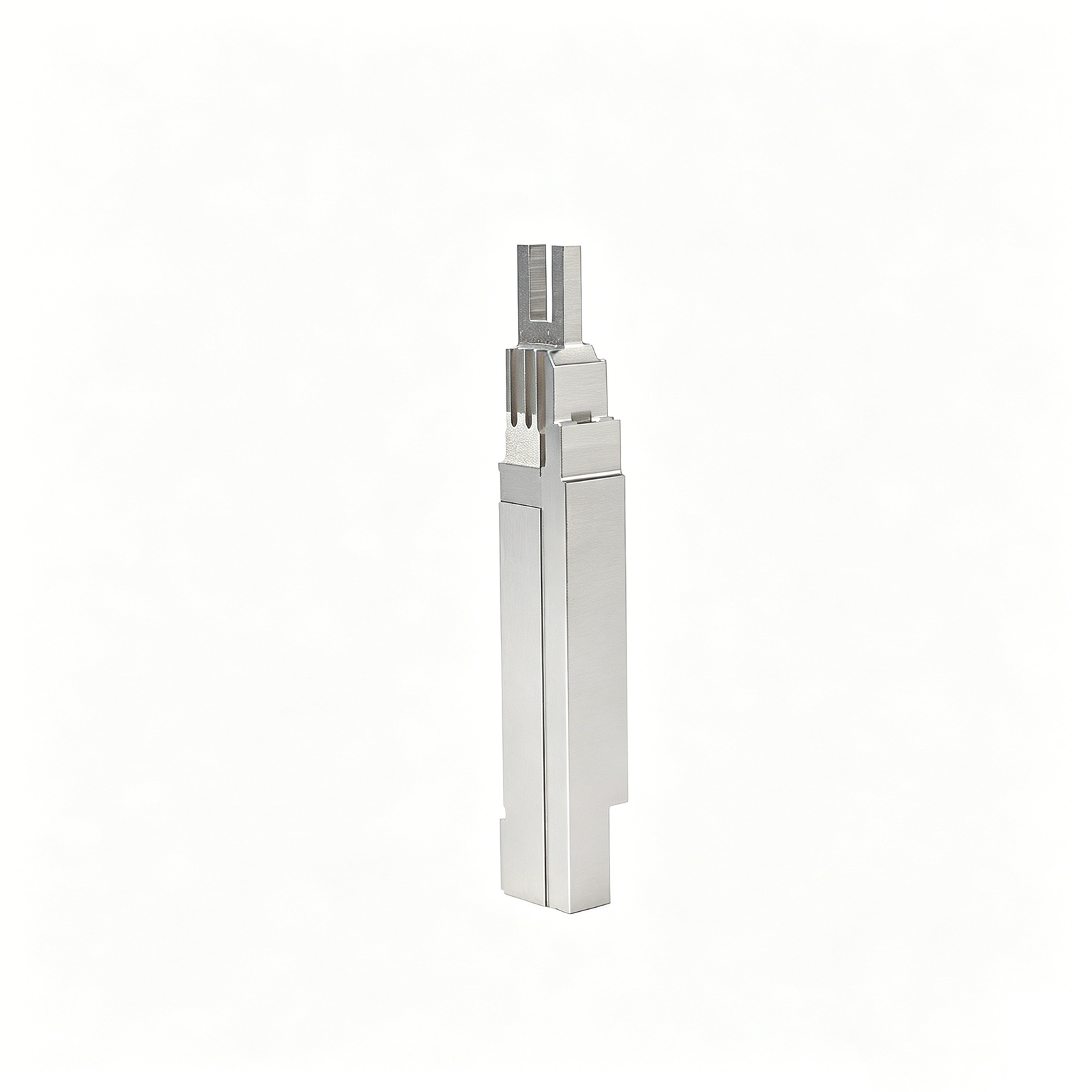
Gate Inserts Customer Project Feedback and Case Evidence
Published customer feedback will be added only after the project outcome, wording, and permission to publish have been verified.
Documented gate insert case evidence will be published when drawing scope, inspection results, and customer approval are confirmed.
SUUXIANG does not publish unverified testimonials or project-performance claims. Request a drawing review to discuss relevant manufacturing evidence.
The Complete Buyer’s Guide to Gate Inserts
Practical answers for drawing-based gate insert and precision tooling inquiries.
What is the minimum order quantity for custom gate inserts?
Can SUUXIANG make samples of gate inserts before production?
What information is needed to quote gate inserts?
What lead time should I expect for a gate insert order?
Which materials can be used for gate inserts and related mold components?
What tolerances can SUUXIANG hold on gate inserts?
Can I request an inspection report or material documentation?
How are shipping, payment, and IP handled for a custom order?
The Complete Buyer’s Guide to gate inserts
A practical decision framework for specifying drawing-based gate inserts, evaluating CNC and EDM suppliers, controlling quality risk, and avoiding costly material, tolerance, inspection, and sourcing mistakes.
1. What Are gate inserts?
SUUXIANG uses ‘gate inserts’ to mean replaceable precision tooling components—not decorative panels fitted into architectural gates. In a mold, stamping die, or connector tool, an insert can form a gate feature, guide material, seal a local interface, locate a mating component, or create a serviceable wear zone.
2010 is SUUXIANG’s founding year; its drawing-based work begins by identifying where the insert seats within the surrounding core, cavity, die shoe, or connector-tool assembly. The seating faces, locating features, fasteners or retention method, and accessible removal direction determine whether replacement can occur without disturbing adjacent tooling.
2D drawings and 3D models should define the governing datums before procurement, especially when the insert controls a flow path or interfaces with another hardened component. Critical dimensions, surface requirements, tolerance relationships, expected production life, maintenance interval, and inspection evidence determine the suitable process route and acceptance plan.
2. How gate inserts Evolved
Before CNC and EDM became routine tooling processes, a gate feature was commonly machined directly into a larger mold plate or core. A damaged or revised gate area could therefore require reworking a costly parent component, with greater risk to established datums and shutoff relationships.
CNC milling improved repeatable pocketing and locating geometry, while wire EDM and sinker EDM made narrow, deep, hardened, or intricate gate details more practical to produce as separate components. Standardized mold bases further supported this change by giving designers defined insert seats, retention methods, and reference surfaces.
For OEM buyers, the relevant evolution is traceability rather than novelty: a replaceable insert needs controlled interface dimensions, orientation features, material and heat-treatment requirements, and an inspection plan tied to drawing datums. That discipline can shorten maintenance and revision loops because only the affected gate inserts may need replacement, but interchangeability must be verified—not assumed from nominal dimensions alone.
3. Types of gate inserts
Six functional families cover most drawing-based gate inserts. Classify them by melt control, forming contact, or service replacement before choosing the machining route.
| Family | Typical Geometry | Likely Route | Critical Callouts |
|---|---|---|---|
| Mold gate | Orifice, tapered land | EDM, grinding | Diameter, polish, datum |
| Runner/feed | Junction, channel | CNC, EDM | Profile, depth, flow junction |
| Cavity/core | Ribs, pockets | CNC, EDM, grinding | Shutoff, draft, position |
| Connector tooling | Pin bores, slots | Micro machining, EDM | Pitch, true position |
| Stamping die | Punch, die opening | Wire EDM, grinding | Clearance, edge condition |
| Replacement | Localized wear feature | Match original route | Revision, fit, traceability |
Mold Gate And Feed Inserts

Gate and runner inserts control entry or feed geometry. Typical forms are small orifices, tapered lands, and runner junctions; call out datum faces, gate diameter, radii, polish direction, and EDM access.
Cavity Core And Connector Inserts

Cavity, core, and connector-tooling inserts carry molded detail or terminal features. Typical geometry includes ribs, pockets, pin bores, and narrow slots; specify shutoff faces, positional tolerances, draft, mating datums, and inspection points.
Stamping And Replacement Inserts
Stamping-die inserts form, cut, or guide sheet features, while prototype replacements shorten revision risk. Use a replaceable insert when wear, a design change, difficult EDM geometry, or localized damage should not consume a larger tool block.
4. Gate inserts Materials and Heat Treatment
Five material families cover most precision gate-insert decisions. Select against resin abrasiveness, forming load, production volume, environment, and the planned maintenance interval.
| Family | Strength | Key Trade-Off | Typical Fit |
|---|---|---|---|
| Tool steel | Tough, polishable | Heat-treatment movement | General production |
| Stainless steel | Corrosion resistance | Hardening distortion | Humid or corrosive duty |
| Tungsten carbide | Exceptional wear | Brittle, difficult finishing | Filled-resin volume |
| Copper alloy | Fast heat transfer | Low wear resistance | Cooling-focused inserts |
| Aluminum | Fast prototype machining | Short service life | Prototype duty |
Steel And Carbide
P20 and H13 tool steels balance machinability, toughness, polishability, and heat-treatment risk for general-duty inserts.
Tungsten carbide resists abrasive filled resins but needs controlled seating; EDM and grinding strategy are critical.
Corrosion And Heat Flow
420-class stainless is considered where moisture or corrosive resins matter; verify heat-treatment distortion against final datums.
Copper alloys improve heat transfer but sacrifice wear resistance; aluminum suits prototype-duty service only.
Release The Material
2D drawings should state material, hardness, coating, and critical datums before release.
Production plans should define polishing, EDM recast removal, coating compatibility, inspection, and spare-insert maintenance.
5. Custom Gate Inserts: Geometry and Finishes
A custom gate insert begins with the functional molding geometry, not a cosmetic feature list. SUUXIANG reviews the released 2D drawing, 3D model, material callout, quantity, and mating-part context before selecting a process route.
| Feature Condition | Typical Process | Drawing Input |
|---|---|---|
| Accessible pocket | CNC milling | Datum and corner radius |
| Precision face | Grinding | Finish and geometry tolerance |
| Through contour | Wire EDM | Wire path and relief |
| Blind detail | Sinker EDM | Electrode and depth definition |
Define The Manufacturing Envelope
2D drawings should identify datums, critical tolerances, surface-finish requirements, edge breaks, threads, fits, heat treatment, coating, and marking location. 3D models clarify tool access, shutoff geometry, and interfaces, but the controlled drawing remains the inspection reference.
- State mating core, cavity, nozzle, or runner details.
- Identify functional faces and nonfunctional cosmetic faces.
- Provide revision level and change history with the RFQ.
Match Process To Geometry
CNC milling removes accessible pockets and profiles, while precision grinding establishes flatness, parallelism, and controlled stock. Wire EDM suits through-features and tight internal profiles; sinker EDM addresses enclosed ribs or blind detail after electrode review.
- Polishing follows the specified functional surface requirement.
- Laser marking belongs on a defined, noncritical location.
- DFM review confirms EDM relief, radii, and grinding allowance before release.
6. Gate Inserts Quality Requirements
Two reference datums should locate a gate insert before any noncritical cosmetic feature is evaluated. Quality requirements must reflect the mating steel, resin-flow function, and service conditions shown on the released drawing.
Datums And Critical Features
Three mutually perpendicular datums can establish repeatable orientation for size and position checks. Identify shutoff faces, gate geometry, locating features, and mating bores as critical only when function or assembly depends on them.
One tolerance stack should be reviewed across the insert and its receiving pocket. Apply positional tolerance to features located from functional datums, rather than relying on separate coordinate limits.
Mating Surface Condition
Flatness and parallelism control contact faces, bearing areas, and installed alignment. Specify surface roughness only where sealing, sliding, flow, or release performance requires it.
Sharp internal corners can concentrate stress and prevent full seating. Define manufacturable radii, remove loose burrs, and protect finished edges during handling and fitting.
Material And Inspection Evidence
100% inspection is most useful for clearly identified CTQ dimensions, not every nonfunctional feature. Request a dimensional report tied to drawing revision, datum scheme, measuring method, and actual results.
First-article approval should precede production release when fit risk or revision sensitivity is high. Request material and heat-treatment records when specified, plus crack checks or hardness evidence where the approved plan requires them.
- Prioritize shutoff and gate-forming geometry
- Confirm mating-interface measurements
- Match records to part and revision
7. Choosing a Gate Inserts Manufacturer
A drawing-based gate inserts supplier should be evaluated against the released drawing, not a generic capability list. Compare how each quotation converts critical features into a controlled manufacturing and inspection plan.
| Comparison Point | Technically Complete Quote | Price-Only Quote |
|---|---|---|
| DFM | Feature-specific risks stated | No drawing assumptions |
| Process route | CNC, EDM, grinding identified | Single generic process |
| Quality | CTQs and inspection plan defined | Inspection unspecified |
| Delivery | Capacity, packaging, changes addressed | Date only |
Review Engineering Response
The first reply should identify datums, critical dimensions, tool access, and tolerance-stack risks. Ask for DFM feedback before order release and a clear list of drawing assumptions.
- Which features require EDM or grinding?
- Which dimensions are critical-to-quality?
- What revision controls the quotation?
Confirm Process And Evidence
A credible route separates CNC stock removal, EDM detail generation, and grinding for final geometry where applicable. Require material traceability when specified, an inspection method per critical feature, and a sample or first-article approval path.
- Material certificate required?
- Inspection report format agreed?
- First article approval required?
Test Delivery Control
The purchase order should state quantity, promised lead-time assumptions, packaging protection, and shipping handoff. Require written change control for drawing, material, process, inspection, or delivery revisions.
- What capacity supports the quoted date?
- How are parts protected in transit?
- Who approves engineering changes?
8. Common Gate Inserts Sourcing Mistakes
Two documents—the controlled 2D drawing and the latest revision record—should govern a gate inserts purchase. Most avoidable cost enters before machining, when requirements leave the supplier to infer fit or acceptance.
Incomplete Drawing Package
A 2D drawing without section views, tolerances, or revision status can produce an insert that cannot be inspected consistently. Release the PDF, native or neutral 3D model, quantity, and an identified revision before the PO.
Datums And Mating Context
A pocket location without functional datums may fit on a bench yet misalign in the mold. Define datum surfaces and provide mating-part geometry, shutoff relationships, and assembly clearance before machining starts.
Material And Heat Treatment
A steel grade name alone does not define supply condition, hardness target, or heat-treatment sequence. State material standard, prehard or annealed condition, target hardness, and whether finish grinding follows heat treatment to control movement.
Tolerance And Acceptance
A blanket tight tolerance raises grinding, EDM, inspection, and rework exposure without improving function. Assign critical tolerances to functional features, specify surface requirements and measurement method, then approve a clear inspection plan before release.
Price-Only Selection
A lowest unit price can omit electrode strategy, inspection evidence, revision control, or realistic lead-time allowances. Compare like-for-like quotations against the drawing package, process route, deliverables, and acceptance criteria before award.
9. From RFQ to Production Release
A controlled launch prevents a prototype drawing from becoming an uncontrolled production baseline. For gate inserts, use one release package from RFQ through reorder.
Define The Release Package
One RFQ package should include controlled 2D drawings, native or neutral CAD, quantity, material, heat treatment, mating context, and target date.
Each drawing should identify revision, units, datums, surface requirements, and critical-to-quality features.
Close DFM And Quote Assumptions
Before award, request DFM covering tool access, EDM or wire path, grinding stock, inspection method, and risks around thin features.
One quotation review should record included material condition, process route, tolerances, inspection scope, delivery basis, and exclusions.
Approve And Control Production
First articles should be approved against the released revision and agreed inspection plan before pilot or low-volume production proceeds.
Every change needs a revision identifier, disposition of existing parts, updated CAD and drawing, and an effective date. Reorders should reference the frozen specification and required documentation.
10. Gate Inserts Pricing and Lead Time
Five cost groups govern a drawing-based gate insert: material and blank preparation; CNC, EDM, grinding and polishing; heat treatment or coating; inspection; and project coordination. Unit cost rises with tight tolerances, difficult tool access, electrode count, wire paths, surface requirements, and inspection beyond the agreed plan.
Three quantity tiers change cost differently: programming, fixtures, electrodes, and first-article verification concentrate in early pieces, while repeatable machining can spread them across a release. The table is illustrative, not a SUUXIANG price or lead-time commitment; timing depends on verified material availability, routing, and capacity.
One released revision is usually less costly and faster to schedule than changes after programming begins. Submit the 2D drawing, model, material, critical dimensions, quantity, delivery date, coating, and inspection needs for an appropriate process route and expedite review.
| Quantity tier | Relative unit-cost behavior | Typical lead-time drivers |
|---|---|---|
| 1–5 pieces | Highest; setup dominates | Material, EDM, first-article inspection |
| 6–50 pieces | Declines with repeated setups | Grinding, heat treatment, inspection |
| 50+ pieces | Depends on repeatability and release size | Capacity, fixtures, delivery split |
Upload Your Drawing for a Gate Inserts Quote
Send your 2D drawing, 3D model, material, quantity, critical dimensions, inspection requirements, and target delivery date for a focused manufacturing review.