
Engineering Plastics Machining for Drawing-Based Parts
Move engineering plastics components, precision mold parts, and connector tooling from drawing review to inspected production with disciplined DFM, machining, and quality control.
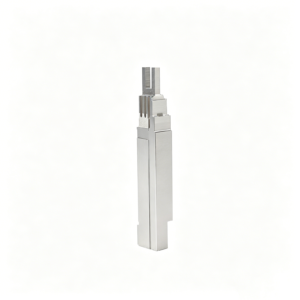
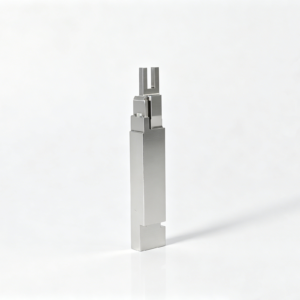
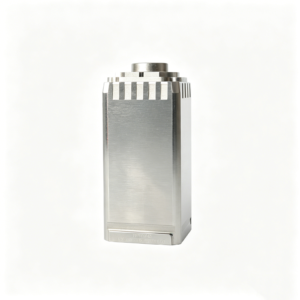
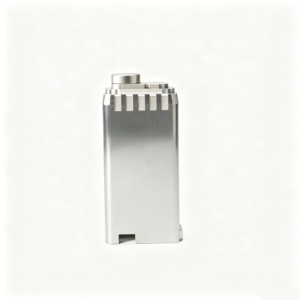
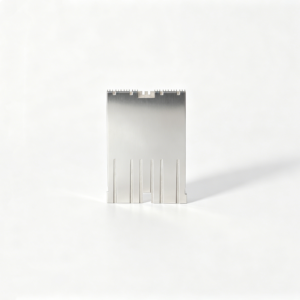
Representative Mold and Connector Tooling Components


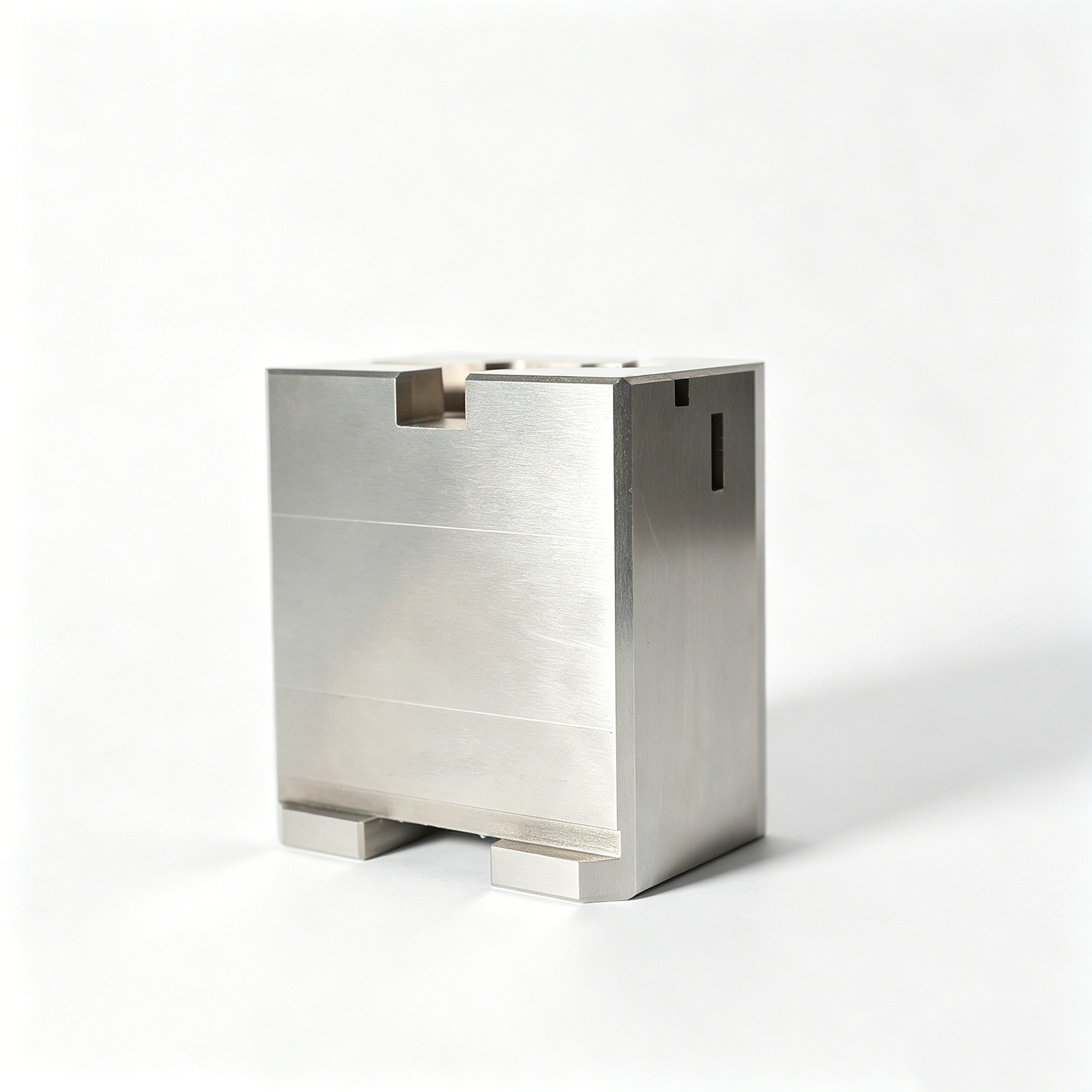


Related Product Catalogue and Quotation




Why Engineering Teams Choose SUUXIANG for Engineering Plastics
Disciplined technical review connects your drawing requirements to a controlled manufacturing and inspection plan.
Drawing-Led DFM
We review geometry, material requirements, datums, tool access, and tolerances before proposing an engineering-plastics machining route.
Process Route Planning
CNC machining, EDM, grinding, fitting, and inspection are planned around part geometry, critical features, and practical manufacturing sequence.
Critical Dimensions First
Critical-to-quality dimensions receive early review so datum strategy, machining allowance, and inspection methods align with drawing requirements.
Inspection Plan Alignment
Inspection expectations are clarified before production, including report needs, measurement priorities, and documentation required for the order.
Revision Visibility
Drawing revisions, technical questions, and delivery information remain visible through controlled project coordination and traceable communication.
Drawing-Driven Manufacturing Categories
Explore configurable precision-part and tooling families, planned from drawing review through machining, inspection, and controlled delivery.

CNC Machining Services
Precision CNC machining services for drawing-based custom parts, combining milling, turning, EDM, grinding, fitting, and inspection as required by geometry, material, critical dimensions, and application.
Upload a Drawing
CNC Milling
Custom CNC milling services for prismatic parts, plates, inserts, and features requiring controlled datum setup, tool access review, machining allowances, surface requirements, and inspection planning.
Upload a Drawing
CNC Turning
Precision CNC turning services for shafts, pins, bushings, sleeves, threaded forms, and rotational features. Drawing review addresses concentricity, runout, datum references, material condition, and downstream grinding or EDM needs.
Upload a Drawing
5-Axis Machining
5-axis CNC machining supports complex multi-face geometry, angled features, and reduced re-clamping where access and tolerance strategy justify the process. Feasibility depends on part geometry, material, tooling reach, and inspection requirements.
Upload a Drawing
Swiss & Micro Machining
Swiss machining and micro machining support small-diameter pins, shafts, contacts, and other compact precision components. Project review should define critical diameters, length-to-diameter ratios, burr limits, material, and measurement method.
Upload a Drawing
Wire & Sinker EDM
Wire EDM and sinker EDM services address hardened materials, narrow slots, internal profiles, sharp internal geometry, and features with limited conventional tool access. Electrode strategy, wire path, recast considerations, and finishing requirements are reviewed before production.
Upload a Drawing
Precision Grinding
Precision surface and profile grinding supports controlled flatness, parallelism, profiles, and final-size features on mold and die components. Grinding stock, heat-treatment sequence, datum control, and inspection criteria guide the route.
Upload a Drawing
Mold Core & Cavity Inserts
Precision mold core inserts and mold cavity inserts are configurable from customer drawings and mold requirements. Manufacturing planning considers steel selection, heat treatment, machining access, EDM detail, cooling or vent features, fitting interfaces, and critical dimensions.
Upload a Drawing
Ejector & Ejection Components
Ejector pins, sleeves, and ejection components are produced to drawing-defined diameters, fits, lengths, material conditions, and surface requirements. Review includes mating relationships, movement clearance, wear considerations, and inspection expectations.
Upload a Drawing
Core Pins, Guide & Locating Components
Core pins, guide pins, bushings, and locating components require clear datum and fit definitions. SUUXIANG reviews mating geometry, tolerance stack, hardness requirements, alignment function, and any grinding or EDM operations needed.
Upload a Drawing
Slides, Lifters, Gates & Mold Accessories
Mold slides, lifters, gates, and accessories are configured around the specified mold mechanism and interface geometry. Drawing review addresses travel or shutoff relationships, wear surfaces, assembly fit, material condition, and inspection needs.
Upload a Drawing
Connector Mold Components
Precision connector mold components support tooling used for connector-product features and high-density interfaces. Manufacturing review focuses on small geometry, positional accuracy, mating relationships, electrode or wire-EDM needs, and traceable revision control.
Upload a Drawing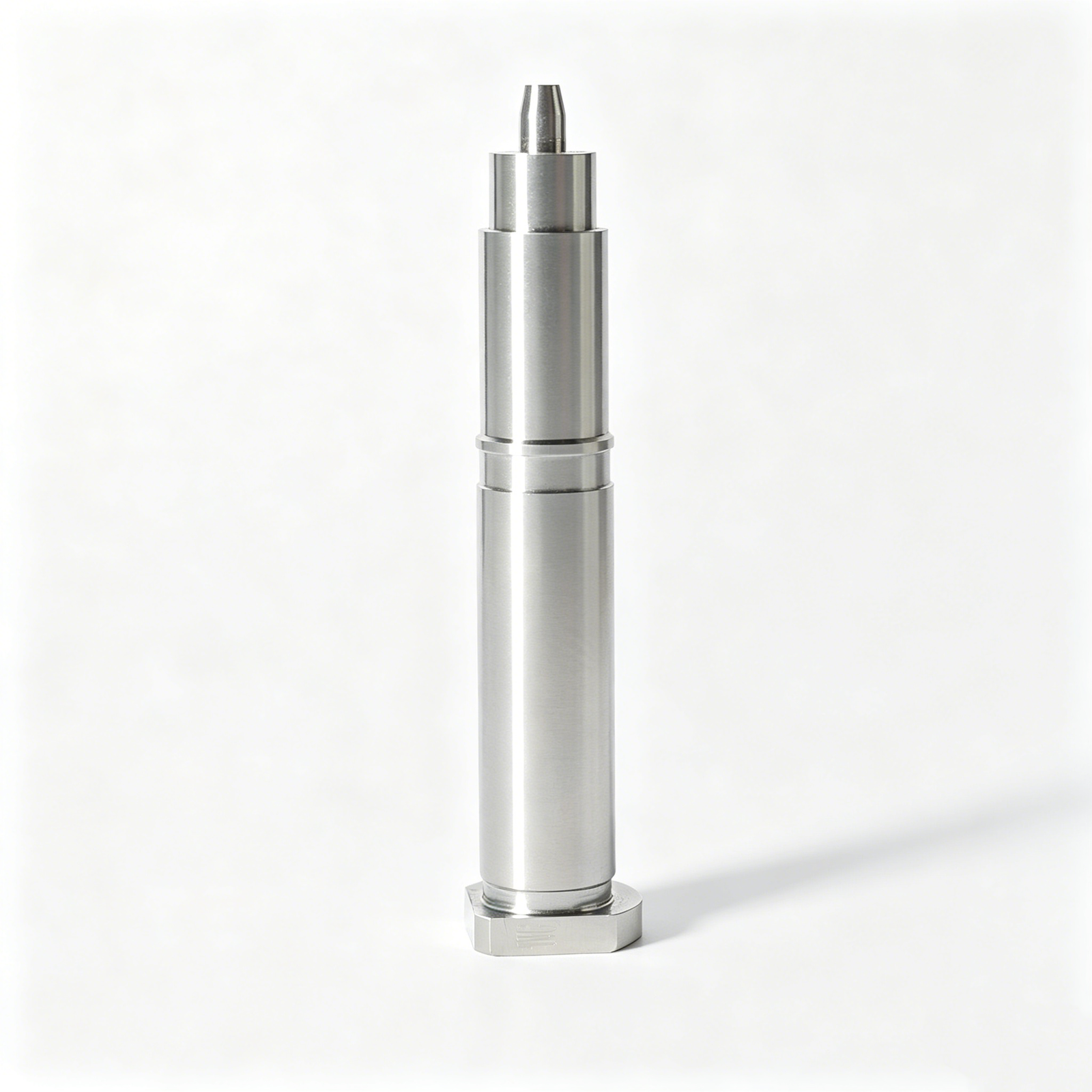
Stamping Die Components
Precision stamping die components include drawing-based punches, dies, inserts, guide elements, and related custom parts. Process planning considers material, hardness, cutting geometry, wear surfaces, grinding allowances, EDM requirements, and inspection criteria.
Upload a Drawing
Injection, MIM, CIM & Overmolding Tooling
Injection mold components and tooling for MIM, CIM, and overmolding are evaluated within verified production scope. Review begins with part and tooling drawings, material and thermal requirements, critical features, fit relationships, and the required manufacturing route.
Upload a Drawing
Machining Materials
CNC machining materials are selected from the customer’s specified grade, condition, application, and downstream process requirements. RFQs should identify material standard, heat-treatment condition, corrosion or wear priorities, and any material-certification needs.
Upload a Drawing
Surface Finishes & Heat Treatment
Surface finishing and heat treatment are planned against drawing requirements, functional surfaces, dimensional change risk, corrosion resistance, wear needs, and post-process grinding or inspection. Requirements must be defined before production commitments.
Upload a Drawing
Quality, Metrology & Documentation
Precision inspection, metrology, and quality documentation are aligned to critical dimensions, datums, drawing revision, reporting requirements, and the agreed inspection plan. Final records should correspond to the order and verified acceptance criteria.
Upload a Drawing
Prototyping & Low-Volume Production
Rapid prototyping and low-volume manufacturing support drawing-driven validation, tooling trials, bridge quantities, and controlled revisions. RFQs should state quantity, target date, material, critical dimensions, surface priorities, and required inspection evidence.
Upload a DrawingEngineering Plastics: Project-Confirmed Materials

Acetal POM
A practical choice for low-friction gears, fixtures, and locating elements. Its dimensional stability supports precision machining, while thin walls, sharp internal corners, and fit-critical features should be reviewed against the approved grade.

Nylon PA66
Often considered for wear components, guides, and mechanically loaded parts. Nylon offers useful toughness and machinability, but moisture conditioning and dimensional change must be assessed where mating fits or electrical performance are critical.

PBT Resin
A project-confirmed option for connector-related components and electrically oriented applications requiring stable geometry. PBT can offer low moisture uptake and good dimensional stability; machining strategy should account for grade, reinforcement, and surface requirements.

Polycarbonate PC
Considered for impact-resistant housings, guards, and transparent functional components. Polycarbonate machines with appropriate support and heat control, while optical surfaces, stress concentration, and chemical exposure require project-specific review.

PEEK Polymer
A project-confirmed option for demanding components exposed to heat, chemicals, or sustained mechanical loads. PEEK requires disciplined machining and inspection planning because material cost, feature geometry, and tolerance priorities materially affect feasibility.
Supported Manufacturing Processes

CNC Milling
CNC milling establishes profiles, pockets, bores, and datum features in engineering plastics and related tooling components. Tool access, clamping strategy, and material stability are reviewed to help protect critical geometry and surface requirements.

CNC Turning
CNC turning produces rotational features such as pins, bushings, sleeves, and precision diameters. Drawing review focuses on concentricity relationships, shoulder access, thread details, and the measurement approach required for the finished part.


EDM Processing
Wire and sinker EDM support related tooling features with fine profiles, internal corners, hardened materials, or geometry beyond conventional cutter access. Electrode strategy, wire path, spark allowance, and downstream finishing requirements are defined from the drawing.

Precision Grinding
Precision grinding refines critical flatness, parallelism, diameter, and surface conditions after machining or heat treatment. Grinding stock, datum references, and inspection points are planned so material removal supports the specified tolerance stack.
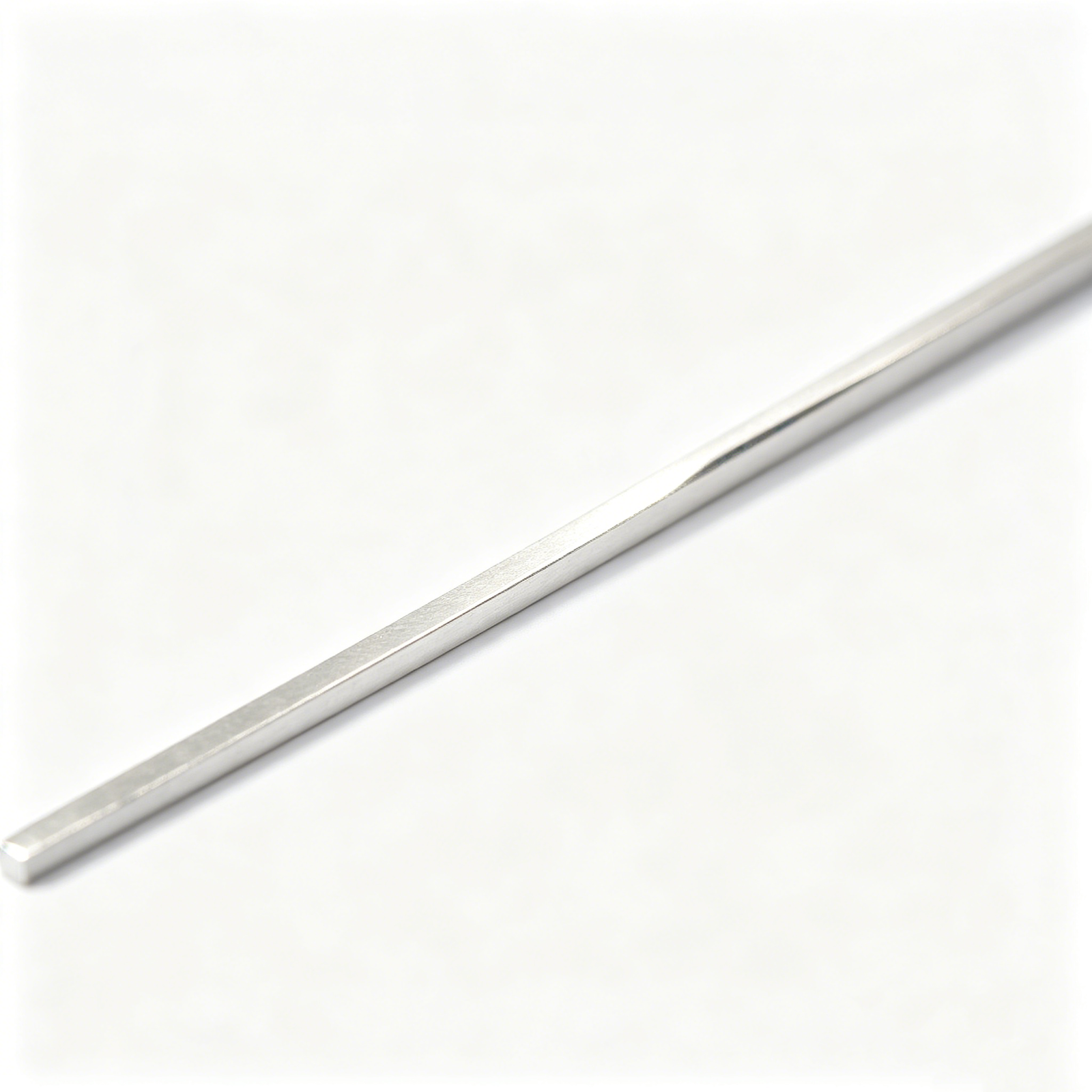
Fitting Inspection
Fitting and inspection verify functional relationships before release, including mating features, movement, critical dimensions, and documented requirements. The inspection method follows the agreed drawing revision and project-specific quality plan.
Supporting Components and Mold Accessories for Engineering-Plastics Tooling

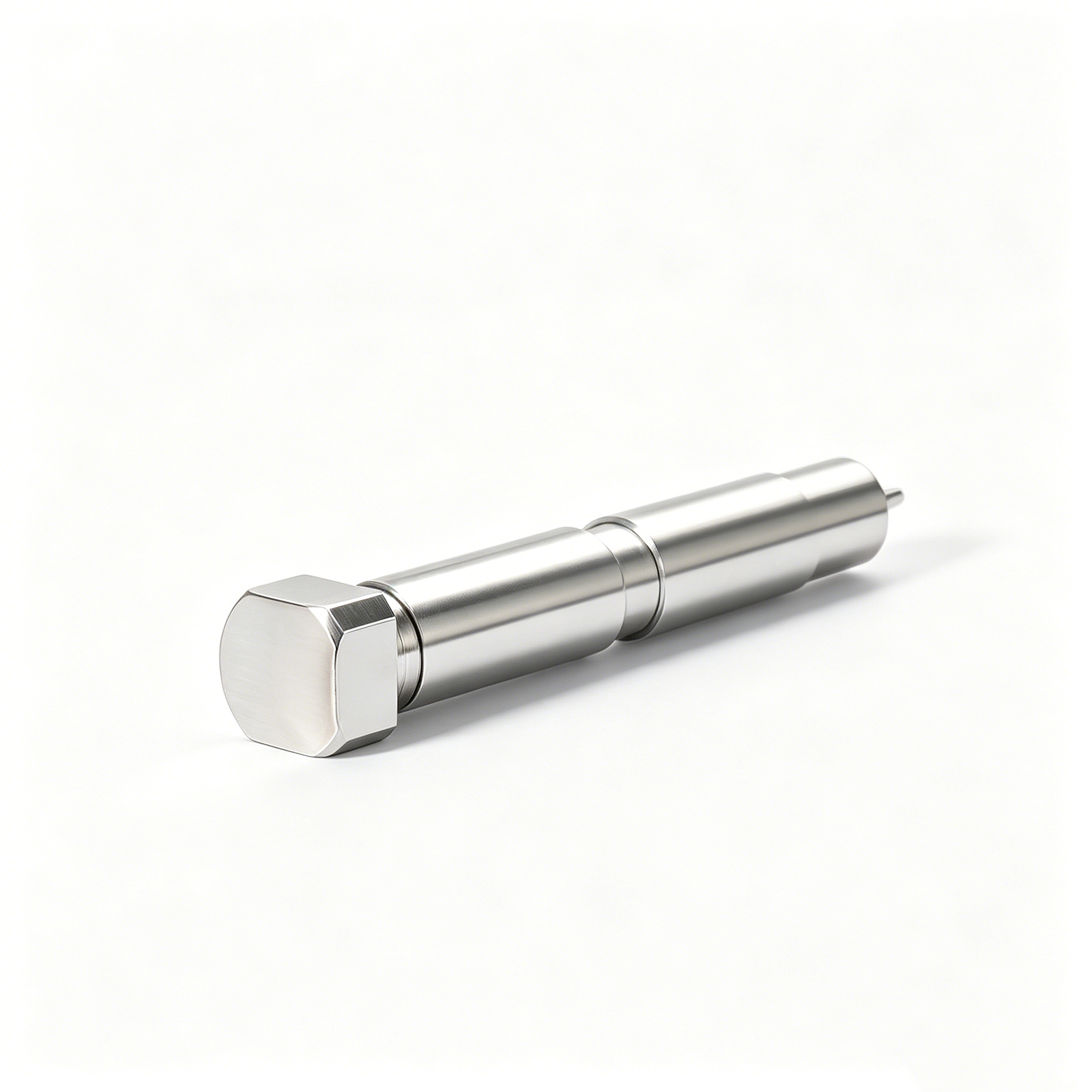
Core Pins
Custom core pins support detailed molding features and repeatable alignment. SUUXIANG reviews the drawing’s working diameter, engagement length, material requirement, heat-treatment sequence, and inspection points before selecting an appropriate machining and grinding route.
Guide Elements
Guide pins, bushes, and related guiding elements help establish controlled tool movement. Requirements should define mating fits, datum relationships, lubrication considerations, surface condition, and replacement needs so the component can be manufactured for its actual assembly role.

Locating Components
Locating pins, blocks, and reference elements establish repeatable positioning between mold or fixture sections. Drawing review focuses on datum strategy, tolerance stack, assembly access, and the inspection method needed to verify the functional location.

Slides And Lifters
Slides and lifters are configurable motion components for undercuts, release actions, and mold-part geometry. SUUXIANG evaluates travel, contact surfaces, clearance, wear areas, machining access, and fitting requirements from the supplied assembly information.

Gates And Inserts
Gate inserts and related mold accessories are produced to the specified geometry and assembly interface. Critical review can cover flow-feature dimensions, surface requirements, electrode strategy, grinding stock, mating conditions, and revision-controlled inspection documentation.
About SUUXIANG Engineering Plastics Manufacturing
SUUXIANG is the sole public-facing brand of Dongguan SuuXiang Precision Mold Co., Ltd., established in 2010 in Chang’an Town, Dongguan, Guangdong, China. Founder and legal representative XiaoCheng Huang leads a practical mission: helping global engineering and sourcing teams turn controlled drawings and specifications into inspected precision parts for demanding manufacturing programs.
For engineering plastics components, precision mold parts, connector tooling, stamping-die components, and custom CNC work, our process planning combines CNC milling and turning, multi-axis machining, EDM, grinding, fitting, and inspection as the drawing requires. Each route begins with a review of material, datums, critical dimensions, surface requirements, and quantity.
What differentiates SUUXIANG is disciplined project communication before production commitments. We use DFM discussion to identify machining access, EDM or grinding needs, tolerance risks, and inspection expectations, then keep revision and delivery information visible. The result is a drawing-driven workflow built around traceability, not a generic quotation.
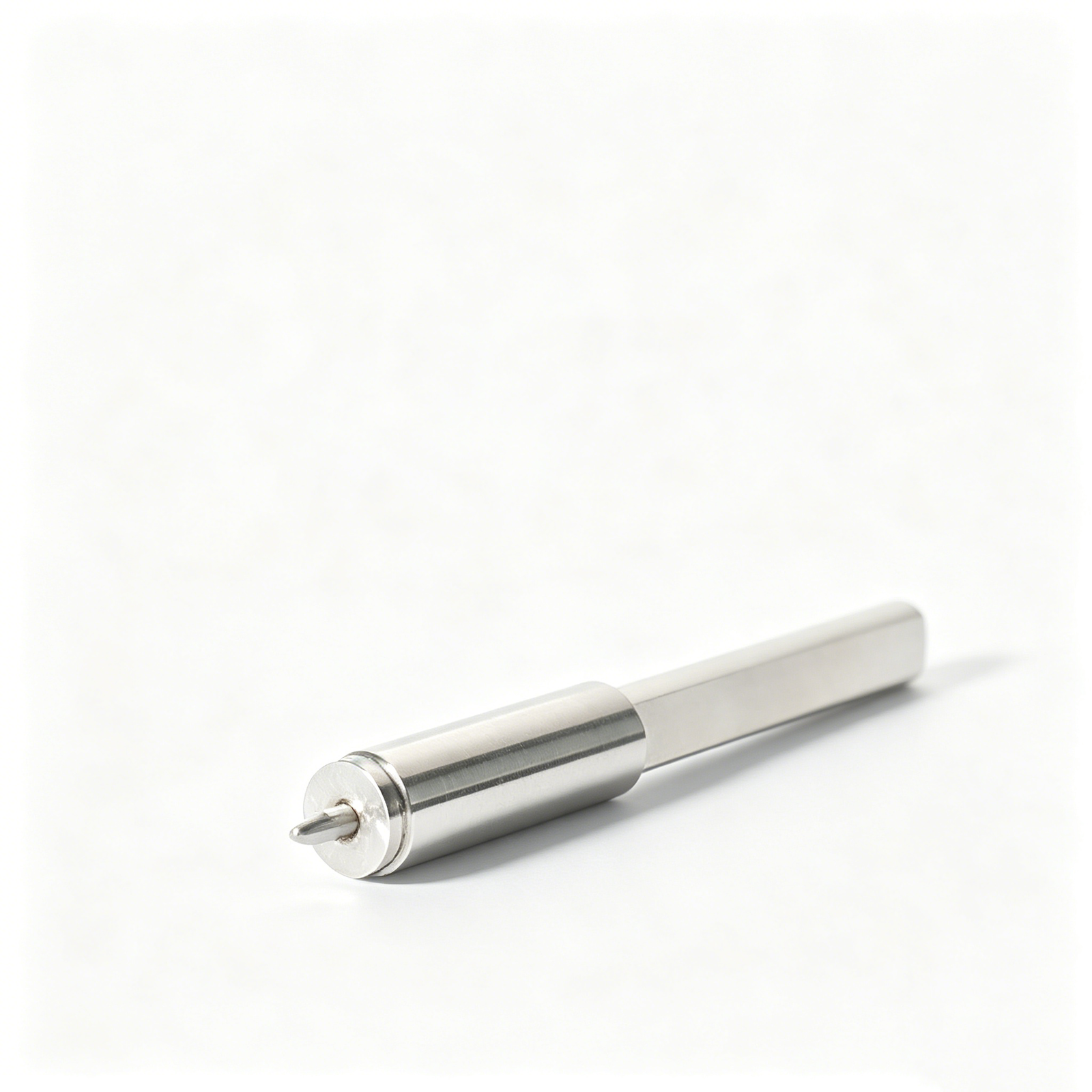
Engineering Plastics: From Drawing Review to Inspection-Controlled Production
DFM and Datum Review
Before quotation, SUUXIANG reviews the drawing package, 3D model, application context, and engineering plastic requirements. The discussion identifies functional datums, tolerance stacks, tool access, wall conditions, and features that could introduce avoidable machining or assembly risk.
- Confirm critical-to-quality dimensions and functional datums
- Review material, quantity, surface, and delivery requirements
- Flag access limits, thin-wall risk, and fixture considerations
- Align drawing revisions before production planning

Route the Right Process
Engineering-plastics parts are planned around geometry, material behavior, finish requirements, and dimensional priorities. Where a drawing includes related tooling components, SUUXIANG assesses CNC milling or turning, multi-axis work, EDM, grinding, fitting, and inspection rather than treating every drawing as a standard machining job.
- Match machine access to part geometry and feature depth
- Plan EDM or wire paths where conventional cutting is constrained
- Define grinding stock and sequence when precision surfaces require it
- Consider heat-treatment and finishing order where applicable

Plan Critical Dimensions
Not every dimension requires the same control method. SUUXIANG builds an inspection approach around the dimensions, relationships, surfaces, and mating features that govern part function, so inspection effort is directed to the acceptance criteria that matter for the order.
- Separate functional dimensions from general drawing dimensions
- Select suitable measurement methods before release
- Review datum references for repeatable inspection
- Clarify reporting requirements with the RFQ
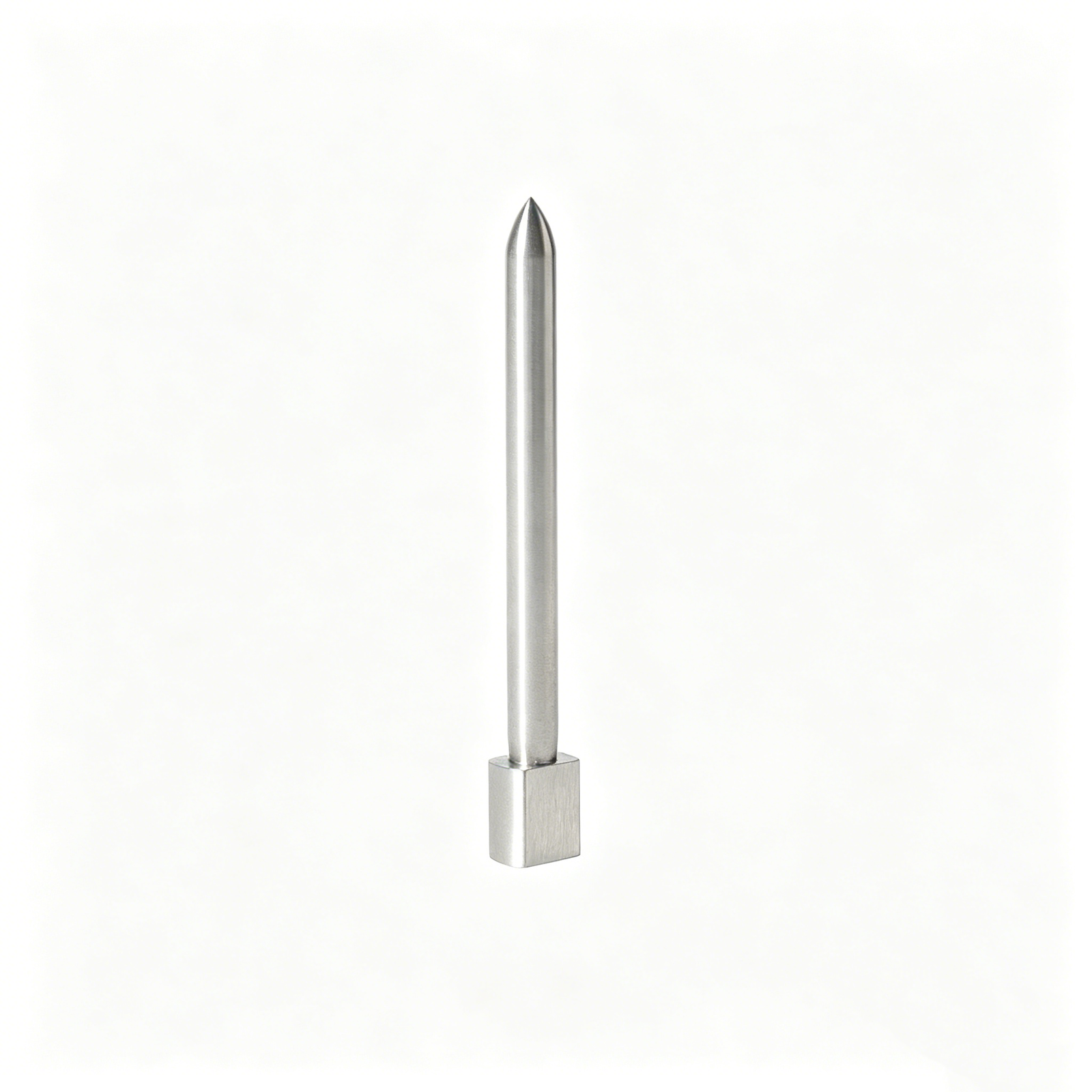
Keep Inspection Traceable
Production coordination keeps revision status, inspection expectations, and delivery information visible throughout the project. Final documentation is prepared to match the agreed order requirements and verified inspection plan, giving sourcing and quality teams a clearer basis for receiving and approving parts.
- Maintain revision control from review through delivery
- Coordinate inspection records to the agreed plan
- Document deviations or questions before final acceptance
- Provide order-specific communication for delivery coordination
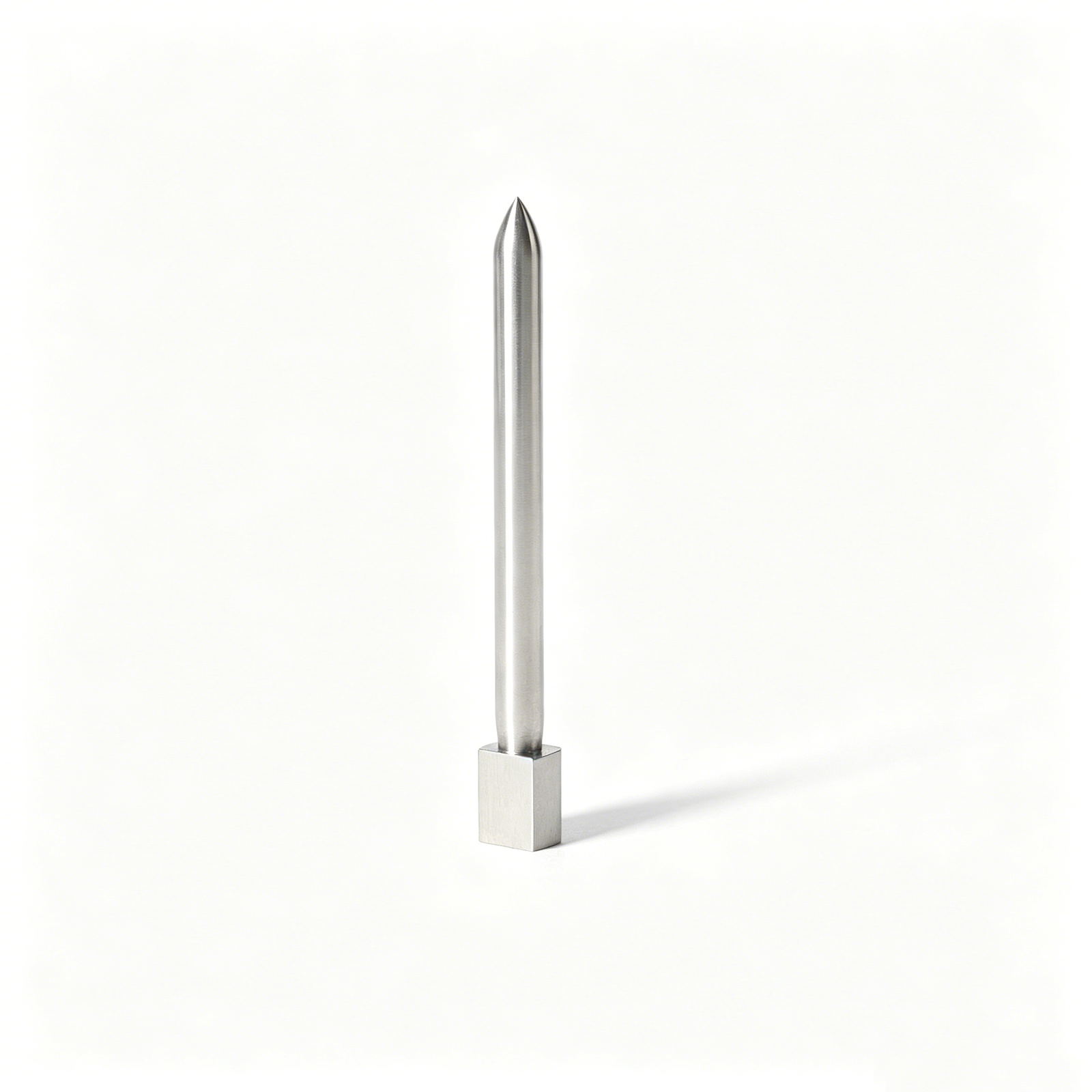
Engineering Plastics: Drawing Review vs. Generic Quoting
Compare the production evidence needed to turn an engineering plastics drawing into an inspection-controlled order.
← Swipe left or right to view →
Engineering Plastics Production Workflow
A controlled path from RFQ review through machining, inspection, packing, and delivery coordination.
Review RFQ Package
We review drawings, models, material requirements, quantities, critical dimensions, surface priorities, delivery targets, and inspection expectations before establishing a quotation path.
Plan Process Route
Project planning confirms datum strategy, tool access, machining sequence, fixture needs, EDM or grinding requirements, allowances, and revision-controlled production documentation.
Machine Critical Features
CNC milling, turning, multi-axis work, or micro machining produce engineering plastics parts according to the approved drawing and identified dimensional priorities.
Apply EDM And Grinding
Where the drawing includes related tooling components, wire EDM, sinker EDM, precision grinding, and fitting are sequenced around access, finish, mating conditions, and remaining stock.
Inspect And Document
Inspection follows the agreed plan, focusing on critical-to-quality features, datum-based measurements, surface requirements, and order-specific reporting or traceability needs.
Pack And Coordinate Delivery
Verified parts are packed for the shipment requirements, with final revision status, documentation, and delivery coordination kept visible for the receiving team.
Start Your Engineering Plastics Project
Move from drawing review to inspection-controlled delivery with clear technical decisions at each stage.
Submit Your Requirements
Send 2D drawings, 3D models, material and heat-treatment requirements, quantity, critical dimensions, surface priorities, inspection needs, and target delivery date.
Review DFM Assumptions
Align on manufacturability, datum strategy, tool access, machining allowance, EDM or grinding requirements, inspection method, and quotation assumptions before commitments are made.
Approve Production Details
Confirm revision-controlled specifications, material choices, sampling or production expectations, quality documentation, and delivery coordination so the manufacturing route reflects your application requirements.
Track Production and Delivery
Follow coordinated CNC machining, EDM, grinding, fitting, and inspection progress, with final documentation matched to the agreed order and verified inspection plan.
Quality Documentation and Certifications
Engineering Plastics Customer Project Outcomes
Customer testimonials are published only when the customer, project outcome, and publication approval have been verified.
Customer testimonials are published only when the customer, project outcome, and publication approval have been verified.
Customer testimonials are published only when the customer, project outcome, and publication approval have been verified.
Engineering Plastics Machining FAQ
Practical answers for teams preparing a drawing-based precision-parts inquiry.
What is the minimum order quantity for engineering plastics machining?
What files should I send for an engineering plastics machining quote?
Can SUUXIANG make samples before an engineering plastics production order?
How should I plan lead time for custom machined parts?
Which engineering plastics and material grades can you machine?
Can I request inspection reports with my order?
How are custom parts shipped internationally?
How do you handle payment terms and intellectual-property protection?
The Complete Buyer’s Guide to engineering plastics
A practical framework for selecting engineering plastics, validating drawing-based suppliers, balancing performance and cost, and avoiding material, tolerance, tooling, and quality-control mistakes in precision component sourcing.
1. What Are engineering plastics?
Engineering plastics are a performance class used for demanding parts where mechanical loading, elevated temperature, chemicals, sliding wear, electrical insulation, low mass, or dimensional stability matter. Material suitability cannot be determined from a resin-family name alone: review the specified grade, reinforcement, processing route, geometry, tolerances, mating loads, fluids, temperature cycle, moisture exposure, and service life together.
Buyers should identify critical dimensions and functional risks, then request material identification, applicable processing controls, and an inspection plan matched to the drawing revision.
2. Evolution of engineering plastics
1935 marked nylon’s invention, and early engineering resins were adopted where lower mass, corrosion resistance, electrical insulation, or moldable geometry could displace metal, glass, and ceramics. Their value was application-specific, not a universal metal replacement. https://www.essentracomponents.com/en-us/news/manufacturing/injection-molding/ultimate-guide-to-engineered-plastics
1950s–1970s polymer chemistry and industrial molding broadened the palette to acetal, polycarbonate, polyesters, and polyamides; glass, mineral, and fiber reinforcement then raised stiffness and heat performance. Connector and electronics programs also made flame behavior, dielectric performance, dimensional stability, and thin-wall fill central material decisions.
Today, CNC machining extends these materials into prototype, fixture, and low-volume precision parts, while high-performance families such as PPS and PEEK address more demanding heat and chemical exposures. Buyers should specify the exact grade, filler, conditioning state, critical datums, and inspection method: reinforcement, moisture response, anisotropy, machining heat, and molded-versus-machined condition can all change final dimensions and function. https://www.asahi-kasei-plastics.com/en/column/05
3. Types of engineering plastics
Five families cover most drawing-based choices, but the grade—not the resin acronym—sets the real process window. Match the family first, then confirm reinforcement, flame rating, moisture behavior, and stock form.
ABS And Polycarbonate
ABS offers impact resistance and easy processing, but lower heat and chemical resistance limit loaded precision parts. Use housings or fixtures; ask: is toughness more important than sustained heat?
PC adds high impact strength and clarity, but can stress-crack with incompatible chemicals. Specify unfilled or flame-retardant grade for guards and electrical covers.
Polyamides
PA6 and PA66 provide strength, wear resistance, and low-friction running surfaces, yet absorbed moisture can change dimensions. Use gears, guides, and bushings; ask: can the assembly tolerate conditioning?
Glass-reinforced PA raises stiffness but increases anisotropy and machining sensitivity. Confirm fiber direction, datum surfaces, and final moisture condition.
POM And Polyester
POM/acetal has low friction and good dimensional stability, while PBT and PET suit stable electrical and connector details. Typical uses include latches, insulators, and precision guides; ask: is moisture stability or electrical performance decisive?
Unfilled grades machine differently from glass-filled and flame-retardant variants. Call out the exact grade and compliance requirement.
High-Performance Grades
PPS, PTFE, and PEEK address higher heat, chemicals, or specialized friction demands at materially higher cost. Use them for seals, valve details, insulating parts, and demanding fixtures; ask: which exposure makes standard resins inadequate?
PTFE can creep, while reinforced PPS or PEEK changes stiffness and machining behavior. Require application evidence before selecting a premium grade.
4. Comparing engineering plastics for parts
Seven materials can solve similar part functions while creating very different machining, molding, and qualification risks. POM, PA6/PA66, PC, PBT, PPS, PTFE, and PEEK should be screened against the actual environment, not a generic datasheet.
| Material | Machining And Stability | Service Behavior | Relative Cost |
|---|---|---|---|
| POM | Easy; low moisture; stable | Low friction, good wear, insulating | Low |
| PA6/PA66 | Good; moisture-sensitive | Good wear; moderate heat; insulating | Low–medium |
| PC | Good; stable | High impact; moderate chemicals; insulating | Medium |
| PBT | Good; low moisture; stable | Good electrical and chemical resistance | Medium |
| PPS | Moderate; very stable | High heat, chemicals, electrical insulation | High |
| PTFE | Difficult; stable | Very low friction, exceptional chemicals, insulating | High |
| PEEK | Moderate; stable | High heat, wear, chemicals, electrical insulation | Very high |
Read The Matrix
POM favors close-tolerance sliding parts, while PA6/PA66 offers strong wear performance but needs moisture control. PC prioritizes impact resistance; PBT, PPS, PTFE, and PEEK progressively target stability, heat, chemicals, or low friction.
Confirm The Grade
Three inputs—resin grade, filler package, and conditioning state—can change published behavior materially. Confirm supplier data against temperature, media, voltage, load, mating surface, and the finished-part process before releasing a drawing.
5. Material grades, fillers, and finishes
A grade designation is not enough for drawing-based procurement. Reinforcement, additive package, color, and finish can change the molded or machined part’s behavior and its acceptance evidence.
| Modification | Likely Effect | Drawing Check |
|---|---|---|
| Glass fiber | Stiffer; anisotropic warp | Flow direction |
| Carbon fiber | Conductive; abrasive machining | Electrical requirement |
| Mineral filler | Stable; altered finish | Cosmetic sample |
| Recycled content | Variable appearance or properties | Allowed percentage and traceability |
Fillers Change The Design
Glass fiber usually raises stiffness but makes properties direction-dependent; gate direction and rib geometry can therefore alter warp. Carbon fiber can add conductivity, while mineral fillers can improve stability but affect surface appearance and tool wear.
Additive Packages Need Evidence
Lubricants may improve sliding behavior, but can complicate bonding, painting, or printing. Flame-retardant, colorant, and recycled-content packages require the specified grade, color, compliance document, and lot traceability; do not assume base-resin approvals carry over.
Finish And Identification
Ra values, texture standard, polish area, witness-mark limits, and marking location belong on the drawing. Approve a representative sample before release when laser marks, ink printing, cosmetic faces, or mating clearance are critical.
- Keep markings outside sealing, bearing, and contact zones.
- Define acceptable machining-mark direction on visible faces.
- Link the approved sample to the drawing revision.
6. Engineering plastics quality essentials
Critical-to-function dimensions should be tied to a functional datum scheme and a stated inspection method. Engineering plastics need feature-specific acceptance criteria because molding, moisture exposure, and machining restraint can shift fit after production.
Control Fit, Not Every Dimension
0.05 mm may be critical at a mating bore yet unnecessary on a nonfunctional exterior. Mark datums, mating dimensions, flatness, and positional requirements; apply general tolerances elsewhere to avoid cost without improving assembly.
- State the measurement temperature and gauge method
- Identify datum A-B-C before tolerancing
- Define cosmetic-zone limits separately
Design For Molding Behavior
1 uniform wall strategy reduces sink, differential cooling, and warp risk. Use gradual wall transitions and generous radii; specify gate and ejector locations when witness marks, flow direction, or ejection loads affect function.
- Confirm shrinkage by resin grade and filler
- Define permissible gate vestige location
- Keep ejector marks outside sealing surfaces
Plan Machining And Inspection
2-stage control is often appropriate: mold or machine to stable datums, then inspect critical features after agreed conditioning. CNC fixturing must avoid distortion; call out burr limits, thread engagement, insert retention, and surface-defect acceptance on the drawing.
- Specify conditioning state for moisture-sensitive resins
- Set measurable burr and flash limits
- Request first-article results for critical features
7. Choosing an engineering plastics supplier
Two documents should anchor supplier selection: the resin certificate of analysis and the part drawing revision. Ask how lot identity, grade designation, colorant or filler, and storage condition remain linked to the inspection record.
Verify Material And Grade
100% lot traceability is not assumed; request the supplier’s method for linking incoming resin, batch records, and final parts. Confirm the exact polymer grade, reinforcement percentage, approved substitute rule, and any required compliance evidence.
- Which resin manufacturer and grade will be used?
- Can lot records follow each shipment?
- Who approves a material substitution?
Test The Manufacturing Review
2D drawings and 3D models should trigger DFM feedback before tooling or machining begins. For connector tooling, ask about datum transfer, shutoff risks, gate or ejection interfaces, and EDM, grinding, or CNC access.
- What critical dimensions need dedicated inspection?
- Which features require mold-component fitting?
- What prototype route proves the design first?
Control Approval And Delivery
1 first-article plan should define measurement method, sample quantity, acceptance criteria, revision status, and report format. For low-volume work, ask how process changes, packaging protection, communication cadence, and lead-time assumptions are documented before release.
- How are revision changes quarantined and approved?
- What packaging protects cosmetic and datum surfaces?
- Which lead-time milestones are realistic?
8. Common engineering plastics sourcing mistakes
Most sourcing failures begin before quotation, when a drawing omits the operating context that governs resin behavior. Assign each risk to a design, manufacturing, or quality checkpoint before approving material or samples.
Avoid Single-Property Selection
One tensile-strength value cannot predict moisture response, creep, chemical attack, or service-temperature performance. Prevent it with an application matrix; the design engineer must approve all duty conditions.
Specify The Exact Grade
A resin-family name such as PA, POM, or PC does not define additive package, color, reinforcement, or supplier grade. Prevent substitution ambiguity with a controlled grade specification; procurement and quality verify traceable material records.
Design For Polymer Behavior
Metal-derived geometry can concentrate stress, restrict machining access, or ignore reinforcement-driven directional behavior. Add radii, realistic wall transitions, and datum-based tolerances during DFM; manufacturing engineering signs off the process route.
Qualify Production Conditions
A cosmetic requirement, inspection method, chemical exposure, temperature cycle, and sample condition must be stated before release. Approve first articles made with production-representative material, process, finishing, and inspection; supplier quality owns the acceptance record.
9. From drawing to production approval
Stage 1 begins with the application: load, temperature, chemicals, moisture, electrical function, mating parts, and expected life. Engineering selects candidate grades; procurement sends the 2D drawing, 3D model, quantity, target date, and reporting requirements.
Define The Application
Stage 2 requires engineering to identify CTQ dimensions, datums, tolerance stack, surface condition, and permissible cosmetic variation.
Stage 3 asks procurement to request DFM and quotation against the same revision, including material traceability and any heat, environmental, or assembly constraints.
Align The Manufacturing Plan
Stage 4 confirms machining access, workholding, tool radii, deburring, finish, inspection method, and acceptance criteria before a purchase order.
Stage 5 uses a prototype or first article to compare measured dimensions with drawing requirements and verify fit with mating components.
Freeze And Monitor Revisions
Stage 6 requires supplier quality to approve inspection records, assembly results, and relevant environmental testing before release.
Stage 7 freezes the drawing revision, approved material grade, and inspection plan; repeat orders should be monitored for revision control, lot traceability, and recurring CTQ results.
10. Engineering plastics pricing and cost
1-off prototypes concentrate cost in programming, workholding, material preparation, and first-article measurement; per-part cost falls only after those fixed tasks are spread across more pieces.
3 inputs determine a defensible quote before price can be confirmed: the 2D/3D geometry, specified engineering-plastic grade, and critical tolerances. Finish, quantity, testing, certification or inspection-report requirements, stock form, and delivery date can change both route and cost.
| Quantity tier | Material cost influence | Setup/tooling influence | Cycle and inspection influence | Lead-time influence |
|---|---|---|---|---|
| 1–5 prototype parts | Small-lot sheet or bar yield; premium grades raise exposure | Programming, fixtures, and tool selection dominate | Longer machining per part; first-article inspection is proportionally high | Material availability and engineering review often govern |
| 6–100 low-volume parts | Nesting and batch purchasing improve yield | Setup shared across the batch; dedicated soft jaws may be justified | Repeat cycles reduce unit labor; sampling plan must match CTQs | Batch scheduling, heat treatment, and report scope affect timing |
| 100+ repeat parts | Purchase planning and scrap control become material levers | Process fixtures or molding-tool evaluation may be warranted | Stable route lowers unit cost; ongoing inspection remains application-specific | Capacity reservation, supply continuity, and approved revision control matter |
Upload Your Engineering Plastics Drawing for Technical Review
Include material, heat-treatment requirements, quantity, critical dimensions, inspection needs, and target delivery date for a disciplined RFQ review.