
Hot Runner Components Built Around Your Critical Dimensions
Send your drawings for hot runner components with DFM review, CNC machining, EDM, grinding, and inspection planning aligned to your requirements.
Specify Hot Runner Components Around Critical Dimensions
A useful drawing review aligns functional interfaces, process access and inspection evidence before production commitments are made.
Critical-Dimension Review
Identify sealing, alignment, gate, and mating dimensions early, then define datums and measurable acceptance criteria for the quoted manufacturing route.
DFM Before Commitment
Review wall transitions, tool access, tolerances, and material condition to surface manufacturing risks before machining, EDM, or grinding begins.
Machining Access Strategy
Plan CNC tool paths, wire-EDM paths, electrode geometry, and fixturing around internal features, narrow details, and reachable reference surfaces.
Grinding Allowance Planning
Set machining stock and heat-treatment sequence with final grinding requirements in view, protecting critical geometry from unnecessary rework.
Inspection Plan Alignment
Match inspection methods and reporting needs to critical features, datum strategy, surface requirements, and the revision-controlled drawing.
Revision-Controlled Communication
Keep drawing revisions, open questions, and delivery requirements visible so production proceeds against the agreed technical baseline.
Precision Manufacturing Services and Component Families
Classify drawing-driven parts by process route, functional role, material condition, and inspection requirements before requesting a quotation.
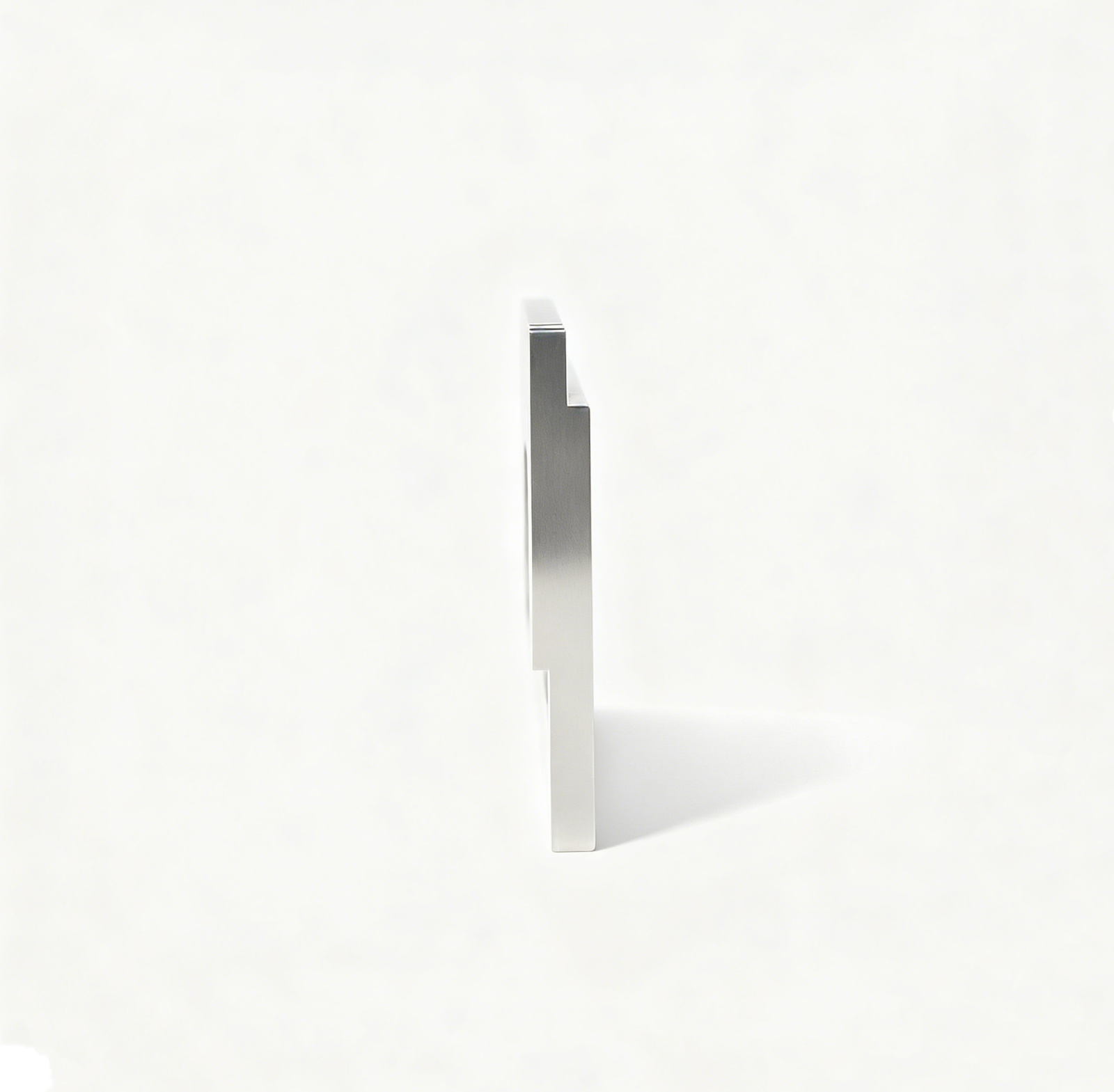
CNC Machining Services
Precision CNC machining services for custom machined parts and drawing-based components requiring planned milling, turning, EDM, grinding, fitting, and inspection routes. Share critical dimensions, material condition, quantity, and quality requirements so manufacturability can be reviewed before commitment.
Upload a Drawing
CNC Milling
Custom CNC milling services for prismatic, contoured, and feature-rich parts. Tool access, datum selection, wall geometry, corner radii, machining allowances, and surface requirements should be reviewed against the drawing and 3D model.
Upload a Drawing
CNC Turning
Precision CNC turning services for shafts, sleeves, pins, bushings, and rotational features. Diameter relationships, concentricity, runout, thread details, surface requirements, and subsequent grinding or EDM needs inform the process plan.
Upload a Drawing
5-Axis Machining
5-axis CNC machining for components with compound angles, intersecting features, and limited tool access. A drawing review should confirm datum strategy, reachable surfaces, required setups, tool clearances, and inspection methods for critical geometry.
Upload a Drawing
Swiss & Micro Machining
Swiss machining and micro machining for small, slender, or detail-dense turned parts where support, feature sequence, and inspection access matter. Provide dimensions, material, quantity, functional interfaces, and applicable surface or heat-treatment requirements.
Upload a Drawing
Wire & Sinker EDM
Wire EDM and sinker EDM services for hardened features, fine internal geometry, sharp corners, deep cavities, and profiles that conventional cutting cannot access efficiently. Electrode strategy, wire path, flushing, recast-layer expectations, and finishing requirements require review.
Upload a Drawing
Precision Grinding
Precision surface and profile grinding for flatness, parallelism, profile control, and tightly related dimensions. Grinding stock, heat-treatment sequence, datum surfaces, wheel access, and final measurement requirements should be defined before production.
Upload a Drawing
Mold Core Inserts & Mold Cavity Inserts
Precision mold components, including mold core inserts and mold cavity inserts, configured from customer drawings for injection-molding tooling. Material, hardness, cooling or vent features, parting-line relationships, EDM requirements, fitting interfaces, and critical cavity dimensions guide manufacturing planning.
Upload a Drawing
Ejector & Ejection Components
Ejector pins, sleeves, and ejection components manufactured to drawing-defined diameters, fits, lengths, and functional interfaces. Confirm material and heat-treatment requirements, bearing surfaces, clearance relationships, lubrication needs, and inspection priorities.
Upload a Drawing
Core Pins, Guide & Locating Components
Core pins, guide pins, bushes, and locating components for controlled alignment and repeatable mold function. Critical requirements may include fit class, concentricity, hardness, wear surfaces, datum relationships, and compatibility with mating components.
Upload a Drawing
Slides, Lifters, Gates & Mold Accessories
Mold slides, lifters, gates, and accessories produced as configurable tooling components rather than stock items. Travel interfaces, shutoff geometry, wear conditions, cooling, assembly relationships, and fitting allowances should be evaluated from the tooling design.
Upload a Drawing
Connector Mold Components
Precision connector mold components for high-density, fine-pitch, and interface-sensitive tooling. Pin geometry, cavity alignment, EDM features, wear surfaces, datum control, and mating-component relationships should be defined clearly in the RFQ package.
Upload a Drawing
Stamping Die Components
Precision stamping die components for cutting, forming, guiding, and locating functions. Material condition, edge requirements, clearance relationships, heat treatment, grinding sequence, and assembly interfaces determine the appropriate machining and inspection route.
Upload a Drawing
Injection, MIM, CIM & Overmolding Tooling
Tooling and component work for injection molding, metal injection molding, ceramic injection molding, and overmolding applications within verified production scope. Submit part geometry, resin or feedstock context, shrinkage assumptions, interface requirements, and quality expectations for review.
Upload a Drawing
Machining Materials
CNC machining materials selected against drawing requirements, functional loads, wear, corrosion exposure, heat treatment, and downstream finishing. State the specified grade, material standard, substitute restrictions, certification needs, and any required incoming-material documentation.
Upload a Drawing
Surface Finishes & Heat Treatment
Surface finishing and heat treatment planned around functional surfaces, dimensional change, corrosion protection, wear resistance, and appearance requirements. Define applicable specifications, masking areas, post-treatment grinding or polishing needs, and final inspection criteria.
Upload a Drawing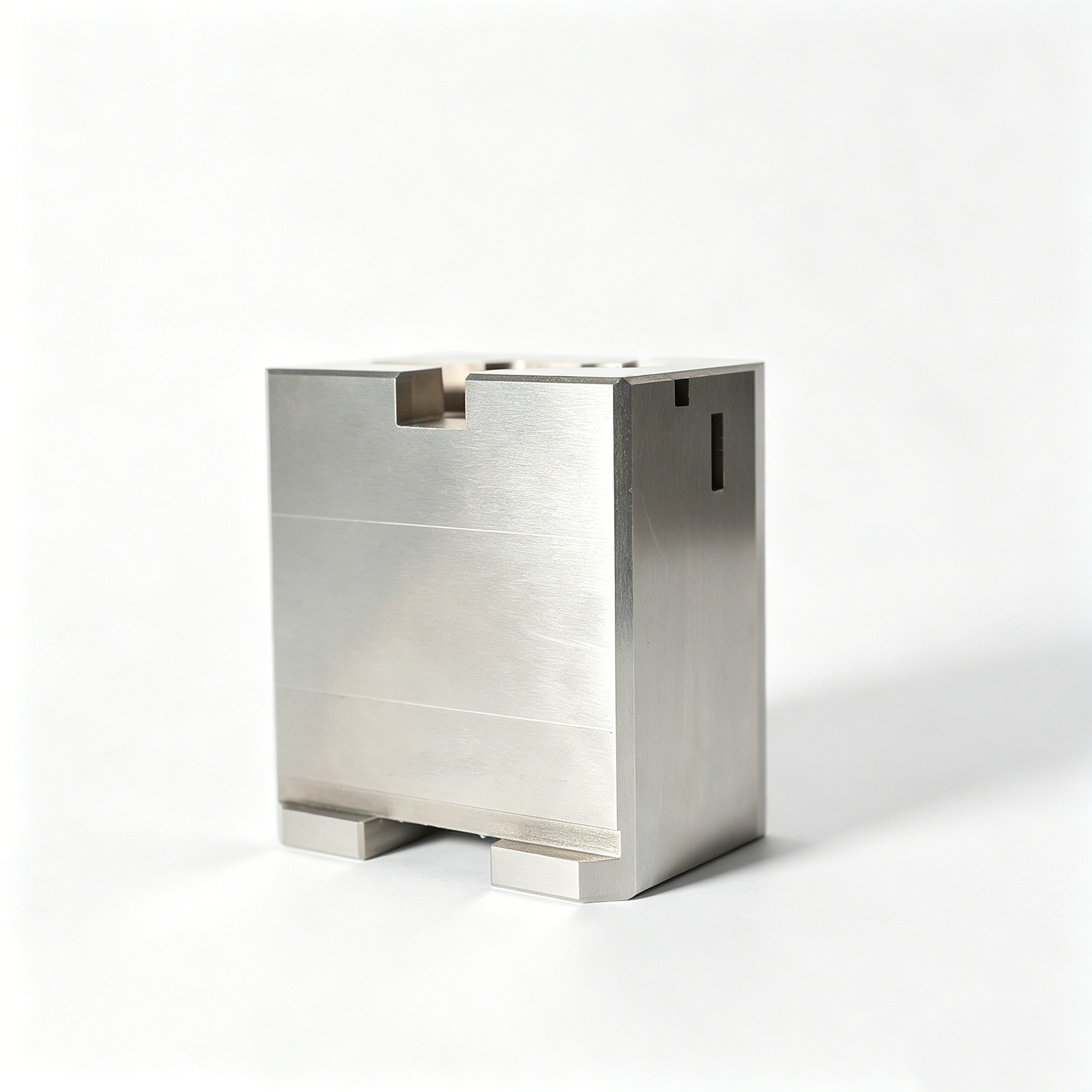
Quality, Metrology & Documentation
Precision inspection, metrology, and quality documentation aligned to the drawing and agreed inspection plan. Identify critical-to-quality dimensions, datum references, sampling expectations, report format, traceability needs, revision level, and any customer-specific documentation requirements.
Upload a Drawing
Prototyping & Low-Volume Production
Rapid prototyping and low-volume manufacturing for drawing-driven components requiring controlled process decisions before broader release. Quantities, material condition, revision status, delivery target, critical dimensions, and inspection needs should be established early to support a practical route.
Upload a DrawingHot Runner Components for Critical Sourcing Scenarios
Use drawing review, process planning, and inspection planning to resolve sourcing risk before release to production.
Mold Design Release
A mold designer needs component geometry translated into practical tool access, datum strategy, EDM requirements and grinding allowances before releasing drawings for quotation or manufacture.
SUUXIANG reviews hot runner components against drawing-defined critical dimensions, accessible machining routes and inspection needs, helping identify manufacturability questions before production planning begins.
Connector Tooling Development
Connector teams must protect small features, mating relationships and repeatable functional dimensions while coordinating custom tooling components across evolving product and mold revisions.
Drawing-led review clarifies revision status, critical interfaces, material requirements and suitable CNC, EDM or grinding steps for connector-related hot runner components and tooling parts.
Supplier Quality Planning
Supplier-quality engineers need confidence that inspection priorities, datum references, surface requirements and documentation expectations are understood before parts move through multiple manufacturing processes.
SUUXIANG aligns the inspection plan to the order and verified drawing requirements, keeping critical dimensions, revision information and requested reporting visible through the manufacturing workflow.
Procurement Risk Control
Procurement managers must compare quotations beyond unit price when material, heat treatment, process sequence, delivery requirements and quality evidence can materially affect program risk.
A structured RFQ discussion connects quantity, material, quality priorities and target delivery needs to a feasible manufacturing route for custom hot runner components, avoiding unsupported assumptions.
From Hot Runner Component Drawings to Inspected Parts
Turn confirmed drawing requirements into a documented process route and inspection plan before release.
Submit Complete Design Inputs
Provide the 2D drawing, available 3D model, material, quantity, application context, heat-treatment requirements, delivery target, and required inspection or reporting documentation.
Define Critical Requirements
Review datums, critical-to-quality dimensions, tolerance stacks, surface requirements, mating interfaces, and revision status so manufacturing priorities are explicit before quotation.
Confirm the Process Route
Evaluate CNC access, EDM or wire paths, electrode strategy, heat-treatment sequence, grinding stock, fitting needs, and inspection methods against the drawing requirements.
Align Inspection Evidence
Agree the measurement plan, acceptance criteria, reporting format, traceability requirements, and revision controls needed for the ordered hot runner components before production release.
Hot Runner Components RFQ and Manufacturing Questions
Practical guidance for specifying drawing-driven hot runner component work, from DFM review through inspection documentation.
What files should I send for a hot runner component RFQ?
Can SUUXIANG manufacture custom hot runner components from drawings?
Which materials should I specify for hot runner components?
When are wire EDM or sinker EDM used for hot runner components?
How much grinding allowance should be included on precision parts?
How do you manage revisions before production begins?
What inspection reports can I request with hot runner components?
How can I reduce risk when sourcing hot runner components internationally?
Upload Hot Runner Component Drawings for Manufacturing Review
Share your 2D drawing, 3D model, material, quantity, critical dimensions, inspection needs, and delivery target for a focused DFM review.