
Mold preventive maintenance for controlled tooling performance
Submit drawings for mold preventive maintenance components with DFM review, process planning, and inspection aligned to critical dimensions and revision requirements.
What mold preventive maintenance requires before production
Define wear interfaces, critical dimensions and inspection evidence before replacement components are quoted or manufactured.
Drawing and Revision Review
Provide current 2D drawings, 3D models when available, revision status and mating-component context so maintenance parts are evaluated against the correct tool condition.
Critical Dimension Mapping
Identify functional dimensions, datums, fit relationships and surface priorities before machining, so inspection planning follows the dimensions that control tool performance.
Wear Interface Assessment
Document wear locations at slides, ejector systems, gates, guides and cavity interfaces to distinguish replaceable component needs from broader tooling corrections.
Process Route Planning
Review machining access, EDM requirements, grinding stock, heat-treatment sequence and fitting needs before committing to a route for replacement mold components.
Inspection Evidence Defined
Agree inspection methods, reporting requirements and acceptance criteria in advance, linking measured results to drawing revisions and identified critical features.
Replacement Component Traceability
Maintain clear part identification, material requirements and revision communication so replacement components can be coordinated with maintenance records and tool history.
Preventive Planning for Critical Tooling
Review wear mechanisms, critical dimensions, materials, inspection history, and production context before planning maintenance for mold, connector, or stamping tooling.
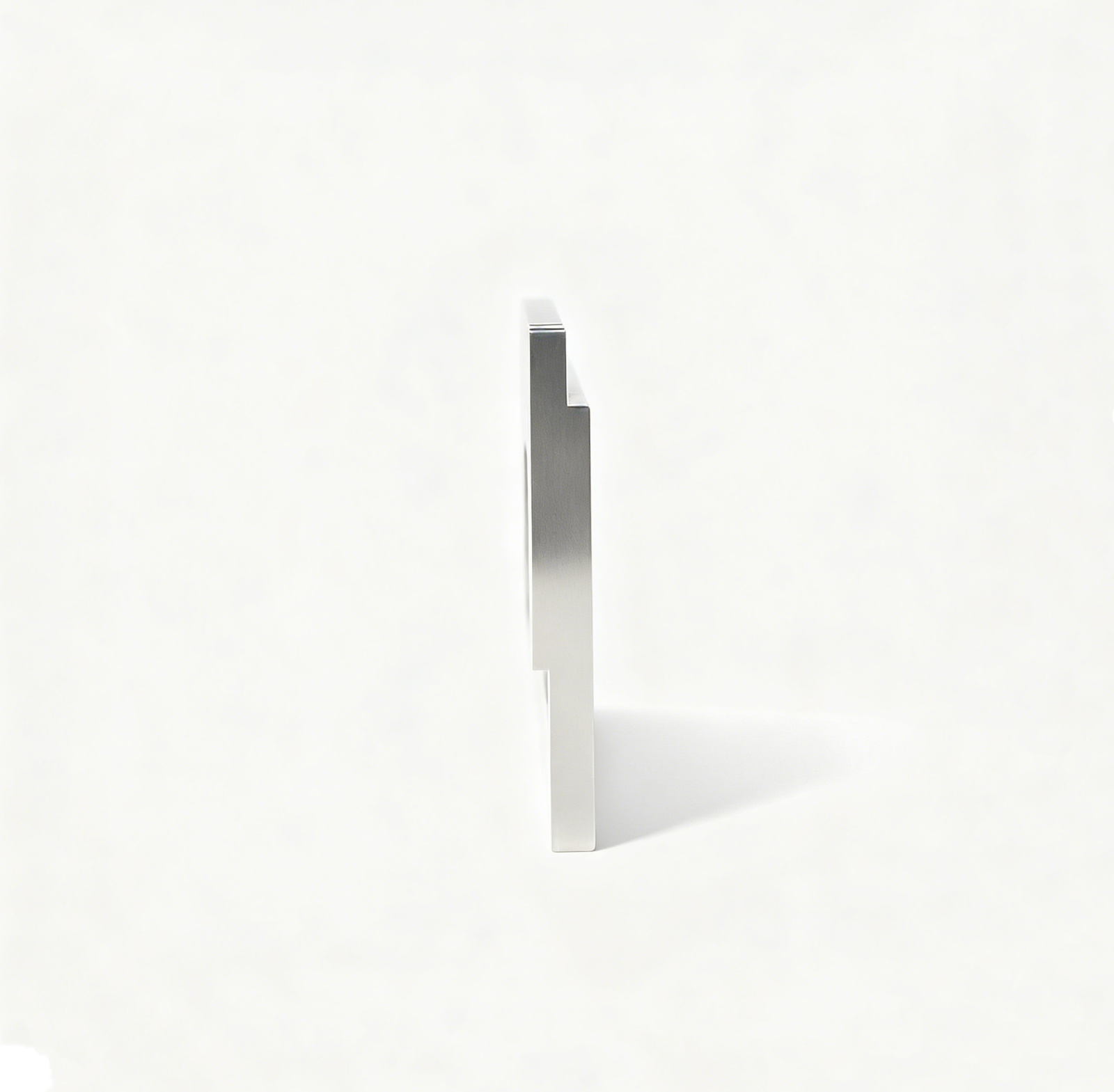
CNC Machining Services
Precision CNC machining services support replacement and refurbishment of tooling components when drawings, revision status, material, critical dimensions, wear observations, and inspection requirements are available for review.
Upload a Drawing
CNC Milling
Custom CNC milling services can restore or remake plates, inserts, pockets, and features affected by wear or damage. Provide 2D/3D data, datum references, machining access constraints, and required stock for subsequent finishing.
Upload a Drawing
CNC Turning
Precision CNC turning services are suited to rotational maintenance parts such as shafts, bushings, sleeves, and pins. A review should define diameters, concentricity, mating conditions, material state, and any grinding or heat-treatment sequence.
Upload a Drawing
5-Axis Machining
5-axis CNC machining helps address complex replacement components with angled features, deep access requirements, or multiple datum relationships. Submit the current model, drawing revision, tool-access concerns, critical surfaces, and inspection priorities before route planning.
Upload a Drawing
Swiss & Micro Machining
Swiss machining and micro machining support small, slender, or intricate replacement parts where handling, runout, and feature access affect maintenance results. Identify mating dimensions, material, quantity, critical tolerances, and the failure or wear condition.
Upload a Drawing
Wire & Sinker EDM
Wire EDM and sinker EDM services address hardened profiles, narrow slots, internal geometry, and details difficult to reach by conventional machining. Review the required wire path or electrode strategy, datum scheme, corner conditions, recast-layer expectations, and finishing allowance.
Upload a Drawing
Precision Grinding
Precision surface and profile grinding restores or produces tooling faces, profiles, and bearing surfaces where flatness, parallelism, form, or surface condition are critical. Define grinding stock, hardness condition, datum surfaces, and inspection method.
Upload a Drawing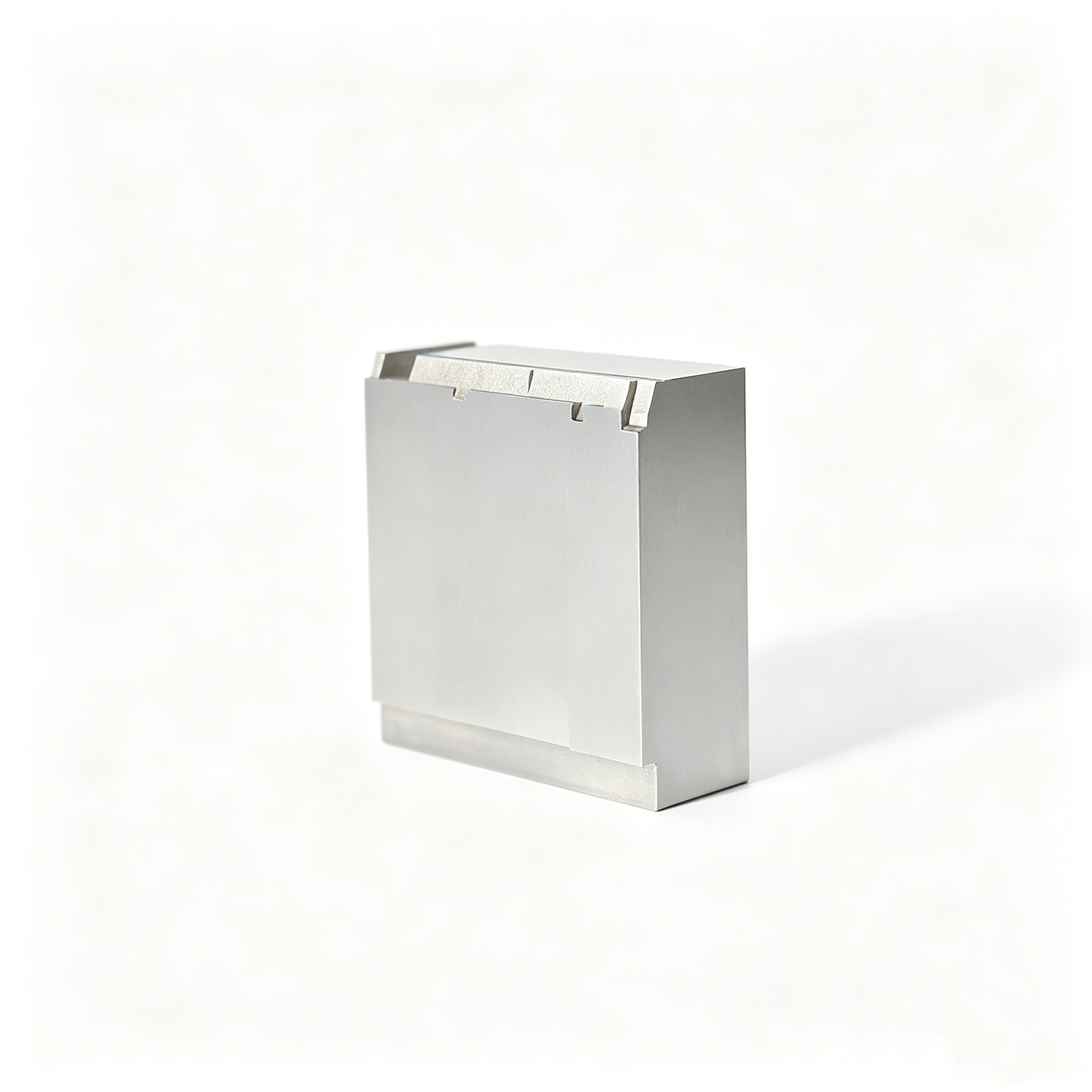
Mold Core & Cavity Inserts
Precision mold core and cavity inserts require preventive planning around wear zones, shutoffs, venting, material condition, surface requirements, and dimensional relationships to mating tooling. Provide parting-line information, production symptoms, drawings, and inspection history.
Upload a Drawing
Ejector & Ejection Components
Ejector pins, sleeves, and ejection components should be reviewed for galling, bending, clearance loss, lubrication conditions, and alignment with mating features. Include dimensions, material or coating requirements, cycle history, and evidence of observed wear.
Upload a Drawing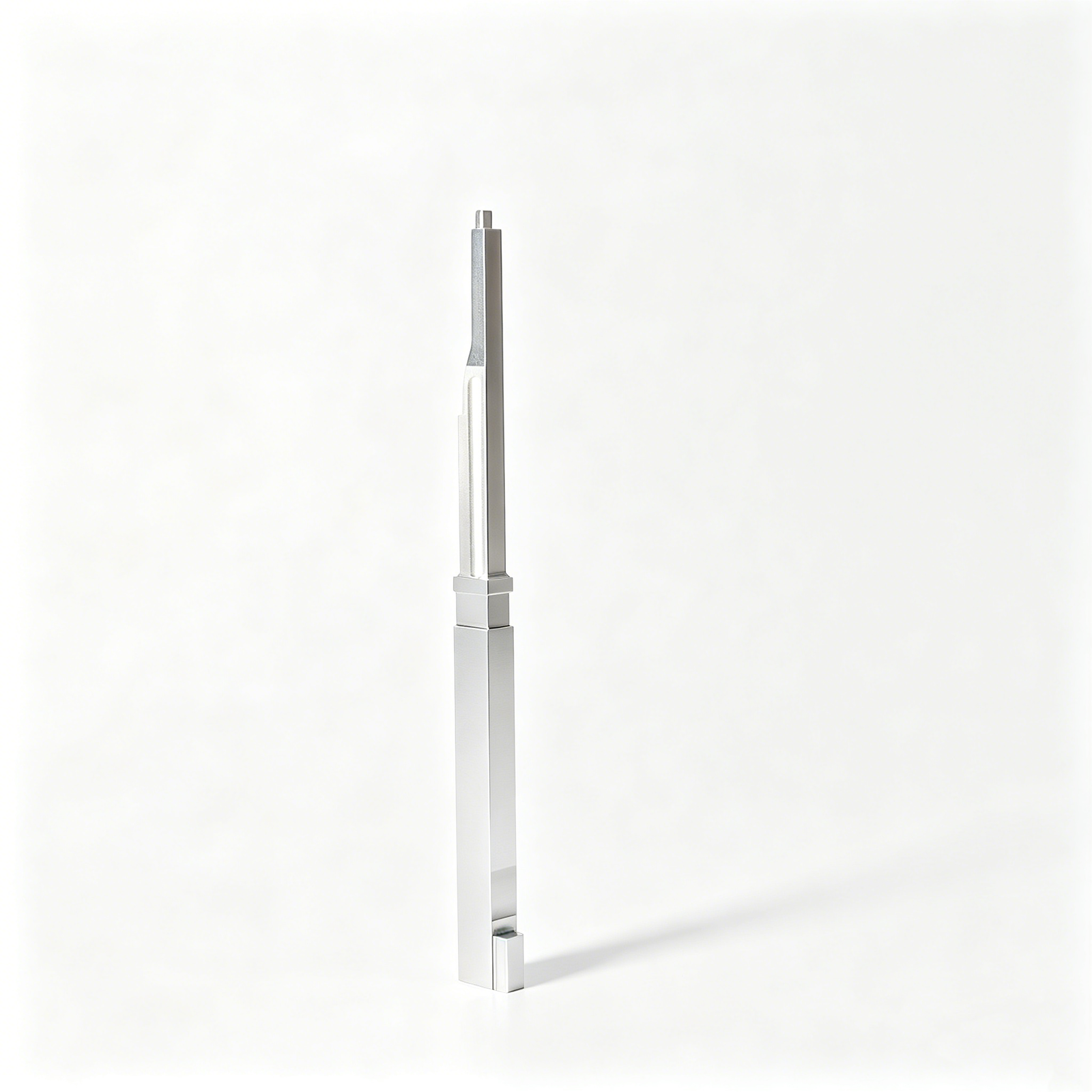
Core Pins, Guide & Locating Components
Core pins, guide pins, and locating components depend on controlled fit, position, and mating wear. For maintenance review, identify datum relationships, clearance targets, surface condition, heat treatment, and the associated mold or fixture drawing.
Upload a Drawing
Slides, Lifters, Gates & Mold Accessories
Mold slides, lifters, gates, and accessories require assessment of travel paths, bearing faces, shutoffs, lubrication, and interference risks. Share assembly information, wear locations, material condition, critical dimensions, and any molding-related symptoms.
Upload a Drawing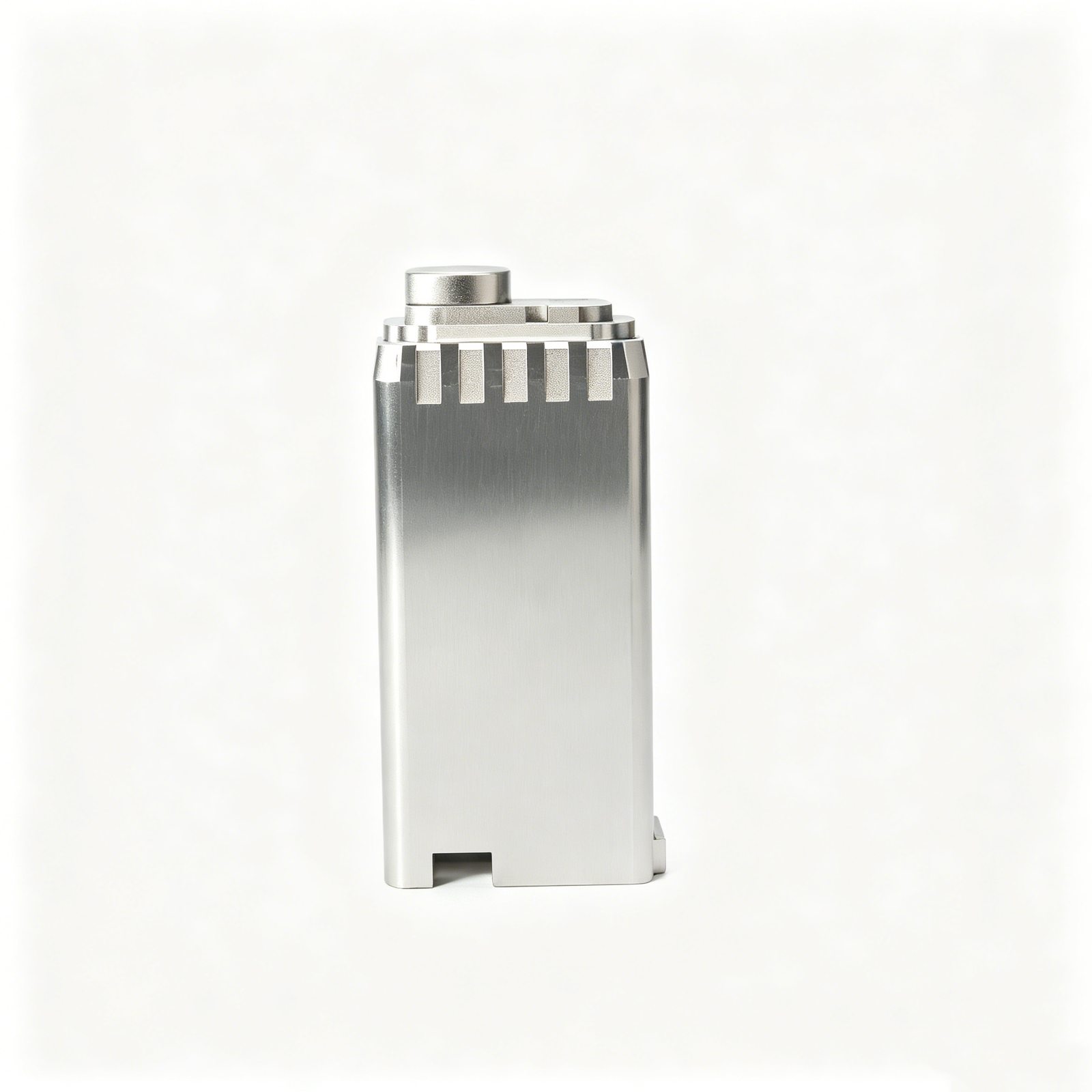
Connector Mold Components
Precision connector mold components often involve fine pitch, narrow features, alignment-sensitive interfaces, and demanding surface conditions. A maintenance review should include connector geometry, mating relationships, critical dimensions, material requirements, and inspection expectations.
Upload a Drawing
Stamping Die Components
Precision stamping die components should be evaluated for edge wear, clearance changes, guiding condition, stripping performance, and material hardness. Supply die drawings, strip or part context, material and heat-treatment requirements, and measured wear findings.
Upload a Drawing
Injection, MIM, CIM & Overmolding Tooling
Injection, MIM, CIM, and overmolding tooling maintenance depends on the process-specific effects of abrasion, shrinkage, flow, venting, and insert interaction. Provide application context, material information, cavity conditions, critical dimensions, and production history.
Upload a Drawing
Machining Materials
CNC machining materials should be selected or confirmed against wear mechanism, corrosion exposure, hardness, machinability, and compatibility with mating parts. Include the specified grade, material certification needs, heat-treatment condition, and application environment.
Upload a Drawing
Surface Finishes & Heat Treatment
Surface finishing and heat treatment affect wear resistance, friction, corrosion behavior, dimensional change, and repair sequence. For review, specify existing and required treatments, coating condition, surface requirements, masking needs, and post-treatment inspection criteria.
Upload a Drawing
Quality, Metrology & Documentation
Precision inspection, metrology, and quality documentation establish whether maintenance work protects critical dimensions and fit. Define drawing revision, CTQ features, datums, measurement methods, reporting format, traceability expectations, and any comparison with prior inspection results.
Upload a Drawing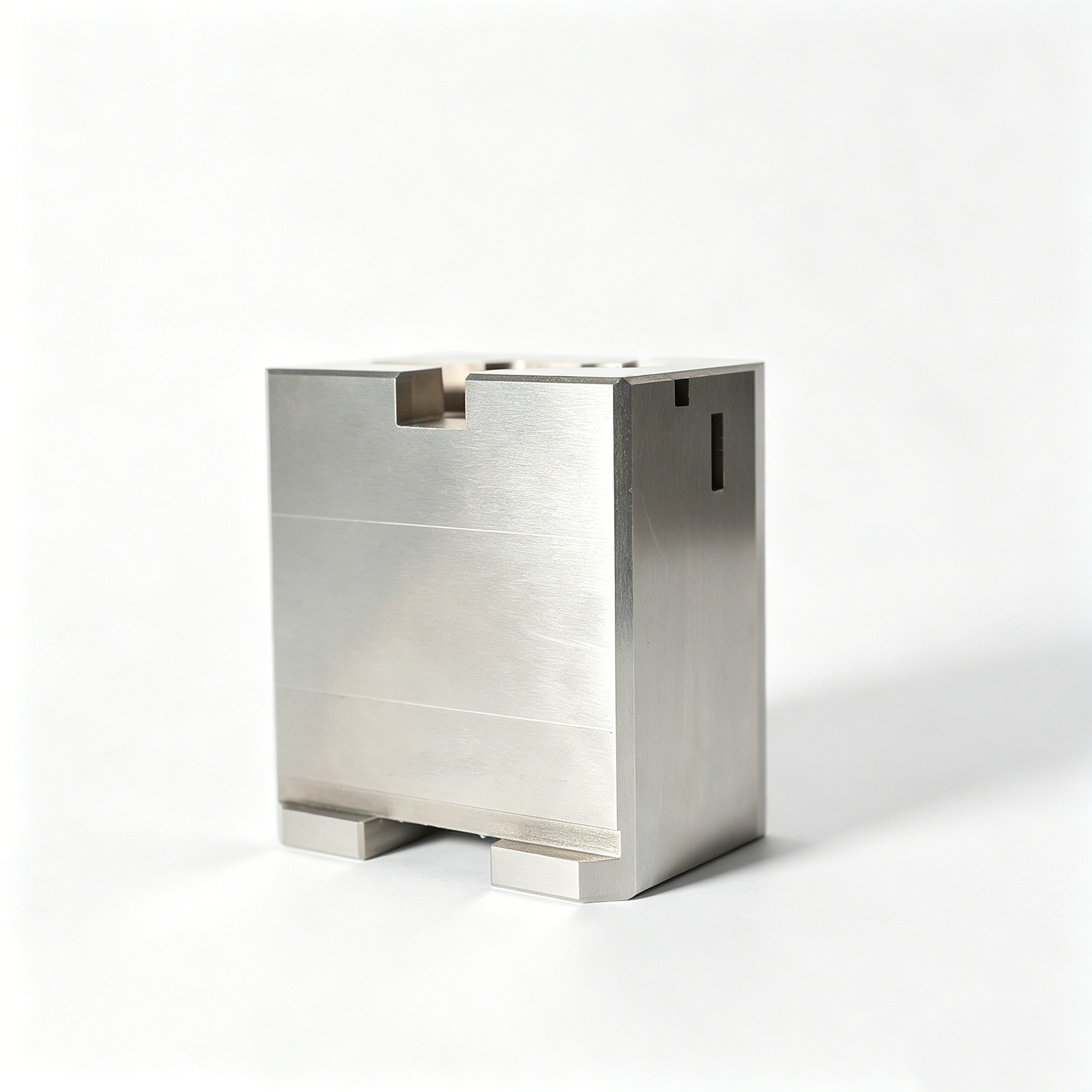
Prototyping & Low-Volume Production
Rapid prototyping and low-volume manufacturing can support trial replacements, maintenance validation, and controlled production runs before wider release. Submit the drawing package, quantity, material, critical dimensions, quality requirements, delivery target, and approval path.
Upload a DrawingMold preventive maintenance built around wear, datums and access
Start With Wear Evidence
Effective mold preventive maintenance begins by linking observed wear, recurring defects and production history to the maintenance drawing. SUUXIANG reviews the affected interface before proposing replacement work, so the component scope reflects the actual failure mechanism rather than a generic repair assumption.
- Identify the worn, damaged or performance-critical interface
- Compare defect history with cavity, core, ejection or guide-function risks
- Confirm material, heat-treatment and surface requirements
- Define which dimensions must be restored or verified

Protect Functional Datums
A replacement insert, pin or locating component must relate correctly to the tooling’s functional datum scheme. SUUXIANG uses drawing review to clarify critical dimensions, mating relationships and inspection references before machining, helping maintenance teams avoid correcting one feature while shifting another functional interface.
- Establish primary, secondary and tertiary datum references
- Separate cosmetic dimensions from critical-to-quality features
- Review tolerance stack effects at mating components
- Align inspection points with the released drawing revision

Choose the Right Process Route
Machining route selection should follow geometry, hardness condition, access and finish requirements. For drawing-based maintenance components, SUUXIANG coordinates CNC machining, EDM and precision grinding as applicable, with allowances and sequence reviewed before production begins.
- Assess cutter access, internal corners and electrode requirements
- Plan wire-EDM paths for profiles that cannot be milled directly
- Reserve grinding stock where flatness, parallelism or finish requires it
- Confirm heat-treatment sequence before final-size operations

Plan Inspection Before Cutting
Inspection planning makes mold preventive maintenance more traceable when a component returns to service. SUUXIANG aligns the inspection method with critical dimensions, datum strategy and reporting needs, then keeps revision information visible through the drawing-driven manufacturing workflow.
- Match gauges and measurement methods to the feature tolerance
- Identify dimensions requiring documented inspection results
- Confirm revision status before material release and final inspection
- Include application context when mating fit affects acceptance

From Mold Preventive Maintenance Review to Inspected Components
A drawing-led workflow aligns replacement or repair-component requirements with manufacturability, critical dimensions, inspection needs and revision-controlled delivery.
Submit Requirements
Provide the 2D drawing, available 3D model, material, quantity, target date, wear concern and inspection requirements for the maintenance component.
Review Critical Details
Confirm datums, critical dimensions, mating interfaces, surface requirements, heat treatment, machining access and any EDM or grinding considerations before quotation.
Plan the Process
Select an appropriate route across CNC machining, EDM, grinding, fitting and inspection, with allowances and control points matched to the drawing.
Inspect and Coordinate Delivery
Verify ordered requirements against the agreed inspection plan, keep revisions visible, and coordinate delivery information for maintenance work planning.
Mold Preventive Maintenance FAQs for Tooling Teams
Practical answers for engineering, quality and procurement teams preparing maintenance-component RFQs.
How often should mold preventive maintenance be scheduled?
What should a mold preventive maintenance inspection include?
Can mold preventive maintenance improve dimensional consistency?
Which mold components usually need replacement during preventive maintenance?
What information should I provide for a mold preventive maintenance component RFQ?
Can SUUXIANG machine replacement mold components from an existing drawing?
What inspection documentation can be requested for maintenance parts?
How do drawing revisions affect replacement-component manufacturing?
Upload Your Drawing for Mold Preventive Maintenance Review
Share drawings, models, material, quantity and inspection requirements so SUUXIANG can assess the process route, critical dimensions and delivery needs.