
What to Include in a Drawing Package for Production RFQs
Learn what to include in a drawing package so CNC, mold-component, and connector-tooling RFQs can be reviewed for DFM, critical dimensions, and inspection needs.
What to Include in a Drawing Package Before Requesting a Quote
Prepare the documents that let SUUXIANG review manufacturability, identify critical requirements, and plan a responsible process route.
2D Part Drawings
Provide revision-controlled PDFs with dimensions, datums, GD&T, tolerances, surface requirements, and clear notes for every manufactured component.
3D CAD Models
Include STEP, IGES, or native models when available to clarify geometry, machining access, internal features, and part relationships.
Material and Treatment
State the specified material, hardness or heat-treatment condition, coating, and any material traceability requirements affecting process planning.
Assembly and BOM
Supply assembly drawings and a bill of materials when components interact, identifying quantities, mating features, purchased parts, and configuration context.
Inspection Priorities
Identify critical dimensions, datum strategy, measurement methods, report needs, sampling expectations, and any functional mating or application constraints.
Match Drawings to the Right Process Route
Use the drawing package to align part geometry, critical dimensions, material requirements, inspection needs, and the appropriate manufacturing workflow before production.

CNC Machining Services
Precision CNC machining services for drawing-based custom machined parts requiring coordinated milling, turning, EDM, grinding, fitting, and inspection. Submit the 2D drawing, 3D model where available, material, quantity, critical dimensions, and reporting requirements for process review.
Upload a Drawing
CNC Milling
Custom CNC milling services for prismatic parts, pockets, faces, holes, and complex machined features. Drawing review should confirm datum strategy, cutter access, corner radii, wall geometry, tolerance priorities, surface requirements, and any downstream EDM or grinding allowance.
Upload a Drawing
CNC Turning
Precision CNC turning services for rotational features such as shafts, sleeves, bushings, pins, threaded sections, and concentric diameters. Define datums, runout or concentricity requirements, material condition, surface finish, and mating-function details before selecting the machining route.
Upload a Drawing
5-Axis Machining
5-axis CNC machining supports complex angled features, multi-face access, and geometry that benefits from fewer setups. A technical review should assess fixture strategy, tool reach, internal-feature access, datum transfer, surface requirements, and whether EDM or grinding is needed afterward.
Upload a Drawing
Swiss & Micro Machining
Swiss machining and micro machining support small, slender, and detail-intensive components where handling, concentricity, feature access, and inspection method require careful planning. Provide diameter ranges, critical feature relationships, material, quantity, and functional mating context with the drawing package.
Upload a Drawing
Wire EDM Services & Sinker EDM Services
Wire EDM and sinker EDM services address hardened material, narrow slots, sharp internal geometry, deep ribs, intricate contours, and features unsuitable for conventional cutting access. Review wire paths, electrode strategy, spark gaps, finish requirements, recast-layer considerations, and subsequent polishing or grinding needs.
Upload a Drawing
Precision Grinding
Precision surface and profile grinding supports controlled flatness, parallelism, profile form, and finished dimensions on mold and die components. The drawing should identify grinding datums, stock allowance, material and heat-treatment condition, critical surfaces, surface-finish expectations, and inspection method.
Upload a Drawing
Mold Core Inserts & Mold Cavity Inserts
Precision mold core and cavity inserts are produced from controlled drawings that define parting geometry, shutoff areas, cooling or feature access, material condition, and critical molded surfaces. Process planning may combine CNC machining, EDM, grinding, fitting, and inspection.
Upload a Drawing
Ejector & Ejection Components
Ejector pins, sleeves, and ejection components require attention to fit, clearance, straightness, surface condition, and mating-hole requirements. Supply dimensional relationships, material and heat-treatment requirements, lubrication or wear context, and the associated mold drawing where functional interaction matters.
Upload a Drawing
Core Pins, Guide & Locating Components
Core pins, guide pins, bushings, and locating components are reviewed as functional mating parts rather than isolated dimensions. Define datum relationships, fit class or clearance, hardness requirements, bearing lengths, alignment needs, and the relevant assembly context.
Upload a Drawing
Slides, Lifters, Gates & Mold Accessories
Mold slides, lifters, gates, and accessories require coordinated review of travel, interference risk, shutoff geometry, wear surfaces, and assembly datums. Drawings should identify critical fits, material and heat treatment, EDM areas, grinding stock, and mating components.
Upload a Drawing
Connector Mold Components
Precision connector mold components require close control of small features, positional relationships, wear interfaces, and mating geometry. Provide connector application context, critical dimensions, material and heat-treatment requirements, surface needs, inspection expectations, and revision-controlled assembly references.
Upload a Drawing
Stamping Die Components
Precision stamping die components are planned around cutting, forming, guiding, and wear functions. A drawing package should clarify die-set relationships, critical profiles, material and hardness requirements, grinding surfaces, EDM features, strip or workpiece context, and inspection priorities.
Upload a Drawing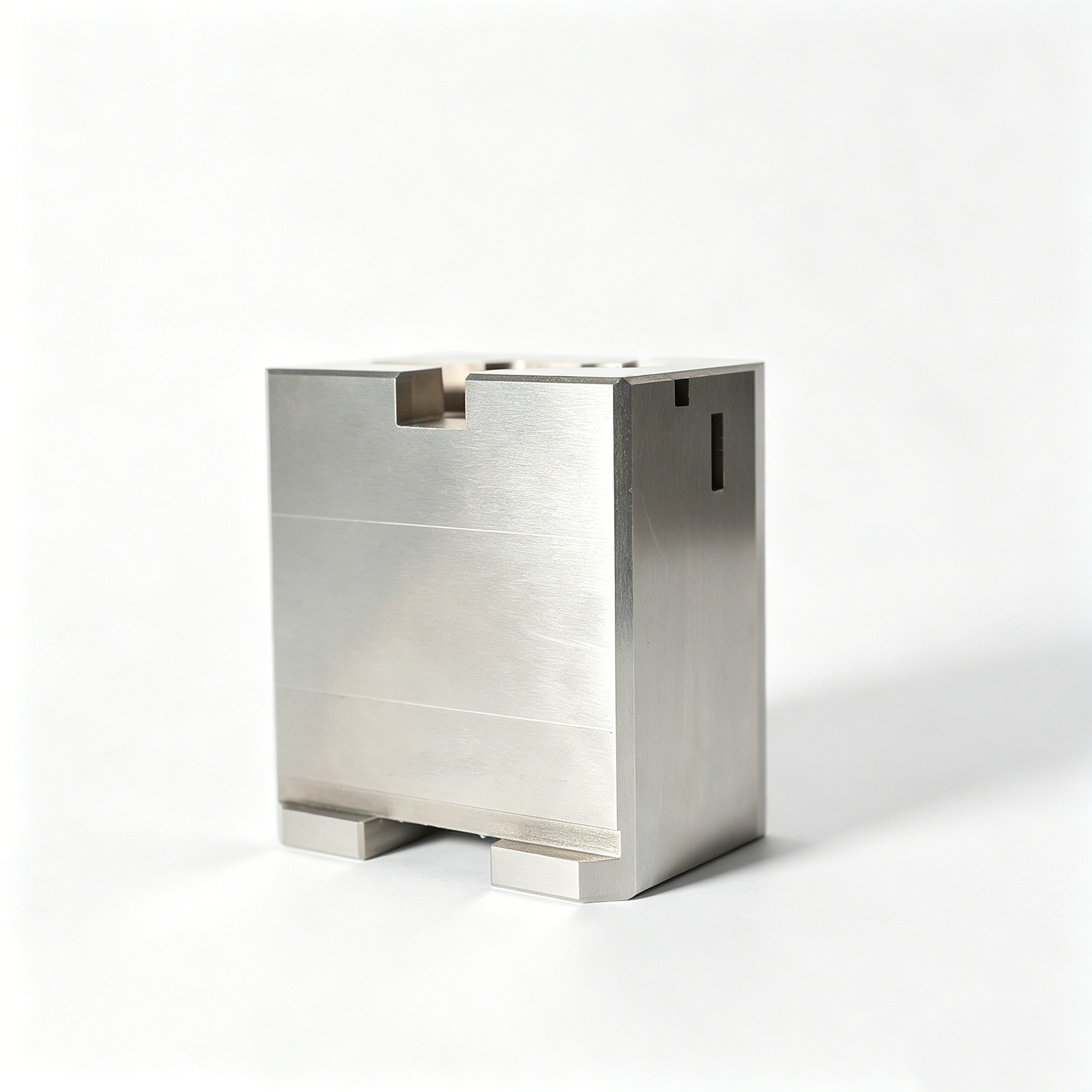
Injection, MIM, CIM & Overmolding Tooling
Injection, MIM, CIM, and overmolding tooling work is evaluated against the specific molding application and verified production scope. Include cavity or insert drawings, resin or feedstock context, parting and shutoff requirements, molding-function details, material, finish, and quality expectations.
Upload a Drawing
Machining Materials
CNC machining materials should be specified by grade, condition, required properties, and any traceability needs. Material selection affects machinability, EDM behavior, heat-treatment sequence, grinding allowance, corrosion resistance, inspection planning, and the suitability of the proposed process route.
Upload a Drawing
Surface Finishes & Heat Treatment
Surface finishing and heat treatment must be defined by functional requirement, not appearance alone. Identify coating, polish, texture, hardness, treatment sequence, masking needs, critical dimensions after treatment, and any surface areas that require final grinding, fitting, or inspection.
Upload a Drawing
Quality, Metrology & Documentation
Precision inspection, metrology, and quality documentation are planned from the drawing’s critical-to-quality features. Identify required datums, tolerances, measurement methods, reporting format, lot or revision traceability, visual criteria, and whether first-article or final inspection evidence is required.
Upload a Drawing
Prototyping & Low-Volume Production
Rapid prototyping and low-volume manufacturing support drawing-driven evaluation, design iteration, bridge quantities, and controlled production runs. Provide the current revision, quantity range, material, critical dimensions, application requirements, delivery target, and inspection needs so feasibility and process planning can be assessed.
Upload a DrawingHow SUUXIANG Reviews a Drawing Package Before Production
A controlled review aligns drawing intent, process choices, critical dimensions and inspection requirements before production is committed.
Submit Controlled Design Files
Provide the latest 2D drawing, available 3D model, material, quantity, application context, delivery target and required inspection or reporting documentation.
Identify Critical Requirements
Clarify datums, critical-to-quality dimensions, tolerance stacks, surface requirements, heat treatment, mating features and revision status before quotation assumptions are finalized.
Review Manufacturing Access
Evaluate CNC access, machining allowance, EDM electrode or wire paths, grinding stock, fitting needs and practical process sequence against the drawing package.
Align Inspection and Release
Confirm inspection methods, reporting expectations, traceability needs and final revision records so production documentation matches the agreed order and inspection plan.
What to Include in a Drawing Package: Common RFQ Questions
Prepare clear, revision-controlled manufacturing information for a more focused DFM discussion, quotation review and inspection plan.
What information is needed for a CNC machining RFQ?
What if I only have a 3D model?
How should I identify critical dimensions in an RFQ?
Do I need to define datums and geometric tolerances before requesting a quote?
How should tolerances be shown in a drawing package?
Should the material and heat-treatment requirement be included in the RFQ?
How do I control drawing revisions when sending files to a supplier?
Can I request an inspection report with my drawing package?
Send Your Drawing Package for Review
Upload your 2D drawing and model with material, quantity, quality priorities, inspection needs, and target delivery date for a focused manufacturing review.