
Hard Milling Basics for Drawing-Driven Precision Parts
Use hard milling basics to review tool access, EDM, grinding, and inspection priorities before requesting a drawing-based quotation.
Hard Milling Basics: Decisions That Shape Part Quality
Evaluate the process route around hardness, geometry, critical dimensions, finishing requirements, and inspection evidence before committing a drawing to production.
Hardness and Material
Confirm material grade, heat-treatment condition, and hardness range first; these inputs influence cutter selection, machining allowance, and whether milling remains appropriate.
Tool Access and Rigidity
Review reach, wall geometry, clamping, and machine rigidity to identify deflection risk before selecting tool lengths, cutting strategy, or feature sequencing.
EDM Decision Points
Use EDM where internal corners, deep narrow features, or inaccessible geometry make a milling-only route impractical; define electrode or wire-path requirements early.
Grinding Stock Strategy
Protect critical surfaces with planned grinding stock when final flatness, parallelism, size, or surface requirements need a controlled finishing operation.
Datums and Inspection
Identify functional datums and critical-to-quality dimensions so machining setup, inspection method, reporting needs, and revision control align with the drawing.
Hard Milling Basics: Plan Around Critical Dimensions
Confirm Material Condition First
Start with the drawing’s material, heat-treatment condition and critical dimensions. The chosen condition affects cutting forces, tool access, EDM need and grinding sequence. Review these factors before committing to a route, especially where post-hardening movement could affect functional geometry.
- Identify material grade and required hardness condition
- Separate critical dimensions from nonfunctional stock removal
- Define whether machining occurs before or after heat treatment
- Flag geometry likely to require EDM or grinding

Protect Tool Access and Datums
Hard milling performance depends on stable workholding, reachable features and a datum strategy that survives each operation. Deep ribs, tight internal corners and slender details should be reviewed against tool reach, deflection risk and the surfaces needed to locate the work for later finishing and inspection.
- Check cutter reach, holder clearance and corner geometry
- Establish datums carried through machining and inspection
- Assess thin-wall and slender-feature stability
- Reserve accessible reference surfaces for final setup

Assign EDM and Grinding Deliberately
Use EDM and grinding where geometry, surface requirements or dimensional control justify them, rather than treating them as automatic follow-on processes. Define electrode or wire paths, machining allowance and finishing sequence early so the process plan protects critical edges, profiles and mating surfaces.
- Identify enclosed corners and profiles unsuitable for milling
- Set EDM stock and finish requirements by feature
- Leave controlled grinding allowance on critical surfaces
- Sequence finishing to minimize handling and rework

Build Inspection Into the Route
Inspection planning should follow the drawing’s critical-to-quality requirements, not begin after production. Link dimensions, datums, surface expectations and reporting needs to a practical measurement method. This gives engineering and sourcing teams a clearer basis for review, revision control and final documentation.
- Classify critical dimensions and applicable tolerances
- Match each requirement to an inspection method
- Confirm report format and traceability expectations
- Record revisions before production release

Hard Milling for Precision Tooling Decisions
Match material condition, feature geometry, tolerance priorities and finishing requirements to a practical machining, EDM and grinding route before production begins.
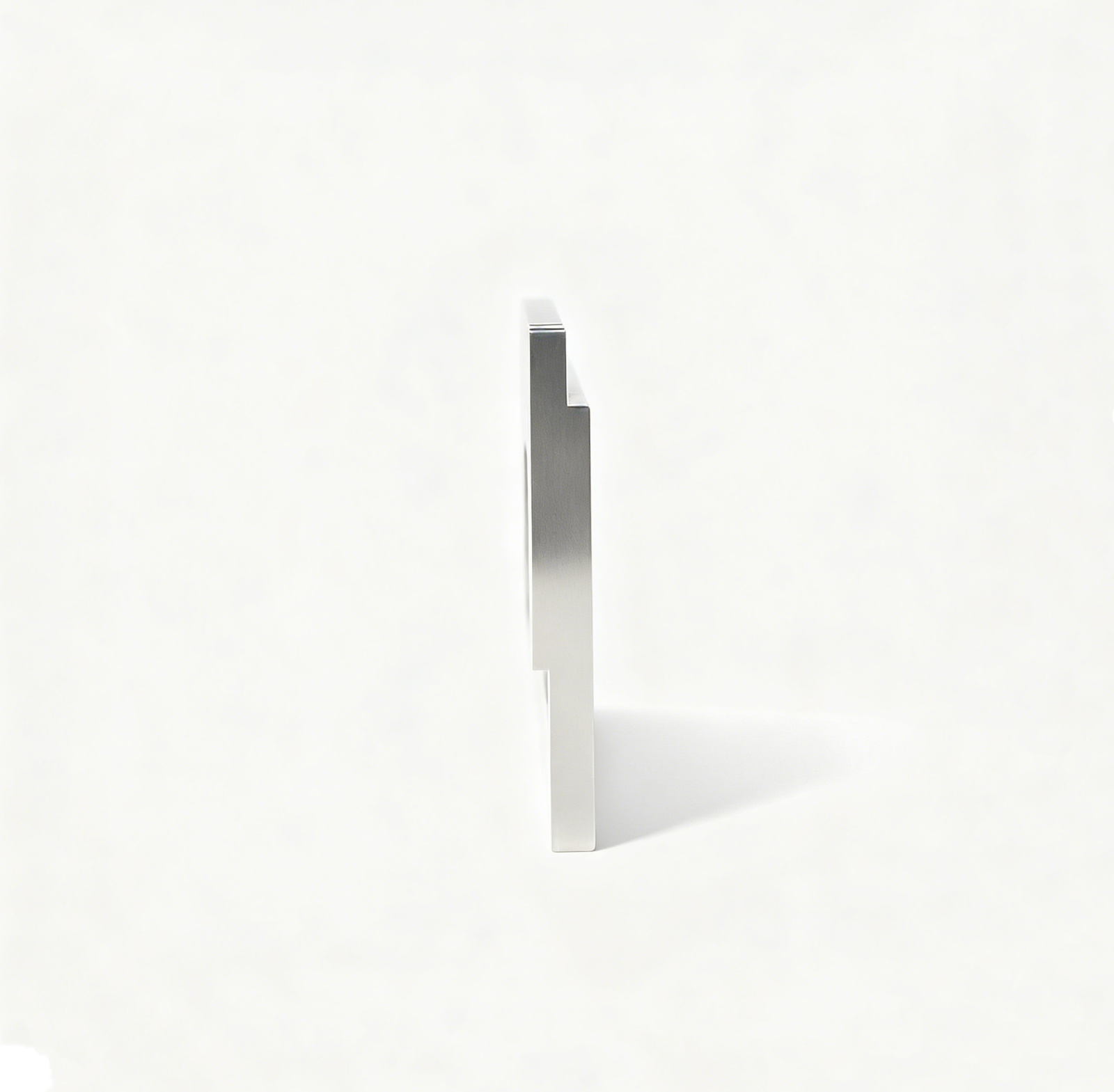
CNC Machining Services
Precision CNC machining services for drawing-based mold components, connector tooling and die parts. DFM review should identify hardened-material strategy, critical dimensions, datum references, tool access and inspection requirements before a process route is committed.
Upload a Drawing
CNC Milling
Custom CNC milling services support plates, inserts, cavities, slides and complex prismatic features. For hardened work, cutter reach, corner radii, residual stock and finishing access determine whether hard milling can replace or precede EDM and grinding.
Upload a Drawing
CNC Turning
Precision CNC turning services produce concentric cylindrical features such as pins, sleeves, bushings and locating elements. Drawings should define datums, runout, surface requirements and heat-treatment sequence so turning, hard turning or subsequent grinding can be planned correctly.
Upload a Drawing
5-Axis Machining
5-axis CNC machining improves access to angled, contoured and multi-face tooling features while reducing repeated setups. The drawing review should confirm tool approach, collision risk, clamping strategy and where hardened finishing passes remain suitable.
Upload a Drawing
Swiss & Micro Machining
Swiss machining and micro machining support small pins, shafts, sleeves and connector-tooling details where diameter control, concentricity and surface condition matter. Material state, feature slenderness, cutoff requirements and post-machining inspection need early review.
Upload a Drawing
Wire & Sinker EDM
Wire EDM and sinker EDM services address internal corners, narrow slots, deep features and hardened geometries beyond practical cutter access. Electrode strategy, wire path, recast-layer considerations, flushing access and finishing allowance should follow the drawing’s critical requirements.
Upload a Drawing
Precision Grinding
Precision surface and profile grinding establishes controlled flatness, parallelism, profile accuracy and final size after machining or heat treatment. Define grinding stock, datum sequence, surface requirements and inspection method before hardened components are released.
Upload a Drawing
Mold Core & Cavity Inserts
Precision mold core and cavity inserts require a coordinated route for cavity geometry, shutoff surfaces, cooling features and final fitting. Hard milling may reduce EDM demand on accessible forms, while EDM and grinding remain appropriate for inaccessible or critical details.
Upload a Drawing
Ejector & Ejection Components
Ejector pins, sleeves and ejection components require attention to fit, straightness, surface condition and mating clearances. Material and heat-treatment requirements, working length, bearing areas and inspection priorities should be supplied with the RFQ.
Upload a Drawing
Core Pins, Guide & Locating Components
Core pins, guide pins and locating components depend on stable datum relationships, diameter control and wear-sensitive mating surfaces. Process planning may combine turning, milling, heat treatment and grinding according to geometry, hardness and fit requirements.
Upload a Drawing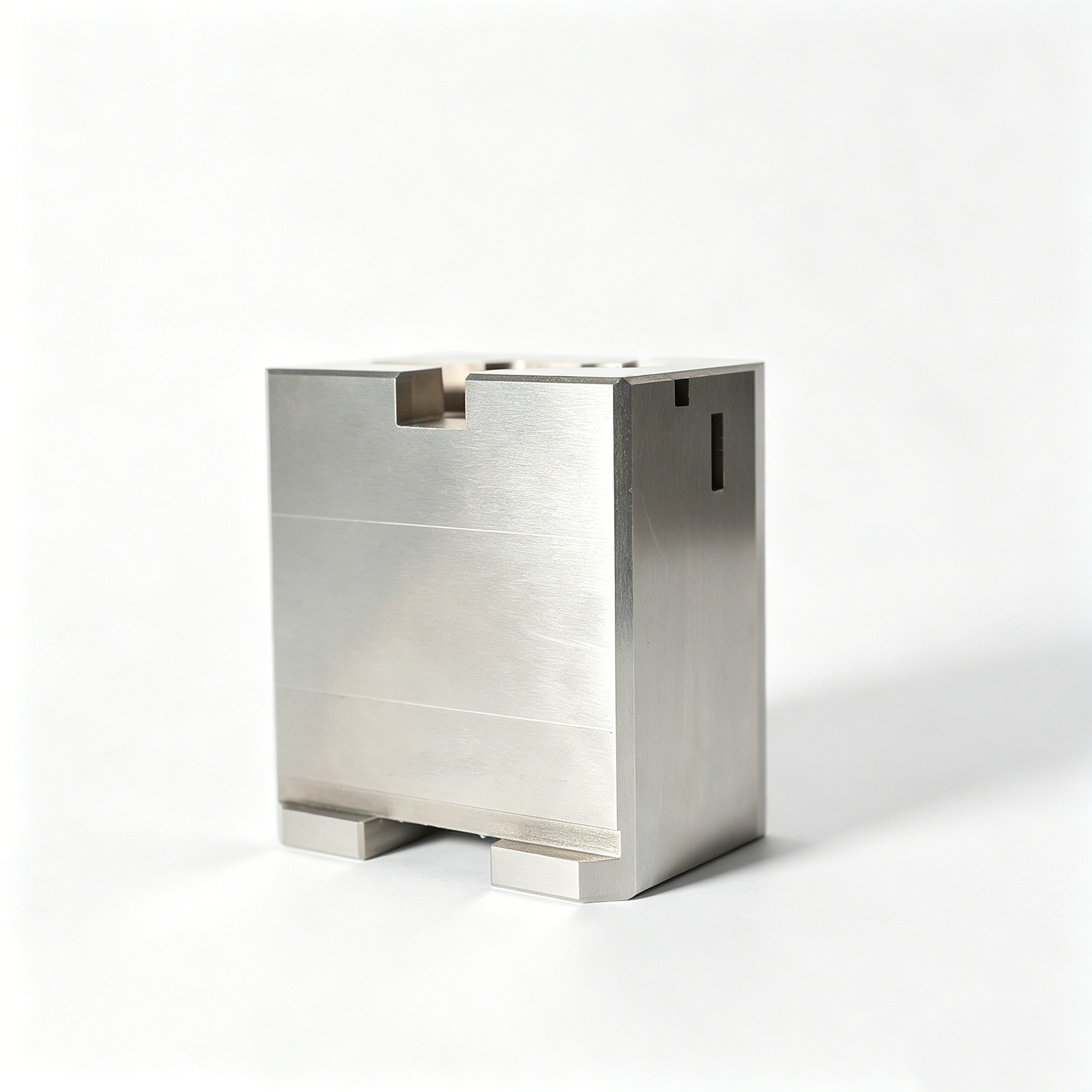
Slides, Lifters, Gates & Mold Accessories
Mold slides, lifters, gates and accessories often combine angled motion surfaces, shutoffs and fitted interfaces. Review tool access, hardened finishing, EDM requirements, grinding stock and assembly datums before selecting a manufacturing sequence.
Upload a Drawing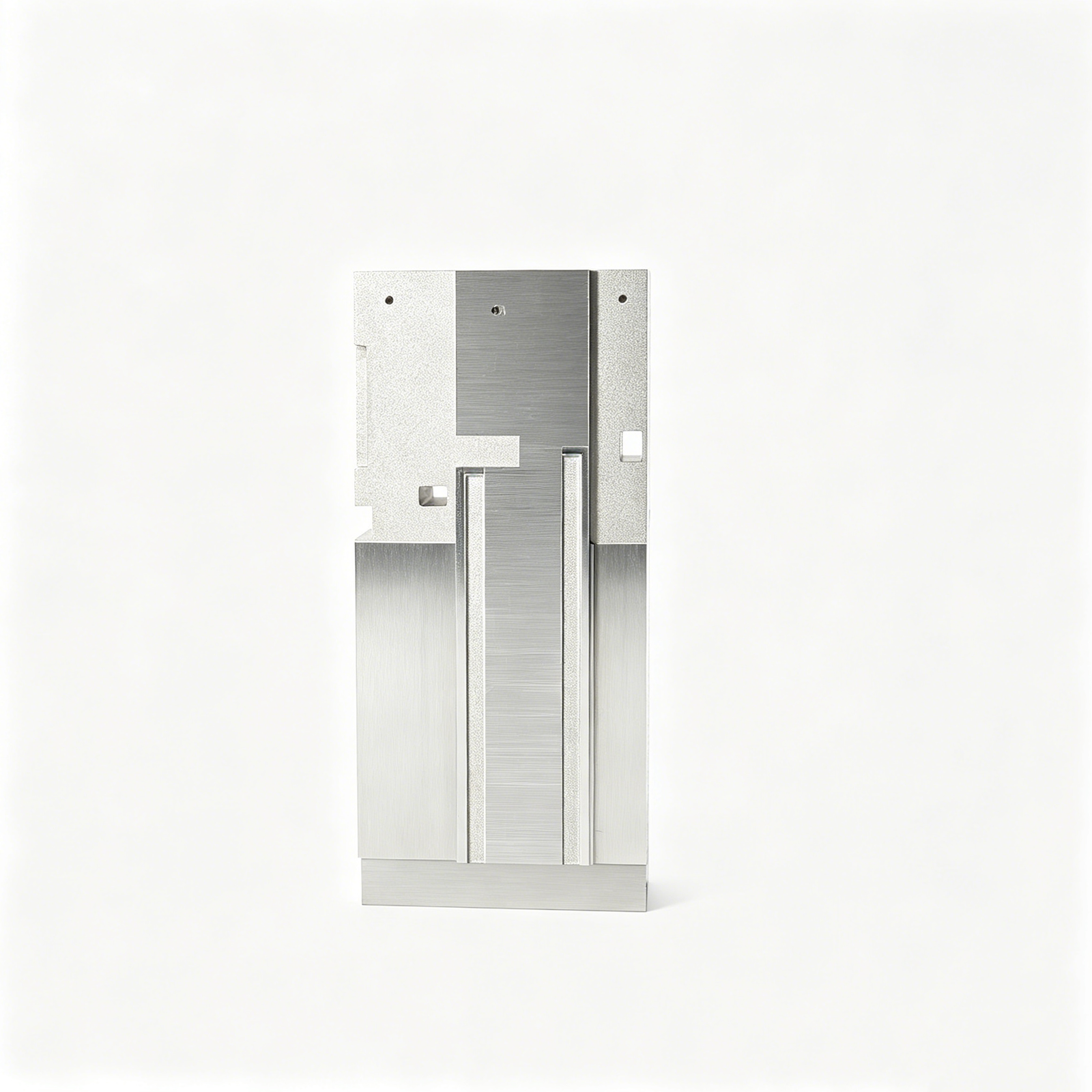
Connector Mold Components
Precision connector mold components often involve fine pitch features, small radii, pin locations and demanding alignment conditions. Drawing review should identify critical mating geometry, material condition, micro-feature access, EDM strategy and metrology needs.
Upload a Drawing
Stamping Die Components
Precision stamping die components include punches, die inserts, guide elements and formed profiles subject to wear and impact. Hard milling, EDM and profile grinding should be selected around material hardness, corner geometry, edge condition and fitting requirements.
Upload a Drawing
Injection, MIM, CIM & Overmolding Tooling
Injection, MIM, CIM and overmolding tooling components are evaluated from the specific mold design and production requirement. Gate details, shutoffs, cavity access, material selection, thermal treatment and inspection expectations determine the suitable process route.
Upload a Drawing
Machining Materials
CNC machining materials must be assessed against the drawing, application and downstream heat-treatment plan. Material grade, supplied condition, machinability, stability, corrosion requirements and hardness target affect hard-milling feasibility and finishing allowances.
Upload a Drawing
Surface Finishes & Heat Treatment
Surface finishing and heat treatment affect dimensional stability, wear behavior and final machining sequence. Specify required treatment, target condition, coating or finish, critical surfaces and masking needs so allowances and inspection timing can be planned.
Upload a Drawing
Quality, Metrology & Documentation
Precision inspection, metrology and quality documentation should correspond to the drawing’s critical dimensions and agreed inspection plan. Define datums, measurement methods, reporting scope, material records and revision controls before production begins.
Upload a Drawing
Prototyping & Low-Volume Production
Rapid prototyping and low-volume manufacturing are managed from the drawing, quantity, material, delivery target and quality requirements. Early DFM review helps distinguish a practical prototype route from a production-intent tooling process requiring hardened finishing or full documentation.
Upload a DrawingApply Hard Milling Basics Before You Submit an RFQ
Give the process team the information needed to assess hardened machining, EDM, grinding, inspection, and revision-control requirements before production planning begins.
Provide Complete Design Inputs
Send the 2D drawing, 3D model when available, material, heat treatment, quantity, application context, target date, and inspection or reporting requirements.
Identify Critical Requirements
Define critical dimensions, datums, surface requirements, mating relationships, and tolerance priorities so the review can distinguish essential controls from general dimensions.
Review DFM and Process Risks
Discuss hard milling basics, tool access, machining allowance, heat-treatment sequence, electrode strategy, wire paths, grinding stock, and potential inspection constraints before quotation.
Confirm the Manufacturing Plan
Align on the appropriate CNC, EDM, grinding, fitting, and inspection route, with revision status and agreed quality expectations visible throughout project coordination.
Receive Inspected Parts
Production follows the confirmed plan, and final documentation is matched to the order and verified inspection requirements before delivery coordination.
Hard Milling Basics: Questions Engineers Ask Before Quoting
Process-route questions for hardened tooling components, from drawing review through inspection planning.
What are the hard milling basics for a hardened mold component?
When should hard milling be used instead of EDM?
How does hard milling affect tolerances after heat treatment?
Can hard milling replace grinding on precision mold components?
What information should I include in an RFQ for hardened CNC parts?
What inspection evidence can be planned for a hard-milled part?
Why do tool access and cutter engagement matter in hard milling?
Apply Hard Milling Basics to Your Drawing Review
Upload your drawing, model, material, quality requirements and delivery target for a disciplined DFM and process-route discussion.