
CNC Machining DFM for Drawing-Ready Precision Parts
Use CNC machining DFM to align critical dimensions, tool access, process routing, and inspection needs before requesting a quotation.
CNC Machining DFM, Drawing-Driven
SUUXIANG is the sole public-facing international brand of Dongguan SuuXiang Precision Mold Co., Ltd., established in 2010 in Chang’an Town, Dongguan, Guangdong, China. XiaoCheng Huang is the founder and legal representative. We help global engineering, sourcing, and quality teams move from drawings and specifications to inspected custom parts through disciplined CNC machining DFM and project coordination.
Our practical scope combines CNC milling and turning, multi-axis machining, EDM, precision grinding, fitting, and inspection for custom CNC parts, precision mold components, connector tooling, and stamping-die components. Each route is selected around the drawing’s critical dimensions, material condition, tool access, datum strategy, and required evidence.
What differentiates SUUXIANG is a drawing-driven workflow before production commitments. We review manufacturability, tolerance stack considerations, machining allowance, electrode or wire path needs, inspection methods, revisions, and delivery requirements so buyers can make informed decisions before material is cut.

What CNC Machining DFM Reviews Before Quotation
A drawing-led review aligns functional requirements with a practical machining, EDM, grinding, and inspection plan before production commitments are made.
Critical Dimensions
Identify the dimensions, fits, and functional interfaces that drive machining sequence, measurement priority, and acceptance decisions.
Datum Strategy
Confirm datums that support repeatable workholding and inspection, so drawing intent remains clear across setups and process stages.
Tool Access
Review pockets, radii, wall geometry, holes, and undercuts for cutter reach, rigidity, setup needs, and feasible toolpaths.
Process Route
Determine where CNC machining, wire EDM, sinker EDM, grinding, heat treatment, or fitting may be required.
Inspection Expectations
Align inspection methods, reporting needs, critical-feature checks, traceability, and revision control with the confirmed order requirements.
Turn CNC Machining DFM Findings Into a Practical Process Route
Match Features to Machining
SUUXIANG translates drawing features into a workable sequence of CNC milling, turning, multi-axis machining, or micro machining. The review considers tool access, workholding faces, datum relationships, material condition, and whether a feature can be completed before heat treatment or requires a later process.
- Identify accessible tool directions and required setups
- Protect functional datums through the machining sequence
- Review pocket depth, corner geometry, threads, and cross-holes
- Separate roughing, finishing, and heat-treatment stages where needed
Plan EDM and Grinding Intentionally
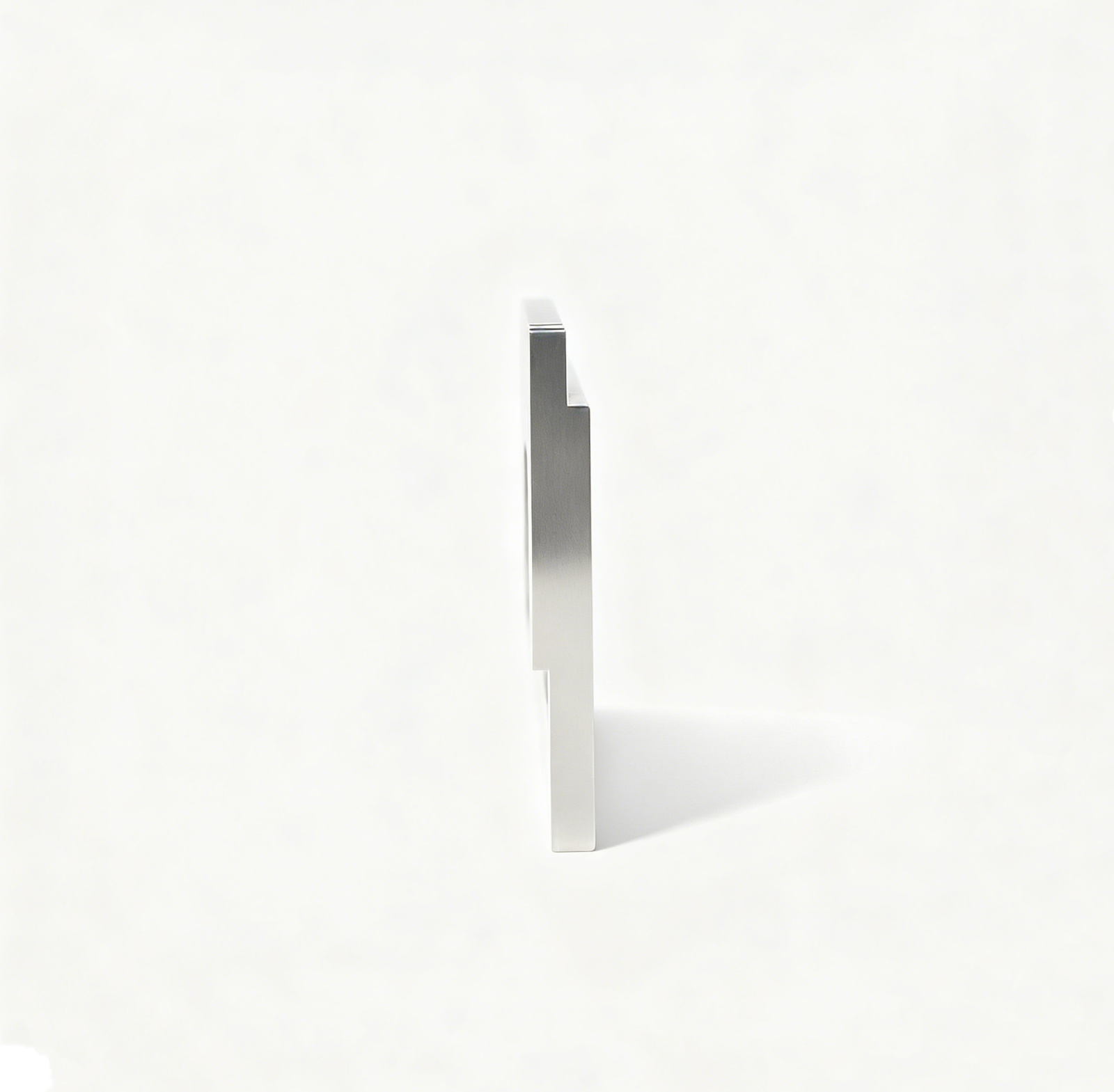
Where rotating tools cannot reliably form a detail, CNC machining DFM identifies a controlled EDM or grinding route. Electrode strategy, wire path, spark access, grinding stock, and post-heat-treatment distortion risk are reviewed against the part’s critical dimensions and functional surfaces.
- Assess wire EDM for narrow slots and internal profiles
- Review sinker EDM needs for enclosed or sharp-corner features
- Reserve grinding stock for precision faces and fits
- Align heat-treatment sequence with final finishing operations

Coordinate Fitting and Inspection
For mold and connector-tooling components, individual dimensions do not tell the whole story. SUUXIANG plans fitting and inspection around mating relationships, datum references, critical interfaces, surface requirements, and the documentation needed to verify the approved revision before delivery.
- Define critical-to-quality dimensions and mating interfaces
- Select inspection methods appropriate to drawing requirements
- Keep revision status visible during production coordination
- Confirm reports and records against the agreed inspection plan

Where DFM Prevents Avoidable Rework
Review process access, critical dimensions, material conditions, and inspection requirements before committing a drawing to production.

CNC Machining Services
Precision CNC machining services begin with a drawing and DFM review covering datums, critical dimensions, tolerances, material condition, tool access, and inspection requirements. Process routing is confirmed before quotation and production commitments.
Upload a Drawing
CNC Milling
Custom CNC milling services support prismatic parts, pockets, contours, and mold features where tool reach, corner radii, clamping surfaces, and machining sequence affect both accuracy and cost.
Upload a Drawing
CNC Turning
Precision CNC turning services address shafts, sleeves, stepped diameters, threads, grooves, and concentric features. Define datum diameters, runout limits, surface requirements, material condition, and any secondary milling, EDM, or grinding work.
Upload a Drawing
5-Axis Machining
5-axis CNC machining can reduce setups for complex contours, angled features, and difficult-access geometry. Drawing review should confirm fixture strategy, tool approach, collision clearance, datum transfer, and inspection access for critical surfaces.
Upload a Drawing
Swiss & Micro Machining
Swiss machining and micro machining are suited to small, slender, and detail-intensive components. Review stock form, diameter transitions, feature spacing, thread geometry, burr limits, concentricity, and measurement methods before release.
Upload a Drawing
Wire & Sinker EDM
Wire EDM and sinker EDM services support hardened materials, narrow slots, sharp internal forms, intricate profiles, and features beyond conventional tool access. Confirm wire paths, electrode strategy, corner conditions, recast-layer expectations, and finishing requirements.
Upload a Drawing
Precision Grinding
Precision surface and profile grinding is used where flatness, parallelism, profile control, or fine surface requirements govern function. Establish grinding stock, heat-treatment sequence, datum surfaces, clamping approach, and inspection method early.
Upload a Drawing
Mold Core & Cavity Inserts
Precision mold core and cavity inserts are reviewed for parting-line conditions, shutoffs, cooling interfaces, steel selection, heat treatment, machining access, EDM details, and mating-component datums. Critical molding surfaces require a defined inspection plan.
Upload a Drawing
Ejector & Ejection Components
Ejector pins, sleeves, and ejection components require attention to fit, clearance, hardness, surface condition, concentricity, and travel-related wear. Provide mating-hole dimensions, lubrication expectations, and application context for a practical process review.
Upload a Drawing
Core Pins, Guide & Locating Components
Core pins, guide pins, and locating components depend on datum relationships, fit classes, engagement lengths, lead-in geometry, hardness, and wear surfaces. Mating-part drawings help evaluate clearance, alignment, and inspection priorities.
Upload a Drawing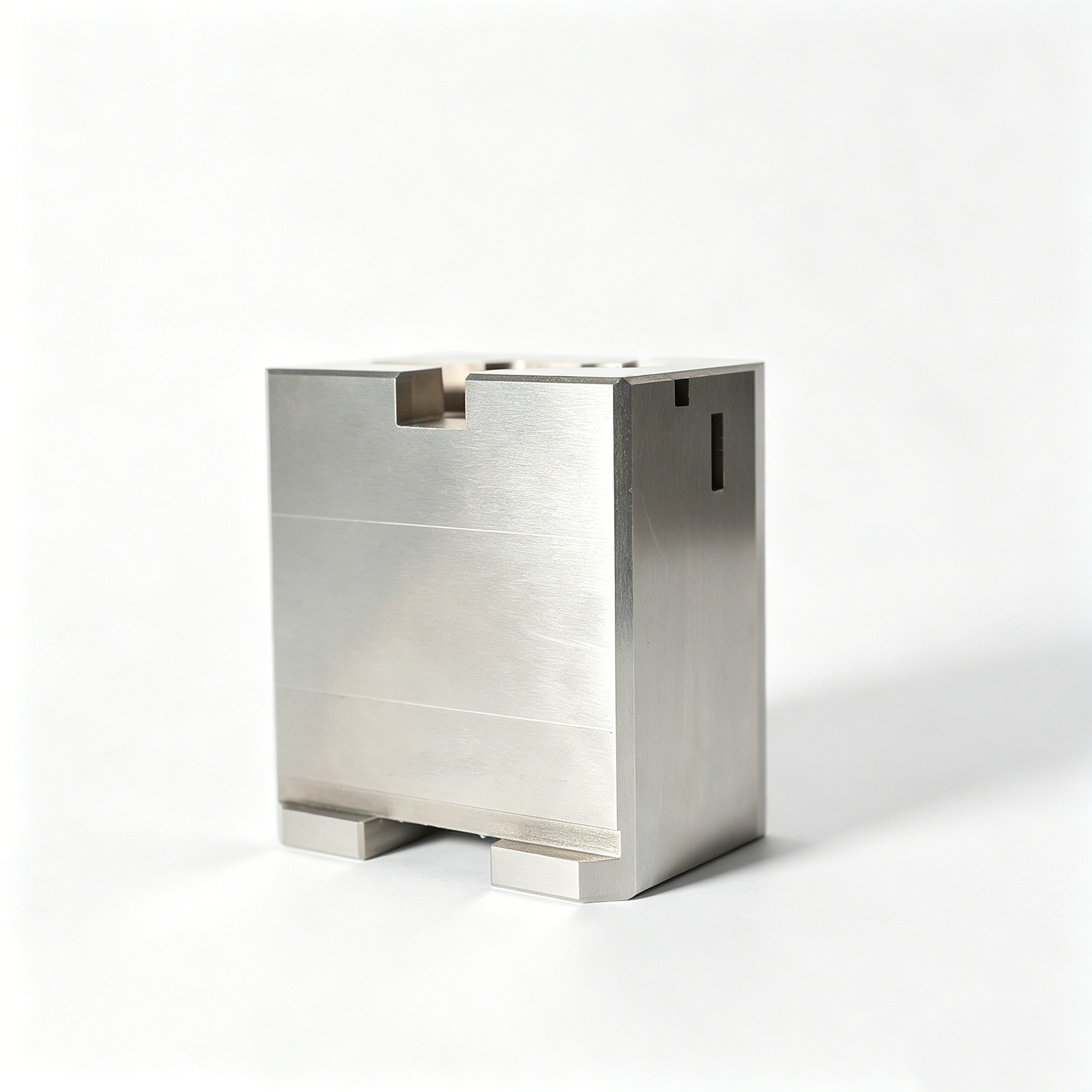
Slides, Lifters, Gates & Mold Accessories
Mold slides, lifters, gates, and accessories require review of motion interfaces, shutoff faces, guide relationships, wear allowances, material treatment, and assembly fit. Share surrounding mold geometry where movement or molding conditions influence the design.
Upload a Drawing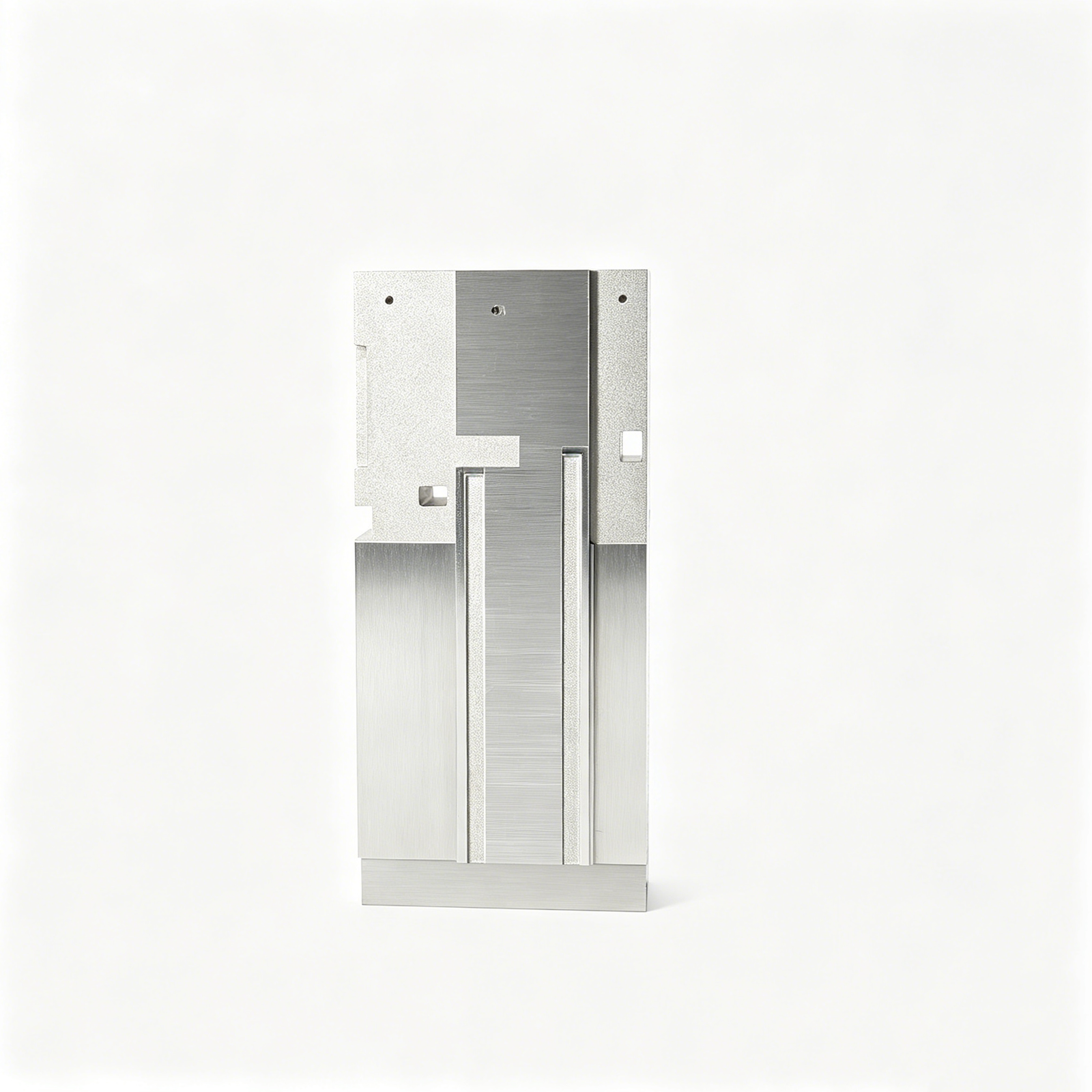
Connector Mold Components
Precision connector mold components often involve fine pitches, delicate profiles, insert alignment, and strict dimensional relationships. Drawings should identify functional datums, mating interfaces, feature protection needs, material condition, and required inspection evidence.
Upload a Drawing
Stamping Die Components
Precision stamping die components are assessed for working edges, clearance relationships, material hardness, grinding allowance, EDM requirements, and fit with adjoining die sets. Define critical punch, die, guide, and locating dimensions before manufacture.
Upload a Drawing
Injection, MIM, CIM & Overmolding Tooling
Injection, MIM, CIM, and overmolding tooling components require application-specific review of molding surfaces, inserts, material behavior, shrinkage assumptions, gate or flow interfaces, and assembly relationships. Production scope is confirmed against current project requirements.
Upload a Drawing
Machining Materials
CNC machining materials are selected against function, machinability, stability, corrosion resistance, hardness, and downstream treatment. Specify the material grade, condition, approved substitution rules, certification needs, and any constraints imposed by mating components.
Upload a Drawing
Surface Finishes & Heat Treatment
Surface finishing and heat treatment affect final dimensions, wear behavior, corrosion resistance, and appearance. Define process sequence, masking or protected surfaces, target condition, post-treatment grinding allowance, and dimensional verification requirements.
Upload a Drawing
Quality, Metrology & Documentation
Precision inspection, metrology, and quality documentation should align with critical dimensions and the agreed inspection plan. Identify datums, measurement methods, report format, sampling expectations, revision level, material records, and traceability needs before production.
Upload a Drawing
Prototyping & Low-Volume Production
Rapid prototyping and low-volume manufacturing support drawing validation, assembly checks, process learning, and controlled bridge quantities. State quantity, material, critical features, revision status, required documentation, and target delivery date for a practical review.
Upload a DrawingCNC Machining DFM: From Drawing Review to Inspected Delivery
Align requirements, process decisions, and inspection evidence before production commitments are made.
Submit Complete Requirements
Provide the 2D drawing, available 3D model, material, heat-treatment requirement, quantity, target date, and any application context affecting fit, function, or assembly.
Define Critical Features
Identify critical dimensions, datums, tolerances, surface requirements, mating interfaces, and reporting needs so the review concentrates on functional risks rather than assumptions.
Review the Process Route
SUUXIANG assesses machining access, workholding, CNC operations, EDM or grinding needs, machining allowance, inspection approach, and revision status before quotation and production planning.
Confirm Production Details
Align the agreed drawing revision, material and treatment specifications, quantity, inspection plan, delivery expectations, and any approved DFM actions before manufacturing begins.
Receive Inspected Parts
Manufacturing proceeds through the defined process route, with project coordination and final documentation matched to the order and verified inspection plan.
FAQ: CNC Machining DFM Questions Before Sourcing
Practical guidance for reviewing drawings, critical features, process routes, and inspection expectations before requesting a quotation.
What should a CNC machining DFM review cover before quotation?
How does CNC machining DFM help control part cost?
When should CNC machining DFM recommend EDM instead of milling?
Should tight tolerances apply to every dimension on a CNC drawing?
Why are machining allowances important for hardened or ground parts?
What inspection information should I include with an RFQ?
What files are needed for a CNC machining DFM review?
Upload a Drawing for CNC Machining DFM Review
Send the drawing, model, material, quantity, critical dimensions, inspection needs, and target date for a project-specific manufacturability discussion and RFQ.