
Deep-Rib Mold Insert Design for Manufacturable Tooling
Assess tool access, EDM strategy, venting, grinding allowance, and inspection needs before committing your deep-rib mold insert design to production.
Key Deep-Rib Mold Insert Design Decisions Before Tooling
Review geometry, process access, venting, finishing, and measurement strategy before committing the insert design to production.
Define Critical Datums
Identify sealing faces, rib locations, and critical dimensions so machining, EDM, grinding, and final inspection reference the same datum strategy.
Confirm Tool Access
Check cutter reach, electrode clearance, wire paths, and corner geometry early to prevent inaccessible features or unstable machining conditions.
Plan Venting Paths
Review potential air traps at deep rib ends and determine whether insert splits, vent features, or other tooling provisions are needed.
Specify Finish Requirements
Clarify surface texture, polishing access, and cosmetic priorities because deep, narrow features can change the practical finishing route.
Set Inspection Methods
Match critical deep-rib dimensions to feasible inspection methods, reporting requirements, and measurement access before tolerances are released for quotation.
Deep-Rib Inserts Need Early Process Review
Match rib geometry, critical dimensions, material condition, and inspection needs to a manufacturing route before quoting or releasing tooling work.
CNC Machining Services
Precision CNC machining services for drawing-based components where datum control, tool access, rib geometry, material condition, and inspection requirements must be reviewed before a process route is committed.
Upload a Drawing
CNC Milling
Custom CNC milling services for plates, inserts, cavities, and structural mold components. Early review identifies cutter reach, corner radii, deep-rib access, remaining stock, and features that may require EDM or grinding.
Upload a Drawing
CNC Turning
Precision CNC turning services for rotational components such as guide elements, sleeves, bushings, pins, and custom shafts. Drawings should define functional diameters, concentricity, surface requirements, heat-treatment sequence, and inspection datums.
Upload a Drawing
5-Axis Machining
5-axis CNC machining helps address angled features, compound surfaces, and difficult access in mold inserts and connector tooling. Fixturing, tool reach, collision clearance, and critical-dimension verification still require drawing-based review.
Upload a Drawing
Swiss & Micro Machining
Swiss machining and micro machining support small, slender, and intricate components where handling, runout, burr control, and measurement strategy affect manufacturability. Confirm material, feature geometry, tolerance priorities, and quantity with the RFQ.
Upload a Drawing
Wire & Sinker EDM
Wire EDM and sinker EDM services address hardened materials, narrow slots, sharp internal geometry, deep ribs, and inaccessible details. Electrode design, wire path, flushing, recast-layer considerations, and finishing allowance should be agreed before production.
Upload a Drawing
Precision Grinding
Precision surface and profile grinding supports flatness, parallelism, profile control, and controlled finishing on critical mold and die components. Specify datum relationships, grinding stock, material state, surface requirement, and inspection method.
Upload a Drawing
Mold Core & Cavity Inserts
Precision mold core and cavity inserts are manufactured from controlled drawings and models, with review of shutoff geometry, cooling interfaces, rib depth, machining access, EDM needs, heat treatment, and critical inspection dimensions.
Upload a Drawing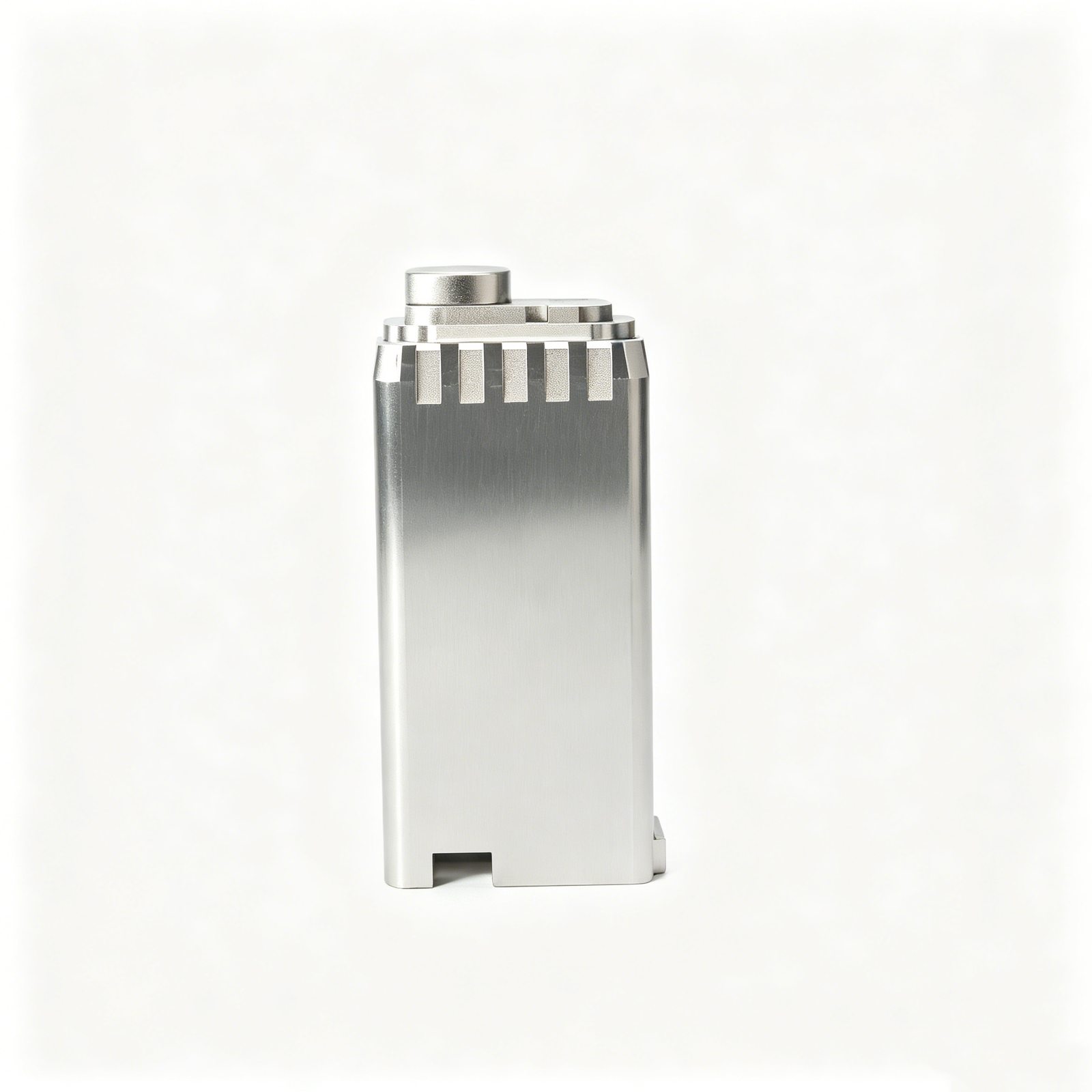
Ejector & Ejection Components
Ejector pins, sleeves, and ejection components require attention to fit, guidance, surface condition, wear, and mating geometry. Supply functional dimensions, material and treatment requirements, quantity, and any assembly-specific inspection expectations.
Upload a Drawing
Core Pins, Guide & Locating Components
Core pins, guide pins, and locating components depend on controlled diameters, datum relationships, mating fits, and surface requirements. A drawing review should clarify wear conditions, heat treatment, finishing sequence, and the inspection evidence required.
Upload a Drawing
Slides, Lifters, Gates & Mold Accessories
Mold slides, lifters, gates, and accessories often combine moving interfaces, angled features, shutoffs, and wear surfaces. Review travel geometry, clearances, machining access, material condition, and fitting responsibility before quotation.
Upload a Drawing
Connector Mold Components
Precision connector mold components demand disciplined control of fine features, pitch-related geometry, mating interfaces, and burr-sensitive details. Drawings should identify critical dimensions, material, finish, inspection requirements, and relevant connector application context.
Upload a Drawing
Stamping Die Components
Precision stamping die components may require machining, EDM, grinding, and fitting in a controlled sequence. Define material, hardness condition, cutting-edge requirements, profile tolerances, mating interfaces, and inspection priorities before production planning.
Upload a Drawing
Injection, MIM, CIM & Overmolding Tooling
Injection, MIM, CIM, and overmolding tooling components are evaluated within verified production scope. Provide part geometry, material requirements, molding context, critical surfaces, assembly interfaces, and quality expectations for an appropriate route.
Upload a Drawing
Machining Materials
CNC machining materials should be selected against part function, wear, corrosion exposure, machinability, heat-treatment response, and inspection needs. Identify the required grade or approved equivalent, material condition, and any traceability documentation.
Upload a Drawing
Surface Finishes & Heat Treatment
Surface finishing and heat treatment must be considered with tolerances, wear behavior, corrosion needs, and post-process dimensional change. State finish, treatment, masking needs, critical surfaces, and whether final inspection follows processing.
Upload a Drawing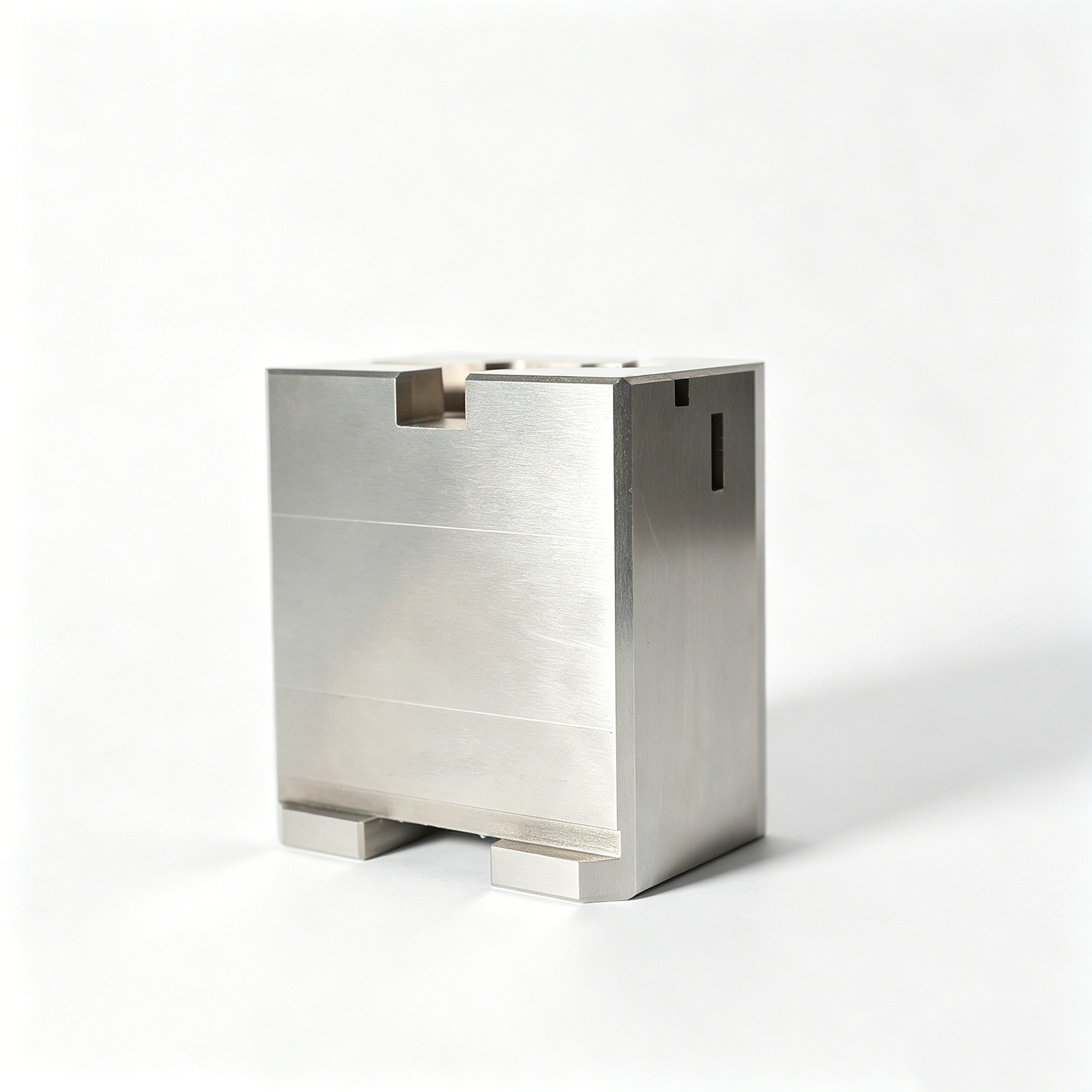
Quality, Metrology & Documentation
Precision inspection, metrology, and quality documentation are planned around critical-to-quality dimensions, datums, tolerances, and the agreed order requirements. Submit drawing revision, reporting needs, sampling expectations, and any traceability requirements with the RFQ.
Upload a Drawing
Prototyping & Low-Volume Production
Rapid prototyping and low-volume manufacturing support drawing-driven validation, tooling development, and controlled production quantities. Clarify the application, revision status, material, critical features, required inspection, target date, and expected future demand.
Upload a DrawingDeep-Rib Mold Insert Design: From Drawing Review to Inspection
A controlled workflow for turning deep-rib tooling requirements into traceable, inspected insert components.
Submit Drawing Requirements
Provide the 2D drawing, 3D model when available, material, quantity, quality expectations, delivery target, and mating-part context that can affect insert manufacturability.
Review Critical Geometry
Confirm deep-rib mold insert design risks, including datums, critical dimensions, tool access, draft, venting needs, electrode strategy, wire paths, and grinding allowances.
Plan the Process Route
Select the appropriate sequence of CNC machining, EDM, wire EDM, heat-treatment coordination, precision grinding, fitting, and inspection before production commitments are made.
Machine and Verify Parts
Produce the insert to the approved revision, inspect agreed features against the defined plan, and keep revision, delivery, and documentation status visible throughout coordination.
Compare deep-rib mold insert design approaches
Evaluate direct machining, EDM-supported inserts, and replaceable construction against access, venting, maintenance, and inspection needs before release.
← Swipe left or right to view →
FAQ: Deep-Rib Mold Insert Design for RFQ Preparation
Practical questions to resolve before committing a deep-rib insert to machining, EDM, grinding, and inspection.
What should I provide for a deep-rib mold insert design review?
When does deep-rib mold insert design require EDM instead of CNC machining?
How do I evaluate venting in deep-rib mold insert design?
Can a deep-rib insert be made as one piece or should it be split into inserts?
What tolerances are realistic for deep-rib mold inserts?
How should electrodes be planned for narrow or deep ribs?
What inspection evidence can I request with a deep-rib insert RFQ?
Upload Your Drawing for a Deep-Rib Mold Insert Design Review
Share material requirements, critical dimensions, quantity, inspection needs, and delivery target for a disciplined DFM and process-route discussion.