
Connector Mold DFM for Better Tooling Decisions
SUUXIANG reviews connector mold DFM with your drawings, critical dimensions, datum strategy, machining access, and inspection requirements before production planning.
DFM Review Points Before Drawing Release
Review the dimensions, process access, and evidence that determine whether connector tooling components can be machined, finished, and inspected as specified.
Datum Strategy
Define functional datums from mating, locating, and assembly features so machining setups and inspection results reference the same design intent.
Tolerance Stack Review
Check pitch, wall, pin-location, and shutoff relationships together to identify accumulated variation before individual dimensions are released.
Machining Access
Confirm cutter reach, tool clearance, internal-corner radii, and fixture access before selecting CNC milling, turning, or multi-axis machining routes.
EDM Planning
Identify narrow slots, sharp internal forms, and difficult cavities early, then define electrode strategy, wire path, and finishing requirements.
Grinding Stock
Specify grinding allowance and heat-treatment sequence where flatness, parallelism, or critical fits require a controlled final finishing operation.
Inspection Planning
Link critical dimensions to practical measurement methods, reporting expectations, and revision-controlled acceptance criteria before production commitments are made.
Process Routes for Critical Connector Mold Features
CNC for Accessible Geometry
Use CNC milling, turning, or multi-axis machining where tool access supports stable datum control and efficient stock removal. Review deep pockets, thin walls, corner radii, and clamping surfaces early so the component can progress to EDM, grinding, or fitting with intentional allowance.
- Define functional datums before programming
- Confirm cutter reach and corner-radius limits
- Reserve controlled stock for EDM or grinding
- Plan clamping without damaging critical faces
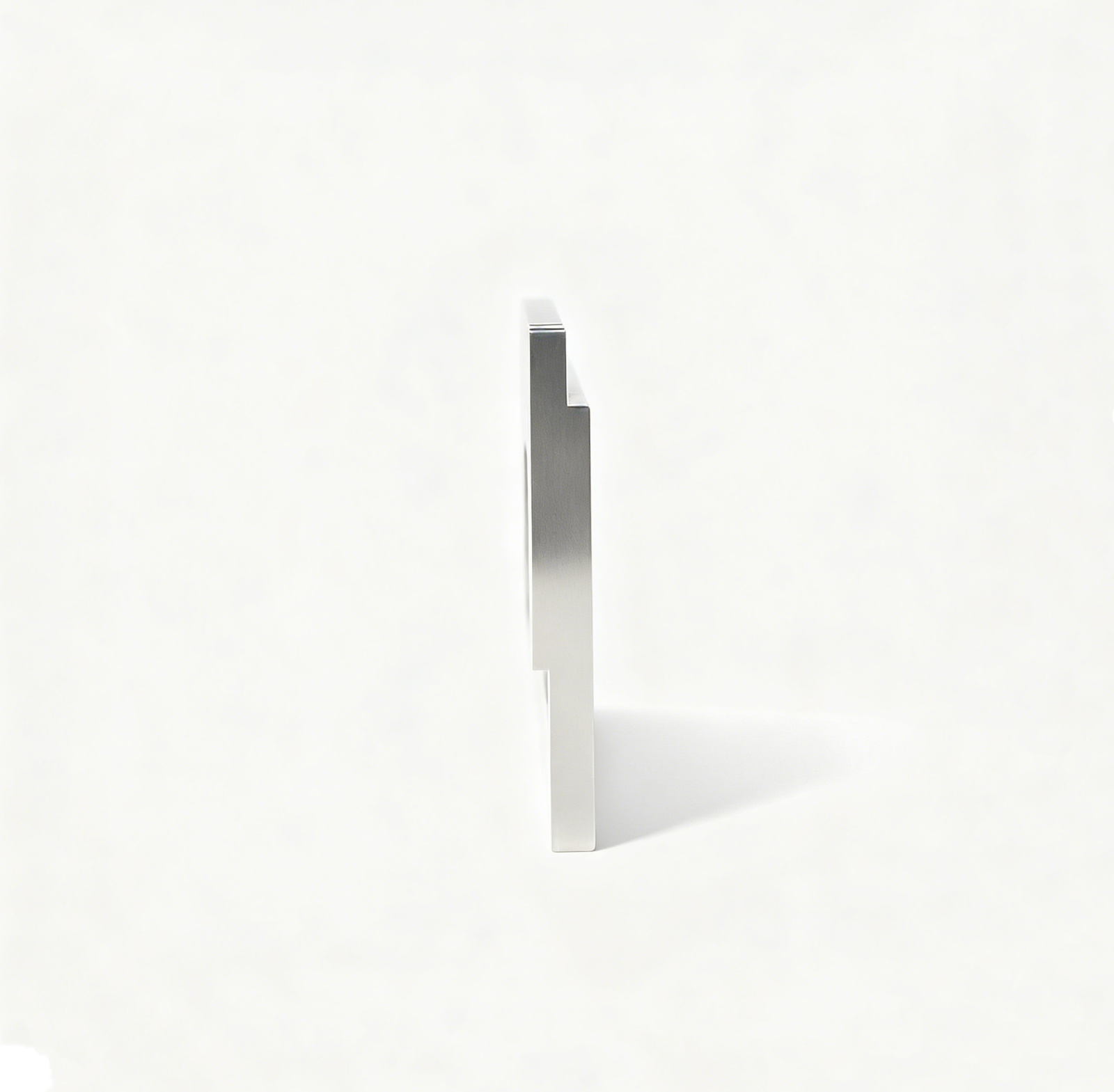
EDM for Fine Shut-Offs
Wire and sinker EDM are evaluated for narrow slots, sharp internal details, difficult shut-offs, and features that conventional cutters cannot reach reliably. The drawing review should connect electrode strategy, wire path, flushing access, and later fitting requirements to the functional geometry.
- Identify EDM-only internal geometry
- Review wire-entry and relief requirements
- Specify electrode and polishing considerations
- Protect mating shut-offs during fitting

Grinding and Inspection Alignment
Grinding supports final control where flatness, parallelism, surface condition, or mating relationships drive tooling performance. SUUXIANG aligns grinding stock and inspection methods with critical dimensions, datum strategy, and the agreed reporting plan, helping prevent a measured feature from being disconnected from its assembly function.
- Assign grinding stock by process sequence
- Link tolerances to functional datums
- Select inspection methods before production
- Record revisions and agreed measurement needs

Connector Mold DFM, Planned for Production
Review machining access, datum strategy, EDM requirements and inspection priorities before committing connector tooling, mold components or precision production parts.

Custom Machined Parts & CNC Machining Services
Precision CNC machining services begin with the drawing review: identify critical dimensions, functional datums, material condition and inspection requirements, then select a practical machining and finishing route for the part.
Upload a Drawing
CNC Milling
Custom CNC milling services are planned around tool access, wall geometry, corner radii, clamping surfaces and remaining stock. DFM review helps prevent features that cannot be machined or inspected as specified.
Upload a Drawing
CNC Turning
Precision CNC turning services suit rotational features such as pins, sleeves, shafts and stepped diameters. Review datum selection, concentricity, runout, thread requirements and post-heat-treatment finishing before production planning.
Upload a Drawing
5-Axis Machining
5-axis CNC machining can improve access to compound angles, contoured surfaces and multi-face features. The production review defines fixturing, tool reach, collision risk, attainable inspection access and whether a simpler route is more appropriate.
Upload a Drawing
Swiss & Micro Machining
Swiss machining and micro machining support small-diameter, slender or detailed components where deflection and handling affect results. Drawings should clarify functional datums, tolerances, burr limits, material condition and inspection method.
Upload a Drawing
Wire & Sinker EDM
Wire EDM and sinker EDM services address sharp internal profiles, hardened materials and features beyond practical cutting-tool access. DFM should establish wire paths, start holes, electrode strategy, finish requirements and EDM-related surface considerations.
Upload a Drawing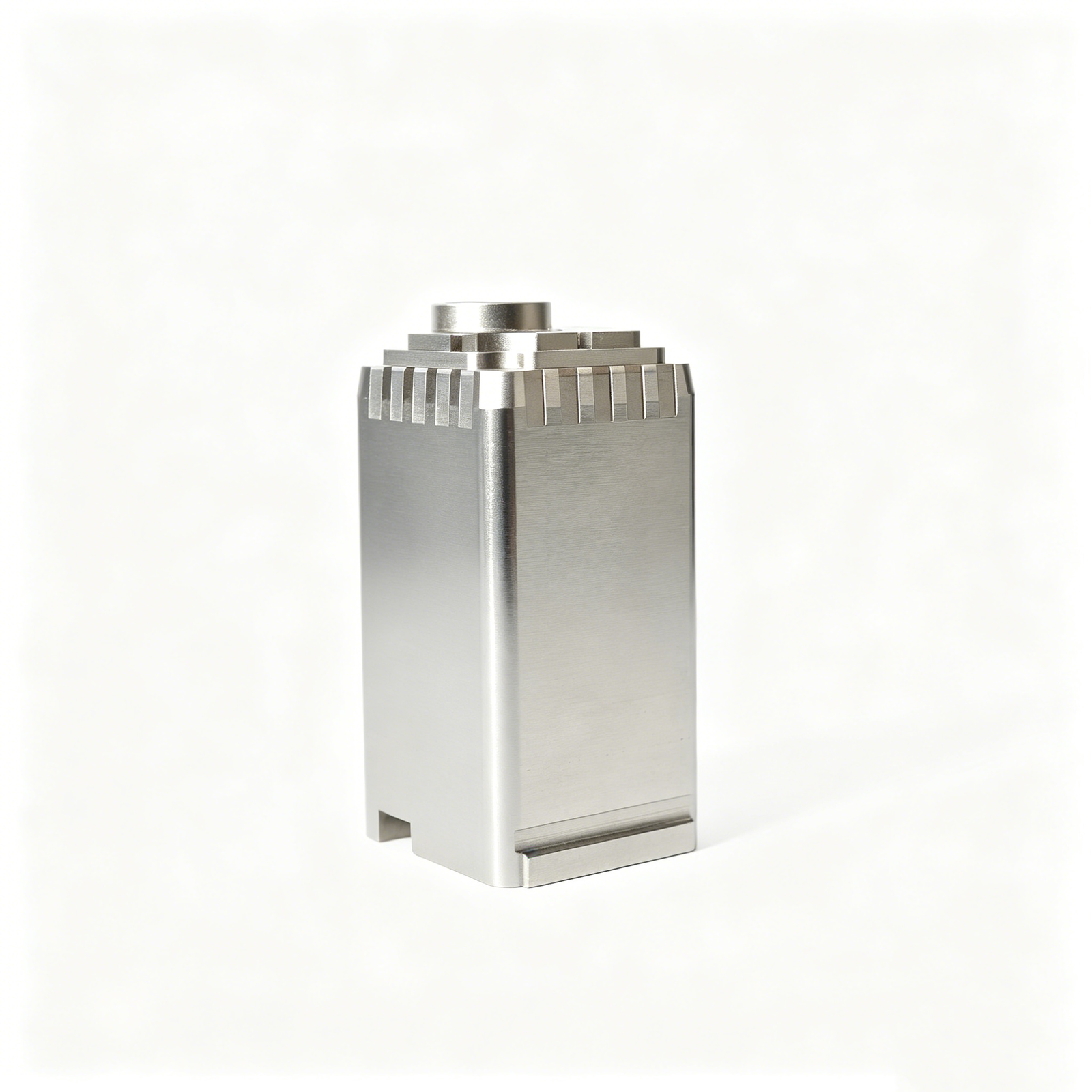
Precision Grinding
Precision surface and profile grinding is considered where flatness, profile control, tight dimensional relationships or final stock removal matter. Review grinding allowance, heat-treatment sequence, datum transfer and inspection capability early.
Upload a Drawing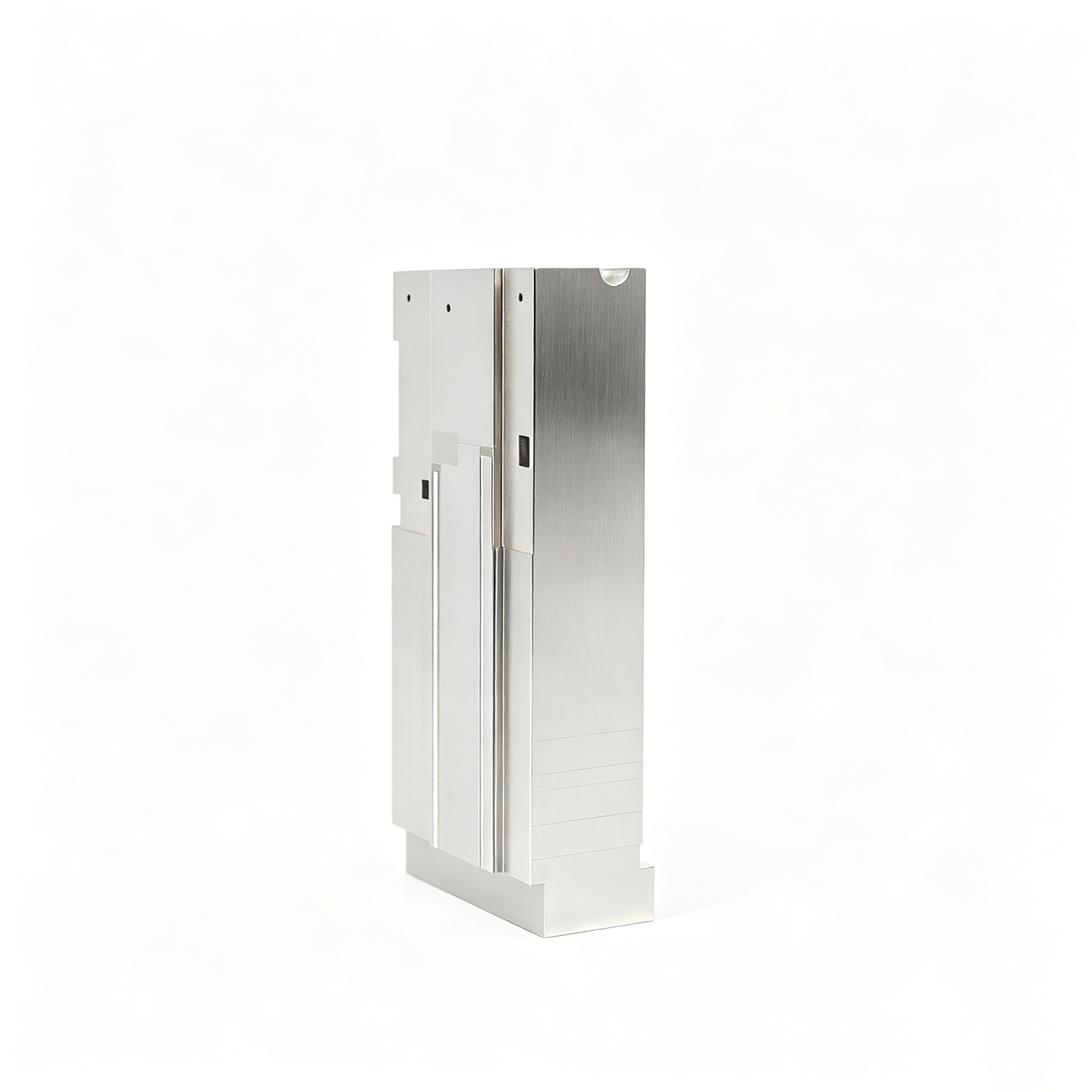
Mold Core & Cavity Inserts
Precision mold core and cavity inserts require DFM around parting lines, shutoffs, cooling interfaces, machining access and EDM strategy. Critical geometry, material and heat-treatment requirements should be resolved before the process route is committed.
Upload a Drawing
Ejector & Ejection Components
Ejector pins, sleeves and ejection components are reviewed for fit, alignment, wear surfaces and movement clearance. The drawing package should define mating relationships, critical diameters, hardness needs, surface condition and inspection priorities.
Upload a Drawing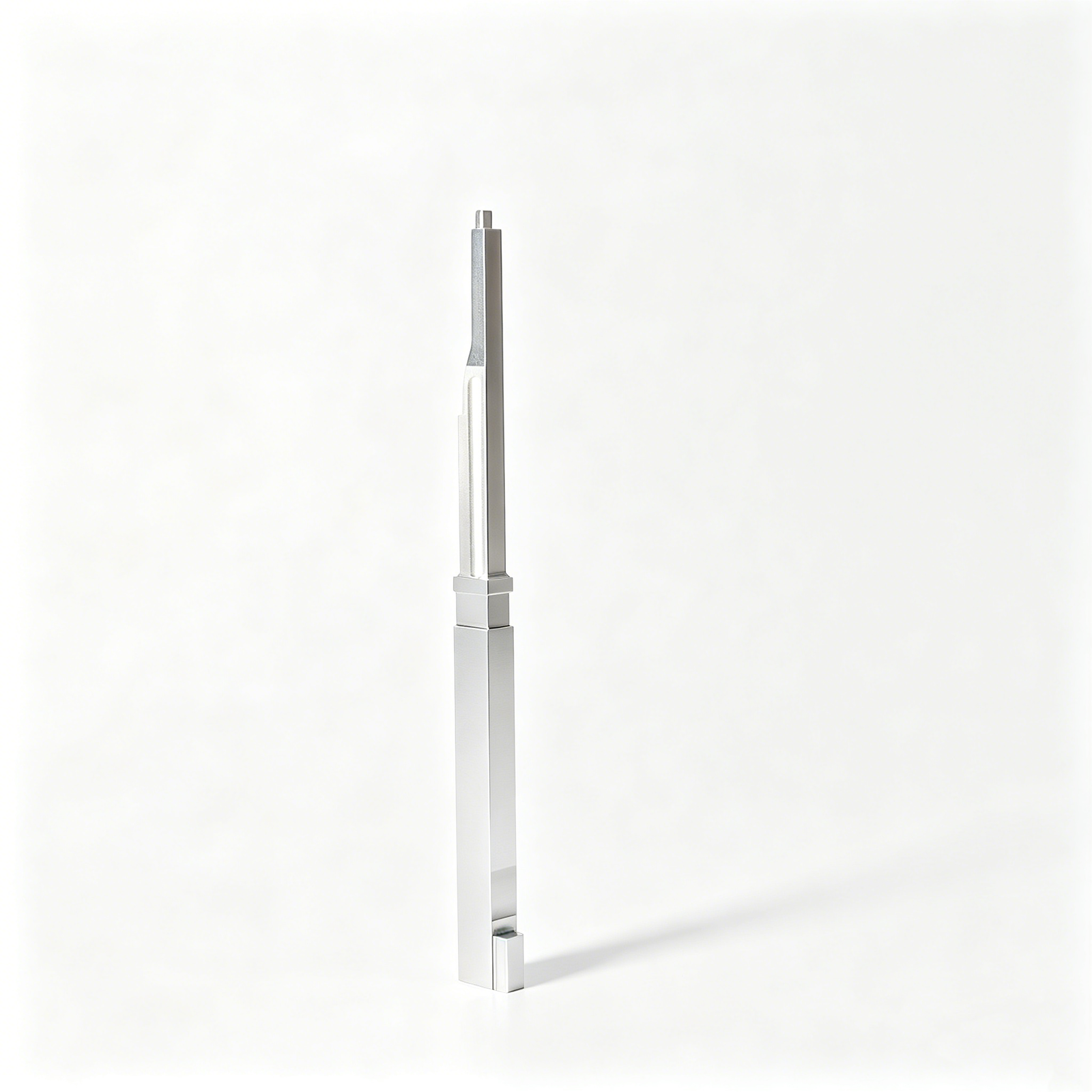
Core Pins, Guide & Locating Components
Core pins, guide pins and locating components depend on controlled relationships with mating mold features. DFM focuses on datum strategy, alignment, fit class, wear allowance, heat-treatment sequence and the dimensions requiring verification.
Upload a Drawing
Slides, Lifters, Gates & Mold Accessories
Mold slides, lifters, gates and accessories require review of travel, clearance, bearing surfaces, shutoff geometry and assembly interfaces. Process planning accounts for machining access, EDM needs, fitting work and the inspection plan.
Upload a Drawing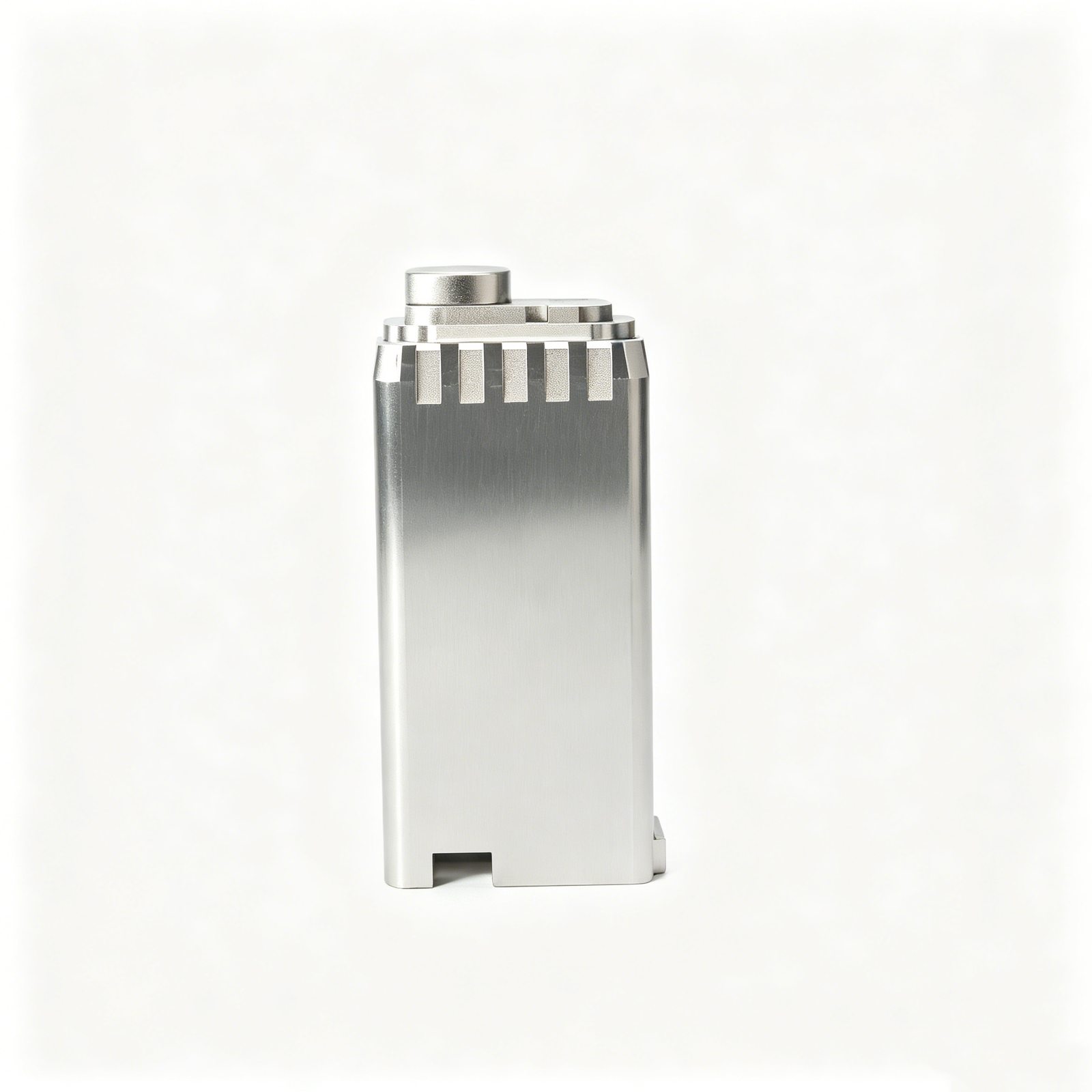
Connector Mold Components
Precision connector mold components demand careful control of pitch, pin geometry, cavity relationships and mating interfaces. A drawing review identifies feature density, electrode or wire access, burr risks, material condition and critical inspection points.
Upload a Drawing
Stamping Die Components
Precision stamping die components are planned around cut geometry, clearance relationships, guiding features, wear surfaces and assembly datums. Material, heat treatment, grinding stock and inspection requirements should be confirmed with the drawing revision.
Upload a Drawing
Injection, MIM, CIM & Overmolding Tooling
Injection mold components and tooling for MIM, CIM and overmolding are evaluated within verified production scope. DFM addresses material behavior, interfaces, gate or cavity requirements, venting-related features, tool access and component inspection needs.
Upload a Drawing
Machining Materials
CNC machining materials are selected against application requirements, machinability, heat treatment, corrosion exposure and dimensional stability. Provide the material grade, condition, substitute restrictions and any required material documentation with the RFQ.
Upload a Drawing
Surface Finishes & Heat Treatment
Surface finishing and heat treatment must be coordinated with dimensions, fit surfaces and downstream operations. Identify required finish, coating or hardness, masking needs, post-treatment grinding allowance and evidence expected for the order.
Upload a Drawing
Quality, Metrology & Documentation
Precision inspection, metrology and quality documentation should follow the agreed drawing revision and inspection plan. Identify critical-to-quality dimensions, datum references, sampling expectations, report format and traceability requirements before production starts.
Upload a Drawing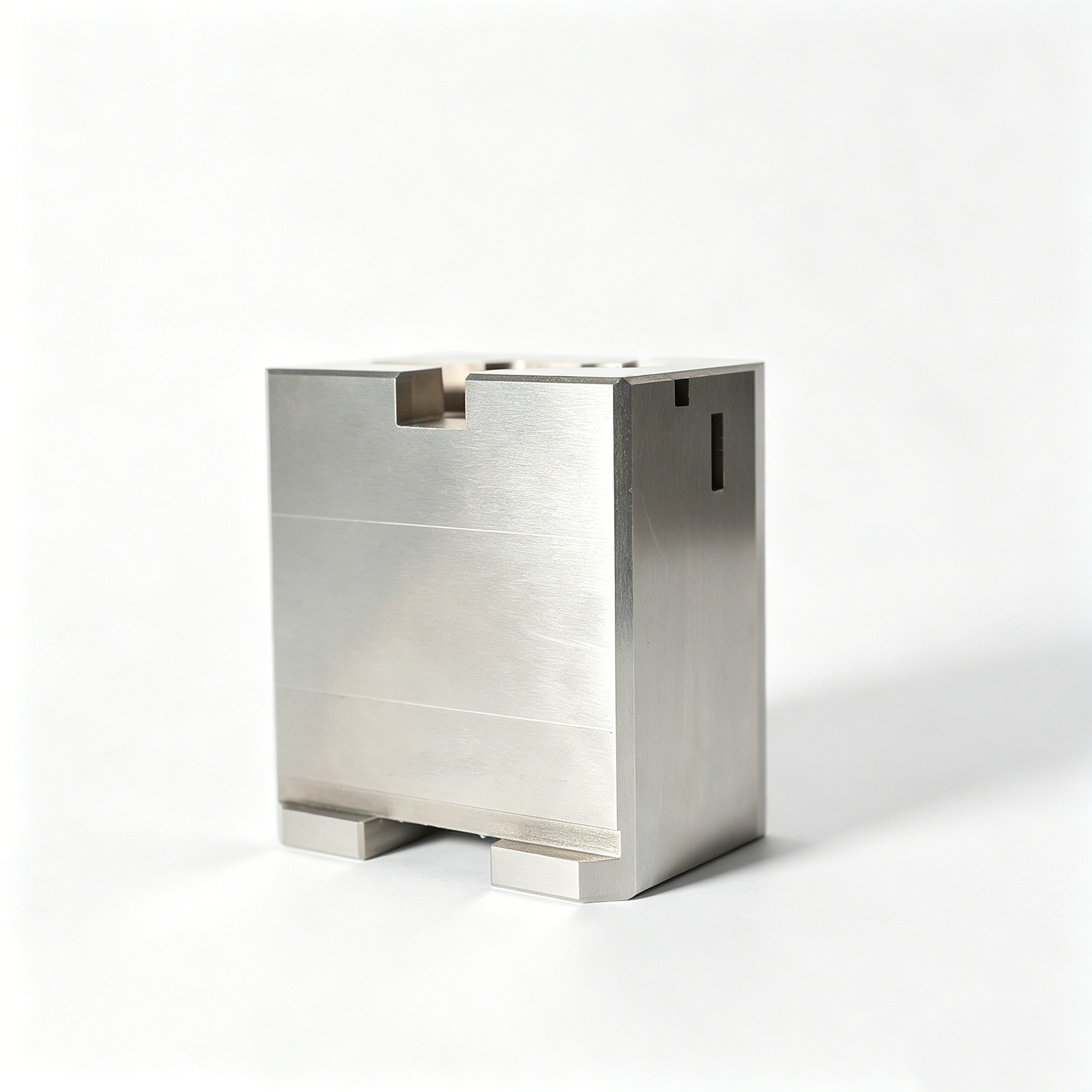
Prototyping & Low-Volume Production
Rapid prototyping and low-volume manufacturing still require a production-minded review. Submit drawings, models, material, quantity, delivery target and quality priorities so the process route, risks and inspection approach can be evaluated responsibly.
Upload a DrawingFrom DFM Review to Inspected Components
A controlled path from RFQ inputs to process planning, production, inspection, and delivery documentation.
Submit Complete Requirements
Provide 2D drawings, 3D models when available, material, quantity, delivery target, and inspection needs, plus mating-component context that can affect tooling decisions.
Review Critical Features
Align on datums, critical dimensions, tolerance stack, surface requirements, tool access, heat-treatment sequence, and risks identified during connector mold DFM review.
Plan the Process Route
Select the appropriate CNC, EDM, grinding, fitting, and inspection sequence, including machining allowances, electrode strategy, wire paths, and revision-control checkpoints.
Inspect and Coordinate Delivery
Produce against the agreed drawing revision, verify applicable dimensions using the planned inspection method, and coordinate delivery with documentation matching the verified order requirements.
Frequently Asked Questions About Connector Mold DFM
Prepare the technical evidence needed to review manufacturability, inspect critical features, and coordinate revisions before production.
What files should I provide for connector mold DFM?
Which dimensions matter most in connector mold DFM?
Can you review material and heat-treatment requirements before quotation?
When does connector mold DFM require EDM instead of CNC machining?
How do you decide whether a connector mold feature needs precision grinding?
What inspection report can I request with my order?
How are drawing revisions controlled during connector mold DFM and production?
What delivery information should be included in a connector tooling RFQ?
Start Your Drawing Review
Upload your drawing and share the 3D model, material, quantity, critical dimensions, inspection needs, and delivery target for a practical project discussion.