
Beryllium Copper Mold Inserts for Controlled Tooling Builds
Submit drawings, material and quality requirements for beryllium copper mold inserts planned around critical dimensions, machining access, EDM, grinding and inspection.
How beryllium copper mold inserts are planned for manufacturability
SUUXIANG reviews geometry, critical dimensions, process access, heat-treatment sequence, and inspection needs before production commitments are made.
Drawing and Datum Review
We confirm drawing revision, functional datums, critical dimensions, and mating context so manufacturing decisions follow the intended measurement strategy.
Machining Access Assessment
Engineers evaluate tool reach, wall geometry, cavity details, and stock conditions to identify feasible milling, turning, EDM, and grinding routes.
EDM Strategy Planning
Where geometry requires it, the review defines electrode needs, wire paths, finish considerations, and dimensional control points before release.
Heat-Treatment Sequencing
Material and heat-treatment requirements are assessed with machining and grinding allowances to help manage distortion risk and final-dimension planning.
Inspection Plan Definition
Critical features are linked to suitable inspection methods, reporting expectations, and traceable revision records aligned with the agreed order requirements.
Process-Route Considerations for Beryllium Copper Mold Inserts
Compare CNC machining, EDM, and precision grinding against drawing-defined access, surface, datum, and inspection requirements before production planning.
← Swipe left or right to view →
Where Teams Apply Beryllium Copper Inserts
Drawing-reviewed insert and tooling work for heat-sensitive mold zones, precision forming features, and connector-related applications.
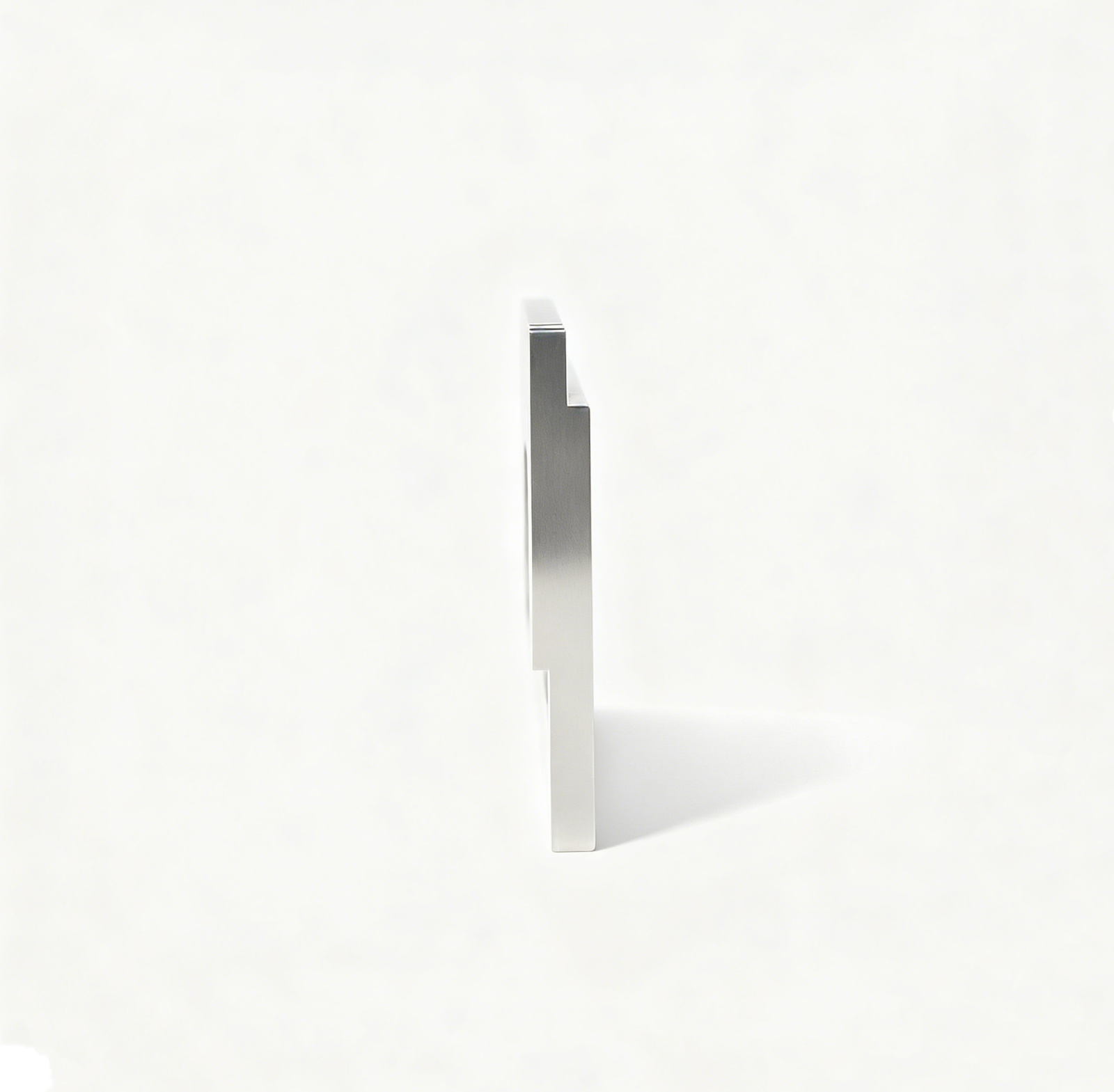
CNC Machining Services
Precision CNC machining services support drawing-based beryllium copper inserts and related tooling parts where thermal performance, critical dimensions, and inspection requirements must be reviewed before process commitment.
Upload a Drawing
CNC Milling
Custom CNC milling services machine insert geometries, cooling-adjacent features, pockets, and mating interfaces. Tool access, datum strategy, wall conditions, and finishing allowances should be assessed from the drawing and model.
Upload a Drawing
CNC Turning
Precision CNC turning services suit rotational insert features, sleeves, bushings, and pin-like components. Diameter tolerances, concentricity, thread details, and post-machining treatment requirements require drawing review.
Upload a Drawing
5-Axis Machining
5-axis CNC machining can support complex beryllium copper insert geometry where angled features or multi-face access affect setup strategy. Feasibility depends on part size, tool reach, datums, and required inspection method.
Upload a Drawing
Swiss & Micro Machining
Swiss machining and micro machining can be considered for small, detailed connector or tooling components. Material condition, feature scale, tolerances, and handling requirements should be confirmed against current project evidence.
Upload a Drawing
Wire & Sinker EDM
Wire EDM and sinker EDM services support profiles, narrow slots, internal corners, and intricate cavity details that may be impractical to mill. Wire path, electrode strategy, finish requirements, and recast-layer considerations need review.
Upload a Drawing
Precision Grinding
Precision surface and profile grinding is used where insert faces, shutoff surfaces, and locating features need controlled stock removal. Grinding allowance, heat-treatment sequence, flatness, and profile requirements should be defined before production.
Upload a Drawing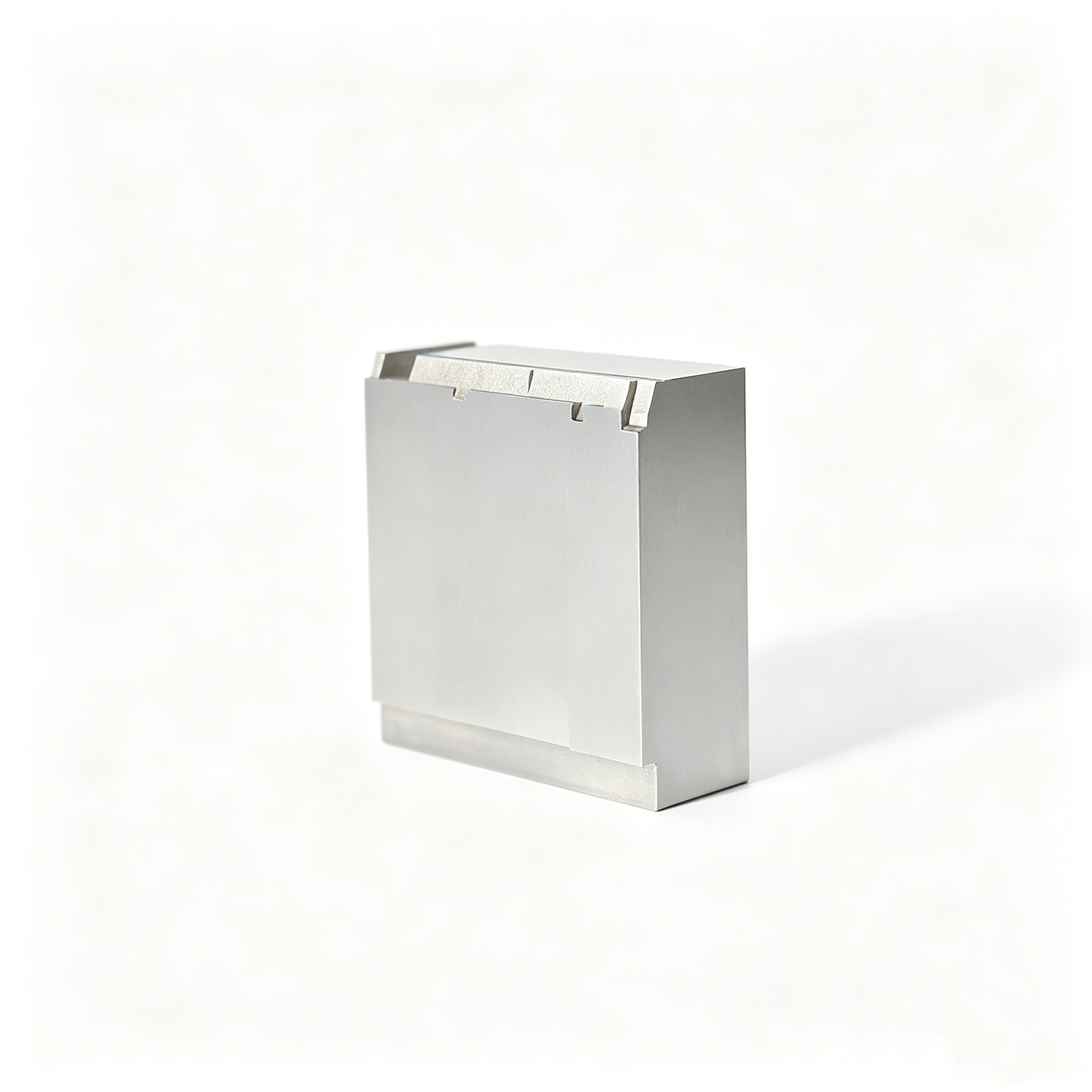
Mold Core & Cavity Inserts
Precision mold core and cavity inserts can apply beryllium copper where local heat transfer, molded-feature definition, and mating conditions justify the material. SUUXIANG reviews critical dimensions, cooling context, and interface datums from the drawing.
Upload a Drawing
Ejector & Ejection Components
Ejector pins, sleeves, and ejection components may require controlled fit, surface condition, and wear considerations. For beryllium copper-related applications, confirm motion, contact areas, heat exposure, and mating-material requirements during review.
Upload a Drawing
Core Pins, Guide & Locating Components
Core pins, guide pins, and locating components rely on clear datum relationships and fit specifications. Beryllium copper use should be evaluated against feature geometry, thermal need, load condition, and material compatibility.
Upload a Drawing
Slides, Lifters, Gates & Mold Accessories
Mold slides, lifters, gates, and accessories often combine moving interfaces with molded-part requirements. Drawing review should establish contact surfaces, travel or gate geometry, wear exposure, cooling needs, and assembly relationships.
Upload a Drawing
Connector Mold Components
Precision connector mold components may use beryllium copper in localized areas where heat transfer or detailed forming features matter. Pin geometry, cavity relationships, resin behavior, and inspection priorities should accompany the RFQ.
Upload a Drawing
Stamping Die Components
Precision stamping die components are evaluated by drawing, material, working surfaces, and intended forming conditions. Where beryllium copper is proposed, its suitability depends on the specific load, wear, heat, and mating requirements.
Upload a Drawing
Injection, MIM, CIM & Overmolding Tooling
Injection, MIM, CIM, and overmolding tooling can include beryllium copper inserts for selected thermal or feature-specific needs. Process route depends on the molding application, insert interfaces, material specification, and validated manufacturing scope.
Upload a Drawing
Machining Materials
CNC machining materials should be selected around function, machinability, thermal behavior, hardness, corrosion exposure, and mating parts. Submit the specified beryllium copper grade, material condition, and any required traceability with the RFQ.
Upload a Drawing
Surface Finishes & Heat Treatment
Surface finishing and heat treatment affect dimensions, surface behavior, and assembly fit. Requirements for beryllium copper inserts should state finish areas, roughness priorities, heat-treatment condition, masking needs, and post-process inspection expectations.
Upload a Drawing
Quality, Metrology & Documentation
Precision inspection, metrology, and quality documentation are planned around the drawing’s critical dimensions, datums, and reporting needs. Define required measurement methods, sampling, material records, and revision-controlled documentation before production.
Upload a Drawing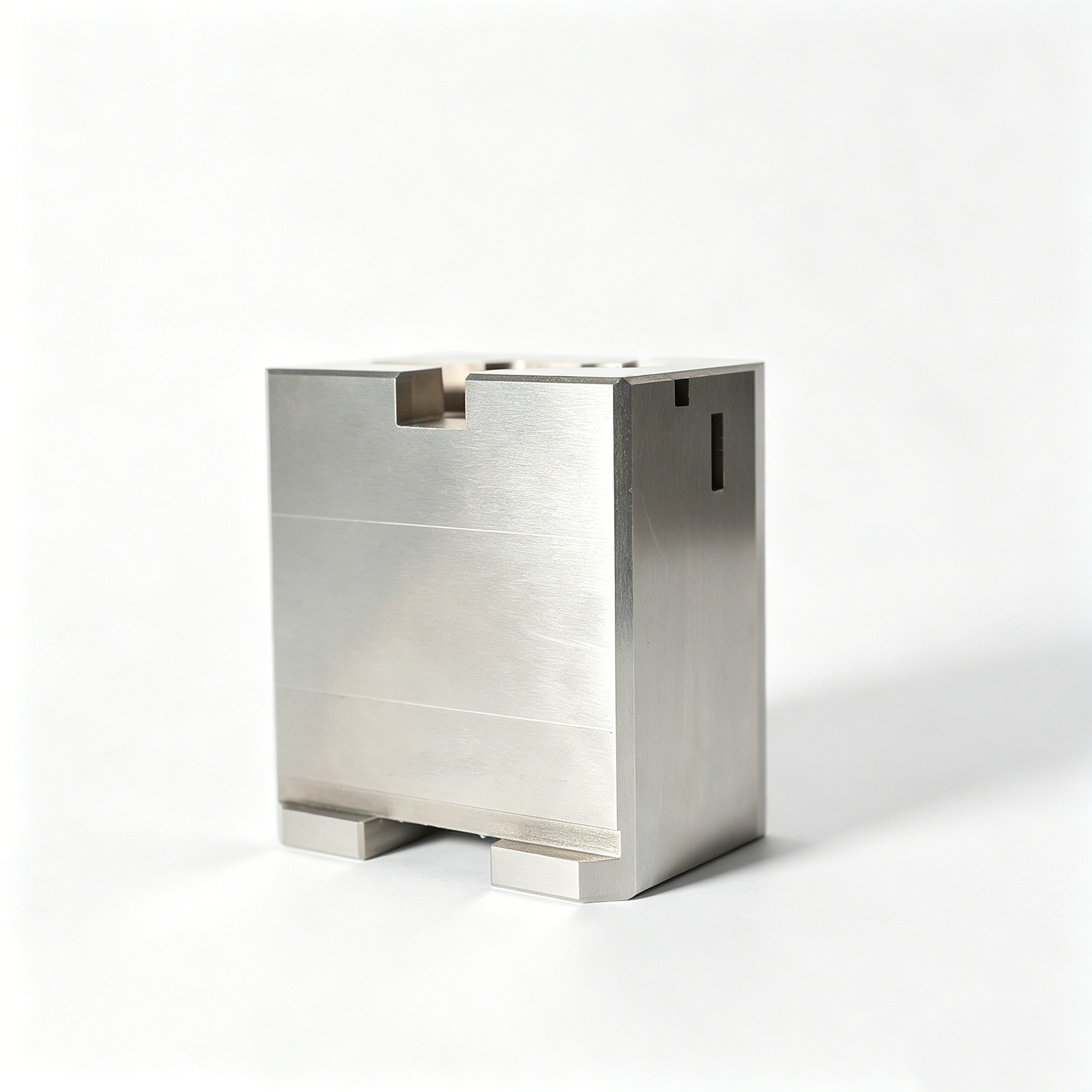
Prototyping & Low-Volume Production
Rapid prototyping and low-volume manufacturing support drawing-driven evaluation, tooling development, and controlled repeat requirements. Quantity, material condition, critical dimensions, delivery target, and inspection level determine the appropriate route.
Upload a DrawingFrom Drawing Review to Inspected Delivery
A controlled workflow for beryllium copper mold inserts, from DFM review through documented inspection evidence.
Submit Your Drawing Package
Provide 2D drawings, 3D models when available, material grade, heat-treatment condition, quantity, application context, delivery target, and required inspection documentation.
Review Critical Requirements
Align on datums, critical dimensions, surface requirements, tolerance stack, machining access, EDM or grinding strategy, and risks affecting beryllium copper mold inserts.
Confirm the Production Plan
Approve the agreed process route, revision status, material and heat-treatment requirements, inspection method, and delivery coordination before production commitments are made.
Inspect and Document Parts
Machine, EDM, grind, fit, and inspect parts to the agreed plan, keeping revision control and final inspection evidence aligned with the order.
FAQs About Beryllium Copper Mold Inserts
Practical answers for specifying heat-transfer inserts, planning process routes, and preparing a drawing-led RFQ.
When should I use beryllium copper mold inserts instead of tool steel?
What information should I provide when requesting beryllium copper mold inserts?
Can beryllium copper mold inserts be machined by CNC, EDM, and grinding?
How should machining allowance be planned for a beryllium copper insert?
What DFM issues affect beryllium copper mold inserts?
What inspection documentation can be requested for beryllium copper mold inserts?
Are beryllium copper mold inserts suitable for abrasive or high-temperature resins?
Upload a Drawing for Beryllium Copper Mold Insert Review
Share your 2D drawing, 3D model, material, quantity, quality requirements, and target delivery date for a disciplined project review.