
Thin-Wall CNC Machining Services for Inspected Parts
SUUXIANG reviews critical dimensions, workholding, process routes, and inspection needs for thin-wall CNC machining services built to your drawing.
Representative Thin-Wall CNC Machining Components


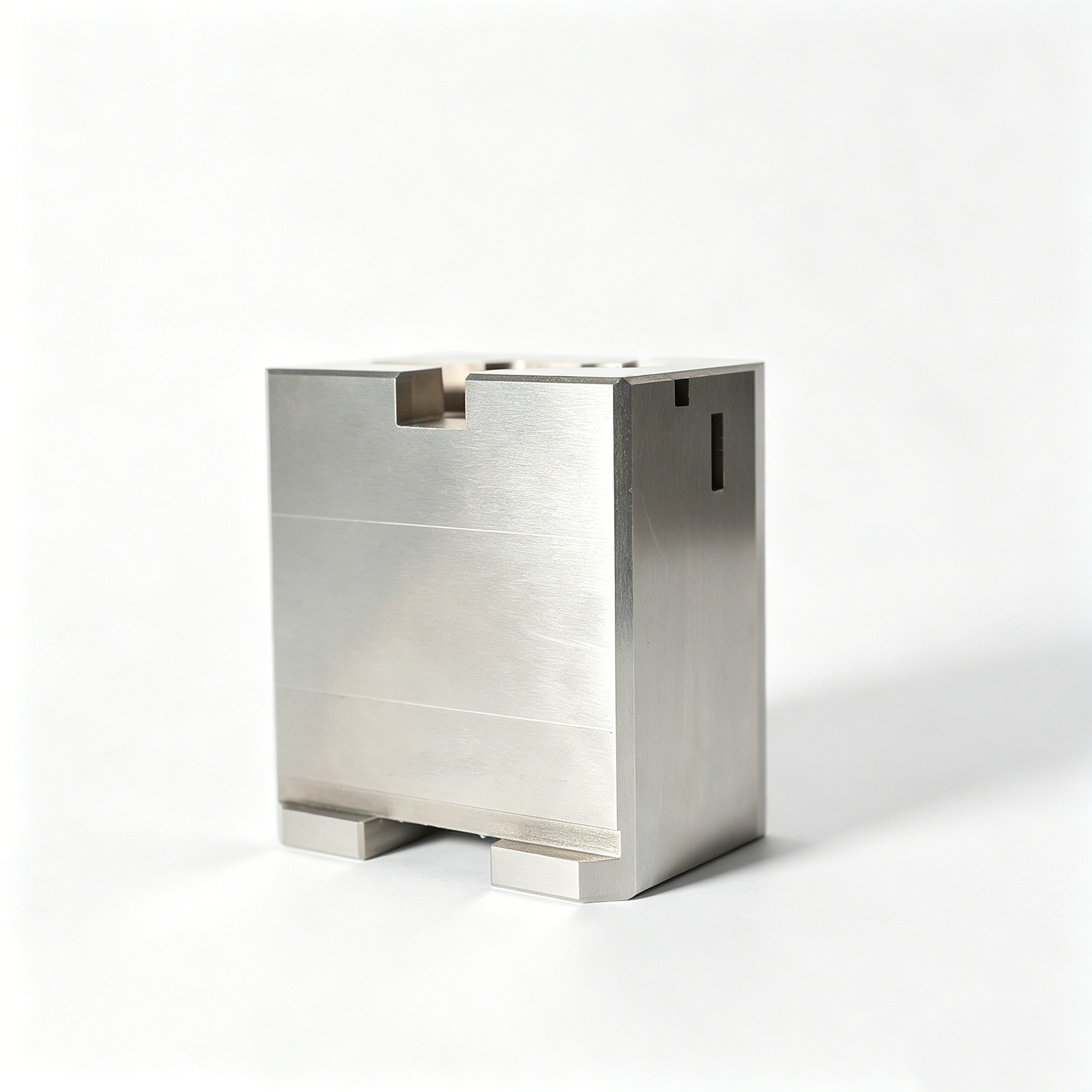


Related Components and Drawing-Based Quotations




Thin-Wall CNC Machining Services: Control Deformation Before Inspection
Drawing-led planning connects DFM, workholding, EDM, grinding, and inspection requirements before production begins.
DFM Before Quotation
Review wall geometry, material condition, critical dimensions, and tolerance priorities early to identify deformation risks before process commitments are made.
Datum-Led Planning
Define functional datums and inspection references so machining, grinding, and final measurement evaluate thin features from a consistent basis.
Machining Access Review
Assess cutter reach, tool rigidity, wall support, and toolpath access to reduce deflection, vibration, and avoidable surface damage.
EDM and Grinding Strategy
Plan wire paths, electrode needs, heat-treatment sequence, and grinding stock where conventional cutting may compromise delicate geometry.
Revision-Control Visibility
Keep drawing revisions, clarified requirements, process decisions, and delivery information visible throughout coordination for controlled thin-wall CNC machining services.
Inspection Plan Alignment
Match critical dimensions and reporting needs to an agreed inspection method, helping quality teams review results against the current order requirements.
Precision Parts, Mold Components & Tooling
Drawing-driven process routes for configurable precision parts, mold components, connector tooling, and die work—reviewed against functional, material, and inspection requirements.

CNC Machining Services
Precision CNC machining services for drawing-based parts that require a defined process route, critical-dimension review, material verification, and inspection planning. CNC milling, turning, EDM, grinding, and fitting are selected according to geometry, tolerances, surface requirements, and quantity.
Upload a Drawing
CNC Milling
Custom CNC milling services for prismatic, contoured, and feature-rich components. Drawing review addresses datums, tool access, wall thickness, internal corners, thread requirements, machining allowance, and inspection points before a milling route is committed.
Upload a Drawing
CNC Turning
Precision CNC turning services for shafts, sleeves, pins, bushings, and rotational components. Review concentricity, runout, datum selection, grooves, threads, surface requirements, and any secondary milling, grinding, or EDM operations needed to achieve the functional condition.
Upload a Drawing
5-Axis Machining
5-axis CNC machining supports complex surfaces, angled features, and multi-face work where fewer setups can help protect feature relationships. Feasibility depends on tool access, workholding, material condition, tolerance strategy, and inspection method defined for the drawing.
Upload a Drawing
Swiss & Micro Machining
Swiss machining and micro machining support small, slender, and detail-intensive components where handling, tool deflection, concentricity, and burr control matter. Supply drawings with critical dimensions, material, quantity, surface expectations, and mating-function context for review.
Upload a Drawing
Wire & Sinker EDM
Wire EDM and sinker EDM services address profiles, narrow slots, hardened-tool features, internal corners, and cavities that conventional cutting cannot efficiently reach. Process planning considers wire path or electrode strategy, flushing, EDM allowance, recast-layer expectations, and subsequent finishing.
Upload a Drawing
Precision Grinding
Precision surface and profile grinding for flatness, parallelism, profile control, and fine dimensional adjustment. The route should define heat-treatment condition, grinding stock, datum surfaces, wheel access, surface requirement, and the inspection method for critical features.
Upload a Drawing
Mold Core & Cavity Inserts
Precision mold core and cavity inserts produced from customer drawings and configurable around part geometry, steel grade, heat treatment, cooling interfaces, shutoffs, and finishing needs. Review parting surfaces, EDM access, machining allowance, and critical mold-function dimensions before production.
Upload a Drawing
Ejector & Ejection Components
Ejector pins, sleeves, and ejection components made to drawing requirements for motion, clearance, wear, and fit within the mold assembly. Specify material, hardness or treatment, working dimensions, surface requirements, quantity, and mating-component information for proper review.
Upload a Drawing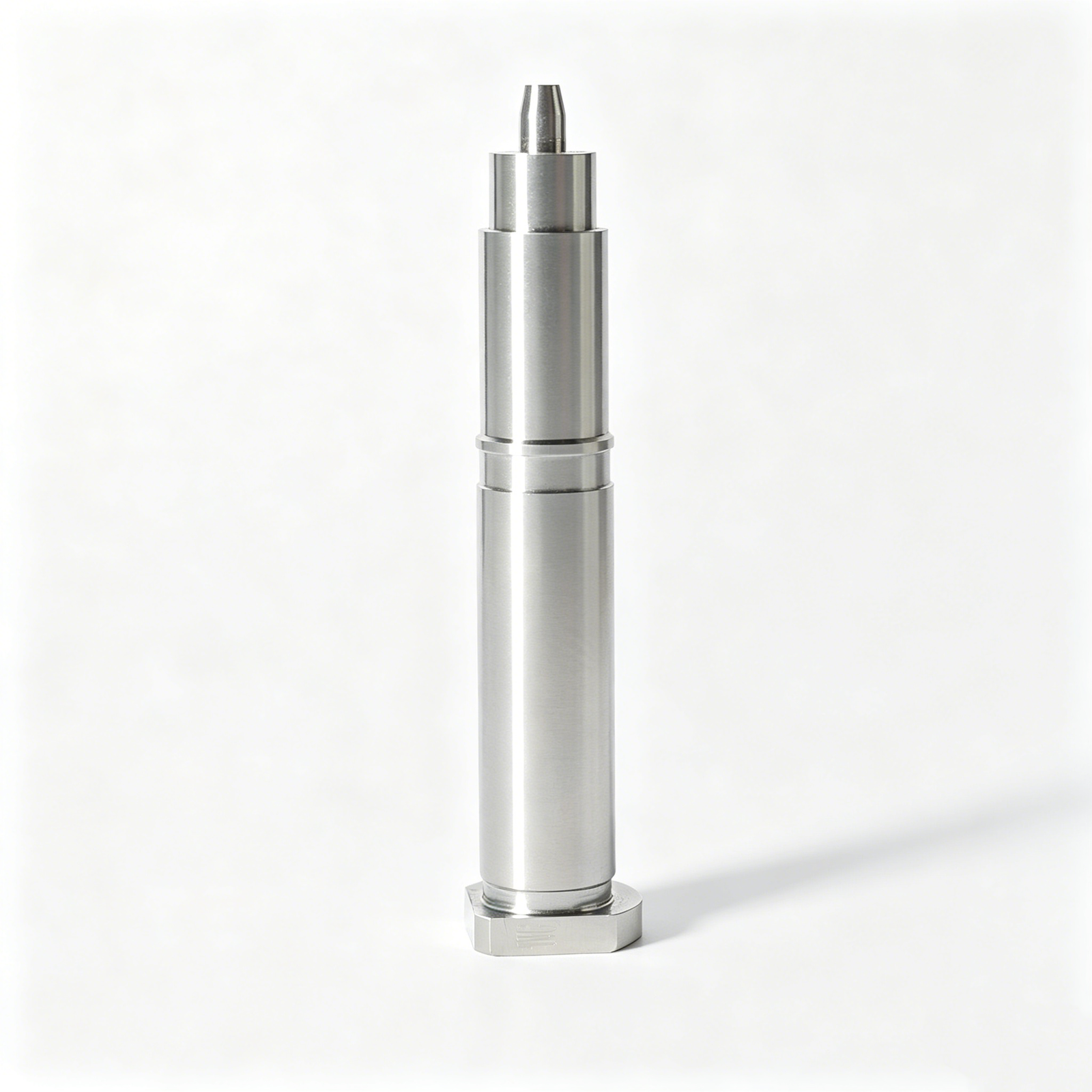
Core Pins, Guide & Locating Components
Core pins, guide pins, and locating components are evaluated around alignment, retention, wear, concentricity, and assembly datums. Drawings should identify functional fits, material and treatment requirements, surface condition, and the dimensions that control mold repeatability.
Upload a Drawing
Slides, Lifters, Gates & Mold Accessories
Mold slides, lifters, gates, and accessories are manufactured as configurable components rather than catalog items. Process planning examines travel surfaces, lock and locating relationships, shutoff geometry, material condition, machining and EDM access, fitting needs, and inspection priorities.
Upload a Drawing
Connector Mold Components
Precision connector mold components for fine-pitch, multi-cavity, and alignment-sensitive tooling. Reviews focus on pin and cavity geometry, datum relationships, insert interfaces, material and heat treatment, EDM or grinding requirements, and measurement access for critical features.
Upload a Drawing
Stamping Die Components
Precision stamping die components for forming, cutting, guiding, and locating functions. A drawing review should confirm material, hardness, clearance-sensitive features, edge condition, grind stock, wire-EDM path, assembly datums, and inspection requirements before manufacturing begins.
Upload a Drawing
Injection, MIM, CIM & Overmolding Tooling
Tooling and component work for injection molding, metal injection molding, ceramic injection molding, and overmolding when requirements fall within verified production scope. Provide molding material, part geometry, interfaces, thermal or wear considerations, quantities, and quality expectations for assessment.
Upload a Drawing
Machining Materials
CNC machining materials are selected against drawing requirements, mechanical function, corrosion exposure, heat treatment, machinability, and inspection needs. Confirm the specified grade, material documentation expectations, condition, substitutions policy, and any material traceability required for the order.
Upload a Drawing
Surface Finishes & Heat Treatment
Surface finishing and heat treatment are planned as part of the manufacturing sequence, not as an afterthought. Specify finish type, roughness or appearance requirement, hardness target, coating needs, masking or critical surfaces, and post-treatment dimensional priorities.
Upload a Drawing
Quality, Metrology & Documentation
Precision inspection, metrology, and quality documentation are matched to the agreed drawing revision and inspection plan. Identify critical dimensions, datum scheme, report format, sampling expectations, material or treatment records, and traceability requirements with the RFQ.
Upload a Drawing
Prototyping & Low-Volume Production
Rapid prototyping and low-volume manufacturing for teams validating geometry, assembly, material choices, or process assumptions before broader release. Submit the drawing, 3D model where available, quantity, target date, quality priorities, and revision status to establish a practical route.
Upload a DrawingMaterials for Thin-Wall CNC Machining Services

Aluminum Alloys
Lightweight aluminum alloys are often considered for thin-wall housings, frames and thermal components. Alloy, temper, unsupported wall height and surface requirements must be reviewed together because stiffness, residual stress and clamping response influence deformation control.

Stainless Steels
Stainless steels suit corrosion-conscious precision parts, connector tooling and structural components. Grade, hardness condition, wall geometry and finishing requirements affect cutting load, heat management, tool access and the inspection approach needed for critical features.

Tool Steels
Tool steels are evaluated for mold inserts, cores, cavities and die components requiring wear resistance. The process route must account for annealed or heat-treated condition, grinding stock, EDM requirements, machining access and dimensional change after treatment.

Copper Alloys
Copper alloys can be considered where electrical or thermal performance is important, including selected connector and tooling applications. Material grade, feature rigidity, burr sensitivity and surface requirements guide tool selection, workholding and inspection planning.

Engineering Plastics
Engineering plastics may suit insulating, low-load or prototype components with thin sections. Grade, moisture sensitivity, wall support, thermal expansion and datum strategy should be reviewed so machining forces and measurement conditions align with the functional drawing.
Thin-Wall CNC Machining Services: CNC, EDM and Grinding

CNC Milling
Multi-axis milling removes material in controlled stages while preserving support around thin features. Tool access, clamping, cutting load and remaining wall stiffness are reviewed to reduce deflection, chatter and finish variation.

CNC Turning
Turning supports thin-walled cylindrical, stepped and connector-related parts where concentricity and datum control matter. The route considers chucking strategy, unsupported length, stock condition and inspection points before final passes.
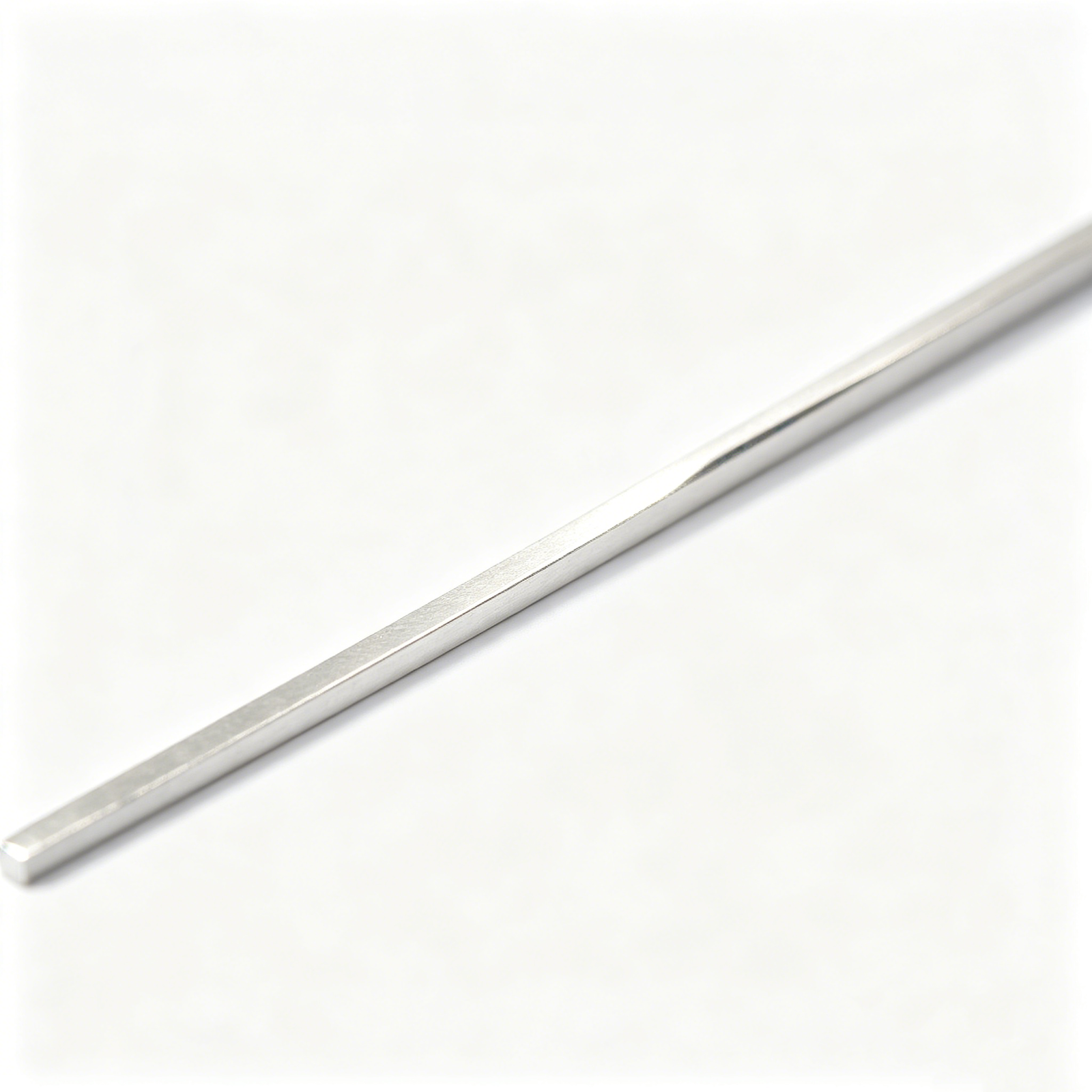
Wire EDM
Wire EDM produces precise profiles, slots and narrow internal features without conventional cutting-force loading. It is considered when thin sections, hardened material, fine contours or difficult tool access make a milling-only route unsuitable.

Sinker EDM
Sinker EDM forms detailed cavities, sharp internal geometry and features inaccessible to rotating tools. Electrode strategy, spark allowance, surface requirement and downstream fitting or polishing needs are evaluated from the drawing.
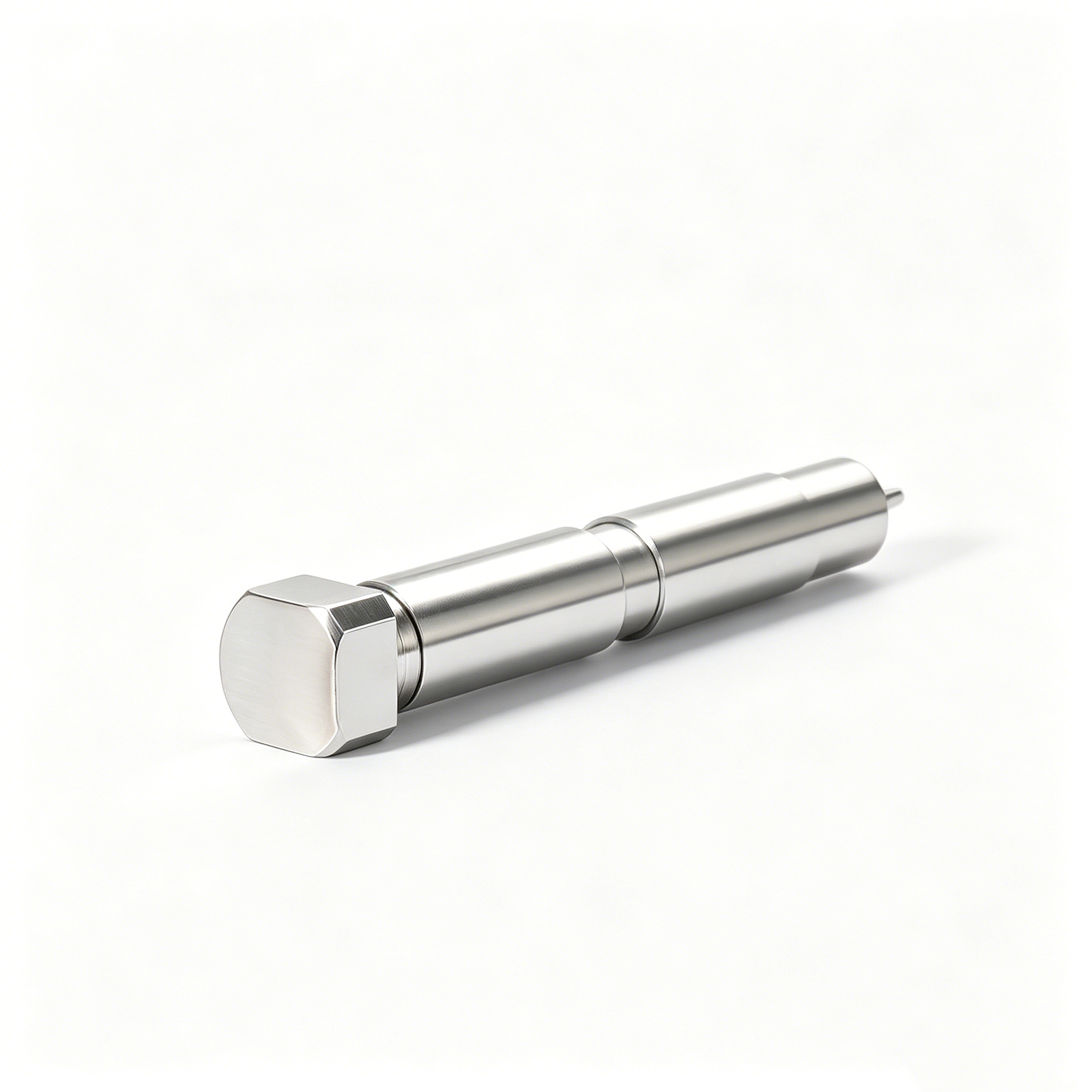
Precision Grinding
Precision grinding establishes controlled faces, diameters and datum relationships after machining or heat treatment. Grinding stock, distortion risk, surface requirements and critical measurement methods are planned before the finishing operation.

Fitting and Inspection
Fitting and inspection confirm mating relationships, critical dimensions and documented order requirements. SUUXIANG aligns measurement methods, revision status and reporting expectations with the drawing-driven inspection plan before delivery coordination.
Thin-Wall CNC Machining Services: Functional Features & Finishing

Threaded Features
Internal and external threads are reviewed for engagement length, tool access, runout space and post-machining treatment. The drawing review identifies whether tapping, thread milling or another verified route suits the feature.

Locating Features
Dowel holes, precision bores, slots and datum faces are assessed as a functional system. Their relationship to mating components, setup sequence and inspection method helps define an achievable manufacturing route.
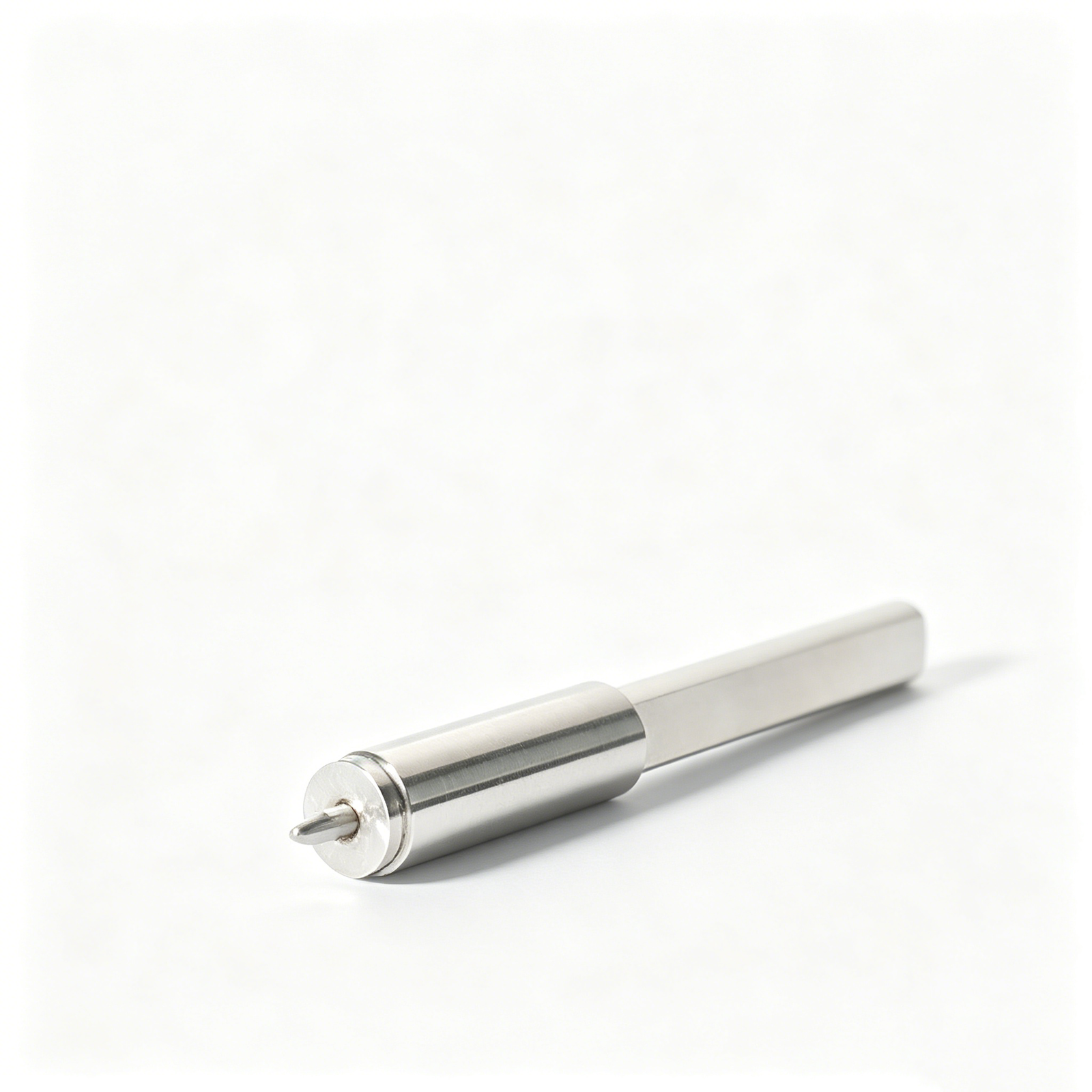
Installed Inserts
Helical inserts, press-fit elements and other customer-specified hardware require clear size, material and installation requirements. SUUXIANG reviews surrounding wall thickness, access and inspection expectations before confirming the process plan.

Surface Requirements
Specified roughness, directional finish, edge condition and cosmetic areas are evaluated with material and geometry. The process route distinguishes machined, ground, EDM and post-process surfaces so requirements remain traceable.

Critical Edge Details
Chamfers, radii, reliefs and deburring requirements can affect fit, assembly and thin-wall stability. These details are reviewed alongside tool access, remaining wall section and applicable dimensional priorities on the drawing.
About SUUXIANG Thin-Wall CNC Machining Services
SUUXIANG is the international-facing brand of Dongguan SuuXiang Precision Mold Co., Ltd., established in 2010 in Chang’an Town, Dongguan, Guangdong, China. Founded by XiaoCheng Huang, the company helps global engineering and sourcing teams convert drawings and specifications into inspected custom CNC parts, precision mold components, connector tooling, and stamping-die components.
Our drawing-driven workflow combines CNC milling and turning, multi-axis machining, EDM, precision grinding, fitting, and inspection. For thin-wall CNC machining services, the review starts with part stiffness, datums, critical dimensions, machining access, workholding risks, and the process sequence needed to manage deflection before production commitments are made.
What differentiates SUUXIANG is disciplined project communication around manufacturability and evidence. We align material, heat treatment, surface requirements, inspection methods, revisions, quantity, and delivery expectations before releasing work. This gives buyers a practical basis for evaluating the process route and preparing a clearer RFQ.
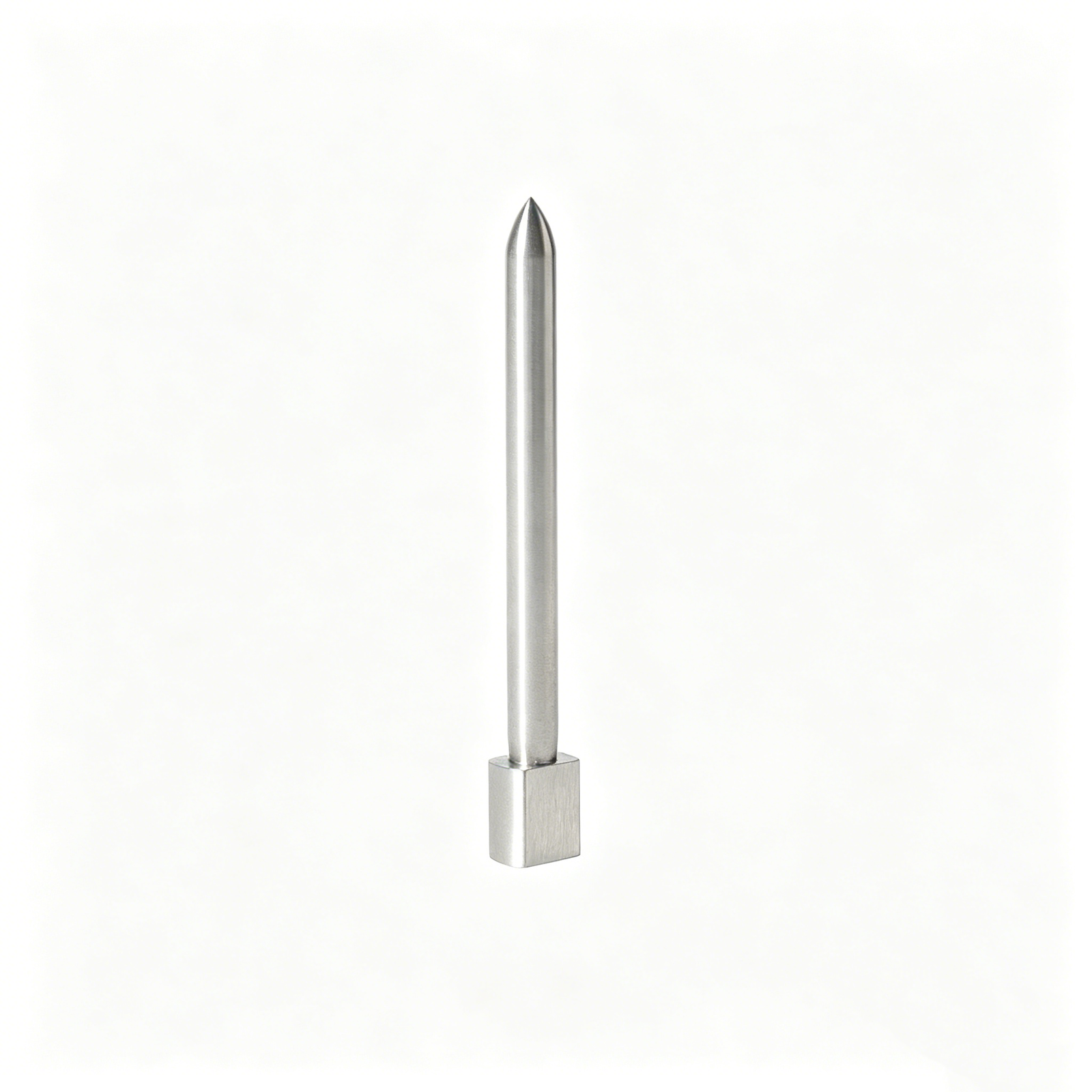
Engineering Controls for Thin-Wall CNC Machining Services
DFM Before Commitments
SUUXIANG reviews the drawing, model, material, datums, critical dimensions, surface requirements, and application context before quotation or production commitments. The review identifies low-rigidity features, tolerance-stack risks, tool access constraints, and the process evidence needed for a responsible manufacturing route.
- Identify critical-to-quality dimensions and datum relationships
- Review wall height, unsupported spans, pockets, and transitions
- Confirm material, heat-treatment sequence, and surface priorities
- Clarify revision status and RFQ evidence before release
Support and Toolpath Strategy
Thin sections respond to cutting load, clamping pressure, heat, and vibration. For thin-wall CNC machining services, workholding and machining strategy are planned together, using support where appropriate and a controlled sequence of material removal, finishing allowance, and tool access for the submitted geometry.
- Assess clamping locations and temporary support options
- Plan roughing and finishing around rigidity changes
- Consider cutter reach, tool overhang, and access direction
- Review deformation risk against tolerance and finish requirements

EDM and Grinding Coordination
Where conventional milling cannot reliably create a narrow profile, internal feature, hardened detail, or controlled finish, SUUXIANG evaluates EDM and precision grinding within the route. Electrode strategy, wire path, machining allowance, heat-treatment condition, and final datum references must remain coordinated across operations.
- Evaluate wire EDM access and start-hole requirements
- Define electrode needs for inaccessible or detailed features
- Preserve grinding stock through upstream machining
- Align finishing operations to final functional datums

Inspection Built Into Planning
Inspection planning starts with the drawing rather than the final check. SUUXIANG aligns measurement methods, reporting needs, critical dimensions, and revision control with the order’s verified requirements, so inspection evidence can be matched to the agreed manufacturing plan and delivery documentation.
- Assign inspection methods to critical dimensions
- Confirm report format and traceability requirements
- Control drawing revisions through production coordination
- Review measurement access for thin or flexible features

Why Engineering Teams Choose Thin-Wall CNC Machining Services With Drawing-Led Control
Compare documented engineering review and inspection alignment with a typical quote-only machining alternative.
← Swipe left or right to view →
Thin-Wall CNC Machining Services: From Drawing Review to Delivery
Each route is planned around wall stability, critical dimensions, process access, and the inspection evidence required for the order.
Review RFQ Package
We review the drawing, 3D model, material, quantity, application, delivery target, and specified critical dimensions before defining a production approach.
Plan DFM and Process
Engineers assess datum strategy, unsupported-wall risk, clamping, tool access, machining allowance, heat-treatment sequence, and EDM or grinding requirements.
Machine Controlled Features
CNC milling, turning, multi-axis machining, or micro-machining are sequenced to manage cutting load, vibration, heat, and revision-controlled feature requirements.
Apply EDM and Grinding
Where geometry or finish requires it, wire EDM, sinker EDM, and precision grinding complete features with planned stock, electrode strategy, and access control.
Inspect and Coordinate Delivery
Finished parts are checked against the agreed inspection plan, documented as required, protected for packing, and coordinated for shipment with order traceability.
How Thin-Wall CNC Machining Services Move Forward
Align drawing requirements, DFM decisions, approval points, and delivery expectations before production begins.
Submit Your Drawing Package
Provide 2D drawings, 3D models when available, material, quantity, critical dimensions, surface requirements, inspection needs, application context, and target delivery date.
Review DFM and Quotation
Discuss datum strategy, wall stability, tool access, machining allowance, EDM or grinding needs, heat-treatment sequence, inspection approach, revision status, and quotation assumptions.
Approve Samples When Needed
For projects requiring validation, confirm sample scope, critical-to-quality dimensions, reporting requirements, and approval criteria before proceeding to the agreed production stage.
Coordinate Production and Delivery
SUUXIANG coordinates the approved CNC, EDM, grinding, fitting, and inspection route while keeping revision information, documentation expectations, and delivery coordination visible.
Certification, Inspection & Documentation Review
Verified Thin-Wall CNC Machining Services Feedback & Outcomes
Buyer-authorized project feedback will be published here only after the customer confirms the statement, project scope, outcome, and permission to identify the company or remain anonymous.
Approved case evidence will document the applicable drawing revision, critical dimensions, inspection requirements, and verified production outcome. No testimonial language or performance result is published without customer approval.
For confidential programs, SUUXIANG can present anonymized, buyer-approved feedback with only the evidence the customer permits, including relevant quantity, delivery, inspection, or revision-control outcomes.
Thin-Wall CNC Machining Services FAQ
Practical answers on drawing review, sampling, inspection, delivery coordination, and protected project communication.
What should I send for a thin-wall CNC machining services RFQ?
What minimum order quantity applies to thin-wall CNC machining services?
Can thin-wall CNC machining services hold my specified tolerances?
What inspection evidence can I request with my order?
How should I plan sampling and lead time for thin-wall CNC machining services?
Can SUUXIANG help protect confidential drawings and IP?
What payment and shipping information should be agreed before ordering?
Can you quote parts with very thin walls, narrow ribs, or difficult-to-reach features?
Buyer’s Guide to thin-wall cnc machining services
Use this decision framework to define feasible thin-wall requirements, compare machining approaches and materials, evaluate supplier process controls, and avoid design, quoting, and quality mistakes that create distortion, scrap, delays, or unexpected cost.
1. What Are Thin-Wall CNC Machining Services?
2D drawings and 3D models define thin-wall CNC machining as drawing-based manufacture in which a feature has low stiffness relative to its unsupported height, length, or span. The risk is deflection from cutting load, clamping load, heat, or released residual stress—not simply a small nominal thickness.
0.8 mm may be feasible in one supported aluminum feature yet unsuitable in a taller, longer, tightly toleranced wall of the same thickness. Material modulus, wall height, free span, adjacent ribs, datum scheme, finish requirement, and the condition of measurement after unclamping determine whether the geometry is controllable.
3 process questions should precede quotation: what supports the wall, when is the final cut made, and how will the released part be inspected? For SUUXIANG, thin-wall cnc machining services begin with that drawing review and process-control assessment, including machining access, workholding, sequence, and critical dimensions.
2. How Thin-Wall CNC Machining Evolved
1952 marked an early CNC milestone when numerical-control machining moved tool motion from manual judgment toward programmed coordinates. For thin sections, conventional setups were limited by operator-dependent feeds, clamp distortion, and the difficulty of repeating a successful cut sequence; historical context: https://www.smithsonianmag.com/innovation/how-numerical-control-changed-manufacturing-180982676/
3-axis CNC programming made repeatable toolpaths practical, while CAM added collision checking, stock models, and staged roughing and finishing. Specialized soft jaws, sacrificial supports, vacuum fixtures, shorter tools, and high-speed cutting strategies shifted sourcing discussions from nominal wall thickness alone to support condition, tool access, and the final unclamping state.
1 modern low-volume order can now be planned around a controlled digital revision, simulated process route, and measured setup rather than a one-off machine trial. For precision housings, mold components, connector tooling, and lightweight assemblies, buyers should expect a supplier to review datums, clamping, probing points, inspection method, and revision control before treating repeatability as a production requirement.
3. Types of Thin-Wall CNC Machining Services
Route selection starts with geometry, stiffness, and the datum that must remain true after unclamping. SUUXIANG reviews the drawing, model, material state, and inspection priorities before proposing thin-wall cnc machining services.
Pocket And Rib Milling
3-axis milling suits open pockets, ribs, and housings. Supply wall heights, floor thickness, datums, corner radii, and permitted support tabs; long unsupported walls risk chatter and springback.
Sleeve And Ring Turning
Turning suits concentric sleeves, rings, and thin cylindrical shells. Specify OD/ID relationship, runout datum, chuck-grip zone, and post-release measurement condition; jaw force can ovalize the part.
Multi-Axis Complex Geometry
4- or 5-axis machining fits angled ribs, contoured pockets, and inaccessible features. Provide a complete 3D model, datum scheme, tool-access limits, and surfaces that cannot accept fixture contact.
Prototype Or Repeat Production
Prototype quantities favor adaptable soft jaws and process learning. Repeat work may justify dedicated fixtures; state forecast quantity, revision status, critical dimensions, and acceptable setup evidence.
Secondary Operations
EDM, grinding, deburring, and fitting address narrow slots, hard features, and final interfaces. Identify finish callouts, burr-sensitive edges, heat-treatment sequence, grinding stock, and required inspection records.
4. Materials for Thin-Wall CNC Machining Services
Material choice sets the stiffness, thermal movement, cutting-force, and finish risks before a wall thickness is released. For thin-wall CNC machining services, specify the alloy or grade rather than a material family alone.
| Material Family | Strengths | Cautions | Typical Applications | Buyer-Supplied Details |
|---|---|---|---|---|
| Aluminum alloys | Machinability, conductivity | Distortion, residual stress | Housings, fixtures | Alloy, temper, finish |
| Stainless/alloy steels | Stiffness, wear resistance | Heat, tool wear | Mold and die parts | Grade, hardness, corrosion need |
| Copper alloys | Electrical conductivity | Burrs, soft edges | Connector components | Alloy, conductivity target |
| Titanium | Strength, corrosion resistance | Heat concentration | Lightweight assemblies | Grade, condition, application |
| Engineering plastics | Corrosion resistance, low weight | Low stiffness, moisture effects | Insulators, covers | Resin, filler, temperature |
Aluminum And Steel
Aluminum alloys machine efficiently and conduct heat well, but thin sections can move after unclamping.
Stainless and alloy steels offer greater stiffness; heat generation, tool wear, and corrosion duty must guide the route.
Conductive And High-Value Alloys
Copper alloys suit electrical and thermal functions, yet their ductility can promote burrs and edge damage.
Titanium is relevant for high strength-to-weight and corrosion resistance, but low thermal conductivity concentrates cutting heat.
Engineering Plastics
Engineering plastics reduce weight and resist corrosion, but lower stiffness makes support and datum selection critical.
Moisture response, grade, reinforcement, operating temperature, and cosmetic finish should be stated on the drawing.
5. Custom Features and Finish Options
Two categories of customization matter: features that carry load or locate mating parts, and finishes that protect or identify them. For thin-wall CNC machining services, each must be tied to a drawing datum and an inspectionable requirement.
| Requirement | Manufacturing Effect | Drawing Or Specification Detail |
|---|---|---|
| Ribs and bosses | Support and cutter access | Thickness, radii, datum dimensions |
| Threads and pockets | Tool clearance and assembly | Standard, depth, class, blind-bottom relief |
| Deburring | Edge function and handling | Break-edge limit or permitted radius |
| Anodizing or plating | Coverage and mating fit | Finish callout, mask zones, cosmetic class |
| Passivation | Material-specific surface treatment | Applicable standard and reporting need |
Feature Geometry
Ribs, bosses, deep pockets, threads, and small internal radii change cutter access and local stiffness. Define rib thickness, root radius, pocket depth, thread standard and usable engagement; do not rely on model appearance alone.
- Dimension boss height from its functional datum.
- Specify internal-radius limits where mating geometry requires them.
- Mark temporary support tabs if they are permitted.
Datums And Identification
Three mutually related datums often provide a clearer assembly scheme than dimensions taken from flexible edges. Place engraving location, character height, depth, orientation, and allowable affected area on the drawing; engraving near a thin section can distort or weaken it.
Finish Sequence
Two process decisions require early agreement: whether threads, sealing faces, or contact areas need masking, and whether deburring occurs before or after coating. Anodizing, plating, and passivation should be specified by finish type, color where relevant, coverage, masking boundaries, and cosmetic acceptance criteria.
6. Quality Controls for Thin-Wall CNC Machining Services
Thin-wall CNC machining services should be accepted against the released drawing, defined datums, and agreed inspection plan. Control begins before setup because clamping and cutting forces can create errors only visible after release.
DFM And Workholding
DFM review identifies unsupported spans, datum relationships, tool access, and burr-sensitive edges before programming. It records critical dimensions, finish callouts, and proposed measurement methods for buyer approval.
Rigidity-aware workholding distributes force through soft jaws, sacrificial supports, or dedicated fixtures as geometry requires. The plan protects functional datums and anticipates elastic recovery after unclamping.
Cutting And Stress Control
Staged roughing, semi-finishing, and light finishing passes limit abrupt force changes. Controlled engagement, short tool overhang, and heat management reduce deflection, chatter, and warpage risk.
Toolpaths should preserve support until the appropriate stage and avoid loading a finished wall unnecessarily. Stress-relief or heat-treatment sequencing must follow the documented material requirement.
Inspection And Protection
In-process checks verify datum location and remaining stock before final cuts. Final inspection occurs after unclamping, using the agreed method, with reported deviations evaluated against drawing requirements.
Deburring removes loose edges without altering specified geometry or protected datums. Packing must prevent thin features from bending, rubbing, or being loaded by adjacent parts in transit.
7. How to Choose Thin-Wall CNC Machining Services
One supplier review should test the exact geometry, material, quantity, and quality plan—not a generic capability statement. For thin-wall cnc machining services, request evidence before comparing price.
| Evaluation Area | Evidence To Request | Decision Test |
|---|---|---|
| Engineering | DFM review | Risks are geometry-specific |
| Quality | FAI and material records | Plan matches drawing |
| Delivery | Capacity and schedule | Lead time is transparent |
Engineering And Part Experience
One drawing review should identify datums, unsupported spans, critical dimensions, and distortion risks.
Two comparable part examples should show relevant material, wall geometry, fixture strategy, and inspection results.
- Ask who approves DFM changes.
- Request redacted inspection evidence.
- Confirm tool-access assumptions.
Process And Quality Plan
One process plan should define workholding, machining sequence, finishing allowance, and release condition.
Three records should align: material certificate, first-article report, and final inspection report.
- Specify traceability requirements.
- Define measurement datums.
- Agree sample acceptance criteria.
Delivery And Change Control
One quoted lead time should separate material procurement, programming, machining, inspection, and shipping.
Two revision controls should be visible: drawing revision acknowledgement and written approval before process changes.
- Ask available capacity by lot size.
- Request a delivery-risk escalation path.
- Confirm change-notification timing.
8. Common Thin-Wall CNC Sourcing Mistakes
One nominal wall callout cannot establish risk without material, unsupported span, load, and datum context. The result can be distortion after unclamping and unstable assembly.
Define Functional Wall Requirements
Two drawing controls prevent avoidable disputes: identify functional datums and the inspection state—free, supported, or clamped. State the measurement method and temperature where relevant.
Control Tolerances And Stiffness
A ±0.02 mm tolerance applied to noncritical features adds finishing, inspection, cost, and yield risk. Reserve tight limits for fit, seal, or mating features.
One long unsupported span amplifies cutting and clamping deflection. Add ribs, revise geometry, or request fixture and tool-access review.
Release Complete Manufacturing Data
Each finish can consume clearance; anodize, plating, or coating without dimensional allowance can cause interference. Define finish locations, masking, and final-size basis.
A complete RFQ includes 2D drawing, model, revision, material, quantity, and critical features. Unit-price-only selection or skipping DFM hides setup, yield, and lead-time risk; request a documented review.
9. Steps From Drawing to Production Release
A controlled release converts a thin-wall drawing into an executable process plan. For thin-wall CNC machining services, ownership must be explicit before material is cut.
Prepare The Technical Package
2D drawings define dimensions, datums, tolerances, surface requirements, and revision; the 3D model defines geometry. Design owns functional intent, while procurement submits quantity, material, heat-treatment requirements, target date, and application context.
- Current 2D drawing and native or neutral 3D model
- Critical-to-function features and mating interfaces
- Material condition, finish, and reporting requirements
Close DFM And Quality Planning
1 documented DFM response should identify clamping, tool access, wall-support, machining allowance, and inspection risks before release. SUUXIANG proposes the process route; design approves functional changes, and quality agrees datums, sampling, and measurement evidence.
- Freeze revision identifier and change authorization
- Confirm inspection method for critical dimensions
- Record exceptions, assumptions, and open actions
Approve Then Release Production
First-article or sample approval is appropriate when geometry, thin-wall stability, or a new process route presents risk. Quality reviews the agreed evidence, procurement releases the order, and supplier feedback remains tied to the controlled revision.
- Compare results against the approved drawing
- Issue changes through revision control
- Capture delivery and assembly feedback for future lots
10. Thin-Wall CNC Machining Pricing and Cost
2D drawings and 3D models should be priced as a process route, not a unit-rate guess. For thin-wall CNC machining services, stock size and buy-to-fly waste, wall height-to-thickness ratio, machining access, setups, custom fixtures, axis count, tolerance, finish, inspection, expected yield, and expedite priority all affect cost.
3 quote scenarios below show the usual trade-offs. SUUXIANG should confirm material availability, heat treatment, critical dimensions, datum scheme, reporting scope, and requested delivery date before releasing a drawing-based quotation.
| Scenario | Primary cost drivers | Lead-time influence | Buyer lever |
|---|---|---|---|
| 1–5 complex prototypes | Programming, multiple setups, soft jaws, stock waste, first-off inspection | Fixture design and revision cycles can dominate | Provide mature 3D/2D data; identify true CTQs |
| 10–50 repeat parts | Yield risk, wall stability, in-process checks, finish operations | Validated setup reduces repeat lead time | Standardize datums, finish, and inspection plan |
| 50+ stable releases | Fixture amortization, cycle time, material lot planning | Capacity scheduling and material procurement matter | Commit forecast; approve a controlled revision |
| Expedited order | Schedule disruption, material availability, additional verification | Shorter target date may require parallel operations | State the immovable date and acceptable alternates |
Thin-Wall CNC Machining Services Start With Your Drawing
Submit your 2D drawing, 3D model where available, material, quantity, quality priorities, and target delivery date for a disciplined manufacturing review.