
CNC External Thread Turning Services for Precision Parts
CNC external thread turning services with DFM review, critical-dimension planning, and inspection aligned to your drawing and quality requirements.
Representative Precision Components and Manufacturing Applications


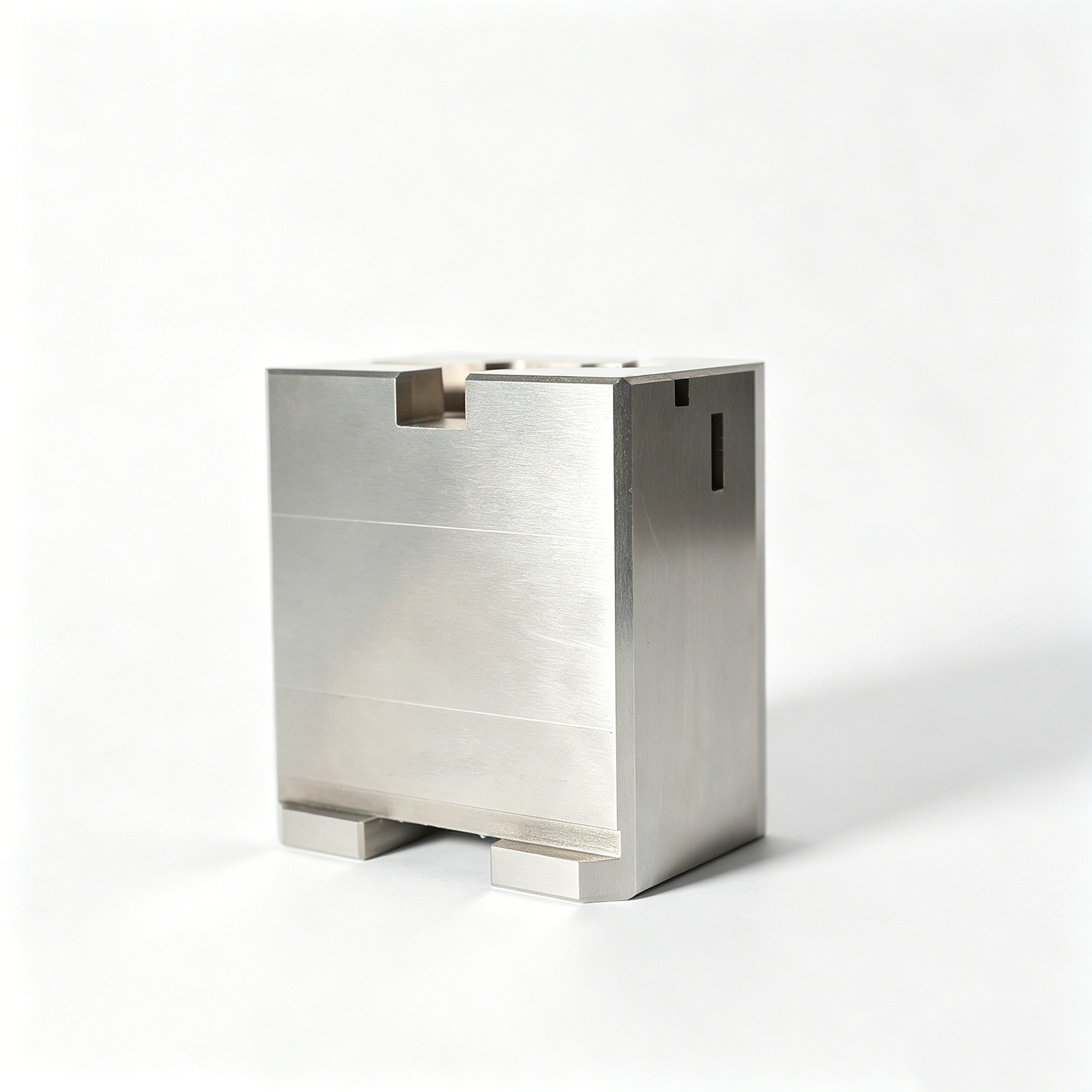


Related Drawing-Driven Manufacturing Enquiries


Why CNC External Thread Turning Services Need Drawing-Led Review
SUUXIANG reviews thread geometry, critical dimensions, process risks and inspection requirements before production commitments are made.
DFM Before Quotation
Review thread callouts, mating conditions, tool access and datum strategy early to identify manufacturability questions before pricing or production planning.
Critical Dimension Focus
Align major diameter, pitch, thread length, runout and adjacent functional features with the drawing’s critical-to-quality requirements.
Planned Process Route
Coordinate turning with required milling, EDM, grinding or fitting operations while considering allowances, workholding and heat-treatment sequence.
Inspection Plan Alignment
Define appropriate thread gauges, measurement methods, inspection points and reporting needs against the order requirements and verified inspection plan.
Revision-Controlled Communication
Keep drawing revisions, technical clarifications, quality expectations and delivery information visible throughout the project workflow.
Drawing-Driven Precision Manufacturing
Explore configurable process and component families for CNC parts, mold tooling, connector applications, die work, inspection planning, and controlled low-volume production.

CNC Machining Services
Precision CNC machining services begin with a drawing review that identifies critical dimensions, datum strategy, material requirements, machining access, and inspection needs before a process route is proposed for custom parts.
Upload a Drawing
CNC Milling
Custom CNC milling services support prismatic parts, pockets, faces, contours, and feature relationships that require stable datum control. Tool access, clamping strategy, stock allowance, and critical dimensions are reviewed against the supplied drawing.
Upload a Drawing
CNC Turning
Precision CNC turning services support shafts, threaded features, bores, grooves, and concentric diameters. For external threads and mating features, the review considers thread specification, datum relationships, material condition, and inspection method.
Upload a Drawing
5-Axis Machining
5-axis CNC machining helps reach compound angles, contoured surfaces, and features that may be difficult to access in a conventional setup. The route is evaluated around tool approach, fixture stability, tolerance relationships, and practical inspection.
Upload a Drawing
Swiss & Micro Machining
Swiss machining and micro machining address compact turned components with small diameters, slender geometries, fine features, or close concentricity requirements. Drawing review should clarify material, feature sequence, measurement approach, and handling risks for delicate parts.
Upload a Drawing
Wire & Sinker EDM
Wire EDM and sinker EDM services support profiles, narrow slots, internal corners, hardened features, and shapes that conventional tools cannot efficiently produce. Electrode strategy, wire path, flushing, surface requirements, and finishing allowances require early review.
Upload a Drawing
Precision Grinding
Precision surface and profile grinding supports controlled flatness, parallelism, profile geometry, and final-size features after machining or heat treatment. Grinding stock, datum sequence, material condition, and inspection criteria should be defined before production.
Upload a Drawing
Mold Core & Cavity Inserts
Precision mold core and cavity inserts are produced from customer drawings and matched to the intended mold structure. Material, heat-treatment sequence, EDM details, shutoff areas, cooling features, and critical mating dimensions guide the manufacturing and inspection plan.
Upload a Drawing
Ejector & Ejection Components
Ejector pins, sleeves, and ejection components require attention to fit, straightness, working surfaces, and interaction with the mold assembly. Provide mating-part context, material condition, surface requirements, and critical clearance dimensions with the RFQ.
Upload a Drawing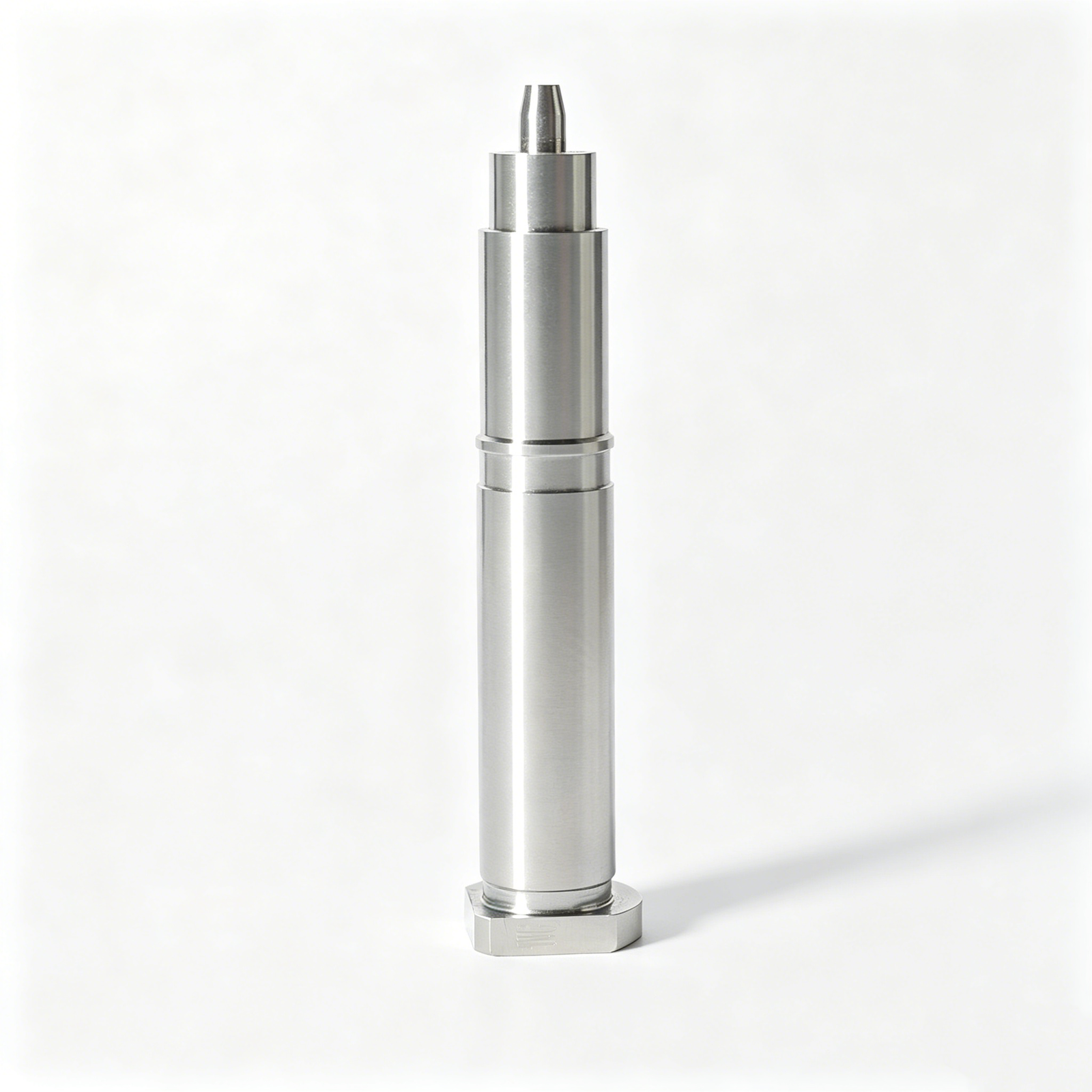
Core Pins, Guide & Locating Components
Core pins, guide pins, and locating components are reviewed as functional interfaces, not isolated dimensions. Drawing packages should identify datums, fits, wear surfaces, heat-treatment requirements, and the mating features that determine assembly performance.
Upload a Drawing
Slides, Lifters, Gates & Mold Accessories
Mold slides, lifters, gates, and accessories are configurable components whose manufacturability depends on motion, shutoff geometry, fit relationships, and assembly context. Drawing review addresses tool access, EDM needs, grinding stock, and critical wear areas.
Upload a Drawing
Connector Mold Components
Precision connector mold components support tooling features where pitch, alignment, cavity geometry, and mating relationships can drive risk. Submit drawings, models, material requirements, and component context so critical dimensions and inspection methods can be planned.
Upload a Drawing
Stamping Die Components
Precision stamping die components are manufactured for drawing-defined die assemblies, including wear and locating features. Material, hardness sequence, profile requirements, wire-EDM paths, grinding allowances, and mating relationships should be established before release.
Upload a Drawing
Injection, MIM, CIM & Overmolding Tooling
Injection, MIM, CIM, and overmolding tooling work is assessed within verified production scope. Part geometry, material behavior, molding interface, shrinkage assumptions, tool structure, and inspection expectations should be discussed before manufacturing commitments.
Upload a Drawing
Machining Materials
CNC machining materials are selected against function, machinability, heat treatment, corrosion exposure, and dimensional requirements. Identify the specified grade, material condition, required documentation, and any approved substitution limits in the RFQ.
Upload a Drawing
Surface Finishes & Heat Treatment
Surface finishing and heat treatment can affect final dimensions, wear behavior, corrosion resistance, and inspection sequence. Define the required process, applicable standard, masking or cosmetic areas, hardness targets, and final-size responsibility before production.
Upload a Drawing
Quality, Metrology & Documentation
Precision inspection, metrology, and quality documentation are planned around critical dimensions, datum references, sampling expectations, and order requirements. Share drawing revisions and requested reports early so inspection evidence matches the approved production plan.
Upload a Drawing
Prototyping & Low-Volume Production
Rapid prototyping and low-volume manufacturing support drawing-driven validation, bridge quantities, and controlled component releases. A useful RFQ identifies quantity, revision status, material, quality priorities, target date, and any changes expected after first articles.
Upload a DrawingMaterials for CNC External Thread Turning Services

Carbon Alloy Steel
A practical choice for shafts, studs, and structural threaded components where strength and subsequent heat treatment may matter. Machinability, thread allowance, and heat-treatment sequence should be reviewed before final external-thread cutting.

Stainless Steel Grades
Often specified for corrosion-resistant fittings, connector parts, and exposed assemblies. Grade selection affects chip control, tool wear, surface finish, and the process route needed to protect thread form and functional mating surfaces.

Aluminum Alloys
Used for lightweight housings, adapters, and threaded precision parts where weight and corrosion considerations influence design. Alloy and temper affect cutting behavior, thread durability, and whether coating or mating-material requirements need review.

Tool Steel Grades
Relevant to mold, die, and tooling components that may require hardness, wear resistance, or EDM and grinding after machining. Thread geometry, grinding stock, and the heat-treatment sequence require drawing-specific process planning.

Copper Based Alloys
Considered for electrical connector tooling, conductive components, and applications needing particular thermal or electrical behavior. Material grade can affect burr formation, surface condition, thread strength, and handling during turning and inspection.
CNC External Thread Turning Services: Machining and Finishing Processes

CNC Thread Turning
Single-point CNC turning cuts external thread forms on rotational parts, coordinating pitch, profile and runout with the part datum. It is suited to drawing-defined threads where shoulder relief, custom geometry and inspection access require review.

EDM Thread Support
Wire EDM or sinker EDM can support thread-adjacent forms, hardened features and geometry with limited conventional cutting access. Electrode or wire-path planning is assessed with the drawing, material condition and required surface or fit relationship.

Precision Grinding
Precision grinding can refine critical cylindrical, shoulder or seating surfaces associated with threaded components. Grinding stock, heat-treatment sequence and datum relationships should be established before production to protect functional fits and measurement consistency.
Fitting and Assembly
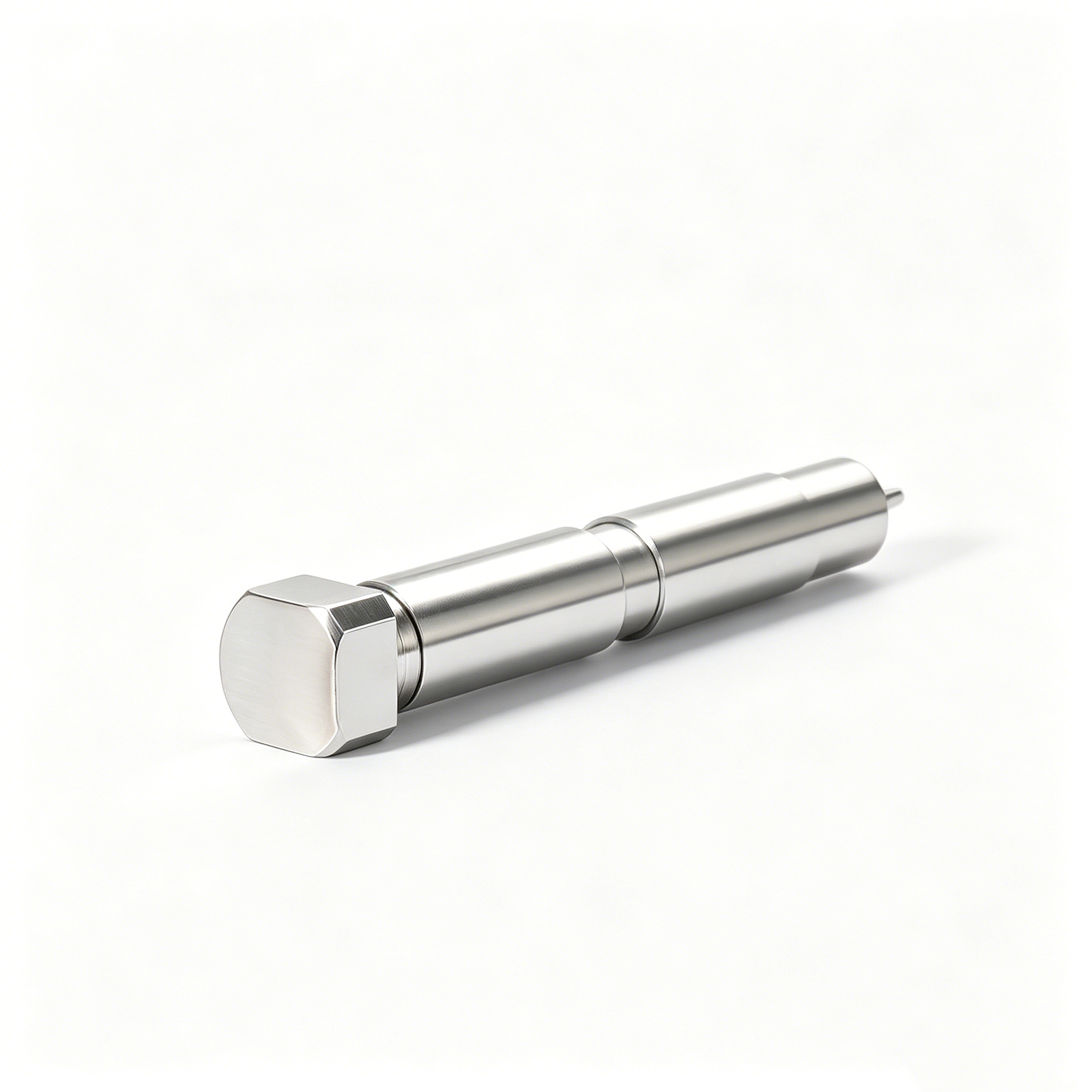
Fitting checks threaded components against mating details, assembly clearances and functional engagement requirements supplied for the project. This step helps identify interference risks where thread, locating and seating features interact across a mold or tooling assembly.

Inspection Planning
Inspection planning defines critical dimensions, thread-related measurement methods, datums and reporting needs before production. SUUXIANG aligns final documentation with the confirmed order and verified inspection plan, maintaining visible revision control throughout the project.
Supporting Features for CNC External Thread Turning Services

Thread Relief
Relief grooves or undercuts at the thread runout provide tool clearance and help a mating component seat correctly. Define the geometry, adjacent shoulder relationship, and any functional clearance requirements on the drawing.

Locating Shoulders
Turned shoulders establish axial position for nuts, housings, seals, or assembled components. Identify the controlling datum, perpendicularity expectations, bearing-face finish, and whether the shoulder must be machined before or after heat treatment.
Mating Diameters
Adjacent pilot, journal, or locating diameters often control concentric assembly with a threaded feature. Provide fit intent, datum references, runout requirements, and mating-component context so turning and inspection planning reflect the functional interface.

Seal Grooves
External grooves may accommodate O-rings, retaining rings, or clearance features near the thread. Their width, depth, edge condition, and position relative to the thread should be drawing-defined to protect sealing and assembly performance.

Identification Marks
Part numbers, revision marks, orientation references, or lot-identification requirements can be considered during process review. State marking method, location, character size, and any restrictions on critical surfaces so traceability details remain compatible with the component.
About SUUXIANG Precision Manufacturing
SUUXIANG is the international-facing brand of Dongguan SuuXiang Precision Mold Co., Ltd., established in 2010 in Chang’an Town, Dongguan, China. We support global engineering, sourcing, and quality teams with drawing-driven CNC parts, precision mold components, connector tooling, and stamping-die components.
For cnc external thread turning services and related precision work, project planning begins with the drawing, 3D model when available, material, quantity, application, and quality requirements. Our process scope combines CNC milling and turning, multi-axis machining, EDM, grinding, fitting, and inspection according to verified project needs.
What distinguishes SUUXIANG is a disciplined focus on DFM, critical dimensions, datum strategy, machining access, inspection planning, revision control, and traceable communication. Before quotation or production commitments, we work to clarify the manufacturing route and the evidence needed for the ordered part.
CNC External Thread Turning Services: From Specification to Inspection
DFM and Datum Review
SUUXIANG reviews the drawing, model, thread callout, mating condition, and datum scheme before quotation. The discussion identifies accessible turning features, runout-sensitive references, relief requirements, and tolerance-stack risks so the proposed process reflects the functional assembly rather than a nominal thread alone.
- Confirm thread standard, pitch, hand, class, and engagement requirements
- Align inspection references with drawing datums and mating features
- Flag undercuts, reliefs, shoulders, and tool-clearance constraints
- Review material, heat treatment, quantity, and delivery inputs
Coordinated Process Planning
External threads may be only one feature within a precision part. SUUXIANG plans turning alongside milling, EDM, grinding, fitting, and heat-treatment sequencing when required by the verified job scope. This helps protect datum relationships, preserve machining allowance, and avoid treating secondary operations as afterthoughts.
- Define the turning sequence around critical cylindrical features
- Assess EDM or grinding needs for adjacent precision geometry
- Retain suitable stock where post-machining finishing is required
- Clarify handling points and feature-protection needs between operations

Critical-Dimension Control
For CNC external thread turning services, critical dimensions extend beyond nominal major diameter. SUUXIANG reviews pitch, effective thread condition, concentricity or runout requirements, shoulder position, functional length, and surface requirements against the stated datums and the application information supplied with the RFQ.
- Identify dimensions that affect mating, sealing, location, or retention
- Separate thread requirements from adjacent turned diameter controls
- Plan checks around specified datums and functional references
- Escalate ambiguous callouts before production commitments

Inspection and Revision Records
Inspection planning is matched to the order, drawing revision, and agreed quality requirements. SUUXIANG keeps revision and delivery information visible through the project and prepares final documentation according to the verified inspection plan, helping sourcing and quality teams compare received parts against the approved requirement.
- Match inspection methods to critical features and drawing callouts
- Maintain drawing-revision visibility throughout project coordination
- Confirm requested reporting or documentation before production
- Provide traceable communication when specifications change

CNC External Thread Turning Services: Drawing-Based Sourcing Compared
Compare a disciplined engineering workflow with a typical generic quote process before committing threaded precision parts to production.
← Swipe left or right to view →
CNC External Thread Turning Services Workflow
A controlled project path aligns thread requirements, process decisions, inspection evidence and delivery coordination before production commitments are made.
Review Drawing Requirements
We review the drawing, model, material, quantity, mating context, thread callout, critical dimensions, surface requirements, inspection needs and requested delivery date.
Confirm DFM And Process
The team assesses datum strategy, tool access, thread relief, tolerance stack, machining allowance, heat-treatment sequence and whether EDM or grinding is needed.
Plan Controlled Production
Manufacturing routing defines turning operations, workholding, thread-cutting strategy, secondary features, inspection points, revision status and documentation matched to the order.
Machine Critical Features
CNC external thread turning services are coordinated with milling, EDM, grinding or fitting where the approved part geometry and process route require them.
Inspect Pack And Coordinate
Finished parts are inspected against the verified plan, then packed and prepared with applicable order documentation, revision information and delivery coordination.
How CNC External Thread Turning Services Move From Drawing to Delivery
A practical review path for threaded precision parts, with drawing-led DFM, documented requirements and coordinated production planning.
Submit Your Drawing Package
Send the 2D drawing, 3D model when available, material, quantity, thread callouts, heat treatment, surface requirements, target date and inspection expectations.
Review DFM and Inputs
SUUXIANG reviews critical dimensions, datums, thread profile and pitch, machining access, relief details, grinding or EDM needs, and measurement methods before quotation.
Approve Samples When Needed
For projects requiring added validation, align first-article or sample requirements, acceptance criteria, revision status and reporting scope before releasing production.
Coordinate Production and Delivery
Production follows the agreed process route, with revision control, inspection planning and delivery coordination kept visible against the confirmed order requirements.
Certification Evidence and Project Documentation Review
Project Documentation and Validation Requirements
Verified customer testimonial pending approval. Publish project context, measured thread-inspection results, quantity, and delivery outcome only after the customer has authorized the case.
Verified customer testimonial pending approval. Include the drawing revision, critical external-thread requirements, inspection evidence, and measurable production outcome only when approved for publication.
Verified customer testimonial pending approval. Document the component application, process-review outcome, accepted inspection criteria, and confirmed project result without disclosing unapproved customer information.
CNC External Thread Turning Services FAQ
Practical answers for drawing-led sourcing, quality planning, and project coordination.
What should I send for cnc external thread turning services?
Can cnc external thread turning services support prototypes and low-volume orders?
How long do cnc external thread turning services take?
Which materials and heat-treatment details are needed for an external threaded part?
Can you provide inspection reports for threaded components?
How are thread tolerances and functional fit reviewed?
Do you ship internationally and what information is needed?
How does SUUXIANG handle payment terms and drawing confidentiality?
Buyer’s Guide to cnc external thread turning services
Use this decision framework to specify external threads, compare machining methods and supplier controls, evaluate DFM feedback, and avoid tolerance, inspection, material, and quoting mistakes before production.
1. What Are cnc external thread turning services?
1. CNC external thread turning services produce a helical thread on a part’s outside diameter using a lathe or turning center. During each pass, the control synchronizes spindle rotation with axial tool travel so the tool advances one specified pitch per revolution.
2. External threads are cut on a shaft, stud, nose, or fitting; internal threads are formed inside a bore with a different access and tooling strategy. A complete drawing callout should state nominal size, pitch, thread form, class or tolerance, threaded length, right- or left-hand direction, and any runout requirement referenced to a functional datum.
3. A turned external thread is appropriate when the feature is concentric with the part’s rotational axis and can be made in the same setup as adjacent diameters, shoulders, grooves, or sealing features. It is particularly useful for custom profiles, controlled thread length, and components where thread-to-datum relationship matters; the drawing review should confirm tool clearance, relief geometry, material condition, and inspection method before release.
2. Evolution of CNC External Thread Turning
A manual engine lathe uses a leadscrew and change gears to synchronize carriage travel with spindle rotation, so pitch accuracy depends heavily on setup and operator control. That route remains useful for repair work, but repeated production requires careful verification after each adjustment.
CNC control replaced mechanical pitch selection with programmed spindle-to-axis synchronization, allowing the same turning cycle to be recalled across batches. This improves repeatability and makes profile changes—such as a different pitch, runout, relief, or taper—a controlled program and drawing-revision task rather than a new gear-train setup. Source: https://www.emachineshop.com/cnc-turning-services-the-spin-on-precision-manufacturing
Multi-axis turning centers and live tooling can consolidate turned, drilled, milled, and threaded features in fewer workholding stages; Swiss-type production is often considered when small, slender parts need support close to the cut. Digital inspection adds recorded measurements and revision-linked reports, giving buyers clearer traceability when approving first articles or engineering changes. The RFQ should therefore identify thread standard, datum scheme, mating requirement, and inspection evidence needed—not merely nominal diameter and pitch.
3. Types of cnc external thread turning services
Five routes cover most external-thread RFQs. The selection starts with geometry and function: cutting removes material; rolling plastically forms it without chips.
| Process | Best-Fit Question | Key Constraint |
|---|---|---|
| Single-point turning | Is the form custom, tapered, or long? | Cycle time rises with passes |
| Thread rolling | Is fatigue life important at repeat volume? | Needs ductile stock and roll access |
| Thread milling | Can an external geometry accept milling access? | Tool reach and interpolation matter |
| Die threading | Is it a standard accessible thread? | Limited custom-form flexibility |
| Swiss-type threading | Is it a small bar-fed precision part? | Validate geometry and support |
Cutting Routes
Single-point turning suits long, large-diameter, tapered, or custom-form threads because the programmed tool path controls the profile.
Thread milling applies where tool approach and interpolation suit the external feature; die threading is fastest for accessible standard forms.
Forming And Swiss Work
Thread rolling favors ductile material, repeat volume, and fatigue-sensitive threads because formed grain flow is not cut across.
Swiss-type threading suits small bar-fed parts when thread, shoulder, and adjacent features require controlled support.
RFQ Selection Questions
Six inputs should be stated: diameter, threaded length, pitch, form, material condition, and quantity.
Two further checks decide feasibility: can the tool clear the shoulder, and does taper or fatigue performance require a specific route?
4. Materials for Threaded Turned Parts
Material grade and delivery condition govern cutting behavior before a thread tolerance is considered. For cnc external thread turning services, identify the alloy, product form, heat-treatment state, and service environment on the RFQ.
| Material Group | Threading Consideration | RFQ Detail |
|---|---|---|
| Aluminum | Burr control; lower bearing strength | Grade, temper, mating metal |
| Carbon/alloy steel | Strong engagement; finish depends on condition | Grade, hardness, heat-treatment sequence |
| Stainless steel | Corrosion resistance; galling risk | Grade, environment, lubricant |
| Brass/copper alloy | Ductile chips; clean finish varies | Alloy, conductivity or corrosion need |
| Titanium | Heat-sensitive cutting; galling risk | Grade, condition, mating material |
| Engineering plastic | Creep and stripping risk | Resin, reinforcement, load |
| Hardened material | Route may need grinding or EDM | Hardness, heat-treatment state |
Metal Selection Trade-Offs
Aluminum cuts readily but can raise a burr at crests; steel increases strength and thread engagement. Stainless and titanium require galling-aware tool and surface decisions, while brass commonly gives clean detail.
Copper alloys need attention to ductility and finish; corrosion exposure may outweigh nominal strength. Confirm the mating material and whether repeated assembly is expected.
Hardness And Plastics
Hardened materials may require a route using turning before heat treatment, then grinding or EDM where feasible. Engineering plastics can deform, creep, or strip under high clamp load, so engagement length and mating hardware matter.
Final condition—not only base material—controls the process plan. State plating, passivation, coating, or post-machining heat treatment when applicable.
RFQ Material Evidence
An RFQ should specify the exact grade, standard or equivalent, bar or billet form, hardness range, and required certification. Include heat-treatment sequence, corrosion medium, mating material, assembly torque, and critical thread dimensions.
SUUXIANG can review these inputs against verified process scope before committing to a route.
5. Thread Forms, Features, and Surface Options
Two common thread families are ISO metric and Unified; each needs its stated designation, pitch, class, and mating counterpart. cnc external thread turning services should treat thread features and finishes as drawing-controlled requirements.
| Option | Key Specification | Mating Consideration |
|---|---|---|
| Metric or Unified | Designation, pitch, class | Match counterpart standard |
| Fine or coarse pitch | Pitch and engagement | Assembly and damage tolerance |
| Coating or plating | Type and thickness | Allow for fit change |
| Straight or tapered | Standard and function | Confirm sealing interface |
Form And Pitch Selection
ISO metric and Unified threads are not interchangeable without a defined mating strategy. Fine pitch improves adjustment resolution; coarse pitch is often more tolerant of handling damage.
ACME and trapezoidal forms require the specified standard, flank angle, pitch, and functional engagement length. Straight and tapered threads likewise require the sealing or locating function to be clear.
Functional Added Features
Left-hand threads need an explicit LH callout on the drawing and purchase documentation. Relief grooves provide tool runout clearance, while chamfers help controlled assembly entry.
Knurling, identification marks, and witness features should state location, pattern, depth limit, and datum reference. These details can affect gripping, inspection access, and mating clearance.
Finish And Mating Control
Plating and coating thickness changes effective thread dimensions, so fit class and pre-finish versus post-finish limits must be agreed. Passivation improves corrosion resistance for suitable stainless grades but does not substitute for material selection.
100% of mating-critical features should be reviewed with the specified counterpart or a functional gage requirement. Confirm finish, masking, marking, and inspection evidence before production.
6. Quality Elements in cnc external thread turning services
Functional threads are verified as a system, not by one diameter. For cnc external thread turning services, the drawing should define the mating standard, functional datums, and required inspection evidence before routing.
Thread Geometry
Three diameters—major, pitch, and minor—govern thread engagement and strength. Flank angle, pitch accuracy, lead, thread length, start chamfer, burr condition, and surface condition must also suit the mating component.
A thread may pass a diameter check yet bind if lead or flank form is incorrect. Requirements should be interpreted against the specified thread standard and reviewed drawing.
Datum And Runout Control
A 2D drawing should identify the datum feature used to relate the thread to shoulders, bores, or other functional geometry. Runout or concentricity requirements need an explicit datum reference and inspection method.
Tool access, clamping, and any secondary grinding or EDM operations can affect that relationship. SUUXIANG should review these conditions before committing to a process route.
Gauging And Approval
First-article inspection compares the produced thread and related datums with the approved drawing before production release. Calibrated GO/NO-GO gauges, thread measurement methods, and documented results provide different evidence for different risks.
A sampling plan should state lot size, acceptance criteria, gauge status, and reporting needs. Revision-controlled drawings and inspection records reduce the chance of assembly failures reaching the next operation.
7. Choosing cnc external thread turning services Suppliers
A supplier should be selected against the released drawing, not a generic capability list. For cnc external thread turning services, request project-specific evidence before commercial award.
| Team | Question Before Award | Evidence Requested |
|---|---|---|
| Engineering | Can the thread and datum requirements be manufactured? | Marked-up DFM and process route |
| Procurement | Will the process remain stable after prototype approval? | Continuity and communication plan |
| Supplier Quality | How will conformity and nonconformance be controlled? | Inspection plan, gauge records, corrective-action example |
Drawing And Process Review
The drawing review should identify thread standard, class, datum scheme, runout, relief, surface finish, and critical mating features. Ask engineering for marked-up DFM feedback and the proposed turning, EDM, grinding, or secondary-operation route.
- Request a controlled drawing-review record
- Confirm workholding and machining access
- Ask how revisions are acknowledged
Material And Measurement Evidence
Comparable material evidence should cover the specified condition, heat-treatment sequence, and prior threading experience. Supplier-quality teams should request the inspection plan, instrument list, gauge calibration status, and sample report format.
- Define ring, plug, or functional gauge strategy
- Link measurements to drawing datums
- Specify required material and inspection records
Continuity And Corrective Action
Prototype results should transfer into production through documented programs, fixtures, gauges, and revision control. Procurement should agree communication cadence, escalation contacts, delivery reporting, and the corrective-action response expected for nonconformance.
- Ask for prototype-to-production controls
- Review a redacted corrective-action example
- Confirm lot and shipment traceability
8. Common External Thread Sourcing Mistakes
External-thread failures usually originate in the released drawing, not at the lathe. Before RFQ, make every thread requirement, process constraint, and acceptance method explicit so suppliers quote the same manufactured condition.
Complete The Callout
One thread designation must state form, nominal size, pitch, lead, handedness, length, and tolerance class. Missing data can produce nonmating parts or incompatible gauges.
Two-start threads require both pitch and lead; lead is axial advance per revolution. Release a sectioned detail and identify the mating standard before production.
Protect Functional Geometry
One plating or coating requirement changes finished thread size. Specify whether limits apply before or after finishing, plus coating thickness and masking needs.
One shoulder beside a thread needs runout relief and tool access. Define relief geometry, usable-thread length, and any no-thread zones to prevent incomplete crests or collision-driven process changes.
Align Material And Verification
One material callout without condition, heat treatment, or hardness can alter cutting behavior and assembly durability. State the required material condition and application load or environment.
One quote comparison is valid only when quantities, stock allowance, finishing, inspection, and revision match. Define gauge method, sampling or report requirements, and the controlled drawing revision.
9. From RFQ to Production Approval
One controlled launch begins with a revision-marked 2D drawing and, when available, a 3D model. For cnc external thread turning services, define mating interfaces, thread designation, quantity, delivery target, and required records before quotation.
Build A Complete RFQ
Two source files should identify material, heat treatment, datums, critical dimensions, surface requirements, and thread callouts. State whether a functional gage or mating component governs acceptance.
One quantity forecast should distinguish prototype, low-volume release, and anticipated repeat demand. Include application context where engagement length, assembly torque, or coating affects the thread.
Close DFM And Quote Assumptions
Three DFM decisions require written disposition: workholding, tool access, and the machining sequence around heat treatment or grinding. Ask the supplier to flag incomplete callouts, tolerance conflicts, and inspection risks.
One quotation review should freeze the material condition, thread standard, included inspection, lead-time basis, and exclusions. SUUXIANG can align these assumptions against the drawing before production authorization.
Approve And Control Production
First-article approval should link the sample, drawing revision, inspection report, and any deviation record. The buyer owns design acceptance; the supplier owns execution records and communicates identified nonconformities.
Each engineering change needs a dated revision, impact review, and written release before affected machining resumes. Initial lots merit monitoring of thread verification, critical dimensions, delivery status, and recurring issues.
10. cnc external thread turning services Pricing
One RFQ can produce very different unit costs when alloy, bar versus billet stock, diameter, thread length, pitch, profile, and tolerance change. SUUXIANG should quote from the released drawing, material and heat-treatment requirements, and the needed thread verification method.
Two setups instead of one can add workholding, programming, and datum-transfer risk, while milling, EDM, grinding, deburring, coating, and special packaging add cost. Inspection reports, gauges, first-article expectations, and revision-controlled documentation should be defined before comparison.
Three quantity tiers illustrate the pattern below; they are quote-dependent planning guidance, not a price promise. Urgent delivery may require different scheduling or process routing, so state the target date with the RFQ.
| Quote-dependent quantity tier | Primary cost-driver intensity | Typical lead-time implication |
|---|---|---|
| 1–10 pieces | High setup and inspection share | Allow planning for review and first-piece verification |
| 11–100 pieces | Setup spread across batch | More efficient scheduling is often possible |
| 101+ pieces | Cycle time, stock, and packaging dominate | Confirm capacity, inspection sampling, and delivery splits |
Request CNC External Thread Turning Services Review
Upload your 2D drawing, 3D model where available, material, quantity, quality requirements, and target date for a disciplined project review.