
CNC Machining Services for Drawing-Led Precision Parts
SUUXIANG CNC machining services turn drawings into process-planned, inspected parts with clear datum, tolerance, material, and revision control.
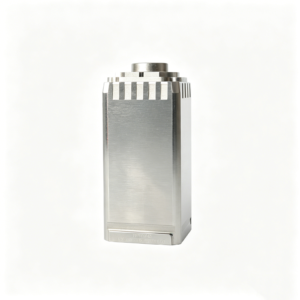
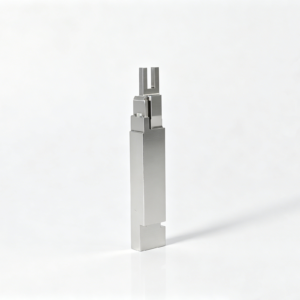
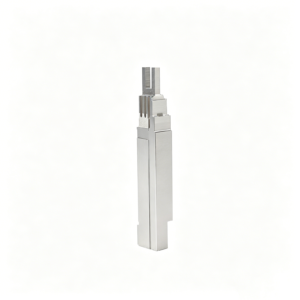
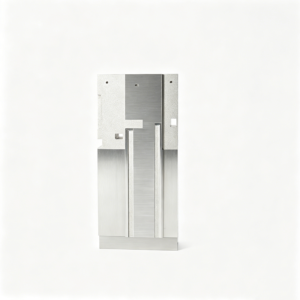
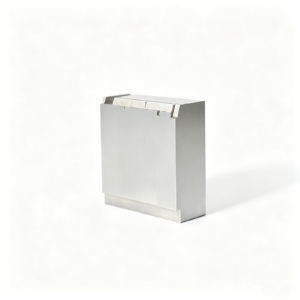
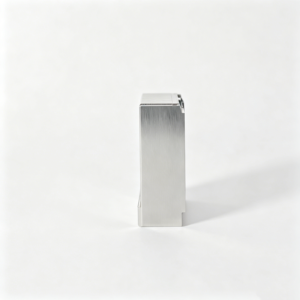
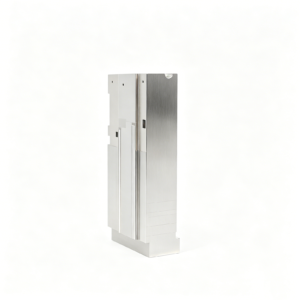
Representative Parts for CNC Machining Services
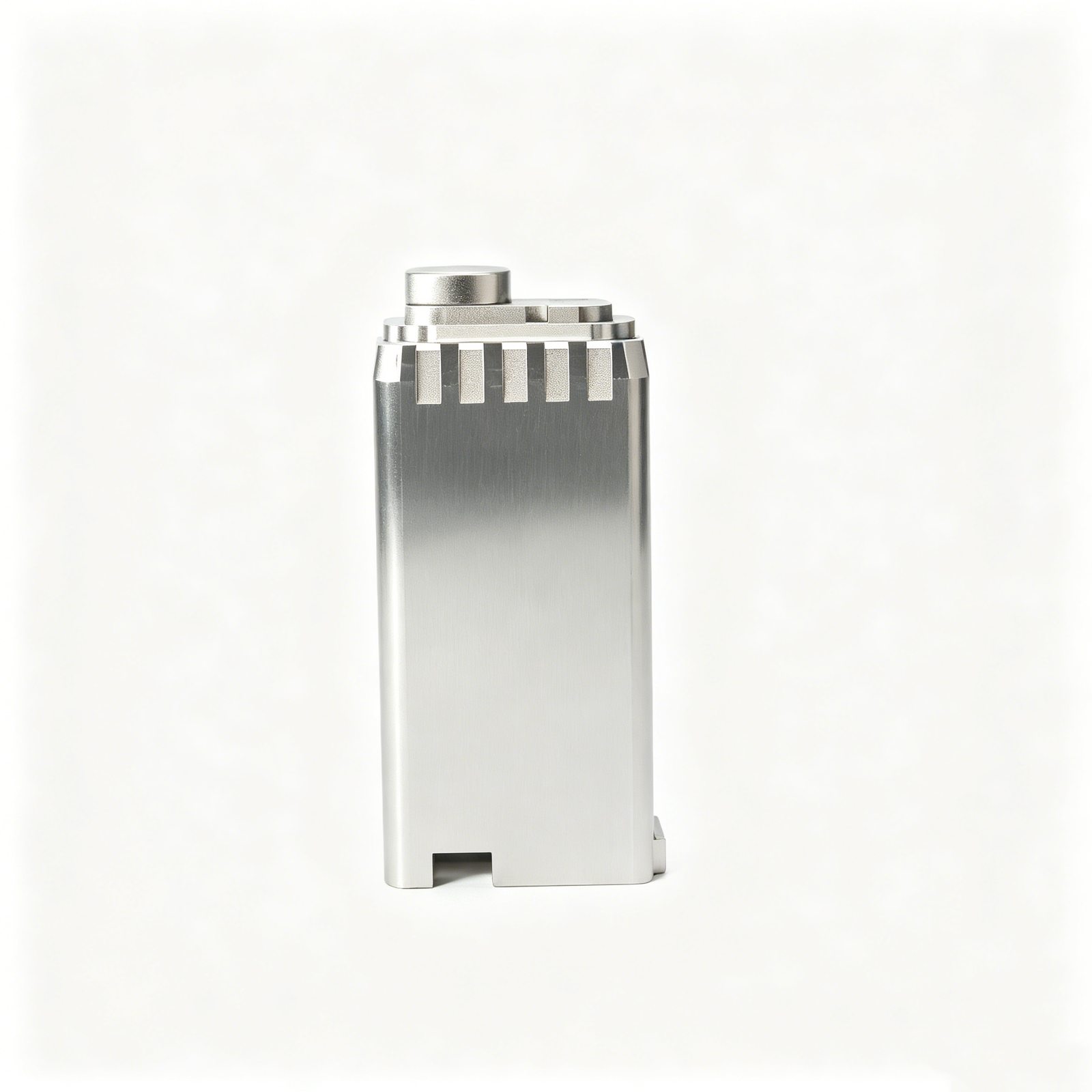
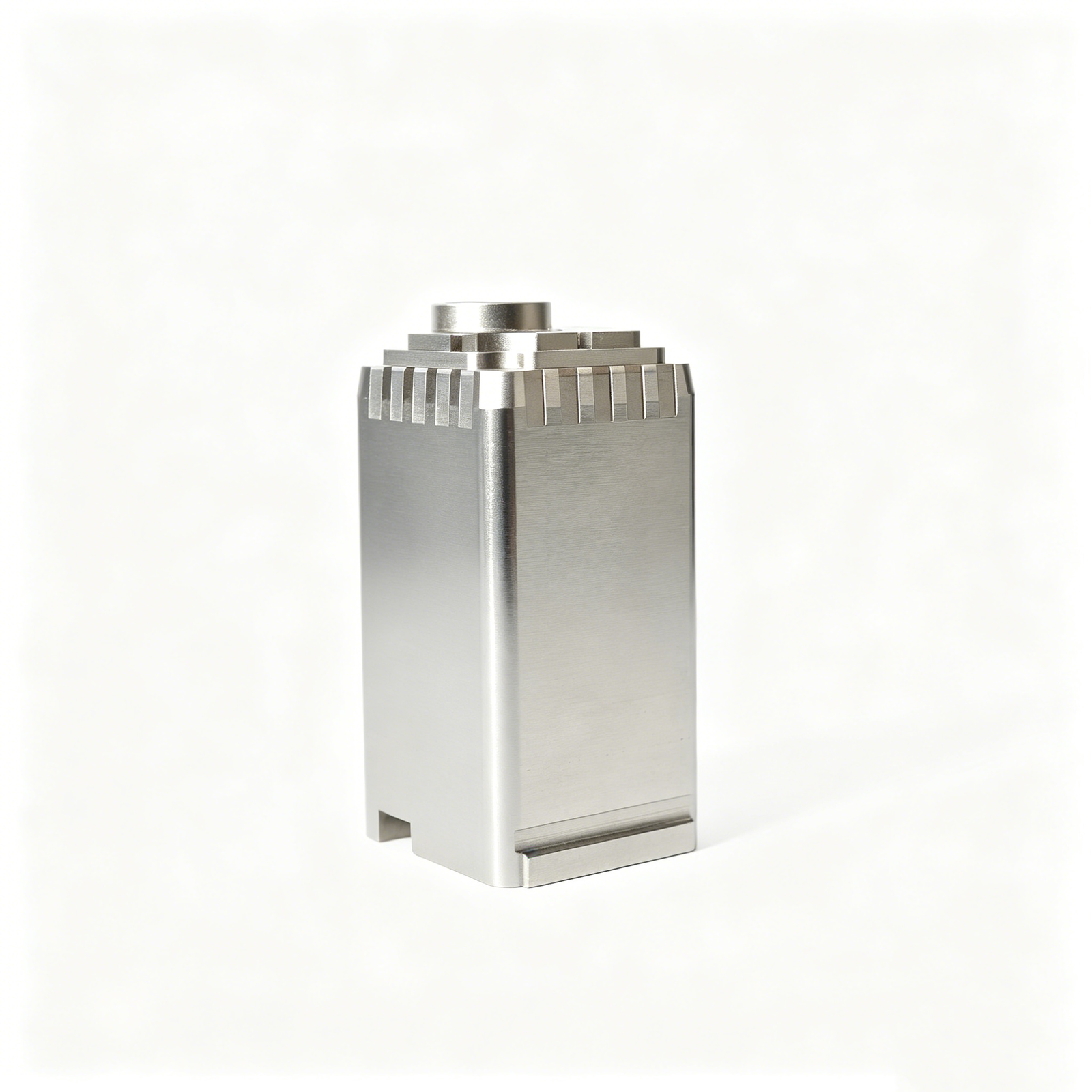
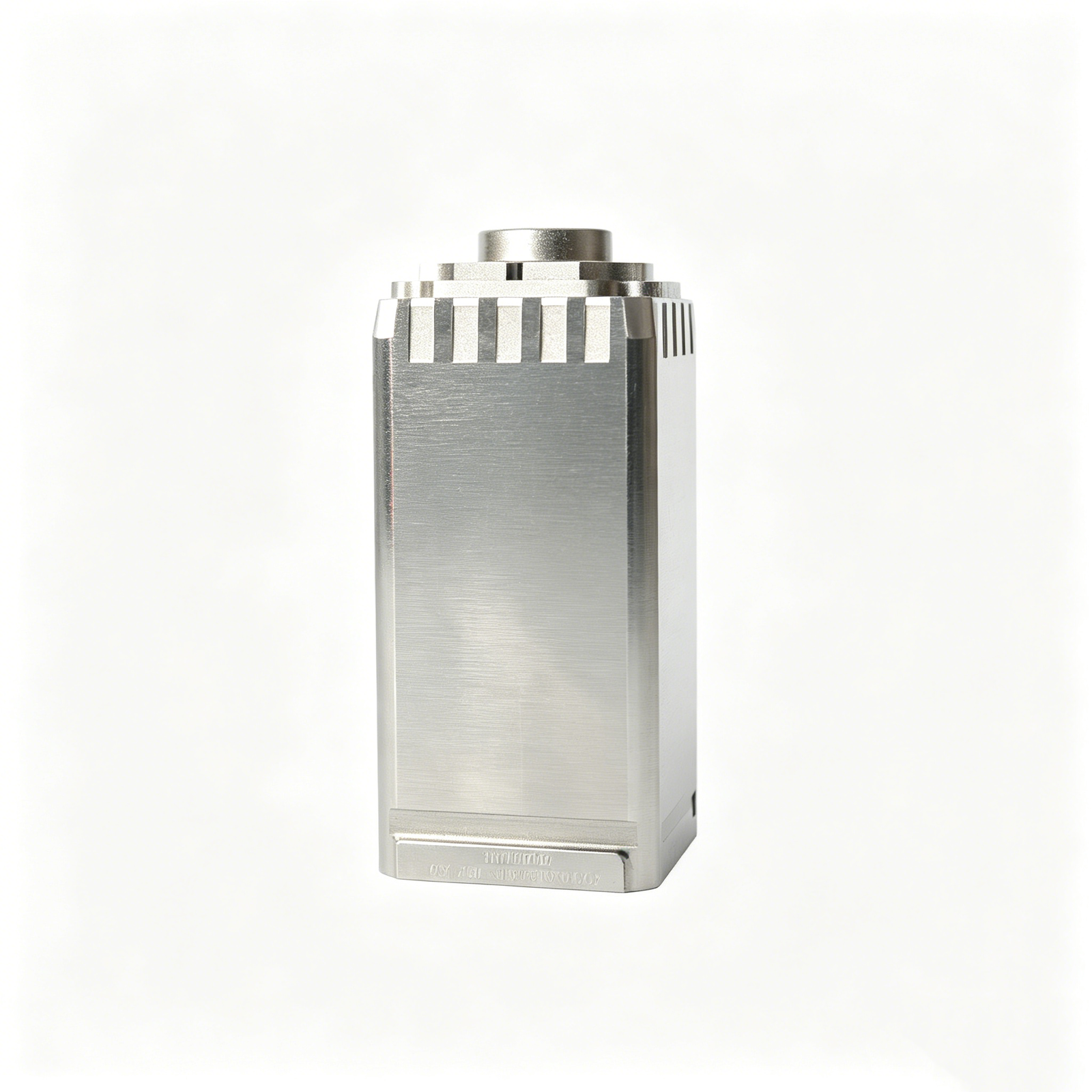
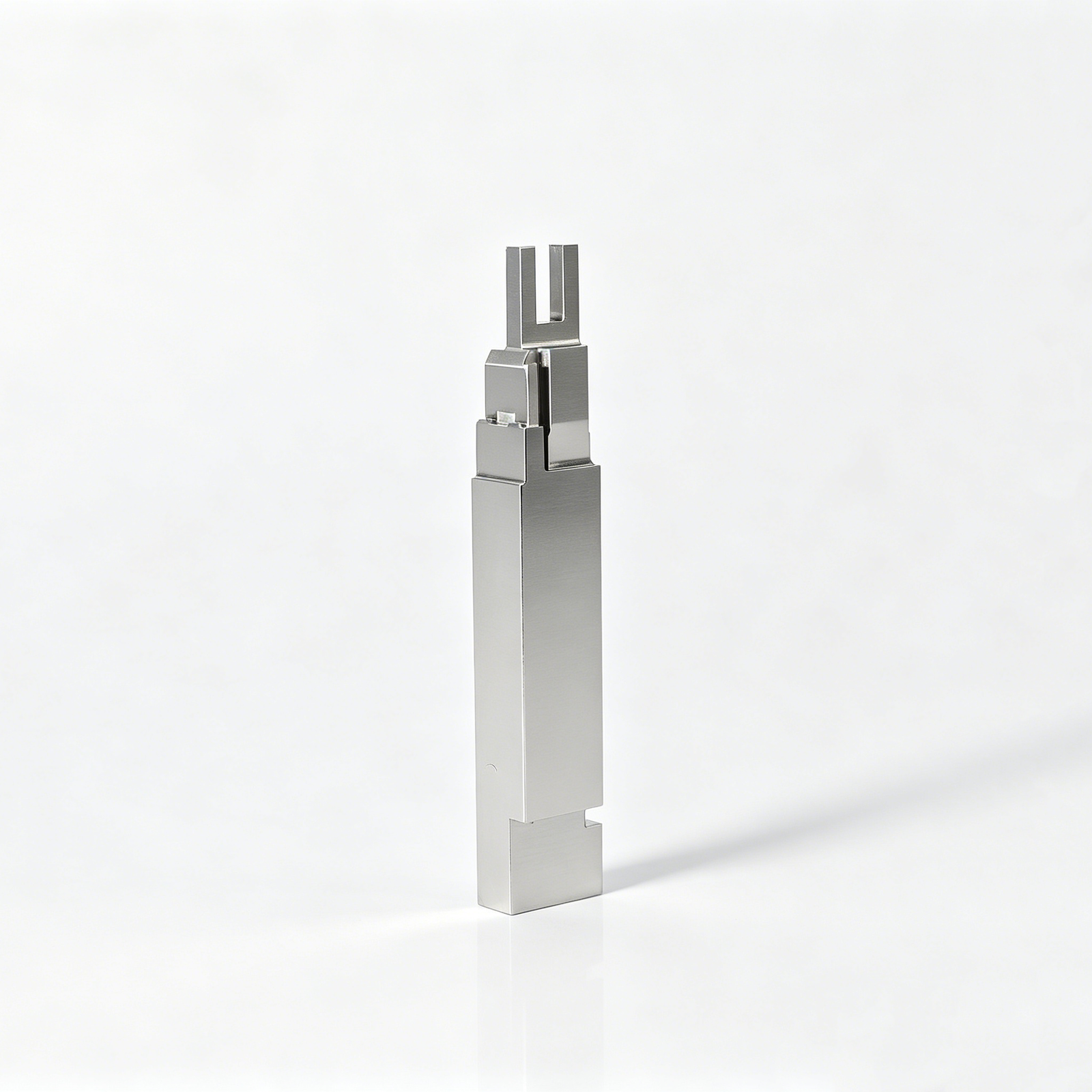
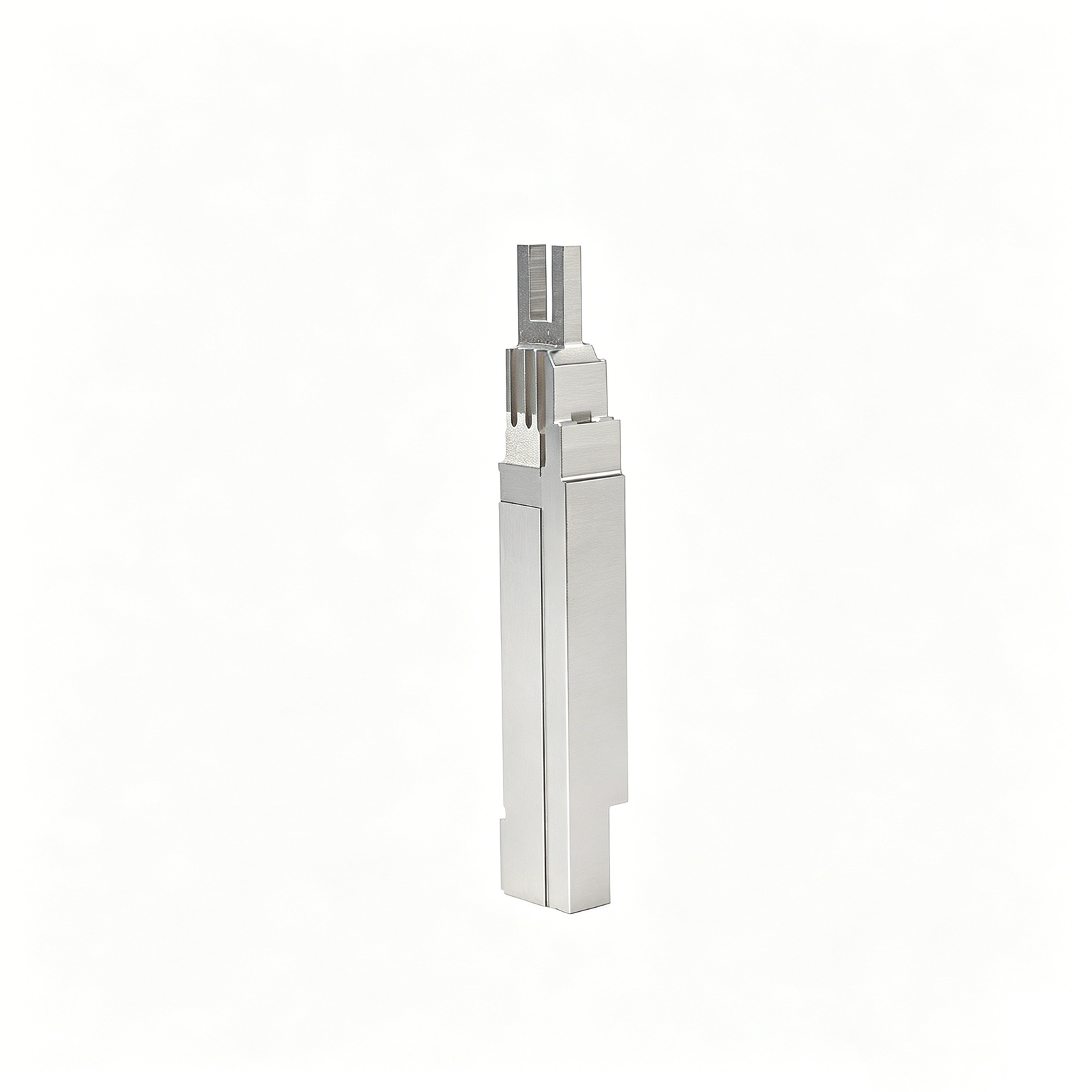
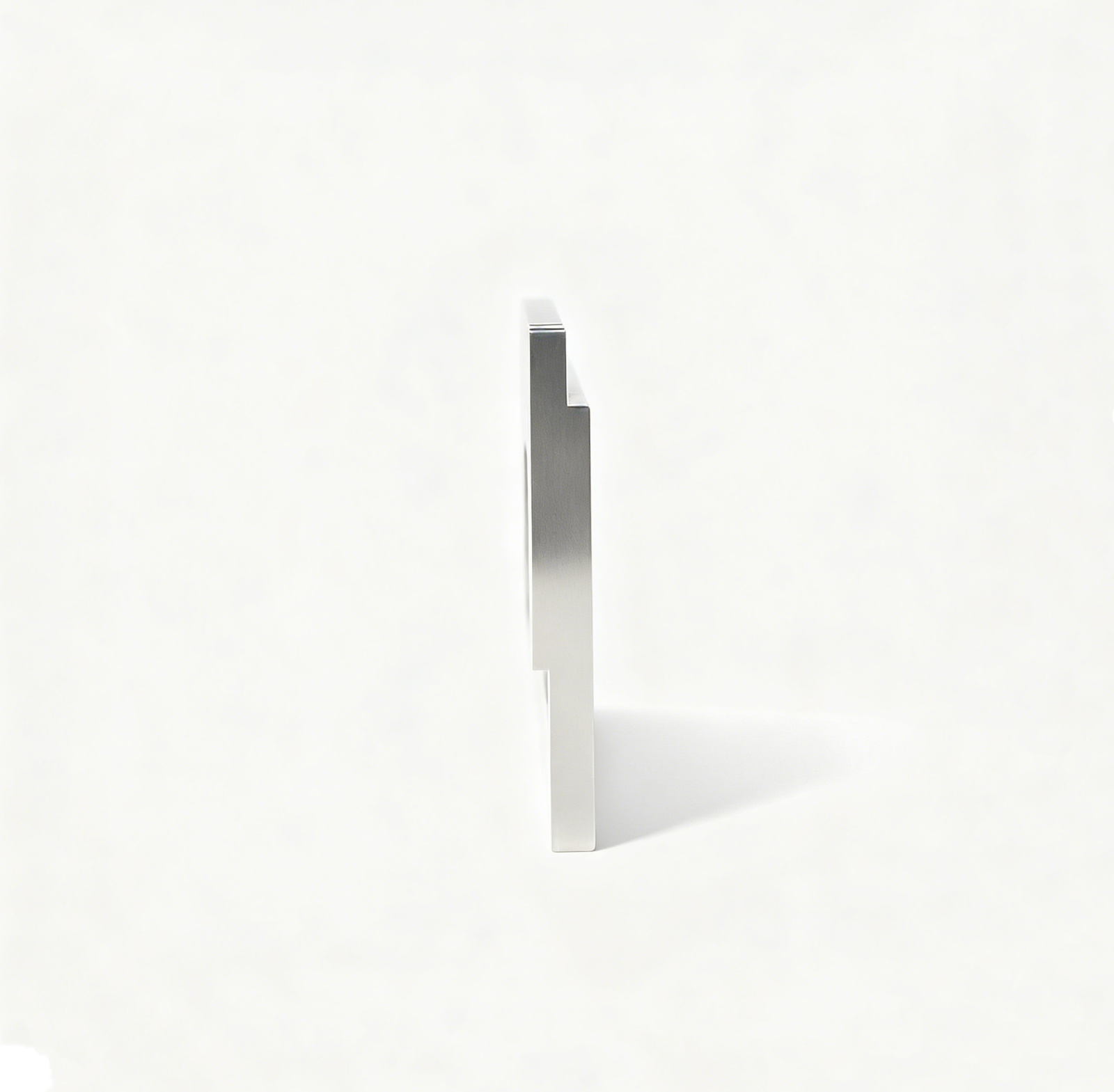
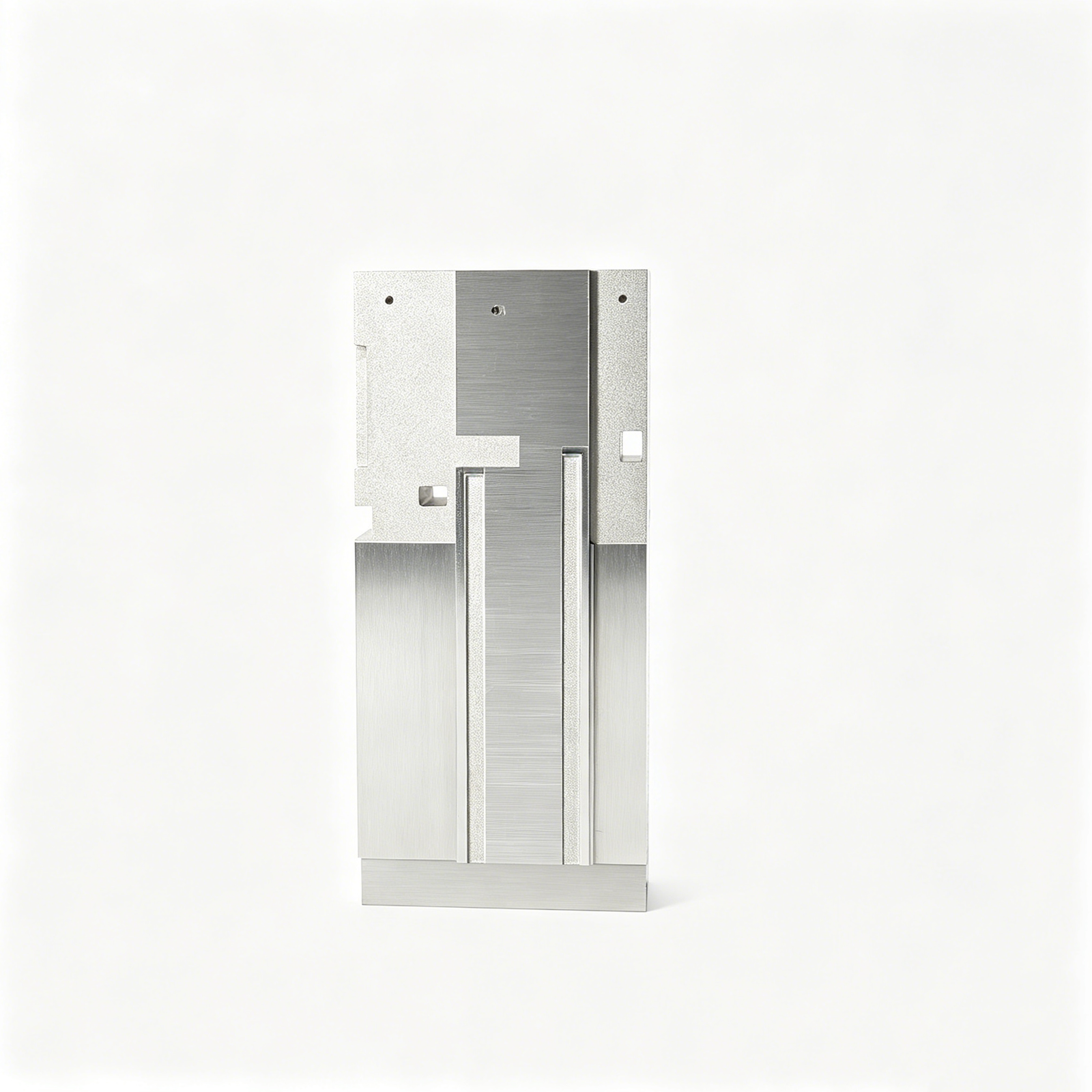
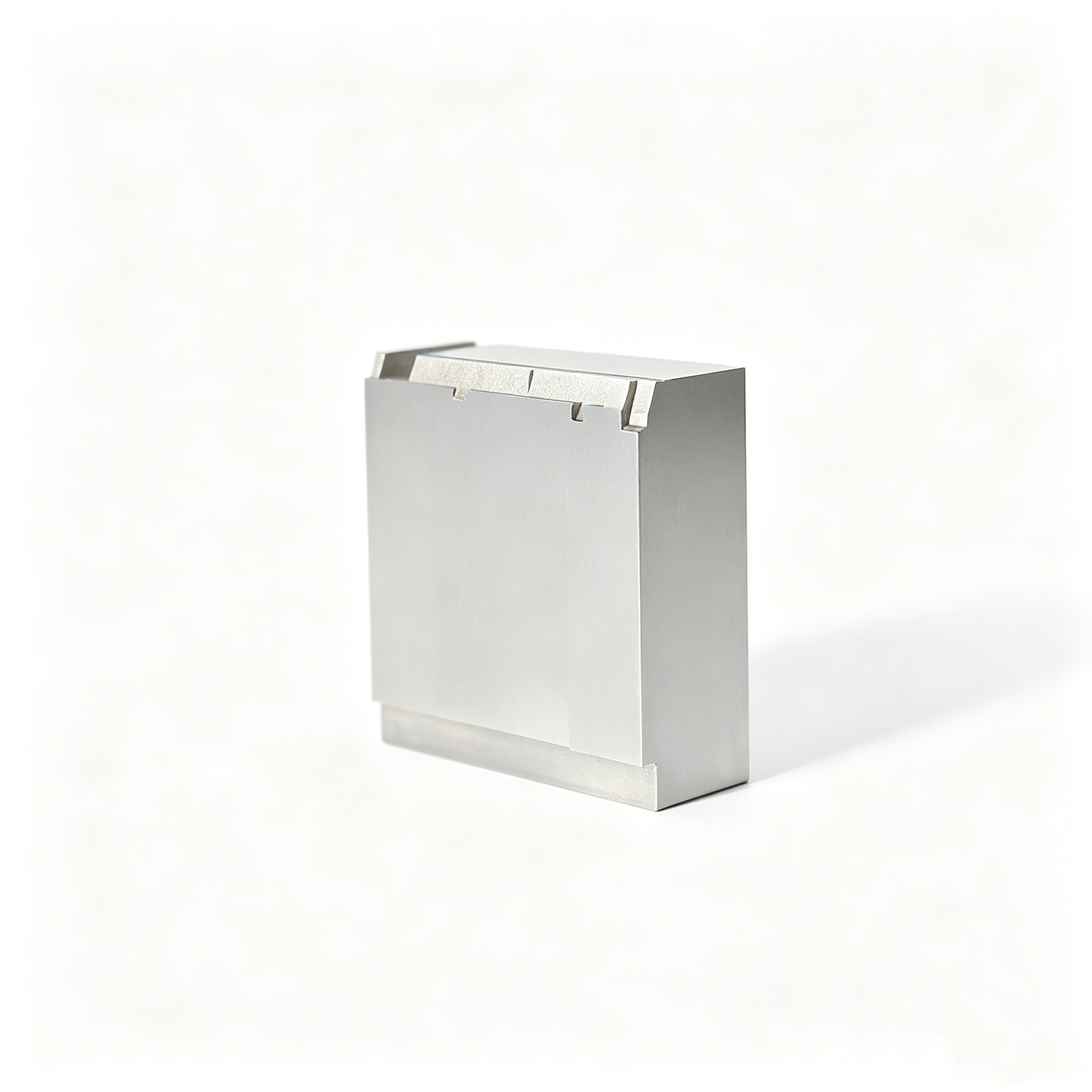
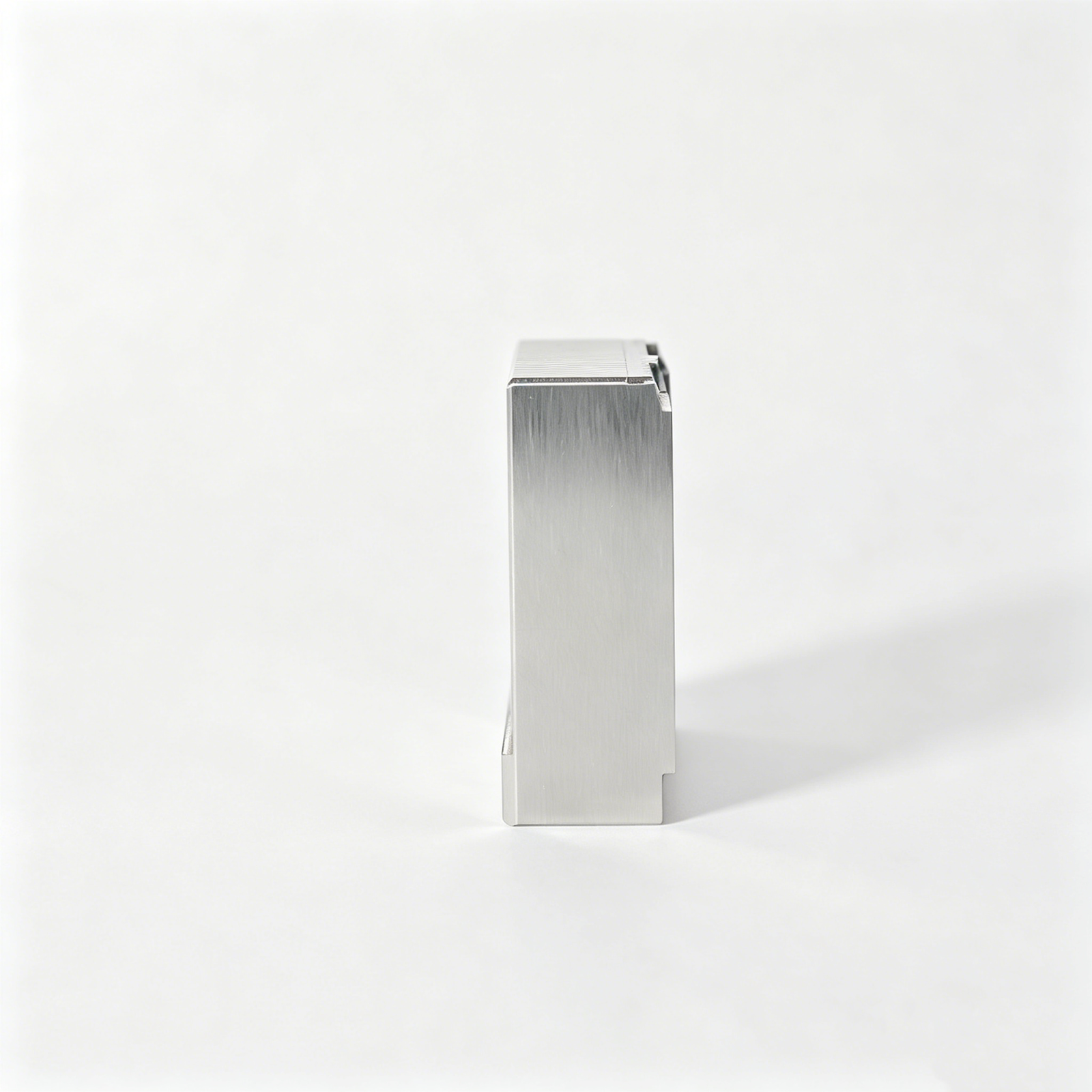
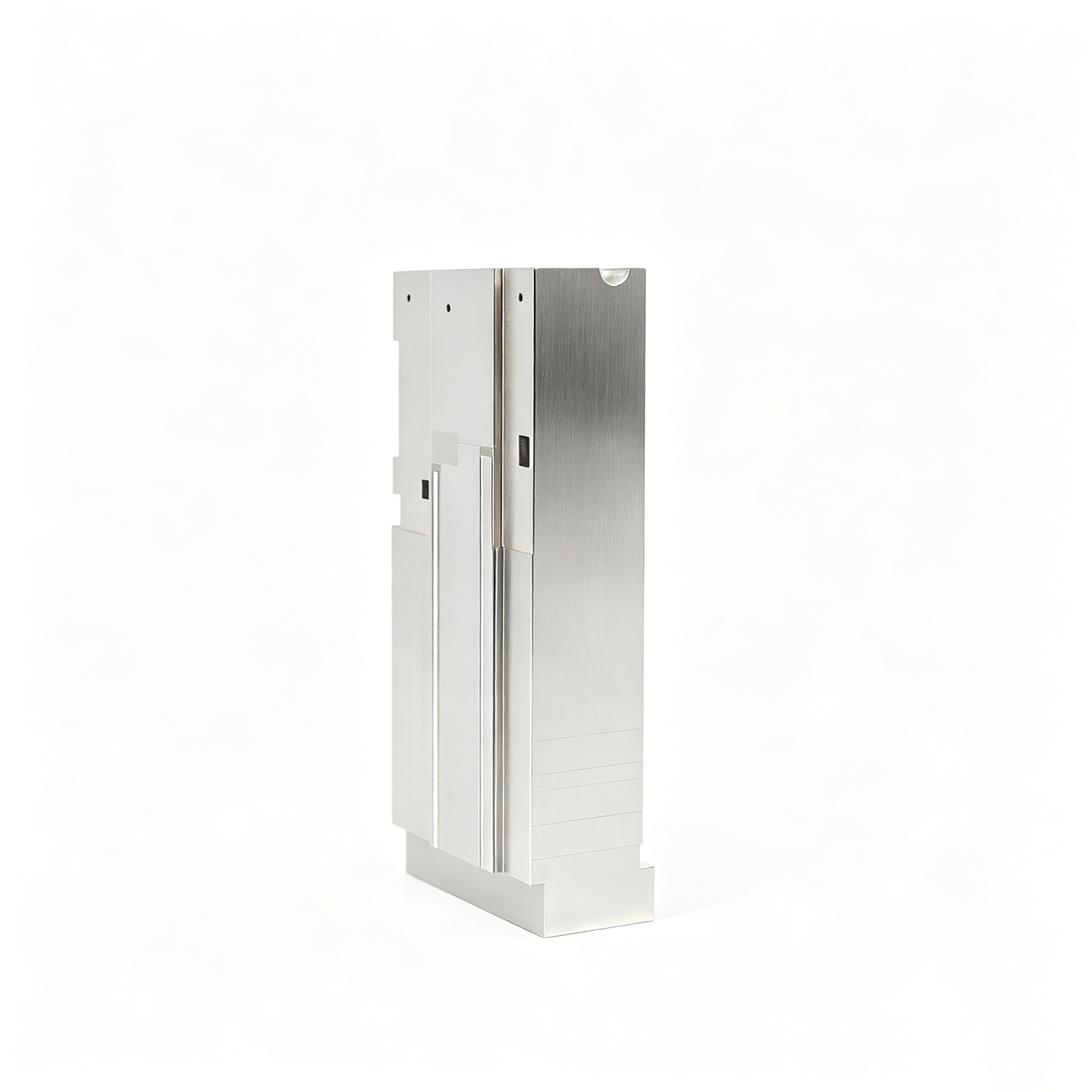
Sample Components for CNC Machining Services
Ten drawing-based component examples; open a part to review its engineering context.
CNC Machining Services Planned From Critical Dimensions
Each part plan connects drawing review, datum control, process access, inspection, and revision visibility before manufacturing begins.
Drawing Review
We review 2D and 3D data, critical dimensions, material requirements, and feature relationships before selecting a manufacturing route.
Datum Strategy
Datums are aligned with functional relationships so workholding, machining sequence, and inspection references support the intended part function.
Machining Access
Tool reach, clamping surfaces, internal geometry, and feature orientation are assessed early to identify practical machining or EDM requirements.
Process Route Planning
CNC milling, turning, multi-axis machining, EDM, and grinding are combined when geometry, stock condition, or heat treatment requires it.
Inspection Planning
Measurement methods are planned around CTQs, tolerances, surfaces, and feature relationships; achievable results depend on geometry, material, and inspection method.
Revision Visibility
Drawing revisions, agreed priorities, and inspection expectations remain visible through production coordination, helping documentation match the verified order requirements.
Related Paths for CNC Machining Services
Drawing-led process planning for precision parts, mold components, connector tooling, and controlled prototype or low-volume production work.
CNC Machining Services
Drawing-defined machining for custom parts, with process planning around geometry, material condition, datums and inspection access.
Explore CNCPrecision Mold Components
Core, cavity and insert work planned around mating features, material state, EDM, grinding and fitting requirements.
Explore Mold PartsQuality and Documentation
Discuss CTQ features, measurement methods, revision control and the release documents required for your order.
Review QualityCNC Machining Services Materials Planned Around Function
Tool Steels
Common for mold cores, cavity inserts, slides and wear components. Machinability changes with supplied annealed or pre-hardened stock; heat-treatment sequence, grinding allowance and hardness verification should be defined before final finishing.
Stainless Steels
Used where corrosion resistance, cleanliness or strength matters in tooling and custom components. Grade, stock condition and heat treatment affect cutting behavior, distortion risk and the inspection approach for critical dimensions and surfaces.
Aluminum Alloys
Often selected for prototypes, fixtures, lightweight components and selected mold applications. Alloy and temper influence machinability, stability and surface response; thin walls, workholding and required finish should be reviewed from the drawing.
Copper Alloys
Applied to electrodes, thermal-management features and components requiring electrical or thermal conductivity. Material grade affects tool wear and finishing behavior; electrode geometry, EDM strategy and dimensional verification need to match the intended application.
Engineering Plastics
Suitable for fixtures, insulating elements, prototype parts and application-specific machined components. Resin grade, moisture condition and feature geometry influence stability, burr control and measurement; tolerances should be evaluated against the finished part condition.
CNC Machining Services Combined for Critical Features
CNC Milling
Milling forms prismatic features, pockets, contours, and datum surfaces. Tool reach, clamping stability, and allowance for later EDM or grinding are planned around critical relationships and the specified inspection method.
Precision Turning
Turning produces rotational profiles, bores, threads, and concentric features efficiently. It may establish stable reference diameters before milling, grinding, or secondary machining where runout and mating relationships require controlled datums.
Multi-Axis Machining
Multi-axis machining helps reach angled, contoured, and compound features with fewer setups. The route is evaluated against tool access, part rigidity, fixture strategy, and whether positional relationships can be inspected reliably.
Wire and Sinker EDM
EDM addresses deep ribs, sharp internal corners, hardened stock, and features inaccessible to conventional tools. Electrode strategy, wire path, recast-layer considerations, and finishing allowance are reviewed before the sequence is confirmed.
Precision Grinding
Grinding refines functional faces, diameters, and datum relationships after machining or heat treatment. Achievable tolerance and finish depend on geometry, material condition, stock allowance, feature relationships, and the selected measurement approach.
Fitting and Inspection
Fitting verifies assembly behavior where slides, inserts, pins, or mating components interact. Inspection planning focuses on CTQs, datum references, measurement access, revision control, and the documents required with the completed order.
CNC Machining Services for Tooling Elements
Guide Components
Guide pins, bushes and locating elements establish repeatable alignment between mold or die halves. Fit relationships, hardness condition and grinding requirements are reviewed against the drawing before CNC machining services are planned.
Ejector Components
Ejector pins, sleeves and related ejection details are evaluated for bearing surfaces, clearance, concentricity and wear conditions. Turning, grinding, EDM or fitting may be combined when geometry and tolerance priorities require it.
Gate Details
Gates, runners and feed-related tooling details require careful attention to material flow intent, tool access and surface transitions. Process planning confirms whether milling, EDM or finishing operations best support the specified geometry.
Slides Lifters
Slides, lifters and moving mold details are reviewed for travel interfaces, locking surfaces, lubrication features and assembly relationships. Workholding, heat-treatment sequence and inspection methods are defined from the approved drawing revision.
Custom Locating Details
Custom stops, inserts, retainers and mating details can be planned around datum references and tolerance stacks. Submit 2D and 3D data, CTQs, quantity, finish requirements and requested quality documents for scope confirmation.
About SUUXIANG Precision Manufacturing
SUUXIANG is the public brand of Dongguan SuuXiang Precision Mold Co., Ltd., founded in 2010 in Chang’an, Dongguan. XiaoCheng Huang is the founder and legal representative. The company works with engineering, tooling, procurement and quality teams on drawing-defined precision components.
The work combines CNC machining with precision mold components, connector tooling, EDM, grinding, fitting and inspection planning. A process route is selected around the actual geometry, material state, datum scheme, critical features and the documents required by the order.
Visitors should use the representative part photos to understand part families, not to infer an exact grade, tolerance or measured result. For a technical discussion, prepare the current drawing and model, quantity, material, finish, CTQs, inspection scope and target date.
CNC Machining Services: From Drawing Review to Inspection
DFM and Datum Review
Before production, SUUXIANG reviews the drawing revision, critical dimensions, datum scheme, tolerance relationships, tool access and workholding risks. This establishes a practical machining plan and identifies questions that should be resolved before material is committed.
- Confirm 2D drawing, 3D model and revision status
- Identify CTQs, datums and tolerance-stack dependencies
- Review access, clamping surfaces and feature sequence
- Align material, heat treatment and surface requirements
Multi-Process Part Planning
CNC machining services may combine milling, turning, multi-axis machining, EDM and grinding when a part’s geometry, feature relationship or stock condition calls for it. The route is selected around functional requirements, not assumed as a fixed process package.
- Match milling or turning to the primary geometry
- Use multi-axis access where feature orientation requires it
- Plan EDM for inaccessible or sharp internal details
- Reserve grinding for controlled stock removal and finishing
EDM and Grinding Strategy
EDM and grinding decisions are planned with machining allowance, hardness, electrode or wire path, finish requirement and inspection access in view. Achievable tolerance and surface finish depend on geometry, material behavior, feature relationships and the agreed measurement method.
- Define stock condition before heat treatment and finish work
- Review electrode strategy and wire-EDM path constraints
- Set grinding stock around critical faces and fits
- Link finish requirements to measurable inspection criteria
Inspection and Revision Control
Inspection planning follows the approved drawing and identified CTQs, with documentation matched to the order’s verified requirements. Revision visibility, measurement method and delivery coordination help procurement and quality teams compare evidence against the parts they receive.
- Align inspection scope with critical dimensions and reports
- Confirm measurement method for complex or tight features
- Maintain revision references through production coordination
- Provide order-specific documentation as agreed
CNC Machining Services RFQ Decision Checklist
Compare quotations by the same drawing revision and stated technical scope, not by an unqualified unit price.
← Swipe left or right to view →
CNC Machining Services: From Drawing Review to Delivery
A drawing-led workflow keeps critical dimensions, process decisions, inspection expectations and revision status aligned throughout the project.
Review RFQ Inputs
We review 2D and 3D data, material, quantity, CTQs, finish requirements, target date and required inspection or quality documents.
Plan Process Route
Engineers assess datums, tolerance stack, tool access, workholding, stock condition and heat-treatment sequence to define practical machining allowances and operations.
Prepare Material and Setup
Material and production planning are aligned with the approved revision, critical features and appropriate workholding before machining begins.
Machine Critical Features
CNC milling, turning or multi-axis machining may be combined with EDM and grinding where geometry, hardness, access or finish priorities require it.
Inspect Pack and Coordinate
Parts are verified against the agreed inspection plan, then packed with order-matched documentation and delivery coordination kept visible to your team.
How to Work With SUUXIANG CNC Machining Services
Move from drawing review to controlled production with clear technical inputs, documented decisions, and inspection expectations aligned before release.
Submit Your Technical Package
Upload 2D drawings, available 3D models, quantity, material, heat-treatment, finish, target date, and any application context that affects function or mating relationships.
Identify Critical Requirements
Mark CTQs, datums, tolerance priorities, surface requirements, inspection needs, and required quality documents so the manufacturing plan addresses the features that matter most.
Review the Process Plan
Review the proposed route, including CNC milling or turning, EDM, grinding, workholding, machining allowances, and sampling considerations where geometry or stock condition requires them.
Approve Production Release
Confirm the quotation, drawing revision, material and finish requirements, inspection approach, quantity, and delivery expectations before SUUXIANG releases the order into controlled production.
Receive Inspection-Ready Parts
Receive parts with delivery information and documentation aligned to the agreed inspection plan, supporting traceability for prototype evaluation or repeat-production coordination.
Project Documentation to Define Before Production
Questions Buyers Should Ask During Technical Review
Which drawing revision and datum scheme will govern the part, and how will a proposed deviation be approved?
Which features are critical to function, and what measurement method will demonstrate conformity?
Does the quotation include material condition, secondary processes, inspection documents and packing assumptions?
CNC Machining Services FAQ for Drawing-Led RFQs
Practical answers on data, tolerances, inspection, production planning, commercial coordination, and protected technical communication.
What files should I send for CNC machining services?
How do CNC machining services handle prototype and repeat-production parts?
What tolerances can CNC machining services achieve?
Do you provide first-article samples before production?
Can I request an inspection report with my machined parts?
How are payment and shipping arranged for international CNC orders?
How do you protect drawings and intellectual property?
When should EDM or grinding be added to a CNC machining process?
CNC Machining Buyer’s Guide
A practical decision framework for a custom CNC-machined component, from the first drawing review to documented acceptance.
1. Define the CNC part
Define whether the part is a prototype, fixture, housing, shaft or tooling detail because function changes the datum plan and inspection emphasis. When specifying a custom CNC-machined component, this decision should be recorded against the latest controlled drawing. Note the quantity, production stage and functional interface so the discussion remains about the actual component rather than a visually similar example. A photograph can identify a part family, but it cannot establish material, tolerance or inspection results.
For this stage, focus on geometry, tool access, datums, material condition and measurement strategy. Ask how the proposed process will preserve datum relationships and how the completed feature can be measured. If a tolerance, finish, hardness or document is essential, include its acceptance method in the RFQ rather than leaving it to interpretation.
Before approving production, record the drawing revision, any clarification or agreed deviation, and the documents expected with the order. Compare quotations by the same technical scope: material condition, operations, sampling, inspection, finishing, packing and delivery assumptions. If an item is not yet verified, treat it as an open engineering question. A clear decision record makes a prototype review and a later repeat order easier to reconcile without silently changing the specification.
2. Check geometry and tool access
Check tool reach, internal corner radii, deep pockets, thin walls and undercuts; even a simple-looking model may require several setups or a secondary process. When specifying a custom CNC-machined component, this decision should be recorded against the latest controlled drawing. Note the quantity, production stage and functional interface so the discussion remains about the actual component rather than a visually similar example. A photograph can identify a part family, but it cannot establish material, tolerance or inspection results.
For this stage, focus on geometry, tool access, datums, material condition and measurement strategy. Ask how the proposed process will preserve datum relationships and how the completed feature can be measured. If a tolerance, finish, hardness or document is essential, include its acceptance method in the RFQ rather than leaving it to interpretation.
Before approving production, record the drawing revision, any clarification or agreed deviation, and the documents expected with the order. Compare quotations by the same technical scope: material condition, operations, sampling, inspection, finishing, packing and delivery assumptions. If an item is not yet verified, treat it as an open engineering question. A clear decision record makes a prototype review and a later repeat order easier to reconcile without silently changing the specification.
3. Choose milling or turning
Turning is efficient for rotational features, while milling addresses prismatic faces and pockets; many parts require both with a common datum strategy. When specifying a custom CNC-machined component, this decision should be recorded against the latest controlled drawing. Note the quantity, production stage and functional interface so the discussion remains about the actual component rather than a visually similar example. A photograph can identify a part family, but it cannot establish material, tolerance or inspection results.
For this stage, focus on geometry, tool access, datums, material condition and measurement strategy. Ask how the proposed process will preserve datum relationships and how the completed feature can be measured. If a tolerance, finish, hardness or document is essential, include its acceptance method in the RFQ rather than leaving it to interpretation.
Before approving production, record the drawing revision, any clarification or agreed deviation, and the documents expected with the order. Compare quotations by the same technical scope: material condition, operations, sampling, inspection, finishing, packing and delivery assumptions. If an item is not yet verified, treat it as an open engineering question. A clear decision record makes a prototype review and a later repeat order easier to reconcile without silently changing the specification.
4. Select material and stock condition
A named alloy is not enough when temper, hardness, plate condition or residual stress affects distortion after material removal. When specifying a custom CNC-machined component, this decision should be recorded against the latest controlled drawing. Note the quantity, production stage and functional interface so the discussion remains about the actual component rather than a visually similar example. A photograph can identify a part family, but it cannot establish material, tolerance or inspection results.
For this stage, focus on geometry, tool access, datums, material condition and measurement strategy. Ask how the proposed process will preserve datum relationships and how the completed feature can be measured. If a tolerance, finish, hardness or document is essential, include its acceptance method in the RFQ rather than leaving it to interpretation.
Before approving production, record the drawing revision, any clarification or agreed deviation, and the documents expected with the order. Compare quotations by the same technical scope: material condition, operations, sampling, inspection, finishing, packing and delivery assumptions. If an item is not yet verified, treat it as an open engineering question. A clear decision record makes a prototype review and a later repeat order easier to reconcile without silently changing the specification.
5. Plan secondary processes
EDM, grinding, heat treatment, coating and deburring should be sequenced in the quote so material allowances and final dimensions remain compatible. When specifying a custom CNC-machined component, this decision should be recorded against the latest controlled drawing. Note the quantity, production stage and functional interface so the discussion remains about the actual component rather than a visually similar example. A photograph can identify a part family, but it cannot establish material, tolerance or inspection results.
For this stage, focus on geometry, tool access, datums, material condition and measurement strategy. Ask how the proposed process will preserve datum relationships and how the completed feature can be measured. If a tolerance, finish, hardness or document is essential, include its acceptance method in the RFQ rather than leaving it to interpretation.
Before approving production, record the drawing revision, any clarification or agreed deviation, and the documents expected with the order. Compare quotations by the same technical scope: material condition, operations, sampling, inspection, finishing, packing and delivery assumptions. If an item is not yet verified, treat it as an open engineering question. A clear decision record makes a prototype review and a later repeat order easier to reconcile without silently changing the specification.
6. Set realistic tolerance and finish
Tight dimensions should be assigned by function. Define surface texture, burr limits and edge breaks explicitly when they affect assembly or sealing. When specifying a custom CNC-machined component, this decision should be recorded against the latest controlled drawing. Note the quantity, production stage and functional interface so the discussion remains about the actual component rather than a visually similar example. A photograph can identify a part family, but it cannot establish material, tolerance or inspection results.
For this stage, focus on geometry, tool access, datums, material condition and measurement strategy. Ask how the proposed process will preserve datum relationships and how the completed feature can be measured. If a tolerance, finish, hardness or document is essential, include its acceptance method in the RFQ rather than leaving it to interpretation.
Before approving production, record the drawing revision, any clarification or agreed deviation, and the documents expected with the order. Compare quotations by the same technical scope: material condition, operations, sampling, inspection, finishing, packing and delivery assumptions. If an item is not yet verified, treat it as an open engineering question. A clear decision record makes a prototype review and a later repeat order easier to reconcile without silently changing the specification.
7. Review inspection and documentation
Request a report for specified CTQs and agree on sampling, gauge access and datum simulation before the first part is cut. When specifying a custom CNC-machined component, this decision should be recorded against the latest controlled drawing. Note the quantity, production stage and functional interface so the discussion remains about the actual component rather than a visually similar example. A photograph can identify a part family, but it cannot establish material, tolerance or inspection results.
For this stage, focus on geometry, tool access, datums, material condition and measurement strategy. Ask how the proposed process will preserve datum relationships and how the completed feature can be measured. If a tolerance, finish, hardness or document is essential, include its acceptance method in the RFQ rather than leaving it to interpretation.
Before approving production, record the drawing revision, any clarification or agreed deviation, and the documents expected with the order. Compare quotations by the same technical scope: material condition, operations, sampling, inspection, finishing, packing and delivery assumptions. If an item is not yet verified, treat it as an open engineering question. A clear decision record makes a prototype review and a later repeat order easier to reconcile without silently changing the specification.
8. Prepare a comparable CNC RFQ
A comparable CNC RFQ states quantity tiers, latest files, material, finish, treatment, CTQs, reports, packing and destination. When specifying a custom CNC-machined component, this decision should be recorded against the latest controlled drawing. Note the quantity, production stage and functional interface so the discussion remains about the actual component rather than a visually similar example. A photograph can identify a part family, but it cannot establish material, tolerance or inspection results.
For this stage, focus on geometry, tool access, datums, material condition and measurement strategy. Ask how the proposed process will preserve datum relationships and how the completed feature can be measured. If a tolerance, finish, hardness or document is essential, include its acceptance method in the RFQ rather than leaving it to interpretation.
Before approving production, record the drawing revision, any clarification or agreed deviation, and the documents expected with the order. Compare quotations by the same technical scope: material condition, operations, sampling, inspection, finishing, packing and delivery assumptions. If an item is not yet verified, treat it as an open engineering question. A clear decision record makes a prototype review and a later repeat order easier to reconcile without silently changing the specification.
Review Parts and Prepare Your Drawing Package
Compare the representative components, then gather the current drawing revision, material, quantity, CTQs, finish, inspection scope and target date for a project discussion.