
CNC Drilling Services for OEM Parts
Move from drawing review to inspected hole features with CNC drilling services planned around critical dimensions, material requirements, and delivery needs.
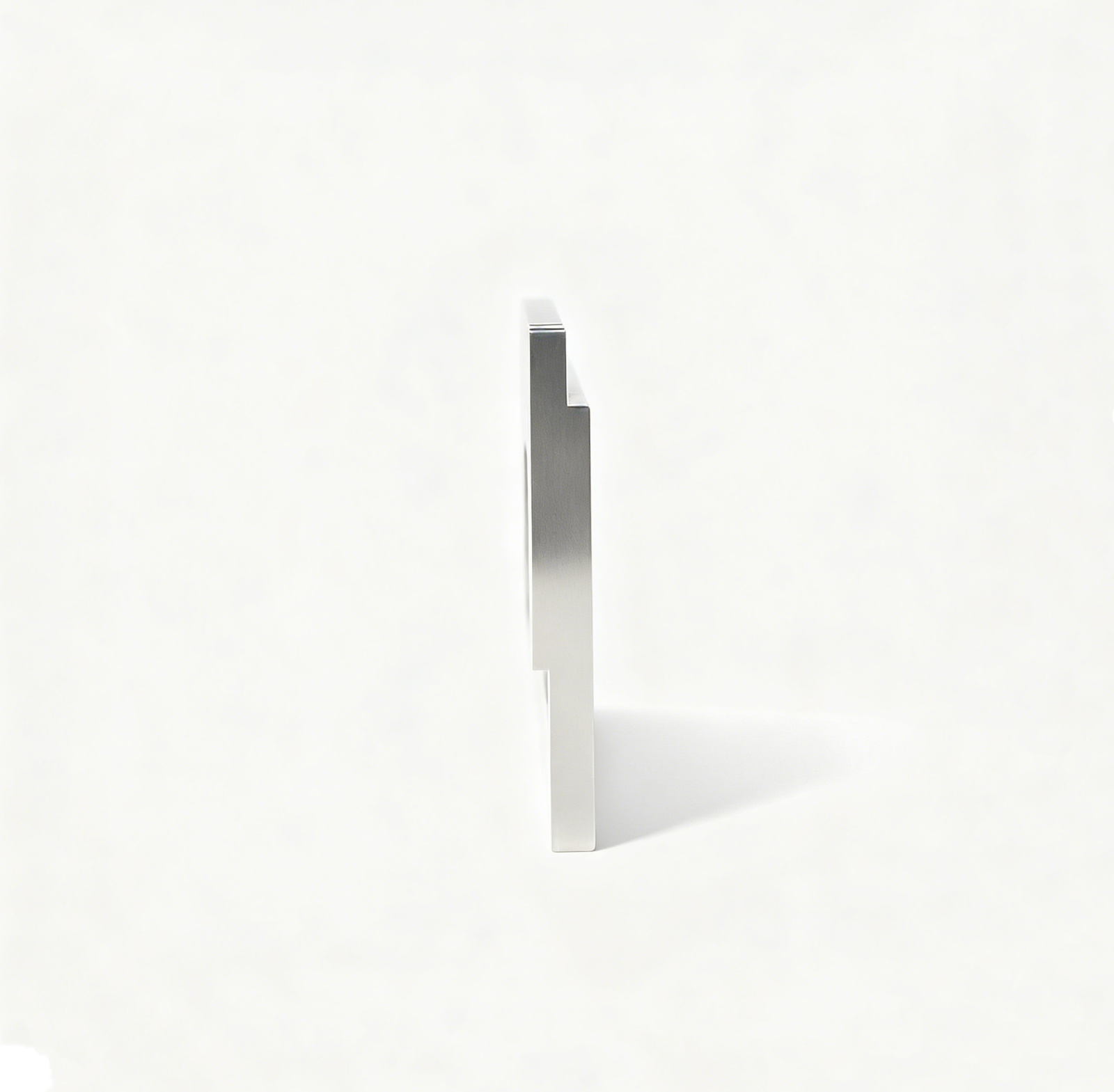
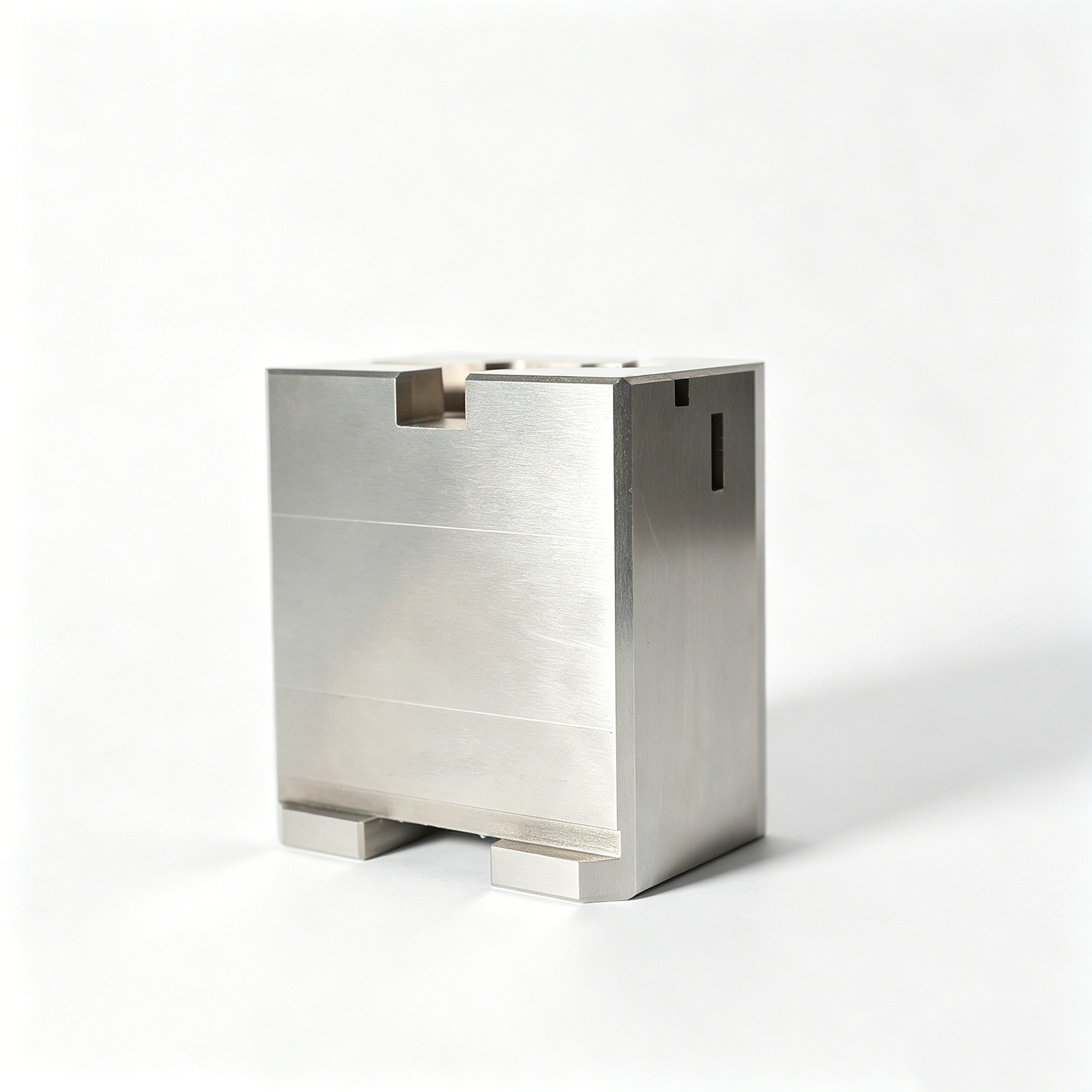
Representative Components for CNC Drilling Projects



Drawing-Based Parts: Request a Quote




Why Choose SUUXIANG CNC Drilling Services
A drawing-led workflow that connects hole-feature requirements with DFM, process planning, inspection, and visible project coordination.
Drawing-First Review
We review drawings, models, material requirements, quantities, and application context before aligning a quotation with manufacturability and production expectations.
Critical Dimensions Identified
Hole size, position, depth, datum references, surface requirements, and mating relationships are clarified to focus planning on functional features.
Process Route Planning
CNC drilling services are coordinated with milling, tapping, EDM, grinding, or fitting when the drawing and feature access require supporting operations.
Inspection Plan Alignment
Inspection methods and reporting expectations are discussed against critical features, helping ensure final documentation matches the order and verified plan.
Revision Control Visibility
Drawing revisions and production information remain visible through project coordination, reducing avoidable uncertainty when specifications change before or during manufacturing.
Delivery Requirements Coordinated
Target dates, quantities, packaging needs, and quality priorities are reviewed early so delivery coordination reflects the confirmed project requirements.
CNC Drilling for Mold and Tooling Components
Drawing-driven process routes for configurable precision parts, mold components, connector tooling and die components, reviewed against critical dimensions and inspection requirements.

CNC Machining Services
Precision CNC machining services for drawing-based custom parts, combining milling, turning, EDM, grinding and inspection according to material, geometry, critical dimensions and quantity requirements.
Upload a Drawing
CNC Milling
Custom CNC milling services for prismatic parts, mold plates, inserts and complex features. Drawing review addresses datum selection, tool access, machining allowance, surface requirements and inspection points before production planning.
Upload a Drawing
CNC Turning
Precision CNC turning services for rotational and cylindrical components, including shafts, pins, sleeves and locating features. Process planning considers concentricity, runout, thread details, material condition and any secondary milling or grinding needs.
Upload a Drawing
5-Axis Machining
5-axis CNC machining supports complex contours, angled features and multi-face access with fewer setups where the part geometry justifies it. Review focuses on fixture strategy, tool reach, datum control and inspectable critical features.
Upload a Drawing
Swiss & Micro Machining
Swiss machining and micro machining support small, detailed components where feature size, slender geometry and concentricity require controlled process planning. Submit drawings with material, critical dimensions, quantity and inspection expectations for feasibility review.
Upload a Drawing
Wire EDM Services & Sinker EDM Services
Wire EDM and sinker EDM services support profiles, narrow slots, sharp internal geometry and hardened-tooling features that are impractical to machine conventionally. Electrode strategy, wire path, recast-layer considerations and finishing requirements are reviewed by application.
Upload a Drawing
Precision Grinding
Precision surface and profile grinding supports controlled flatness, parallelism, profile accuracy and finishing stock after machining or heat treatment. The process route is defined around datum surfaces, grinding allowance and the required inspection method.
Upload a Drawing
Mold Core & Cavity Inserts
Precision mold core inserts and mold cavity inserts are produced from customer drawings and models, with machining, EDM, grinding and fitting planned around shutoff surfaces, cooling features, material condition and critical molding geometry.
Upload a Drawing
Ejector & Ejection Components
Ejector pins, sleeves and ejection components are configurable mold-part families, not stock SKUs. Requirements should define dimensions, fit, material, heat treatment, surface condition and mating-component context before the process route is confirmed.
Upload a Drawing
Core Pins, Guide & Locating Components
Core pins, guide pins and locating components are planned around functional fit, concentricity, wear surfaces and datum relationships. Drawings should identify critical dimensions, material and treatment requirements, plus the mating features that affect assembly.
Upload a Drawing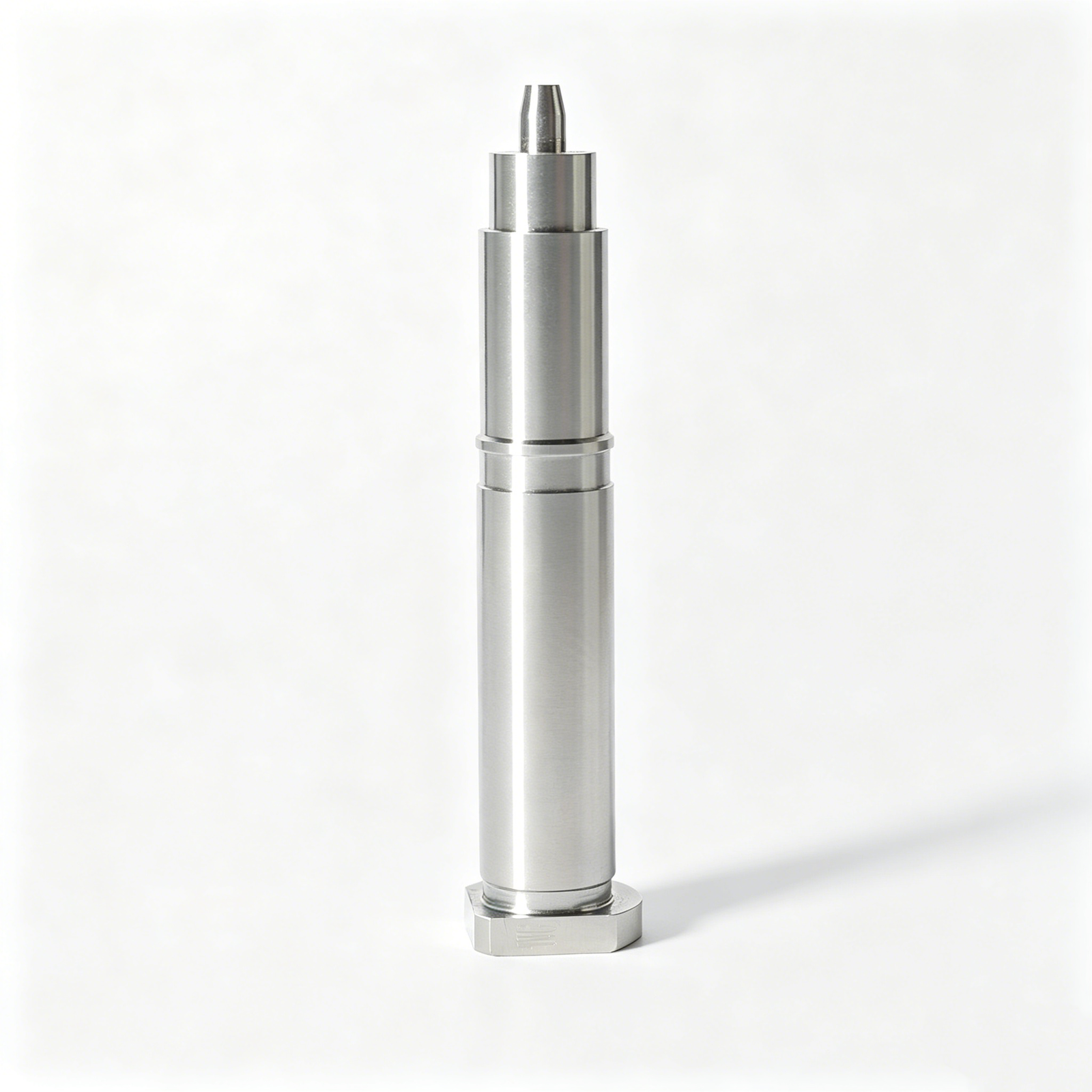
Slides, Lifters, Gates & Mold Accessories
Mold slides, lifters, gates and accessories are made to drawing-defined geometry and functional interfaces. Review considers travel or shutoff relationships, wear areas, EDM needs, fitting allowance, material condition and inspection requirements.
Upload a Drawing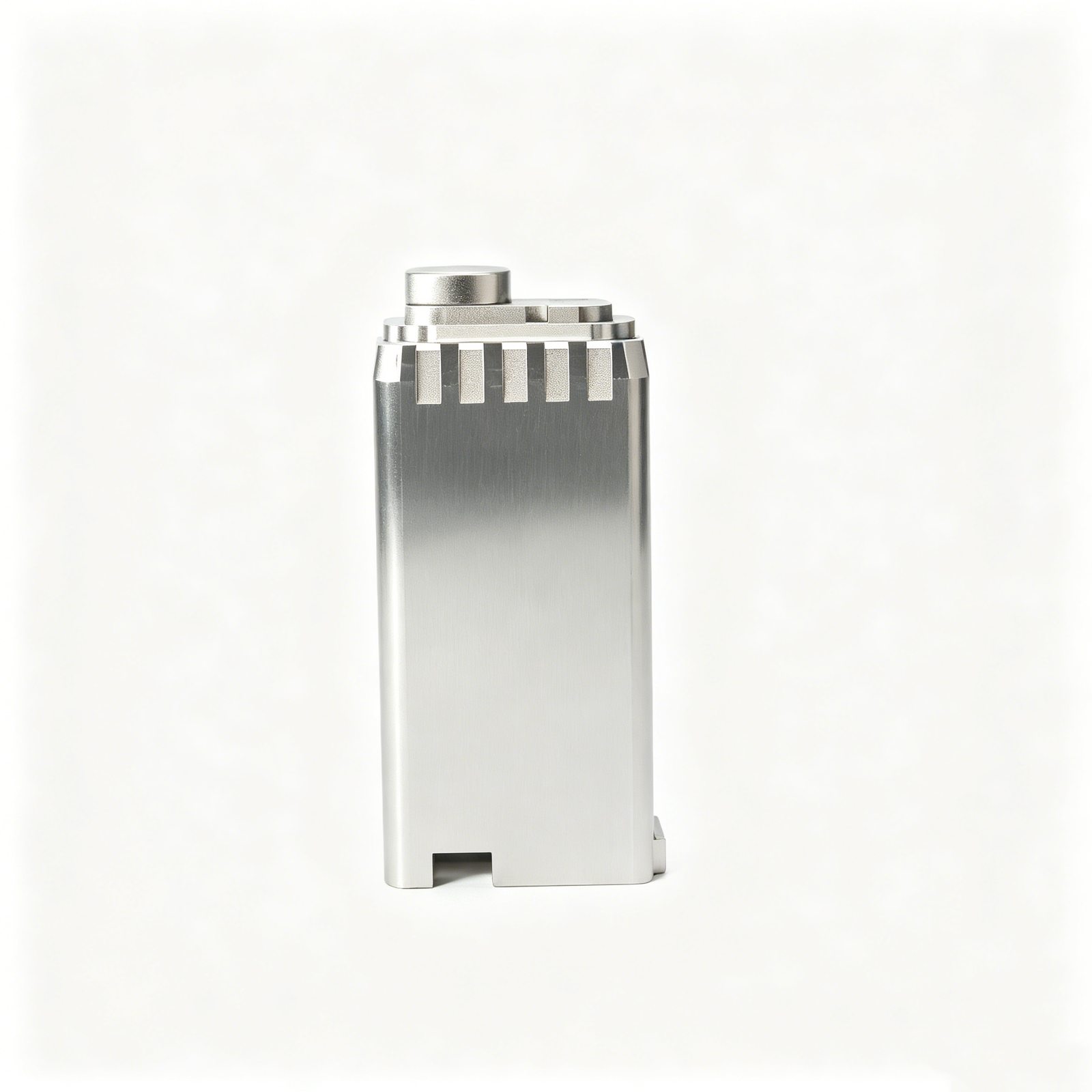
Connector Mold Components
Precision connector mold components require close control of small features, pitch relationships, alignment and repeatable datum strategy. SUUXIANG reviews the drawing, mating context, material and inspection priorities before committing to a manufacturing route.
Upload a Drawing
Stamping Die Components
Precision stamping die components are produced for drawing-defined cutting, forming, guiding and locating functions. Manufacturing planning considers material, hardness sequence, EDM or grinding requirements, clearances and dimensional verification for the intended die assembly.
Upload a Drawing
Injection Mold Components, MIM, CIM & Overmolding Tooling
Injection, MIM, CIM and overmolding tooling components are supported when requirements fall within verified production scope. Early review clarifies molding interfaces, critical geometry, material, surface requirements, fitting needs and inspection expectations.
Upload a Drawing
Machining Materials
CNC machining materials are selected from the drawing, application and downstream process requirements. Provide the specified grade, material condition, heat-treatment requirement and any traceability or certification documentation needed for the order.
Upload a Drawing
Surface Finishes & Heat Treatment
Surface finishing and heat treatment are planned as part of the manufacturing sequence, not added after geometry is fixed. Requirements should define finish, hardness, coating or treatment specifications, masking needs and dimensions affected by post-processing.
Upload a Drawing
Quality, Metrology & Documentation
Precision inspection, metrology and quality documentation are aligned to the drawing and agreed inspection plan. Define critical dimensions, datum references, reporting format, sampling expectations, traceability needs and revision status with the RFQ.
Upload a Drawing
Prototyping & Low-Volume Production
Rapid prototyping and low-volume manufacturing support drawing-driven evaluation, tooling development and controlled production quantities. Feasibility depends on geometry, material, process route, quality requirements, revision stability and target delivery date.
Upload a DrawingMaterials for CNC Drilling Services

Tool Steels
Common for mold cores, cavity inserts, and die components where drilling must be coordinated with hardness condition, EDM strategy, and subsequent grinding. Confirm the exact grade, heat-treatment sequence, and critical hole requirements.

Stainless Steels
Used for corrosion-resistant tooling and custom machined components requiring controlled hole quality and surface condition. Grade selection affects chip control, work-hardening behavior, tooling choice, and the inspection method for functional features.

Alloy Steels
Suitable for structural tooling, guide elements, and durable custom parts where strength and heat treatment matter. Drilling plans should account for material condition, blind-hole depth, tapping needs, and any post-machining hardening.

Aluminum Alloys
Often selected for fixtures, prototype parts, and lightweight tooling components requiring efficient machining. The alloy and temper influence burr control, thread strength, surface finish, and dimensional stability around drilled hole patterns.

Engineering Plastics
Applied to insulating, wear, or prototype components where drilling must avoid deformation and thermal damage. Confirm the polymer grade, wall thickness, hole tolerances, mating conditions, and inspection priorities before production planning.
Supporting Processes for CNC Drilling Services

CNC Milling
Milling can establish faces, pockets, locating features, and non-round openings around drilled holes. Fixture access, datum sequence, and remaining stock are reviewed so hole position supports the final component geometry.

CNC Turning
Turning supports rotational parts with concentric bores, shoulders, and threaded features. The process route is selected around datum control, wall thickness, and the relationship between drilled features and mating diameters.

Wire EDM
Wire EDM can cut precise profiles, slots, and internal contours after machining when conventional tool access is limited. The wire path, start-hole location, stock condition, and dimensional priorities require drawing review.

Sinker EDM
Sinker EDM may form cavities, sharp internal details, or deep features that are difficult to reach by cutting tools. Electrode strategy, material condition, surface requirements, and finishing allowance are assessed before production.
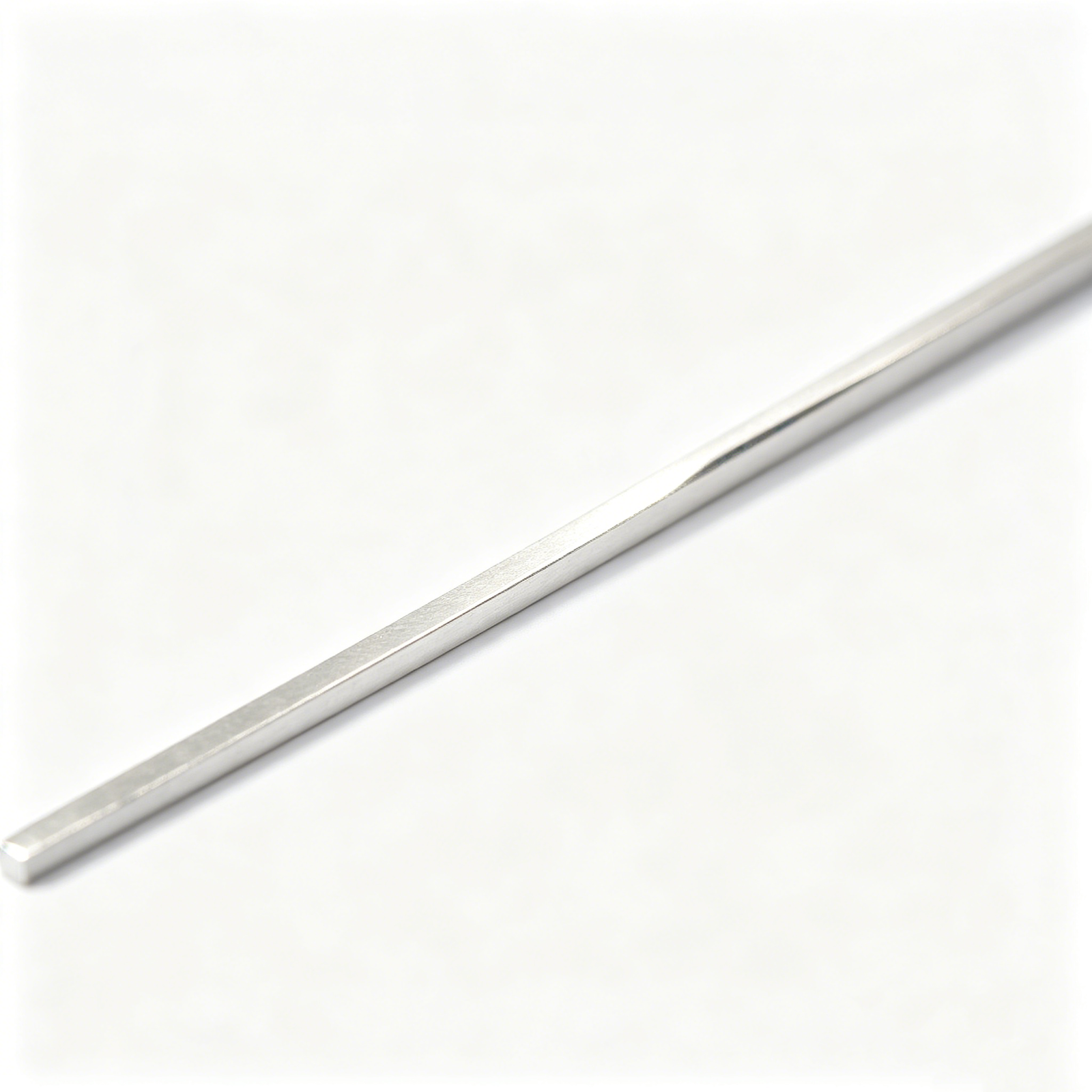
Precision Grinding
Precision grinding refines functional faces, diameters, and datum surfaces where the drawing calls for controlled geometry or surface condition. Grinding stock and heat-treatment sequence must be coordinated with the machining plan.

Fitting Inspection
Fitting and inspection verify that drilled features work with mating components and match the agreed inspection plan. Critical dimensions, measurement methods, revision status, and required documentation remain visible through project coordination.
CNC Drilling Services: Component Features and Finishing Options
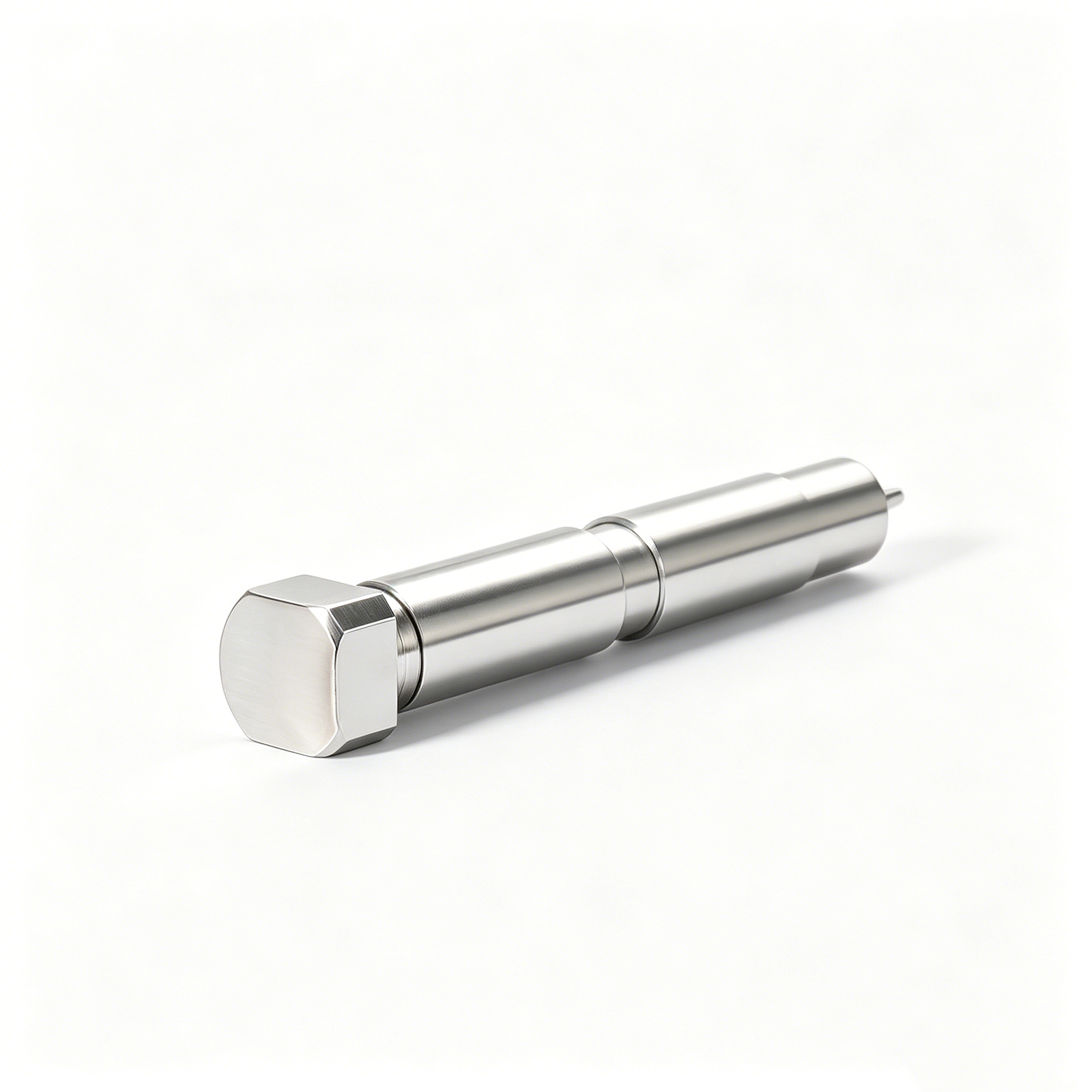
Threads and Tapping
Specify thread standard, size, pitch, class, engagement depth, blind-hole bottom condition, and any gauge requirement. These details determine drilling, tapping, deburring, and inspection planning for functional fastening interfaces.

Counterbores and Countersinks
Call out diameter, depth, angle, datum references, and mating fastener information for counterbores and countersinks. Clear feature definitions help control seating conditions, tool access, and burr removal around assembly-facing holes.

Locating Features
Dowel holes, reamed bores, and locating patterns should identify critical dimensions, positional tolerances, datum strategy, and mating-part context. SUUXIANG reviews these features for process sequence and inspection method before production commitment.

Surface Requirements
State surface finish, edge-break instructions, burr limits, coating or treatment requirements, and protected functional faces. Requirements are reviewed alongside material condition and machining sequence to avoid conflicts with fit or hole performance.
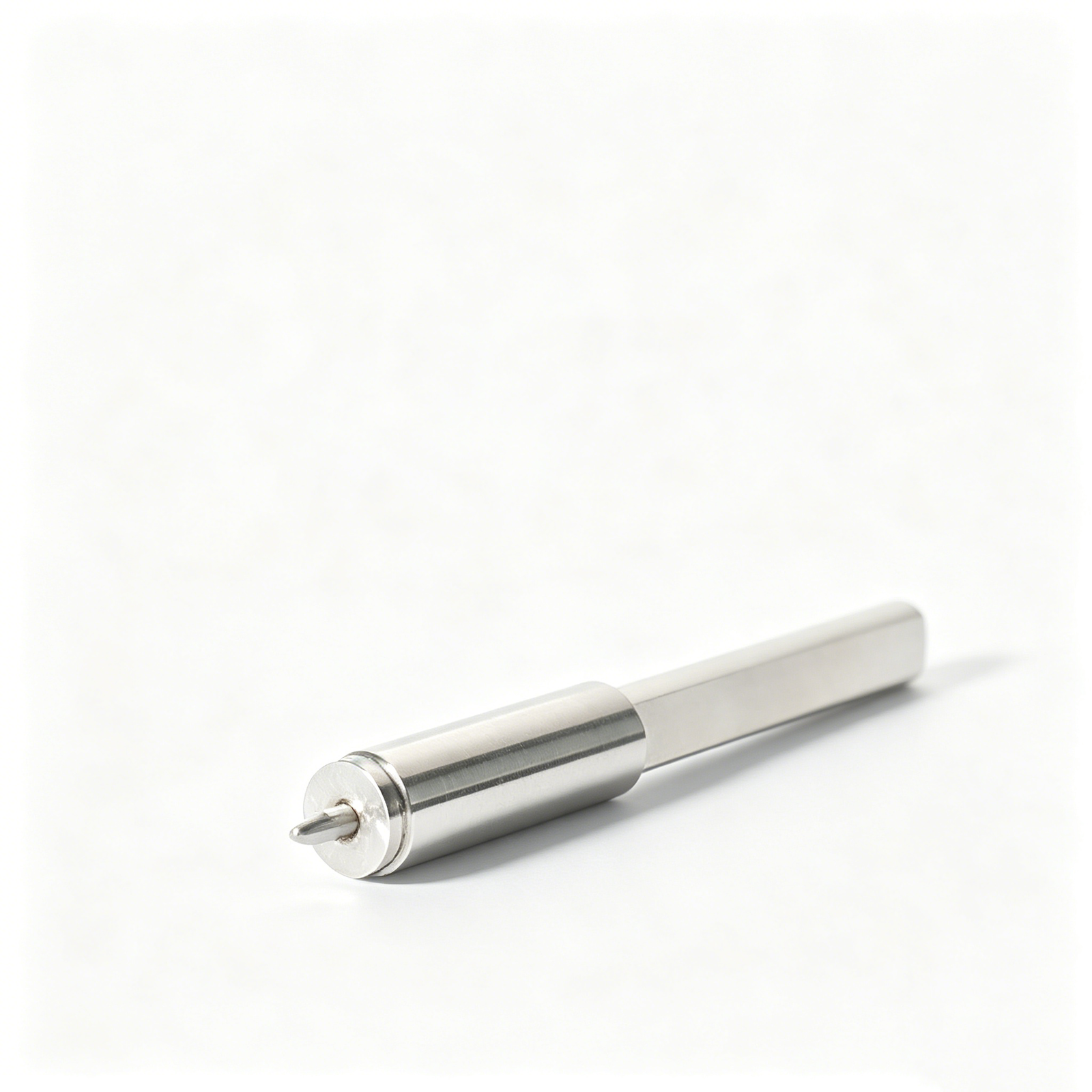
Markings and Documentation
Include part marking content, location, revision identification, inspection-report needs, and packaging requirements in the RFQ. Drawing-controlled documentation supports traceability between the released design, inspected features, and delivered components.
About SUUXIANG Precision Manufacturing
SUUXIANG is the international-facing brand of Dongguan SuuXiang Precision Mold Co., Ltd., established in 2010 in Chang’an Town, Dongguan, Guangdong, China. We help engineering, sourcing and quality teams convert drawings and specifications into inspected custom parts, precision mold components and connector-tooling components.
Our work combines CNC milling, turning and drilling with multi-axis machining, EDM, precision grinding, fitting and inspection. For CNC drilling services, project planning considers hole function, datums, tool access, depth, material behavior, secondary operations and the inspection method required by the drawing.
What differentiates SUUXIANG is a controlled, drawing-first workflow. Before quotation or production commitments, we review critical dimensions, tolerance stack, machining allowance, revision status, material and heat-treatment requirements, and reporting expectations so the proposed process route is appropriate to the verified project scope.

CNC Drilling Services: From DFM to Inspected Hole Features
DFM and Datum Review
Before quotation, SUUXIANG reviews the drawing, 3D model, hole callouts, datum scheme, material, and mating requirements. This early CNC drilling services review identifies tool access, edge-distance, depth, and tolerance-stack risks that can affect functional assembly.
- Confirm critical hole sizes, depths, and positional relationships
- Review datum references before machining strategy is set
- Flag access, wall-thickness, and feature-interaction concerns
- Align revision status and RFQ assumptions

EDM and Grinding Planning
A drilled feature may require more than a standard drilling cycle. Where geometry, hardened material, finish, or relationship to a mold feature demands it, SUUXIANG evaluates CNC machining, wire EDM, sinker EDM, and grinding as a coordinated process route.
- Assess whether drilling, milling, EDM, or grinding best serves the feature
- Plan machining allowance around heat treatment and finishing
- Consider electrode strategy, wire path, and fixture access
- Protect functional relationships between holes and precision surfaces
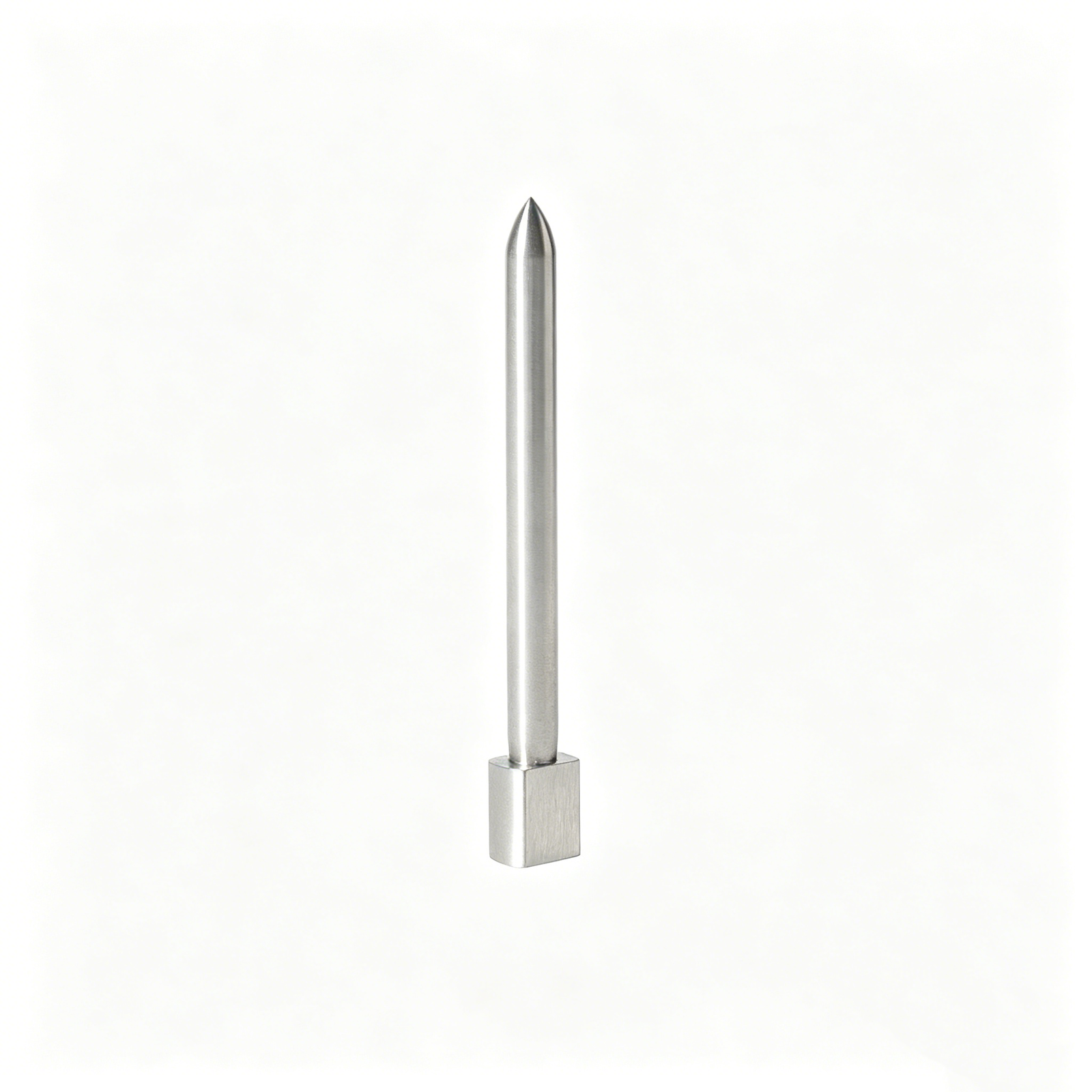
Critical-Dimension Control
For hole features that locate, guide, fasten, vent, or mate with another component, SUUXIANG focuses production discussion on the dimensions that govern fit. Tool selection, setup sequence, datum transfer, and secondary operations are considered against the approved drawing requirements.
- Identify critical-to-quality dimensions and feature relationships
- Review positional, depth, diameter, and surface requirements
- Sequence operations to reduce unnecessary re-clamping risk
- Escalate unclear drawing requirements before production commitment
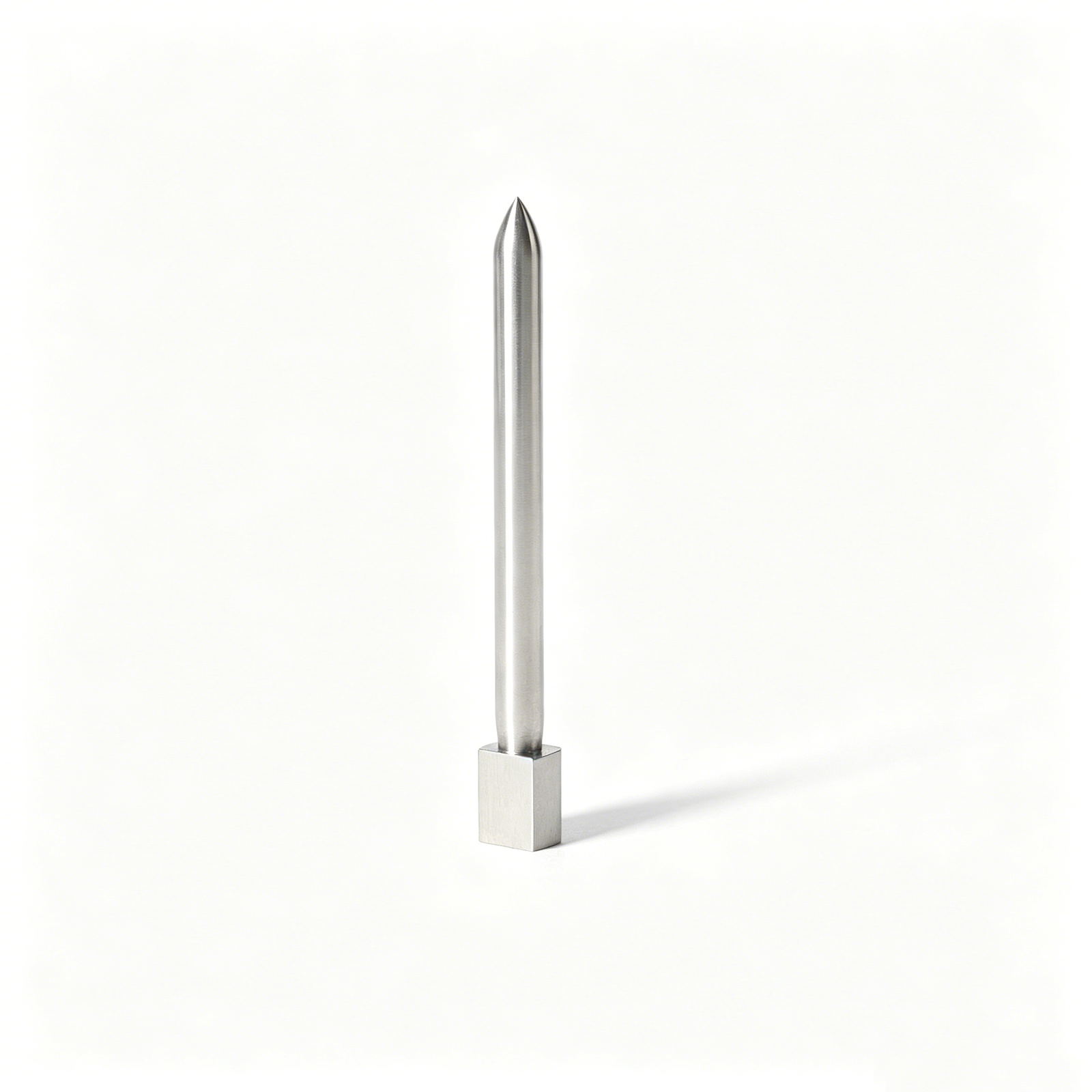
Inspection With Traceability
Inspection planning is tied to the order, drawing revision, and agreed quality requirements. SUUXIANG can align checks for relevant hole dimensions, locations, depths, and associated surfaces with the verified inspection method, while keeping revision and delivery information visible through the project.
- Match inspection points to agreed critical features
- Confirm required reports before work is released
- Maintain drawing-revision visibility through production
- Provide documentation consistent with the verified inspection plan

Why Choose SUUXIANG for CNC Drilling Services
A drawing-led workflow for critical hole features, controlled revisions, and inspection planning.
← Swipe left or right to view →
CNC Drilling Services: Controlled Production Workflow
A drawing-led path that keeps requirements, process decisions, inspection evidence and delivery coordination visible from review through shipment.
Review Drawing Requirements
We review the drawing, model, material, quantity, critical dimensions, datum references, hole requirements, surface priorities and requested inspection documentation before quotation.
Plan Process Route
The team evaluates tool access, drilling sequence, chip evacuation, EDM or grinding needs, heat-treatment order, machining allowance and practical inspection methods.
Confirm Production Details
Approved requirements are translated into controlled machining instructions, revision records and project communication checkpoints aligned with the agreed drawing and order scope.
Machine Critical Features
CNC drilling services are integrated with milling, turning, EDM, grinding or fitting where required to produce functional hole patterns and related component features.
Inspect Pack Coordinate
Finished parts are checked against the verified inspection plan, documented as required, protected for shipment and coordinated with current delivery instructions.
Start Your CNC Drilling Services RFQ
Provide the technical inputs needed to review hole features, plan inspection, and release a controlled order.
Upload Your Drawings
Send the 2D drawing and available 3D model, including revision status, hole callouts, datums, critical dimensions, and any mating-component context.
Define Material Requirements
Specify material, heat treatment, quantity, target delivery date, and relevant application conditions so the proposed machining route reflects the actual part requirement.
Align Quality Priorities
Identify dimensional, surface, positional, and reporting priorities. SUUXIANG reviews inspection expectations, tolerance risks, tool access, and any EDM or grinding requirements.
Review Sampling or Production
Discuss prototype, sample, or production needs before release. Confirm DFM feedback, process approach, revision control, acceptance criteria, and delivery coordination.
Release the Order
Approve the agreed drawing revision, manufacturing scope, inspection plan, quantity, and delivery requirements to begin controlled CNC drilling services production.
Certifications and Documentation for CNC Drilling Services
CNC Drilling Services: Customer Project Evidence
No customer testimonial is published for this CNC drilling project category until the customer, outcome, and supporting inspection evidence have been approved for public use.
SUUXIANG publishes project feedback only when the quoted result, drawing revision, quantity, and inspection context can be verified and cleared for customer attribution.
For drawing-based CNC drilling work, useful customer evidence should identify the measured outcome, critical hole requirement, batch quantity, and communication or delivery criterion behind the result.
CNC Drilling Services FAQ
Practical answers for engineering, sourcing and quality teams preparing a drawing-based inquiry.
What information do you need to quote cnc drilling services?
Is there a minimum order quantity for cnc drilling services?
How long do cnc drilling services take?
Can SUUXIANG provide samples before a production order?
What hole tolerances can you hold?
Can you provide inspection reports for drilled parts?
How are payment and international shipping handled?
How do you protect drawings and project IP?
The Complete Buyer’s Guide to cnc drilling services
Use this decision framework to define functional hole requirements, compare capable suppliers, control total cost, and avoid drawing, inspection, and sourcing mistakes when purchasing precision CNC-drilled OEM parts.
1. What Are cnc drilling services?
CNC drilling is programmed holemaking in which a controlled spindle follows the locations, depths, and sequence defined by the approved drawing and machining program. For drawing-based parts, its value is repeatable placement rather than simply making a round opening.
Manual drilling relies more directly on operator positioning and judgment, so it is generally unsuitable when hole-to-datum relationships drive fit. CNC drilling commonly sits within a larger route: milling establishes faces and datums, turning produces rotational geometry, and drilling creates the initial hole.
A drilled feature may then require tapping for threads, reaming for a finished-size hole, or boring when geometry and size control demand a different finishing method. The buyer’s question is functional: can the specified hole support fastening, assembly alignment, a fluid path, or connector performance after tolerances, mating parts, and inspection method are reviewed?
2. Evolution of cnc drilling services
Before the 1950s, manual drills and drill jigs established hole location through layouts, bushings, fixtures and operator discipline. They remain useful for simple work, but a drawing change can require revised setup documentation and physical tooling.
In the 1950s, numerical control moved machine axes by programmed coordinates, separating repeatability from hand positioning. Modern cnc drilling services extend that principle with stored programs, peck and dwell cycles, tool offsets, and machining-center tool changes that can combine drilling with tapping, reaming, boring or milling in one controlled setup.
Today, 2D drawings, 3D CAD models and CAM data give OEM teams a digital thread from released revision to programmed hole pattern and inspection plan. For repeat orders, buyers should identify datum references, coordinate systems, feature callouts and revision status explicitly; otherwise a correct program can repeatedly manufacture an obsolete configuration.
3. Types of cnc drilling services
Hole type determines more than drill diameter: it sets datum references, tool approach, and inspection method. For cnc drilling services, send the feature callout with functional mating context before quoting.
Through And Blind Holes
One through hole supports fasteners, pins, or fluid passage; provide diameter, entry datum, exit condition, and burr limit. Breakout can damage an exit face, while blind holes require usable depth, bottom form, and chip-clearance space.
Stepped And Countersunk Holes
Two-diameter counterbores seat screw heads or shoulders; define both diameters, depths, concentricity, and the controlling datum. Countersinks need included angle, major diameter, and finish requirement because tool runout changes seating contact.
Angled And Deep Holes
Angled holes route fasteners or passages; specify the angle from a named datum plane and accessible tool direction. Deep holes need depth-to-diameter review, drilling cycle expectations, and exit tolerance because chip evacuation and drill deflection increase risk.
Drilled And Tapped Features
Threaded holes join components without separate nuts; provide thread standard, class, engagement length, pilot depth, and whether threads run through. Tap access, bottom clearance, and chips trapped in blind threads should be reviewed against the mating fastener.
4. Materials for cnc drilling services
Material choice sets drill geometry, coolant strategy, chip control, and inspection risk before a route is quoted. For cnc drilling services, specify grade, temper or heat treatment, wall thickness, and finish-critical holes on the drawing.
| Material Group | Drilling Consideration | Planning Impact |
|---|---|---|
| Aluminum alloys | Built-up edge, burrs | Sharp tools; protect finish |
| Carbon/alloy steels | Heat and chips | Coolant; wear control |
| Stainless steels | Work hardening | Stable feed; inspection |
| Brass/copper alloys | Smear or exit burr | Deburr planning |
| Titanium | Heat retention | Lower productivity |
| Engineering plastics | Wall deflection | Support and verify |
| Mold-tool steels | Hardness | Carbide, EDM, or grinding |
Material Behavior At The Drill
Aluminum clears readily but can form built-up edge; sharp polished tools protect finish. Carbon and alloy steels need heat-managed cutting and reliable chip breaking.
Stainless and titanium retain heat, so conservative feeds and stable coolant delivery matter. Brass and copper may burr or smear, requiring controlled exit support.
Hard Materials And Thin Walls
Hardened mold-tool steels may require carbide drilling, EDM planning, or grinding after heat treatment. Tool wear and hole-location verification should be planned around critical datums.
Thin walls reduce drilling stability in metals and engineering plastics. Clamping, tool entry, breakout control, and deformation checks can add setups and lead time.
Finish And RFQ Evidence
Finish-sensitive holes may need reaming, boring, deburring, or a specified surface requirement after drilling. These secondary operations affect achievable geometry, inspection method, cost, and schedule.
SUUXIANG should review material certification, heat-treatment sequence, mating function, and report needs against the drawing. Confirm the process route before committing to tolerance or delivery expectations.
5. Custom Hole Features and Finishes
A hole’s nominal diameter alone does not define assembly performance. For cnc drilling services, the drawing should identify functional secondary features separately from cosmetic requirements and avoid unnecessary controlled operations.
Threads And Lead-Ins
One thread callout should state standard, class, depth, and blind or through condition. Specify a lead-in chamfer only when it aids engagement; otherwise it creates another controlled feature.
Fit And Seating Features
One locating hole should be reamed after drilling when a pin needs repeatable fit. Bore when diameter, roundness, or alignment warrants it; a clearance hole normally does not justify either process.
Two mating faces may need a spotface for fastener seating or a counterbore for head clearance. Confirm the fastener geometry before adding either feature.
Edges, Finish, And Protection
One edge-break note should distinguish deburring from a defined chamfer, especially near seals or connector contacts. Specify surface finish and marking only where mating, handling, or traceability requires them.
One coating callout must state thickness, coverage, and masked surfaces before release. Plating can tighten threads and alter fits, so define pre- or post-finish limits and protect critical datum surfaces.
6. Quality Elements in cnc drilling services
Functional-hole acceptance begins with the drawing’s feature callouts, datums, and mating function. In cnc drilling services, a measured diameter alone cannot demonstrate an assembly-ready hole.
Dimensions And Orientation
Diameter, depth, location, perpendicularity, and specified angle should be evaluated against the stated datum scheme. True position is meaningful only when the referenced datums are established consistently.
Hole depth needs a defined measurement reference, especially for blind holes and counterbores. Tool access, depth-to-diameter ratio, material, and secondary finishing route affect the process plan.
Threads And Edges
Thread quality includes correct size, pitch, engagement depth, and acceptance method such as a suitable GO/NO-GO gauge. A tapped hole also requires its chamfer, runout, and functional engagement condition to be clear.
Edge condition should specify allowable burrs, break-edge requirement, and any prohibition on raised material. Surface condition inside the hole may require a stated finish or visual criterion when sealing, insertion, or electrical contact matters.
Inspection Evidence
First-article inspection should confirm critical hole features before repeating production. In-process checks can target features most exposed to tool wear, chip evacuation, setup shift, or tapping variation.
Final inspection records should identify the revision, measurement method, actual results, and any agreed sampling basis. SUUXIANG can align the inspection plan to the drawing and verified order requirements during review.
7. How to Choose cnc drilling services Suppliers
Supplier selection should begin with the drawing, not a quotation total. For prototype and low-volume cnc drilling services, assess whether the supplier converts functional requirements into a documented process plan.
Test The Drawing Review
2D drawings and 3D models should be reviewed together against datums, hole callouts, threads, depths, and mating features. Ask which dimensions are critical, what tool-access risks exist, and which assumptions require written confirmation.
Match Process To Features
1 comparable part is more useful than a broad capability list. Request relevant material, hole-depth, angled-feature, reaming, tapping, fixturing, and deburring experience; then ask how the proposed machine, tooling, and sequence control those features.
Verify Control Before Award
3 records can clarify readiness: a DFM response, a first-article or sample plan, and an inspection-report example. Confirm revision control, lot traceability where required, communication owner, capacity assumptions, protective packaging, and written approval before any process change.
8. Common CNC Drilling Sourcing Mistakes
Eight recurring RFQ omissions turn a simple hole pattern into a fit, quality, or schedule problem. Resolve them during drawing review, before process routing and quotation are released.
Define Hole Intent
1 callout should state diameter, tolerance, depth or through condition, counterbore or countersink, and applicable surface requirement.
2 datums must locate functional holes; coordinate dimensions without a datum scheme can shift mating features.
Specify The Required Process
1 drilled hole is not automatically a reamed or bored bore. If fit matters, identify the final size, tolerance, surface expectation, and process freedom.
2 thread callouts need the standard, size, pitch, class, depth, and through or blind condition. This prevents mismatched mating hardware.
Review Access And Depth
3 depth-to-diameter ratio, chip evacuation, workholding, and tool approach affect stability and cost. Share cross-sections and adjacent-feature geometry for DFM review.
4 burr limits and edge-break requirements belong on the drawing. Unspecified edges can create assembly interference or handling hazards.
Buy Against Verified Evidence
5 lowest piece price can omit secondary operations, inspection time, or revision control. Compare quotations against the same material, process route, and delivery assumptions.
6 inspection expectations should name critical dimensions, sampling or full inspection, report format, and traceability needs. SUUXIANG can align the inspection plan to the approved order.
9. Launching a CNC-Drilled Part Project
A controlled launch for cnc drilling services starts with one unambiguous technical package. SUUXIANG uses the drawing review to align process, inspection, revision, and delivery expectations before production.
Prepare The RFQ Package
One RFQ should include the released 2D drawing, 3D CAD model, material, heat treatment, finish, quantity, destination, and required delivery date.
Two lists prevent costly assumptions: identify critical dimensions and mating features, then state measurement records, sampling, packaging, and application context.
- Approved revision and change history
- Hole callouts, datums, and surface requirements
- OEM, mold, connector-tooling, or low-volume use
Close The DFM Review
One DFM review should resolve tool access, hole depth, datum setup, chip evacuation, secondary reaming or tapping, and any EDM or grinding interaction.
Two parties should record clarifications before quotation, including accepted alternatives, inspection method, prototype quantity, and the revision to be manufactured.
Approve Production Evidence
One prototype or first article verifies the agreed drawing, critical characteristics, finish, and inspection plan before a pilot run.
Two approvals matter for repeat orders: the accepted first-article record and the controlled revision. Subsequent releases should reference both, with quantity and delivery changes confirmed in writing.
10. CNC Drilling Pricing and Cost Drivers
2D drawings and 3D models let suppliers price the same revision, datum scheme, material condition, quantities, and inspection plan. Without that baseline, quoted unit prices are not comparable because programming, fixtures, and routing differ.
1 consolidated release or planned batch can spread setup, prove-out, and first-article effort across more parts. DFM changes—standardizing diameters, reducing deep-hole risk, and combining compatible operations—can lower total cost without weakening functional requirements.
| Quantity tier | Setup effort | Material and hole complexity | Secondary operations | Tolerance, inspection, finish | Lead-time effect |
|---|---|---|---|---|---|
| 1–5 prototypes | Highest per part | Specialty material, many diameters, deep or angled holes increase cost | Reaming, tapping, deburring, EDM, or grinding add operations | Tight positional control, reports, and finishing add planning | Expedite requests may require schedule review |
| 6–50 parts | Setup spread across batch | Common material and repeated hole patterns improve efficiency | Group compatible features in one routing | Define CTQ features and report scope before quotation | Planned dates support more economical scheduling |
| 51–250 parts | Lower setup share | Stable stock size and standardized tools reduce changeovers | Batch secondary work where feasible | Use sampling only when the drawing and quality plan permit it | Forecast releases reduce interruption risk |
| 250+ planned parts | Requires capacity and process review | Hole count, depth-to-diameter ratio, and tool life drive cycle cost | Consider dedicated workholding only after volume review | Agree traceability, inspection frequency, and revision control | Blanket releases can improve scheduling visibility |
CNC Drilling Services: Submit Your Drawing for Review
Upload drawings, models, material, quantity, quality requirements, and target delivery date for a project-specific DFM and quotation review.