
CNC Pocket Milling Services for Precision Parts
Submit your drawing for CNC pocket milling services planned around critical dimensions, tool access, inspection needs, and revision control.
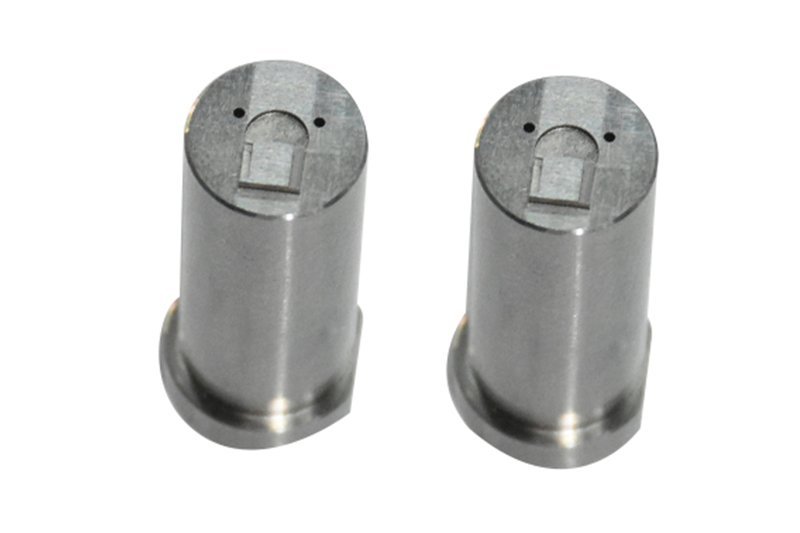
Representative CNC Pocket-Milling Components
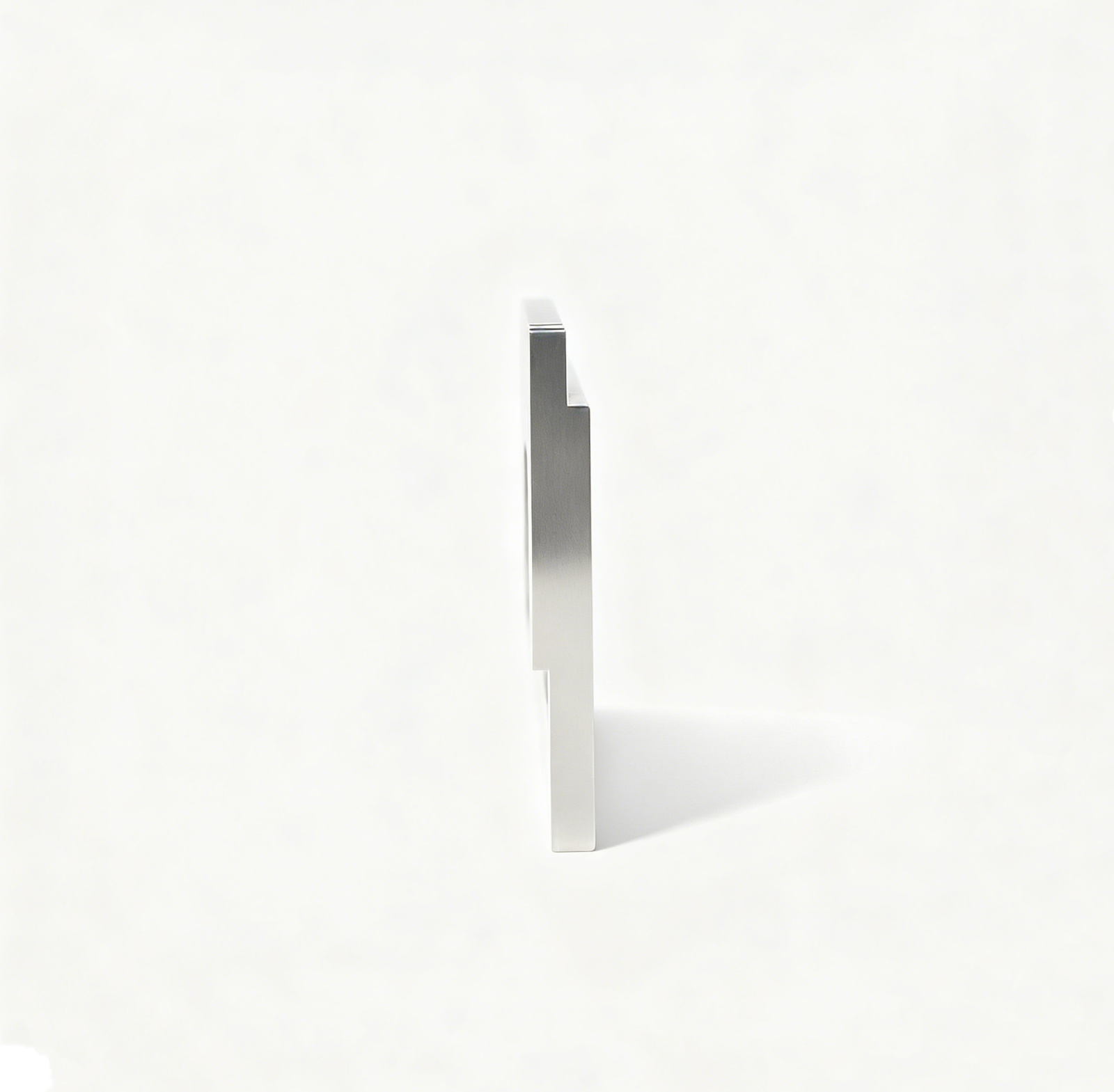


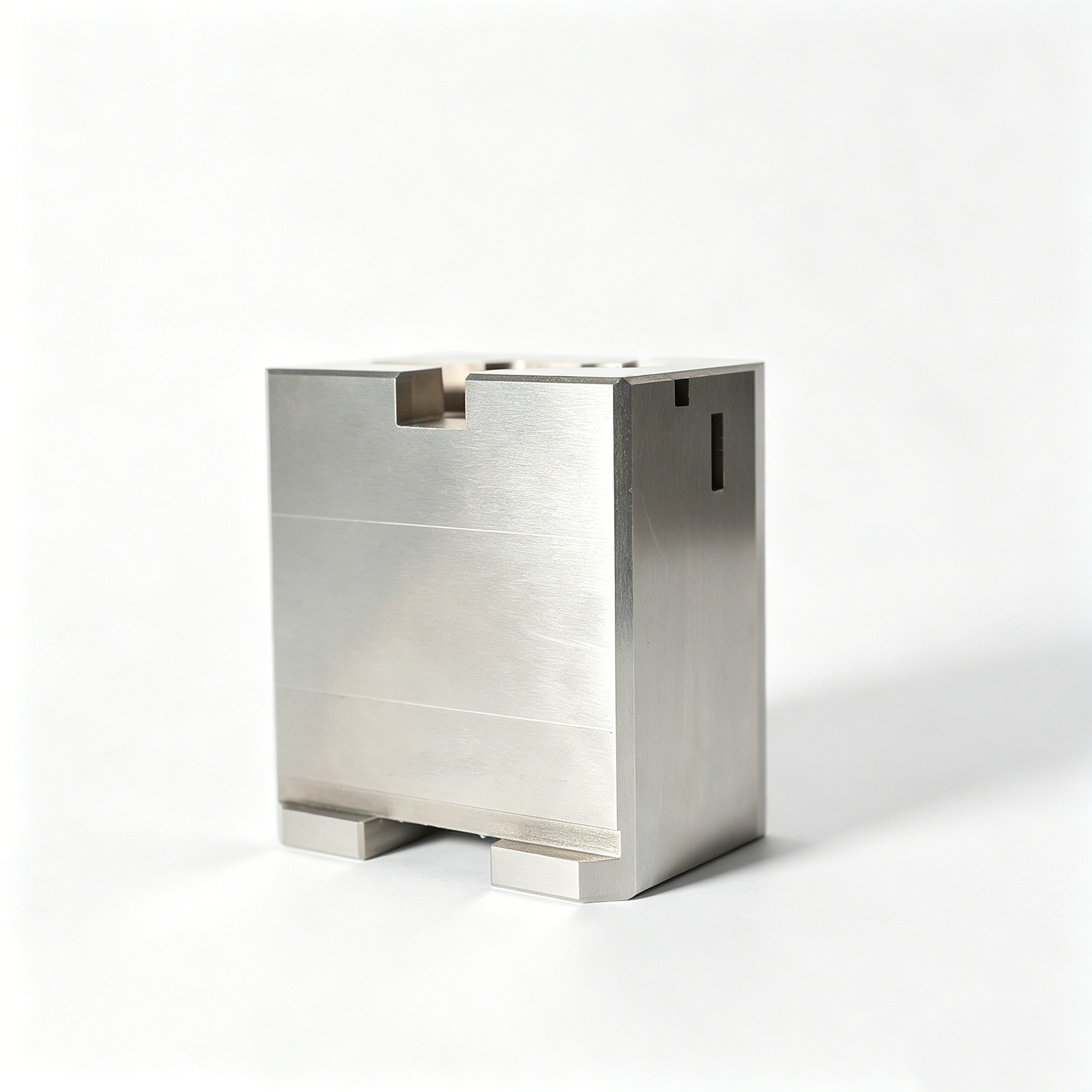
Related Drawing-Defined Components



Why Teams Choose Our CNC Pocket Milling Services
Drawing-led planning aligns pocket geometry, critical dimensions, process routing, inspection, and revisions before production commitments are made.
Drawing-First Review
We review drawings and available models to clarify pocket geometry, datums, material requirements, and manufacturing questions before quotation.
Practical DFM Input
DFM discussion identifies tool access, internal radii, depth-to-width concerns, machining allowance, and features that may require a revised approach.
Critical Dimensions Planned
Critical-to-quality dimensions, tolerance relationships, datum references, and surface priorities are identified so the process route supports functional intent.
Coordinated Process Routes
CNC milling can be coordinated with EDM, precision grinding, fitting, and secondary operations when the drawing and verified project scope require them.
Inspection Method Alignment
Inspection expectations are discussed early, including report requirements, measurement priorities, and documentation needed to match the agreed verification plan.
Revision Visibility
Drawing revisions, project decisions, and delivery information remain visible through coordinated communication, helping teams avoid producing against outdated requirements.
Precision Parts and Tooling Families
Drawing-driven process routes for configurable components, from DFM review through machining, inspection, and documented delivery.

CNC Machining Services
Precision CNC machining services for drawing-based custom machined parts that require a defined process route, critical-dimension review, material confirmation, and an inspection plan matched to the order.
Upload a Drawing
CNC Milling
Custom CNC milling services for prismatic parts, plates, inserts, pockets, and complex profiles. Tool access, datum selection, fixture strategy, and machining allowance are reviewed before production planning.
Upload a Drawing
CNC Turning
Precision CNC turning services for shafts, pins, bushings, sleeves, threaded features, and rotational components. Quotations should identify concentricity, runout, surface, material, and inspection requirements.
Upload a Drawing
5-Axis Machining
5-axis CNC machining supports multi-face geometry and features with challenging access. Process planning evaluates orientation, cutter reach, clamping, datum transfer, and whether later EDM or grinding is required.
Upload a Drawing
Swiss & Micro Machining
Swiss machining and micro machining support small-diameter, long, or detail-intensive components where handling, concentricity, burr control, and measurement strategy materially affect the result.
Upload a Drawing
Wire & Sinker EDM
Wire EDM and sinker EDM services address hardened materials, sharp internal geometry, fine slots, blind details, and features beyond practical milling access. Electrode design, wire path, recast considerations, and finish requirements require review.
Upload a Drawing
Precision Grinding
Precision surface and profile grinding supports controlled flatness, parallelism, profile accuracy, and final-size finishing. Grinding stock, heat-treatment sequence, datum condition, and inspection method should be defined in the drawing review.
Upload a Drawing
Mold Core & Cavity Inserts
Precision mold core and cavity inserts are produced as configurable tooling components from approved drawings. Machining, EDM, grinding, fitting interfaces, cooling features, steel condition, and critical molding surfaces are planned together.
Upload a Drawing
Ejector & Ejection Components
Ejector pins, sleeves, and ejection components are assessed for fit, clearance, guidance, material condition, and surface requirements. The intended mold cycle and mating-component details help establish a practical manufacturing route.
Upload a Drawing
Core Pins, Guide & Locating Components
Core pins, guide pins, and locating components require controlled interfaces between mold elements. Drawing review focuses on functional datums, positional relationships, wear surfaces, hardness requirements, and the inspection evidence needed.
Upload a Drawing
Slides, Lifters, Gates & Mold Accessories
Mold slides, lifters, gates, and accessories are supplied as drawing-defined component families. Travel interfaces, shutoff geometry, wear areas, machining access, fitting stock, and assembly relationships should be clarified before manufacture.
Upload a Drawing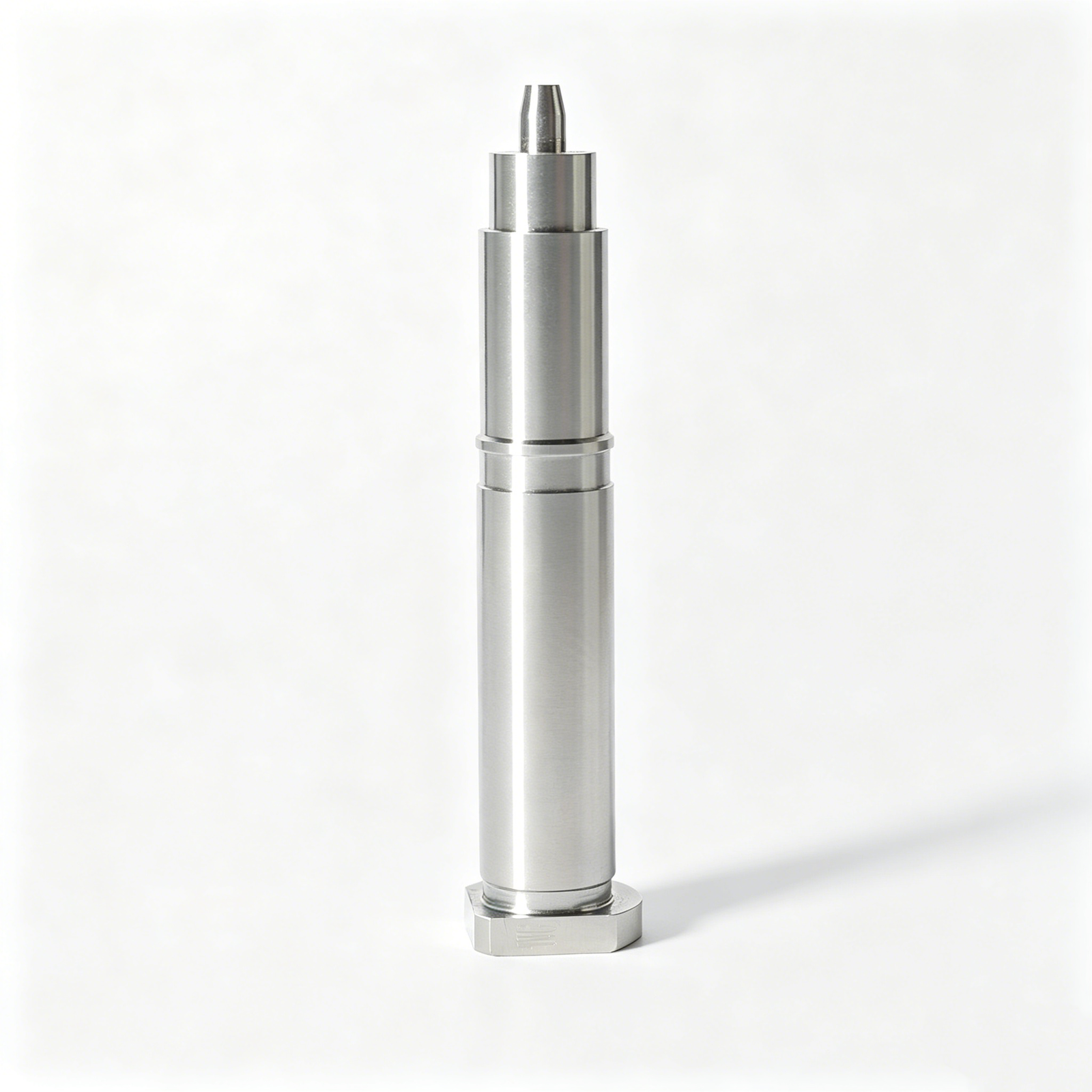
Connector Mold Components
Precision connector mold components support tooling where pitch, alignment, insert geometry, fine features, and repeated mating conditions are central. SUUXIANG reviews critical dimensions, EDM needs, material treatment, and inspection requirements.
Upload a Drawing
Stamping Die Components
Precision stamping die components are planned around cutting, forming, guiding, and locating functions. Material condition, heat treatment, grinding sequence, edge requirements, clearance relationships, and mating-die context should accompany the RFQ.
Upload a Drawing
Injection, MIM, CIM & Overmolding Tooling
Injection mold components and tooling for MIM, CIM, and overmolding are evaluated within verified production scope. The review considers material-flow surfaces, insert interfaces, venting or gating geometry, shrinkage context, and specified quality controls.
Upload a Drawing
Machining Materials
CNC machining materials are selected against the drawing, application, machining route, heat-treatment needs, corrosion exposure, and inspection requirements. Material grade and condition must be confirmed before production commitment.
Upload a Drawing
Surface Finishes & Heat Treatment
Surface finishing and heat treatment are specified as functional requirements, not generic add-ons. Sequence, masking, dimensional change, hardness targets, corrosion resistance, appearance, and post-treatment inspection need clear definition.
Upload a Drawing
Quality, Metrology & Documentation
Precision inspection, metrology, and quality documentation are planned around critical dimensions and agreed acceptance criteria. Requirements may include dimensional reports, material records, revision traceability, and inspection methods appropriate to the part.
Upload a Drawing
Prototyping & Low-Volume Production
Rapid prototyping and low-volume manufacturing support design validation, tooling trials, bridge quantities, and controlled revisions. A useful RFQ identifies the drawing revision, material, quantity, critical features, inspection needs, and target delivery date.
Upload a DrawingMaterials for CNC Pocket Milling Services

Tool Steels
Commonly considered for mold inserts, cores, and wear-sensitive tooling. Machinability changes with grade and hardness; rough pocketing, heat-treatment sequence, finishing allowance, and EDM or grinding requirements should be reviewed from the drawing.

Stainless Steels
Often specified for corrosion-resistant components, fixtures, and selected mold applications. Alloy grade affects cutting behavior and finish response, while deep pockets may require careful tool access, chip evacuation, and inspection planning around critical datums.

Aluminum Alloys
A practical choice for lightweight fixtures, prototype components, and selected tooling applications. Its generally favorable machinability supports efficient pocket clearing, but alloy, wall thickness, surface requirements, and any post-machining treatment need confirmation during DFM review.

Carbon Steels
Used for structural components, tooling elements, and applications where material strength and cost require balancing. Grade, supply condition, and planned heat treatment influence machining allowance, distortion risk, pocket finish strategy, and final inspection requirements.

Copper Alloys
Considered for electrical features, thermal-management parts, and specialized tooling details. Brass and copper alloys differ significantly in cutting behavior; the drawing review should confirm alloy, pocket geometry, burr-control expectations, surface condition, and mating requirements.
CNC Pocket Milling Services: Supported Processes

CNC Pocket Milling
CNC milling removes material within defined boundaries to create cavities, steps, and internal profiles. Tool access, corner radii, wall stiffness, and finishing allowance are reviewed to support the required pocket geometry.


Wire EDM
Wire EDM may support narrow slots, sharp internal profiles, and hardened features where conventional cutter access is limited. Wire path, start-hole location, corner requirements, and inspection datums should be defined before planning.

Sinker EDM
Sinker EDM can form deep or detailed cavity features using a planned electrode strategy. Electrode wear, finish expectations, spark clearance, and downstream fitting requirements are considered alongside the drawing’s critical dimensions.
Precision Grinding
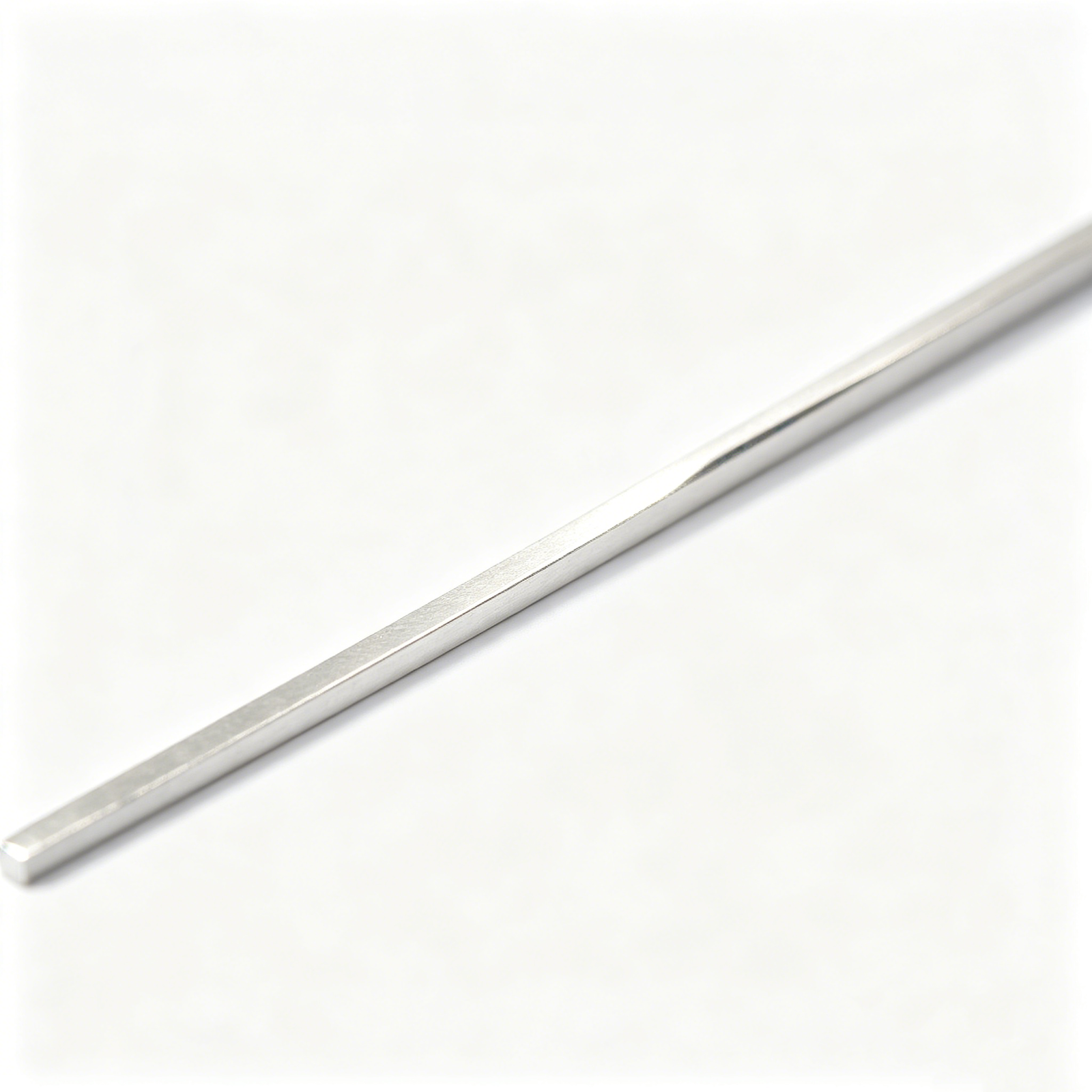
Precision grinding may follow machining or EDM when flatness, parallelism, or controlled stock removal is required. Grinding allowance, heat-treatment sequence, datum protection, and inspection method are reviewed as part of the route.

Fitting Inspection
Fitting and inspection confirm how pocket-milled features relate to mating components and specified datums. The inspection plan is aligned to drawing priorities, revision status, reporting needs, and the verified requirements for the order.
CNC Pocket Milling Services: Secondary Features and Component Details
Threaded Features
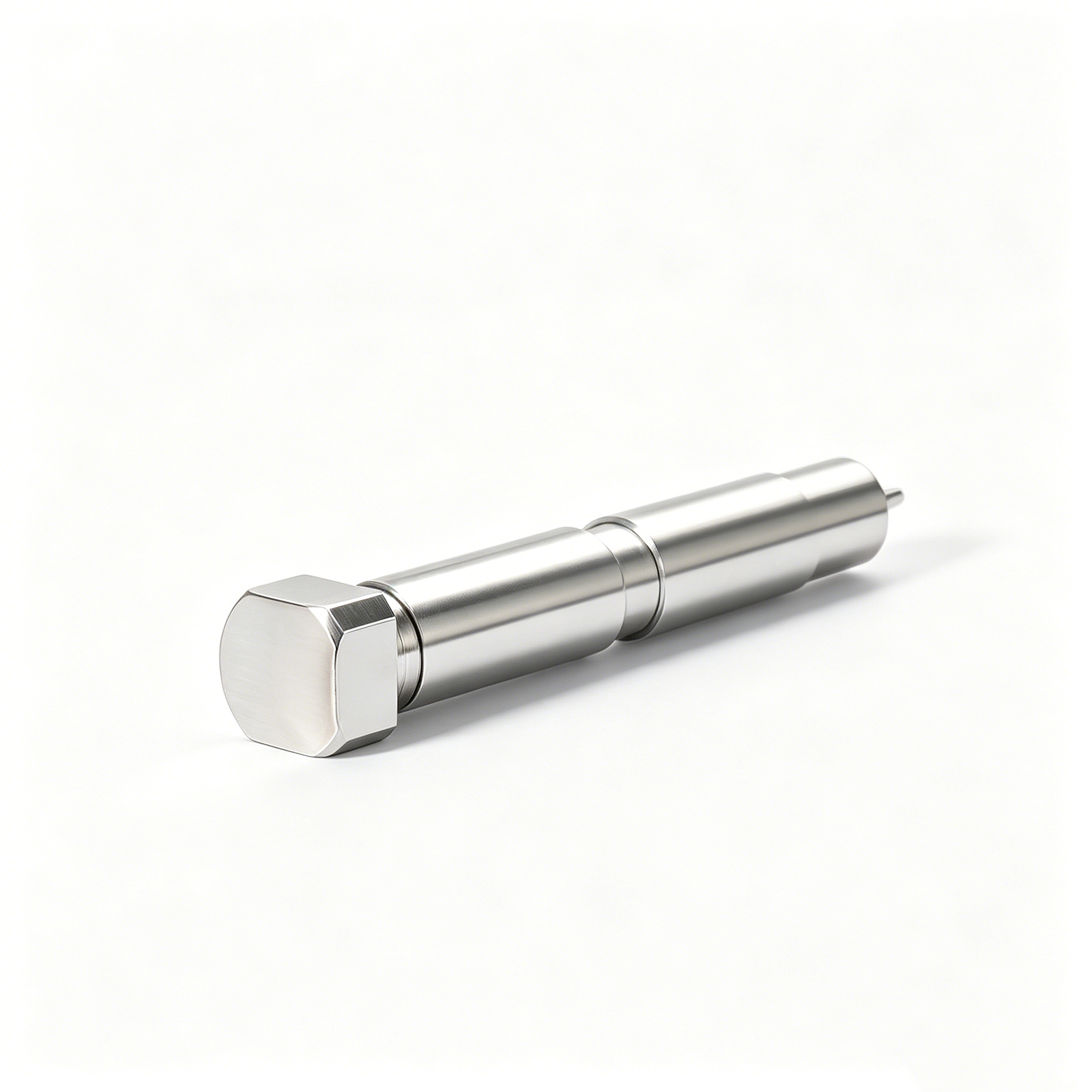
Specify thread standard, size, depth, class, entry condition, and any mating-part requirement. SUUXIANG reviews tool access and sequence alongside pocket geometry before confirming the manufacturing route.

Locating Features
Dowel holes, datum faces, guide bores, and locating slots can establish repeatable assembly relationships. Identify functional datums and critical positional requirements so machining and inspection methods can be evaluated.

Surface Finish
Call out finish requirements by functional surface, including pocket floors, sealing faces, sliding areas, or cosmetic zones. The drawing should distinguish roughness expectations from geometry and tolerance requirements.

Heat Treatment
Where hardness or heat treatment is required, provide material grade, target condition, and relevant dimensional priorities. SUUXIANG can review machining allowance, grinding stock, and process sequence against the drawing.
Part Marking
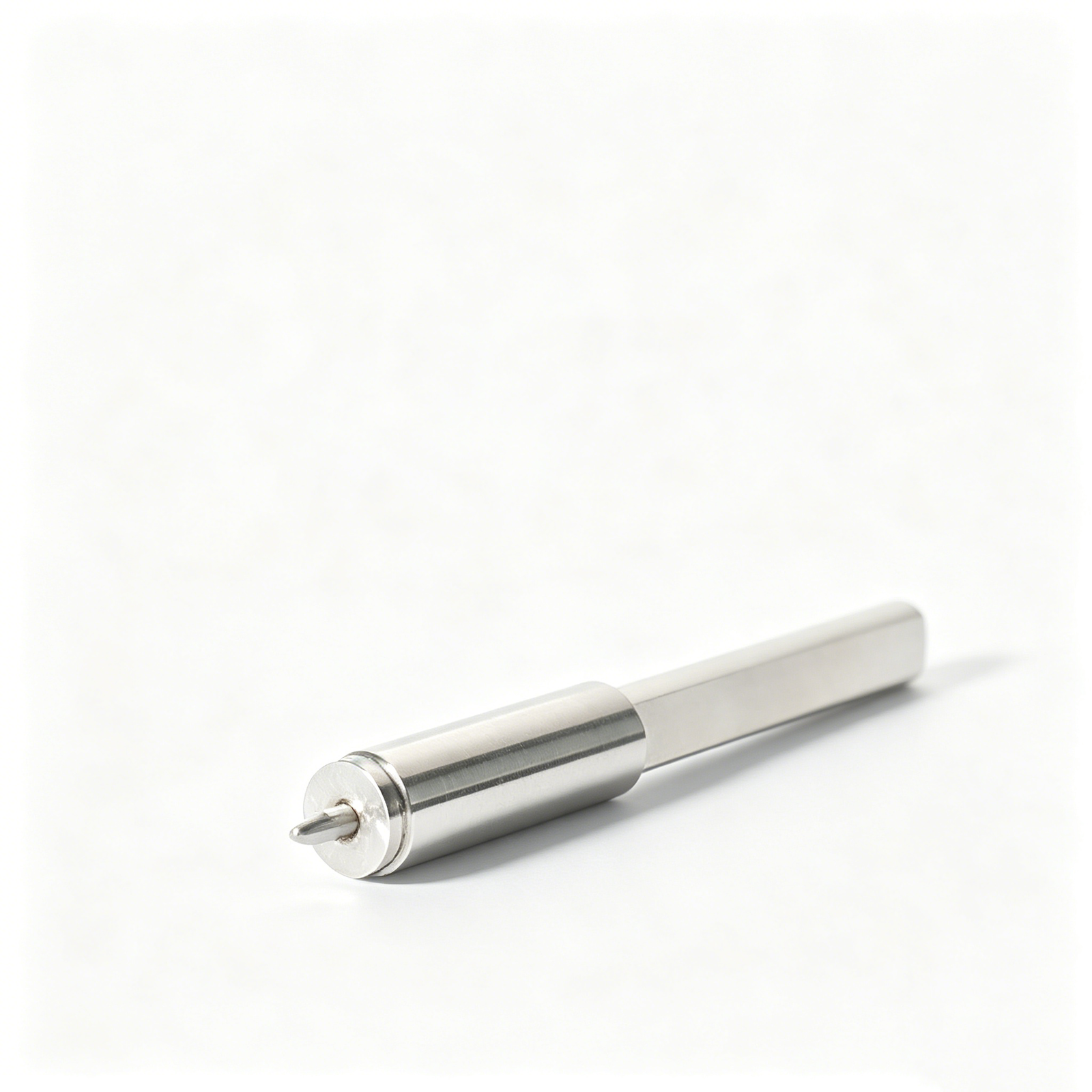
Part numbers, revision marks, orientation identifiers, and traceability marks should state location, method, and legibility limits. This helps avoid conflicts with critical surfaces, pocket walls, or assembled interfaces.

Inspection Documentation
Define the required report format, measured characteristics, sample quantity, and any datum-based inspection expectations. Documentation is aligned to the order and verified inspection plan rather than assumed from a generic checklist.
About SUUXIANG CNC Pocket Milling Services
SUUXIANG is the sole public-facing brand of Dongguan SuuXiang Precision Mold Co., Ltd., established in 2010 in Chang’an Town, Dongguan, Guangdong, China. Founded by XiaoCheng Huang, the company helps global engineering, sourcing, and quality teams translate drawings and specifications into inspected custom CNC parts, precision mold components, connector tooling, and die components.
Our CNC pocket milling services are planned around the part, not a generic process template. Before quotation and production commitments, we review critical dimensions, datums, pocket geometry, tool access, material and heat-treatment requirements, surface priorities, EDM or grinding needs, quantity, and inspection expectations.
What distinguishes SUUXIANG is coordinated process planning across CNC milling and turning, multi-axis machining, EDM, precision grinding, fitting, and inspection. Clear revision control and traceable project communication keep manufacturing aligned with the approved drawing, defined inspection plan, and delivery requirements.

CNC Pocket Milling Services: From Geometry to Verified Features
DFM Begins at the Datum
SUUXIANG reviews drawing datums, critical dimensions, wall relationships, tool access, corner radii, and tolerance stack before quotation. This clarifies which pocket faces control function and where design changes or machining allowances may reduce risk before production begins.
- Identify functional datums and critical-to-quality pocket features
- Review cutter access, internal radii, and wall stiffness
- Align tolerances with the feature’s mating or sealing function
- Record drawing revisions and open manufacturing questions
- Confirm the drawing revision before quotation and release
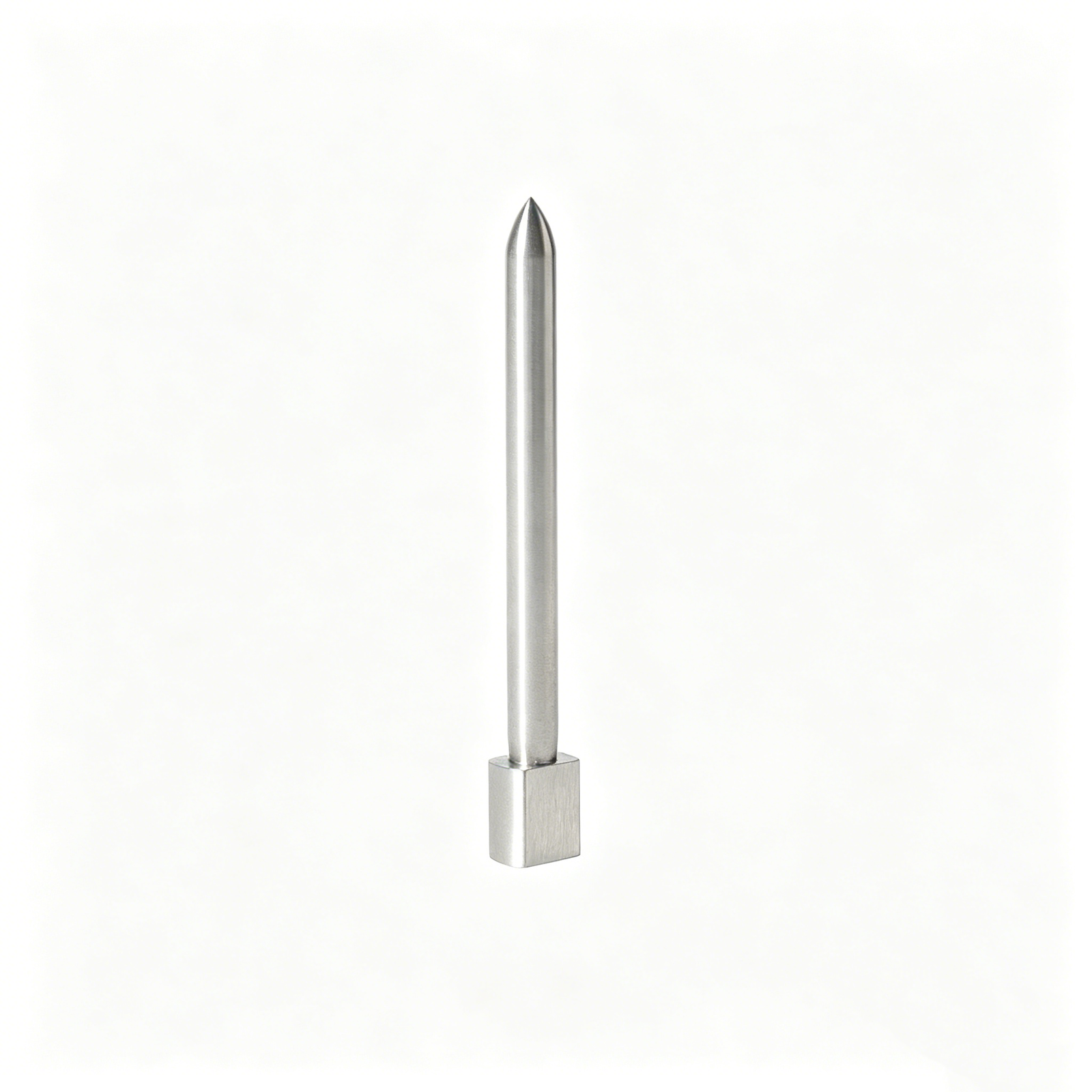
Select the Right Process Route
Pocket geometry does not automatically dictate a single process. SUUXIANG evaluates CNC milling alongside wire EDM or sinker EDM where internal corners, depth, access, material condition, or feature relationships warrant a different route for the submitted drawing.
- Compare CNC tool access with required internal geometry
- Assess EDM needs for sharp corners or restricted features
- Plan machining sequence around heat treatment and distortion risk
- Define finishing passes for functional pocket walls and floors
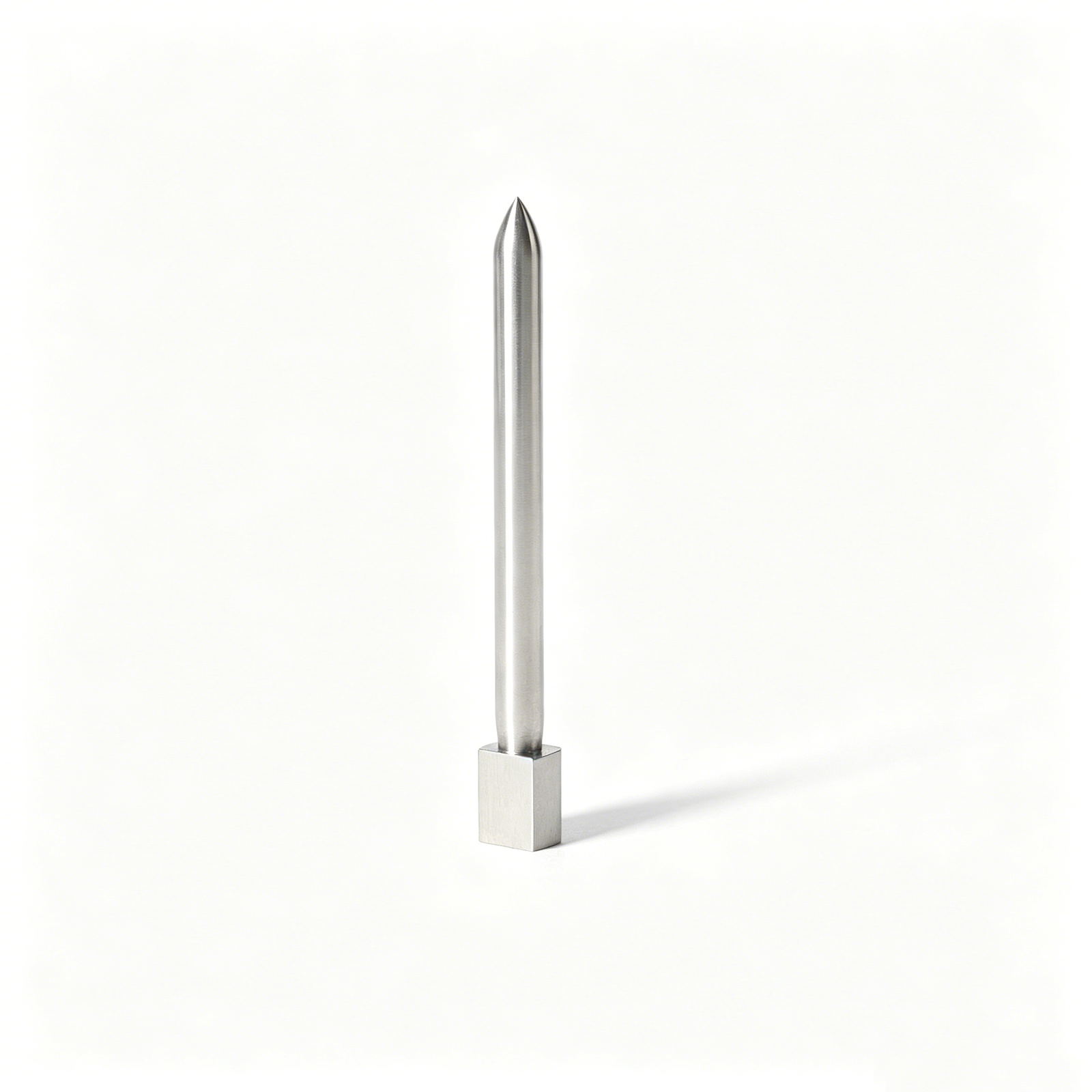
Protect Grinding and Fitting Stock
For mold and connector-tooling components, a milled pocket may be an intermediate feature rather than the final surface. SUUXIANG reviews grinding stock, fitting interfaces, and assembly relationships so later finishing operations are considered before material is removed.
- Reserve appropriate stock where precision grinding is required
- Separate reference surfaces from surfaces intended for fitting
- Review mating-component context when it affects pocket function
- Confirm finishing sequence before committing to production

Inspect Against the Approved Revision
Inspection planning follows the order’s agreed drawing revision and critical-feature priorities. SUUXIANG aligns measurement methods, reporting needs, and traceability expectations before production, then keeps revision and delivery information visible throughout the project workflow.
- Define critical dimensions and applicable inspection methods
- Confirm report format and documentation requirements early
- Maintain traceability to the approved drawing revision
- Escalate unresolved specification questions before release

CNC Pocket Milling Services With Drawing-Driven Control
Compare a documented manufacturing workflow with a quote-only sourcing path before releasing a precision pocket-milling project.
← Swipe left or right to view →
CNC Pocket Milling Services Production Workflow
A drawing-led workflow that aligns pocket geometry, process planning, inspection requirements, and delivery coordination before production proceeds.
Review Drawings and RFQ
We review 2D drawings, models, material, quantity, application, critical dimensions, surface requirements, inspection needs, and target delivery before defining the quotation basis.
Plan Process and Controls
The team evaluates datum strategy, tool access, pocket depth, corner radii, machining allowance, heat-treatment sequence, and whether EDM or grinding is required.
Confirm Scope and Revision
Before release, production requirements, quality documentation, delivery expectations, and the applicable drawing revision are aligned to maintain clear project traceability.
Machine Critical Pocket Features
CNC milling removes material through planned roughing and finishing operations, with EDM, grinding, or fitting incorporated when feature geometry and specifications require them.
Inspect, Pack, Coordinate Shipment
Completed parts are checked against the agreed inspection plan, matched with required documentation, protected for transit, and coordinated for shipment according to the order.
How CNC Pocket Milling Services Move From Drawing to Delivery
A drawing-led process that keeps DFM decisions, critical requirements, inspection expectations, and delivery coordination visible before production begins.
Submit Your Drawing Package
Provide the 2D drawing, 3D model when available, material, quantity, pocket geometry, critical dimensions, surface requirements, inspection needs, and target delivery date.
Review DFM and Quote
Review machining access, tool reach, corner radii, datum strategy, EDM or grinding needs, tolerances, and proposed process route before SUUXIANG issues a quotation.
Confirm Production Requirements
Approve the drawing revision, material and heat-treatment requirements, quality plan, sampling or production details, and any application context affecting mating features or function.
Machine and Inspect Parts
SUUXIANG coordinates CNC machining with applicable EDM, grinding, fitting, and inspection steps, checking agreed critical dimensions against the verified order requirements.
Coordinate Delivery Documentation
Receive delivery coordination and the documentation specified for the order, with revision information and inspection records aligned to the approved production plan.
Certification and Quality Documentation
CNC Pocket Milling Services: Customer Project Outcomes
Customer testimonials are published only with written approval and verified project details.
Customer testimonials are published only with written approval and verified project details.
Customer testimonials are published only with written approval and verified project details.
CNC Pocket Milling Services FAQ
Practical quotation, quality, revision, and delivery questions for drawing-driven custom parts.
What information do you need to quote CNC pocket milling services?
Is there a minimum order quantity for cnc pocket milling services?
Can I request cnc pocket milling services from a sample part without drawings?
How do you evaluate deep or narrow pocket features before production?
Can you provide inspection reports for pocket-milled parts?
How should I plan lead time for a CNC pocket milling order?
How are drawing revisions and intellectual property handled?
Can SUUXIANG coordinate payment and international shipping for custom parts?
Complete Buyer’s Guide to cnc pocket milling services
Use this decision framework to evaluate pocket geometry, materials, tolerances, inspection, and supplier readiness—while avoiding drawing, sourcing, and cost-planning mistakes that delay precision CNC projects.
1. What Are cnc pocket milling services?
3-axis CNC milling can remove material inside a closed boundary to form a recessed cavity with defined walls and a floor; this is pocket milling. The general definition and typical geometry are described at https://jlccnc.com/blog/cnc-pocket-milling-guide.
2010 is the year Dongguan SuuXiang Precision Mold Co., Ltd. was established, and buyers commonly specify pockets in mold inserts, connector-tooling components, stamping-die components, fixtures, and low-volume machined parts. The drawing should identify the pocket floor, wall locations, corner condition, datum relationship, and any critical dimensions.
4 feature names prevent frequent RFQ ambiguity: a pocket is bounded and normally retains a floor, while a slot is an elongated narrow channel. A contour follows an outside or edge profile, whereas a through-cut removes material completely through the workpiece rather than leaving a floor.
2. Evolution of cnc pocket milling services
1950s-era manual milling made pocket cost heavily dependent on operator setup, layout marks, and repeated measurements. A drawing could define the cavity, but estimating time and reproducing the same corner transitions across batches required substantial shop judgment.
1970s numerical control and early programmed paths moved repeatability into the program, making setup sequence, cutter selection, and depth increments quotable work elements. Complex cavities remained difficult to estimate because each offset path, corner slowdown, and finishing pass had to be planned explicitly.
1990s CAM systems made roughing and finishing strategies model-driven, so engineers could review tool access, remaining stock, and collision risks before machining. Modern adaptive clearing maintains more consistent cutter engagement during roughing, while separate light finishing passes protect wall and floor requirements.
3- to 5-axis access has expanded the reachable geometry, but it has also made RFQ review more important. Buyers should provide the 3D model, 2D datums, critical dimensions, material condition, and inspection expectations so the supplier can distinguish a simple pocket from one needing reorientation, long-reach tooling, EDM, or grinding.
3. Types of cnc pocket milling services
Six geometry families cover most cnc pocket milling services requests. Their wall access, depth and internal features determine tool selection, cycle time, finish passes and inspection datums before CAM programming begins.
Open And Closed Pockets
Open pockets suit edge reliefs and slide interfaces; closed pockets suit nests and cavities.
Two-wall access changes chip evacuation and cutter entry. Specify open edges, corner radii, floor depth, datums and wall tolerances.
Shallow And Deep Pockets
Shallow pockets usually permit stiffer, shorter tools and faster finishing.
Deep pockets increase reach, deflection and evacuation risk. Specify depth, minimum corner radius, bottom finish, draft and allowable witness marks.
Rectangular And Circular Pockets
Rectangular pockets appear in inserts and clamp clearances; circular pockets locate components.
Two geometry choices affect corner-tool radius and measurement method. Specify radii, diameter, positional datum, floor flatness and wall finish.
Islands And Stepped Cavities
Island pockets retain bosses for support or locating features; stepped cavities create multiple functional levels.
Each level adds toolpaths and inspection points. Specify island profile, level depths, blend requirements, datum scheme and critical step dimensions.
Angled And Multi-Axis Pockets
Angled pockets support formed interfaces, connector tooling and mold mechanisms.
Three-axis reach may require re-fixturing; multi-axis access can reduce setups. Specify angles, accessible faces, tool-clearance limits, reference planes and inspection orientation.
4. Materials for cnc pocket milling services
Four material families cover most cnc pocket milling services decisions: aluminum, steels, copper alloys, and engineering plastics. Material selection sets tool load, heat flow, wall behavior, and inspection priorities before CAM release.
| Material Family | Pocketing Considerations | Suitable Uses | Buyer-Supplied Specification |
|---|---|---|---|
| Aluminum alloys | Fast evacuation; manage burrs and thin-wall vibration | Prototype fixtures, housings | Alloy, temper, finish |
| Tool or stainless steels | Higher heat/load; preserve stock for finishing | Mold inserts, die components | Grade, hardness, heat-treatment sequence |
| Brass or copper alloys | Burr control; copper transfers heat | Connector tooling, electrical features | Alloy and conductivity requirement |
| POM or nylon | Limit heat; confirm wall stability | Jigs, insulating components | Resin grade, color, conditioning |
Aluminum And Copper Alloys
Aluminum clears readily but can form built-up edge; use sharp tools and controlled chip evacuation. Brass machines cleanly, while copper conducts heat yet can leave burrs in connector features.
Steels And Stable Walls
Tool steel needs conservative engagement and planned finishing after heat treatment where applicable. Stainless retains heat and work-hardens, so thin pocket walls need a stiffness review and reliable coolant access.
POM And Nylon
POM commonly gives crisp, stable pockets for fixtures; nylon is tougher but more heat-sensitive and may move with moisture. Specify the resin grade and conditioning state when wall location matters.
5. Finish and customization options
For cnc pocket milling services, post-machining requirements are engineering inputs, not quotation footnotes. Define the intended function before selecting a cosmetic appearance.
| Requirement | Functional Purpose | Drawing Or PO Definition |
|---|---|---|
| Edge break | Safe handling and assembly | Size and affected edges |
| Anodize or plating | Corrosion or electrical behavior | Type, color, masked areas |
| Marking | Traceability | Content, location, method |
| Packaging | Damage and corrosion prevention | Protection and labeling |
Edges And Surface Callouts
Each external and pocket edge needs a defined break, radius, or deburring instruction. ‘Remove sharp edges’ is less controllable than a stated edge condition.
A surface-finish callout should identify the affected faces and measurement direction. Pocket floors, walls, and sealing lands may require different results.
Functional Finish Selection
Anodizing, plating, passivation, and protective oil depend on substrate, geometry, and downstream use. Deep pockets can complicate coating coverage and dimensional fit.
Functional finishes should state corrosion, electrical-contact, mating, or mold-release purpose. Cosmetic color or uniform appearance is a separate acceptance criterion.
Marking And Delivery Protection
One purchase order should specify marking content, location, method, and legibility limits. Marking must not damage datum surfaces, pocket floors, or mating features.
Each shipment requirement should define preservation, individual protection, and labeling. Include rust prevention, clean-room handling, or revision identification where applicable.
6. Pocket quality and DFM essentials
A pocket is only as repeatable as its tool access, datum scheme, and inspection path. For cnc pocket milling services, DFM should define these before CAM programming and fixture selection.
Radii, Depth, And Reach
A 6 mm cutter cannot produce a smaller internal corner radius than 3 mm; enlarge nonfunctional corners or specify EDM. Deep, narrow pockets need tool-reach review to limit deflection and chatter.
Walls And Feature Geometry
Thin walls deflect under cutting load, so retain supporting stock where function permits and machine them with light finishing cuts. Specify flatness and perpendicularity from functional datums, not from an arbitrary exterior face.
Finish And Burr Strategy
A roughing allowance followed by a lighter wall-finishing pass can improve dimensional consistency and reduce visible tool marks; this general practice is described at https://jlccnc.com/blog/cnc-pocket-milling-guide. State floor and wall finish separately, plus allowable edge-break limits.
Datums And Inspection Access
Two or three accessible datum surfaces let inspection establish the same reference frame used on the drawing. Leave probe or gauge access, identify critical depths, and avoid trapped burr edges at pocket intersections.
7. Choosing cnc pocket milling services suppliers
A supplier decision should be a joint engineering, quality, and procurement review—not a comparison of headline machine counts. For cnc pocket milling services, require project-specific evidence before accepting capability statements.
Drawing Review And Process Fit
2D drawings and 3D models should be reviewed together against datums, CTQs, material condition, and revision level. Ask how tool reach, workholding, corner radii, and finishing allowance affect the route.
3-axis, multi-axis, EDM, and grinding routes should be matched to the actual pocket geometry and access constraints. Request a documented process proposal, not a generic equipment list.
- Identify inaccessible walls and minimum cutter radius.
- Confirm material traceability and heat-treatment sequence.
- Record DFM feedback against the drawing revision.
Evidence, Inspection, And Delivery
One first-article plan should define critical features, datum setup, measurement method, report format, and acceptance responsibility before production. Quality and engineering should agree whether defined CTQs need 100% inspection or an approved sampling plan.
Each order should specify required material certificates, heat-treatment records, inspection reports, and revision-controlled packing documents. Procurement should ask for risk visibility on capacity, subcontracted processes, schedule changes, and shipment handoff.
- Review an anonymized inspection-report example.
- Name the single revision-control contact.
- Escalate delivery risks when identified, not at dispatch.
8. Common cnc pocket milling services mistakes
Pocket failures often begin in the RFQ, before a cutter is selected. In cnc pocket milling services, drawings must make function, access, and verification unambiguous.
Internal Corners And Reach
Sharp internal corners require a non-milling process or a relief feature. Specify corner radii, pocket depth, and tool-access limits; review long-tool deflection on deep pockets.
Datums And Tolerances
Missing datums leave depth and location open to interpretation. Identify the functional datum scheme and apply tight tolerances only to mating or critical-to-quality features.
Material And Edge Requirements
Material grade and heat-treatment condition change machining sequence and grinding allowance. State both, plus surface finish, permitted burr condition, and edges requiring a defined break.
Inspection Scope Before Approval
A quoted part is not automatically quoted with full dimensional evidence. Before release, agree critical dimensions, measurement method, sampling or full inspection, report format, revision, and traceability required.
9. From RFQ to production launch
One launch package should pair the released 2D drawing with its matching 3D model. For cnc pocket milling services, state application context before a route is quoted.
Build The RFQ Package
Two files—the controlled 2D drawing and matching 3D model—should carry revision identifiers. Mark critical pocket floors, walls, radii, datums, mating interfaces, finish, and heat-treatment requirements.
One DFM review should resolve tool access, workholding, corner radius, EDM need, grinding stock, and inspection approach before quotation. Record every accepted deviation in the quote assumptions.
Release Samples And Repeats
First-article requirements should state sample quantity, measurement points, report format, and release authority. For a prototype, link acceptance to the drawing revision rather than an email description.
Each low-volume repeat order should reconfirm material, finish, quantity, target date, and changed critical dimensions. SUUXIANG can keep revision, inspection-plan, and delivery discussions traceable through production.
10. cnc pocket milling services pricing
SUUXIANG pricing begins with the released drawing, model, material specification, quantity and inspection expectations; no universal rate can responsibly cover these variables. A quote should separate blank preparation, machining time, secondary processes and verification requirements so scope changes remain visible.
One complete RFQ also states the target delivery date and any expedited-delivery need. Early disclosure lets the team assess setup sequencing, machine availability and inspection planning against current project evidence.
| Cost driver | Effect on price and lead time | Buyer action |
|---|---|---|
| Material and blank preparation | Stock cost, cutting and conditioning can increase both. | Specify grade, condition and approved substitutes. |
| Pocket volume, depth and reach | More removal, long-reach tools and slower cuts raise cycle time. | Provide section views and depth limits. |
| Feature complexity and setups | Islands, corners and multiple orientations add programming and fixturing. | Identify datums and accessible clamp faces. |
| Tolerance and finish | Finishing passes, grinding or EDM may add time. | Mark critical dimensions and surface requirements. |
| Inspection and quantity | Reports add verification effort; batches spread setup cost. | State report needs and forecast quantity. |
| Expedited delivery | Compressed scheduling may require a different production plan. | Declare the required delivery date at RFQ. |
Upload Your Drawing for CNC Pocket Milling Services
Submit 2D or 3D files with material, quantity, critical dimensions, inspection requirements, and target delivery date for a scoped drawing review and RFQ.