
CNC Slot Milling Services for Precision Parts
SUUXIANG reviews slot geometry, critical dimensions, and inspection needs before CNC slot milling services begin for custom parts and tooling components.
Representative Configurable Components for CNC Slot Milling



Related Drawing-Based Component Requests


CNC Slot Milling Services Engineering Advantages
Plan slot geometry, process routing, inspection, and revisions around the dimensions that govern assembly fit and tooling performance.
DFM Before Quotation
Review slot width, depth, corner condition, tool access, and critical dimensions before committing to a machining route or quotation.
Datum-Aware Planning
Define functional datums and setup references early to help control slot position, orientation, and relationships to mating features.
Coordinated Process Routes
Assess when CNC milling, EDM, grinding, or fitting should be combined for geometry, access, material condition, and surface requirements.
Inspection Plan Alignment
Match measurement methods and reporting expectations to critical slot features, datum strategy, and the drawing’s quality requirements.
Revision-Controlled Communication
Keep drawing revisions, open manufacturing questions, and delivery information visible so production decisions remain traceable throughout the project.
RFQ-Ready Technical Review
Provide drawings, models, material requirements, quantity, and delivery priorities to support a focused review of CNC slot milling services.
CNC Machining for Tooling Component Families
Drawing-driven process routes for configurable components, reviewed around critical dimensions, material condition, machining access, inspection requirements, and delivery priorities.

CNC Machining Services
Precision CNC machining services for drawing-based custom parts and tooling components. The process route is reviewed against material, critical dimensions, datum strategy, machining access, surface requirements, quantity, and inspection expectations before production commitments are made.
Upload a Drawing
CNC Milling
Custom CNC milling services for prismatic, pocketed, contoured, and fixture-sensitive parts. Milling strategy considers tool reach, wall geometry, corner radii, datum surfaces, clamping, stock condition, and the downstream EDM or grinding operations needed to achieve the drawing intent.
Upload a Drawing
CNC Turning
Precision CNC turning services for rotational parts such as pins, sleeves, bushings, shafts, and locating features. Review focuses on concentricity, runout, shoulders, thread requirements, material condition, workholding, finishing allowance, and the inspection method for critical diameters.
Upload a Drawing
5-Axis Machining
5-axis CNC machining for components with compound angles, deep features, multi-face geometry, or access constraints that complicate conventional setups. A drawing review determines whether simultaneous or indexed machining improves feature access, datum control, setup reduction, and downstream finishing.
Upload a Drawing
Swiss & Micro Machining
Swiss machining and micro machining for small, slender, or detail-intensive components where support, concentricity, feature scale, and handling affect results. Suitable process planning considers diameter-to-length ratio, cross holes, threads, fine radii, deburring, material behavior, and inspection access.
Upload a Drawing
Wire & Sinker EDM
Wire EDM and sinker EDM services for hardened materials, sharp internal geometry, narrow slots, fine details, and features with limited cutter access. Electrode design, wire path, corner conditions, flushing, recast-layer considerations, machining allowance, and finish requirements require early review.
Upload a Drawing
Precision Grinding
Precision surface and profile grinding for controlled flatness, parallelism, thickness, profiles, and finished datum surfaces. Grinding plans account for stock allowance, heat-treatment condition, wheel access, workholding, burn risk, measurement points, and the relationship between ground features and assembly function.
Upload a Drawing
Mold Core & Cavity Inserts
Precision mold core and cavity inserts configured from the part drawing, molding requirements, material specification, cooling or venting needs, and mating geometry. Review covers shutoff areas, draft, machining access, EDM requirements, heat-treatment sequence, grinding stock, and critical molded-part features.
Upload a Drawing
Ejector & Ejection Components
Ejector pins, sleeves, and ejection components for guiding, supporting, and releasing molded parts within the specified tool design. Selection and manufacture depend on fit relationships, bearing lengths, surface condition, hardness requirements, lubrication considerations, alignment, and interactions with the molded part.
Upload a Drawing
Core Pins, Guide & Locating Components
Core pins, guide pins, and locating components made to drawing-defined geometry and fit requirements. Manufacturing review considers slenderness, concentricity, bearing surfaces, lead-ins, mating bores, heat treatment, grinding sequence, and the datums that control repeatable tool alignment.
Upload a Drawing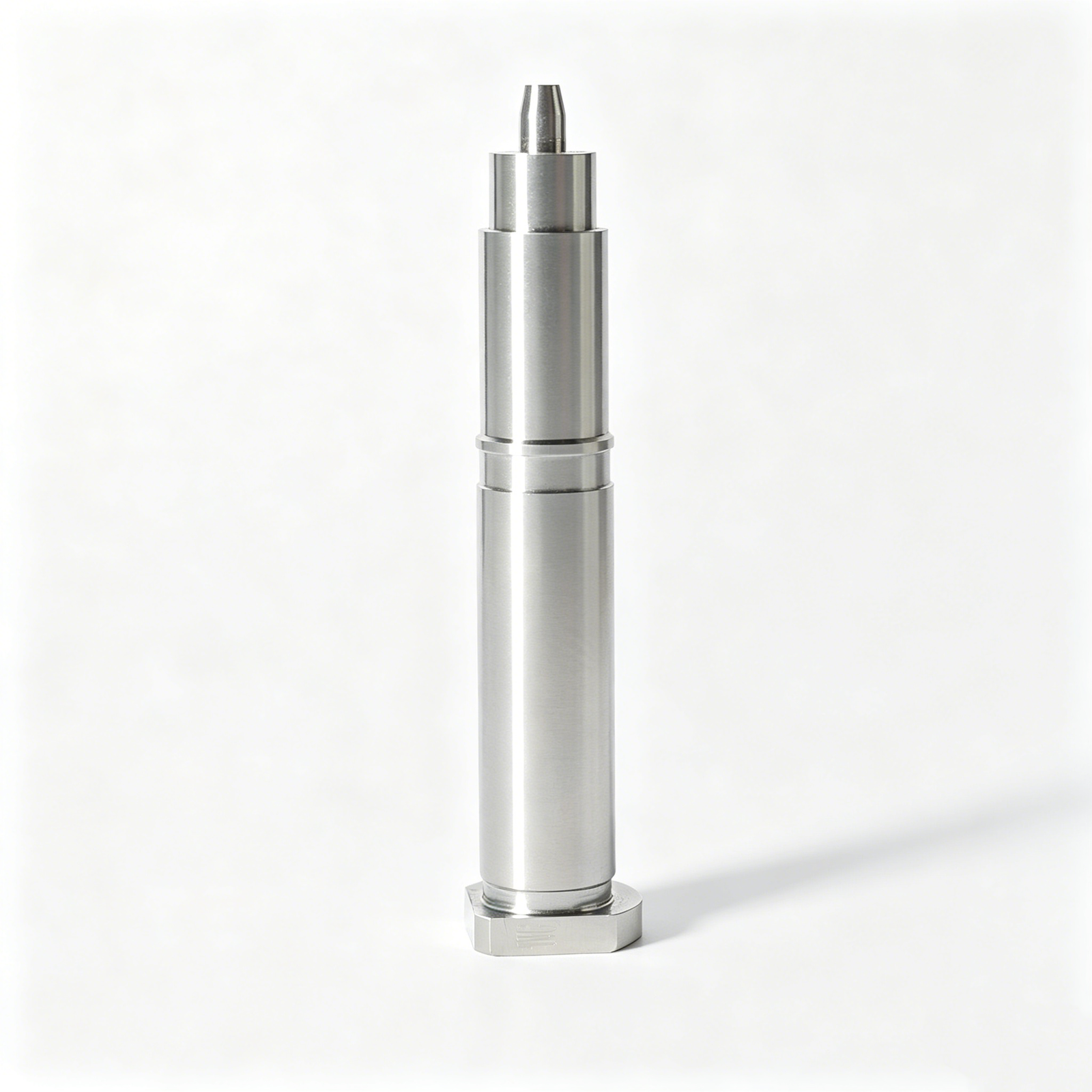
Slides, Lifters, Gates & Mold Accessories
Mold slides, lifters, gates, and accessories for motion, part release, flow control, and assembly within an injection-mold system. The appropriate route depends on travel geometry, wear surfaces, shutoffs, material condition, fitting requirements, machining access, EDM details, and inspection criteria.
Upload a Drawing
Connector Mold Components
Precision connector mold components for fine-pitch, multi-cavity, and alignment-sensitive connector tooling. Review addresses terminal or cavity geometry, pin spacing, datum relationships, wear points, insertability, EDM and grinding needs, material treatment, and inspection methods appropriate to the drawing.
Upload a Drawing
Stamping Die Components
Precision stamping die components for cutting, forming, guiding, and supporting sheet-metal operations. Process planning considers working-edge geometry, clearance relationships, material and hardness, guide alignment, wear allowances, EDM access, grinding stock, mating-part fits, and verification of critical dimensions.
Upload a Drawing
Injection, MIM, CIM & Overmolding Tooling
Tooling and component work associated with injection molding, metal injection molding, ceramic injection molding, and overmolding when requirements are within verified production scope. Drawing review identifies material behavior, tool geometry, insert interfaces, critical features, finishing needs, and inspection expectations before quotation.
Upload a Drawing
Machining Materials
CNC machining materials selected from the drawing, application context, required condition, and downstream process route. Material review should confirm grade, supply condition, hardness or heat-treatment needs, machinability, corrosion or wear considerations, and any traceability documentation required for the order.
Upload a Drawing
Surface Finishes & Heat Treatment
Surface finishing and heat treatment coordinated with the component’s function, material, dimensional priorities, and mating conditions. Requirements should define the intended finish or treatment, sequence, masking or stock allowances, post-process dimensional checks, and any applicable verification or documentation needs.
Upload a Drawing
Quality, Metrology & Documentation
Precision inspection, metrology, and quality documentation aligned with the approved drawing, critical dimensions, and order-specific inspection plan. Requirements may include datum-based measurement, first-piece checks, final inspection records, material or treatment evidence, revision identification, and traceable delivery information.
Upload a Drawing
Prototyping & Low-Volume Production
Rapid prototyping and low-volume manufacturing for drawing-based parts that need an appropriate process route before repeat production. RFQs should provide models, quantities, material requirements, critical dimensions, surface priorities, delivery targets, revision status, and the inspection or reporting level required.
Upload a DrawingMaterials for CNC Slot Milling Services

Tool Steels
Commonly considered for mold cores, cavity inserts, slides, and wear-sensitive tooling components. Grade, pre-hard or post-machining heat treatment, slot depth, and grinding allowance are reviewed together to protect critical dimensions.

Stainless Steels
Considered where corrosion resistance, durability, or clean-service conditions affect the component requirement. The drawing review evaluates material condition, slot accessibility, surface priorities, and any hardness or inspection requirements before routing is confirmed.

Alloy Steels
Used for many structural, locating, and die-component applications where strength and heat-treatment planning matter. SUUXIANG reviews machining allowance, datum relationships, slot-width priorities, and the intended treatment sequence against the supplied specification.

Aluminum Alloys
Often evaluated for lightweight fixtures, prototype parts, and components requiring efficient machining. Alloy designation, wall stiffness, burr-control expectations, and feature accessibility are checked so slot geometry and inspection criteria can be planned responsibly.

Copper Alloys
Considered for applications requiring electrical or thermal performance, including selected connector-tooling details. The review addresses the specified alloy, material behavior during machining, thin-feature support, surface requirements, and the inspection method for critical slots.
CNC Slot Milling Services and Supporting Processes

CNC Slot Milling
Programmed milling creates accessible slots, grooves and pockets while controlling width, depth, bottom condition and datum relationships. Tool selection, machining allowance and cutter reach are reviewed against the drawing before the route is confirmed.

Wire EDM Cutting
Wire EDM may be considered for narrow internal profiles, hardened material or slot geometry with limited milling access. The wire path, start-hole requirement, corner condition and inspection datum need review before planning.

Precision Grinding
Grinding may follow machining or heat treatment when critical faces, thicknesses or fit-related dimensions require controlled finishing. Grinding stock, datum sequence, surface requirement and inspection method should be agreed during DFM review.

Fitting and Inspection
Fitting and inspection verify functional relationships after the selected machining stages. Critical dimensions, mating context, measurement method, reporting needs and revision status guide the inspection plan and final documentation.
CNC Slot Milling Services for Tooling Details
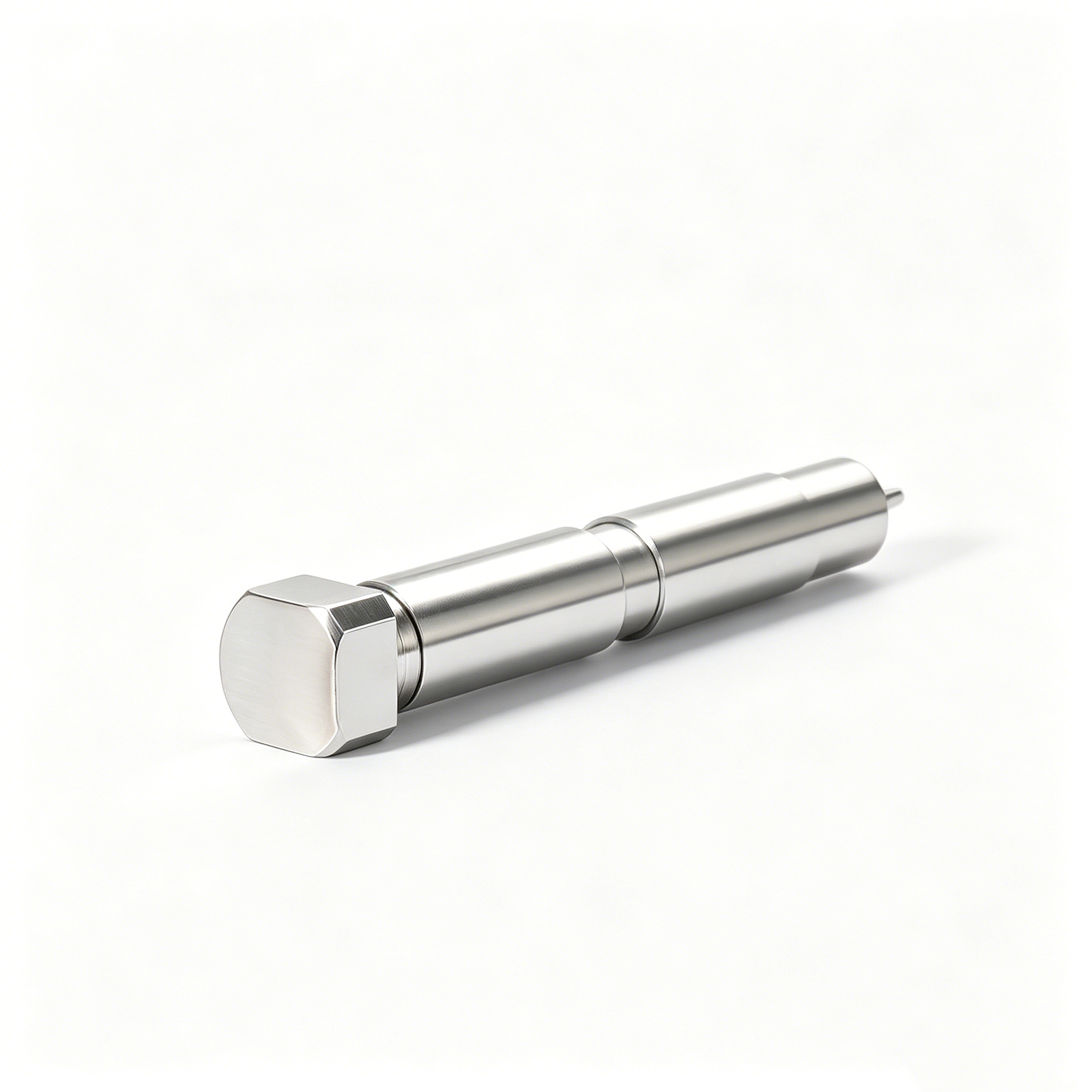
Guide Components
Guide pins, bushings, and related alignment features can be machined to drawing requirements. Define mating relationships, datum references, fit expectations, and wear considerations before process planning and inspection.

Locating Elements
Locating blocks, keys, dowels, and reference features help establish repeatable assembly position. Share positional tolerances, mating-part context, and accessible datum surfaces so the machining and inspection approach can be reviewed.

Ejection Parts
Ejector-related pins, plates, retainers, and clearance features require attention to travel, fit, and surface interaction. Provide section views, hardness requirements, and critical interfaces for a practical manufacturing review.

Gate Details
Gate inserts and related flow-path details are produced as drawing-based tooling components, not stock items. Identify cavity relationships, surface requirements, EDM needs, and any finishing restrictions that affect the proposed route.
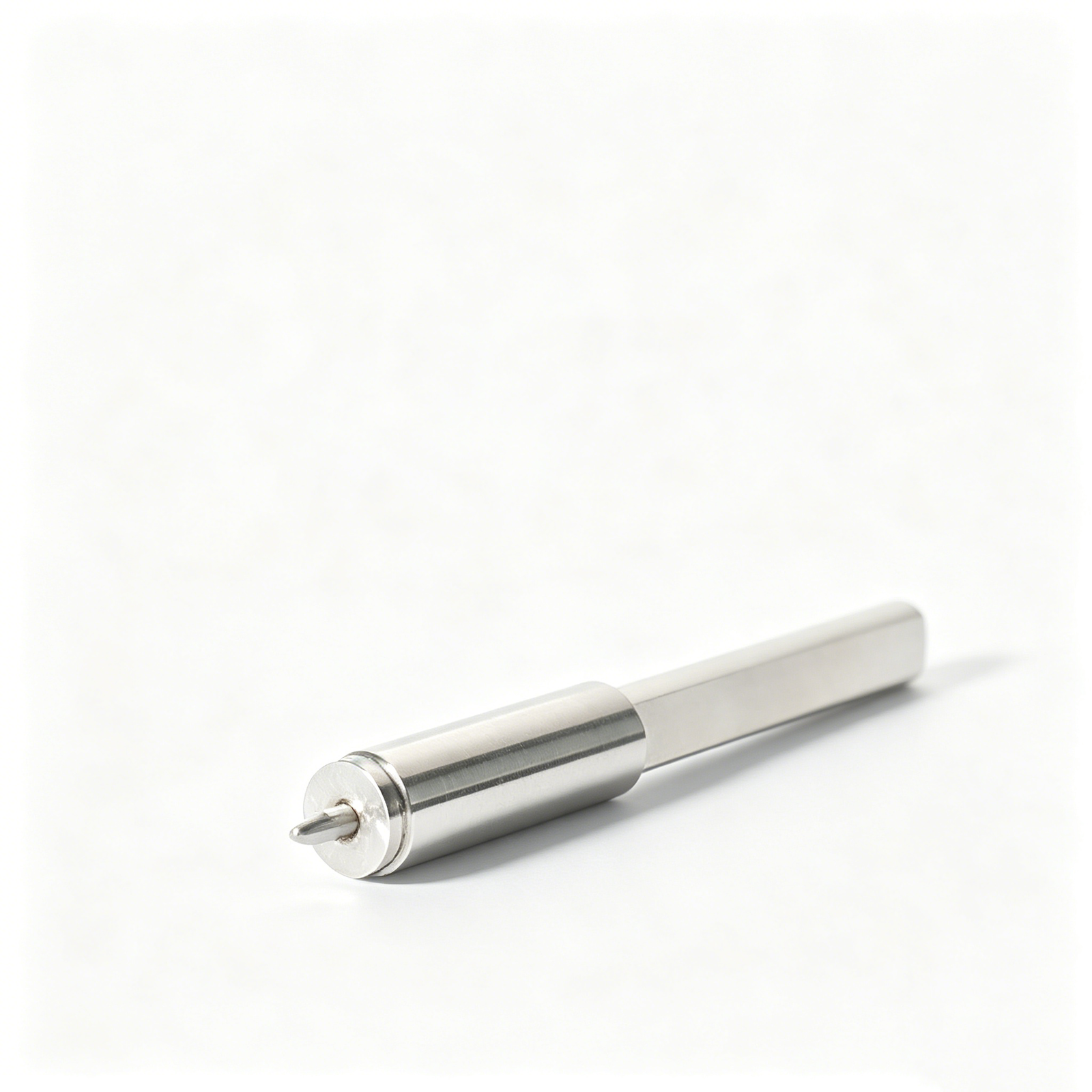
Slides and Lifters
Slides, lifters, and their guiding interfaces combine slot geometry with assembly motion. Include travel direction, clearance conditions, locating references, and mating-component information to support DFM, machining access, and fitting planning.
About SUUXIANG CNC Slot Milling Services
SUUXIANG is the sole public-facing brand of Dongguan SuuXiang Precision Mold Co., Ltd., established in 2010 in Chang’an Town, Dongguan, Guangdong, China. XiaoCheng Huang is the founder and legal representative. We support international engineering and sourcing teams with drawing-based CNC parts, precision mold components, connector tooling, and stamping-die components.
Our CNC slot milling services are planned from the drawing outward. Before quotation and production commitments, we review critical dimensions, datums, slot geometry, machining access, material requirements, surface priorities, and inspection expectations to establish a practical manufacturing route.
What differentiates SUUXIANG is disciplined coordination across CNC milling and turning, multi-axis machining, EDM, grinding, fitting, and inspection. Each project is managed around revision control, process-relevant allowances, and documented quality requirements so the delivered part aligns with the approved drawing and inspection plan.

CNC Slot Milling Services: From Geometry to Inspected Parts
DFM Before Toolpaths
SUUXIANG reviews slot width, depth, corner geometry, datum references, tool access and critical dimensions before quoting. This drawing-led discussion helps identify tolerance-stack risks and surface priorities before a CNC slot milling route is committed.
- Confirm functional datums and mating relationships
- Review minimum radii and cutter access
- Identify critical slot width and position controls
- Align material, quantity and delivery requirements

CNC and EDM Strategy
CNC slot milling services are planned around geometry, material condition and required feature access. Where a conventional cutter cannot produce an internal form or corner condition, the team evaluates wire EDM or electrode-based EDM as part of the process route.
- Match milling strategy to slot geometry
- Assess EDM need for inaccessible features
- Consider heat-treatment sequence and distortion risk
- Keep machining stages visible for review
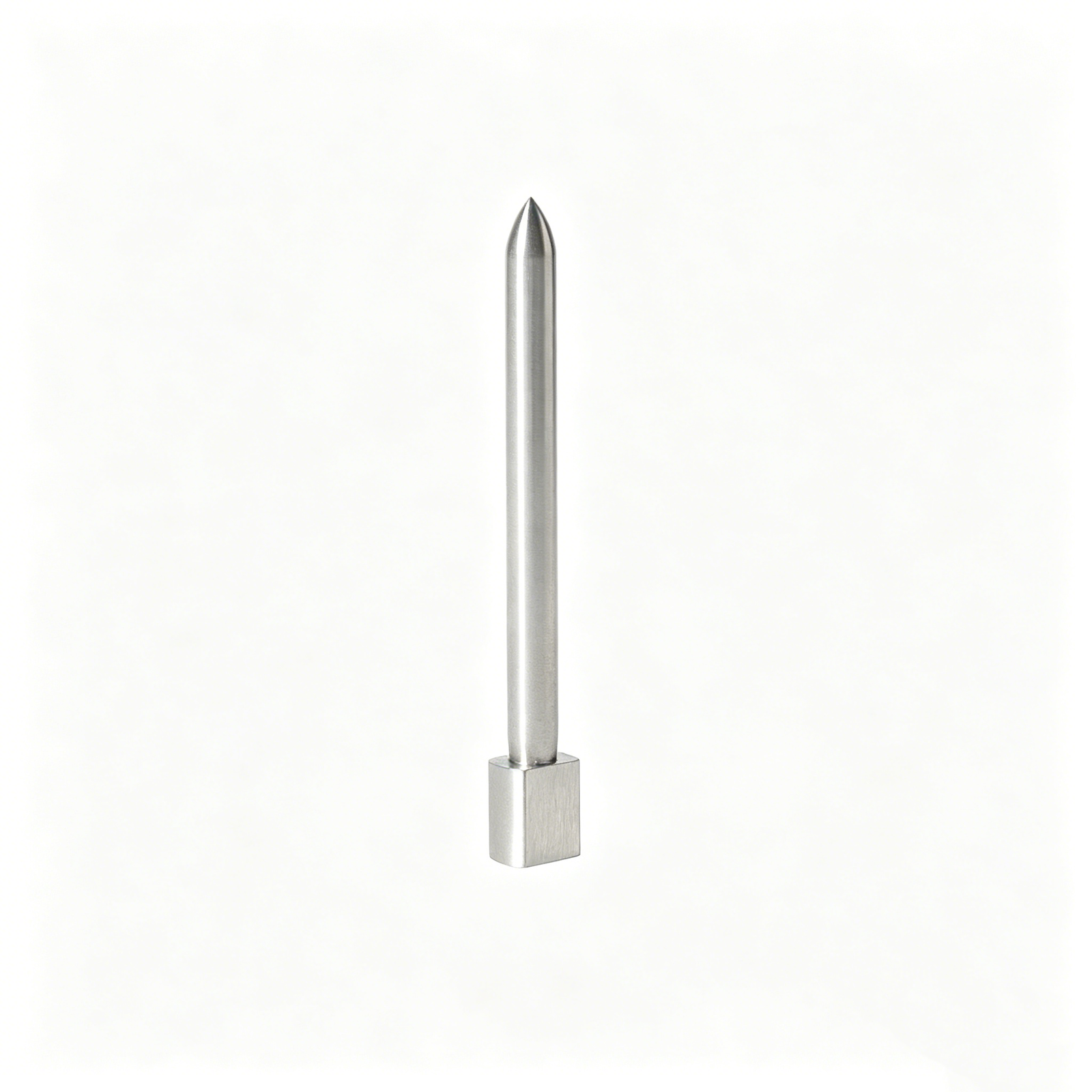
Grinding and Fitting Allowance
For tooling components with functional sliding, locating or sealing relationships, machining stock must support later grinding and fitting. SUUXIANG reviews allowance direction, reference surfaces and sequence so finishing operations do not compromise the intended slot relationship.
- Define surfaces requiring grinding stock
- Protect controlling datums through each stage
- Plan fitting around assembly function
- Review edge condition and surface requirements
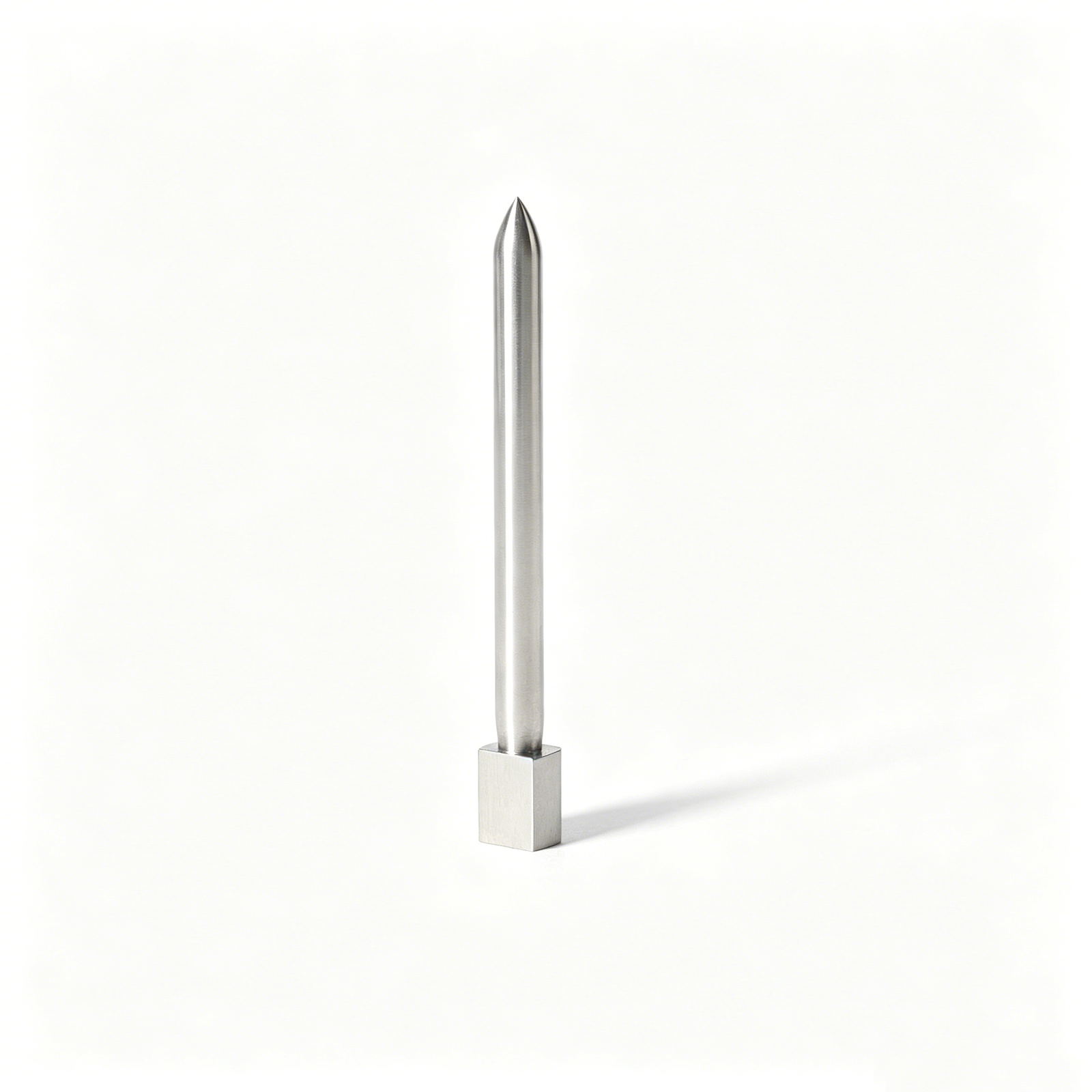
Inspection and Revision Control
Inspection planning follows the approved drawing and identified critical-to-quality features. Measurement methods, reporting needs, revision status and delivery documentation are aligned before production, helping teams compare finished parts against the applicable order requirements.
- Identify dimensions requiring inspection evidence
- Confirm drawing revision before release
- Match reports to the agreed inspection plan
- Maintain traceable project communication

Why Engineering Teams Choose Drawing-Led CNC Slot Milling Services
Compare SUUXIANG’s drawing-review workflow with typical quote-only sourcing paths before committing critical slot features.
← Swipe left or right to view →
CNC Slot Milling Services: Controlled Production Sequence
Each project moves through documented review, process planning, machining, verification, and delivery coordination matched to the drawing and agreed inspection requirements.
Review the RFQ Package
We review drawings, models, material, quantity, critical dimensions, surface requirements, delivery target, and inspection expectations before defining a feasible quotation basis.
Plan Material and Process
The team confirms datum strategy, machining access, slot geometry, heat-treatment sequence, machining allowance, and whether EDM or grinding supports the required features.
Machine Critical Slot Features
CNC slot milling services are scheduled with stable setups and suitable toolpaths, while process control focuses on chip evacuation, sidewall condition, and dimensional priorities.
Apply EDM or Grinding
Where drawing requirements call for it, wire EDM, sinker EDM, or precision grinding completes inaccessible geometry, hardened features, or controlled finishing allowances.
Inspect, Pack, and Coordinate
Completed parts are checked against the agreed inspection plan, protected for shipment, and coordinated with revision, documentation, and delivery information kept visible.
Start Your CNC Slot Milling Services Project
Move from drawing review to controlled production with clear requirements, documented assumptions, and inspection planning aligned before machining begins.
Submit Your Drawing Package
Send 2D drawings, 3D models when available, material, quantity, delivery target, and critical slot dimensions, surface requirements, and inspection expectations.
Align DFM Assumptions
Review datum strategy, tool access, slot geometry, machining sequence, grinding allowance, and any EDM needs before quotation and production commitments are made.
Approve Samples When Needed
For applicable projects, confirm sample requirements, revision status, and acceptance criteria so the production route reflects the approved drawing and quality plan.
Coordinate Production and Inspection
Proceed through the agreed machining, finishing, and inspection workflow while keeping revision, delivery, and required documentation information visible throughout the order.
CNC Slot Milling Services: Quality Documentation
CNC Slot Milling Services: Customer Project Feedback
Reserved for approved customer feedback describing the drawing revision, slot-feature requirement, inspection evidence, and verified project outcome. SUUXIANG will publish this card only after attribution and claim approval are documented.
Reserved for an attributable case summary covering the agreed material, critical dimensions, process route, delivery requirements, and measurable outcome. Customer identity, quote wording, and results require written approval before publication.
Reserved for verified feedback from an engineering, sourcing, or quality contact. The published statement should identify the relevant slot-milling challenge and confirmed result without disclosing restricted drawing, tooling, or program information.
Customer Feedback Published Upon Verification
Practical RFQ, quality, delivery, and sourcing questions for drawing-based slot-milling projects.
What is the MOQ for cnc slot milling services?
What files should I send for cnc slot milling services?
Do you review drawings before quoting cnc slot milling services?
Can I order a prototype or sample before a production batch?
How long do cnc slot milling services take?
Can you provide inspection reports for slot-milled parts?
How are payment and international shipping handled?
How do you protect drawings and IP during an RFQ?
Complete Buyer’s Guide to cnc slot milling services
Use this decision framework to specify slot geometry, compare materials and machining approaches, evaluate qualified suppliers, control cost drivers, and avoid DFM, tolerance, inspection, and sourcing mistakes before production.
1. What Are cnc slot milling services?
One CNC slot is an elongated channel, groove, or keyway cut along a programmed toolpath; its width, depth, position, end geometry, and surface condition are controlled against the drawing datums. CNC slot milling services create these features where repeatable clearance, guidance, retention, or component location matters.
Two common functions are guiding slides in mold plates and dies, and locating inserts or mating parts in connector tooling, fixtures, housings, and sliding assemblies. A slot may also provide travel clearance, a cable or fluid route, or a keyway that transmits position or torque within an assembly.
Four feature classes should not be treated as interchangeable: a drilled hole is predominantly round, a pocket removes a broader enclosed area, and open-edge side milling breaks through a part edge. The buyer’s core question is: which dimensions, datums, mating function, finish, and allowable corner geometry must the slot satisfy?
2. How cnc slot milling services Evolved
1950s-era manual mills and dedicated slot cutters relied heavily on operator setup, indicating and feed control; repeat work depended on preserving the setup and documenting the method. That approach remains relevant for simple features, but it makes drawing revisions and multi-feature alignment harder to transfer between runs.
3-axis CNC control moved slot location, depth and tool motion into a repeatable program, while CAM added toolpath verification before metal is cut. For buyers, the useful deliverable is not merely a programmed slot: it is a reviewed route linking datums, cutter access, clamping, roughing and finishing passes to the released drawing.
4- and 5-axis positioning, high-speed strategies and purpose-designed workholding can reduce re-clamping for slots that relate to angled faces or surrounding geometry. Fewer uncontrolled setup transfers support shorter development loops, but only when the supplier confirms simulation assumptions, inspection references and revision status before production.
3. Types of cnc slot milling services
Seven common geometries determine whether cnc slot milling services create clearance, guidance, torque transfer, or retention. SUUXIANG reviews the drawing’s functional faces, tool approach, and datum references before selecting a route.
| Geometry | Functional Driver | Typical Route |
|---|---|---|
| Through slot | Clearance or travel | Full-width or side milling |
| Blind slot | Floor retained | End milling with depth control |
| T-slot or dovetail | Mechanical retention | Pilot slot plus form cutter |
| Curved or deep channel | Guided path or access | Trochoidal or multi-axis approach |
Open And Blind Slots
Through slots provide cutter exit and chip evacuation; they suit clearance windows and travel paths. Blind slots retain a floor, so depth control and internal-corner clearance must be specified.
Two accessible sidewalls favor side milling when an edge is open. Full-width slotting is used when the cutter must enter within the material boundary.
Retaining Slot Profiles
Keyways transmit torque between shafts and hubs, while T-slots and dovetails retain heads, slides, or inserts. Each profile requires the mating part, engagement depth, and load direction on the RFQ.
One undercut feature can prevent a standard vertical tool from reaching its final form. Special cutters or a revised setup should be evaluated during drawing review.
Curved And Deep Channels
Curved slots guide moving elements and require a programmed centerline plus usable cutter radius. Narrow, deep channels raise tool-deflection and chip-removal risk as width-to-depth ratio increases.
Three-axis access suits exposed vertical channels; multi-axis positioning can improve access to angled or multi-face paths. Trochoidal toolpaths reduce radial engagement where full-width cutting would overload the tool.
4. Materials for cnc slot milling services
Aluminum, steels, copper alloys, titanium, and engineering plastics respond differently in cnc slot milling services. Material selection should follow load, corrosion exposure, thermal behavior, mating function, and the inspection plan—not stock availability alone.
| Material | Slot-Milling Consideration | Typical Planning Effect |
|---|---|---|
| Aluminum | Burrs and chip packing | Fast cycles; deburr review |
| Carbon/alloy steel | Higher cutting load | Rigid setup; longer finishing |
| Stainless steel | Work hardening | Controlled feeds and coolant |
| Tool steel | Hardness and treatment sequence | Grinding or EDM allowance |
| Copper alloys | Soft burr-prone edges | Edge-break requirement |
| Titanium | High retained heat | Lower engagement; higher cost |
| Engineering plastics | Heat and clamping distortion | Support and inspection strategy |
Chip Control And Heat
Aluminum clears readily but can form built-up edge; deep narrow slots still need reliable chip evacuation. Titanium retains cutting heat, so conservative engagement and stable toolpaths commonly increase cycle time and cost.
Hardness And Stability
Carbon and alloy steels gain strength but raise cutter load, burr risk, and finishing effort. Tool steel is often machined with planned grinding stock or EDM after heat treatment where hardened-slot geometry, datum control, or surface requirements justify it.
Callout And Treatment Review
Stainless steel needs material-specific feeds and coolant control because work hardening can damage finish and tool life. Copper alloys demand burr management, while engineering plastics need restrained clamping and heat control to limit deflection or melting.
5. Slot Specifications and Finishing Options
A complete RFQ pairs the 3D CAD model with a dimensioned 2D drawing. It identifies datums, slot width, depth, position, corner radii, edge breaks, finish, threads, heat treatment, coatings, and mating interfaces.
| Route | Feature | Trade-Off |
|---|---|---|
| CNC milling | Rounded corners | Efficient; radius remains |
| Wire EDM | Sharp profiles | Slower; wire access |
| Grinding | Datum faces | Fine finish; stock required |
Control Functional Features
Datum A should establish the functional reference; datums B and C locate the slot. Mark only assembly-critical widths, depths, true positions, flatness, and surface requirements, while defining acceptable general tolerances elsewhere.
Choose Corner Strategy
Radius limits should match mating geometry, not an assumed cutter size. A sharp internal corner requires EDM or a relief feature; grinding suits controlled faces after heat treatment but needs stock allowance.
Specify Finishing Clearly
Finish callouts should name the controlled surface and measurement method. Deburring can remove sharp edges; specify a numeric edge break where needed, and select anodizing, plating, or black oxide only after dimensional buildup and corrosion needs are reviewed.
6. Quality Elements in Precision Slots
A functional slot is an assembly interface, not merely a milled feature. Its acceptance criteria must connect width, depth, straightness, position, parallelism, and surface condition to the mating part’s clearance, guidance, or retention requirement.
Rigidity And Chip Control
Two stiffness chains matter: cutter-to-spindle and part-to-fixture. Excessive cutter reach, runout, weak workholding, or trapped chips can widen a slot, affect straightness, and damage surface integrity.
One stable process controls engagement, evacuation, coolant or air flow, and heat input. Review access before release, especially where a deep closed slot restricts chip removal.
Datums And Mating Function
One primary datum scheme should locate the slot from the same functional faces used by its mating component. Specify position and parallelism where alignment matters; specify width and depth together with the mating feature’s clearance or interference intent.
Two surface concerns require separate callouts: finish for sliding or sealing behavior, and edge condition for assembly safety. Burr limits should identify critical entry edges rather than rely on a generic deburr note.
Inspection Access And Evidence
Three practical methods cover different risks: calibrated pins for width, CMM checks for position and parallelism, and vision measurement for edge geometry. The drawing should leave probe, pin, or optical access to the features being accepted.
One documented first-article review should confirm datums, measurement method, results, revision, and any agreed sampling plan. SUUXIANG can align that inspection plan with the order before production release.
7. How to Choose a Slot Milling Supplier
A functional slot is defined by fit, datum relationship, load, and assembly motion—not width alone. Evaluate cnc slot milling services against the released drawing and the supplier’s documented process plan.
| Evaluation Area | Strong Evidence | Quote Question |
|---|---|---|
| Process route | Datum-based setup plan | How is slot position controlled? |
| Inspection | Feature-specific report | Which gauge reaches the slot? |
| Traceability | Revision-linked records | How are drawing changes communicated? |
Probe The Quote Review
Two quote questions are revealing: Which datums govern slot location, and what cutter, wire-EDM, or grinding route is proposed? Ask how depth-to-width ratio, corner radii, burr control, and heat-treatment distortion affect the plan.
Verify Manufacturing Fit
One capable supplier should relate the specified material and hardness to tool access, workholding, setup count, and machining allowance. Request DFM feedback that identifies clamping risk, tool deflection, electrode needs, and inspection access before release.
Confirm Control And Release
First-article approval should define measured features, inspection method, report format, revision status, and acceptance path. Require realistic capacity and lead-time visibility, including material, heat treatment, outside processes, rework, and shipment dependencies.
8. Common cnc slot milling services Mistakes
Two drawing-review gaps can turn an apparently simple slot into a fit, inspection, or delivery problem. Before requesting cnc slot milling services, identify the feature’s function, datum chain, mating condition, and acceptance evidence.
Define Datums And Tool Access
One unspecified datum scheme lets suppliers measure slot position from different edges, creating assembly variation. Mark functional datums and identify the measurement method during RFQ review.
One sharp internal corner or deep, narrow slot may demand an impractically small cutter, longer cycle time, or EDM. Specify a functional corner radius, review depth-to-width feasibility, and expose inaccessible features for an alternate process route.
Control Tolerances And Finishing
Every blanket tight tolerance raises machining and inspection effort without necessarily improving function. Apply tighter limits only to critical width, location, and depth dimensions, with general tolerances elsewhere.
One undefined deburring callout can leave edges inconsistent, while post-machining finishing can alter critical dimensions. State allowable edge break, surface treatment sequence, masking needs, and final inspection dimensions.
9. From RFQ to Production Release
One controlled release package prevents slot width, datum, finish, and inspection requirements from disappearing between engineering and purchasing. For cnc slot milling services, treat the RFQ as the first revision-controlled manufacturing record.
Build The RFQ Package
Two files—the 2D drawing and 3D model—should carry the same revision. State material, heat treatment, finish, quantity, slot datums, critical dimensions, inspection-report needs, target date, and mating-part context.
Close DFM Before Order
One DFM review should resolve cutter access, internal radii, depth-to-width risk, clamping, machining allowance, and any EDM or grinding route. Design owns functional intent; quality confirms acceptance criteria; procurement records the agreed quotation and delivery terms.
Release And Control Changes
First-article approval should compare measured results with the released drawing and inspection plan before repeat production. Revision changes require a new drawing identifier, written disposition of in-process material, updated packaging or labeling requirements, and confirmed delivery communication.
10. cnc slot milling services Pricing
1 quotation should separate material and blank preparation from programming, setups, cutting time, tool wear, finishing, inspection, and any expedited scheduling. Deep, narrow, closed-end, or interrupted slots increase tool-access risk and may require slower passes, special cutters, or EDM consideration.
3 setup variables usually dominate prototype cost: datum scheme, part orientation, and workholding. Tighter width, position, flatness, or surface requirements can add finish passes, grinding stock, inspection time, and reporting.
2 RFQs become comparable when they include the 2D drawing, 3D model, material and heat-treatment state, quantity, critical slot dimensions, datum references, surface callouts, inspection requirements, revision, and required delivery date. Identify mating or sliding-function context so the supplier can challenge avoidable tolerance cost before release.
| Quantity tier | Setup impact | Per-part cost direction | Lead-time consideration |
|---|---|---|---|
| 1–5 | Programming and setups spread over few parts | Highest | Allow drawing review and first-part inspection |
| 10–50 | Shared setups reduce allocation | Falls | Batch material and inspection planning help |
| 100+ | Fixture and repeatability review may be justified | Lowest when stable | Confirm capacity, release schedule, and revision freeze |
Start Your CNC Slot Milling Services RFQ
Upload your drawing with material, quantity, critical dimensions, inspection needs, and target delivery date for a focused manufacturability review.