
CNC Machining vs. Injection Molding: Choose the Right Process Route
Compare CNC machining and injection molding by volume, tolerance, tooling investment, and revision risk before submitting an RFQ.
How CNC Machining and Injection Molding Change Project Decisions
Evaluate tooling commitment, revision risk, and expected demand against the drawing’s critical requirements before choosing a production route.
Tooling Investment
Compare initial mold expenditure against machining setup needs before selecting a route; the break-even point depends on geometry and anticipated demand.
Revision Flexibility
CAD revisions may require programming changes for machined parts, while mold revisions can require rework, validation, and schedule review.
Volume Economics
Model demand across pilot, ramp, and repeat orders. Assess tooling economics against total program quantity, rather than a single batch.
Design Constraints
Review draft, wall consistency, ejection, gate location, and tool access early. These constraints influence manufacturability, cost exposure, and part quality.
Drawing-Based Comparison
Define critical dimensions, datums, material, surface requirements, and inspection evidence before quotation so process comparisons reflect the actual component requirement.
Compare CNC Machining and Injection Molding by Cost, Volume, and Design Risk
Use drawing-specific DFM, critical dimensions, material behavior, and expected volume to select a defensible process route before committing tooling.
← Swipe left or right to view →
Match the Process to the Part
Compare drawing-driven routes for prototypes, precision tooling components, connector applications, and controlled low-volume revisions before committing to production.

CNC Machining Services
Precision CNC machining services support drawing-based custom parts where critical dimensions, datums, material condition, and inspection requirements must be reviewed before process selection. Suitable for prototypes, mold components, fixtures, and revision-controlled low-volume programs.
Upload a Drawing
CNC Milling
Custom CNC milling services are appropriate for prismatic parts, pockets, contours, and drilled features with accessible tool paths. Drawing review should confirm datum scheme, corner radii, wall geometry, clamping approach, and any finishing or inspection priorities.
Upload a Drawing
CNC Turning
Precision CNC turning services fit rotational parts such as pins, bushings, sleeves, shafts, and threaded features. Evaluate concentricity, runout, shoulder transitions, material condition, and whether secondary milling, grinding, or EDM is needed for final geometry.
Upload a Drawing
5-Axis Machining
5-axis CNC machining helps consolidate setups for complex angled features, contoured surfaces, and difficult-to-reach geometry. It should be considered when setup-related datum transfer, tool access, surface continuity, or cycle planning affects a precision component program.
Upload a Drawing
Swiss & Micro Machining
Swiss machining and micro machining support small, slender, and detail-dense parts where workholding and feature sequence require close attention. Drawings should identify critical diameters, length-to-diameter concerns, cross holes, threads, and measurement methods before quotation.
Upload a Drawing
Wire & Sinker EDM
Wire EDM and sinker EDM services address hardened materials, narrow slots, internal corners, precision profiles, and features beyond conventional cutter access. The selected EDM route depends on wire path, electrode strategy, recast-layer considerations, finishing allowance, and datum requirements.
Upload a Drawing
Precision Grinding
Precision surface and profile grinding is used when flatness, parallelism, profile accuracy, or controlled finishing stock matter after machining or heat treatment. A practical review confirms grinding allowance, hardening sequence, reference surfaces, and the required inspection method.
Upload a Drawing
Mold Core & Cavity Inserts
Precision mold core and cavity inserts are configured from the molding drawing, resin or application context, cooling and venting requirements, and critical molding surfaces. Manufacturing planning may combine CNC machining, EDM, grinding, fitting, and inspection against defined datums.
Upload a Drawing
Ejector & Ejection Components
Ejector pins, sleeves, and ejection components require attention to fit, guidance, wear surfaces, travel conditions, and heat-treatment requirements. Drawings should clarify mating features, clearance intent, surface condition, and inspection priorities for the assembled ejection system.
Upload a Drawing
Core Pins, Guide & Locating Components
Core pins, guide pins, and locating components establish functional relationships between mold elements. Review diameter, positional datum, engagement length, wear condition, material, and mating-part tolerances together to avoid tolerance-stack issues during fitting and production.
Upload a Drawing
Slides, Lifters, Gates & Mold Accessories
Mold slides, lifters, gates, and accessories are selected and manufactured around motion, shutoff geometry, molding access, and mating interfaces. A drawing package should show travel direction, critical contact areas, lubrication or wear expectations, and revision-controlled assembly context.
Upload a Drawing
Connector Mold Components
Precision connector mold components support high-feature-density tooling where pin layout, terminal geometry, insert location, and repeatable alignment affect downstream molding performance. Manufacturing review should identify critical features, EDM needs, grinding stock, mating parts, and inspection references.
Upload a Drawing
Stamping Die Components
Precision stamping die components include drawing-driven punches, dies, inserts, guides, and related wear parts. Process planning should account for material and hardness, cutting-edge geometry, clearance relationships, grinding sequence, wire-EDM path, and replacement or revision requirements.
Upload a Drawing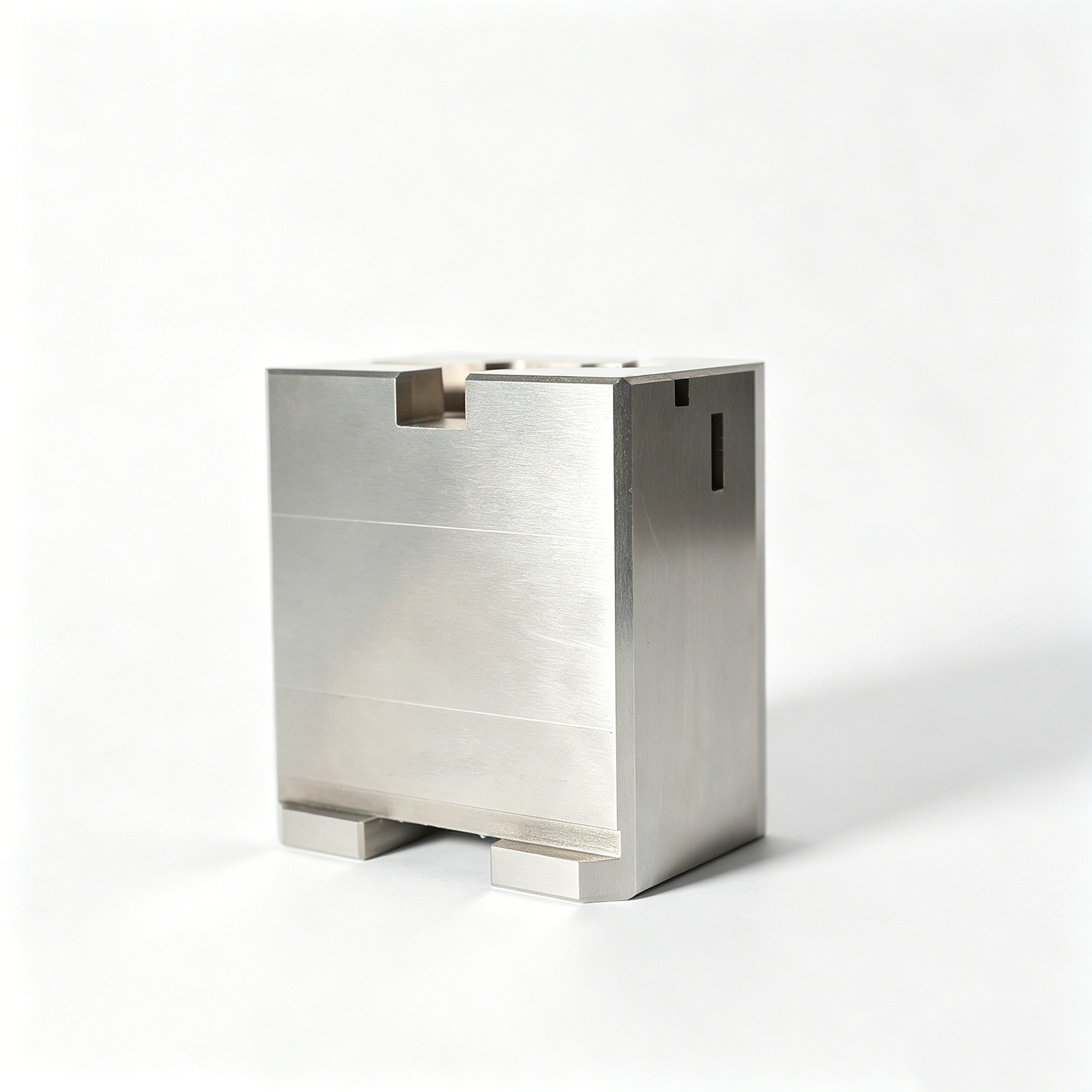
Injection, MIM, CIM & Overmolding Tooling
Injection, MIM, CIM, and overmolding tooling work is assessed within verified production scope. The component review should address molding interfaces, shrinkage assumptions supplied by the customer, feed or gate features, insert relationships, material condition, and fitting requirements.
Upload a Drawing
Machining Materials
CNC machining materials are chosen from the drawing, application, required mechanical properties, corrosion or wear conditions, and heat-treatment sequence. Confirm exact grade, material certification needs, stock form, and whether machining allowances must remain for EDM or grinding.
Upload a Drawing
Surface Finishes & Heat Treatment
Surface finishing and heat treatment must be specified with functional intent, not only appearance. Define hardness or treatment condition, coating or finish type, masking requirements, dimensional change risk, post-treatment grinding allowance, surface targets, and any required supporting records.
Upload a Drawing
Quality, Metrology & Documentation
Precision inspection, metrology, and quality documentation should follow the approved drawing revision and identified critical dimensions. Align the inspection plan with datums, sampling or reporting expectations, measurement methods, material documentation, traceability needs, and delivery release requirements.
Upload a Drawing
Prototyping & Low-Volume Production
Rapid prototyping and low-volume manufacturing support design validation, tooling trials, replacement components, and controlled engineering revisions. Submit the current drawing and model with material, quantity, critical dimensions, inspection needs, delivery target, and mating-component context for a practical review.
Upload a DrawingMove from Drawing Review to an Informed RFQ
Use volume, design maturity, quality requirements, and delivery priorities to compare CNC machining and injection molding before committing to a process route.
Send the Technical Package
Share the 2D drawing, 3D model when available, material specification, quantity, application context, delivery target, and relevant mating-component constraints.
Identify Critical Requirements
Define critical dimensions, datums, surface requirements, heat-treatment sequence, and inspection reporting needs so the process route can be assessed against functional risk.
Review the Process Route
Review design maturity, anticipated demand, tool access, machining allowances, mold-investment exposure, and revision likelihood before committing.
Confirm a Responsible RFQ
Align the preferred route with feasible manufacturing steps, inspection methods, documentation expectations, revision control, and delivery requirements for a disciplined quotation discussion.
Frequently Asked Questions About CNC Machining Versus Injection Molding
Use the drawing, production forecast, critical dimensions and revision risk to evaluate the most suitable process route before committing to tooling.
How do I choose between CNC machining and injection molding for a new part?
Is CNC machining or injection molding cheaper for low-volume production?
When should a team switch from CNC machining to injection molding?
Can injection molding achieve the same tolerances as CNC machining?
Which geometries create risk in CNC machining versus injection molding?
How do design revisions affect injection-molding tooling cost?
What inspection information should be agreed before choosing a process?
What should I send SUUXIANG for a CNC or molding-related process review?
Resolve CNC Machining vs. Injection Molding with a Drawing Review
Send your drawing, material, quantity, critical dimensions and inspection needs for a project-specific process discussion and quotation.