
Drawing Review for Manufacturable Precision Parts
SUUXIANG drawing review clarifies critical dimensions, datum strategy, process risks, and inspection needs before your CNC or tooling RFQ.
What Drawing Review Should Resolve Before Quotation
SUUXIANG reviews the drawing details that shape process selection, manufacturability, inspection planning, and a responsible production discussion.
Critical Dimensions
We identify functional dimensions, datum relationships, tolerance-stack risks, and measurement priorities so the quotation reflects the part’s actual acceptance criteria.
Material And Heat Treatment
Material grade, hardness, heat-treatment sequence, and required properties are reviewed early because they influence machining strategy, allowance, distortion risk, and inspection.
Tool Access And EDM
We assess cutter access, internal geometry, electrode requirements, wire paths, and corner conditions to select practical CNC, EDM, or combined process routes.
Grinding And Surface Requirements
Surface finish, flatness, parallelism, and grinding stock are examined together to avoid removing critical material before final precision operations.
Inspection And Revision Control
The drawing review aligns critical features with inspection methods, reporting needs, revision status, and traceability expectations before production commitments are discussed.
Drawing-Driven Precision Manufacturing
Explore manufacturing routes for custom parts and tooling where geometry, critical dimensions, process sequence, inspection requirements, and revision control must align.
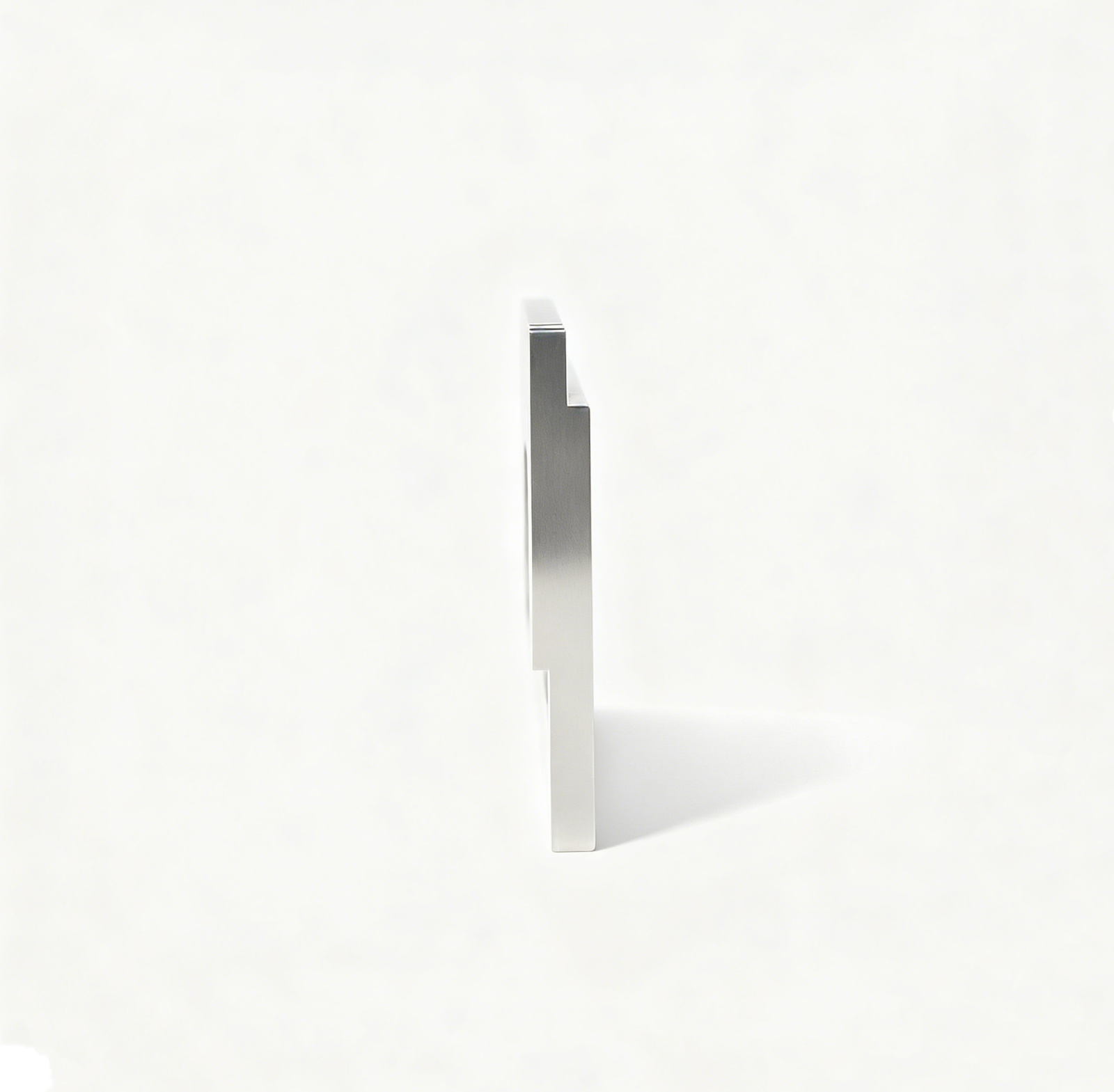
CNC Machining Services
Precision CNC machining services for drawing-based parts that require planned milling, turning, EDM, grinding, fitting, and inspection. Review material, datums, critical dimensions, surface requirements, quantity, and delivery expectations before selecting a practical process route.
Upload a Drawing
CNC Milling
Custom CNC milling services for prismatic, contoured, and feature-rich components. Drawing review addresses tool access, datum references, pocket geometry, wall stability, machining allowance, and the dimensions that require focused inspection.
Upload a Drawing
CNC Turning
Precision CNC turning services for cylindrical and rotational parts with controlled diameters, shoulders, threads, grooves, and concentric features. Confirm material condition, datum strategy, runout requirements, surface priorities, and secondary operations before production planning.
Upload a Drawing
5-Axis Machining
5-axis CNC machining supports complex surfaces, angled features, and multi-face geometry where fewer setups may help preserve relationships between critical features. Feasibility depends on tool reach, fixture strategy, material condition, tolerance requirements, and inspection access.
Upload a Drawing
Swiss & Micro Machining
Swiss machining and micro machining support small, slender, or detail-intensive components where support, tool engagement, and measurement strategy matter. Provide complete drawings, material requirements, critical dimensions, quantity, and any mating-part context for review.
Upload a Drawing
Wire & Sinker EDM
Wire EDM and sinker EDM services address internal profiles, fine features, hardened materials, and geometry with limited conventional-tool access. Process planning considers wire path or electrode strategy, corner conditions, recast-layer requirements, finish, and downstream fitting or grinding.
Upload a Drawing
Precision Grinding
Precision surface and profile grinding is used to establish controlled flatness, parallelism, profiles, and final-size relationships. Define grinding stock, heat-treatment sequence, datum surfaces, surface-finish requirements, and the inspection method before release.
Upload a Drawing
Mold Core & Cavity Inserts
Precision mold core and cavity inserts are produced from drawing-defined geometry and process requirements. Review molding surfaces, shutoffs, cooling or feature access, material and heat treatment, EDM strategy, fitting interfaces, critical dimensions, and inspection expectations.
Upload a Drawing
Ejector & Ejection Components
Ejector pins, sleeves, and ejection components require attention to fit, alignment, wear conditions, and mating relationships. Supply dimensions, materials, hardness or treatment needs, surface requirements, and assembly context to support an appropriate manufacturing route.
Upload a Drawing
Core Pins, Guide & Locating Components
Core pins, guide pins, and locating components are planned around position control, mating fits, wear surfaces, and replacement needs. Drawings should identify functional datums, toleranced relationships, material and treatment requirements, and inspection priorities.
Upload a Drawing
Slides, Lifters, Gates & Mold Accessories
Mold slides, lifters, gates, and accessories are reviewed as working interfaces rather than isolated shapes. Define travel or mating conditions, wear areas, shutoff requirements, material and treatment, fitting allowances, and the dimensions governing assembly performance.
Upload a Drawing
Connector Mold Components
Precision connector mold components support tooling where pitch, cavity relationships, fine profiles, and alignment features affect molded connector performance. A useful review includes drawing revisions, material, critical dimensions, EDM needs, inspection criteria, and mating-component context.
Upload a Drawing
Stamping Die Components
Precision stamping die components are manufactured to drawing-defined profiles, clearances, guide relationships, and wear requirements. Process planning considers material condition, heat treatment, EDM or grinding sequence, fitting needs, critical dimensions, and inspection documentation.
Upload a Drawing
Injection Mold Components for MIM, CIM & Overmolding
Injection, MIM, CIM, and overmolding tooling components are evaluated within verified production scope. Discuss part geometry, material flow considerations, molding interfaces, core and cavity details, treatment sequence, fitting requirements, and inspection expectations before commitment.
Upload a Drawing
Machining Materials
CNC machining materials should be selected against functional loads, corrosion exposure, wear, machinability, heat treatment, and dimensional stability. State the specified grade, material condition, approved alternatives, certification needs, and any application constraints in the RFQ.
Upload a Drawing
Surface Finishes & Heat Treatment
Surface finishing and heat treatment require coordinated planning because they can affect dimensions, hardness, surface condition, and later machining or grinding. Specify required process, applicable surfaces, masking needs, sequence, acceptance criteria, and reporting requirements.
Upload a Drawing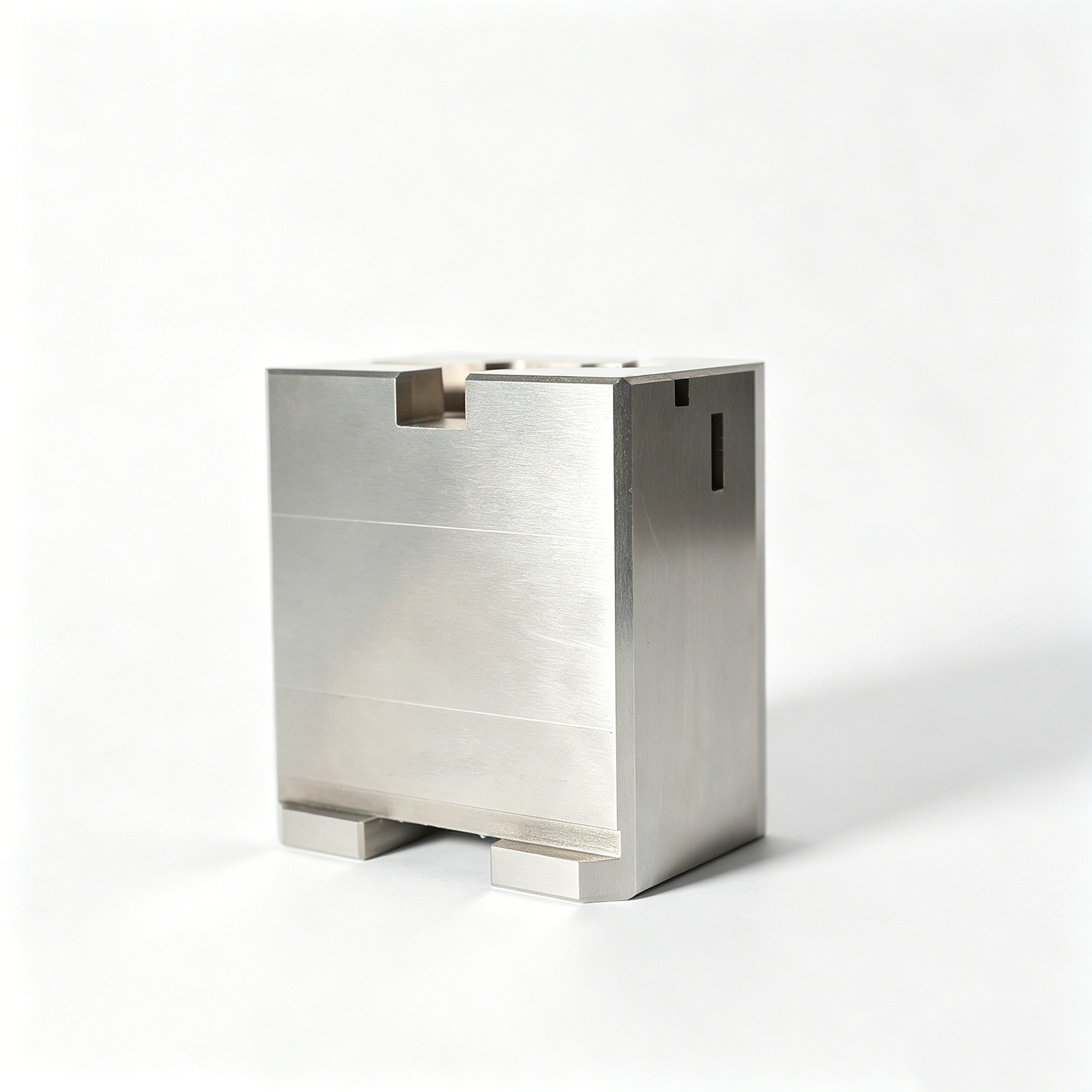
Quality, Metrology & Documentation
Precision inspection, metrology, and quality documentation are planned around the drawing’s critical dimensions, datums, tolerances, and agreed reporting needs. Define measurement methods, sampling expectations, traceability requirements, revision status, and any requested inspection records.
Upload a Drawing
Prototyping & Low-Volume Production
Rapid prototyping and low-volume manufacturing support drawing-based evaluation, tooling development, and controlled production needs. Share the current drawing and model, material, quantity, functional priorities, target date, inspection requirements, and expected revision path for review.
Upload a DrawingFrom RFQ Files: Drawing Review to Inspected Parts
A controlled workflow for clarifying manufacturability, planning the process route, and aligning inspection evidence with the order.
Submit Complete RFQ Files
Provide the current 2D drawing, available 3D model, material, quantity, target date, quality requirements, and application context that can affect manufacturability.
Confirm Critical Requirements
Align critical dimensions, datums, surface requirements, heat treatment, revision status, inspection needs, and mating conditions before quotation assumptions or production commitments are set.
Review Process Route
Use the drawing-review discussion to identify machining access, EDM or wire paths, grinding stock, fitting needs, and practical inspection methods.
Release Controlled Production Plan
Proceed with the agreed route across CNC machining, EDM, grinding, fitting, and inspection, keeping revisions and delivery information visible throughout project coordination.
Verify Against the Plan
Receive parts with documentation matched to the order and verified inspection plan, including agreed reporting where it is specified before production.
SUUXIANG Drawing-Review Workflow
SUUXIANG is the sole public-facing brand of Dongguan SuuXiang Precision Mold Co., Ltd. Established in 2010, the company is based at 2nd Floor, Sanhe Industrial Park, Chang’an Town, Dongguan City, Guangdong, China; XiaoCheng Huang is its founder and legal representative. We support international engineering, sourcing and quality teams with drawing-driven production for custom CNC parts, precision mold components, connector tooling and stamping-die components.
Our work connects CNC milling and turning, multi-axis machining, EDM, precision grinding, fitting and inspection through a controlled manufacturing plan. Before quotation or production commitments, each drawing review focuses on critical dimensions, datums, material and heat-treatment requirements, surface expectations, process access and inspection needs.
What distinguishes SUUXIANG is a practical engineering workflow: DFM discussion, revision control and traceable communication remain connected to the manufacturing route and verified inspection plan. Submit the 2D drawing, available 3D model, quantity, delivery target and quality requirements to begin a focused RFQ discussion.

Frequently Asked Questions About Drawing Review
Practical answers for drawing-based CNC parts, mold components, connector tooling and die components.
What should I send for a drawing review before requesting a quote?
Can SUUXIANG perform a drawing review with only a PDF drawing?
Which dimensions should be identified as critical in a drawing review?
How does revision control affect a CNC machining RFQ?
Will drawing review tell me whether EDM or grinding is needed?
What inspection information should be included with my drawing?
Can a drawing review help reduce machining cost without changing function?
What happens if my drawing has missing tolerances or conflicting notes?
Can you review drawings for mold components and connector tooling?
Submit a Drawing-Review RFQ Today
Upload your drawing with material, quantity, quality requirements, inspection needs, and target delivery date for a focused SUUXIANG manufacturing discussion.