
Ejector Pins: Engineering Review for RFQs
Specify ejector pins with drawing review, material, critical dimensions, process planning and inspection requirements aligned before production.
How Ejector Pins Are Specified for Reliable Ejection
Resolve material condition, functional dimensions, surface requirements and inspection evidence before committing the drawing to production.
Material and Heat Treatment
Define the approved material grade, delivery condition, heat-treatment sequence and any surface treatment required for wear, temperature or corrosion exposure.
Critical Dimensions and Datums
Identify diameter, length, shoulder geometry, concentricity and datum references that govern fit, alignment and controlled ejection within the assembly.
Working Surface Requirements
Specify finish, straightness and surface condition where sliding contact, fit clearance or part-facing geometry influences friction, wear or witness marks.
Ejection Load Context
Share molded-part geometry, material, sticking risk and mating-component context so pin geometry and contact areas can be reviewed appropriately.
Inspection Plan and Records
Align inspection methods, critical dimensions, sampling expectations and reporting requirements with the drawing revision before production begins.
Revision-Controlled RFQ
Provide current 2D drawings, available 3D models, quantity and delivery targets to support DFM discussion, traceability and a responsible quotation.
Route Ejector Pins Through the Right Process Plan
Start With the Mold Interface
Review the pin diameter, working length, head retention, mating bore, travel direction and load path before selecting a route. The drawing review should identify critical dimensions, datum references and any cosmetic or venting considerations that could change the interface strategy.
- Confirm functional datums and mating-component references
- Identify clearance, guide and retention requirements
- Flag surfaces where witness marks are unacceptable
- Define inspection priorities before machining

Match CNC to Pin Geometry
CNC turning, milling and multi-axis machining establish the base geometry, shoulders, flats and retention features where access permits. SUUXIANG reviews tool approach, stock condition and sequence so later EDM or grinding operations protect the dimensions that govern fit and ejection.
- Plan tool access around slender working sections
- Sequence shoulders and special profiles deliberately
- Preserve stock for finishing operations
- Control revisions across 2D and 3D data

Use EDM Where Access Demands
Wire EDM or sinker EDM may be considered when profiles, slots, non-round details or hardened conditions make conventional cutting unsuitable. Electrode strategy, wire path, recast-layer requirements and subsequent finishing should be agreed against the drawing and the component’s mold-side function.
- Assess wire entry and exit locations
- Define electrode details for inaccessible forms
- Review finishing needs after EDM
- Link EDM features to inspection datums

Finish for Fit and Motion
Grinding and fitting address the surfaces that control guided movement, bore fit, bearing contact and repeatable assembly. For ejector pins, the inspection plan should distinguish functional diameters and lengths from noncritical features, then align measurement methods and required records to the RFQ.
- Set grinding allowance before heat treatment
- Verify functional diameters and working length
- Review burr control and surface requirements
- Request reports matched to critical dimensions

Ejector Pins for Mold, Connector and Die Tooling
Match each component family to the drawings, critical dimensions, process route and inspection evidence needed for a production-ready RFQ.
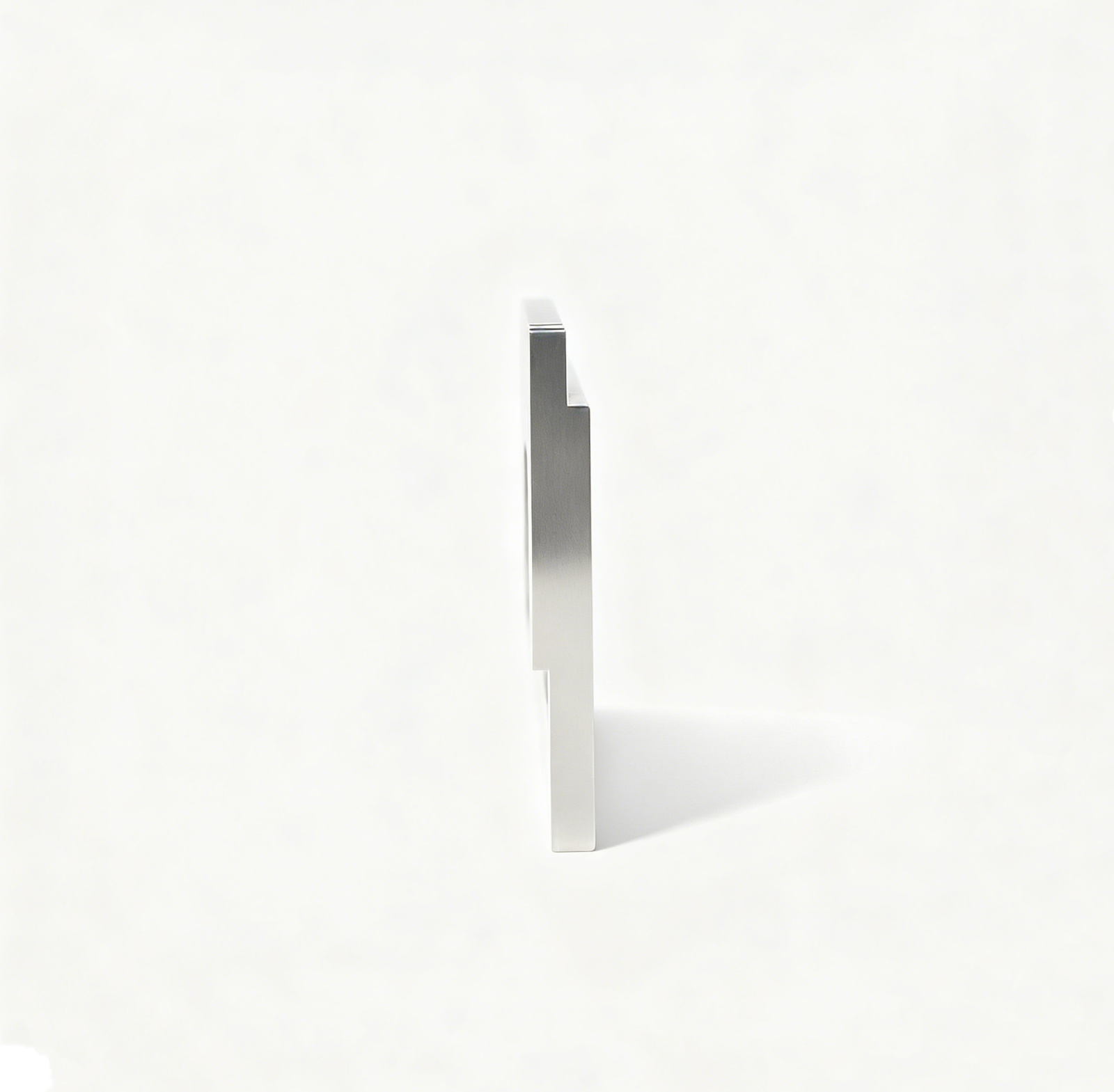
CNC Machining Services
Precision CNC machining services for drawing-based parts requiring coordinated milling, turning, EDM, grinding and inspection. Submit 2D drawings, 3D models, material, quantity, critical dimensions and reporting requirements so the proposed route can be reviewed before quotation.
Upload a Drawing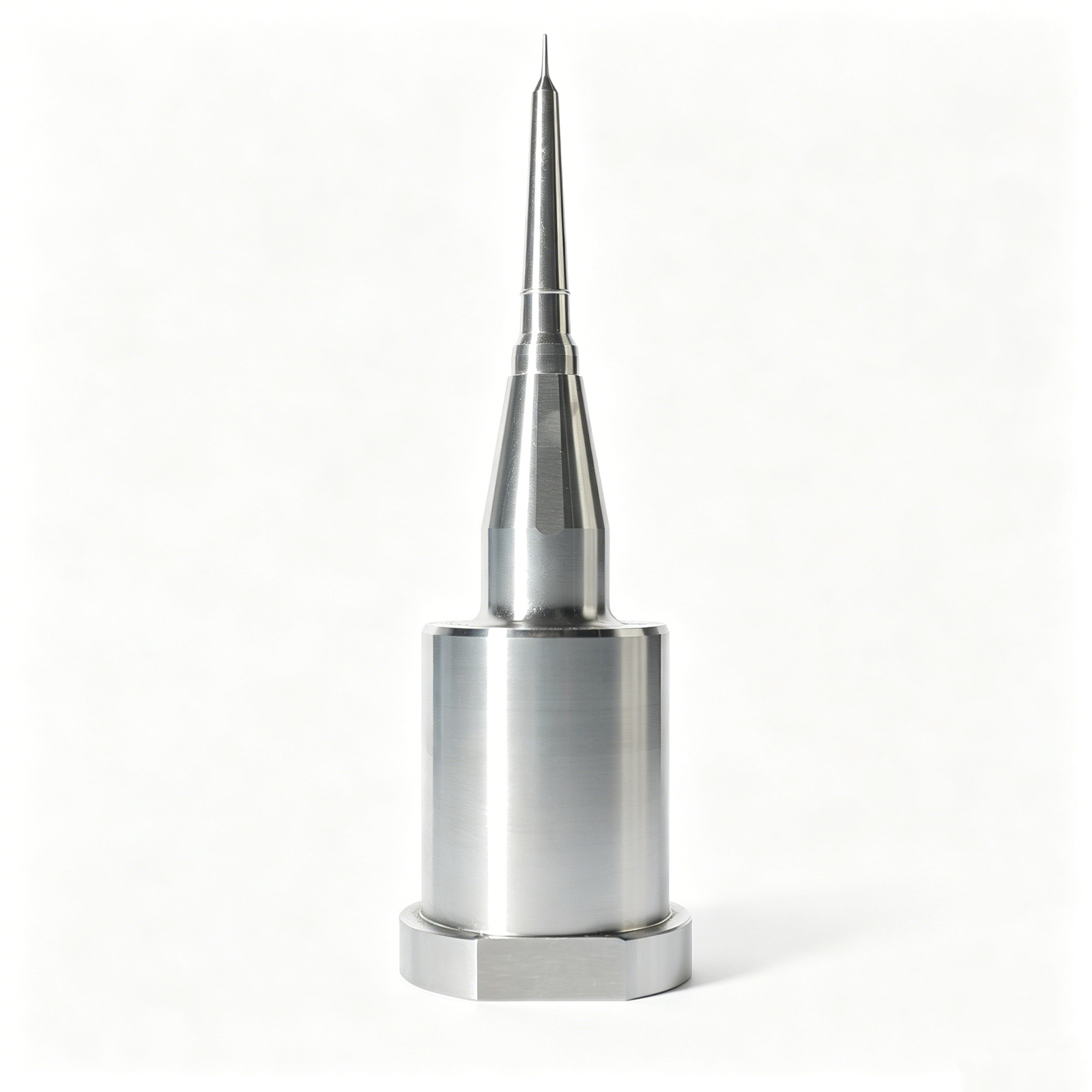
CNC Milling
Custom CNC milling services for prismatic mold, connector and die-tooling features, including pockets, ribs, cooling details and datum surfaces. Drawings should identify tolerance-critical features, accessible tool paths, surface requirements and any heat-treatment sequence affecting machining allowance.
Upload a Drawing
CNC Turning
Precision CNC turning services for rotational parts such as pins, sleeves, bushings and locating elements. Include diameters, concentricity or runout requirements, thread details, material condition, heat treatment and mating relationships to support an appropriate machining and inspection plan.
Upload a Drawing
5-Axis Machining
5-axis CNC machining supports complex profiles, angled features and multi-face parts where fixture changes or tool access affect accuracy. Provide the 3D model, datum scheme, critical surfaces and clearance constraints for review of orientation, reach and inspection feasibility.
Upload a Drawing
Swiss & Micro Machining
Swiss machining and micro machining support small-diameter, elongated and detail-intensive components where handling, burr control and measurement method matter. Identify minimum feature sizes, tolerances, material, quantity and functional mating conditions in the RFQ.
Upload a Drawing
Wire & Sinker EDM
Wire EDM and sinker EDM services address hardened materials, narrow slots, internal corners, intricate profiles and features beyond conventional tool access. Clarify the wire path or electrode-driven geometry, corner requirements, surface expectations, datum references and subsequent finishing needs.
Upload a Drawing
Precision Grinding
Precision surface and profile grinding is used to establish controlled flatness, parallelism, profiles and final-size features. State grinding stock, material and hardness condition, datum surfaces, tolerance stack and required inspection method before process planning.
Upload a Drawing
Mold Core & Cavity Inserts
Precision mold core and cavity inserts are produced from drawings that define parting surfaces, shutoffs, cooling interfaces, cavity geometry and critical molding features. Include steel grade, heat-treatment condition, mating details, polishing requirements and inspection priorities.
Upload a Drawing
Ejector & Ejection Components
Ejector pins, sleeves and ejection components require clear requirements for diameter, working length, head geometry, clearance, hardness and mating interfaces. Provide assembly context and critical sliding relationships so machining, grinding and inspection can be planned appropriately.
Upload a Drawing
Core Pins, Guide & Locating Components
Core pins, guide pins and locating components depend on accurate interfaces with the surrounding tool. Identify datum references, fit class or clearance, engagement length, material and heat treatment, plus any concentricity, runout or surface requirements.
Upload a Drawing
Slides, Lifters, Gates & Mold Accessories
Mold slides, lifters, gates and accessories require review of travel, shutoff geometry, wear surfaces, assembly interfaces and tool access. Drawings should show functional motion or mating context, material condition and critical dimensions requiring inspection.
Upload a Drawing
Connector Mold Components
Precision connector mold components support fine-pitch, multi-cavity and interface-sensitive tooling. Include connector geometry, pin or terminal relationships, datum strategy, material, surface condition and any EDM or grinding features that govern repeatable assembly.
Upload a Drawing
Stamping Die Components
Precision stamping die components include punches, dies, inserts, guides and wear elements requiring coordinated clearance, profile and material control. Supply strip or mating-component context where relevant, along with hardness, surface requirements and dimensional priorities.
Upload a Drawing
Injection, MIM, CIM & Overmolding Tooling
Injection, MIM, CIM and overmolding tooling components are evaluated against the molding process, material behavior, part geometry and interface requirements. Provide component drawings, molding application, shrinkage or fit considerations, steel specification and quality expectations.
Upload a Drawing
Machining Materials
CNC machining materials should be specified by recognized grade, condition and any required material documentation. The drawing review should also identify hardness, corrosion resistance, thermal behavior, machinability and downstream heat-treatment effects on critical dimensions.
Upload a Drawing
Surface Finishes & Heat Treatment
Surface finishing and heat treatment must be defined by functional need, not appearance alone. Specify the required process or standard, hardness or coating target where applicable, masking or polishing areas, sequence constraints and dimensions that may change after treatment.
Upload a Drawing
Quality, Metrology & Documentation
Precision inspection, metrology and quality documentation are planned around the drawing’s critical-to-quality features. Identify report format, sampling or first-article needs, datums, measurement method expectations, material records and revision-controlled documentation required with delivery.
Upload a Drawing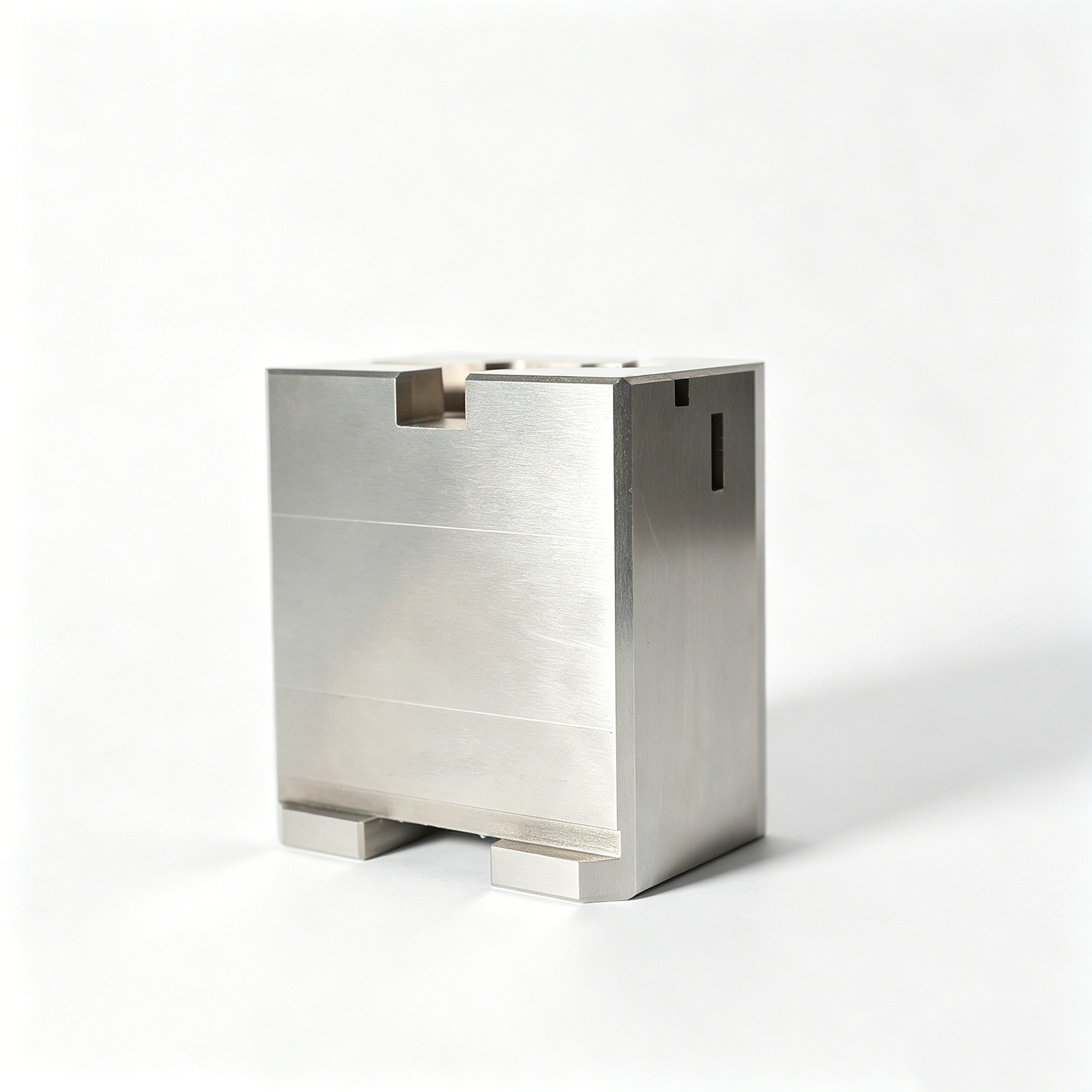
Prototyping & Low-Volume Production
Rapid prototyping and low-volume manufacturing support drawing-based validation, bridge requirements and controlled small-batch supply. State quantity range, revision maturity, target date, material and functional priorities so DFM, process selection and inspection scope can be aligned.
Upload a DrawingEjector Pins: From Drawing Review to Inspected Parts
Give SUUXIANG the drawing package and quality priorities needed to plan a controlled, drawing-driven route for custom ejector-pin components.
Submit Complete Requirements
Provide 2D drawings, 3D models when available, material and heat-treatment requirements, quantity, target date, and application context for the ejector-pin component.
Confirm Critical Features
Review critical dimensions, datums, surface requirements, tolerances, pin geometry, machining access, and inspection expectations before quotation or production commitments are made.
Plan the Process Route
Align the manufacturing sequence across CNC machining, EDM, grinding, fitting, and heat-treatment coordination, identifying allowances and process risks that affect final features.
Verify and Document Results
Inspect agreed critical characteristics against the order and inspection plan, then maintain revision and delivery information so documentation matches the approved requirement.
Frequently Asked Questions About Ejector Pins
Practical guidance for defining configurable ejector pin components, verification requirements and drawing-based RFQs.
What information should I include when requesting ejector pins?
Can SUUXIANG manufacture custom ejector pins from my drawing?
How should tolerances be specified for ejector pins?
Which material and heat-treatment details are needed for an ejector pin RFQ?
Can ejector pins be ground after heat treatment?
What surface finish should I call out for ejector pins?
Can you provide inspection reports for custom ejector pins?
How do you prevent revision errors on ejector pin orders?
Upload Your Drawing for an Ejector Pin RFQ
Include material, quantity, critical dimensions, inspection needs and target delivery date for a disciplined drawing and DFM review.