
Grinding After Heat Treatment for Precision Parts
Plan grinding after heat treatment around critical dimensions, grinding stock, heat-treatment distortion, and inspection requirements before releasing your drawing.
Key Decisions for Grinding After Heat Treatment
Evaluate dimensional recovery, surface integrity, and stock allowance before releasing a hardened-part drawing for production.
Dimensional Recovery
Identify dimensions most likely to move during heat treatment and reserve finish-grinding access where critical fits, datums, and mating surfaces require recovery.
Grinding Allowance
Specify practical grinding stock by surface, accounting for heat-treatment movement, machining variation, wheel access, and material removal needed to establish final geometry.
Surface Integrity
Define finish and functional surface priorities early, then align wheel selection, coolant control, pass strategy, and inspection method with the application.
Datum Strategy
Set stable post-treatment datums so grinding and inspection reference the same functional relationships, reducing ambiguity in tolerance evaluation and revision review.
Inspection Planning
Agree on critical dimensions, measurement methods, reporting needs, and acceptance criteria before production commitments are made.
Process Route Review
Review material, hardness requirement, geometry, quantity, and delivery target together to determine whether pre-machining, heat treatment, EDM, and grinding sequence is appropriate.
Drawing-Driven Precision Manufacturing
Explore process routes and configurable component families for CNC machining, mold tooling, connector applications, inspection-led production, and controlled low-volume work.

CNC Machining Services
Precision CNC machining services for custom parts defined by drawings, models, material requirements, critical dimensions, and inspection needs. Process planning considers tool access, tolerance stack, machining sequence, and the appropriate use of milling, turning, EDM, grinding, and fitting.
Upload a Drawing
CNC Milling
Custom CNC milling services for prismatic parts, inserts, plates, and complex features. Drawing review addresses datums, cutter access, internal corners, wall conditions, machining allowance, surface requirements, and dimensions requiring inspection before production is committed.
Upload a Drawing
CNC Turning
Precision CNC turning services for shafts, pins, bushings, sleeves, and rotational components. Requirements are reviewed for concentricity, runout, threads, grooves, datum selection, material condition, and secondary operations such as milling, grinding, or EDM.
Upload a Drawing
5-Axis Machining
5-axis CNC machining for multi-face and contoured components where setup strategy, tool orientation, and feature access affect accuracy and efficiency. Review focuses on reachable geometry, clamping, datum continuity, collision risk, surface requirements, and inspection approach.
Upload a Drawing
Swiss & Micro Machining
Swiss machining and micro machining for small, detail-intensive components such as pins, terminals, sleeves, and precision turned features. Feasibility depends on geometry, material, length-to-diameter relationship, tolerances, handling requirements, and the specified inspection method.
Upload a Drawing
Wire & Sinker EDM
Wire EDM and sinker EDM services for hardened materials, narrow slots, sharp internal geometry, deep features, and mold-detail requirements. The process route considers wire path, electrode strategy, corner conditions, flushing, EDM allowance, recast-layer considerations, and downstream finishing.
Upload a Drawing
Precision Grinding
Precision surface and profile grinding for flatness, parallelism, profile control, and finished dimensions after machining or heat treatment. Grinding stock, datum condition, hardness, fixture strategy, surface requirement, and inspection points should be defined during review.
Upload a Drawing
Mold Core & Cavity Inserts
Precision mold core and cavity inserts manufactured to the drawing-defined geometry, material condition, critical surfaces, and mating requirements. Planning can combine CNC machining, EDM, grinding, fitting, and inspection according to shutoff details, cooling features, and dimensional priorities.
Upload a Drawing
Ejector & Ejection Components
Ejector pins, sleeves, and ejection components produced for drawing-specific mold assemblies. Review considers fit relationships, stroke and guidance context, material and heat-treatment requirements, head or sleeve geometry, surface condition, and dimensions that affect reliable ejection.
Upload a Drawing
Core Pins, Guide & Locating Components
Core pins, guide pins, and locating components for controlled alignment, forming, and repeatable mold assembly. Requirements should identify functional datums, fit classes, concentricity, hardness or coating needs, mating-part context, and inspection criteria before manufacture.
Upload a Drawing
Slides, Lifters, Gates & Mold Accessories
Mold slides, lifters, gates, and accessories produced as configurable tooling components rather than assumed stock items. Drawing review addresses motion interfaces, shutoff geometry, wear surfaces, machining access, EDM needs, fitting allowances, and the dimensions governing assembly performance.
Upload a Drawing
Connector Mold Components
Precision connector mold components for connector-product tooling, including small cavities, inserts, pins, and forming details. Production planning considers pitch-critical geometry, burr control, mating relationships, material condition, EDM or grinding strategy, and inspection evidence required by the project.
Upload a Drawing
Stamping Die Components
Precision stamping die components for forming, punching, guiding, and locating applications. The review process addresses material and heat-treatment sequence, clearance-related dimensions, punch and die geometry, wear areas, grinding allowance, assembly interfaces, and required measurement records.
Upload a Drawing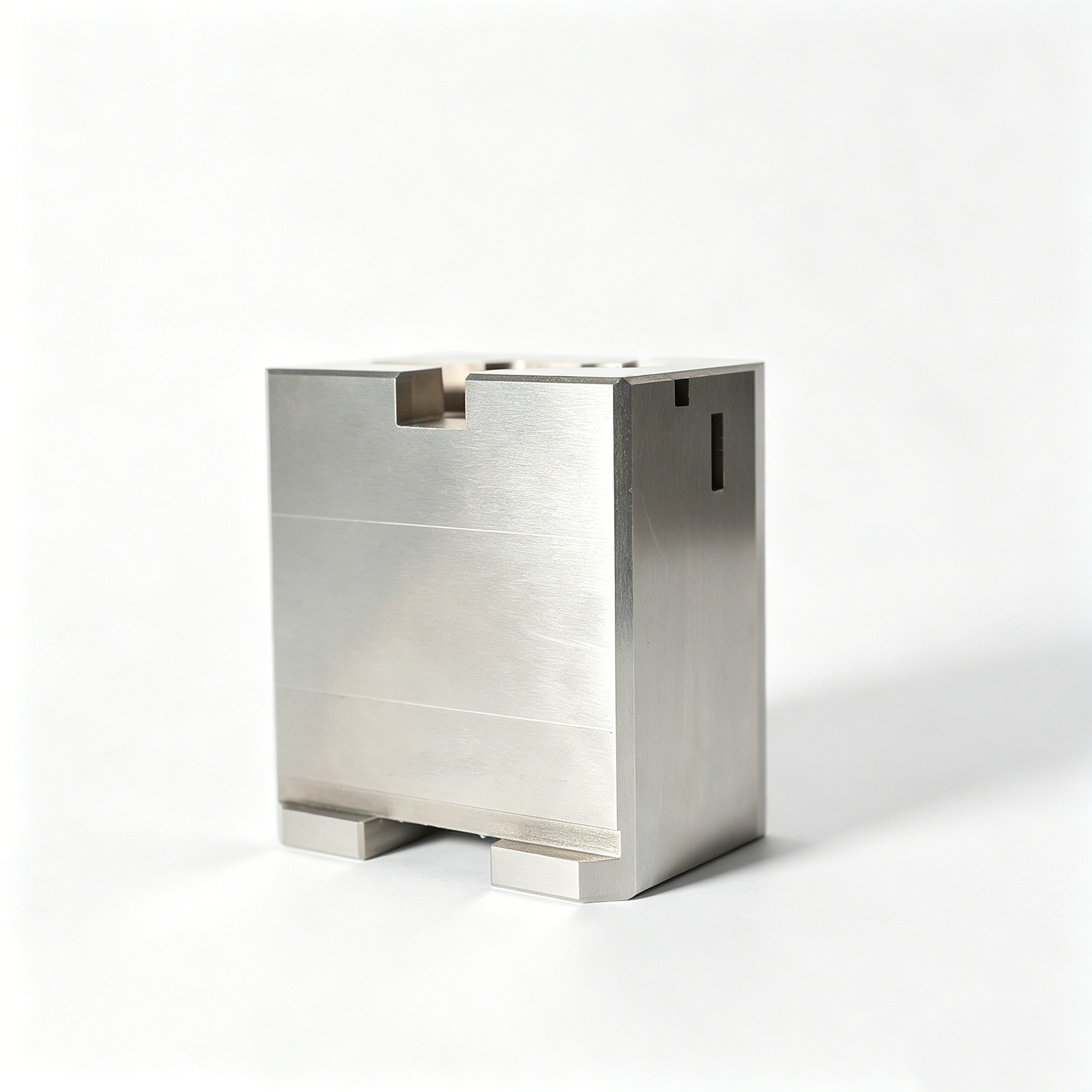
Injection, MIM, CIM & Overmolding Tooling
Tooling and component work for injection molding, metal injection molding, ceramic injection molding, and overmolding applications within verified production scope. Feasibility depends on the drawing package, material, geometry, process route, critical dimensions, and quality expectations.
Upload a Drawing
Machining Materials
CNC machining materials selected against the drawing, application, mechanical requirements, heat-treatment sequence, corrosion needs, and planned process route. Material availability, condition, traceability requirements, and suitability for machining, EDM, or grinding are confirmed for each project.
Upload a Drawing
Surface Finishes & Heat Treatment
Surface finishing and heat treatment planned around functional requirements rather than assumed as standard. Review identifies surface condition, coating or treatment specification, masking or tolerance implications, distortion risk, grinding sequence, corrosion needs, and required supporting documentation.
Upload a Drawing
Quality, Metrology & Documentation
Precision inspection, metrology, and quality documentation aligned with the order and verified inspection plan. Discussions define critical dimensions, datums, measurement methods, sampling or reporting expectations, material or treatment records, traceability needs, and revision-controlled deliverables.
Upload a Drawing
Prototyping & Low-Volume Production
Rapid prototyping and low-volume manufacturing for drawing-based parts and tooling components requiring controlled process planning. RFQs should state quantity, material, critical dimensions, surface priorities, delivery target, revision status, and inspection requirements so feasibility and production routing can be assessed.
Upload a DrawingGrinding After Heat Treatment: Compare Routes Before Drawing Release
Evaluate stock removal, distortion recovery, surface risk, and inspection planning before selecting the grinding sequence.
← Swipe left or right to view →
Plan Grinding After Heat Treatment Around Critical Dimensions
Establish Functional Datums
SUUXIANG reviews the drawing’s functional relationships before grinding after heat treatment, identifying the surfaces that control fit, location, and measurement. A clear datum scheme helps separate reference features from surfaces that may move during hardening, handling, or intermediate operations.
- Identify mating and locating surfaces
- Define inspection references before release
- Review tolerance-stack dependencies
- Align setup sequence with functional datums

Reserve Grinding Stock
Grinding allowance must be intentional, not assumed. The drawing review considers material condition, heat-treatment sequence, expected distortion risk, accessible surfaces, and final geometry so sufficient stock remains for controlled finishing without unnecessarily extending the process route.
- Mark surfaces requiring post-heat-treatment finish
- Specify stock by feature and process route
- Consider distortion-prone thin sections
- Avoid removing critical geometry too early

Coordinate EDM Access
For hardened details, wire EDM or sinker EDM may affect how grinding after heat treatment is sequenced. SUUXIANG evaluates wire paths, electrode access, corner conditions, and protected datum surfaces so EDM and grinding operations support rather than compromise critical dimensions.
- Check wire-entry and exit locations
- Review electrode and flushing access
- Protect finished reference surfaces
- Sequence internal details before final grinding

Match Inspection to Risk
Inspection planning should reflect the features that matter to assembly and acceptance. SUUXIANG aligns measurement methods with specified datums, dimensional priorities, surface requirements, and requested reporting, while maintaining revision visibility from drawing review through final part documentation.
- Classify critical-to-quality dimensions
- Set practical measurement references
- Define report requirements with the RFQ
- Maintain drawing-revision traceability

Plan Grinding After Heat Treatment From Drawing to Inspection
Provide the production details needed to review the process route, critical dimensions, and inspection expectations before commitments are made.
Share Your Drawing Package
Submit the 2D drawing, available 3D model, material, quantity, application context, and required delivery date so the team can establish the production scope.
Identify Critical Requirements
Mark datums, critical dimensions, surface requirements, heat-treatment condition, and reporting needs. Explain mating features or functional priorities that affect tolerance, grinding stock, and inspection planning.
Review the Process Route
SUUXIANG reviews machining access, heat-treatment sequence, EDM requirements, grinding after heat treatment, and potential distortion risks to determine a practical drawing-driven manufacturing approach.
Align Inspection and Revisions
Confirm the inspection method, documentation expectations, revision status, and delivery coordination before production. Final records should correspond with the agreed order and verified inspection plan.
FAQs on Grinding After Heat Treatment
Practical answers for planning hardened-part grinding, dimensional control and inspection before production release.
When is grinding after heat treatment necessary for precision parts?
How much grinding allowance should I leave before grinding after heat treatment?
Can grinding after heat treatment correct warpage or distortion?
Will grinding after heat treatment reduce hardness or cause grinding burn?
What tolerances are realistic after heat treatment and grinding?
Should I specify surface roughness before or after heat treatment?
How should I dimension a part that will be ground after heat treatment?
What inspection documents should I request for hardened ground parts?
Start With a Drawing Review for Post-Heat-Treatment Grinding
Upload your drawing, material and heat-treatment requirements, critical dimensions, inspection needs, quantity and target delivery date for project-specific process review.