
Hard Milling Versus Grinding for Precision Part Decisions
Compare hard milling versus grinding against critical dimensions, surface requirements, datum strategy, and inspection needs before releasing a drawing.
Hard Milling Versus Grinding: Compare the Decision Criteria
Select the finishing route from drawing-defined geometry, critical dimensions, material condition, surface requirements, and inspection needs.
← Swipe left or right to view →
How Hard Milling Versus Grinding Changes the Process Route
Start With Feature Access
Hard milling can follow complex 3D contours, pockets and blended surfaces when cutter access, tool reach and rigidity are planned. Grinding is often stronger for accessible faces, diameters and profiles, but wheel approach and dressing geometry must be confirmed from the drawing.
- Review deep cavities, internal radii and undercuts before selecting a finish route
- Check cutter reach, holder clearance and workholding stability
- Define where wheel access or a dressed profile is required
- Separate cosmetic surfaces from critical functional features

Protect Critical Surfaces
The hard milling versus grinding decision should account for surface function, not appearance alone. Specify roughness, flatness, parallelism, roundness and mating behavior where they matter, then align the finishing process and inspection method with those requirements.
- Identify sealing, sliding, shutoff and bearing surfaces
- Assign datums before planning the finishing setup
- State required surface texture and geometric controls
- Match inspection points to the critical-to-quality features

Plan Heat and Grinding Stock
Heat treatment can change size and introduce distortion, so the route must define machining allowance before hardening. Grinding stock should be sufficient for correction without creating unnecessary cycle time, while hard milling strategy must consider tool condition, engagement and localized heat.
- Confirm the heat-treatment sequence and material condition
- Reserve controlled stock on surfaces intended for grinding
- Evaluate distortion risk against datum and tolerance requirements
- Review toolpath engagement for hardened finishing operations

Use a Combined Route
Many precision components do not require an all-or-nothing choice. CNC milling can establish the main geometry and accessible contours, followed by grinding on the dimensions and surfaces that require a controlled final condition after heat treatment.
- Machine primary geometry before final finishing where practical
- Keep grinding targets tied to functional dimensions
- Coordinate EDM, milling and grinding allowances
- Request an inspection plan with the RFQ for critical features

Select the right route for critical features
Compare practical process options for drawing-driven mold, connector, stamping-die, and custom machined components before RFQ and production planning.

CNC Machining Services
Precision CNC machining services translate approved drawings into custom parts through planned milling, turning, EDM, grinding, fitting, and inspection. The process route should reflect critical dimensions, material condition, datum references, surface requirements, quantity, and delivery priorities.
Upload a Drawing
CNC Milling Services
Custom CNC milling services support prismatic and contoured features on mold inserts, connector tooling, die components, and custom parts. Drawing review should confirm tool access, wall geometry, datum strategy, corner conditions, machining allowance, and the features requiring later EDM or grinding.
Upload a Drawing
CNC Turning Services
Precision CNC turning services are suited to rotational components such as pins, sleeves, bushings, shafts, and locating features. Quote review should identify concentricity, runout, thread requirements, bearing surfaces, material condition, cutoff strategy, and any secondary milling, grinding, or inspection requirements.
Upload a Drawing
5-Axis Machining
5-axis CNC machining helps reach compound angles, contoured surfaces, and multiple features with fewer setups. For mold and connector components, SUUXIANG reviews fixture access, tool reach, collision risk, datum transfer, tolerance relationships, and whether EDM remains necessary for sharp internal details.
Upload a Drawing
Swiss & Micro Machining
Swiss machining and micro machining support small, slender, and detail-intensive components where deflection and handling can affect results. Typical reviews address diameter-to-length ratio, material behavior, burr control, cross features, concentricity, measurement method, and traceable separation of similar part revisions.
Upload a Drawing
Wire & Sinker EDM
Wire EDM and sinker EDM services address narrow slots, sharp internal corners, hardened materials, deep ribs, and features inaccessible to conventional cutters. Process planning considers wire path or electrode strategy, flushing access, recast-layer expectations, EDM allowance, datum control, and finishing requirements.
Upload a Drawing
Precision Grinding
Precision surface and profile grinding is used to establish controlled flatness, parallelism, thickness, profiles, and functional bearing surfaces. SUUXIANG evaluates grinding stock, heat-treatment sequence, workholding, wheel access, thermal effects, datum references, and inspection criteria before committing the route.
Upload a Drawing
Mold Core & Cavity Inserts
Precision mold core and cavity inserts are manufactured from drawing-defined geometry, material, heat-treatment, and surface requirements. Review focuses on parting surfaces, shutoffs, cooling or vent features, cavity finish, EDM details, grinding stock, mating conditions, and critical dimensions tied to molded-part performance.
Upload a Drawing
Ejector & Ejection Components
Ejector pins, sleeves, and ejection components require attention to fit, alignment, sliding surfaces, hardness condition, and wear behavior. Provide hole, sleeve, or plate mating information where available so clearance, surface finish, concentricity, and inspection priorities can be assessed in context.
Upload a Drawing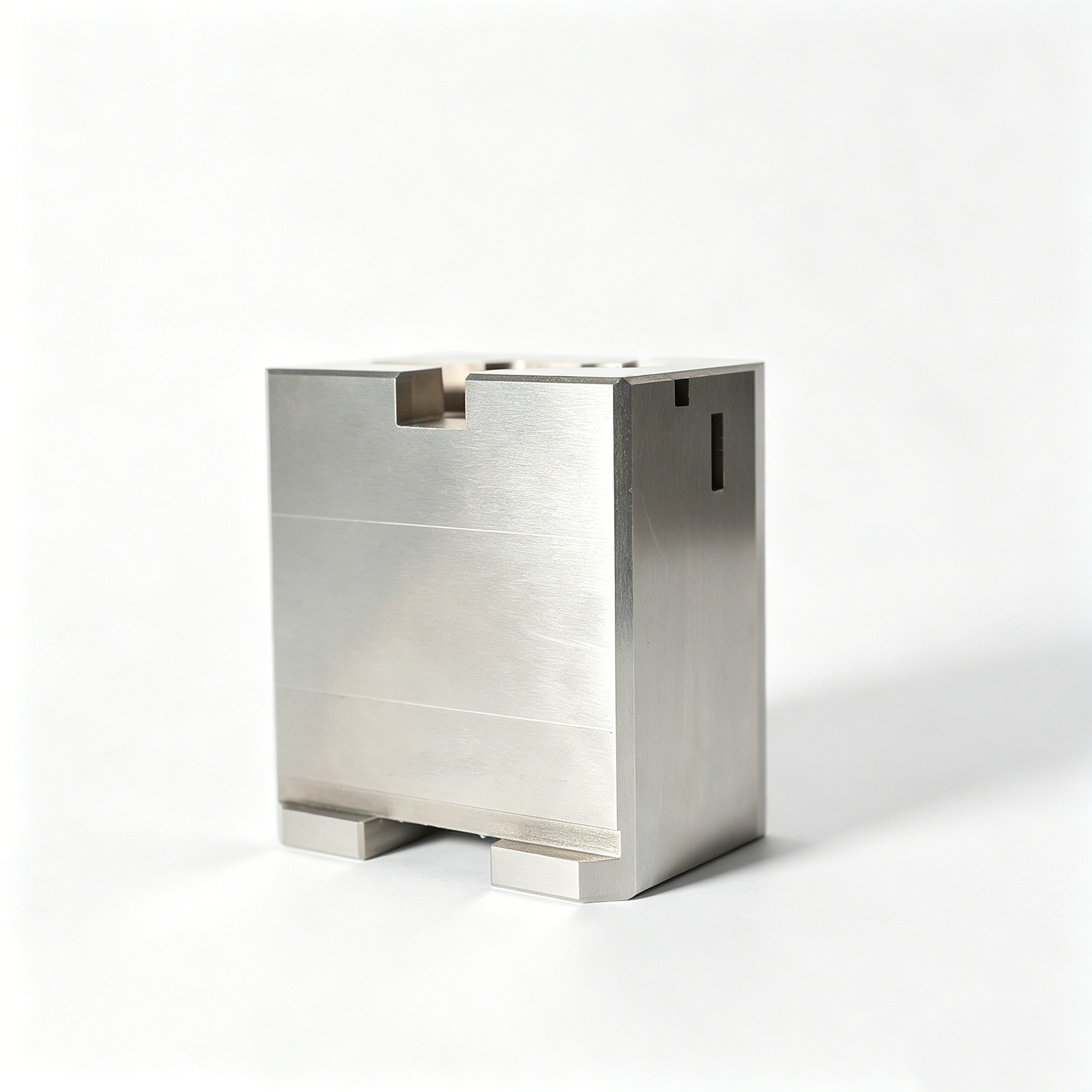
Core Pins, Guide & Locating Components
Core pins, guide pins, and locating components are evaluated as functional mating features, not generic catalog items. Drawings should define datum relationships, engagement lengths, fit class, surface requirements, hardness condition, replaceability, and any runout, concentricity, or positional controls needed during assembly.
Upload a Drawing
Slides, Lifters, Gates & Mold Accessories
Mold slides, lifters, gates, and accessories combine movement, shutoff, alignment, and wear considerations. SUUXIANG reviews travel geometry, contact faces, clearances, material and treatment requirements, lubrication context, machining access, EDM needs, and the inspection references required for reliable fitting.
Upload a Drawing
Connector Mold Components
Precision connector mold components often involve fine-pitch geometry, small pins, narrow slots, inserts, and tightly controlled mating relationships. A useful RFQ identifies connector application context, critical pitch or positional dimensions, cavity details, material condition, surface requirements, and inspection reporting needs.
Upload a Drawing
Stamping Die Components
Precision stamping die components are planned around functional cutting, forming, guiding, and mating surfaces. Drawing review considers material and hardness, profile accuracy, clearance relationships, punch-to-die alignment, grinding sequence, wire-EDM requirements, surface condition, and evidence needed to support final inspection.
Upload a Drawing
Injection, MIM, CIM & Overmolding Tooling
Injection, MIM, CIM, and overmolding tooling work is assessed within verified production scope and according to the component’s molding function. Share resin or feedstock context, shrinkage assumptions, inserts, shutoffs, gate requirements, surface expectations, and mating details so manufacturability risks can be identified early.
Upload a Drawing
Machining Materials
CNC machining materials must be selected with the application, machining route, heat treatment, corrosion exposure, wear conditions, and inspection requirements in view. Identify the specified grade, material standard, supply condition, substitutions policy, and any documentation needed before quotation.
Upload a Drawing
Surface Finishes & Heat Treatment
Surface finishing and heat treatment should be specified by the functional feature they protect or control. Clarify required hardness, coating or finish type, surface roughness, masking areas, dimensional change allowance, post-treatment grinding needs, corrosion expectations, and the records required with delivery.
Upload a Drawing
Quality, Metrology & Documentation
Precision inspection, metrology, and quality documentation are planned from the drawing’s critical dimensions and agreed inspection method. Confirm datums, sampling expectations, report format, gauge or CMM requirements, material and treatment records, revision status, identification, and traceability needs before production begins.
Upload a Drawing
Prototyping & Low-Volume Production
Rapid prototyping and low-volume manufacturing support design validation, bridge requirements, replacement components, and controlled early builds. Supply current drawings or models, quantity, material, critical features, intended application, finish needs, inspection expectations, and target date so the appropriate process route can be reviewed.
Upload a DrawingFrom Drawing Review to Inspected Precision Parts
SUUXIANG aligns machining, EDM, grinding, and inspection around the functional requirements identified in your drawing package.
Submit Complete Drawing Data
Provide 2D drawings, available 3D models, material, heat-treatment, quantity, delivery target, and inspection requirements so the production discussion starts with usable engineering context.
Define Critical Requirements
Review datums, tolerance stacks, surface requirements, mating conditions, tool access, and critical dimensions to determine where hard milling versus grinding affects the process route.
Plan the Manufacturing Route
Select CNC machining, EDM, hard milling, grinding, fitting, and heat-treatment sequence based on geometry, grinding stock, electrode needs, and functional surfaces.
Control Revisions and Inspect
Keep approved revisions visible through production, then verify the agreed critical features using the inspection method and documentation defined for the order.
Frequently Asked Questions About Hard Milling Versus Grinding
Use the drawing, functional surfaces, heat-treatment plan, and inspection requirements to select a defensible finish route before quotation.
What is the difference between hard milling and grinding for hardened mold components?
When should I choose hard milling or grinding for tight tolerances?
Can hard milling and grinding be combined on one precision part?
How much grinding allowance should a hardened steel part have?
Does the hard-milling or grinding route affect heat-treatment distortion?
What inspection information is needed for a hard-milling or grinding RFQ?
Can grinding improve a surface that was hard milled?
What should I send SUUXIANG before requesting a process recommendation?
Hard Milling Versus Grinding: Get a Drawing Review
Upload your drawing with material, quantity, critical dimensions, inspection needs, and delivery target for a project-specific process-route review.