
How Low-Volume CNC Pricing Works for Drawing-Based Parts
Understand how setup, machining, material, inspection, and DFM decisions shape low-volume CNC pricing before you submit an RFQ.
The Cost Drivers Behind Low-Volume CNC Pricing
Understand how fixed preparation, process choices, and verification requirements shape a drawing-based quotation before production commitments are made.
Programming and Setup
CAM programming, fixture planning, tool selection, machine setup, and first-piece verification create fixed effort that is shared across the ordered quantity.
Machine Time
Cycle time reflects material machinability, stock removal, feature count, tool access, and the machining strategy required to reach specified geometry.
Process Route
CNC, multi-axis machining, EDM, grinding, fitting, and additional setups are evaluated as a connected route rather than isolated operations.
Critical Tolerances
Tight dimensions, datum relationships, surface requirements, and tolerance stacks may require slower processing, controlled allowances, or additional measurement steps.
Inspection and Finishing
Inspection plans, dimensional reports, heat treatment, surface finishing, and traceability requirements add work when they are specified for the order.
Compare the Inputs That Shape Low-Volume CNC Pricing
Review the manufacturing inputs that determine total project cost before comparing feasible production routes.
← Swipe left or right to view →
Make Low-Volume CNC Pricing More Predictable with DFM
Define Critical Dimensions First
Separate fit, sealing, alignment, and mating dimensions from general dimensions before quotation. This lets SUUXIANG plan suitable datums, process sequence, and inspection methods around what matters, rather than applying unnecessary control across the entire part.
- Identify functional dimensions and allowable variation
- Show datums and mating-component relationships
- Specify inspection or reporting priorities
- Flag surface requirements tied to performance

Design for Tool Access
Pocket depth, internal radii, wall geometry, feature orientation, and hole access can change the number of setups and machining approach. A drawing review can identify inaccessible features or clarify where a geometry change may simplify machining without changing intended function.
- Check cutter reach for pockets and slots
- Review internal radii against tool access
- Reduce avoidable re-clamping where feasible
- Clarify deep-feature and side-access requirements

Plan EDM and Grinding Strategically
EDM and precision grinding should be selected around geometry, hardness, finish, and critical dimensions—not assumed as default operations. Defining electrode strategy, wire path, heat-treatment sequence, and grinding stock early helps make the proposed process route clearer and more comparable.
- Identify features requiring wire or sinker EDM
- Confirm heat-treatment sequence before finishing
- Reserve grinding stock where required
- Align surface finish with the process route

Quote Multiple Quantity Scenarios
For low-volume CNC work, setup, programming, material preparation, machining, inspection, and delivery coordination do not scale in the same way. Requesting practical quantity options helps your team compare the manufacturing route and unit-price behavior without assuming a fixed volume threshold.
- Provide current and likely repeat quantities
- Keep revision status consistent across options
- Compare inclusions, inspection, and delivery assumptions
- Ask which drawing inputs drive the route

From Drawing Review to an Informed CNC Quotation
See how technical requirements, process planning, and inspection expectations shape a low-volume CNC quotation before production commitments.
Send Your Technical Package
Provide the 2D drawing, 3D model when available, material, quantity, application context, target date, and any inspection or reporting requirements.
Define Critical Requirements
Identify critical dimensions, datums, surface requirements, fit conditions, heat treatment, and revision status so the quotation reflects the actual acceptance criteria.
Review the Manufacturing Route
SUUXIANG evaluates machining access, setup strategy, EDM or grinding needs, machining allowance, and inspection approach to identify practical process decisions before pricing.
Compare Quantity Scenarios
Request relevant quantity breaks to separate one-time planning and setup effort from repeat machining, material, finishing, inspection, and delivery coordination costs.
Confirm the Quote Basis
Review the stated scope, assumptions, revision level, quality documentation, and delivery requirements before release, keeping the production plan traceable from drawing to inspection.
When Low-Volume CNC Is the Right Route
Compare process routes for prototype validation, precision mold components, and connector or stamping-tooling work before committing drawings to production.

CNC Machining Services
Precision CNC machining services support drawing-driven custom parts where material, critical dimensions, surface requirements, and inspection expectations must be reviewed before quotation. Suitable for prototype validation, replacement components, and controlled low-volume production.
Upload a Drawing
CNC Milling
Custom CNC milling services are appropriate for prismatic parts, pockets, faces, holes, and complex fixture-defined features. Drawing review should confirm datum strategy, tool access, corner radii, machining allowance, and critical inspection points.
Upload a Drawing
CNC Turning
Precision CNC turning services suit rotational features such as shafts, bushings, sleeves, pins, and threaded parts. Evaluate concentricity, runout, wall thickness, chucking strategy, secondary operations, and how functional dimensions will be inspected.
Upload a Drawing
5-Axis Machining
5-axis CNC machining can reduce setups for multi-face or contoured components where feature relationships matter. Review tool reach, fixture access, surface requirements, and whether five-axis positioning or simultaneous machining is justified by the geometry.
Upload a Drawing
Swiss & Micro Machining
Swiss machining and micro machining are relevant for small, slender, high-detail turned components. A drawing review should address stock diameter, length-to-diameter ratio, tiny features, burr control, handling risk, and practical inspection methods.
Upload a Drawing
Wire & Sinker EDM
Wire EDM and sinker EDM services address hardened materials, narrow slots, sharp internal geometry, deep ribs, and features inaccessible to conventional tools. Process planning should define wire paths, electrode strategy, flushing, finish requirements, and subsequent fitting needs.
Upload a Drawing
Precision Grinding
Precision surface and profile grinding supports tight flatness, parallelism, profile, and surface requirements after machining or heat treatment. Confirm grinding stock, datum sequence, distortion risk, wheel access, and the inspection method for each critical feature.
Upload a Drawing
Mold Core & Cavity Inserts
Precision mold core and cavity inserts are produced from drawings that define parting geometry, cooling interfaces, shutoff areas, material, heat treatment, and finishing needs. Early review helps align machining, EDM, grinding, fitting, and inspection routes.
Upload a Drawing
Ejector & Ejection Components
Ejector pins, sleeves, and ejection components require attention to fit, clearance, hardness, surface condition, and movement within the mold assembly. Provide mating-part context so dimensions and finishing priorities can be evaluated together.
Upload a Drawing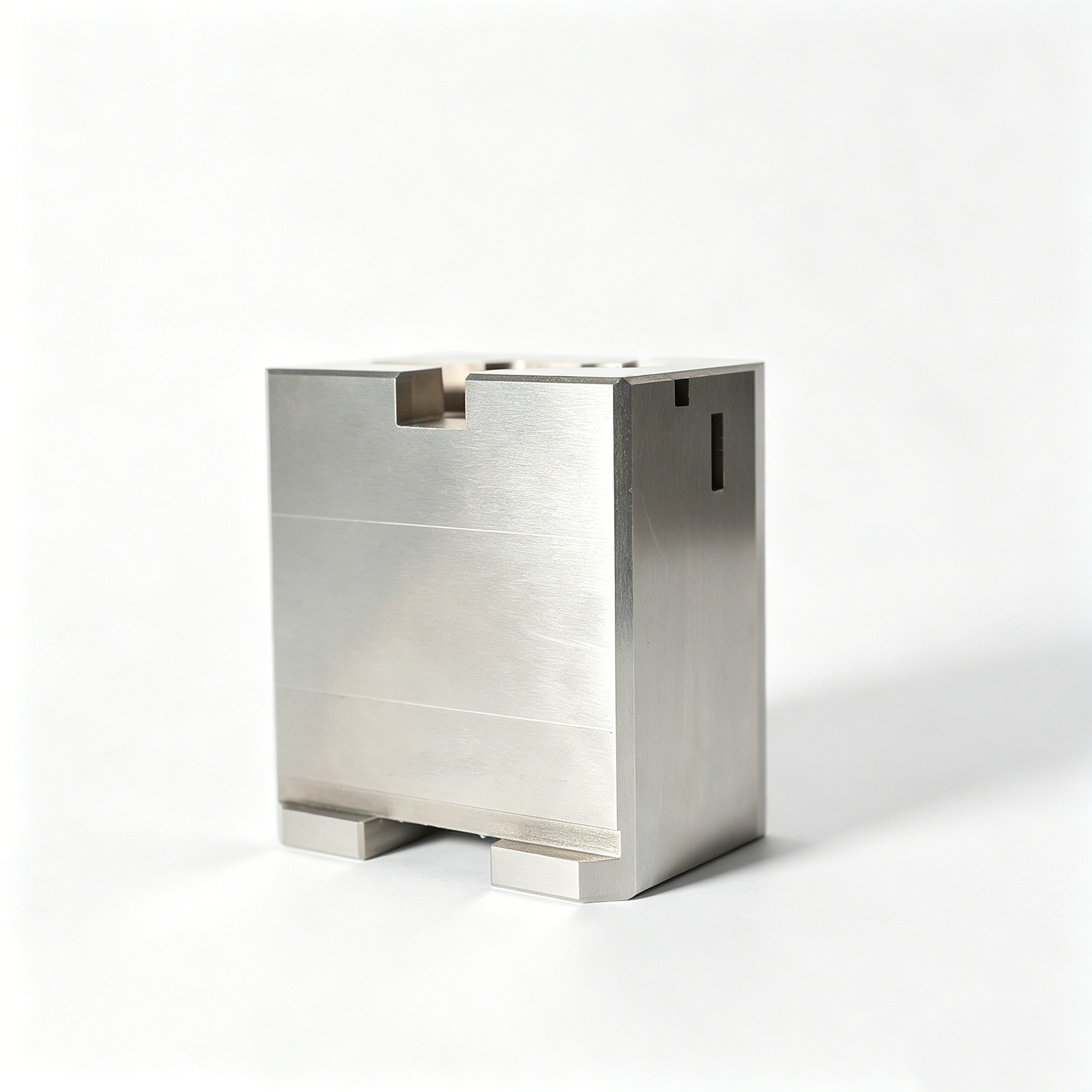
Core Pins, Guide & Locating Components
Core pins, guide pins, and locating components depend on controlled diameters, alignment relationships, engagement length, and mating tolerances. Drawings should identify functional datums, material or heat-treatment requirements, and the inspection evidence needed for assembly.
Upload a Drawing
Slides, Lifters, Gates & Mold Accessories
Mold slides, lifters, gates, and accessories often combine angled movement, wear surfaces, shutoffs, and interface dimensions. Review motion path, fitting relationships, lubrication or surface requirements, machining access, and EDM or grinding requirements before production.
Upload a Drawing
Connector Mold Components
Precision connector mold components require close control of pitch, cavity relationships, fine features, wear areas, and mating interfaces. Include connector geometry, resin or application context, critical dimensions, material requirements, and inspection priorities with the RFQ.
Upload a Drawing
Stamping Die Components
Precision stamping die components can include punches, dies, inserts, guide elements, and wear parts with demanding edge, clearance, and hardness requirements. Process planning should consider material, heat-treatment sequence, wire EDM strategy, grinding stock, and fit-up needs.
Upload a Drawing
Injection, MIM, CIM & Overmolding Tooling
Injection, MIM, CIM, and overmolding tooling components require manufacturing decisions tied to material flow, shrinkage, venting, ejection, shutoffs, and insert interfaces. Submit the applicable drawing set and application context for a practical manufacturability review.
Upload a Drawing
Machining Materials
CNC machining materials should be selected against strength, wear, corrosion, thermal behavior, machinability, heat-treatment response, and application requirements. Identify the exact grade or approved equivalent, condition, traceability needs, and any restrictions before quotation.
Upload a Drawing
Surface Finishes & Heat Treatment
Surface finishing and heat treatment must be specified by function, not appearance alone. Define hardness range, treatment sequence, coating or finish type, masking needs, surface roughness, dimensional allowance, and any verification documentation required.
Upload a Drawing
Quality, Metrology & Documentation
Precision inspection, metrology, and quality documentation should follow the drawing’s critical dimensions, datums, tolerances, and order requirements. Align measurement methods, sampling expectations, reporting format, revision status, and traceability needs before production begins.
Upload a Drawing
Prototyping & Low-Volume Production
Rapid prototyping and low-volume manufacturing are appropriate when designs need functional validation, bridge quantities, tooling-support components, or controlled engineering changes. Provide drawings, models, quantity, material, quality priorities, and target delivery date for route evaluation.
Upload a DrawingFAQ: How Low-Volume CNC Pricing Works
Practical answers for sourcing teams comparing small-batch CNC quotations, inspection requirements, and production routes.
How is low-volume CNC pricing calculated for a drawing-based part?
Why can low-volume CNC pricing change so much between quantities?
How do tight tolerances affect low-volume CNC pricing?
Is there a minimum order quantity for custom CNC parts?
Do inspection reports increase the quotation price?
What happens if the drawing changes after quotation?
Which material details are needed for an accurate CNC quote?
When is low-volume CNC preferable to injection molding or dedicated tooling?
Clarify Your Low-Volume CNC Pricing
Upload your drawing, material, quantity, critical dimensions, inspection needs, and target date for a responsible manufacturing review.