
How to Evaluate a Precision Machining Supplier Before RFQ Release
Learn how to evaluate a precision machining supplier through drawing review, process fit, inspection evidence, and revision control.
Evaluate a Precision Machining Supplier on Capability, Control, and Communication
Assess whether the supplier can interpret your drawing, select a defensible process route, and document how critical features will be verified.
Drawing Comprehension
Confirm the team reviews datums, critical dimensions, tolerance stack, surfaces, material notes, and revision status before issuing a production commitment.
DFM Before Quotation
Look for practical questions about tool access, machining allowance, workholding, electrode needs, wire paths, and heat-treatment sequence—not an unqualified price.
Process-Route Fit
Evaluate whether CNC machining, EDM, grinding, fitting, and inspection are planned around your geometry, material condition, quantity, and functional requirements.
Inspection Plan
Ask how critical features will be measured, which datums govern inspection, what reports are needed, and how results match the order requirements.
Revision Communication
Choose a supplier that keeps drawing changes, open technical questions, inspection expectations, and delivery coordination visible throughout the project.
Match Process Planning to Your Part
Review the process route, critical dimensions, material controls, and inspection evidence relevant to each drawing-driven sourcing requirement.

CNC Machining Services
Precision CNC machining services for custom parts requiring a defined process route, datum strategy, critical-dimension review, material requirements, and inspection plan before production is committed.
Upload a Drawing
CNC Milling
Custom CNC milling services for prismatic parts, plates, inserts, and features where tool access, clamping strategy, wall geometry, machining allowance, and surface requirements affect the manufacturable result.
Upload a Drawing
CNC Turning
Precision CNC turning services for shafts, sleeves, bushings, pins, and rotational features. Evaluate diameter tolerances, concentricity, runout, thread requirements, datum selection, and the inspection method required by the drawing.
Upload a Drawing
5-Axis Machining
5-axis CNC machining for contoured, angled, and multi-face geometries that benefit from reduced setups. Review machine access, workholding, tool reach, datum transfer, surface requirements, and inspection accessibility.
Upload a Drawing
Swiss & Micro Machining
Swiss machining and micro machining for small, slender, or detail-intensive components. Confirm material form, feature scale, concentricity requirements, burr control, handling approach, and measurement methods for critical features.
Upload a Drawing
Wire & Sinker EDM
Wire EDM and sinker EDM services for hardened materials, internal corners, narrow slots, complex profiles, and inaccessible features. Define wire paths, electrode strategy, EDM allowance, surface expectations, and any recast-layer considerations.
Upload a Drawing
Precision Grinding
Precision surface and profile grinding for controlled flatness, parallelism, profile geometry, and fine surface requirements. Review grinding stock, heat-treatment sequence, datum surfaces, edge condition, and the inspection plan.
Upload a Drawing
Mold Core & Cavity Inserts
Precision mold core and cavity inserts manufactured from drawing-defined material and heat-treatment requirements. Review shutoff geometry, cooling or feature access, EDM needs, grinding allowance, mating relationships, and critical cavity dimensions.
Upload a Drawing
Ejector & Ejection Components
Ejector pins, sleeves, and ejection components for mold actions requiring controlled fit, straightness, surface condition, and wear considerations. Provide mating-part context, hardness requirements, critical diameters, and assembly expectations.
Upload a Drawing
Core Pins, Guide & Locating Components
Core pins, guide pins, and locating components with fit-dependent geometry. Define the reference datums, mating bores, engagement lengths, tolerance stack, material and heat-treatment requirements, and inspection priorities.
Upload a Drawing
Slides, Lifters, Gates & Mold Accessories
Mold slides, lifters, gates, and accessories requiring coordinated geometry across moving or flow-related mold functions. Review travel interfaces, shutoffs, contact surfaces, assembly clearances, material condition, and finishing requirements.
Upload a Drawing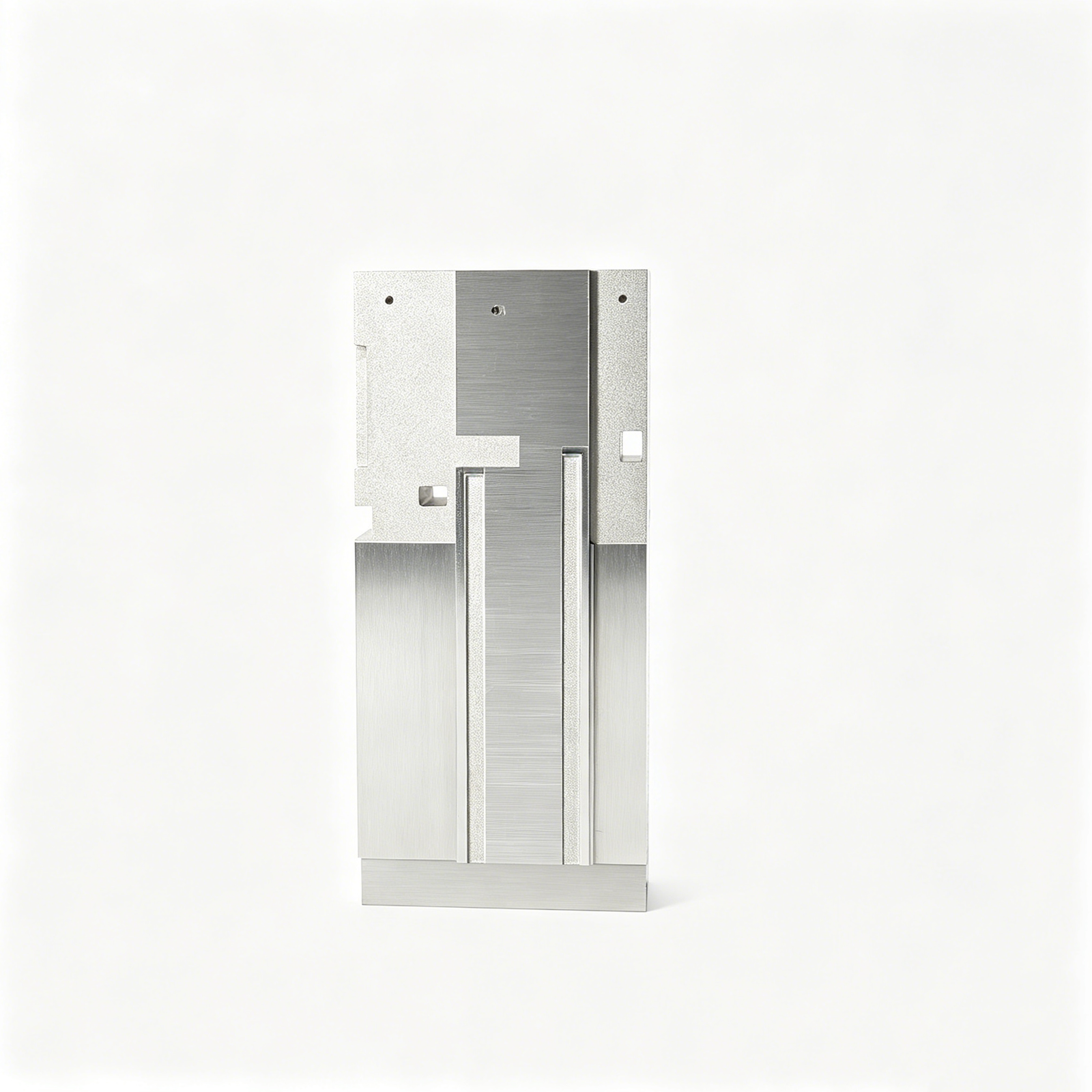
Connector Mold Components
Precision connector mold components for fine-pitch, repeatable connector-tooling features. Drawings should identify critical pin or cavity geometry, datum relationships, insert interfaces, EDM strategy, surface requirements, and inspection reporting needs.
Upload a Drawing
Stamping Die Components
Precision stamping die components for cutting, forming, guiding, and locating functions. Evaluate working-edge geometry, material and hardness, clearance relationships, grinding sequence, replaceability, and dimensional controls tied to die assembly.
Upload a Drawing
Injection, MIM, CIM & Overmolding Tooling
Injection, MIM, CIM, and overmolding tooling components produced within verified scope. Supply the molding process context, resin or feedstock considerations, interface geometry, surface requirements, expected wear conditions, and critical part relationships.
Upload a Drawing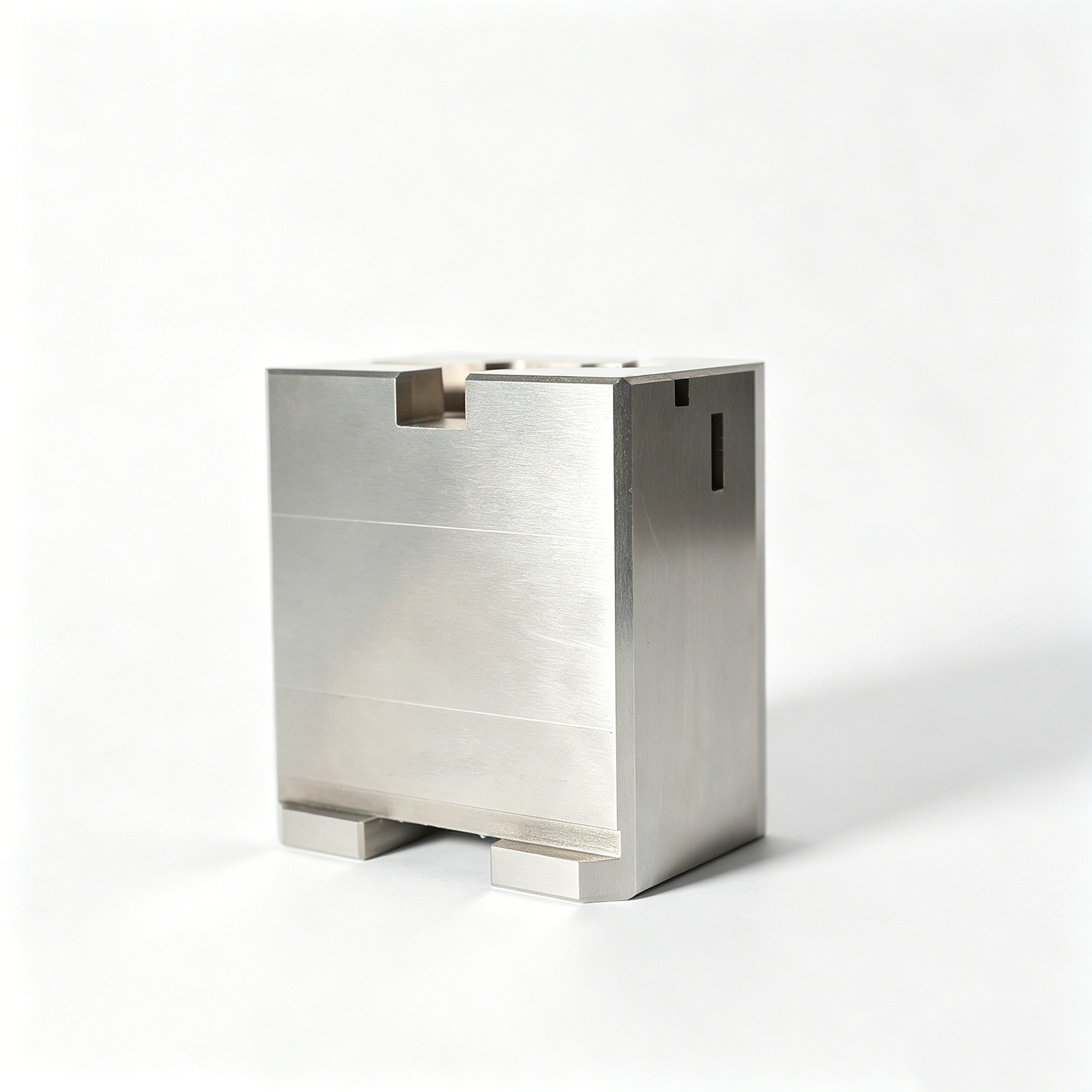
Machining Materials
CNC machining materials selected against the drawing, operating environment, machinability, heat-treatment sequence, and required properties. Identify the exact material grade or approved alternative, material condition, traceability expectations, and application constraints.
Upload a Drawing
Surface Finishes & Heat Treatment
Surface finishing and heat treatment requirements should be stated with the functional purpose and applicable specification. Clarify finish targets, coating or treatment sequence, masking needs, dimensional change risk, corrosion needs, and post-process inspection requirements.
Upload a Drawing
Quality, Metrology & Documentation
Precision inspection, metrology, and quality documentation aligned to the order’s critical dimensions and acceptance criteria. Specify required reports, measurement references, sampling expectations, revision status, traceability needs, and any customer-defined inspection format.
Upload a Drawing
Prototyping & Low-Volume Production
Rapid prototyping and low-volume manufacturing for drawing-based parts that need controlled iteration or limited production. Include current revision files, quantity by stage, material and quality priorities, target delivery date, and approval points before release.
Upload a DrawingHow to Evaluate a Precision Machining Supplier Through Evidence
Use the RFQ process to verify drawing comprehension, manufacturability planning, inspection requirements, and revision control before releasing production.
Share Complete RFQ Inputs
Provide the 2D drawing, 3D model when available, material, quantity, delivery target, critical dimensions, surface requirements, and application context for an informed review.
Review DFM and Process Route
Ask the supplier to discuss datums, tolerance stack, tool access, machining allowance, heat-treatment sequence, and where CNC machining, EDM, or grinding is required.
Confirm Inspection Evidence
Align critical features with measurement methods, inspection timing, reporting needs, and traceability expectations so the inspection plan matches the drawing and purchase order.
Control Revisions Before Production
Confirm how drawing revisions, clarification records, approved changes, and delivery updates are communicated, ensuring production proceeds against the correct released specification.
A Drawing-Driven Manufacturing Workflow
SUUXIANG is the sole public-facing brand of Dongguan SuuXiang Precision Mold Co., Ltd., established in 2010 in Chang’an Town, Dongguan, Guangdong, China. Founded and legally represented by XiaoCheng Huang, the company helps international engineering, sourcing, and quality teams turn drawings and specifications into inspected custom CNC parts, precision mold components, connector tooling, and die components.
For teams learning how to evaluate a precision machining supplier, our workflow begins with drawing review and DFM. Before quotation or production commitments, we discuss critical dimensions, datums, material and heat-treatment requirements, machining access, EDM or grinding needs, inspection expectations, and revision status.
Our difference is coordinated process planning within verified project scope. CNC milling, turning, multi-axis machining, EDM, grinding, fitting, and inspection are selected around the part’s functional risks, then supported by visible communication, traceable requirements, and documentation aligned with the agreed inspection plan.

Common RFQ Evaluation Questions
Use these questions to compare process planning, inspection evidence, revision control, and quotation readiness before releasing a purchase order.
What should I evaluate before requesting a machining quote?
How do I verify whether a machining supplier can hold my tolerances?
How should I evaluate material and heat-treatment control?
What inspection records should I request with precision machined parts?
How should I evaluate a supplier when my drawing revision may change?
Why is the lowest CNC machining quote not always the lowest project cost?
What should I ask about DFM before releasing a machining order?
Can SUUXIANG review a drawing for custom CNC parts or precision mold components?
How to Evaluate a Precision Machining Supplier: Start With Your Drawing
Upload your drawing with material, quantity, critical dimensions, inspection requirements, and delivery target for a focused manufacturability review.