
How to Plan Prototype Lead Time: 7 Scheduling Checks
Plan prototype lead time by aligning drawing review, material, process route, critical dimensions, inspection, revisions, and delivery requirements.
How to Plan Prototype Lead Time From Drawing Review to Inspection
Build a defensible schedule by identifying the drawing, process, material, and verification decisions that control when an inspected part can ship.
Confirm Drawing Readiness
Release controlled 2D drawings, 3D models, revision status, critical dimensions, datums, and surface requirements before scheduling begins.
Route the Manufacturing Process
Match geometry and tolerance requirements to CNC machining, EDM, grinding, fitting, and necessary setups before committing to a date.
Check Material Availability
Confirm specified material, condition, and stock availability early; specialty grades or substitute approval can change the planned start date.
Sequence Heat Treatment
Define heat-treatment timing, machining allowance, distortion risk, and any finish-grinding operations so downstream dimensions remain achievable.
Plan Inspection Evidence
Align critical features with measurement methods, reporting requirements, sampling expectations, and final inspection time before delivery planning.
Protect Revision Control
Freeze the production revision, assign approval owners, and account for response time when changes affect programming, electrodes, or inspection plans.
Schedules Change With Part Risk
Review the drawing, critical features, material condition, process route and inspection requirements before setting a production schedule.

CNC Machining Services & Custom Machined Parts
Precision CNC machining services are planned from the drawing’s critical dimensions, material, quantity, datum scheme and inspection needs. Schedule changes when multi-operation setups, heat treatment, tight tolerances or documented reporting require additional control steps.
Upload a Drawing
CNC Milling
Custom CNC milling services suit prismatic parts, pockets, contours and mold details. Delivery planning depends on stock condition, fixture requirements, tool access, deep-feature geometry, surface requirements and whether machining must occur before or after heat treatment.
Upload a Drawing
CNC Turning
Precision CNC turning services support rotational parts such as shafts, sleeves, bushings and pins. Thread details, concentricity, thin walls, secondary milling, material availability and inspection of functional diameters can all affect the planned route.
Upload a Drawing
5-Axis Machining
5-axis CNC machining can reduce setups for complex surfaces, angled features and difficult-access geometry. The schedule should account for tool reach, workholding, collision review, surface tolerance, material stability and any EDM or grinding operations that follow.
Upload a Drawing
Swiss & Micro Machining
Swiss machining and micro machining require careful review of small diameters, length-to-diameter ratios, burr limits, material behavior and handling. For miniature functional parts, inspection method and packaging requirements are schedule inputs, not final-stage assumptions.
Upload a Drawing
Wire & Sinker EDM
Wire EDM and sinker EDM services support hardened materials, narrow slots, sharp internal geometry and complex cavity details. Wire path, electrode design, flushing access, finish requirements, recast-layer considerations and EDM position relative to heat treatment determine the route.
Upload a Drawing
Precision Grinding
Precision surface and profile grinding is planned around datum surfaces, grinding stock, flatness or profile requirements, wheel access and material condition. Heat treatment distortion, thin sections and inspection method may require additional stabilization or correction steps.
Upload a Drawing
Mold Core Inserts & Mold Cavity Inserts
Precision mold core and cavity inserts begin with parting-line, shutoff, cooling, steel condition and critical-feature review. The schedule depends on CNC, EDM and grinding sequence, electrode strategy, fitting requirements and inspection of cavity-forming geometry.
Upload a Drawing
Ejector & Ejection Components
Ejector pins, sleeves and ejection components are reviewed for fit, clearance, hardness, surface condition and mating parts. Functional diameter control, cross holes, slots, coating needs and movement-related inspection requirements influence production planning.
Upload a Drawing
Core Pins, Guide & Locating Components
Core pins, guide pins and locating components depend on functional fits, datum relationships, straightness, concentricity and mating-component information. Material, heat-treatment sequence, grinding allowance and requested traceability should be defined before scheduling.
Upload a Drawing
Slides, Lifters, Gates & Mold Accessories
Mold slides, lifters, gates and accessories require review of motion interfaces, wear surfaces, shutoffs, angles and assembly relationships. Schedule risk often comes from fitting, hardened-condition machining, EDM details and confirmation of the mating mold design.
Upload a Drawing
Connector Mold Components
Precision connector mold components are planned around fine features, pin or terminal geometry, alignment interfaces and wear requirements. Small details may require micro machining, EDM, grinding and specialized inspection, with drawing revisions controlled throughout the work.
Upload a Drawing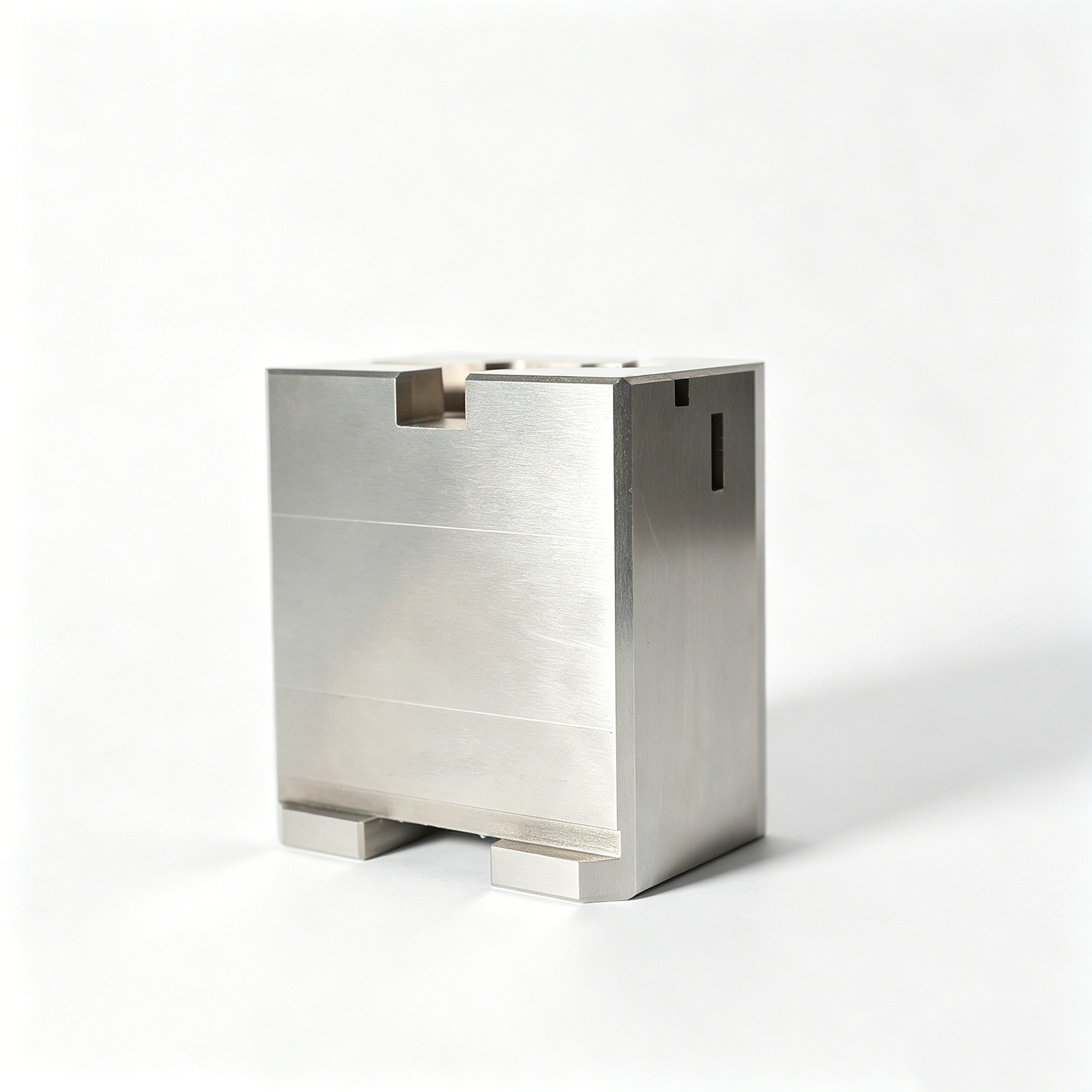
Stamping Die Components
Precision stamping die components are evaluated for strip-contact surfaces, clearance relationships, material hardness, edge condition and mating-tool interfaces. The required machining, wire EDM, grinding and fitting sequence should be established from functional drawing data.
Upload a Drawing
Injection Mold Components for MIM, CIM & Overmolding
Injection, MIM, CIM and overmolding tooling components require application-specific review of cavity geometry, material behavior, gates, inserts and mating features. Tooling schedules change with parting strategy, finish needs, heat treatment and validation evidence requested.
Upload a Drawing
Machining Materials
CNC machining materials should be selected with the drawing’s functional requirements, machinability, stability, corrosion needs and heat-treatment condition in mind. Material availability, supplied specifications and required certificates can affect the production start date.
Upload a Drawing
Surface Finishes & Heat Treatment
Surface finishing and heat treatment must be sequenced with dimensional priorities. Coating thickness, hardness targets, distortion risk, masking, corrosion protection and post-process grinding or inspection requirements should be agreed before final scheduling.
Upload a Drawing
Quality, Metrology & Documentation
Precision inspection, metrology and quality documentation are planned from critical dimensions, datums, sampling expectations and report format. CMM access, gauge strategy, first-article requirements, material records and revision traceability may add defined time to the route.
Upload a Drawing
Prototyping & Low-Volume Production
Rapid prototyping and low-volume manufacturing are scheduled from the approved revision, quantity, material, critical features and target date. Prototype timing can change when the part requires custom fixtures, multiple processes, heat treatment, finishing or formal inspection documentation.
Upload a DrawingBuild a Defensible Prototype RFQ Schedule
Convert drawing inputs into a reviewed manufacturing and inspection plan before committing to a prototype delivery date.
Share Complete Technical Inputs
Provide the 2D drawing, 3D model when available, material, quantity, application context, delivery target, and any heat-treatment, surface, or reporting requirements.
Identify Critical Requirements
Mark critical dimensions, datums, mating features, surface requirements, and tolerance priorities so the team can separate functional needs from noncritical specifications.
Review DFM and Process Risks
Evaluate machining access, setup strategy, EDM or wire paths, grinding stock, heat-treatment sequence, and likely revision points before selecting a production route.
Confirm Inspection and Delivery Plan
Align the process sequence, inspection method, required documentation, revision status, and delivery coordination before treating the prototype schedule as a responsible commitment.
Prototype Lead-Time Planning FAQ for Precision Parts
Use drawing readiness, process dependencies and inspection requirements to build a defensible schedule before committing a delivery date.
How should I plan prototype lead time when the drawing is incomplete?
How do tolerances affect prototype lead-time planning?
How should I plan lead time for a part needing EDM or grinding?
What information should a prototype RFQ include?
Can material availability change the prototype schedule?
Should I include expected design revisions in the schedule?
What inspection documentation should I request for a prototype?
Upload Your Drawing for a Prototype Lead-Time Review
Send your 2D drawing, 3D model, material, quantity, critical dimensions, inspection needs, and target date for an evidence-based review.