
How to Request a Machining Quote for Drawing-Driven Precision Parts
Learn how to request a machining quote with drawings, material, critical dimensions, quantity, and inspection requirements ready for disciplined project review.
How to Request a Machining Quote with a Complete RFQ Package
Provide the technical and commercial inputs needed to review manufacturability, define inspection scope, and prepare a responsible quotation.
2D Drawing and Model
Send the current revision-controlled 2D drawing and, when available, a 3D model showing geometry, datums, tolerances, threads, and critical notes.
Material and Condition
Specify the required material grade, condition, heat-treatment requirement, and any material documentation needed before SUUXIANG evaluates the proposed manufacturing route.
Process and Finish Requirements
Identify surface finish, coating, EDM, grinding, fitting, or secondary-process needs, including cosmetic areas and surfaces that require controlled handling.
Critical Features and Inspection
Mark critical dimensions, mating features, datum relationships, and required inspection reports so the measurement method and traceability expectations can be reviewed.
Quantity and Delivery Target
State prototype or production quantity, anticipated repeat demand, target delivery date, and any partial-shipment, packaging, or scheduling constraints affecting the quotation.
Application and Assembly Context
Share the part function, mating-component information, and known design concerns so tool access, tolerance stack, and process risks are addressed early.
Prepare the Details That Determine Machining Feasibility
Identify CTQs and Datums
Mark critical-to-quality dimensions, functional datums, and tolerance relationships on the drawing. This lets SUUXIANG assess setup strategy, inspection method, and tolerance stack before a process route or quotation is based on assumptions.
- Identify features that control fit, sealing, alignment, or motion
- Show datum references and applicable GD&T requirements
- Separate functional tolerances from noncritical dimensions
- State required inspection reports or measurement methods

Define Surface Requirements
Specify surface finish, edge condition, cosmetic priorities, coatings, and heat-treatment requirements where they affect function. A clear callout helps determine machining sequence, stock allowance, protection needs, and whether a secondary process must be considered.
- Call out Ra requirements only on relevant surfaces
- Note burr, edge-break, and cosmetic acceptance criteria
- Identify masking, coating, or post-treatment requirements
- State material grade and required condition

Review Access and Process Needs
Deep pockets, narrow slots, sharp internal corners, hardened features, and fine details can change the route. Flagging these features early supports a practical review of cutter access, electrode strategy, wire path, EDM requirements, and grinding stock.
- Identify restricted tool access and deep-cavity features
- Flag features that may require wire or sinker EDM
- Allow grinding stock where precision grinding is required
- Share hardness or heat-treatment sequence requirements

Provide Mating Context
A drawing alone may not show how a component functions in the assembly. Include mating-part information, interface sketches, and assembly priorities so critical fits, locating surfaces, orientation, and inspection priorities can be reviewed before quotation.
- Provide mating dimensions or an assembly view when available
- Explain fit, alignment, sealing, or movement requirements
- Identify nonnegotiable interface surfaces
- Confirm revision status and applicable document set

How SUUXIANG Reviews a Machining RFQ Before Quotation
Learn how to request a machining quote with the drawing, requirements, and review inputs needed for a disciplined manufacturing assessment.
Submit Complete RFQ Files
Provide the current 2D drawing, available 3D model, material, quantity, target delivery date, and any application, finish, heat-treatment, or documentation requirements.
Identify Critical Requirements
Mark critical dimensions, datums, surface requirements, mating relationships, inspection needs, and revision status so the team can review functional risk before making assumptions.
Clarify the Process Route
SUUXIANG evaluates machining access, CNC, EDM, grinding, fitting, heat-treatment sequence, and inspection planning, then raises DFM questions where the drawing needs clarification.
Review Quote Assumptions
Confirm the agreed scope, process considerations, quality expectations, revision information, and delivery coordination before production commitments are made against the verified order requirements.
Request a Quote for Your Component Type
Identify the drawing details, process constraints, and inspection requirements that shape a practical route before quotation and production planning begin.
CNC Machining Services
For custom machined parts and precision CNC machining, provide 2D drawings, 3D models, material, quantity, critical dimensions, surface requirements, and delivery targets. These inputs help determine milling, turning, EDM, grinding, and inspection steps appropriate to the part.
Upload a Drawing
CNC Milling
Custom CNC milling services require clear datums, pocket depths, wall geometry, tool-access limits, tolerances, and surface requirements. Include material condition and any heat-treatment sequence so machining allowances and inspection points can be planned before production.
Upload a Drawing
CNC Turning
For precision CNC turning services, specify diameters, concentricity or runout requirements, thread standards, datum surfaces, material, and part quantity. Cross-holes, flats, grooves, and post-machining operations should be shown to establish a complete process route.
Upload a Drawing
5-Axis Machining
5-axis CNC machining is evaluated from the part’s geometry, datum scheme, tool approach, undercuts, and critical surfaces. Supply the 3D model with the controlled drawing so fixture strategy, tool access, and inspection orientation can be reviewed.
Upload a Drawing
Swiss & Micro Machining
Swiss machining and micro machining requests should identify small diameters, length-to-diameter ratios, feature tolerances, burr limits, material condition, and handling requirements. Mating-part context is useful where pin geometry, connector features, or fine threads control function.
Upload a Drawing
Wire & Sinker EDM
Wire EDM and sinker EDM services depend on closed profiles, corner conditions, wire paths, electrode strategy, material hardness, and required finish. State whether features follow heat treatment and identify dimensions that need grinding or inspection after EDM.
Upload a Drawing
Precision Grinding
Precision surface and profile grinding requests should define the datum, flatness, parallelism, profile tolerance, surface requirement, material condition, and heat-treatment status. Include available grinding stock or machining allowances so the finishing sequence can be assessed.
Upload a Drawing
Mold Core & Cavity Inserts
Precision mold components, including mold core and cavity inserts, should be quoted from drawings that identify molding surfaces, shutoffs, datums, steel grade, heat treatment, texture or polish requirements, cooling features, and mating interfaces. Critical dimensions require an agreed inspection approach.
Upload a Drawing
Ejector & Ejection Components
Ejector pins, sleeves, and ejection components need diameter, length, fit, hardness, surface condition, and movement-related requirements. Provide the mating bore or assembly context where clearance, concentricity, lubrication, or wear behavior affects the manufacturing route.
Upload a Drawing
Core Pins, Guide & Locating Components
Core pins, guide pins, and locating components require functional datums, fit classes, length, diameter, material, heat treatment, and mating details. Identify critical alignment surfaces and any ground, EDM, or polished areas needed for assembly performance.
Upload a Drawing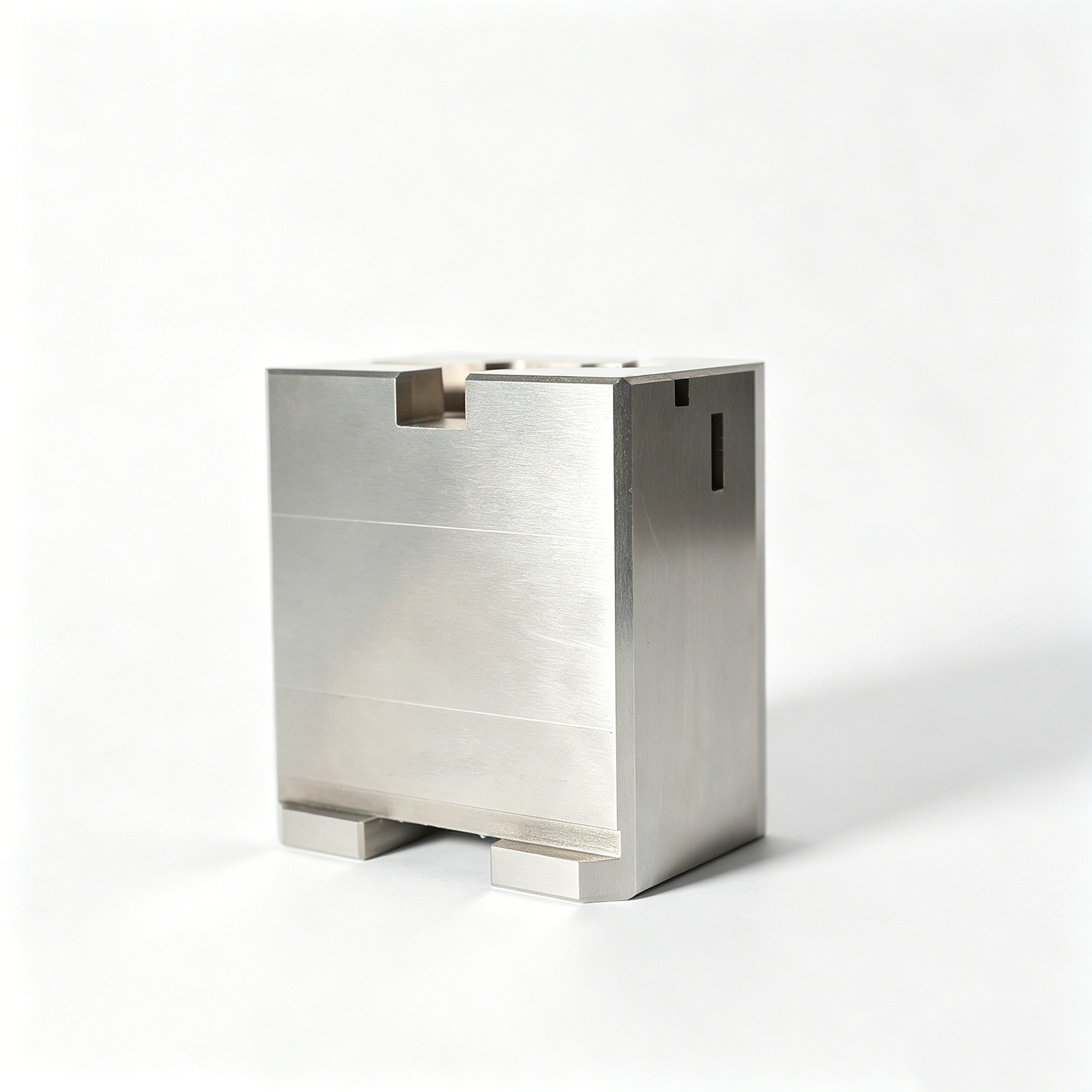
Slides, Lifters, Gates & Mold Accessories
Mold slides, lifters, gates, and accessories should include assembly drawings, travel or motion context, contact surfaces, material, heat treatment, and fit requirements. This allows review of machining access, EDM needs, grinding stock, and inspection priorities.
Upload a Drawing
Connector Mold Components
Precision connector mold components require detailed cavity or pin geometry, pitch, datum strategy, steel specification, finish requirements, and mating-component information. Highlight fine features, flash-control areas, and repeated-position tolerances that affect EDM, grinding, and metrology planning.
Upload a Drawing
Stamping Die Components
Precision stamping die components should define strip direction, working edges, clearance relationships, material and hardness, surface requirements, and assembly datums. Share mating details where punches, dies, guide elements, or wear plates require controlled fits or replacement interchangeability.
Upload a Drawing
Injection Mold Components, MIM, CIM & Overmolding Tooling
Injection, MIM, CIM, and overmolding tooling requests should state the molding process, material behavior, part geometry, mold-function requirements, and expected operating conditions. Identify inserts, shutoffs, gates, venting, and interfaces that affect component process planning.
Upload a Drawing
Machining Materials
CNC machining materials should be specified by recognized grade, condition, required certification if applicable, heat-treatment state, and any functional requirement such as corrosion resistance or wear behavior. Material selection is reviewed alongside geometry, tolerance, and finishing needs.
Upload a Drawing
Surface Finishes & Heat Treatment
Surface finishing and heat treatment must be defined with the required specification, sequence, coverage areas, masking needs, dimensional priorities, and cosmetic expectations. Post-treatment distortion, grinding allowance, coating thickness, and final inspection requirements should be addressed early.
Upload a Drawing
Quality, Metrology & Documentation
Precision inspection, metrology, and quality documentation should be aligned to the drawing’s critical dimensions, datums, sampling expectations, and reporting needs. State whether first-article records, material evidence, dimensional reports, revision control, or traceability are required.
Upload a Drawing
Prototyping & Low-Volume Production
Rapid prototyping and low-volume manufacturing inquiries should include quantity range, design maturity, revision status, target date, and validation purpose. Specify which dimensions, materials, finishes, and inspection records are essential so the process route supports practical engineering decisions.
Upload a DrawingFAQ: How to Request a Machining Quote Without Missing Key Requirements
Prepare a clear, revision-controlled RFQ so the quotation can reflect the intended process route, inspection scope, and delivery requirements.
Do I need both a 2D drawing and a 3D model for a machining quote?
What material and heat-treatment information should I send?
How should I handle revisions in a machining RFQ?
Can SUUXIANG quote a part if my drawing is incomplete?
What inspection reports should I request in a machining RFQ?
What happens if DFM issues appear during RFQ review?
Should I include assembly or mating-part information?
How do quantity and delivery requirements affect a machining quote?
Submit Your RFQ for a Machining Quote
Upload your drawing and model, then include material, quantity, quality priorities, and delivery target for a project-specific manufacturing review.