
How to Select a Surface Coating for Precision Components
Learn how to select a surface coating by balancing surface function, critical dimensions, material, process route, and inspection requirements before production.
How to Select a Surface Coating Before Production
Use the drawing review to match surface function with material, service conditions, mating interfaces and dimensional priorities before committing to a process route.
Define the Surface Function
State whether the coating must resist corrosion, wear, friction, adhesion, chemicals, heat, or handling damage under actual service conditions.
Confirm Base Material
Evaluate substrate material, heat treatment, hardness, surface preparation, and coating compatibility before specifying a finish on the drawing.
Map the Operating Environment
Document moisture, chemicals, temperature cycles, contaminants, UV exposure, and storage conditions that can change coating performance over time.
Protect Critical Dimensions
Identify datums, fits, threads, sealing faces, and mating features where coating build-up, masking, or post-processing affects tolerance stack.
Review Mating Conditions
Consider contact pressure, sliding motion, lubrication, electrical requirements, and dissimilar-material interactions at every functional interface before selection.
Select Coatings by Component Application
Compare wear, release, corrosion, conductivity, fit, and inspection priorities before specifying a coating for tooling or custom machined components.

Precision CNC Machining Services
For precision CNC machining services, coating selection starts with the part’s function, base material, contact surfaces, and dimensional limits. Define whether wear resistance, corrosion protection, friction control, or appearance is required before final machining and inspection planning.
Upload a Drawing
CNC Milling Services
Custom CNC milling services support pockets, contours, sealing faces, and molded features whose geometry may limit coating access or alter edge condition. Identify masked surfaces, critical datums, coating thickness, and any post-coating fitting or measurement requirements in the drawing review.
Upload a Drawing
CNC Turning Services
Precision CNC turning services are often used for shafts, sleeves, pins, and cylindrical tooling details. Specify where a coating affects diameter, sliding fit, thread function, surface finish, or corrosion exposure, particularly on features with tight mating clearances.
Upload a Drawing
5-Axis Machining
With 5-axis CNC machining, complex surfaces and deep features can be produced with fewer setups, but coating coverage still depends on line-of-sight and feature access. Review thin edges, internal radii, critical interfaces, and allowable dimensional change before selecting a process.
Upload a Drawing
Swiss & Micro Machining
Swiss machining and micro machining require particular attention to coating thickness relative to small diameters, slots, cross holes, and functional clearances. For miniature connector or medical-adjacent components, confirm handling, masking, measurement method, and any conductivity or wear requirement.
Upload a Drawing
Wire & Sinker EDM
Wire EDM and sinker EDM services create features that may require coating only after recast-layer evaluation, polishing, or finishing. Discuss electrode strategy, wire path, sharp internal corners, surface condition, and whether the selected coating supports the intended wear and release performance.
Upload a Drawing
Precision Grinding
Precision surface and profile grinding establishes functional flats, profiles, and fits that can be changed by subsequent coating. Define grinding stock, coating allowance, surface-finish target, and whether final dimensions must be achieved before or after the coating process.
Upload a Drawing
Precision Mold Components: Core & Cavity Inserts
Precision mold core and cavity inserts need coating decisions tied to resin behavior, abrasion, corrosion, release, polish requirement, and local molding pressure. Specify cavity surfaces, shutoffs, vents, and critical molding features so the process route can protect fit and surface function.
Upload a Drawing
Ejector & Ejection Components
Ejector pins, sleeves, and ejection components require coating choices that consider sliding wear, lubrication conditions, galling risk, corrosion, and clearance to mating bores. Confirm the working diameter, hardness sequence, surface finish, and inspection points before production.
Upload a Drawing
Core Pins, Guide & Locating Components
Core pins, guide pins, and locating components depend on stable fits and repeatable alignment. Coating selection should account for contact load, sliding frequency, abrasion, mating material, and dimensional buildup on diameters, shoulders, and locating faces.
Upload a Drawing
Slides, Lifters, Gates & Mold Accessories
Mold slides, lifters, gates, and accessories may combine bearing surfaces, molded surfaces, and moving interfaces in one assembly. Separate where low friction, wear resistance, release, or corrosion protection is needed, then review coating access and fitting allowances.
Upload a Drawing
Connector Mold Components
Precision connector mold components may face fine pitch, narrow gaps, repeated cycling, and resin or plating-related contamination risks. Review pin geometry, insulation or conductivity needs, contact surfaces, coating thickness, and verification methods against the connector’s critical dimensions.
Upload a Drawing
Stamping Die Components
Precision stamping die components require coatings suited to sheet material, forming load, lubrication, pickup risk, and wear mechanism. Identify punch, die, guide, and cutting surfaces individually, along with edge condition, clearance, regrind allowance, and expected maintenance cycle.
Upload a Drawing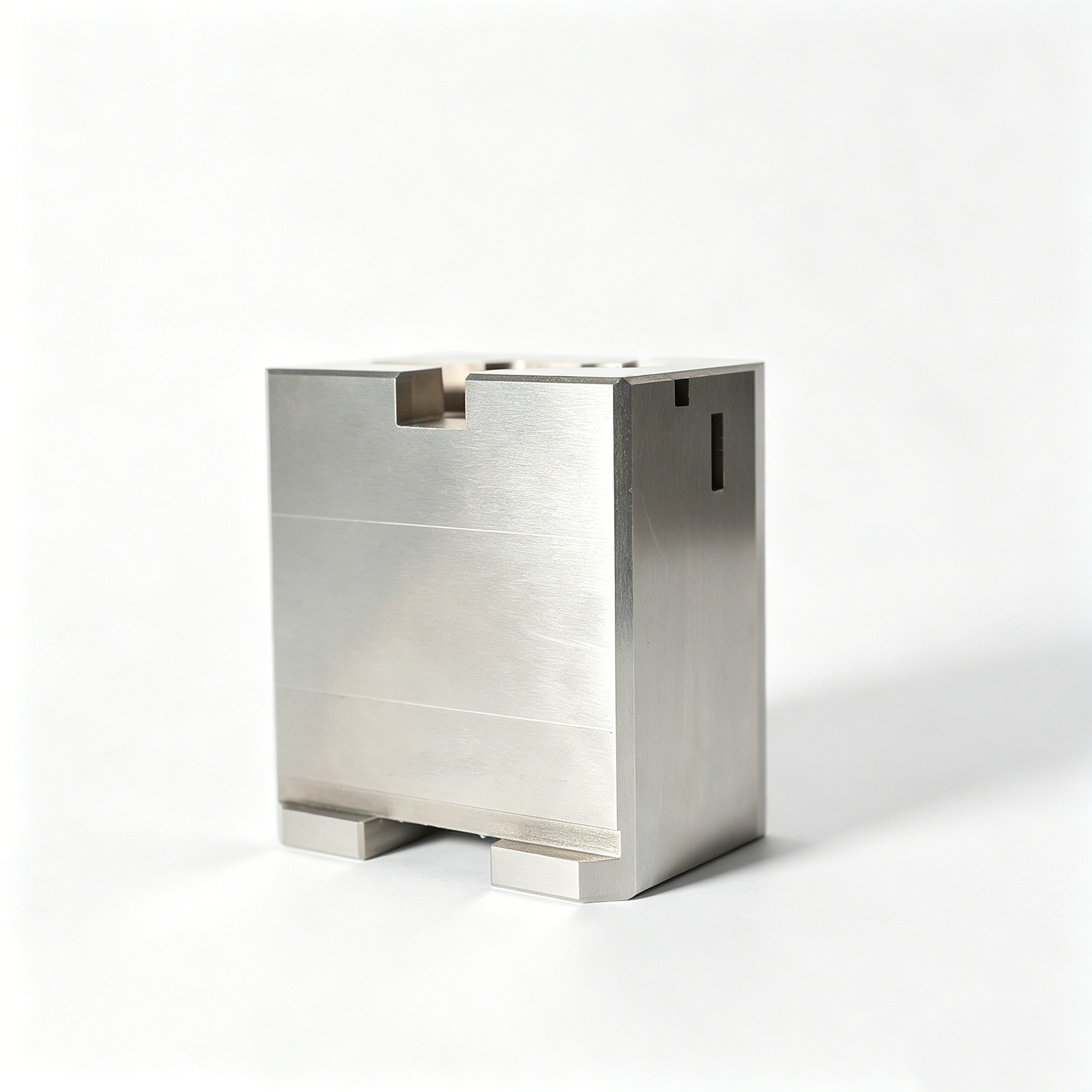
Injection Mold Components, MIM, CIM & Overmolding Tooling
Injection, MIM, CIM, and overmolding tooling can encounter different thermal, abrasive, corrosive, and release conditions. Coating selection should follow the feedstock or resin, molding surfaces, venting needs, polish level, dimensional control, and planned maintenance approach.
Upload a Drawing
Machining Materials
CNC machining materials influence which coating routes are feasible and how adhesion, hardness, distortion, corrosion behavior, and finishing will perform. Provide the specified grade, material condition, heat-treatment requirement, application environment, and any restrictions on coating chemistry.
Upload a Drawing
Surface Finishes & Heat Treatment
Surface finishing and heat treatment must be planned with coating in the correct sequence. State the required surface condition, hardness range where verified, masking locations, cosmetic expectations, and dimensional priorities so finishing, treatment, and final inspection remain coordinated.
Upload a Drawing
Quality, Metrology & Documentation
Precision inspection, metrology, and quality documentation should reflect the coating’s functional effect, not only the base part dimensions. Define critical features, coating thickness measurement needs, sampling expectations, report format, revision status, and acceptance criteria before production.
Upload a Drawing
Prototyping & Low-Volume Production
Rapid prototyping and low-volume manufacturing benefit from coating decisions based on test purpose and expected service exposure. For early builds, distinguish cosmetic, wear, corrosion, and release requirements from production-intent needs, and identify which dimensions require post-process verification.
Upload a DrawingHow to Select a Surface Coating: From Drawing Review to Inspected Part
Define surface function alongside dimensional priorities so coating decisions support the component’s fit, performance, and inspection plan.
Submit Complete Design Inputs
Provide the 2D drawing, 3D model when available, material, quantity, application conditions, surface requirements, quality needs, and target delivery date for a focused review.
Identify Critical Surface Requirements
Review critical dimensions, datums, mating areas, roughness, wear, corrosion, release, or conductivity needs to establish how to select a surface coating without overlooking functional interfaces.
Confirm Process Implications
Assess machining access, EDM or grinding needs, heat-treatment sequence, finishing allowance, masking needs, and potential coating buildup before committing to a manufacturing route.
Plan Inspection and Documentation
Align inspection methods, reporting expectations, revision control, and delivery information with the drawing and confirmed surface requirements before production begins.
How to select a surface coating without losing dimensional control
Protect Datums Before Coating
Identify functional datums, mating faces, threads, sealing lands and locating features before specifying a coating. The drawing should state which surfaces may receive buildup, which require masking, and whether post-coating dimensions govern acceptance.
- Mark primary, secondary and tertiary datums on the drawing
- Define coated and uncoated functional surfaces
- Specify masking requirements for fits, threads and contact zones
- Align final acceptance dimensions with the coating sequence

Plan Allowance and Sequence
Coating thickness can change fits, clearances and stack-up behavior. Review stock allowance, heat treatment, CNC access, EDM requirements and grinding sequence together so the selected surface function does not create an avoidable dimensional conflict.
- State nominal thickness and permitted thickness range
- Reserve grinding stock where final sizing is required
- Confirm whether coating follows EDM, polishing or grinding
- Review small holes, slots and blind features for process access

Specify Finish for Function
Surface texture affects coating adhesion, friction, release, wear behavior and appearance. Define the functional requirement and the relevant surface-finish callout rather than selecting a coating name alone, especially on sliding, sealing or molded surfaces.
- Identify surfaces requiring release, wear or corrosion performance
- Set surface-finish requirements by functional area
- Distinguish cosmetic surfaces from critical contact surfaces
- Provide mating-component and operating-environment context

Match Inspection to Risk
Inspection planning should address the dimensions and surface conditions most affected by the chosen coating route. Agree measurement datums, reportable features, coating verification method and revision status before production, using project-specific evidence to confirm requirements.
- List critical-to-quality dimensions and inspection methods
- Clarify before- and after-coating measurement points
- Define required inspection records with the RFQ
- Keep drawing revisions and approved changes traceable

FAQs: How to Select a Surface Coating for an RFQ
Use the drawing review to align surface function, critical dimensions, process sequence and inspection evidence before production is committed.
How to select a surface coating for a precision CNC part?
How to select a surface coating when tolerances are tight?
How to select a surface coating for mold components or connector tooling?
Should I specify the coating on the 2D drawing or in the RFQ?
Can a coating be applied after heat treatment, EDM, or precision grinding?
What information should I provide for a coating quotation?
Do I need a coating thickness requirement?
How should coated parts be inspected and documented?
Select a Surface Coating: Upload Your Drawing
Share your drawing, material, quantity, surface priorities, inspection needs and target delivery date for a disciplined DFM and manufacturability review.