
Managing Heat Distortion in Machining for CNC Parts
Manage heat distortion in machining through drawing review, datum strategy, machining allowance, heat-treatment sequencing, and inspection planning before production.
A Drawing-Driven Workflow for Distortion-Sensitive Parts
SUUXIANG is the public-facing brand of Dongguan SuuXiang Precision Mold Co., Ltd., established in 2010 and based at the 2nd Floor of Sanhe Industrial Park, Chang’an Town, Dongguan, Guangdong, China. XiaoCheng Huang is the founder and legal representative. We help international engineering, sourcing and quality teams translate drawings into inspected custom CNC parts, precision mold components, connector tooling and stamping-die components.
For distortion-sensitive work, managing heat distortion in machining begins during drawing review. Our teams coordinate material and heat-treatment requirements, critical dimensions, datum strategy, machining allowance, tool access, EDM needs, grinding stock and inspection expectations before production commitments are made.
This workflow replaces a generic machining quotation with disciplined process coordination. CNC milling and turning, multi-axis work, EDM, grinding, fitting and inspection are planned around the part’s functional requirements, with revision control and agreed inspection documentation kept visible throughout the project.

Managing heat distortion in machining starts before the first cut
A controlled route aligns material condition, datums, workholding, stock and heat treatment before final dimensions are committed.
Confirm Material Condition
Review supplied material condition, residual-stress concerns and required hardness so the process route reflects how the workpiece may move.
Define Stable Datums
Establish datums that remain accessible through machining, heat treatment and finishing, allowing critical dimensions to be inspected against a consistent reference.
Plan Support Carefully
Use workholding that supports vulnerable sections without over-clamping, then consider how the part may relax after each operation and release.
Leave Finishing Stock
Assign machining and grinding allowance where movement is expected, preserving material for final correction after stress relief or heat treatment.
Sequence Heat Treatment
Coordinate roughing, stress relief, hardening and finish operations so dimensional priorities, surface requirements and inspection methods remain aligned.
Review Critical Dimensions
Identify critical-to-quality features, tolerance relationships and inspection points early, so distortion risk is discussed before quotation and production commitments.
Plan machining, heat treatment and finishing as one controlled route
Set Datums Before Stock Moves
Begin with the drawing’s critical dimensions, datum scheme, material condition and heat-treatment requirement. This lets the process route distinguish features that can move from those that must be restored after thermal cycles, unclamping or residual-stress release.
- Identify critical-to-quality features and functional mating surfaces
- Confirm datum references for each machining and inspection stage
- Review wall thickness, asymmetry and material-removal balance
- Define where finishing stock must remain

Rough for Stability
Rough machining is planned to remove bulk material while retaining support and controlled stock for later operations. For distortion-sensitive geometry, balanced removal, accessible workholding and staged machining can be more important than pursuing final dimensions in the first setup.
- Keep support where thin walls or slender features need it
- Sequence material removal to reduce uneven section changes
- Reserve stock for post-treatment finishing or grinding
- Review clamping loads and likely spring-back after release

Coordinate Thermal and EDM Steps
Managing heat distortion in machining requires heat treatment, stress relief, EDM and grinding to be considered against the same datum and allowance plan. The right sequence depends on the drawing, material, hardness target, geometry and verified production route.
- Confirm treatment sequence before committing to final dimensions
- Assess wire path, electrode access and heat-affected areas
- Protect datum features needed after thermal processing
- Use grinding strategy where hardened finishing or geometry restoration is required

Inspect the Finished Condition
Inspection should evaluate the part in its final manufacturing condition, not only after an intermediate operation. A drawing-driven plan aligns measurement methods, reporting expectations and revision status with the dimensions that matter to assembly, fit and function.
- Match inspection points to critical dimensions and datums
- Check geometry after final machining, EDM or grinding
- Record the applicable drawing revision and quality requirements
- Clarify required reports before production begins

Control Heat Distortion Across Critical Parts
Process planning for drawing-driven components where heat, geometry, and inspection requirements directly affect dimensional stability.

CNC Machining Services
Precision CNC machining services begin with drawing review to identify thin walls, tolerance-critical features, material condition, and machining sequence. Tool access, clamping strategy, stock removal, and inspection points are planned to reduce distortion risk before production.
Upload a Drawing
CNC Milling
Custom CNC milling services support plates, inserts, housings, and complex prismatic parts. For heat-sensitive geometries, machining allowances, balanced material removal, fixturing, and intermediate inspection should be defined against the drawing’s critical datums.
Upload a Drawing
CNC Turning
Precision CNC turning services are suited to shafts, pins, sleeves, and rotational parts with controlled concentricity. Material condition, chucking force, slenderness, and heat-treatment sequence require review when diameter stability or straightness is critical.
Upload a Drawing
5-Axis Machining
5-axis CNC machining can improve access to angled features and reduce refixturing on complex components. The process route should still account for tool reach, section thickness, clamping loads, residual stress, and datum transfer between machining and inspection.
Upload a Drawing
Swiss & Micro Machining
Swiss machining and micro machining support small, slender, and detail-dense components where cutting heat and part deflection can become significant. RFQs should identify critical diameters, runout, surface requirements, material, quantity, and measurement method.
Upload a Drawing
Wire EDM Services & Sinker EDM Services
Wire EDM and sinker EDM services enable hard-material, narrow-slot, internal-corner, and complex-profile features. Electrode strategy, wire path, skim-cut requirements, flushing access, and any recast-layer concerns should be reviewed before the process is selected.
Upload a Drawing
Precision Grinding
Precision surface and profile grinding provides controlled finishing for flatness, parallelism, profile, and fit-critical surfaces. Grinding stock, heat-treatment condition, workholding, and inspection datums must be coordinated to prevent burn, warp, or insufficient finish allowance.
Upload a Drawing
Mold Core Inserts & Mold Cavity Inserts
Precision mold core and cavity inserts require stable relationships between shutoff, part-forming, cooling, and datum features. Machining, EDM, heat treatment, grinding, and fitting should follow a sequence that protects critical geometry through final inspection.
Upload a Drawing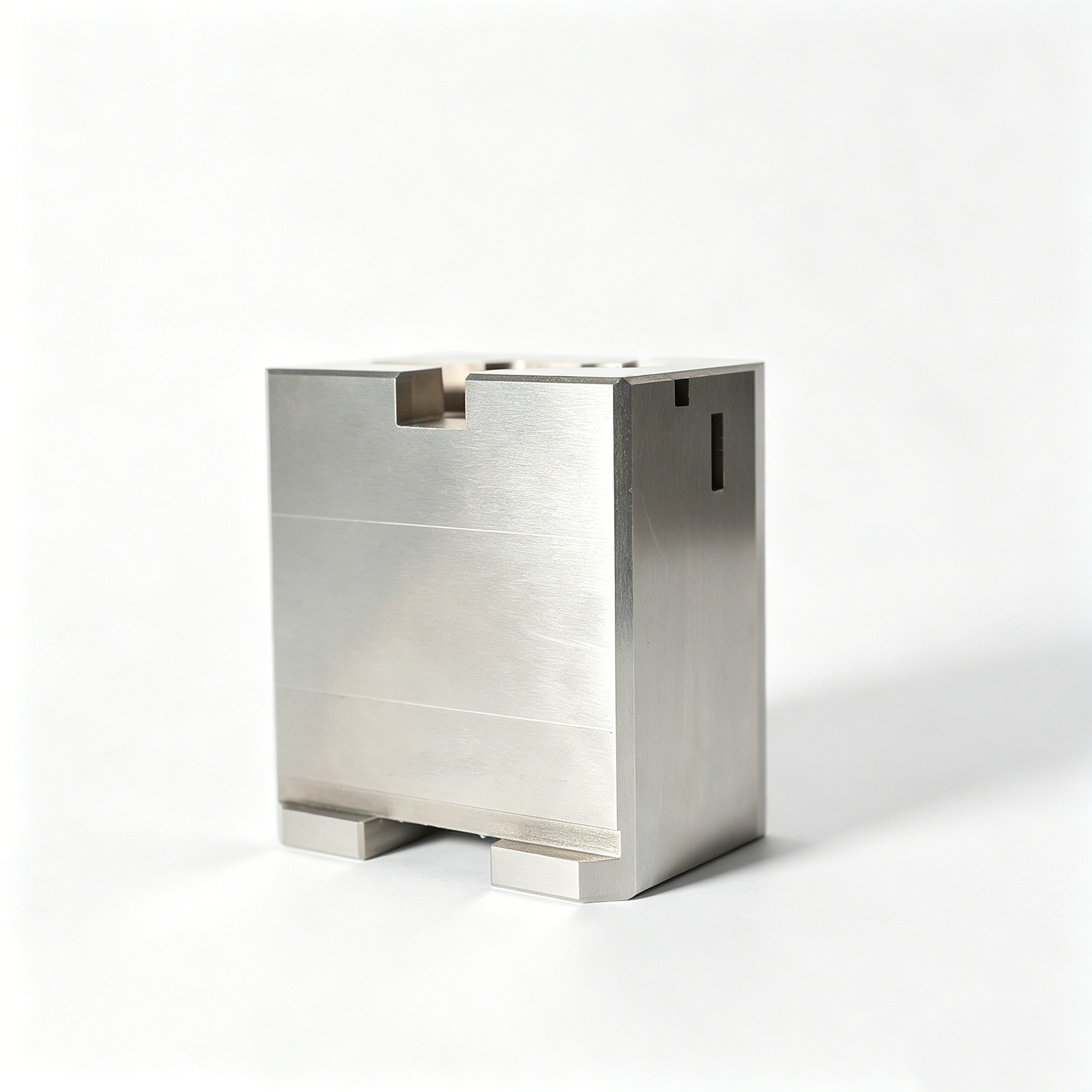
Ejector & Ejection Components
Ejector pins, sleeves, and ejection components depend on straightness, fit, surface condition, and repeated sliding performance. Drawing review should clarify mating bores, heat-treatment requirements, lubrication context, clearance targets, and any distortion-sensitive dimensions.
Upload a Drawing
Core Pins, Guide & Locating Components
Core pins, guide pins, and locating components establish repeatable alignment and part geometry in a mold. Material, hardness condition, seating features, concentricity, and mating-component tolerances should be evaluated together to manage thermal and manufacturing variation.
Upload a Drawing
Slides, Lifters, Gates & Mold Accessories
Mold slides, lifters, gates, and accessories combine moving interfaces, formed geometry, and fit-dependent surfaces. Process planning should identify sliding faces, wear areas, EDM details, heat-treatment sequence, grinding stock, and assembly datums before machining begins.
Upload a Drawing
Connector Mold Components
Precision connector mold components often contain fine pitches, narrow slots, terminal-forming details, and tightly controlled positional relationships. A complete drawing package should define critical features, mating context, material condition, EDM requirements, and inspection expectations.
Upload a Drawing
Stamping Die Components
Precision stamping die components require attention to cutting edges, profiles, clearance-related geometry, and wear surfaces. The appropriate route may combine CNC machining, EDM, heat treatment, grinding, and fitting, subject to confirmed drawing and material requirements.
Upload a Drawing
Injection Mold Components, MIM, CIM & Overmolding Tooling
Injection, MIM, CIM, and overmolding tooling components must be reviewed for material flow, parting surfaces, inserts, gates, and process-specific geometry. SUUXIANG evaluates drawing-driven tooling and component work within its verified production scope.
Upload a Drawing
Machining Materials
CNC machining materials influence cutting heat, stress relief, deformation behavior, and achievable finishing routes. Specify the grade, supply condition, required heat treatment, certification needs, and application context so the process plan can address material-specific risks.
Upload a Drawing
Surface Finishes & Heat Treatment
Surface finishing and heat treatment can change dimensions, surface condition, and fit relationships. Define coating, polishing, texture, hardness, masking, post-treatment grinding, and critical dimensions early so allowances and inspection timing can be planned appropriately.
Upload a Drawing
Quality, Metrology & Documentation
Precision inspection, metrology, and quality documentation should follow the agreed drawing revision and inspection plan. Identify critical dimensions, datum scheme, report format, sampling needs, gauges, and traceability expectations before production is released.
Upload a Drawing
Prototyping & Low-Volume Production
Rapid prototyping and low-volume manufacturing benefit from an early review of geometry, material, process route, and inspection priorities. Providing drawings, models, quantity, delivery target, and mating context helps determine a practical route for stable, repeatable parts.
Upload a DrawingFrom Drawing Review to an Inspected Part
Provide the drawing, material state, heat-treatment requirements and inspection priorities early so SUUXIANG can evaluate a controlled manufacturing route before quotation.
Submit Drawing and Model
Share the current 2D drawing, available 3D model, quantity, application context and revision status so the review starts from controlled manufacturing information.
Define Critical Requirements
Identify critical dimensions, datums, geometric tolerances, surface requirements and mating relationships, including which features must remain stable after heat treatment and finishing.
Confirm Material Condition
State the specified material, incoming condition, hardness target and heat-treatment sequence, allowing machining allowance, fixturing and finish-process decisions to be assessed together.
Align Inspection Expectations
Specify required inspection methods, reporting needs, sampling expectations and delivery date so the proposed route supports traceability and verifies the dimensions that matter.
Questions About Managing Heat Distortion in Machining
Practical answers for drawing-driven parts where heat treatment, material removal and final tolerances must be planned together.
How do you plan stock allowance when managing heat distortion in machining?
When is post-heat-treatment finishing needed for precision parts?
What information do you need for managing heat distortion in machining before quotation?
Can wire EDM or sinker EDM correct heat-treatment distortion?
How does grinding support managing heat distortion in machining?
How should inspection be planned for distortion-sensitive CNC parts?
Can a revision be made after the machining and heat-treatment route is agreed?
What should procurement teams compare when sourcing distortion-sensitive parts?
Start Managing Heat Distortion in Machining With Drawing Review
Share your 2D drawing, model, material, critical dimensions, quantity, and inspection needs for a disciplined DFM and process-route discussion.