
Managing Heat Treatment Distortion for Precision Parts
Protect critical dimensions with a drawing-led review of material, machining allowance, datum strategy, heat-treatment sequence, and inspection requirements.
What Drives Heat-Treatment Distortion Decisions
Review material condition, part geometry, thermal sequence and critical features together before committing to a machining and heat-treatment route.
Material Condition
Confirm material grade, supply condition, prior stress relief and hardness requirements so the planned route accounts for transformation and residual-stress behavior.
Geometry Balance
Assess wall thickness changes, asymmetric features, long slender sections and mass concentration that can heat and cool at different rates.
Machining Allowance
Define stock for grinding or corrective finishing only after identifying distortion-sensitive surfaces, critical dimensions and the feasible post-treatment process.
Thermal Sequence
Review rough machining, stress relief, hardening, tempering and finish operations in order, with clear responsibility for each dimensional checkpoint.
Datum Protection
Establish functional datums and inspection references early, then decide which features require protection, machining access or final grinding after treatment.
Managing Heat Treatment Distortion Through Drawing Decisions
Define Critical Geometry
Before quotation, identify the dimensions, flatness, concentricity, and mating interfaces most sensitive to movement. Managing heat treatment distortion starts by separating functional requirements from noncritical geometry, so the process route, holding method, and inspection plan can focus on the features that govern assembly performance.
- Mark critical-to-quality dimensions and functional datums
- Flag thin sections, long spans, and asymmetric mass
- Share mating-part and load-path context
- Confirm which dimensions are measured after treatment

Reserve Finishing Stock
A drawing review should establish where controlled machining or grinding allowance is needed after heat treatment. The allowance must support the intended finishing process without obscuring tight tolerance requirements, creating inaccessible features, or leaving insufficient stock after expected dimensional movement.
- Specify post-treatment grinding or machining surfaces
- Evaluate stock against geometry and finish requirements
- Check tool access, wheel clearance, and clamping faces
- Align allowance with the final tolerance and datum scheme

Build a Datum Sequence
Datums should remain meaningful across rough machining, heat treatment, and final finishing. For mold components, connector tooling, and die parts, a clear datum sequence helps control tolerance stack, supports repeatable fixturing, and makes inspection results traceable to the drawing rather than to an assumed setup.
- Define primary, secondary, and tertiary functional datums
- Review datum stability after material removal and treatment
- Plan re-location features for final grinding or EDM
- Match inspection setup to the released drawing revision

Where Heat-Treatment Planning Protects Critical Features
See where heat-treatment sequence, machining allowance, datum control and inspection planning affect fit, form and functional dimensions.

CNC Machining Services
Precision CNC machining services should plan heat treatment around critical datums, wall sections and final-machined features. SUUXIANG reviews material condition, stock allowance and process sequence before committing to dimensions that may shift after thermal processing.
Upload a Drawing
CNC Milling
Custom CNC milling services for plates, inserts and shaped components require attention to residual stress, uneven material removal and post-treatment movement. Machining allowances and final finishing operations should be defined around the features that govern assembly.
Upload a Drawing
CNC Turning
Precision CNC turning services benefit from early review of concentricity, thin-wall geometry, thread condition and heat-treatment sequence. Where distortion risk exists, finish turning or grinding may need to follow stabilization or thermal processing.
Upload a Drawing
5-Axis Machining
5-axis CNC machining can complete compound surfaces and angled features efficiently, but heat-treatment movement can alter relationships between multiple datums. Review clamping access, stock distribution and the final inspection reference scheme before selecting the route.
Upload a Drawing
Swiss & Micro Machining
Swiss machining and micro machining demand particular control when small diameters, long slender features or tight positional relationships may move during treatment. Material state, straightness checks and a suitable finish-operation plan should be agreed from the drawing.
Upload a Drawing
Wire & Sinker EDM
Wire EDM and sinker EDM services are often used after hardening for intricate profiles, narrow features and hardened tool steels. Electrode strategy, wire path, EDM allowance and recast-layer requirements should be aligned with the functional surfaces and inspection plan.
Upload a Drawing
Precision Grinding
Precision surface and profile grinding can restore critical size, flatness, parallelism and profile after heat treatment. Grinding stock, datum condition and burn-risk controls should be established before hardening, especially for mating or sealing features.
Upload a Drawing
Mold Core & Cavity Inserts
Precision mold core and cavity inserts require distortion planning around parting surfaces, shutoffs, cavity geometry and cooling-related features. Heat-treatment sequence and finish grinding or EDM allowances should protect the dimensions that determine molded-part fit and flash control.
Upload a Drawing
Ejector & Ejection Components
Ejector pins, sleeves and ejection components may require straightness, clearance and bearing-surface control after hardening. Review slenderness, material condition and any post-treatment grinding needed to maintain smooth, repeatable ejection.
Upload a Drawing
Core Pins, Guide & Locating Components
Core pins, guide pins and locating components depend on stable diameters, concentricity and datum relationships. For hardened components, define where grinding occurs after treatment and how critical mating dimensions will be verified.
Upload a Drawing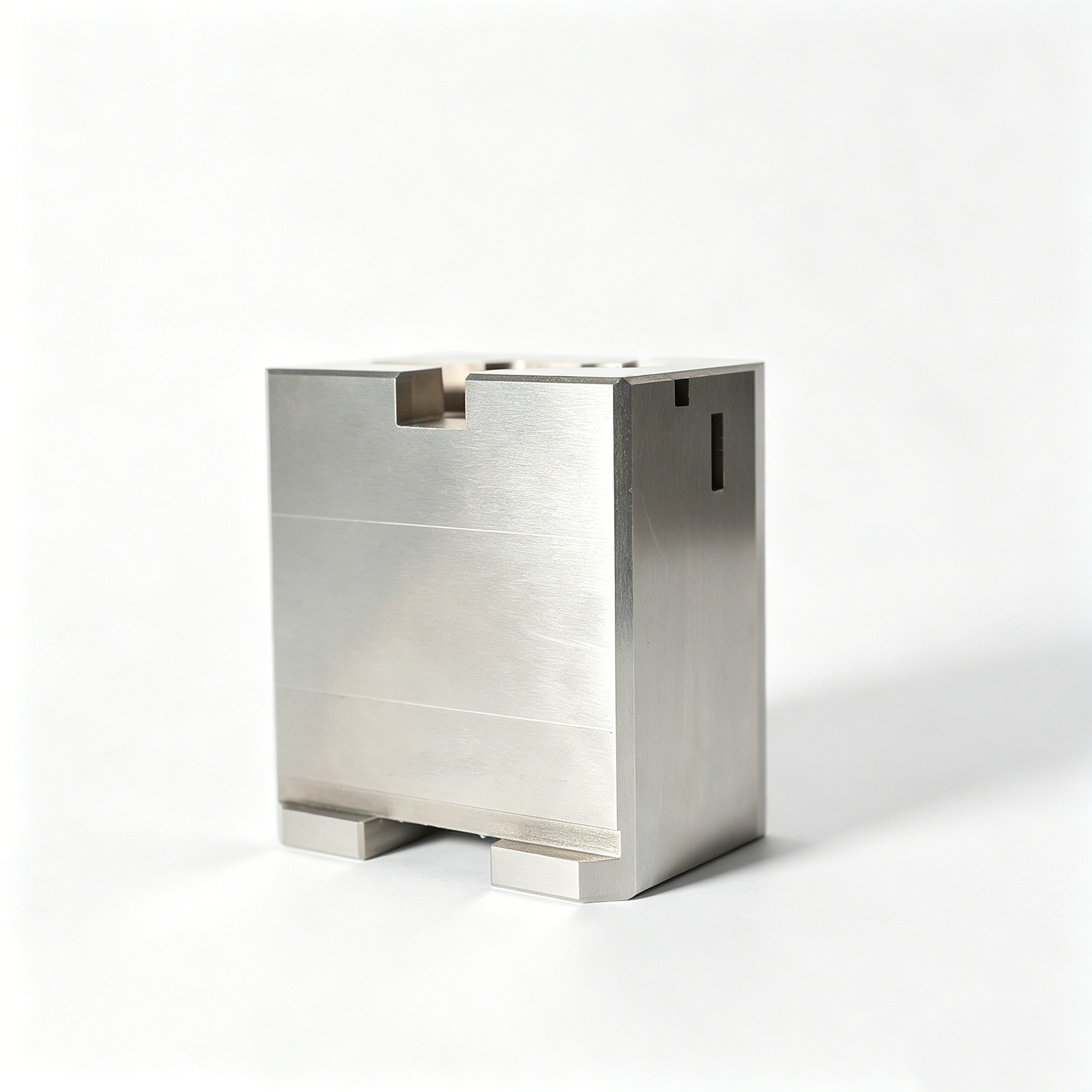
Slides, Lifters, Gates & Mold Accessories
Mold slides, lifters, gates and accessories combine bearing faces, angled movement and shutoff geometry that can be affected by treatment movement. Plan stock, heat-treatment timing and final fitting around the surfaces that control motion and sealing.
Upload a Drawing
Connector Mold Components
Precision connector mold components often include fine pitches, delicate cores and tightly related locating features. Distortion-risk planning should connect material selection, hardening route, EDM or grinding sequence and inspection of the dimensions affecting connector geometry.
Upload a Drawing
Stamping Die Components
Precision stamping die components may include sharp profiles, working edges and closely controlled guide relationships. Heat-treatment movement should be evaluated before final wire EDM, grinding and fitting so clearance and alignment are controlled at assembly.
Upload a Drawing
Injection Mold Components for MIM, CIM & Overmolding
Injection, MIM, CIM and overmolding tooling can involve complex cavities, inserts and shutoffs that need stable geometry after thermal processing. SUUXIANG reviews critical features, machining access and finishing sequence against the specific tooling requirement.
Upload a Drawing
Machining Materials
CNC machining materials behave differently during stress relief, hardening and subsequent machining. Provide the specified grade, material condition, hardness requirement and application context so the process route and finishing allowance can be assessed responsibly.
Upload a Drawing
Surface Finishes & Heat Treatment
Surface finishing and heat treatment must be planned together when final dimensions, edge condition, wear surfaces or coating preparation are critical. Specify the treatment, target condition, finish requirement and any dimensions requiring measurement after processing.
Upload a Drawing
Quality, Metrology & Documentation
Precision inspection, metrology and quality documentation should reflect the drawing revision, agreed datums and inspection stage. For distortion-sensitive work, define which features are checked before and after heat treatment and what reporting evidence is required.
Upload a Drawing
Prototyping & Low-Volume Production
Rapid prototyping and low-volume manufacturing allow the process route to be matched to actual engineering risk rather than assumed volume. Submit drawings, material, quantity, critical dimensions and delivery needs for review of heat-treatment and finishing requirements.
Upload a DrawingManaging Heat Treatment Distortion From Drawing to Inspection
Align critical dimensions, heat-treatment sequence, finishing allowances and inspection evidence before production commitments.
Submit Complete Drawing Data
Provide 2D drawings, 3D models when available, material, quantity, application context, surface requirements, target delivery date and reporting expectations for a focused review.
Define Critical Features
Identify critical dimensions, datums, runout, flatness, parallelism and mating interfaces most exposed to heat-treatment movement, tolerance stack effects or downstream assembly risk.
Plan Process Sequence
Review machining allowance, heat-treatment sequence, tool access, EDM strategy, wire paths, grinding stock and fitting needs before confirming the practical manufacturing route.
Align Inspection Evidence
Agree inspection methods, reporting requirements, revision controls and acceptance priorities so final documentation follows the order requirements and verified inspection plan.
FAQ: Managing Heat Treatment Distortion for Custom Parts
Practical answers on allowances, sequence planning, datums, inspection evidence, and the inputs needed for a responsible drawing review.
What information should I provide before quotation?
How does distortion risk affect machining allowance?
Can tight tolerances be guaranteed after heat treatment?
Should grinding be scheduled before or after heat treatment?
How do you review thin, long, or asymmetric parts for distortion risk?
What inspection evidence should I request for distortion-sensitive parts?
Can EDM correct dimensions after heat treatment?
When should I submit a drawing for a distortion-risk review?
Start Managing Heat Treatment Distortion With a Drawing Review
Upload your drawing with material, quantity, quality and delivery requirements for a focused DFM discussion on distortion risks and inspection priorities.