
Nitriding vs. Carburizing: Select the Right Route
Compare nitriding and carburizing against material, case depth, distortion risk, machining sequence, and inspection requirements before releasing a drawing.
Compare Nitriding and Carburizing by Critical Design Criteria
Use the drawing, duty cycle, material condition, and inspection priorities to determine the appropriate surface-hardening route before production planning.
Required Case Depth
Define effective hardened depth and load path first; deeper case requirements may change the preferred route, machining allowance, and verification plan.
Distortion Risk
Review datums, thin sections, tight fits, and post-treatment geometry to determine whether distortion risk requires a different sequence or finishing strategy.
Material Compatibility
Confirm steel grade, core-property requirements, and heat-treatment condition before selection; alloy response and application loads must support the specified case treatment.
Downstream Finishing
Plan grinding stock, critical surfaces, and inspection method early so finishing operations protect functional dimensions after heat treatment.
Drawing-Driven Manufacturing Capabilities
Process routes and component families planned around drawing requirements, critical dimensions, material conditions, inspection needs, and controlled revision information.
CNC Machining Services
Precision CNC machining services for drawing-based custom parts and mold components. Process planning considers material, datum structure, critical dimensions, tool access, surface requirements, heat-treatment sequence, quantity, and inspection expectations before production commitments are made.
Upload a Drawing
CNC Milling
Custom CNC milling services for prismatic, contoured, and feature-rich parts requiring controlled machining access. SUUXIANG reviews workholding, datum transfer, cutter reach, corner conditions, machining allowance, and inspection points against the supplied drawing and 3D model.
Upload a Drawing
CNC Turning
Precision CNC turning services for shafts, pins, sleeves, bushings, and rotational components. Drawing review addresses concentricity, runout, diameters, threads, grooves, surface requirements, material condition, and subsequent grinding or EDM operations where required.
Upload a Drawing
5-Axis Machining
5-axis CNC machining for complex surfaces, angled features, and multi-face parts where fewer setups can support datum control. Feasibility depends on part geometry, tool reach, workholding, material, tolerance priorities, and the specified inspection method.
Upload a Drawing
Swiss & Micro Machining
Swiss machining and micro machining for small-diameter pins, connectors, sleeves, and detailed turned components. Review focuses on feature scale, length-to-diameter relationship, burr control, material behavior, tolerances, surface needs, and practical measurement of critical features.
Upload a Drawing
Wire & Sinker EDM
Wire EDM and sinker EDM services for hardened features, narrow slots, intricate profiles, deep ribs, and geometry beyond practical cutter access. The process route considers wire path or electrode strategy, flushing, stock condition, recast-layer considerations, and finish requirements.
Upload a Drawing
Precision Grinding
Precision surface and profile grinding for flatness, parallelism, profile control, and fine finishing after machining or heat treatment. Grinding plans account for datum condition, stock allowance, material hardness, distortion risk, wheel access, and verification requirements.
Upload a Drawing
Mold Core & Cavity Inserts
Precision mold core and cavity inserts manufactured from customer drawings for injection tooling applications. Manufacturing planning addresses steel selection, heat-treatment sequence, shutoff geometry, cooling or feature access, EDM strategy, grinding stock, fitting needs, and critical inspection dimensions.
Upload a Drawing
Ejector & Ejection Components
Ejector pins, sleeves, and ejection components produced to drawing-defined dimensions, material, surface, and fit requirements. SUUXIANG reviews sliding interfaces, clearance, concentricity, head geometry, heat-treatment condition, burr control, and mating-component information before release.
Upload a Drawing
Core Pins, Guide & Locating Components
Core pins, guide pins, and locating components for mold alignment, forming, and repeatable assembly. Requirements are reviewed around functional datums, fit class, wear surfaces, material and hardness, concentricity, grinding requirements, and compatibility with mating plates or inserts.
Upload a Drawing
Slides, Lifters, Gates & Mold Accessories
Mold slides, lifters, gates, and accessories made as configurable tooling components from approved drawings. Planning evaluates travel and clearance interfaces, wear areas, shutoffs, assembly references, lubrication needs, machining access, EDM details, fitting work, and inspection criteria.
Upload a Drawing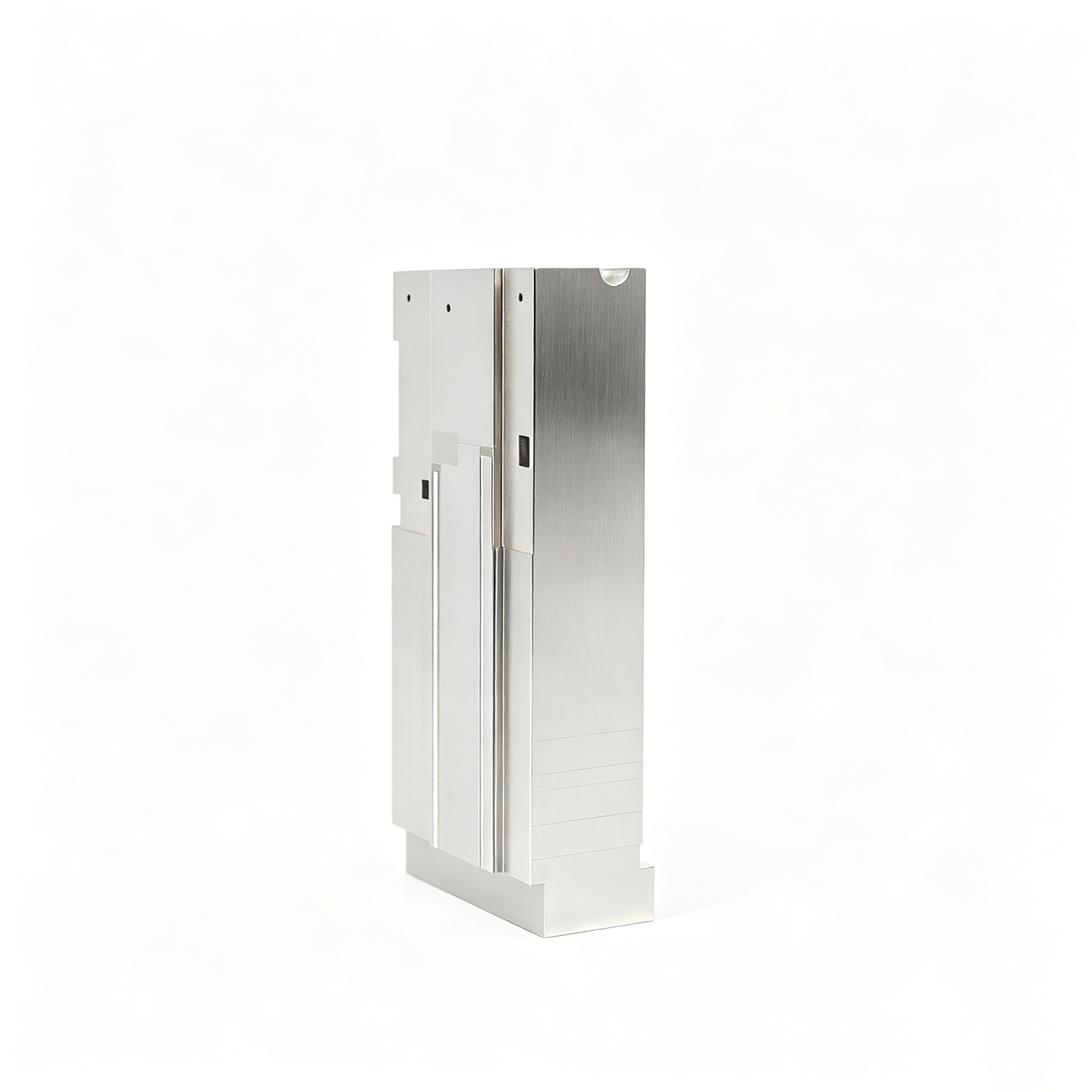
Connector Mold Components
Precision connector mold components for high-density and detailed connector-tooling applications. Reviews concentrate on pin geometry, cavity relationships, pitch-critical features, fine EDM requirements, material condition, finish, burr control, mating interfaces, and measurement strategy.
Upload a Drawing
Stamping Die Components
Precision stamping die components for forming, blanking, piercing, and related die assemblies. SUUXIANG evaluates working edges, clearance relationships, guide features, material and heat-treatment requirements, grinding stock, EDM needs, assembly datums, and requested inspection documentation.
Upload a Drawing
Injection, MIM, CIM & Overmolding Tooling
Injection, MIM, CIM, and overmolding tooling components supported when requirements fall within verified production scope. Drawing review considers molded-material context, parting and shutoff conditions, inserts, gates, ejection, thermal features, tolerances, and component interfaces before quotation.
Upload a Drawing
Machining Materials
CNC machining materials selected against the drawing, application, machining route, and any required material documentation. Buyers should specify grade, condition, hardness, corrosion or wear needs, heat-treatment requirements, and any restrictions affecting inspection or downstream assembly.
Upload a Drawing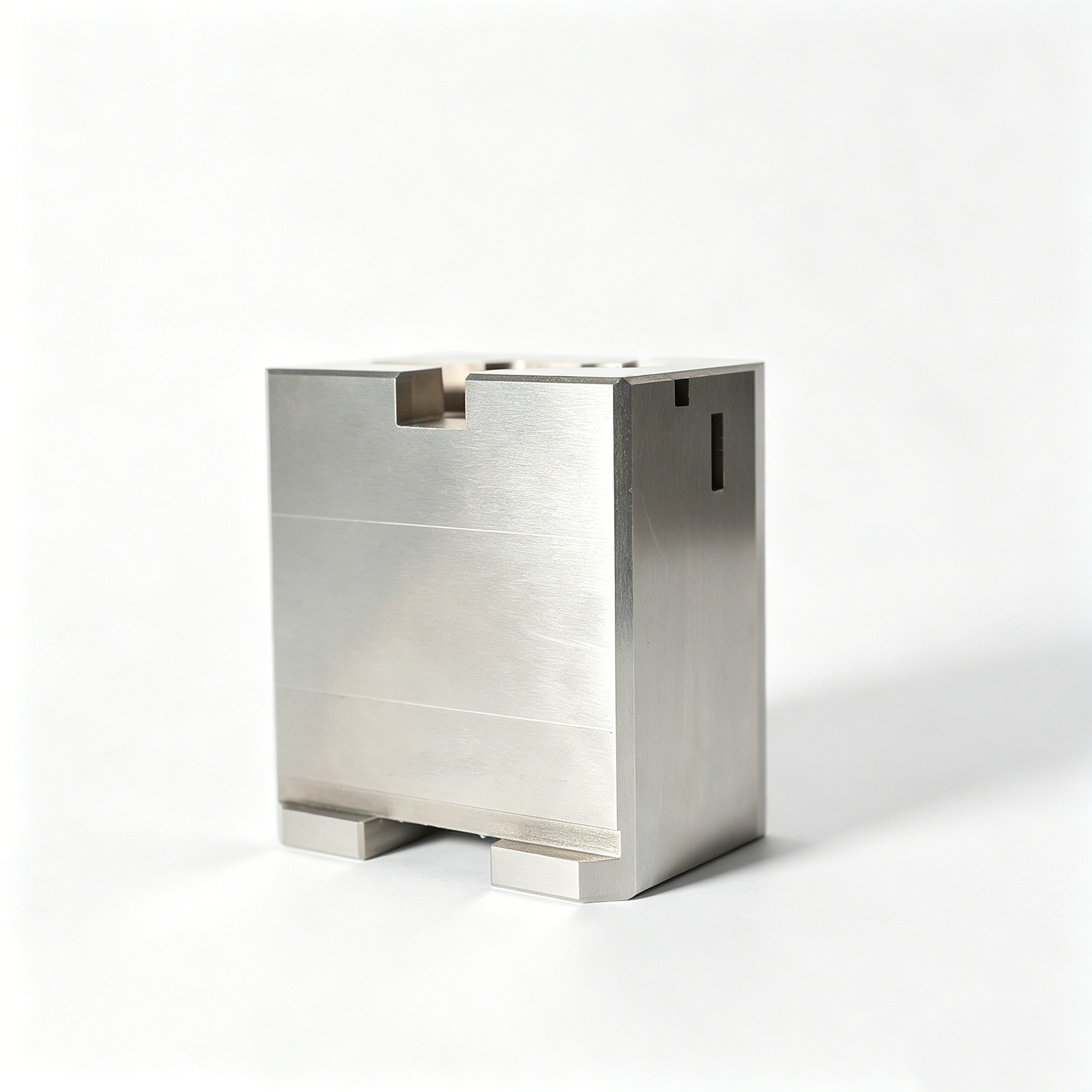
Surface Finishes & Heat Treatment
Surface finishing and heat treatment are coordinated from drawing and application requirements, not assumed. Review covers finish purpose, coating compatibility, masking or critical surfaces, dimensional change, distortion risk, hardness requirements, corrosion needs, and inspection evidence required for the order.
Upload a Drawing
Quality, Metrology & Documentation
Precision inspection, metrology, and quality documentation aligned with the agreed drawing revision and inspection plan. Critical dimensions, datums, sampling expectations, report format, material evidence, and traceability requirements should be identified before production begins.
Upload a Drawing
Prototyping & Low-Volume Production
Rapid prototyping and low-volume manufacturing for drawing-based parts that require process-aware planning before repeat production. RFQs should include models, quantity, material, critical dimensions, finishing or heat treatment, inspection needs, delivery target, and application context.
Upload a DrawingA Practical Nitriding vs. Carburizing Comparison
Use this drawing-first matrix to compare case-hardening routes, dimensional risks, finishing sequence, and the evidence needed before an RFQ.
← Swipe left or right to view →
Plan Nitriding or Carburizing From Drawing to Inspection
Translate heat-treatment requirements into a documented manufacturing discussion before production commitments are made.
Submit Drawing Requirements
Provide the 2D drawing, 3D model when available, material, quantity, application context, target delivery date, and critical dimensional, surface, and reporting requirements.
Review Critical Features
Identify datums, tolerance-stack risks, machining access, grinding allowance, EDM needs, and features likely to respond differently to nitriding or carburizing.
Align the Process Route
Discuss the proposed machining and heat-treatment sequence, including finish-machining allowances, distortion considerations, and responsibilities for externally specified treatment requirements.
Define Inspection Evidence
Agree on critical dimensions, inspection methods, report format, revision control, and the evidence required to verify the finished parts against the approved order requirements.
Frequently Asked Questions About Nitriding Versus Carburizing
Selection, distortion, finishing allowance, and RFQ requirements for drawing-driven precision components.
What is the main difference between nitriding and carburizing?
When should I choose nitriding versus carburizing for a precision mold component?
Does nitriding versus carburizing affect machining and grinding allowance?
Which process creates more distortion: nitriding or carburizing?
Can nitriding versus carburizing be specified after CNC machining is complete?
What inspection requirements should I provide for a nitrided or carburized part?
What should an RFQ include for heat-treated CNC or mold components?
Choose Nitriding Versus Carburizing for Your Drawing
Send your drawing, material and heat-treatment requirements, quantity, critical dimensions, and inspection expectations for a disciplined process-route review.