
P20 versus NAK80 Mold Steel: Choose for Your Tooling
Compare P20 versus NAK80 mold steel against polish, resin exposure, machining route, critical dimensions, and inspection requirements before submitting an RFQ.
P20 versus NAK80 mold steel: compare tooling decisions
SUUXIANG reviews P20 versus NAK80 mold steel against the drawing, resin, finish, critical dimensions, and inspection requirements.
← Swipe left or right to view →
How to Evaluate P20 versus NAK80 Mold Steel From the Drawing
Review surface expectations, feature access, operating conditions, and inspection requirements before committing the cavity, core, or insert material.
Define Cosmetic Surfaces
For P20 versus NAK80 mold steel, identify visible faces, polish targets, texture boundaries, weld-repair risk, and acceptable surface variation.
Check Feature Access
Review cutter reach, electrode access, wire paths, corner radii, and grinding stock so the selected material supports a practical process route.
Map Service Conditions
Document resin type, fillers, molding environment, expected production demand, and maintenance constraints before assigning steel to cavities, cores, slides, or inserts.
Protect Critical Datums
Mark critical-to-quality dimensions, mating interfaces, shutoffs, and datum relationships; then align machining allowance, EDM strategy, and inspection methods accordingly.
Specify Evidence Needed
Include material designation, delivery condition, heat-treatment requirements, surface priorities, quantity, and inspection reporting needs with the drawing package.
How P20 and NAK80 Change the Process Route
Compare steel selection, machining sequence, EDM strategy, finishing, and inspection needs before committing a mold or tooling drawing to production.
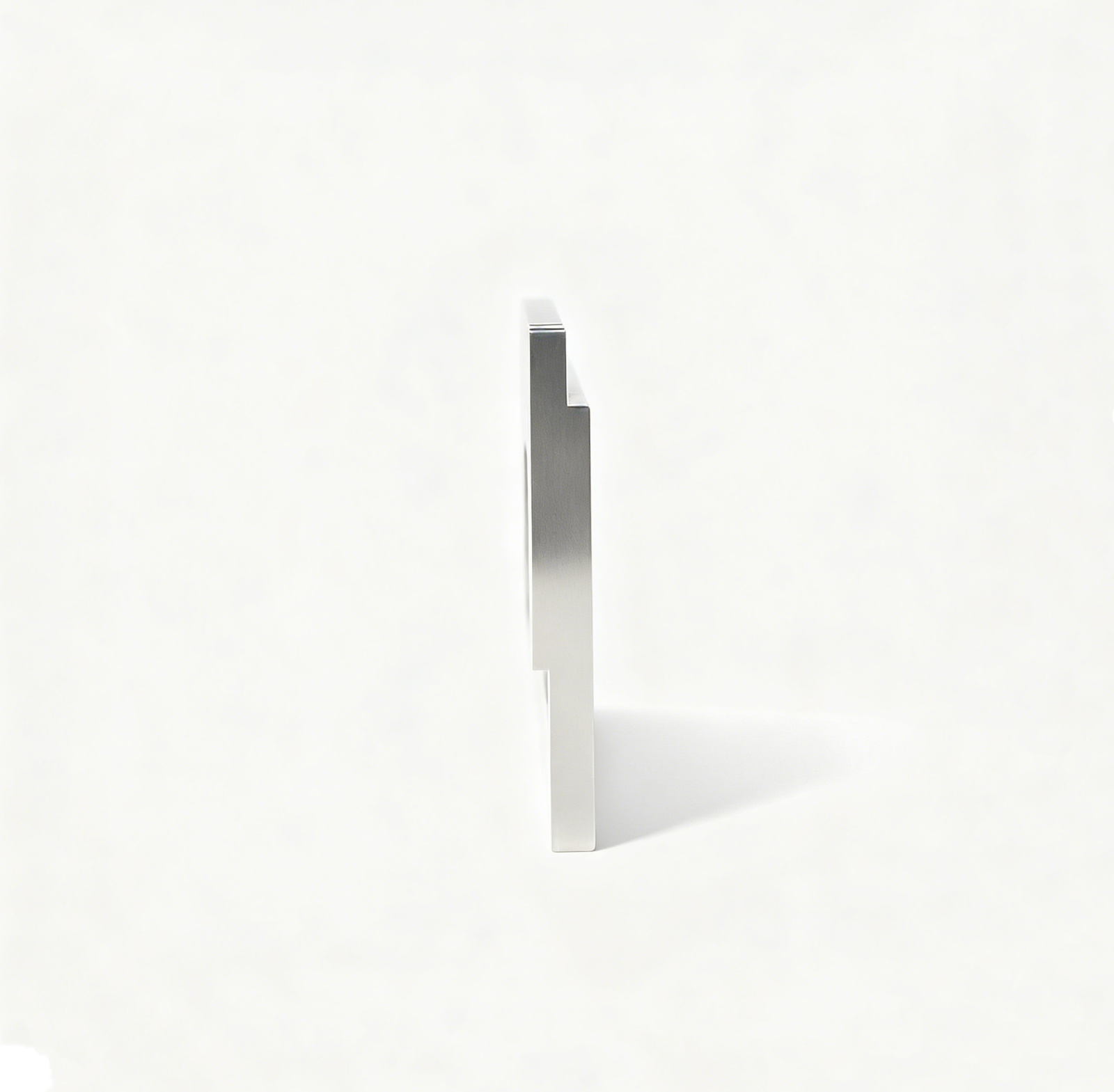
CNC Machining Services
Precision CNC machining services begin with the drawing, material condition, datums, and critical dimensions. P20 and NAK80 can require different cutting parameters, finishing allowances, and inspection planning, so the process route should be reviewed before quotation.
Upload a Drawing
CNC Milling
Custom CNC milling services shape plates, inserts, pockets, and complex mold features from approved material. P20 supports practical pre-hardened mold work; NAK80 may be selected where a polished surface is important, subject to drawing and application review.
Upload a Drawing
CNC Turning
Precision CNC turning services support round mold and custom components such as pins, sleeves, bushes, and locating features. Material condition affects tool selection, stock allowance, concentricity control, and whether subsequent grinding is needed for functional fits.
Upload a Drawing
5-Axis Machining
5-axis CNC machining can improve tool access on contoured inserts, connector tooling, and complex custom parts. For P20 or NAK80 components, the review should identify reachable surfaces, clamping strategy, remaining stock, and features requiring EDM or grinding.
Upload a Drawing
Swiss & Micro Machining
Swiss machining and micro machining support small-diameter pins, shafts, sleeves, and connector-related components where geometry and handling matter. Material selection affects achievable features, burr control, straightness, surface condition, and the need for downstream polishing or grinding.
Upload a Drawing
Wire & Sinker EDM
Wire EDM services and sinker EDM services address narrow slots, internal corners, deep ribs, and hardened or difficult-access mold features. Electrode design, wire path, recast-layer considerations, and finish requirements should be defined against the chosen steel and drawing tolerances.
Upload a Drawing
Precision Grinding
Precision surface and profile grinding establishes controlled flatness, parallelism, profiles, and functional fits after machining or heat treatment. The required grinding stock, datum sequence, and surface specification must reflect whether P20, NAK80, or another material is selected.
Upload a Drawing
Mold Core & Cavity Inserts
Precision mold core and cavity inserts are produced from drawing-defined steel, cavity geometry, cooling requirements, and surface expectations. P20 may suit robust production tooling; NAK80 is often considered for polished cavity surfaces, with process choices confirmed during DFM.
Upload a Drawing
Ejector & Ejection Components
Ejector pins, sleeves, and ejection components require attention to running clearance, wear conditions, lubrication, and mating features. Material and heat-treatment requirements must be specified because ejection performance depends on the assembled system, not an isolated dimension.
Upload a Drawing
Core Pins, Guide & Locating Components
Core pins, guide pins, and locating components are defined by alignment, contact loads, mating clearances, and service conditions. Process planning may combine turning, milling, grinding, and EDM, while material selection should account for wear, polish, and dimensional stability.
Upload a Drawing
Slides, Lifters, Gates & Mold Accessories
Mold slides, lifters, gates, and accessories require coordinated geometry across moving interfaces, shutoffs, and material flow areas. Drawings should identify contact faces, finish requirements, and material condition so machining, EDM, fitting, and grinding can be sequenced correctly.
Upload a Drawing
Connector Mold Components
Precision connector mold components often include fine pitch features, insert interfaces, small radii, and strict alignment requirements. P20 versus NAK80 decisions can affect polish expectations, EDM strategy, and inspection priorities; mating-component context should accompany the RFQ.
Upload a Drawing
Stamping Die Components
Precision stamping die components depend on material grade, thickness, cutting geometry, wear demands, and clearance relationships. SUUXIANG reviews whether milling, wire EDM, grinding, and fitting are appropriate, with heat-treatment sequence and inspection needs established before production.
Upload a Drawing
Injection Mold Components for MIM, CIM & Overmolding
Injection, MIM, CIM, and overmolding tooling components are evaluated from the specific resin, feedstock, part geometry, surface, and molding conditions. Tool steel selection and process routing remain conditional on verified project requirements, including cavities, inserts, gates, and interfaces.
Upload a Drawing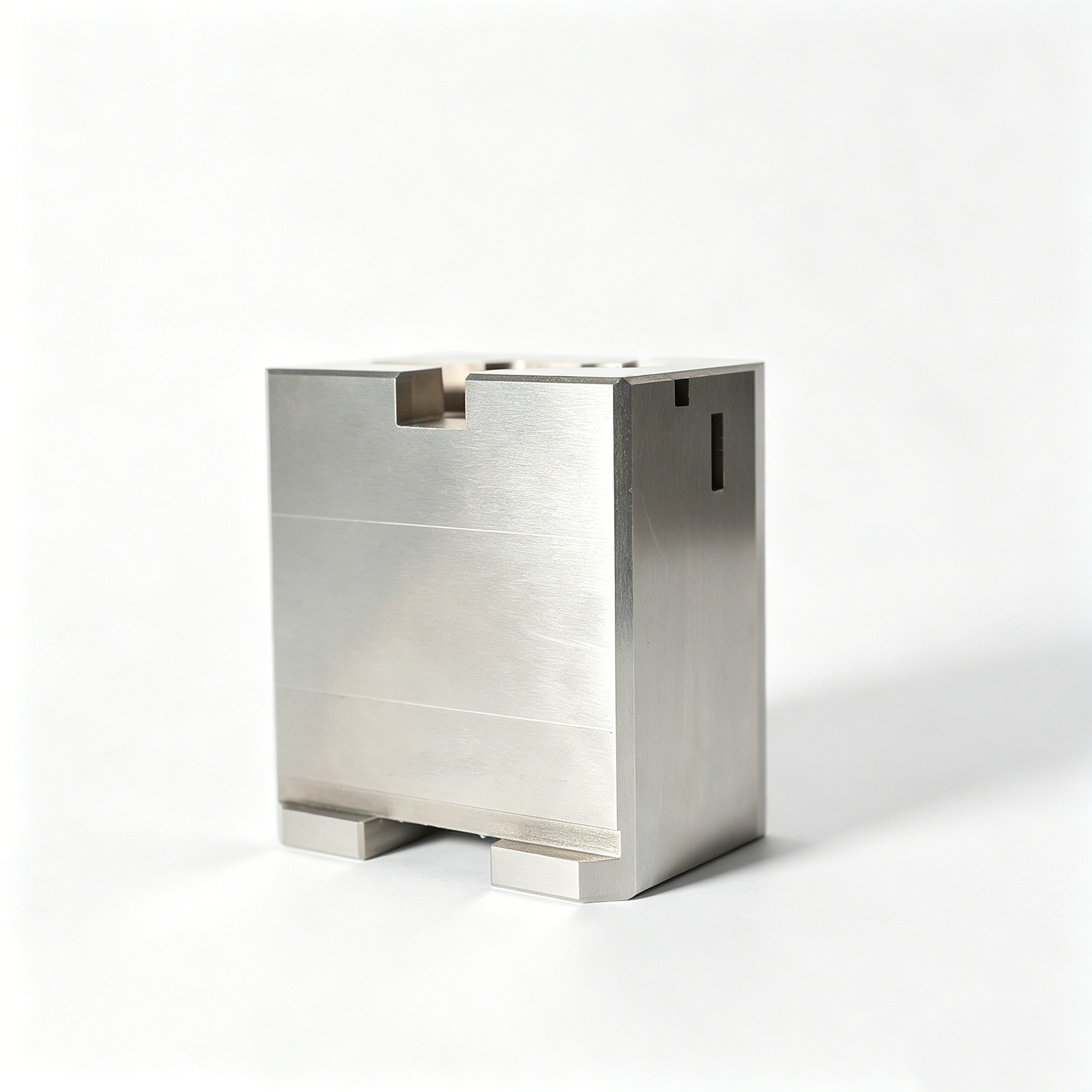
Machining Materials
CNC machining materials should be selected for the component’s load, wear, corrosion exposure, polish requirement, heat-treatment route, and mating conditions. P20 and NAK80 are not interchangeable defaults; submit the material specification, application context, and any approved equivalent.
Upload a Drawing
Surface Finishes & Heat Treatment
Surface finishing and heat treatment must be planned with the final function and tolerance stack in mind. Polishing, texture preparation, coating, nitriding, or hardening can alter surface condition and dimensions, requiring appropriate machining and grinding allowances beforehand.
Upload a Drawing
Quality, Metrology & Documentation
Precision inspection, metrology, and quality documentation are aligned to drawing revisions, datums, critical dimensions, and agreed reporting needs. An effective RFQ identifies measurement methods, sampling expectations, material records, and any traceability required for mold or connector tooling components.
Upload a Drawing
Prototyping & Low-Volume Production
Rapid prototyping and low-volume manufacturing support drawing-driven iterations, bridge quantities, and replacement tooling components. Early review helps determine whether P20, NAK80, or another material is appropriate for the intended service, finish, quantity, and delivery requirements.
Upload a DrawingFrom Drawing Review to Inspected Mold Components
SUUXIANG converts your material choice, part geometry, and quality requirements into a controlled manufacturing discussion before production commitments are made.
Submit Complete Design Inputs
Provide the 2D drawing, 3D model when available, P20 or NAK80 requirement, quantity, resin application, finish expectations, delivery target, and inspection needs.
Define Critical Requirements
Identify critical dimensions, datums, tolerance stack risks, surface and polish requirements, heat-treatment condition, mating interfaces, and the evidence required for acceptance.
Review the Process Route
Assess machining access, machining allowance, EDM electrode or wire path needs, grinding stock, fitting sequence, and whether P20 versus NAK80 mold steel affects the route.
Confirm Controlled Production Scope
Align the proposed CNC machining, EDM, grinding, fitting, inspection, revision-control, and delivery plan with the drawing and project-specific quality expectations before release.
Inspect and Document Parts
Manufacture to the approved route, inspect against the agreed plan, and provide order-matched documentation with revision and delivery information kept visible throughout coordination.
P20 versus NAK80 Mold Steel at SUUXIANG
SUUXIANG is the sole public-facing brand of Dongguan SuuXiang Precision Mold Co., Ltd., established in 2010 in Chang’an Town, Dongguan, Guangdong, China. Founded by XiaoCheng Huang, the company helps international engineering, sourcing, and quality teams turn controlled drawings and specifications into inspected custom CNC parts, precision mold components, connector tooling, and die components.
For P20 versus NAK80 mold steel decisions, our work begins before quotation. We review critical dimensions, datums, surface requirements, machining access, heat-treatment sequence, EDM needs, grinding allowance, and inspection expectations to establish a process route that fits the drawing and application.
Our difference is disciplined coordination across CNC milling and turning, multi-axis machining, EDM, precision grinding, fitting, and inspection. Rather than presenting an unlimited catalog, SUUXIANG evaluates each drawing, keeps revisions visible, and aligns final documentation with the agreed inspection plan and order requirements. Configurable product families, capability limits, tolerances, lead times, and documentation commitments are confirmed against current project evidence.

FAQs on P20 versus NAK80 Mold Steel and RFQ Preparation
Use the drawing review to align material condition, finish requirements, EDM planning, inspection evidence, and revision control before production.
How do I choose P20 versus NAK80 mold steel for my mold component?
Are P20 and NAK80 supplied pre-hardened?
Which gives a better polished surface: P20 versus NAK80 mold steel?
Should machining allowance change when using pre-hardened mold steel?
How does P20 versus NAK80 mold steel affect EDM strategy?
What inspection evidence should I request for mold inserts?
What should I include in an RFQ for P20 or NAK80 components?
Upload Your P20 or NAK80 Mold Steel Drawing
Send your drawing, material specification, quantity, critical dimensions, surface requirements, and delivery target for a responsible DFM and process review.